
Review · ITALY
Padua: Jewish Heritage Museum and Synagogue Tour
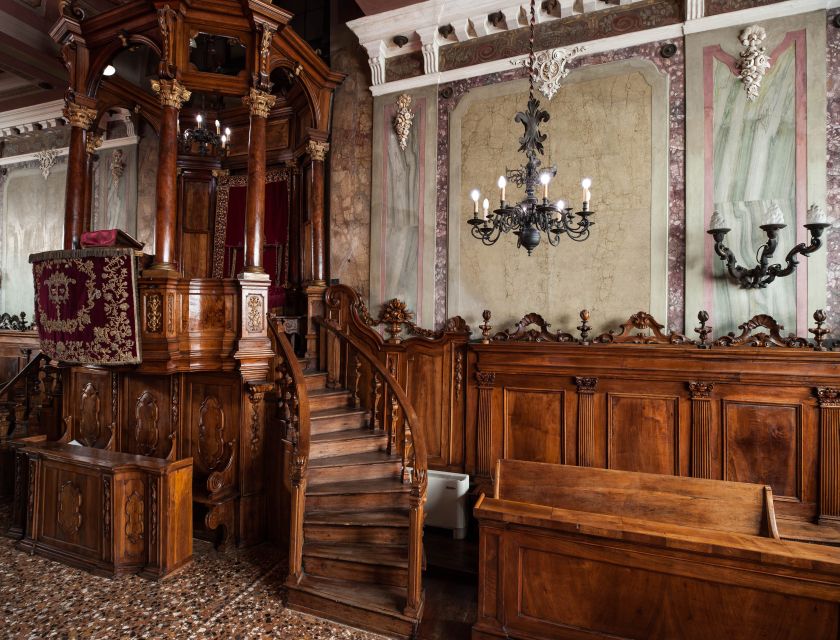
Padua’s Jewish quarter is small, but its story reaches across centuries of scholarship, trade, worship, persecution, and renewal. This tour links the Jewish Museum in a former Ashkenazi synagogue with the Italian Synagogue, where the community still prays beneath a striking polychrome Aron-ha-Kodesh.
I like two things especially: the multimedia portraits of ten important Jewish figures make the past personal, and the walking portion through the narrow ghetto streets connects the museum displays to the actual places where people lived and worked. The main consideration is the short length. At 1 to 1.5 hours, the tour is focused rather than exhaustive, and weekday pricing can be unclear unless other people have already booked the same time slot.
Key points to know before booking
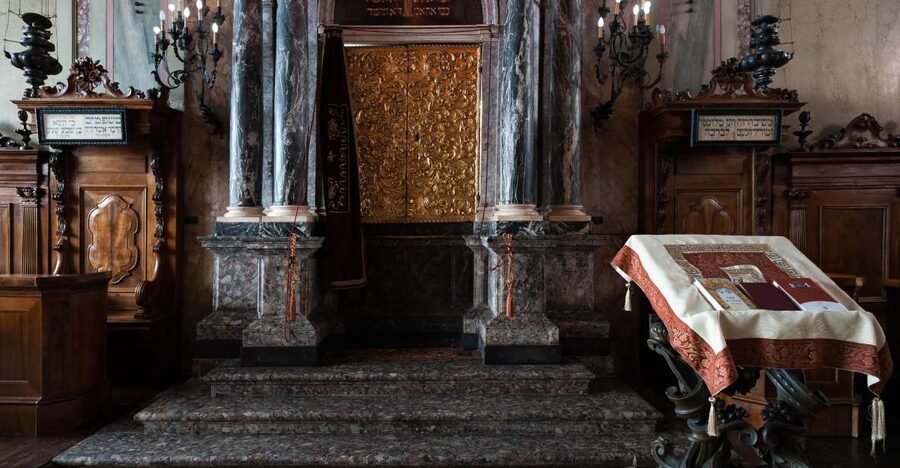
- The tour connects two important synagogues: You visit the museum in a restored former Ashkenazi synagogue, then enter the Italian Synagogue, which remains an active place of worship.
- The ten video portraits add human detail: Important Jewish figures from Padua’s past appear through a film installation directed by Denis Brotto.
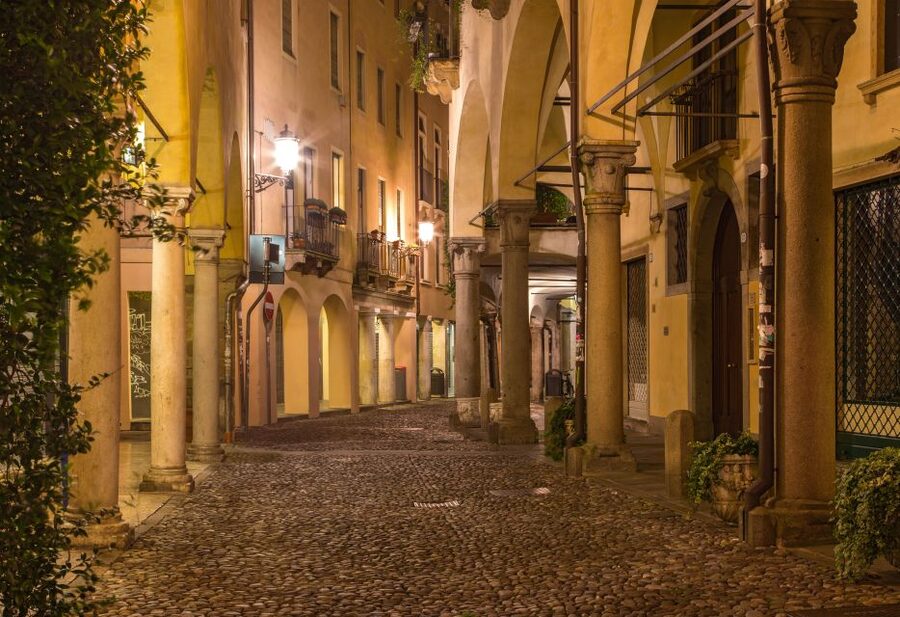
- The old Ghetto is part of the lesson: Narrow streets reveal the community’s former commercial, social, cultural, and religious life.
- Guides make the difference: Antonella, Simonetta, and Isaiah have been especially effective at explaining Padua’s Jewish scholars and the link with the city’s university.
- Dress modestly: Shorts and sleeveless shirts are not allowed, and the synagogue is still used for prayer.
- Allow 1 to 1.5 hours: The visit works well as a compact cultural stop in Padua’s historic center.
Why Padua’s Jewish story deserves your time
Padua is often visited for its university, frescoes, basilicas, and elegant squares. The Jewish story can be easier to miss because the old Ghetto is tucked into the historic center rather than presented as one large monument.
This tour fixes that problem. You get a clear introduction to Jewish life in Padua from its origins to the present day, then see the spaces where that life unfolded. I like this approach because it avoids treating the community as a footnote to Italian history. Jewish residents were merchants, teachers, doctors, religious scholars, students, and civic participants. Their lives were tied closely to the city’s commercial streets and to the University of Padua.
The university connection is one of the most useful themes to watch for. Padua’s university is around 800 years old and was among the early European universities open to Jewish students. That link helps explain why Padua became important not only as a place of worship, but also as a center of Jewish learning.
You will also hear about figures such as Rabbi Judah Minz, the Maharam of Padua, and Moshe Chaim Luzzatto, known as the Ramchal. The tour does not simply list names. Its best guides, including Antonella, Simonetta, and Isaiah, explain how these people fit into the wider intellectual and religious life of Padua.
A few more museum visits around Italy worth comparing
- Venice: St. Mark Basilica Ticket, Audioguide+History Gallery
★ 3.9 · 4,780 reviews - Venice’s Best: Basilica, Doge’s Palace, Gondola & History Gallery
★ 4.5 · 2,478 reviews - Venice: Bell Tower & St Mark’s Square History Gallery Ticket
★ 4.3 · 910 reviews
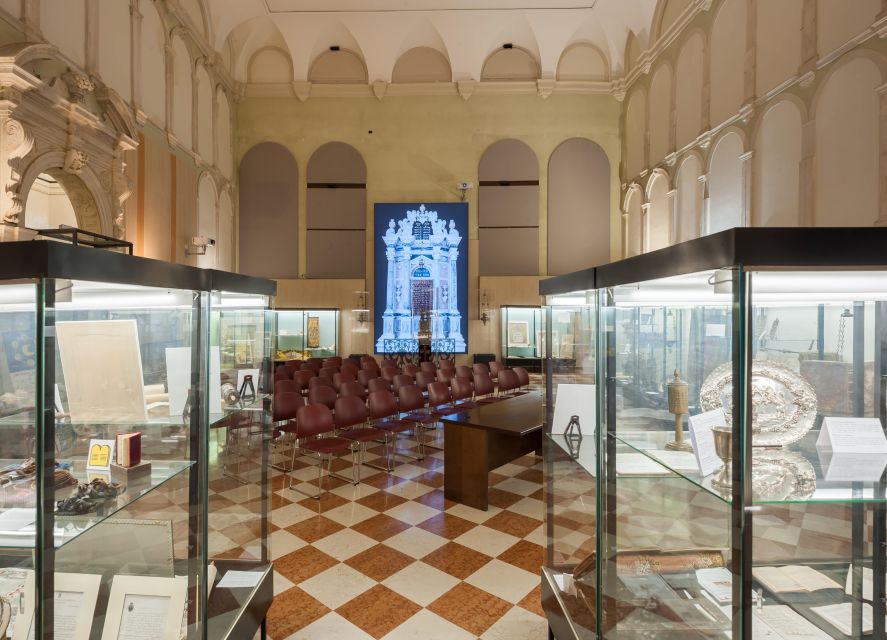
Starting at the museum in the former Ashkenazi synagogue
The meeting point is a magenta-colored building in the street. Show your voucher at the ticket counter before the tour begins. The museum visit forms the first major part of the experience, and it gives you the background needed to understand the later synagogue visit.
The museum is housed in a restored 16th-century Ashkenazi synagogue. That building suffered destruction after a fire set by fascists in 1943 and was rebuilt in the 1990s. This detail matters because the museum is not only a display about Jewish life. The building itself carries evidence of loss, survival, and restoration.
Inside, you learn about the rituals and events of Padua’s Jewish community over time. Displays explain the community’s place in the city, while the guide fills in the details that a display panel cannot easily cover. I would pay close attention to the difference between religious practice and daily life. The story includes commerce, education, social ties, scholarship, and the changing pressures placed on Jewish residents.
The museum is not enormous, so do not expect a full-day institution with room after room of objects. Its strength is the guided explanation. The visit gives you a framework, then lets the guide add context and answer questions.
Meeting ten Jewish figures through film
A multimedia installation directed by film director Denis Brotto brings ten notable figures from Padua’s Jewish life into the visit. The characters appear through video and speak about their lives and the places connected with Padua Judaism.
This is one of the tour’s most effective features. Dates and names can blur together, especially during a short visit. A filmed character gives the story a voice and a human scale. You are not only hearing that someone studied, prayed, taught, or worked in Padua. You get a sense of how that person belongs to the city’s larger story.
The museum also includes short documentary films about important Jewish personalities in Italian history. These films add useful context without requiring you to read every panel. If you enjoy history, the videos are a strong reason to choose this tour over a quick independent look at the synagogue exterior.
The multimedia section does have a possible limitation. If you prefer a purely architectural or object-based museum, the film element may take more of your time than expected. For most people, though, the videos make the visit easier to follow, especially when the guide connects the characters to the streets you will soon walk.
Walking through the old Jewish Ghetto
After the museum, the tour moves through the narrow streets of Padua’s ancient Jewish Ghetto. This is not a long walking excursion, but it gives the history a physical setting.
The guide explains how the Jewish settlement developed and describes its commercial, social, cultural, and religious life. Look around as you walk. The streets are part of the evidence. Their tight scale helps you picture a neighborhood shaped by close community ties, local business, worship, and limits imposed by the surrounding city.
This portion is valuable because it breaks up the museum visit. You are not asked to absorb everything indoors. Instead, you move through the historic center and see how the community was woven into the urban fabric near Piazza delle Erbe.
The walk also helps explain why Padua’s Jewish past is easy to overlook. There is no single grand quarter isolated from the rest of the city. The old Ghetto is connected to the ordinary movement of Padua, with streets and buildings that require a guide to interpret them.
Wear comfortable shoes, but do not expect a demanding walk. The tour remains within the historic center and lasts only 1 to 1.5 hours overall. The streets may be narrow, so stay close to the guide and listen for directions.
Same city, a completely different collection:
- Vatican: Museums & Sistine Chapel Entrance Ticket
★ 4.5 · 144,003 reviews - Vatican Museums, Sistine Chapel & St. Peter’s Basilica Tour
★ 4.3 · 73,970 reviews - Vatican Museums, Sistine Chapel & St Peter’s Basilica Guided Tour
★ 4.5 · 39,149 reviews - Florence: Skip-The-Line Uffizi Gallery Timed Entry Ticket
★ 4.5 · 27,832 reviews
Entering the Italian Synagogue
The final stop is the Italian Synagogue, still used as a prayer site by members of the Padua Jewish community. Ending here gives the tour a strong sense of continuity. You move from historical explanation to a living religious space.
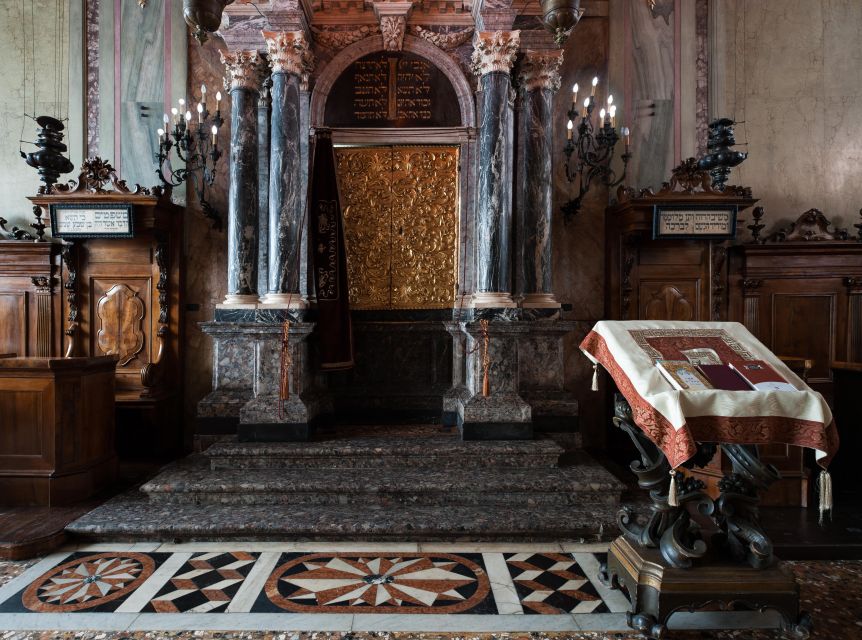
The centerpiece is the polychrome marble Aron-ha-Kodesh, the sacred cabinet set into the eastern wall. It holds the Torah scrolls and remains central to worship. Your guide explains its architecture, placement, and religious meaning, so the visit is more than a quick look at decorative stonework.
The synagogue is described as stately and beautiful, but the most important point is that it is still active. That means you are entering a place of prayer, not simply a preserved historic room. Modest clothing is required. Shorts and sleeveless shirts are not allowed, and the tour instructions also prohibit nudity.
I appreciate the decision to place the synagogue at the end. By this point, you understand the community that built and used these spaces. The Aron-ha-Kodesh becomes part of a longer story rather than an isolated architectural object.
Because the synagogue remains in use, access can depend on community arrangements. The provided tour includes entry, but you should follow the guide’s instructions carefully and treat the space with the quiet respect expected in an active house of worship.
The guides and the quality of the explanation
The guide is central to this experience. The strongest accounts of the tour name Antonella, Simonetta, and Isaiah as particularly engaging guides. They explain Padua’s Jewish history with care, answer detailed questions, and connect the museum, university, ghetto, and synagogues.
Antonella is noted for bringing figures such as the Ramchal and Rabbi Judah Minz into the story. Simonetta is praised for making a large amount of information easy to follow. Isaiah is especially useful if you want to ask detailed questions about the museum, the rabbis associated with it, and Padua’s wider Jewish sites.
You may not receive one of these specific guides, so do not treat a particular person as guaranteed. Still, the tour is run with a live guide in English or Italian, and the structure gives the guide plenty to explain.
This is not the right choice if you want to move quickly and take photographs with little commentary. It is designed around interpretation. You will get more from it if you ask questions and allow the guide to explain the meaning behind the architecture and historical figures.
Is the $17 price good value?
At about $17 per person, the experience offers solid value if you are interested in Jewish history, religious architecture, or Padua’s intellectual past. The price includes the museum, the Italian Synagogue, the guided tour, and the multimedia experience. You are paying for access to places that are not simply part of a standard walk through Padua.
The value improves if you would otherwise visit the museum without enough context. The displays and films give you material to see, but the guide explains how the community’s religious life connected with the university, local trade, and the city’s changing political climate.
There is one important pricing note. On weekdays, a €60 ticket is requested for reservations. The instructions say you can share this amount by booking a time slot where other people have already booked. Check the terms shown for your chosen date and time before paying, because the advertised per-person price and the weekday reservation charge may not mean the same thing for a private or lightly booked slot.
The tour also offers free cancellation up to 24 hours in advance and a reserve-now, pay-later option. These terms are useful if your Padua plans may shift, but check the exact conditions at booking.
Who will enjoy this tour most?
I would recommend this experience to anyone who wants more than Padua’s main Christian monuments and university buildings. It is especially well suited to:
- People interested in Jewish history, synagogue architecture, or Judaica
- Families who want a focused cultural visit rather than a long museum day
- Visitors with a personal connection to Jewish heritage
- History lovers who enjoy names, dates, scholarship, and local stories
- Anyone visiting Padua for one day from Venice
- Visitors who want an English-language explanation of a less obvious part of the city
Families can take part, but the subject matter includes persecution, the destruction of the Ashkenazi synagogue, and the long pressures faced by Jewish communities. Parents should decide if that fits their children’s interests and attention span.
The tour is also a good match for visitors already planning to see the University of Padua. The two experiences complement one another. The university visit shows the institution’s broader story, while the Jewish tour explains how Jewish students and scholars were part of that intellectual setting.
Practical details that affect your visit
The tour lasts 1 to 1.5 hours, making it easy to fit between other Padua sights. It takes place in the historic center, in and around the former Ghetto. You should plan to arrive early enough to find the magenta-colored meeting-point building and show your voucher at the counter.
The experience is wheelchair accessible according to the activity details. Still, the route includes narrow historic streets, so you may want to confirm any specific access needs before booking.
English and Italian tours are available. The tour includes skip-the-ticket-line access, though you still need to present your voucher before the start.
Dress modestly from the beginning. Shorts and sleeveless shirts are not allowed, and appropriate clothing is particularly important because the Italian Synagogue remains a working place of prayer.
If you want to visit Jewish cemeteries in Padua, note that cemetery visits are mentioned as possible on certain days and at certain times, but they are not included in this tour. Do not assume the museum tour covers them.
Should you book the Padua Jewish Heritage Museum and Synagogue Tour?
I would book it if you want a thoughtful, compact look at Padua’s Jewish community and prefer a guide to connect the details. The combination of a restored Ashkenazi synagogue, character-based films, old Ghetto streets, and an active Italian Synagogue gives the visit more depth than a quick stop at one historic building.
I would skip it only if your Padua schedule is extremely tight or if you want a purely self-guided visit with no film or formal explanation. Also check the weekday €60 reservation rule before committing, particularly if you are booking for a small party.
For most history-minded visitors, the tour is a strong use of 1 to 1.5 hours. It adds a vital part of Padua’s story to a city visit that might otherwise focus only on churches, art, and the university.
FAQ
Where does the Padua Jewish Heritage Museum and Synagogue Tour take place?
The tour takes place in Padua’s historic center, in and around the ancient Jewish Ghetto. It includes the Jewish Museum in a former Ashkenazi synagogue and the Italian Synagogue.
How long does the tour last?
The stated duration is 1 to 1.5 hours.
What does the tour include?
The price includes entry to the Padua Jewish Museum, entry to the Padua Synagogue, a guided tour, and the multimedia experience.
What languages are available?
The live tour guide is available in English and Italian.
Is the tour wheelchair accessible?
Yes. The activity information states that the tour is wheelchair accessible.
What should I wear?
Shorts and sleeveless shirts are not allowed. Because the tour enters an active synagogue, you should wear modest clothing.
Where is the meeting point?
Look for a magenta-colored building in the street. You must show your voucher at the ticket counter before the tour begins.
What is the weekday €60 ticket?
A €60 ticket is requested for weekday reservations. The instructions say you can share this amount by choosing a time slot where other people have already booked. Check the booking details for your selected time.
Can I cancel the booking?
Yes. You can cancel up to 24 hours in advance for a full refund. A reserve-now, pay-later option is also available.
Just added around Italy
- Oil museum and oil mill in Tuscany: tour and tasting★ 5.0 · 16 reviews
- Enchanted Castle of Sciacca – Museum Tickets★ 3.5 · 63 reviews
- Torino: FIAT Historic Museum and Lingotto District Tour★ 4.9 · 14 reviews
- Torino: The Car Museum Skip-The-Line Tour★ 4.7 · 22 reviews
- Timed Entry Ticket to the Uffizi Gallery★ 4.5 · 498 reviews
- Florence: Accademia Gallery Entry Ticket with Audio Guide★ 4.1 · 88 reviews
- Vatican City: Sistine Chapel, Museums, Basilica Private Tour★ 4.8 · 158 reviews
- Rome: Capitoline Museums and Centrale Montemartini Tickets★ 4.4 · 328 reviews
Museum Tours in Italy, compared.
Vatican: Museums & Sistine Chapel Entrance Ticket
Read our review →
Vatican Museums, Sistine Chapel & St. Peter’s Basilica Tour
Read our review →
Vatican Museums, Sistine Chapel & St Peter’s Basilica Guided Tour
Read our review →
Skip-The-Line Uffizi Gallery Timed Entry Ticket
Read our review →
Vatican Museums, Sistine Chapel and Basilica Tour
Read our review →
Vatican Museums & Sistine Chapel Skip-the-Line Entry Ticket
Read our review →
Vatican Museums, Sistine Chapel & Basilica Tour
Read our review →
Browse the lists this tour appears in