
Review · BARCELONA
MNAC Barcelona: National Art Museum of Catalonia Admission Ticket
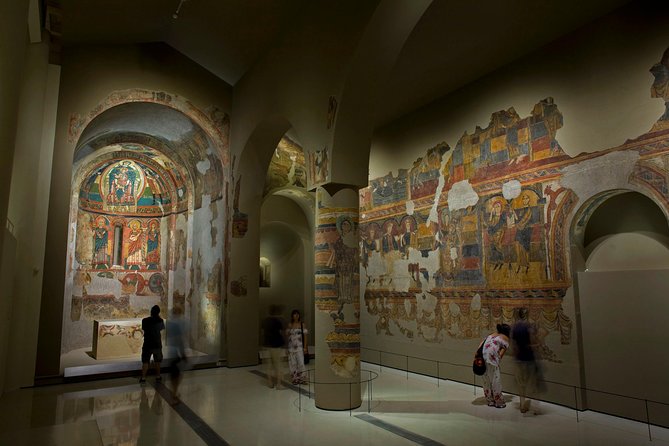
The National Art Museum of Catalonia gives you two fine Barcelona experiences in one: a remarkable art collection inside the grand National Palace, and some of the city’s best views from Montjuïc. The biggest surprise is the Romanesque fresco collection, displayed in reconstructed church interiors so you can see how the paintings once worked as part of a sacred space.
I especially like the museum’s clear sweep through about 1,000 years of art, and the excellent Catalan modernist section with furniture by Gaudí. The main drawback is that the museum is large and its religious art can feel repetitive if your taste runs mainly to famous Spanish painters. Check the opening hours carefully, particularly on Sundays.
Key points to know before you go
- Romanesque frescoes: See luminous medieval paintings in recreated church settings, including the famous 12th-century Christ in Majesty.
- Gaudí beyond architecture: The modern art rooms include sinuous wooden chairs, doors, and other decorative pieces by Antoni Gaudí.
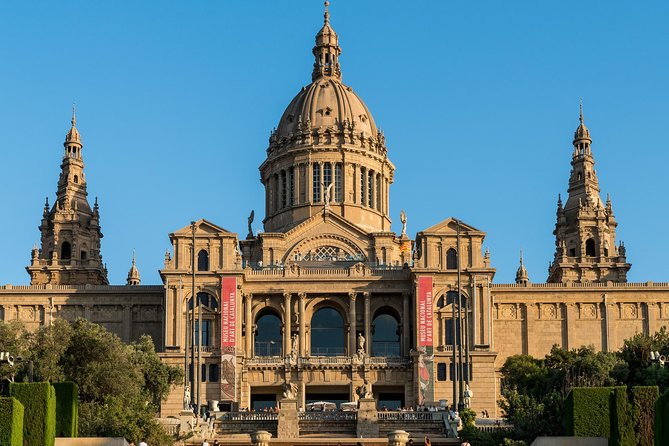
- A grand setting: The museum occupies the National Palace on Montjuïc Hill, with gardens, terraces, and wide views over Barcelona.
- Three hours is a sensible plan: You can stay longer, but this gives you time for the main galleries without turning the visit into an endurance test.
- Self-guided visit: Admission includes the museum ticket only. There is no guided tour or audioguide included.
- Check free and reduced-entry times: Some dates offer free admission, and seniors may qualify for free entry. The $14.48 ticket is most useful when you value convenience and a planned visit.
Why the Romanesque rooms are the museum’s great surprise
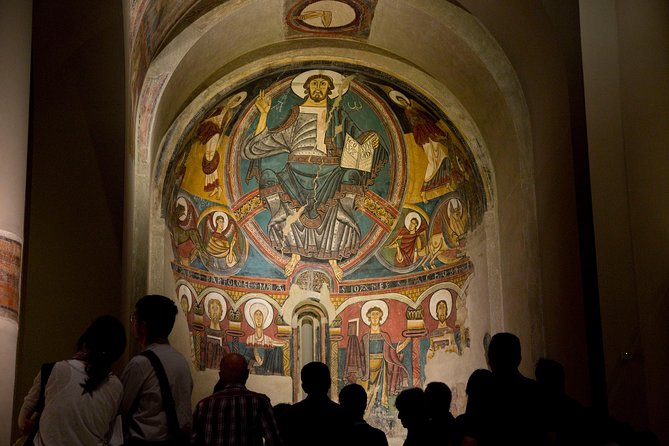
Many art museums arrange medieval paintings on plain white walls. MNAC does something more helpful. Its Romanesque frescoes are presented in reconstructed church interiors, giving you a sense of their original scale and setting.
The paintings are bold rather than delicate. Look for strong outlines, symbolic poses, and intense blocks of color. The famous Christ in Majesty shows Christ seated on a rainbow, a striking image that feels both solemn and surprisingly direct. You do not need a specialist’s background to appreciate it.
This section also explains why the museum is important to Catalan culture. Much of the art comes from churches and religious buildings in Catalonia. The collection is not simply a parade of isolated paintings. It shows how art once shaped worship, architecture, and public life.
Still, you should know what you are getting. If you want a museum packed with famous Spanish portraits and dramatic secular paintings, the Romanesque rooms may feel too focused on religion. I would give this section time even if medieval art is not usually your favorite, then move on when the repeated church scenes begin to blur together.
More Museum Tours in Barcelona
- Barcelona: FC Barcelona Museum “Barça Immersive Tour” Ticket
★ 4.4 · 10,944 reviews - Barcelona: Park Güell and Gaudí House Museum Entry Ticket
★ 4.5 · 6,326 reviews - Barcelona: Picasso Museum Skip-the-Line Guided Tour
★ 4.5 · 3,355 reviews
Gothic, Renaissance, and Baroque art in a grand palace
After the Romanesque collection, the museum carries you forward through Gothic, Renaissance, and Baroque art. This chronological layout makes it easy to see changes in style, subject, and technique without needing a guide.
The European collection includes artists such as Titian and Canaletto, along with Goya and other important figures from the 1400s through the 1900s. The presentation gives you a broad view rather than a narrow focus on one painter or school.
I like this part of the visit because it gives context to Catalan art. You see local work alongside wider European traditions, making it easier to understand what Catalan artists borrowed, changed, or rejected.
Do not rush simply because the Romanesque frescoes are the museum’s headline attraction. The later galleries contain paintings and sculpture that reward a slower look. At the same time, the sheer size of the collection can wear you down. Three hours is enough for a good first visit, but you should not expect to examine every room in detail.
Gaudí’s furniture reveals a different side of modernism
Barcelona is full of Gaudí buildings, but MNAC lets you see his work at a much more personal scale. The modern art section includes furniture and decorative pieces, including curved wooden chairs and doors with flowing shapes.
These objects help you understand Gaudí as more than an architect of unusual facades. His ideas reached into the rooms people used every day. A chair or door can show the same interest in organic lines and practical form that you see in his buildings.
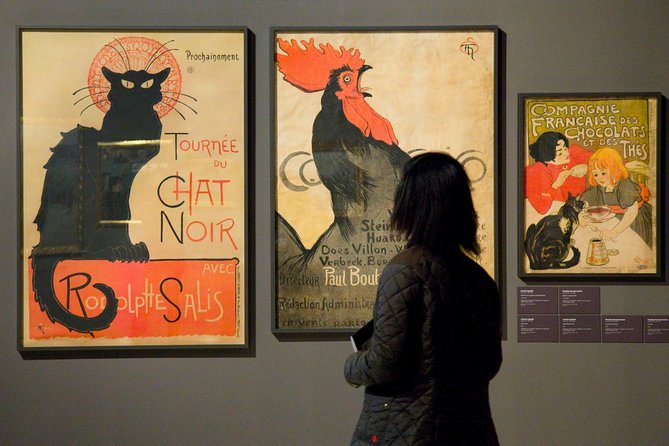
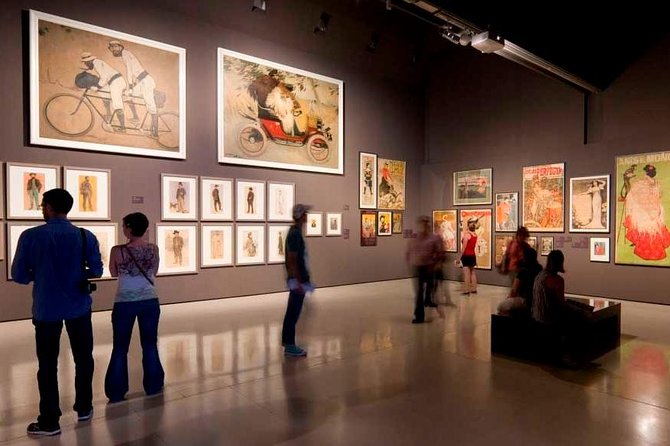
The modern art galleries also include paintings, sculptures, posters, and other Art Nouveau works by 19th- and 20th-century Catalan artists. This is one of the strongest reasons to visit if you have already seen Barcelona’s famous architecture and want more local context.
The modern collection is not only a collection of household objects. It gives you a look at Catalan artistic life during a period of major change. Posters and decorative art sit alongside paintings and sculpture, so the section feels broader than a standard gallery of framed works.
The National Palace is part of the experience
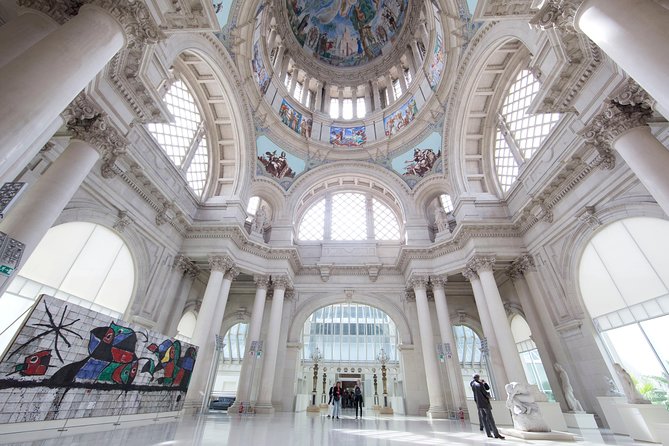
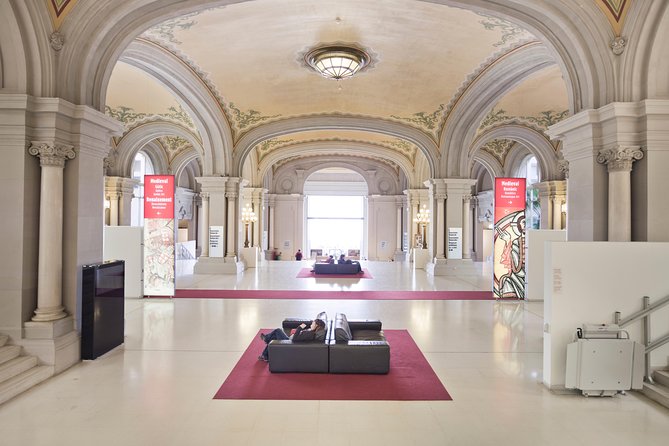
The museum occupies the National Palace on Montjuïc Hill, and the building deserves attention before you even enter the galleries. Its monumental rooms, exterior details, gardens, and elevated position make the visit feel larger than an ordinary museum stop.
You can also spend time outside in Parc de Montjuïc. The visit information allows about an hour for the park, which is sensible if you want to enjoy the setting rather than hurry straight back into the city.
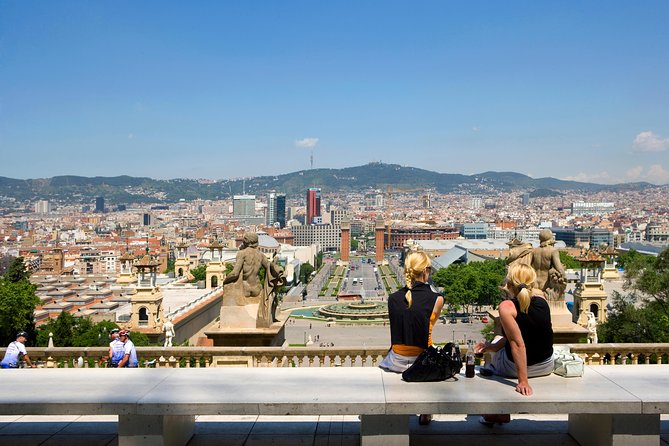
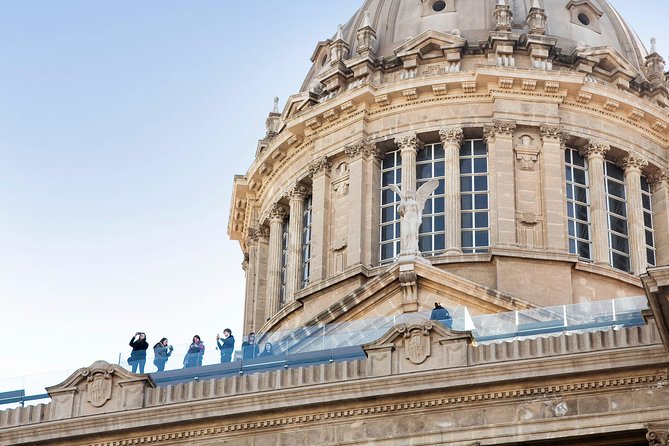
The views are one of the museum’s most praised features. From the building and upper areas, you can look across Barcelona, and the roof terrace offers an especially strong viewpoint. One useful tip is to go to the roof terrace early in your visit, before the small elevator becomes busy. If you take the full rooftop route instead of leaving at the first exit, you get more of the panoramic view.
The outdoor setting makes MNAC a good choice on a day when you want art without giving up fresh air and city scenery. You can also find food on site, including a restaurant and coffee shop. The setting is elegant, though restaurant prices may feel high compared with a casual Barcelona meal.
A few more museum visits around Barcelona worth comparing
- Camp Nou Immersive Tour F.C.Barcelona Museum: Open Date Ticket
★ 4.0 · 1,307 reviews - Moco Museum Barcelona Admission Ticket
★ 4.5 · 1,302 reviews - Barcelona: Wax Museum Entry Ticket
★ 4.6 · 1,189 reviews - Skip the Line: Erotic Museum of Barcelona Admission Ticket with free souvenir
★ 4.5 · 619 reviews
How the three-hour visit works
This is an independent museum admission rather than a guided tour. You make your way to MNAC, exchange the voucher at the ticket office, and enter the permanent collection at your own pace.
Because there is no included guide, you control the rhythm. I would begin with the Romanesque galleries, continue through the Gothic and Renaissance rooms, then spend focused time in the modern section. Finish with the roof terrace, gardens, or city views.
A practical plan looks like this:
- Allow about 30 to 45 minutes for the Romanesque frescoes.
- Give another 45 to 60 minutes to the Gothic, Renaissance, Baroque, and later European galleries.
- Set aside 45 minutes or more for Catalan modernism, including Gaudí furniture.
- Reserve time for the roof terrace, gardens, and views.
This is only a framework. Art museums are personal. You might spend four hours if you read labels and stop for lunch, or leave sooner if you mainly want the frescoes and the building.
A free museum app may provide extra information about the art, but an audioguide is not included in the ticket. If you want a fully explained visit, you will need to use the app or arrange your own additional material.
Is the $14.48 ticket good value?
At $14.48 per person, the ticket is fairly priced for a museum of this size, especially if you plan to use the building, collection, roof terrace, and Montjuïc grounds as one outing.
The value depends on your timing. If you arrive during a free admission period, or qualify for free entry as a senior, paying in advance may not make financial sense. The museum can also offer free admission on certain dates or after specific times, so check the current official schedule before booking.
An advance ticket can still be useful when you want a fixed plan or hope to avoid a long general-entry line. Several people found the pre-purchased entry convenient, while one person found the voucher process slower than simply paying at the window. That difference may come down to how the ticket is redeemed on the day.
Bring the mobile voucher, but expect to exchange it at the ticket office. A small point caused confusion for some visitors: staff did not immediately recognize the voucher as a TripAdvisor document, although the problem was resolved after explanation. Keep the ticket details easy to show on your phone.
Timing matters more than the ticket price
The most important practical warning is the museum’s opening schedule. Sunday hours can be shorter, with closing at 3 p.m. rather than the longer hours you might expect. If you plan a Sunday visit, confirm the exact hours before paying.
Arrive early if you want a relaxed visit, especially on a hot day when walking up Montjuïc can be tiring. An early start also gives you a better chance of using the roof terrace before the elevator area gets crowded.
Some people use MNAC as a morning museum visit, then continue through Montjuïc. Others combine it with the surrounding gardens and city viewpoints for most of a day. Both approaches work, but do not treat this as a quick 30-minute stop. The palace and collection deserve more time than that.
The museum is near public transportation, and most people can take part without special arrangements. You should still allow extra time for the hill, the size of the building, and the transfer from the ticket office into the galleries.
What you will not get with admission
This ticket includes entry to MNAC’s permanent collection. It does not include a guided tour or an audioguide.
That is not necessarily a weakness. If you prefer choosing your own rooms and spending ten minutes with one painting, self-guided admission is a good fit. I also like that you can return to a section instead of following a group schedule.
The trade-off is that the museum’s scale can feel less friendly without a plan. The Romanesque rooms are easy to prioritize, but the later galleries contain enough material to make casual wandering tiring. Use the museum map, follow the chronological order, and choose a few sections rather than trying to conquer every room.
Temporary exhibitions may require separate attention, and one especially well-regarded display focused on war propaganda. Since temporary shows can change, check what is on during your visit rather than assuming it is included in the permanent collection ticket.
The best reasons to book this experience
I would choose this museum if you want Catalan art, architectural setting, and city views in one stop. It is especially useful when you have already seen Gaudí’s major buildings and want to understand the wider artistic world around them.
The Romanesque collection is the strongest reason for art lovers to come. The reconstructed interiors make the frescoes easier to understand, and the Christ in Majesty is a memorable centerpiece.
The modern art section is another major draw. Gaudí’s furniture gives you something that a standard architecture tour cannot, while the paintings, posters, and sculpture broaden the picture of Catalan modernism.
I would be more cautious if your main goal is a museum filled with universally famous Spanish masterpieces. MNAC does include Goya, Titian, Canaletto, and other major names, but much of its identity comes from Catalan and religious art. That local focus is the point, but it may not match every taste.
How MNAC compares with a quick city museum stop
MNAC is not the easiest museum to squeeze between two central Barcelona sights. Its Montjuïc setting adds travel and walking time, but it also gives you space, views, and a grand building.
If you only have one day in Barcelona, you may prefer to focus on the sights nearest your other plans. If you have several days, MNAC is a strong choice for a slower morning or afternoon.
The outdoor setting also makes it a good backup for a day when you want to mix indoor and outdoor time. You can move from frescoes to modern furniture, then step outside for the gardens and skyline. That variety is more useful than a museum visit that keeps you indoors for hours.
The museum’s 4.4 rating from 209 reviews reflects a generally strong experience, but the mixed reactions make sense. The building, views, layout, and Catalan collections earn high praise. The religious focus, restaurant prices, and occasional ticket confusion are the main cautions.
Should you book the MNAC admission ticket?
Book it if you want Catalan art, Romanesque frescoes, Gaudí furniture, and Montjuïc views in a single outing. The $14.48 price is reasonable for about three hours or more, provided your date does not fall during a free-entry period.
Plan your visit carefully. Check Sunday hours, confirm whether you qualify for free admission, arrive with the mobile voucher ready, and go to the roof terrace early. Allow at least three hours, then add time for Parc de Montjuïc if you want to enjoy the setting.
Skip it only if your Barcelona plans are already packed with central sights, or if medieval religious art is unlikely to interest you. For most people who want to see a different side of Barcelona, this is a worthwhile museum stop with much more than paintings inside.
FAQ
How long should I allow for the MNAC visit?
About three hours is a practical estimate for the museum. You can stay longer if you want to examine the collection in detail or spend extra time in the grounds and viewing areas.
What does the admission ticket include?
The ticket includes admission to the National Art Museum of Catalonia and its permanent collection.
Is a guided tour included?
No. The visit is independent, and neither a guided tour nor an audioguide is included.
What art can I see at MNAC?
The collection covers roughly 1,000 years of Catalan, Spanish, and European art, including Romanesque frescoes, Gothic, Renaissance, Baroque, Goya, Titian, Canaletto, Catalan modernism, and furniture by Gaudí.
Where is the museum located?
MNAC is inside the National Palace on Montjuïc Hill in Barcelona. Parc de Montjuïc surrounds the museum area.
Can I use a mobile ticket?
Yes. The experience provides a mobile ticket, but you should expect to redeem or exchange the voucher at the museum ticket office.
Can I cancel the booking?
You can cancel for a full refund up to 24 hours before the local start time. Cancellations or changes made less than 24 hours in advance are not accepted for a refund.
Just added around Barcelona
- Paradox Museum Barcelona★ 4.5 · 64 reviews
- Barcelona Wax Museum Admission Ticket★ 4.5 · 237 reviews
- Picasso Museum in Barcelona: Guided Tour with Expert Guide★ 4.5 · 55 reviews
- Montserrat Nature Walk, Monastery and Museum from Barcelona★ 5.0 · 58 reviews
- Private Barcelona Art and Tapas Walking Tour with Picasso Museum★ 5.0 · 34 reviews
- From Barcelona: Private Girona and Figueres with Dali Museum Tour★ 5.0 · 113 reviews
- Dali Museum, Figueres & Cadaques Private Tour with Hotel pick-up★ 5.0 · 46 reviews
- Museum of Illusions Guided Tour★ 3.0 · 59 reviews
Museum Tours in Barcelona, compared.
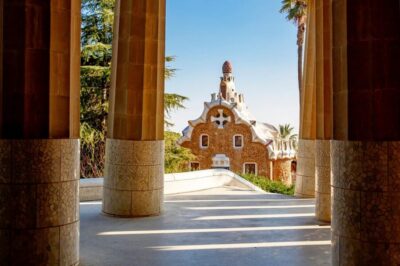
Park Güell and Gaudí House Museum Entry Ticket
Read our review →
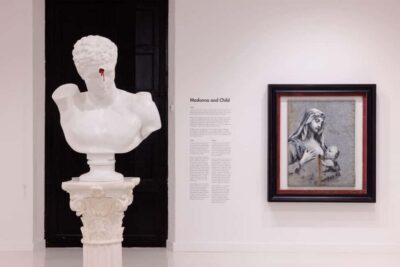
Moco Museum Barcelona: Modern & Contemporary Art
Read our review →
Girona & Dali Museum Small Group Tour with Pick-up from Barcelona
Read our review →
Barcelona Card: 25+ Museums and Free Public Transportation
Read our review →
Dali Museum, House & Cadaques Small Group Tour from Barcelona
Read our review →Browse the lists this tour appears in