
Review · MADRID
Madrid: Thyssen-Bornemisza Museum Guided Tour & Entry Ticket
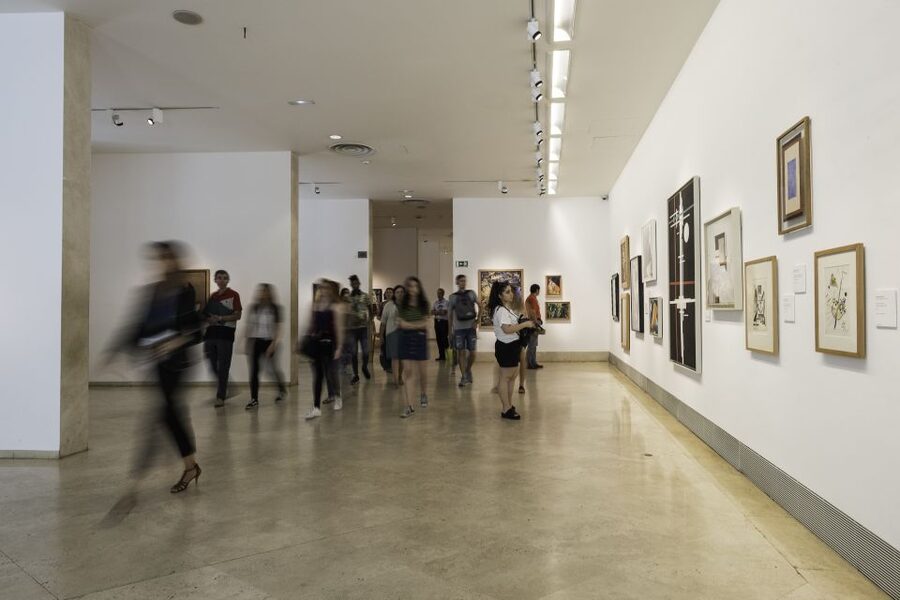
Madrid’s Thyssen-Bornemisza Museum packs nearly a thousand paintings into a former palace beside the Prado. This 90-minute guided visit gives you a quick, clear route through European art, from medieval panels to 20th-century abstraction, without leaving you to guess which rooms matter most.
I like the small groups of up to seven and the way guides such as Ana Christina and Ana turn a long art timeline into an understandable story. I also like the focus on major works, including Degas’ Swaying Dancer, paintings by Van Gogh and Gauguin, and the surreal world of Dalí. The main drawback is time: 90 minutes is enough for a strong introduction, not a full museum visit.
Key points at a glance
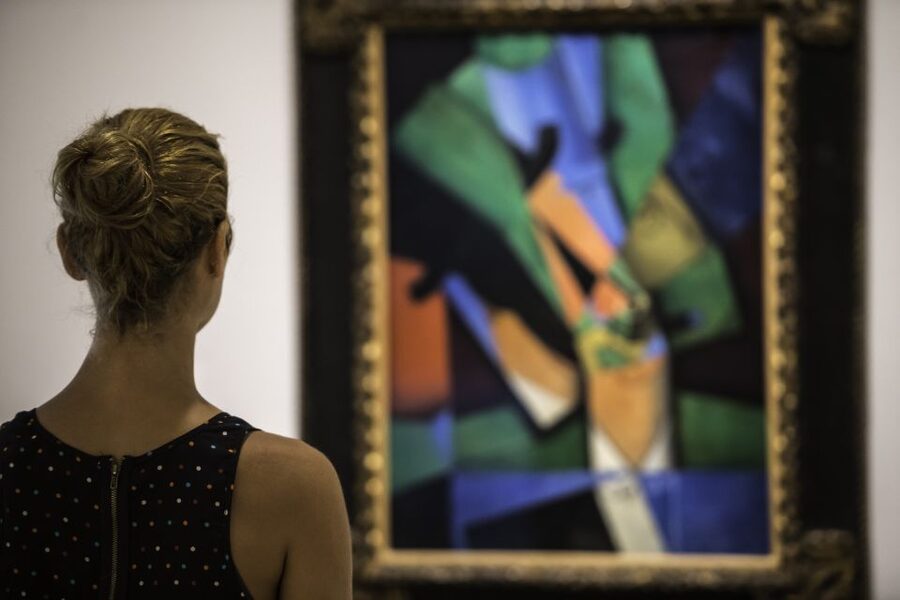
- Nearly 1,000 paintings in one museum: See European art from the 13th through the 20th century in one carefully paced visit.
- Small groups of up to seven: The format allows the guide to adjust explanations and answer questions more easily.
- A true art-history route: Move from Italian and Flemish early masters through the Renaissance, Impressionism, Surrealism, Abstraction, and Pop Art.
- Major names in a short visit: Look for Titian, Rubens, Rembrandt, Caravaggio, Monet, Degas, Van Gogh, Gauguin, Kandinsky, Hopper, Picasso, and Dalí.
- English or Spanish: The tour is conducted in one language, with an official guide leading the visit.
- Useful for limited time: Skip the ticket line and get a focused introduction before exploring more on your own.
Why the Thyssen works well with a guide
The Thyssen-Bornemisza Museum is especially useful for anyone who wants to understand how painting changed over time. The collection covers centuries, but it is not arranged as one simple march from old to new in the way a textbook might be. Without a plan, you can see excellent paintings and still miss the links between them.
A guide supplies those links. You can learn how an early religious panel differs from a Renaissance composition, why Impressionist painters changed their treatment of light, and how later artists moved toward abstraction or dreamlike imagery. The point is not to name every painter in the building. It is to give you a framework so the works make more sense.
That is where a 90-minute tour helps. You are not trying to read every label or stop at every canvas. Instead, the guide selects key paintings and explains why they matter. Past visits led by Ana Christina and Ana were praised for making centuries of art easy to follow, even for people without much background in the subject. That is a useful quality in a museum with such a wide range.
The small group matters, too. With a maximum of seven people, you should have a better chance to hear clearly and ask a question than you would in a large museum group. It also gives the guide room to adjust the pace. If the group responds strongly to a painting or needs a little more help with modern art, the visit can bend slightly rather than running like a fixed speech.
More Museum Tours in Madrid
- Madrid: Prado Museum Entry Ticket
★ 4.6 · 20,699 reviews - Madrid: Reina Sofía Museum Entrance Ticket
★ 4.5 · 8,788 reviews - Madrid: Small Group of Prado Museum Tour & Optional Tapas
★ 4.6 · 2,437 reviews
Meeting the guide at Paseo del Prado 8
You meet at the main entrance of the Thyssen-Bornemisza Museum, at Paseo del Prado 8. The guide carries a white umbrella, which is the detail to look for when you arrive. Plan to be there 15 minutes before the scheduled departure.
That early arrival is not a suggestion to ignore. A museum tour has a fixed starting time, and a no-show at the established time does not qualify for a refund. Bring your printed ticket or have it ready on your mobile phone.
The museum sits on Madrid’s Paseo del Prado, part of the city’s famous art district. The Thyssen joined the Prado and Reina Sofía in creating the area often called Madrid’s Triangle of Art. The three museums together hold some of Spain’s most important painting collections, and the district has UNESCO World Heritage recognition.
This tour begins and ends at the Thyssen meeting point. There is no transportation involved, so you can plan a separate visit to the Prado or Reina Sofía before or after it, provided you allow enough time and have the correct entry arrangements for those museums.
From medieval painting to the Renaissance
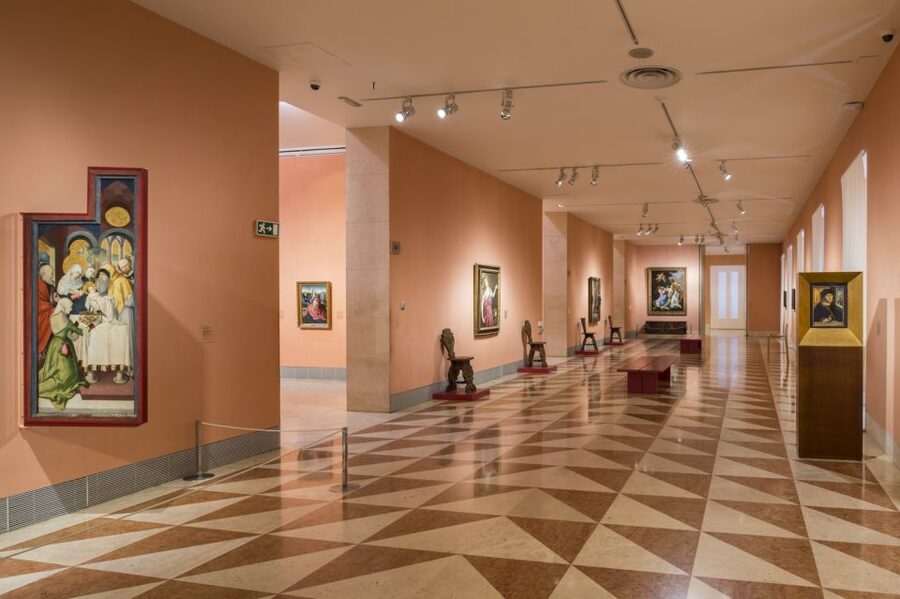
The collection begins in the 13th century and includes Italian and Flemish early masters. These works give you a useful starting point because they show painting before the full flowering of the Renaissance. Religious subjects dominate much of this early period, and the paintings can feel more formal and symbolic than later works.
A guide can help you look past the age of the panel and notice the choices behind it. You may be shown how figures are arranged, how space is suggested, and how artists treated faces, gestures, fabric, and gold backgrounds. These details help explain why Renaissance painting felt like such a major shift.
The Renaissance section includes important works by artists such as Titian. This is a good place to pay attention to color, human emotion, and the growing interest in convincing space. You will not receive an exhaustive lecture on every school and date in 90 minutes, but you should leave with a clearer sense of what changed and why.
The Thyssen also includes major European painters beyond Spain. That range is one of the museum’s strengths. You can see how Italian, Flemish, Dutch, French, German, British, and American traditions connect, rather than treating Spanish art as the whole story.
Rubens, Rembrandt, Caravaggio, and the drama of the Baroque
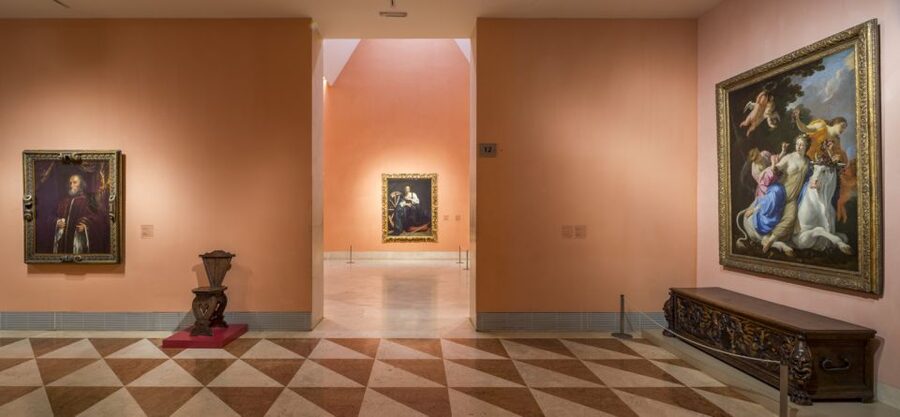
The Baroque period brings a stronger sense of movement, theatrical light, and emotional force. Works by Rubens, Rembrandt, and Caravaggio give the guide plenty to work with, and these paintings can make the difference between simply recognizing a period and understanding its mood.
Caravaggio is a useful example of how light can direct your eye and sharpen a scene’s emotional pressure. Rubens shows a different kind of energy, with fuller compositions and a powerful sense of motion. Rembrandt invites a closer look at faces, light, and human character.
A guide can point out these differences without burying you in dates. That is one reason this tour suits first-time museum visitors and families with older children. The subject becomes less about memorizing names and more about learning what to look for.
If you already have a strong art background, you may find the broad pace a little quick. The benefit is coverage. The tradeoff is that individual paintings receive only as much time as the overall route permits.
A few more museum visits around Madrid worth comparing
- Madrid: Prado Museum Guided Tour with Skip-the-Line Ticket
★ 4.5 · 2,018 reviews - Prado Museum Small Group Tour with Skip the Line Ticket
★ 5.0 · 1,738 reviews - Madrid: Sweet Space Museum Entry Ticket
★ 3.9 · 1,227 reviews - Madrid: Prado Museum Ticket with In-App Audio Guide
★ 3.6 · 1,154 reviews
Monet, Degas, Van Gogh, and the changing idea of light
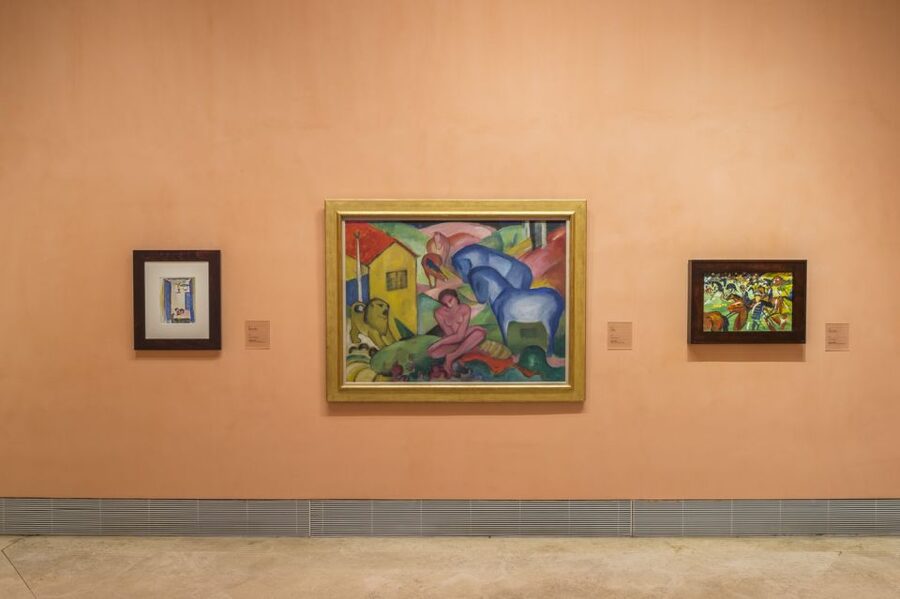
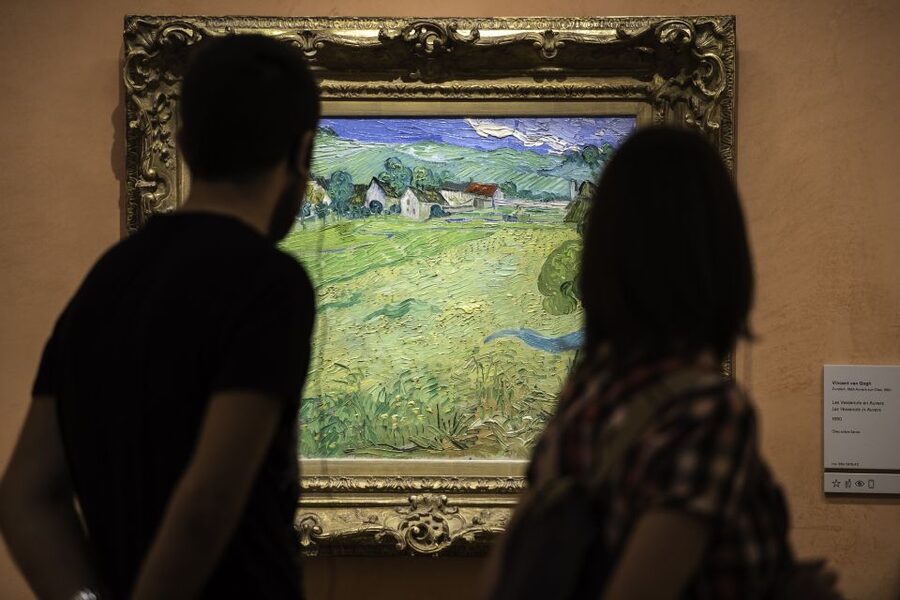
The Impressionist material is likely to be one of the most approachable parts of the tour. The collection includes Monet, Degas, Van Gogh, and Gauguin, along with Degas’ Swaying Dancer, one of the named highlights of the visit.
Degas gives you a chance to consider movement and unusual viewpoints. The subject may be familiar, but the important point is how the artist makes the body, pose, and moment feel caught in time. Monet leads you toward changing light and atmosphere. Van Gogh brings a more forceful surface and emotional charge, while Gauguin pushes the discussion toward color and imaginative interpretation.
These paintings are often the point where visitors who feel unsure about older art begin to feel more at ease. The guide can connect them to everyday ways of seeing: a fleeting gesture, a shift in daylight, or the choice to use color for feeling rather than strict realism.
The museum’s collection is useful here because the paintings are not isolated examples. They sit within a much larger account of European painting. You can see how artists moved away from academic rules and toward personal vision.
Dalí and the strange logic of Surrealism
The tour also explores 20th-century avant-garde movements, including Fauvism, Expressionism, Surrealism, Abstraction, and Pop Art. Dalí provides a natural doorway into Surrealism, with its interest in dreams, strange combinations, and images that resist ordinary logic.
A guide is particularly helpful in this section. Modern art can be quick to dismiss if you do not know what problem the artist was trying to solve. The explanation may show how Surrealist painters used unexpected images to challenge reason and ordinary perception.
The visit highlights Dalí as one of Spain’s major painters. You can expect the guide to place his work within the wider European story rather than treating it as an odd stand-alone attraction. That context makes the movement easier to understand.
The same is true of Abstraction. Kandinsky can help explain how painting moved away from recognizable subjects and toward shape, color, rhythm, and feeling. These rooms may appeal most to visitors who want more than a parade of famous names.
Picasso, Guernica, and the Spanish connection
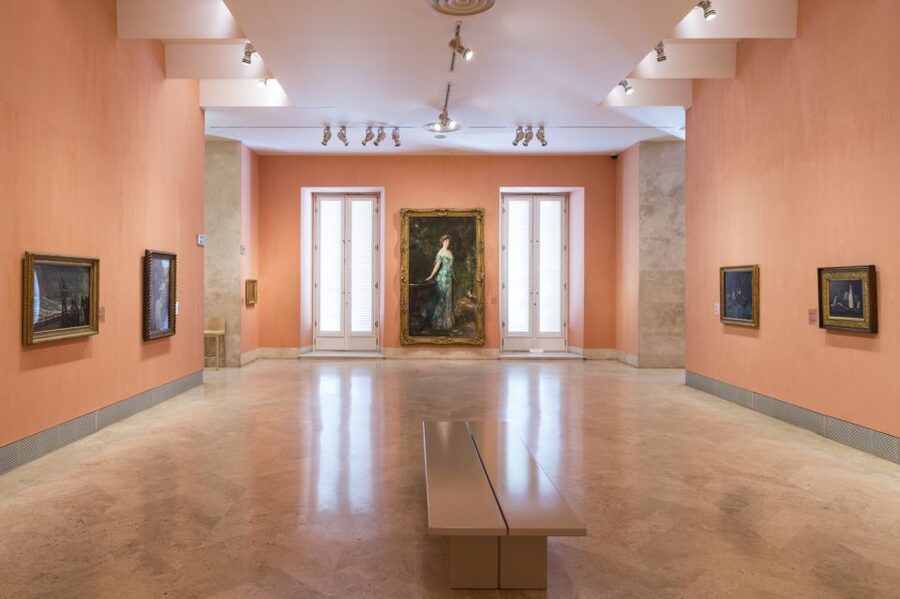
Picasso is another central Spanish name in the museum’s story. The experience highlights the magnitude of Guernica as part of the discussion of Picasso and Spanish art. Since the tour is focused on the Thyssen collection, ask your guide how Picasso’s work fits into the museum’s presentation and Madrid’s wider art circuit.
The larger value here is the connection between the museum and the rest of the city. The Thyssen is one point in the Triangle of Art, while the Prado and Reina Sofía provide other essential parts of Spain’s painting story. A guide can help you understand why Picasso matters within that larger setting.
If Picasso and Guernica are your main reason for booking, check the exact current route and collection presentation before paying. The supplied tour details emphasize Picasso, but a 90-minute visit is designed to cover many periods rather than devote the whole time to one artist.
What the 90-minute route really gives you
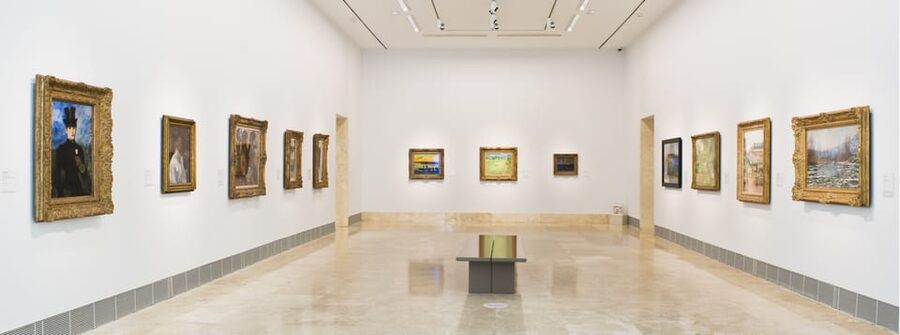
The best way to think of this tour is as an organized introduction. You should expect selected paintings, concise explanations, and a route through the main periods represented in the collection. You should not expect time to stand in front of every important work or study the museum at your own pace.
That limitation is also the tour’s advantage. Madrid has no shortage of art, and a long museum visit can become tiring when you are making every decision yourself. A guide gives you a starting structure. Afterward, you can return to the rooms that caught your attention and look more slowly.
The guides praised most highly, including Ana Christina and Ana, made the period changes understandable and kept the visit moving without making it feel rushed. One guide was also able to stay a little longer to help a visitor get set for the private collection afterward. Do not assume extra time is guaranteed, but the example shows why a small group can feel more personal than a standard large tour.
The tour is available in English or Spanish. Because the visit is single-language, you can follow the explanation without switching between languages. Confirm your preferred language when selecting your time.
Is $74 a fair price?
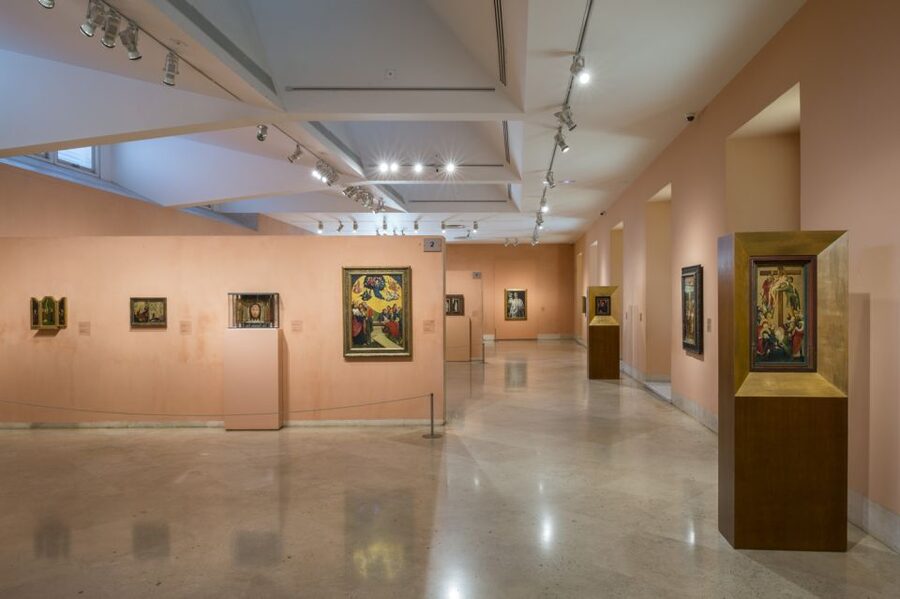
At $74 per person, this is not the cheapest way to enter the Thyssen. You are paying for the museum ticket, an official live guide, skip-the-ticket-line access, and the small-group format.
The value depends on how you use your time. If you already know the collection well and prefer to read labels alone, a guided visit may cost more than you need. If you have limited time in Madrid, feel uncertain about modern art, or want a clear route through several centuries, the cost is easier to justify.
A group capped at seven is a meaningful part of the price. You are not paying only for admission. You are paying for someone to choose the important stops, explain the transitions, and keep the visit focused. The tour’s 4.6 rating from 70 reviews also indicates a strong overall reception, with repeated praise for the guides’ preparation, clarity, humor, and ability to keep people comfortable and engaged.
Reserve now and pay later if you want to keep your plans flexible. You can cancel up to 24 hours in advance for a full refund. That flexibility is useful in Madrid, where museum schedules and sightseeing plans can shift. It does not protect you from arriving late, so build in extra time.
Who should book this museum visit?
I would recommend this tour to:
- First-time visitors who want a clear introduction to European painting.
- Couples or families who prefer a short, guided museum visit.
- Anyone who finds modern art difficult to approach alone.
- Visitors with only a few hours for the Paseo del Prado.
- People who value questions and personal attention in a group of seven or fewer.
- Art lovers who want to identify key rooms before returning independently.
You may want a different plan if you prefer several quiet hours with one painting or one period. The 90-minute format favors breadth. It gives you a map of the collection, not a slow reading of every room.
The tour is wheelchair accessible, and the museum does not allow food or drinks inside. Children must be accompanied by an adult, with a maximum of two children per adult. Those details are simple, but they matter when planning a family visit.
Should you book the Thyssen guided tour?
Book it if you want the museum to make sense quickly. The strongest part is the combination of a compact route, a very small group, and guides who explain art in plain terms. Ana Christina and Ana received especially warm praise for turning a long history of painting into an engaging lesson without making it feel like school.
Skip it if you already have a detailed Thyssen plan and prefer complete freedom. At $74, the tour earns its price through guidance and time saved, not through a long stay inside the museum.
For most first-time visitors, I think it is a sensible way to meet the Thyssen. You will see important artists from Titian to Dalí, understand the main shifts in European painting, and finish with a better idea of which works deserve a second look.
FAQ
How long does the Thyssen-Bornemisza Museum guided tour last?
The guided visit lasts 1.5 hours, or 90 minutes. Check availability for the starting times offered on your chosen date.
What languages are available?
The live guide is available in English or Spanish. The visit is conducted in one language.
Where does the tour meet?
Meet at the main entrance of the Thyssen-Bornemisza Museum at Paseo del Prado 8. The guide carries a white umbrella.
How early should I arrive?
Arrive 15 minutes before the scheduled departure time. A no-show at the established time does not qualify for a refund.
Is museum admission included?
Yes. The Thyssen-Bornemisza Museum entry ticket is included, along with the live bilingual guide service.
Is the tour wheelchair accessible?
Yes, the activity is wheelchair accessible.
Can I cancel the booking?
You can cancel up to 24 hours in advance for a full refund. The activity also offers reserve-now, pay-later booking.
Just added around Madrid
- Madrid: Afternoon Prado Museum Tour with Skip-the-Line Entry★ 4.4 · 491 reviews
- Small Group Prado Museum Guided Tour with Skip the Line★ 4.2 · 106 reviews
- Madrid: Reina Sofía Museum Guided Tour, Small Group★ 4.9 · 67 reviews
- Reina Sofía Museum – Guided tour IN ITALIAN with family discount.★ 4.8 · 19 reviews
- Prado Museum Tour with ticket, small group & expert guide★ 5.0 · 13 reviews
- Madrid: Prado Museum Skip-the-Line Guided Tour★ 4.3 · 254 reviews
- Prado Museum for kids & families: Private fun tour★ 5.0 · 32 reviews
- Madrid: Prado Museum guided tour optional Reina Sofía Museum★ 4.8 · 38 reviews
Museum Tours in Madrid, compared.
Prado Museum Guided Tour with Skip-the-Line Ticket
Read our review →
Prado Museum Small Group Tour with Skip the Line Ticket
Read our review →
Royal Palace & Prado Museum Skip the Line Guided Tour
Read our review →
Browse the lists this tour appears in