
Review · KRAKOW
Krakow: Galicia Jewish Museum Entry Ticket
The Galicia Jewish Museum puts Jewish life in Poland in front of you through photographs, objects, and carefully chosen exhibition spaces. Its main display, Traces of Memory, grew from twelve years of work by founder Chris Schwarz and includes more than 140 photographs connected to Jewish heritage in Galicia.
I like the museum’s direct approach to the Holocaust and the long story around it. I also like that your $6 ticket gives you more than one room to visit, with temporary exhibitions, a bookstore, and a coffee shop adding useful breathing space. The main drawback is that there is no guided tour included, so you need to read and think your way through the displays on your own.
Key things to know before you go
- See 140-plus photographs in Traces of Memory: Chris Schwarz’s long-running photographic project records Jewish traces across Poland.
- Set aside more time than a quick museum stop: Your ticket is valid for one day, and the museum also offers temporary exhibitions and cultural events.
- Expect a serious Holocaust focus: The museum honors those who died while also showing the wider story of Jewish culture in Galicia.
- Bring a printed ticket: The local operator sends a separate ticket by email, and only the printed version is accepted.
- Use the bookstore and coffee shop: Books on Jewish life, identity, philosophy, literature, and the Holocaust add value for visitors who want to continue learning.
- Check the final entry time: Last admission is 90 minutes before closing, and opening hours can change.
What Traces of Memory asks you to see
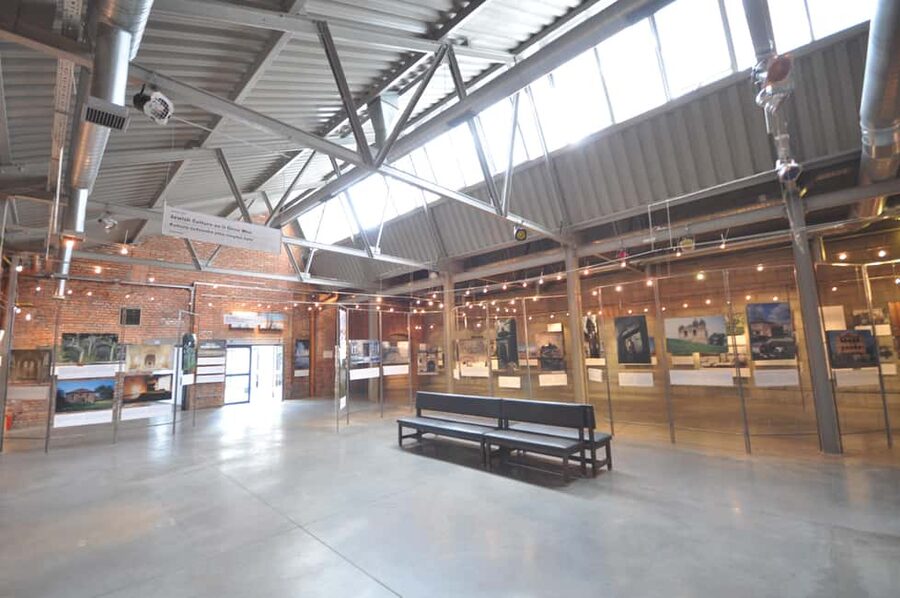
Start with the permanent exhibition, Traces of Memory. This is the heart of the visit, and it is not designed as a quick collection of Holocaust photographs. The exhibition looks at the physical and cultural traces left by Jewish communities in Poland, including places, buildings, cemeteries, and other reminders of a way of life that was shattered.
The photographs come from Chris Schwarz, a British photographer who devoted twelve years to this work. He later became the museum’s founder and served as its director until his death in 2007. Knowing that background helps you read the exhibition as a personal artistic project as well as a historical record.
The collection includes more than 140 photographs. That number matters because it gives the subject room to breathe. You are not limited to a few famous images or a short Holocaust timeline. Instead, you can consider the repeated presence of Jewish life across Galicia and Poland, and the many ways that presence survived in memory, architecture, and local places.
You should expect a quiet, reflective visit. The museum’s subject is painful, and the exhibition asks you to pay attention rather than rush from one display to the next. I would allow enough time to read the captions and absorb the photographs instead of treating the museum as a box to check between larger Krakow sights.
More Museum Tours in Krakow
- Schindler’s Factory in Krakow: Guided Tour & Skip the Line Ticket
★ 4.5 · 1,714 reviews - Auschwitz-Birkenau Museum and Memorial Guided Tour from Krakow
★ 4.5 · 1,510 reviews - Krakow: Rynek Underground Museum Guided Tour
★ 4.6 · 1,122 reviews
Jewish culture before and after the Holocaust
One of the museum’s strengths is its wider time frame. The visit is not only about destruction during the Second World War. It also concerns 800 years of Jewish culture in Poland, giving you a stronger sense of what was lost and why that loss matters.
That broader context is important. A museum about the Holocaust can sometimes leave you with only a record of death and damage. Here, the permanent exhibition also points toward Jewish communities, traditions, and cultural life that existed long before the war. You gain a clearer picture of people and places, not just statistics.
The museum also presents a sales exhibition focused on the destruction of culture during the Second World War. The wording may sound commercial, but the subject is serious. This part of the museum looks at how war and persecution damaged cultural life, not just individual lives.
I would treat this material as a second stage of the visit. First, look at the photographic record and the traces of Jewish presence. Then consider how war destroyed or altered that cultural world. The two parts work better together than they do separately.
Chris Schwarz and the personal eye behind the museum
Chris Schwarz gives the museum a distinct voice. He was British, and his photographs connect his own work with Jewish photography in Poland. That connection gives the permanent exhibition a personal point of view rather than making it feel like a neutral collection assembled without a clear author.
His role also helps explain the museum’s balance between art and history. You are not simply looking at documents arranged in date order. The images reflect a photographer’s attention to place, absence, and what remains visible after a community has been attacked or erased.
You may find that this approach feels more contemplative than a conventional historical museum. If you prefer a room-by-room timeline with long blocks of text, the visit may feel less straightforward. If you value photographs and visual clues, Schwarz’s work gives you a strong way into the subject.
The museum’s focus on the future of Galicia also keeps the exhibition from becoming only a memorial to the past. It asks you to think about how heritage is preserved and how the region continues to understand its Jewish identity.
Temporary exhibitions and cultural events
Your entry also covers temporary exhibitions, so the exact experience can change depending on the date of your visit. These displays may add a new angle on Jewish culture, wartime history, photography, identity, or related subjects.
Because temporary displays change, check the museum’s current program before you go if a particular topic matters to you. The permanent exhibition is the reliable center of the visit, while the temporary rooms provide extra value when their subject matches your interests.
The museum also hosts concerts, author meetings, lectures, and workshops. These activities are part of the museum’s cultural program, but your standard entry ticket should not be treated as a guarantee that one will take place during your visit. Event schedules and opening hours can change.
That flexibility is useful for a repeat visit. A first stop may focus on Traces of Memory, while a later visit could center on a lecture, concert, or workshop. For a single short visit, however, plan around the permanent exhibition first.
A few more museum visits around Krakow worth comparing
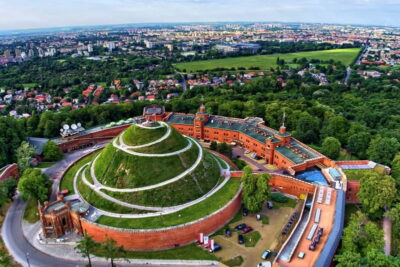
- Krakow: Kościuszko Mound Entry Ticket with Exhibitions
★ 4.4 · 399 reviews - Krakow: Czartoryski Museum Entry Ticket with Museum Pass
★ 3.4 · 196 reviews - Kraków – Be Happy Museum – entry ticket
★ 4.6 · 155 reviews - Krakow Arcade Museum Entrance Ticket With Free Play
★ 4.6 · 82 reviews
The bookstore is worth more than a quick browse
The museum bookstore adds a practical touch. It offers books about Jewish life, culture, the Holocaust, Jewish philosophy, identity, and literature. If the exhibition raises questions you want to explore, this is a convenient place to find further reading without leaving the museum.
You do not need to be a specialist to benefit from it. A book can give you more context after the photographs have made the subject personal and concrete. It can also help you prepare for other Jewish heritage sites in Poland.
I especially like this feature because it extends the museum visit beyond its walls. Many museums ask you to remember a message and then send you on your way. Here, you have a chance to continue with a book that matches your interests.
The bookstore is also useful if you are visiting with someone who moves through exhibitions faster than you do. One person can browse the shelves while another spends more time with the photographs, though opening arrangements and available titles can vary.
Coffee and a pause after difficult material
The on-site coffee shop gives you a place to pause. That may sound minor, but it matters in a museum devoted to the Holocaust and cultural destruction. You may need a quiet break before moving to another exhibition or continuing your day in Krakow.
Use the coffee shop as part of the visit rather than rushing through it. The museum’s material can be emotionally heavy, and a short pause helps you process what you have seen. It also makes the museum easier to fit into a slower day.
The coffee shop should not be the reason you buy the ticket. It is an extra convenience, not a major attraction. The photographs and historical exhibitions are the real purpose of the visit.
How the $6 ticket works out
At $6 per person, this is a reasonably priced cultural stop, especially if you use the full range of what is available. You receive entry to the permanent exhibition, temporary displays, and the sales exhibition on wartime cultural destruction. The bookstore and coffee shop do not mean you are getting free purchases, but they add useful options once you are inside.
The one-day validity gives you some flexibility. You do not need to treat the museum as a rushed half-hour visit, and you may be able to return later that same day if the ticket terms and opening hours allow. Still, confirm the current schedule before planning a return because hours can change.
If you hold a Krakow City Card, entrance is free. In that case, the museum becomes an easy addition to your sightseeing plan, particularly if you already have time in the area.
The ticket includes skip-the-ticket-line access, but you still need to handle the ticket correctly. A separate ticket arrives by email from the local operator after booking, and the museum accepts only a printed version. If you cannot print it, printing is available at Plac Szczepański 8. This is an important practical detail, so do not rely on showing the email on your phone.
Planning your visit without a guide
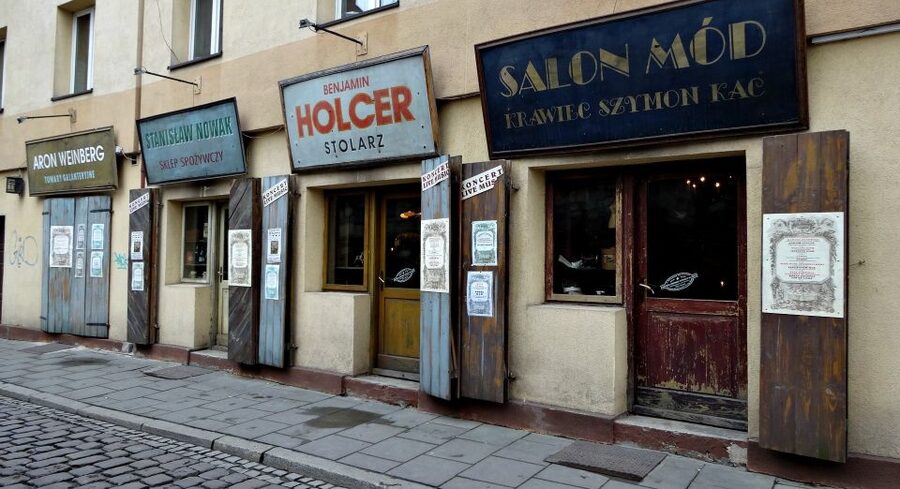
This is a self-guided museum visit. No guide is included, and no guide name is provided because the booking covers admission rather than a hosted tour.
That can be a benefit if you like moving at your own pace. You can linger over a photograph, skip a section, or return to an image without keeping up with a group. It also keeps the cost low.
The tradeoff is that you must supply your own structure. Before entering, decide whether you want to focus on photography, Jewish cultural life, the Holocaust, or the wartime destruction of culture. If you simply walk through without reading, you may miss how the exhibition connects Jewish heritage with memory and place.
Leave enough time for the main display, then add temporary rooms if they are open. Last entrance is 90 minutes before closing, so arriving near the end of the day can leave you with less usable time than expected.
Who will appreciate this museum most
I would recommend the Galicia Jewish Museum to you if you want a thoughtful museum visit centered on Jewish heritage, photography, and the Holocaust. It suits visitors who prefer a quiet, self-guided experience and who are willing to read captions and reflect on difficult material.
It is also a good choice for anyone with an interest in photography. Chris Schwarz’s work gives the permanent exhibition a clear artistic identity, and the large number of photographs makes the visit visual rather than text-only.
You may want to choose another activity if you are looking for an interactive family attraction, a guided sightseeing tour, or a light historical stop. The subject is serious, and the lack of a guide means younger visitors or people new to the topic may need extra explanation from a parent, teacher, or companion.
The museum can also work well for repeat visitors to Krakow. Once you have seen the major sights, this provides a more focused look at the Jewish culture of Poland and the lasting effects of the Second World War.
Should you book the Galicia Jewish Museum?
Book it if you want a low-cost, serious museum visit with strong photographic material and a clear focus on Jewish heritage in Poland. The $6 price is fair, especially when you make time for the permanent exhibition, temporary displays, bookstore, and coffee shop.
Go in knowing that this is not a guided tour and not a quick entertainment stop. Bring the required printed ticket, check the current opening hours, and give yourself enough time before the final admission cutoff. If you have a Krakow City Card, use the free entry and add the museum to your day without hesitation.
FAQ
How much does entry to the Galicia Jewish Museum cost?
The listed price is $6 per person. Entrance is free for Krakow City Card holders.
What does the ticket include?
The ticket includes the permanent exhibition Traces of Memory, temporary exhibitions, the sales exhibition about cultural destruction during the Second World War, and access to the museum’s cultural spaces. The museum also has a bookstore and coffee shop.
Is a guided tour included?
No. The ticket provides museum entry, but a guided tour is not included.
How long is the ticket valid?
The ticket is valid for one day. Check the available starting times and current opening hours before your visit.
Do I need a printed ticket?
Yes. A separate ticket is sent by email after booking, and only a printed version is accepted. If you cannot print it, printing is available at Plac Szczepański 8.
What time is the last entrance?
Last entrance is 90 minutes before closing. Opening hours may change, so check the current schedule before setting out.
Just added around Krakow
- Schindler’s Factory Skip-the-line Museum Ticket★ 4.9 · 15 reviews
- Schindler’s Factory Museum Guided Tour – Krakow★ 4.5 · 15 reviews
- Krakow: Schindler’s Factory Museum Guided Tour★ 4.1 · 86 reviews
- Schindler’s Factory Museum in Krakow – Guided Tour★ 4.3 · 33 reviews
- Krakow: Rynek Underground Museum Skip-the-line Guided Tour★ 4.7 · 138 reviews
- Krakow: Vodka Factory Museum Entry Ticket and Tasting★ 4.3 · 75 reviews
- Krakow: Skip-the-Line Rynek Underground Museum Guided Tour★ 4.7 · 26 reviews
- Krakow: Rynek Underground Museum Guided Tour & Stories★ 4.8 · 26 reviews
Museum Tours in Krakow, compared.
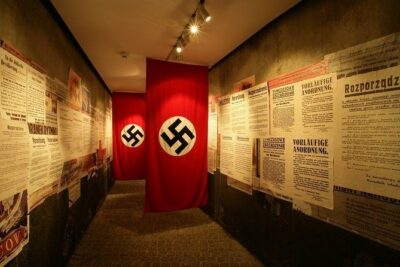
Schindler’s Factory in Krakow: Guided Tour & Skip the Line Ticket
Read our review →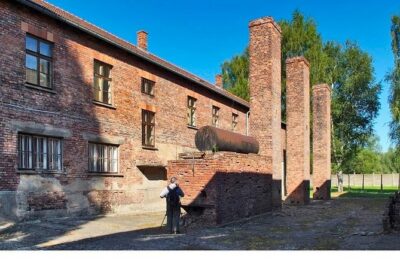
Auschwitz-Birkenau Museum and Memorial Guided Tour from Krakow
Read our review →
Krakow Schindler’s Factory Museum Guided Tour in English
Read our review →
Auschwitz Birkenau Museum Guided Tour with Pickup
Read our review →
Auschwitz Birkenau Guided Tour Small Group with Hotel Pick up
Read our review →Browse the lists this tour appears in