
Review · MEXICO CITY
Guided Tour of the Museum of Anthropology
Mexico City’s Museum of Anthropology is so large that three hours can feel like a brisk introduction rather than a complete visit. That is exactly why a guide helps. You move through the key rooms with a clear story, from Teotihuacan and the Mexica to the Maya, Toltec, and Gulf Coast cultures, instead of wandering past famous objects without knowing what they mean.
I like the small group of up to eight and the chance to ask questions as you go. I also like that Edith and Hector bring strong knowledge of Mexican history and Mesoamerican cultures, with a warm, engaging style that has helped many people connect museum symbols with places they see elsewhere in Mexico.
The main drawback is time. A guide can spend serious time explaining the most important objects, so you will see only part of the museum in three hours. Plan to stay afterward if you want a fuller look, and remember that much of the museum signage is not translated into English.
Key points to know before booking
- Three hours with a Federal Tour Guide: Expect a focused walk through the museum’s major cultural rooms, not a complete survey of every display.
- Small groups capped at eight: The size makes it easier to hear the guide and ask about objects that catch your eye.
- Major works receive real attention: The route includes the Sun Stone, Coatlicue, Olmec Heads, and the Mask of Pakal.
- Edith and Hector are named guides: Both are praised for clear explanations, humor, patience, and strong command of Mexican history.
- The museum gardens are part of the visit: The outdoor spaces help connect the exhibition halls and provide a change of pace.
- Bring comfortable shoes: Three hours on your feet, followed by more museum time if you choose, calls for practical footwear.
Why a guide changes the museum experience
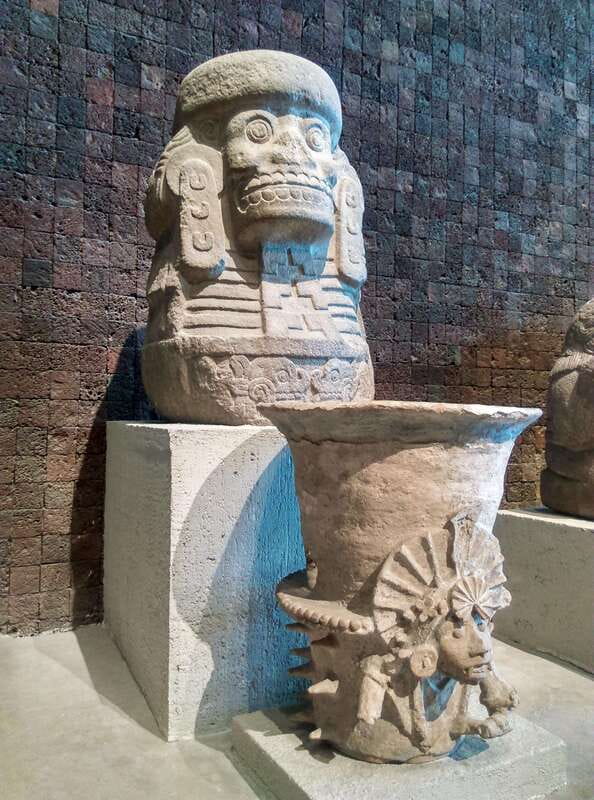
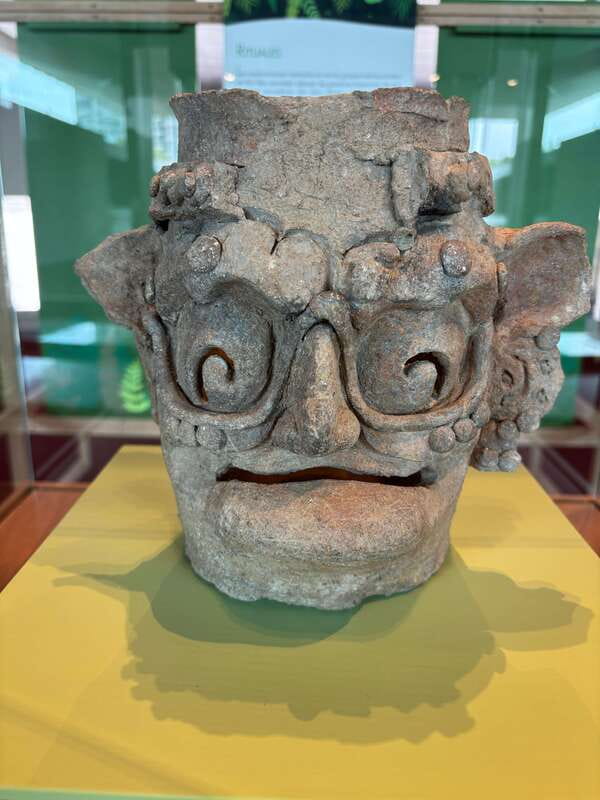
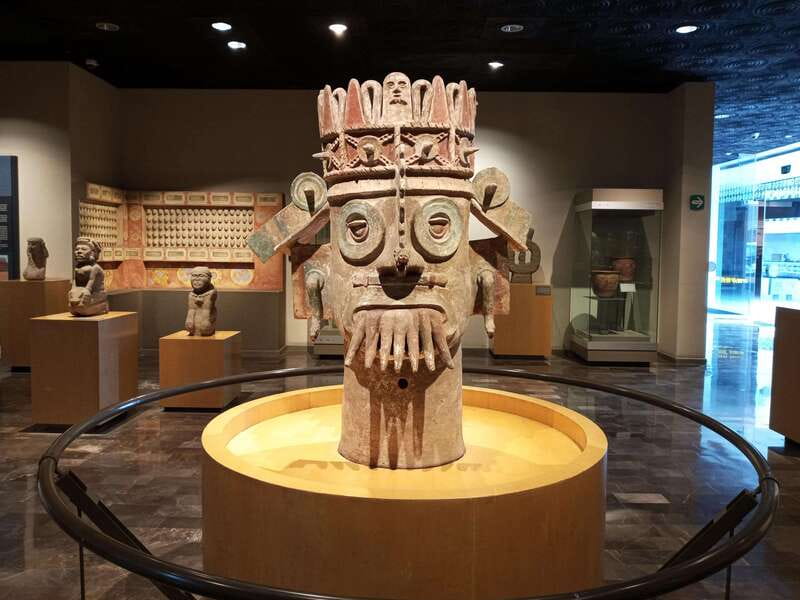
The National Museum of Anthropology is not a place you can fully absorb by simply checking off famous objects. Its rooms cover major cultures across a long stretch of Mexican history, and the meaning of many sculptures, masks, stones, and architectural fragments is not obvious at first glance.
A specialist guide gives you a framework. Instead of treating each room as a separate collection, you can follow ideas about ritual, power, symbols, cities, and the relationship between past cultures and Mexico today. That context matters most when an object looks familiar but its purpose is not.
The tour also helps you use your time well. The museum holds far more than anyone can see in one short visit, so the guide selects major rooms and important pieces. You get a strong first look without spending your morning reading every panel or trying to work out which galleries deserve priority.
This is especially useful for English-speaking visitors. Much of the museum signage has limited English translation, so an English-speaking guide fills a real gap rather than simply repeating information already printed beside the display.
More Museum Tours in Mexico City
- Xochimilco, Coyoacan and Frida Kahlo with Optional Lunch
★ 4.5 · 7,320 reviews - CDMX: Xochimilco, Coyoacan, Frida Kahlo Museum & Murals Tour
★ 4.4 · 3,025 reviews - Chapultepec Castle & Anthropology Museum Tour
★ 4.5 · 1,348 reviews
Starting beside the Mexican flag
The meeting point is at the museum entrance, next to the Mexican flag. That is a straightforward place to find your guide, but you should allow enough time to arrive without rushing. The experience begins inside one of Mexico City’s most important cultural institutions, so a little preparation pays off.
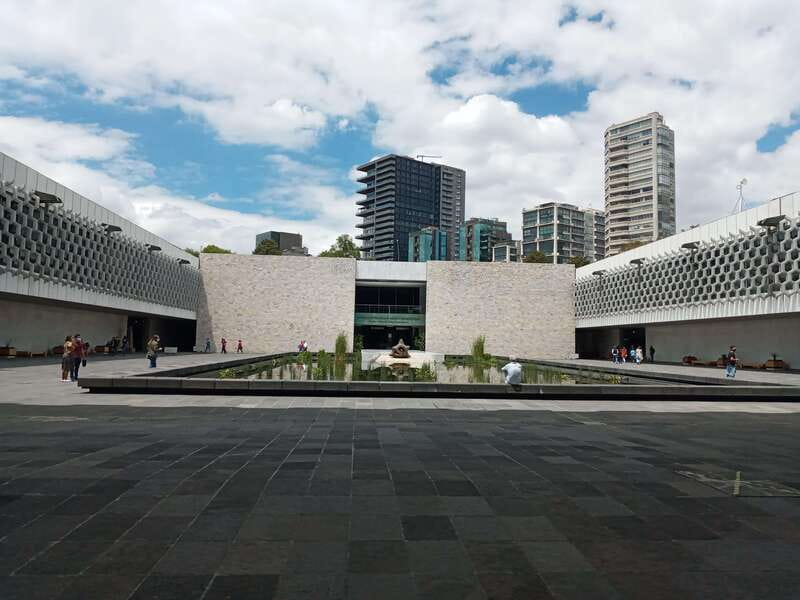
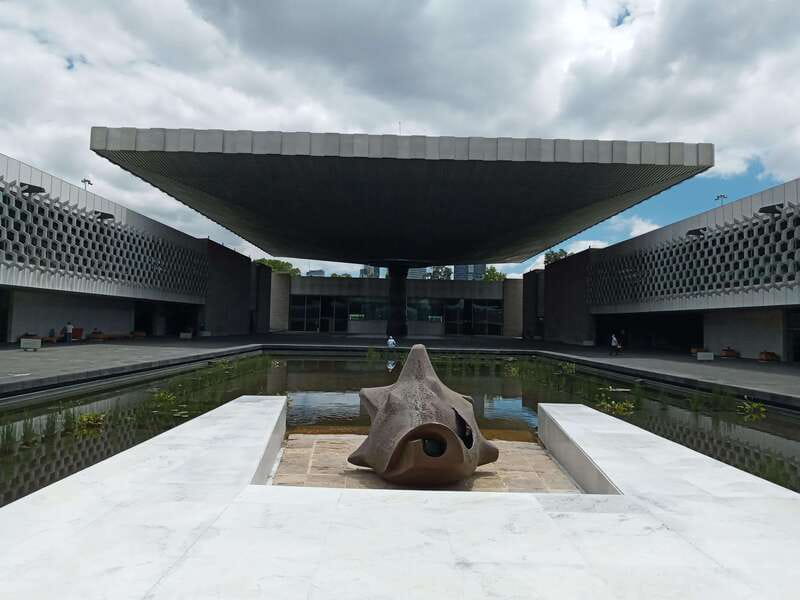
The guide introduces the museum’s purpose and its construction before taking you into the cultural rooms. This opening gives you a better sense of why the building was designed as more than a collection of display halls. The architecture, galleries, and gardens work together to present Mexico’s past and living cultural identity.
The tone is not limited to distant antiquity. The focus includes the cultures that inhabited Mexico and the communities that inhabit it today. That wider view makes the visit feel less like a display of vanished civilizations and more like an explanation of where many Mexican traditions, images, and symbols come from.
Teotihuacan and the scale of ancient cities
The Teotihuacan section gives the tour an early sense of scale. This was a major ancient city, and its objects help explain the organization, beliefs, and artistic skill of the people who built it.
Your guide can point out details that are easy to overlook when you are moving through a large hall. Three hours allows room for questions about the purpose of artifacts and the ideas represented in them, rather than only identifying what they are.
The value here is comparison. Once you understand one culture’s symbols and visual language, you begin to notice differences in the Mexica, Maya, Toltec, and Gulf Coast rooms. That comparison is one of the strongest reasons to take the tour in order, with a guide connecting the sections.
The Mexica rooms and the Sun Stone
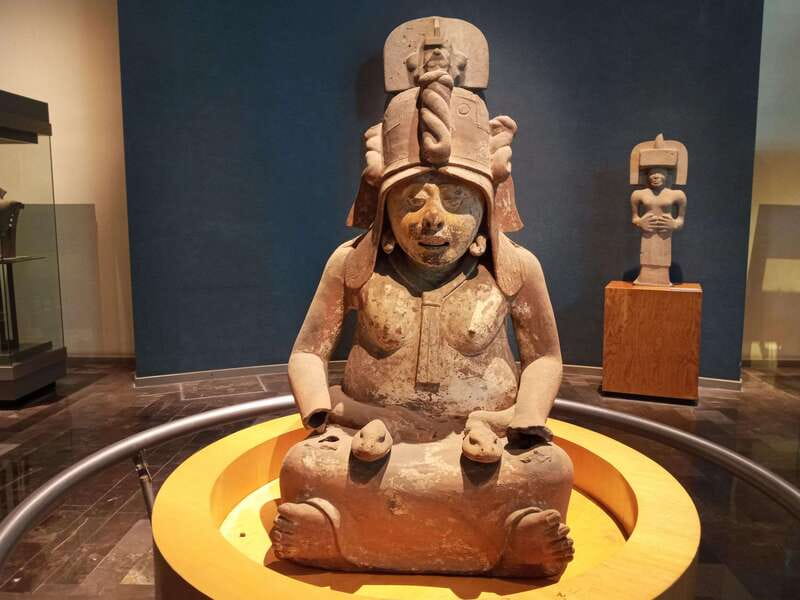
The Mexica displays include some of the museum’s most famous objects, and the Sun Stone is a major stop. It is an iconic piece, but fame can work against understanding. Many visitors recognize its circular form without knowing how to read the imagery surrounding it.
A guide can explain the symbolism and place the object within the wider Mexica world. That turns a photograph-friendly object into a historical source, with details that may help you recognize related symbols later during your time in Mexico.
Coatlicue is another essential stop. Its appearance can be startling, and the sculpture rewards a slow look. The guide’s role is particularly useful here because the figure’s details and symbolism are not the kind of thing you can grasp in a quick glance.
I would pay close attention during this part of the tour, even if you have already seen pictures of the objects. Seeing the originals at full scale, with an explanation of their imagery, gives them a weight that reproductions cannot match.
More anthropology museums in Mexico:
- Anthropology Museum Guided Tour
★ 4.5 · 1,035 reviews - Mexico City: Anthropology Museum Guided Visit
★ 4.4 · 708 reviews - Mexico City: Chapultepec Castle and Anthropology Museum Tour
★ 4.5 · 637 reviews - Mexico City: Anthropology Museum Skip-the-Line Ticket
★ 4.4 · 502 reviews
Maya art and the Mask of Pakal
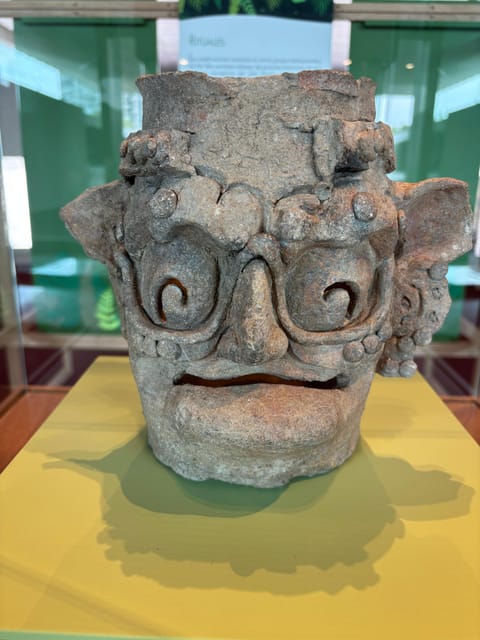
The Maya section brings a different set of artistic traditions and historical questions. The Mask of Pakal is one of the highlighted works, and it gives the guide a chance to discuss the person and symbolism connected with a major Maya ruler.
The important point is not only the mask itself. You also gain a way to think about how power, belief, and identity appear in Maya objects. With a guide, the display becomes part of a larger story rather than an isolated piece behind glass.
One useful feature of this tour is the time for questions. Catherine, one of the visitors who took the tour, found that the explanations helped her notice similar symbols across Mexico afterward. That is a good measure of a museum tour’s success: it should change what you see once you leave the building.
Toltec and Gulf Coast cultures
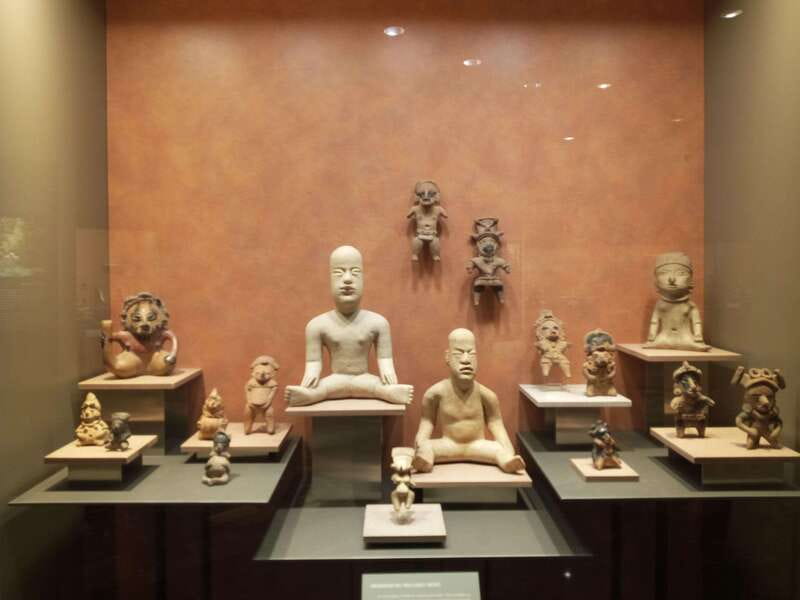
The Toltec and Gulf Coast rooms add further range to the visit. They prevent the museum from becoming a simple story focused only on Teotihuacan, the Mexica, and the Maya.
The Gulf Coast collection is particularly important for seeing the visual variety of ancient Mexico. The famous Olmec Heads are among the pieces emphasized during the tour. Their scale and distinctive carved faces make them easy to remember, but the guide’s explanation gives you more than a quick photo opportunity.
Moving between these rooms also shows why a single label or broad category is not enough. The cultures of Mexico developed different styles, beliefs, and forms of political expression. A guide trained in Mesoamerican cultures can help keep those distinctions clear.
The gardens and the museum’s larger idea
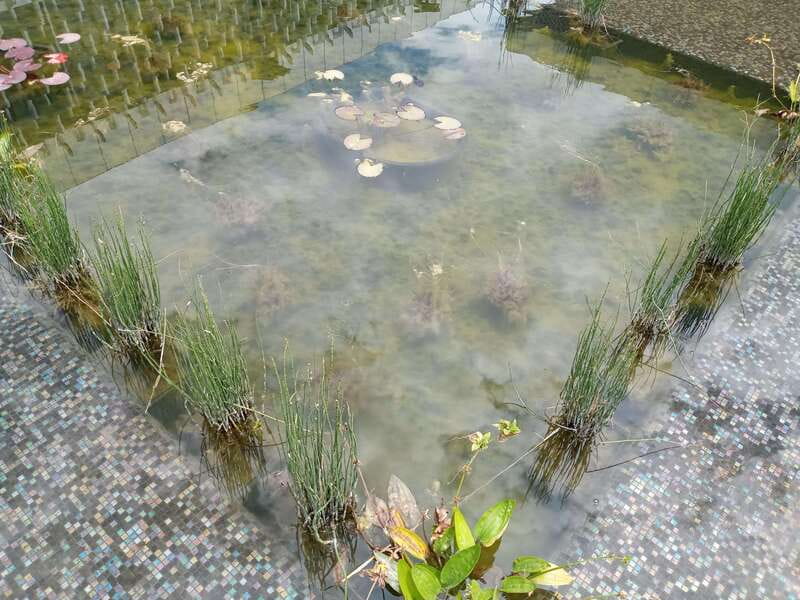
The gardens surrounding the museum are included in the walk. They are not just a pleasant pause between rooms. They complement the exhibition halls and give the building a more open rhythm.
After several galleries filled with stone, sculpture, and historical information, stepping into the gardens can help you reset your attention. The outdoor spaces also support the museum’s effort to connect objects, architecture, and the wider idea of Mexico’s cultural inheritance.
Do not treat this part as filler. The gardens help complete the experience, and they give the guide another setting in which to explain how the museum presents the past. Since the tour lasts three hours, this change from indoor halls to outdoor space is welcome.
What the three-hour pace feels like
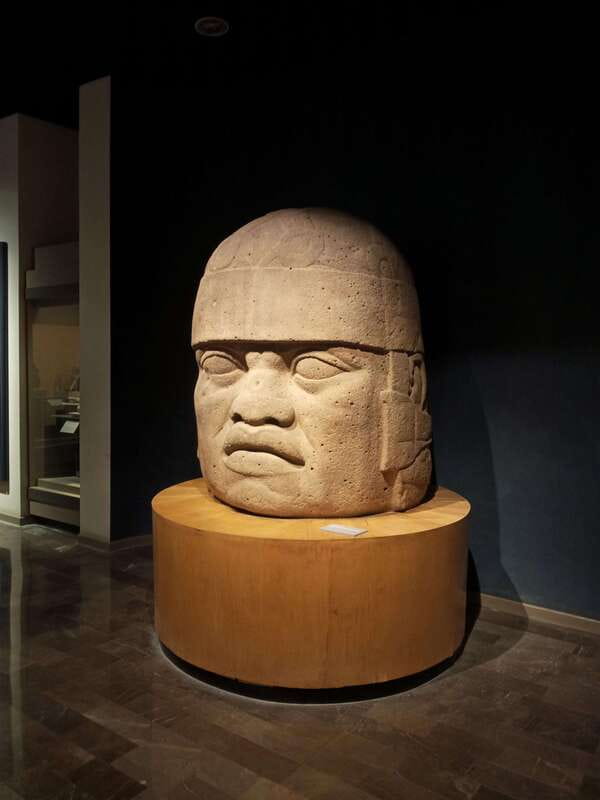
Three hours is long enough for a serious introduction, but not long enough to cover the museum in full. The guides appear to favor detailed explanations of selected rooms and objects instead of racing through every gallery.
That approach works well if you want meaning and context. It works less well if your main goal is to see every room before leaving. You need to decide which kind of visit suits you.
I would plan extra time after the guided portion. One guide’s detailed explanations meant that only a relatively small part of the museum could be covered during the three hours. That is not a flaw, but it is important to understand before booking.
A practical plan is to take the guided tour first, then continue alone while the layout and major themes are still fresh. A late breakfast in the museum dining room can also fit into a longer visit. Lunch is not available there until 1 p.m., so plan your meal around that timing if you intend to eat on site.
The guides: Edith and Hector
The strongest part of this experience is the human element. Edith is described as friendly, pleasant, patient, and well prepared. She keeps the pace enjoyable while answering questions, and she brings a sense of pride in Mexico’s past without making the visit feel like a lecture.
Hector receives similar praise for his explanations of artifact history and symbolism. His style appears to be detailed and generous with time, which is ideal if you want to ask about the meaning behind individual objects.
Both guide names appear in the tour information, but the specific guide assigned to your date may vary. You should expect an English-speaking Federal Tour Guide, not necessarily a particular person.
The best descriptions of the experience point to guides who do more than recite dates. They explain why the objects matter, respond to questions, and help you carry the museum’s symbols into the rest of your trip. That is a useful distinction when comparing a guided visit with an audio guide or a self-guided walk.
Price, group size, and overall value
At $38 per person, this is not the cheapest way to enter a museum, but the admission fee is included. The real value comes from the specialist explanation and the small group.
With up to eight participants, you are not lost in a large crowd. You can hear the guide, ask about a sculpture, and keep the visit interactive. That matters in a museum where a short question can clarify an entire display.
The price makes the most sense for first-time visitors, people who do not speak Spanish, and anyone who wants cultural context rather than a quick look at famous objects. If you already know Mesoamerican history well and prefer to read at your own pace, a self-guided visit may give you more freedom.
The strong rating of 4.8 from 32 reviews supports the view that guide quality is the main reason people find this worthwhile. Still, value depends on your plans. If you have only three hours in the museum, the tour gives you a focused start. If you have a full day, you can get even more from it by staying afterward.
Who should book this museum tour
I would recommend it to first-time visitors to Mexico City who want a clear introduction to the country’s ancient cultures. It also suits people who enjoy asking questions and prefer a human explanation to reading display panels.
English-speaking visitors gain extra value because little of the museum’s signage is translated into English. Families and small groups may appreciate the manageable size, although the supplied information does not specify a minimum age or special children’s format.
History fans should enjoy the depth, especially during the Mexica and Maya sections. Art lovers will benefit from time spent with the Sun Stone, Coatlicue, Olmec Heads, and Mask of Pakal.
I would hesitate only if you dislike fixed pacing or want to inspect every room. The tour’s detailed approach means you may see fewer galleries than you would alone.
Practical advice before you go
Wear comfortable shoes. Three hours in the museum involves plenty of standing and walking, and you may want to continue on your own afterward.
The tour is usually offered in the morning and afternoon. Choose the time that leaves room for a longer museum visit if you want to explore beyond the guided route.
Bring questions. The guides are praised for answering them and then keeping the visit moving, so you can ask without turning the tour into a private lecture.
You can cancel up to 24 hours before the activity for a full refund, and you can reserve now while paying later. Those policies are useful if your Mexico City schedule is still shifting.
Should you book it?
Book this tour if you want the Museum of Anthropology to make sense, not simply to see its most famous objects. The specialist guide, English-language explanations, small group, and attention to symbolism give you a strong foundation for the rest of your time in Mexico.
Keep extra hours free if possible. The guided three hours will introduce the museum’s major cultures and masterpieces, but it will not show you everything. For $38, it is a good choice when context matters more than covering every gallery.
FAQ
How long does the guided museum tour last?
The tour lasts three hours.
What language is the tour offered in?
The tour is offered in English with a live guide.
What is included in the price?
Admission to the Museum of Anthropology and a guided visit by a Federal Tour Guide are included.
What is not included?
Food, beverages, and souvenirs are not included.
Where is the meeting point?
Meet at the entrance to the Museum of Anthropology, next to the Mexican flag.
How many people are in the group?
The group is limited to eight participants.
Which museum sections are visited?
The tour covers the Teotihuacan, Mexica, Maya, Toltec, and Gulf Coast cultures, along with the surrounding gardens.
Which major objects are highlighted?
The tour emphasizes the Sun Stone, Coatlicue, Olmec Heads, and the Mask of Pakal.
What should I bring?
Bring comfortable shoes. You may also want to allow extra time after the tour if you wish to see more of the museum.
Just added around Mexico
- DeLuxe Cliff Divers+Sunset Exhibition byNight w/Different Options★ 5.0 · 64 reviews
- Historical Immersion 6Hrs San Diego Fort Museum Divers Lunch★ 5.0 · 15 reviews
- Riviera Maya: Frida Kahlo Museum Guided Tour 2025★ 4.1 · 54 reviews
- National Museum of Anthropology: a journey into Mexico’s past – English lang.★ 4.8 · 26 reviews
- Mexico City: Tequila and Mezcal Museum Tour with Tasting★ 4.8 · 301 reviews
- Mexico City tour & Anthropology Museum Tour★ 4.4 · 34 reviews
- Mexico City: MUCHO Museum of Chocolate Entrance Ticket★ 4.6 · 91 reviews
- Mexico City: National Museum of Anthropology Private Tour★ 4.4 · 12 reviews
Museum Tours in Mexico City, compared.

Chapultepec Castle & Anthropology Museum Tour
Read our review →
Frida Kahlo VIP [Museum Tickets Included] Bike, Markets & Churros
Read our review →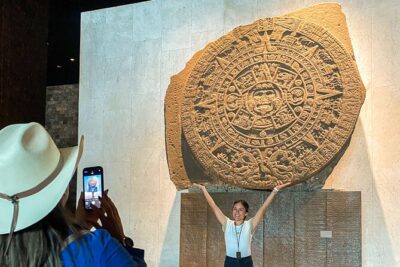
Frida Kahlo VIP [Museum Tickets Included] Walk, Markets & Churros
Read our review →
EXCLUSIVE TOUR Frida Kahlo Museum – SMALL GROUPS
Read our review →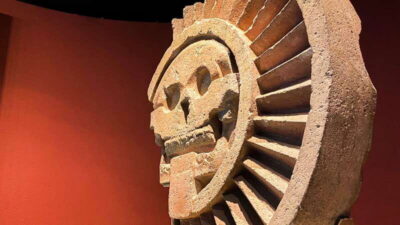
Frida Kahlo Museum Entry Ticket w/Digital Guide
Read our review →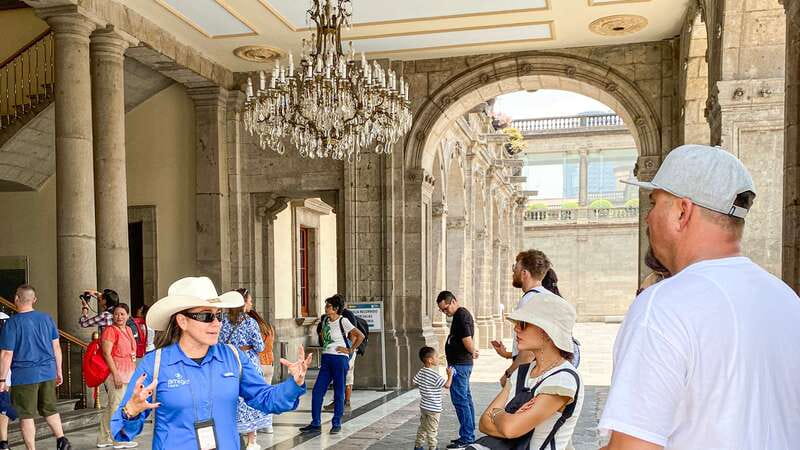
Chapultepec Castle and Anthropology Museum Tour
Read our review →Browse the lists this tour appears in