
Review · MEXICO CITY
Mexico City: National Museum of Anthropology Private Tour
Mexico City’s National Museum of Anthropology holds enough major objects to fill a day, yet this private tour gives you a focused two-hour route through its best-known rooms. You’ll see the Aztec Sun Stone, Mayan carvings, Olmec jade masks, and the Tláloc monolith while your guide explains what you’re looking at and why it matters.
I like the small private format, since you can ask questions and spend more time on the objects that catch your eye. I also like the pre-booked entry, which saves you from first joining the ticket-office queue. The main caution is price: at $120 per person, this is a serious spend for a two-hour museum visit, and the meeting point and entry process may take extra time.
- The Aztec Sun Stone is the headline object, with the Mexica Room forming the natural centre of the visit.
- A private guide keeps the tour focused, rather than trying to cover every case in this very large museum.
- Fast-track tickets skip the ticket office, but security lines and entry delays can still happen.
- José, Alberto, and Francisco are among the guides who have led this experience, with strong praise for clear explanations and a warm manner.
- El Paraguas fountain gives the museum visit an architectural highlight, not just a collection of display cases.
- The two-hour format suits first-time visitors, but museum fans may want more time afterward.
Why this museum deserves a guided visit
The National Museum of Anthropology is not a small stop you can skim in half an hour. Its collection covers the peoples and cultures of ancient Mexico, with rooms devoted to the Mexica, Maya, Toltec, Olmec, and other Indigenous civilizations.
The scale can be both thrilling and tiring. You may walk in expecting one famous stone and find yourself surrounded by sculpture, jewellery, ceramics, carved panels, masks, tools, and reconstructions. Without some direction, it is easy to spend too long on the first room and rush the rest.
That is where a private tour earns its keep. Your guide selects important pieces and supplies the links between them. You are not simply told that an object is old or beautiful. You hear how it relates to belief, government, warfare, trade, ritual, or daily life.
The private format also lets you ask the basic questions that are often the most useful. What was this used for? Why is it shaped this way? How do we know what it means? A good guide can adjust the level of detail to your group instead of delivering one fixed speech.
The listed guides include José, Alberto, and Francisco. José has been praised for humour and an engaging manner, while Alberto was noted for clear English and strong explanations. Francisco has also been singled out for making the visit lively and friendly. Your assigned guide may be different, but the tour is offered in English, Spanish, German, Italian, and French.
Meeting at Museo Tamayo before the museum
The meeting point is in front of Museo Tamayo Arte Contemporáneo at Avenida Paseo de la Reforma 51, in the Polanco area of Chapultepec. You do not meet at the Anthropology Museum entrance itself, so allow time to identify the correct spot.
This matters because the two museums are near one another, but the meeting point can be confusing if you are hurrying. Check the operator’s message the day before and arrive early. One booking reported a ten-minute wait for the guide, followed by a walk to the museum and an additional wait at entry. That delay meant the actual museum visit began well after the scheduled time.
I would treat the two-hour duration as the guided museum portion, not necessarily the total time from meeting to departure. The walk from the meeting point, locating the guide, security screening, and entry can all use part of your morning or afternoon.
Optional pickup and drop-off at your accommodation are available. Confirm the arrangement when booking, since the standard meeting point remains Museo Tamayo.
More Museum Tours in Mexico City
- Xochimilco, Coyoacan and Frida Kahlo with Optional Lunch
★ 4.5 · 7,320 reviews - CDMX: Xochimilco, Coyoacan, Frida Kahlo Museum & Murals Tour
★ 4.4 · 3,025 reviews - Chapultepec Castle & Anthropology Museum Tour
★ 4.5 · 1,348 reviews
Entering the Mexica Room and seeing the Sun Stone
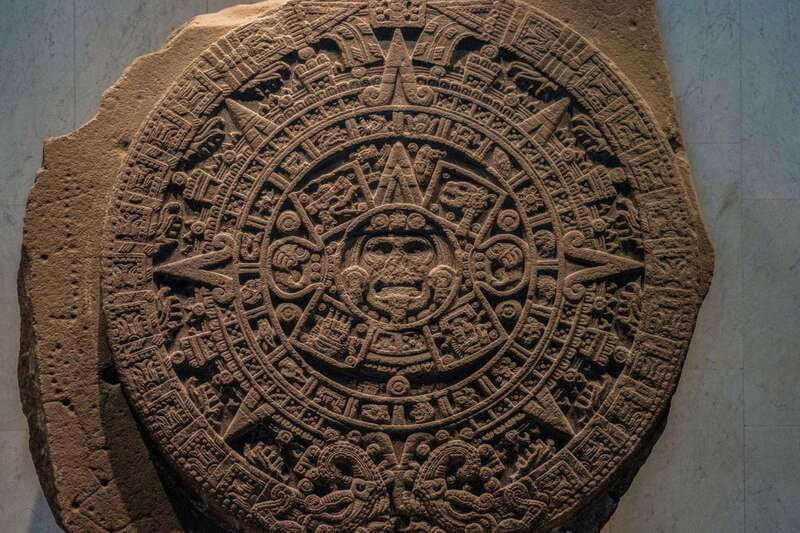
The tour begins with the Mexica collection, where the famous Aztec Sun Stone takes centre stage. It is often called the Aztec Calendar Stone, though its meaning is more complex than a simple calendar. Your guide can help you read its symbols and place it within Mexica ideas about time, power, sacrifice, and the order of the universe.
This is the sort of object that benefits from explanation. At first glance, it is a huge carved disc covered with faces and signs. With context, its layers of imagery become easier to follow. A private guide can point out details without leaving you to decipher the stone alone.
The Mexica Room also gives you a useful starting point for the rest of the museum. You begin with one of Mexico’s best-known ancient cultures, then move toward earlier and neighbouring civilizations. That structure helps you see connections rather than treating every room as an isolated display.
Do not expect to study every exhibit in the Mexica section during a two-hour tour. The guide’s job is selection. You will likely spend more time on major works and representative objects than on reading every label. If you already have a particular interest, mention it at the start.
Mayan carvings and the wider ancient world

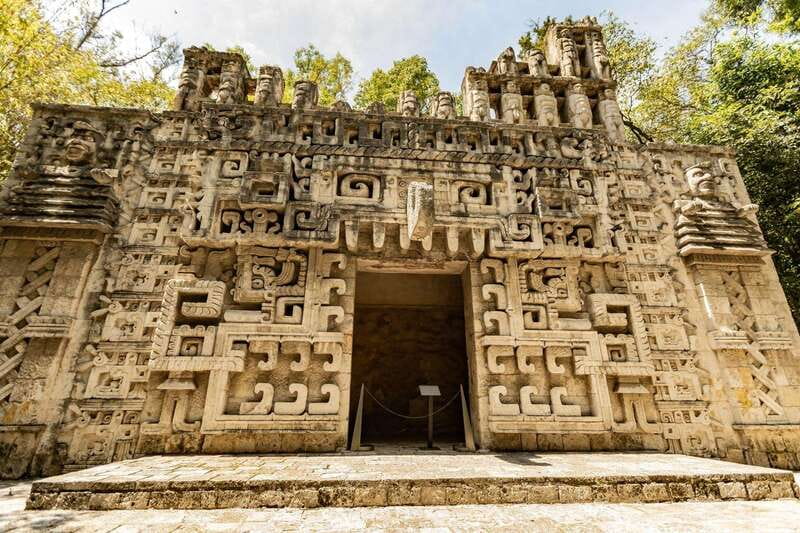
Mayan material forms one of the tour’s major highlights. You may see carved stelae and other objects that reveal the Maya tradition of recording rulers, ceremonies, dates, and public events in stone.
The guide’s explanation is especially useful here because Mayan monuments can look impressive but difficult to read. Carved figures, signs, costumes, and poses carry meaning that is not obvious to a modern eye. The tour places those details within the wider story of Mayan society and belief.
You should not expect an exhaustive tour of every Mayan site or period. The museum’s collection is too broad for that in two hours. Instead, you get a guided introduction to key works and the chance to ask about the features that interest you most.
This part of the visit suits anyone curious about writing systems, astronomy, rulers, ritual, or stone carving. It also gives the tour a useful change of pace after the large Mexica objects. The experience moves between monumental sculpture and smaller, more detailed pieces.
Olmec jade masks and Toltec objects

The route also includes Olmec jade masks and Toltec material. These displays help show that ancient Mexico was not one single culture with one artistic style. Different peoples developed their own traditions, while also sharing ideas, materials, and forms of power.
The Olmec masks are a good example of why a guide helps. Their polished green stone and compact faces attract attention immediately, but the story goes beyond appearance. Your guide can explain what the material, form, and craftsmanship tell us about the people who made and valued them.
Toltec objects add another layer to the visit. You may find carved figures and architectural references that connect the museum’s collection to the wider world of central Mexico. The guide can help you understand how the Toltecs fit into the sequence of cultures presented in the museum.
The value here is not just seeing famous objects. It is learning to compare them. You begin noticing differences in scale, stone, carving style, human figures, and religious imagery. That kind of comparison is difficult when you move through the rooms alone without a clear route.
More anthropology museums in Mexico:
- Anthropology Museum Guided Tour
★ 4.5 · 1,035 reviews - Mexico City: Anthropology Museum Guided Visit
★ 4.4 · 708 reviews - Mexico City: Chapultepec Castle and Anthropology Museum Tour
★ 4.5 · 637 reviews - Mexico City: Anthropology Museum Skip-the-Line Ticket
★ 4.4 · 502 reviews
The Tláloc monolith and water symbolism

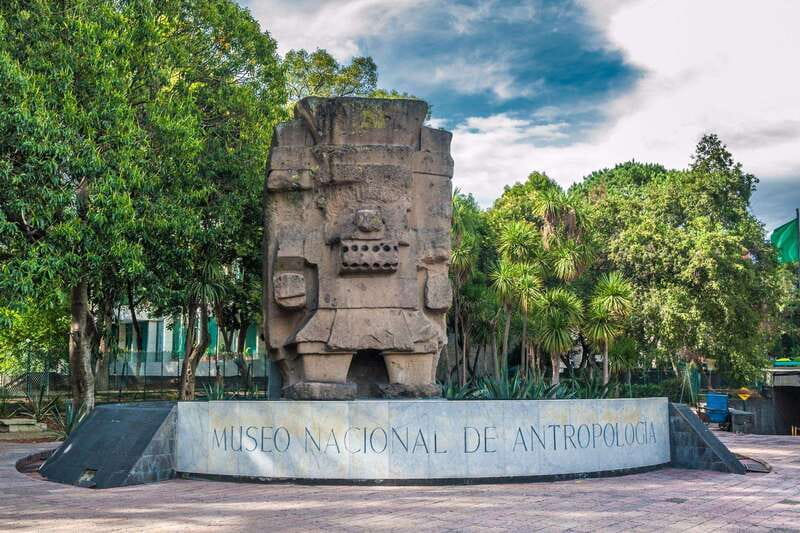
The Tláloc monolith is another important stop. This large stone figure once guarded a water supply, linking the museum collection to the practical importance of water in Mexico’s ancient cultures.
A guide can explain how water, rain, fertility, and divine power were tied together. The object is not merely a large sculpture placed in a hall. It reflects the way environmental forces shaped religious thought and public life.
This stop may appeal to you if you like the meeting point between engineering, nature, and belief. It also breaks up the sequence of smaller objects and gives the tour a strong sense of scale.
As with the Sun Stone, the monolith is easier to appreciate when you hear the story around it. You can look at the carving on your own, but the guide helps you connect its physical size with its former role and meaning.
El Paraguas and the museum’s modern design
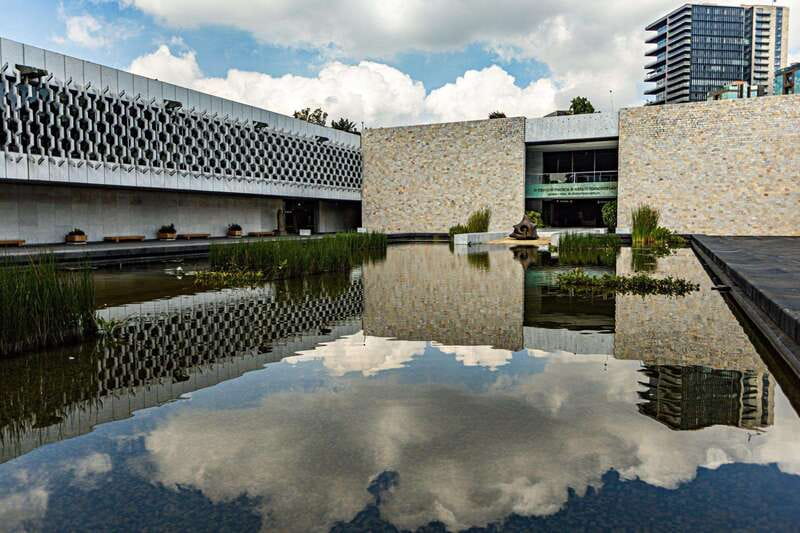
The museum building is part of the experience. Designed by Pedro Ramírez Vázquez, it is arranged around a central courtyard with the large El Paraguas fountain. A single column supports the broad canopy, and water falls around it like a curtain.
This courtyard offers a welcome pause between galleries. It also shows that the museum was designed to frame ancient Mexican culture through modern architecture. The building does not try to imitate an ancient temple. Instead, it uses open space, water, shade, and strong geometric forms to create a setting suited to the collection.
You may find that El Paraguas becomes one of the most memorable sights of the visit, especially after several indoor rooms. It is a good place to look up, get your bearings, and appreciate the museum as a building rather than simply a container for objects.
The courtyard also gives your guide a natural place to explain how the museum is organised. With only two hours, clear orientation matters. You want to understand where you are and what remains, not wander in circles while the clock runs down.
What two hours really gives you
Two hours is enough for a strong introduction, not a full museum survey. The National Museum of Anthropology is large, and the tour focuses on selected rooms and objects. You will see the major highlights and receive a clear framework for understanding them.
I like this length for a first visit because it protects you from museum fatigue. Ancient sculpture can begin to blur together when you try to absorb too much at once. A guide who narrows the route helps you remember the best pieces.
The trade-off is obvious. If you want to read every label, compare every regional collection, or spend twenty minutes with one object, the guided portion may feel quick. You can ask whether you have time to remain in the museum afterward, but the supplied tour details do not promise an extended self-guided visit.
The private format helps with timing. Your group can focus on the Mexica, Maya, Olmec, or Toltec material instead of following a preset group route. Still, tell the guide early if one area matters most to you. A two-hour tour needs choices.
Price, group size, and overall value
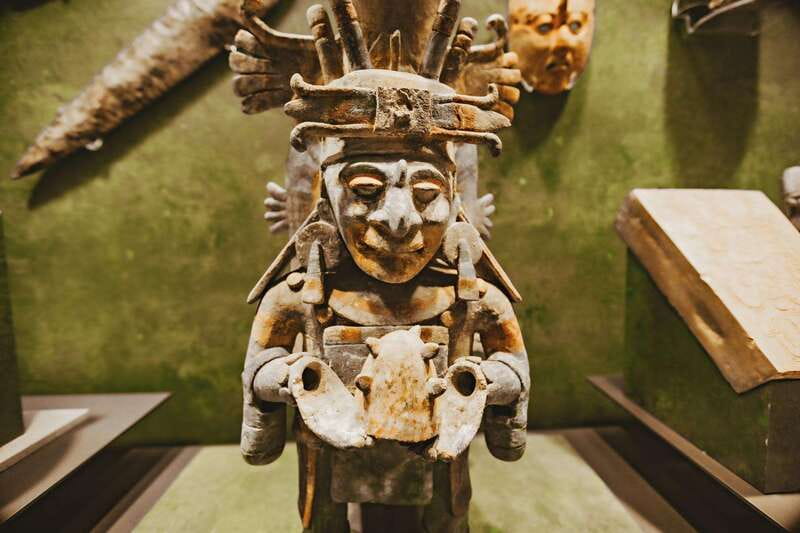
The price is $120 per person. That includes the private museum tour, a licensed guide in your chosen language, fast-track museum tickets, facts about Mexico City landmarks, and local suggestions for other things to do.
For one person or a couple, this is expensive for two hours. The cost makes more sense for a small group that can share the private guide fee and wants personal attention. The practical value is also higher if you are short on time, dislike museum guesswork, or want explanations in a language you speak comfortably.
The ticket benefit is useful but should be understood correctly. You skip the ticket-office queue, but fast track does not mean walking straight through every entrance barrier. Security checks and crowd-related delays can still occur.
Private groups can include up to 25 people per guide. That is a wide range. A group of four should feel genuinely personal, while a group near the upper limit will not have the same quiet atmosphere. Larger groups require additional guides and cost more.
At this price, punctuality and clear meeting instructions matter. The reported missed appointment is a serious concern, even though most supplied comments praise the guides and service. Check the day-before email, keep your phone available, and make sure you know exactly where to wait.
Comfort, weather, and useful planning tips
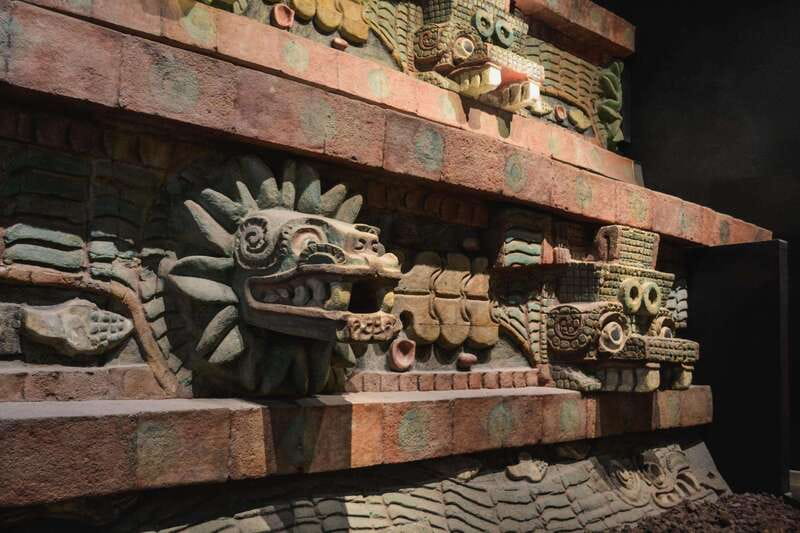
This is a walking tour. Wear comfortable shoes, since you will walk from the meeting point and through museum galleries. Dress for the forecast, as the experience operates in sun or rain.
There is no food or drink included. Plan a snack or meal before or after the tour rather than expecting refreshments during it. The experience is built around the museum, not a wider food itinerary.
The tour is offered in English, Spanish, German, Italian, and French. Choose the language in which you can most easily discuss unfamiliar names, symbols, and historical ideas. A clear explanation is worth more than rushing through a language that demands extra effort.
Cancellation is free up to 24 hours before the start time, and you can reserve now and pay later. Those terms help if your Mexico City schedule is still changing, but they do not remove the need to check the meeting details before the day.
Who should book this private museum tour?
I would recommend it most strongly to first-time visitors who want a guided introduction to Mexico’s ancient cultures without spending a full day in the museum. It also suits families, couples, and small groups with different levels of interest, since you can ask questions and adjust the pace.
History and art enthusiasts should book if they value interpretation more than having unlimited time. The guide can help you connect objects across cultures and explain details that are easy to miss.
Independent museum visitors may prefer to buy entry and explore alone. The museum is famous, and you can spend longer with the exhibits without paying for a guide. If $120 per person feels too steep, that is the sensible alternative.
I would also hesitate if your schedule is tight enough that a delayed start would cause problems. The meeting point, walk, security checks, and possible waiting mean you should leave room around the two-hour appointment.
Should you book it?
Book this tour if you want the National Museum of Anthropology’s major works explained by a private licensed guide, especially if you are visiting for the first time or travelling in a small group. José, Alberto, and Francisco have each brought strong communication and a friendly style to the experience, and the format is built for questions rather than a crowded group script.
Skip it if you want to roam every gallery at your own pace or cannot justify $120 per person for a short visit. For most people who do book, the best approach is to arrive early, confirm the Museo Tamayo meeting point, wear good shoes, and tell the guide which cultures or objects matter most to you.
FAQ
How long does the National Museum of Anthropology private tour last?
The guided tour lasts two hours. Meeting at Museo Tamayo, walking to the museum, security checks, and entry may add time before the museum portion begins.
What does the $120 price include?
The price includes a private National Museum of Anthropology tour, a licensed guide in English, Spanish, German, Italian, or French, fast-track museum tickets, facts about Mexico City landmarks, and local tips.
Does fast-track entry mean I skip all queues?
No. Fast-track tickets let you bypass the ticket office, but you may still wait briefly for security checks and museum entry during busy periods.
Where do I meet the guide?
Meet in front of Museo Tamayo Arte Contemporáneo at Av. Paseo de la Reforma 51, Polanco, Bosque de Chapultepec I Secc, Miguel Hidalgo, Mexico City.
Is the tour private?
Yes. It is offered as a private group experience, with one guide for groups of 1 to 25 people. Larger groups require additional guides and cost more.
Can I cancel the booking?
You can cancel up to 24 hours before the tour for a full refund. Reserve now and pay later is also available.
Just added around Mexico
- DeLuxe Cliff Divers+Sunset Exhibition byNight w/Different Options★ 5.0 · 64 reviews
- Historical Immersion 6Hrs San Diego Fort Museum Divers Lunch★ 5.0 · 15 reviews
- Riviera Maya: Frida Kahlo Museum Guided Tour 2025★ 4.1 · 54 reviews
- National Museum of Anthropology: a journey into Mexico’s past – English lang.★ 4.8 · 26 reviews
- Mexico City: Tequila and Mezcal Museum Tour with Tasting★ 4.8 · 301 reviews
- Mexico City tour & Anthropology Museum Tour★ 4.4 · 34 reviews
- Mexico City: MUCHO Museum of Chocolate Entrance Ticket★ 4.6 · 91 reviews
- Mexico City: Anthropology Museum Skip-the-Line Ticket★ 4.4 · 502 reviews
Museum Tours in Mexico City, compared.
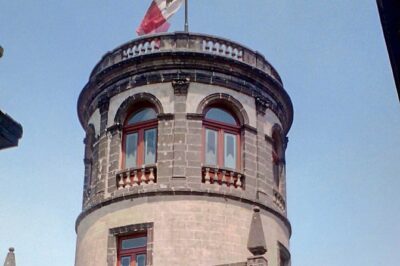
Chapultepec Castle & Anthropology Museum Tour
Read our review →
Frida Kahlo VIP [Museum Tickets Included] Bike, Markets & Churros
Read our review →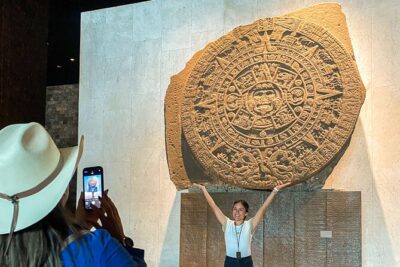
Frida Kahlo VIP [Museum Tickets Included] Walk, Markets & Churros
Read our review →
EXCLUSIVE TOUR Frida Kahlo Museum – SMALL GROUPS
Read our review →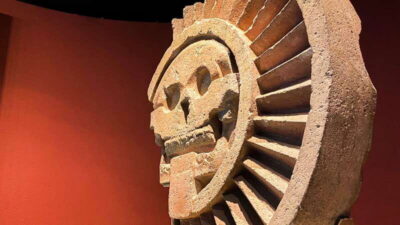
Frida Kahlo Museum Entry Ticket w/Digital Guide
Read our review →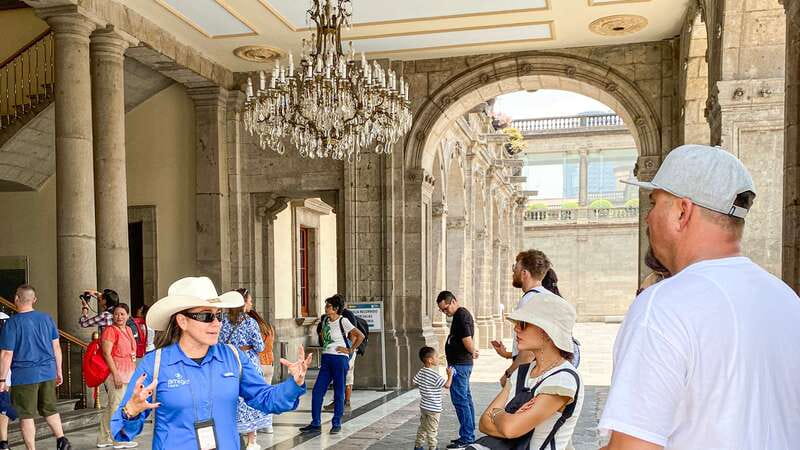
Chapultepec Castle and Anthropology Museum Tour
Read our review →Browse the lists this tour appears in