
Review · ITALY
Genoa: The City of Children and Young Museum Entry Ticket
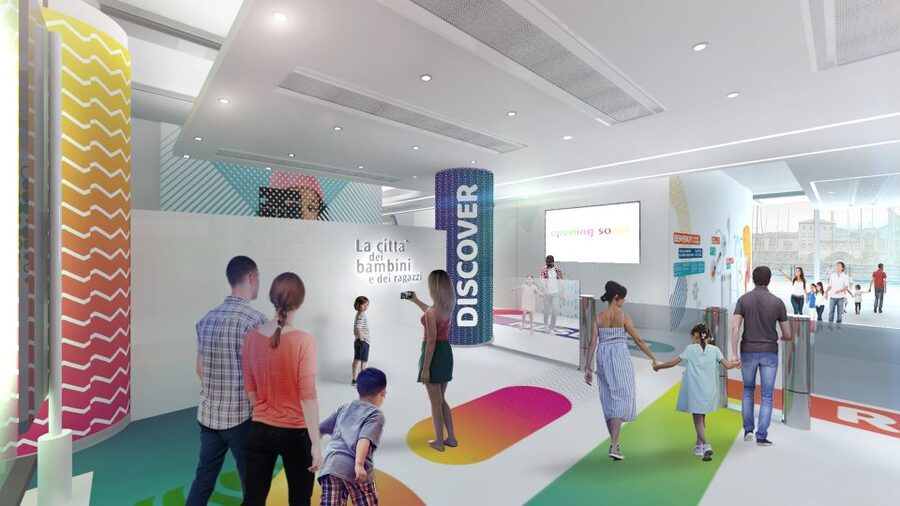
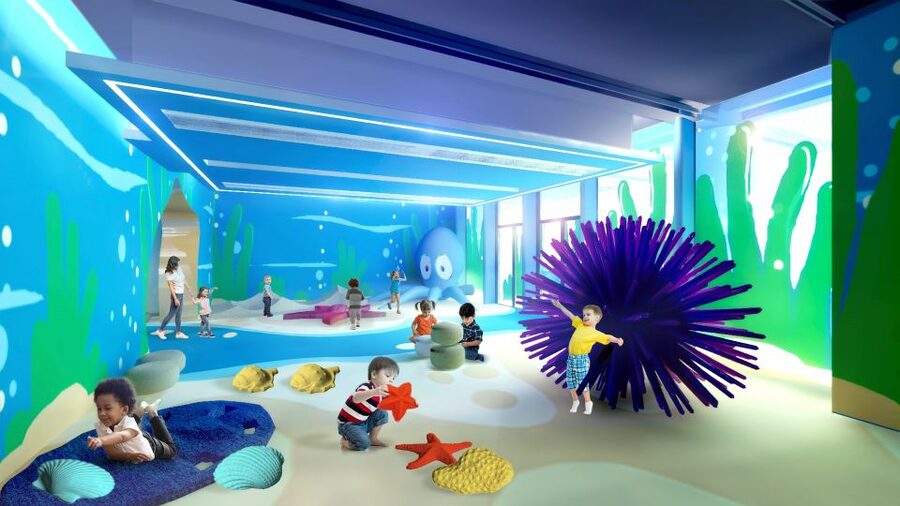
At Genoa’s City of Children and Young Museum, you do not simply look at displays. You touch, listen, smell, taste, and play your way through rooms built around the five senses. The colorful digital exhibits and optical illusions give children a reason to experiment instead of just being told not to touch anything.
I like the freedom to enter the five themed rooms in any order, and I like the mix of serious learning and silly photo props, including a giant 3D nose and lollipop displays. The main caution is size: some families may finish in less than an hour, so the $14 price works best when you have younger children who enjoy repeated play.
Key points at a glance
- Five senses in five themed areas: See shapes, hear sound waves, explore reflections, learn about taste buds, and handle hands-on displays.
- A flexible self-guided visit: You can move through the rooms in any order, with no fixed route or named guide.
- Best for younger children: The construction zone may suit smaller children better than children aged 7 or 8.
- Good family photo stops: The 3D nose, lollipop displays, mirrors, and bright installations create playful pictures.
- Possible learning workshops: An interactive hearing workshop may be offered during the visit, with regular announcements for start times.
- Easy to combine with the aquarium: The museum is on the ground floor of the same building as the Aquarium of Genoa.
What the museum is really like
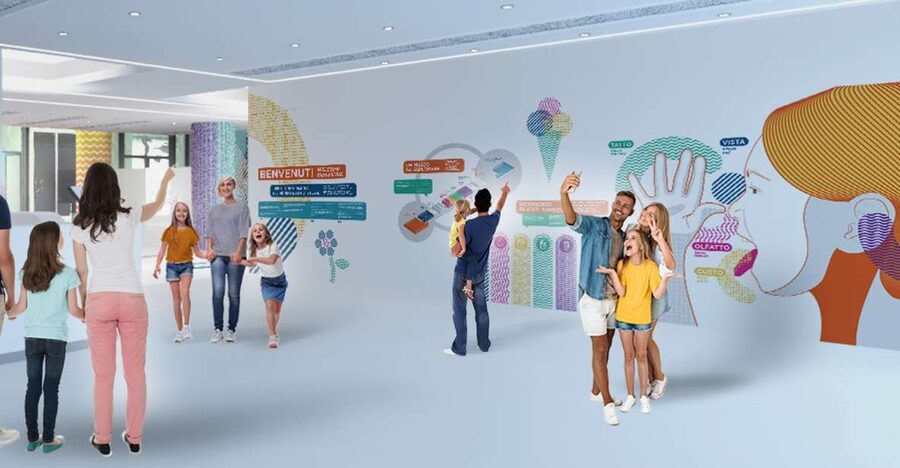
I would think of this as a hands-on children’s science and art space rather than a conventional museum. You are not moving from one case of objects to the next. Instead, you test your senses through simple activities, colorful technology, reflections, sounds, and physical displays.
The central idea is easy for children to grasp. Your eyes can be fooled, your ears can detect patterns, your nose can identify scents, and your tongue responds to different tastes. The museum turns those ideas into play, which makes it useful on a family day when children need something active.
The visit is self-guided. You show your ticket on arrival at the ground-floor entrance, then choose your own direction through the five rooms. That freedom helps if one child is fascinated by mirrors while another wants to spend time with building materials.
There is no guide name to note because the ticket covers independent entry rather than a guided tour. Staff may announce workshop start times, and a hearing activity has been described as a useful extra for children who enjoy learning through participation.
A few more museum visits around Italy worth comparing
- Vatican: Museums & Sistine Chapel Entrance Ticket
★ 4.5 · 144,003 reviews - Florence: Skip-The-Line Uffizi Gallery Timed Entry Ticket
★ 4.5 · 27,832 reviews - Vatican Museums & Sistine Chapel Skip-the-Line Entry Ticket
★ 4.4 · 13,838 reviews
Five senses, five ways to play
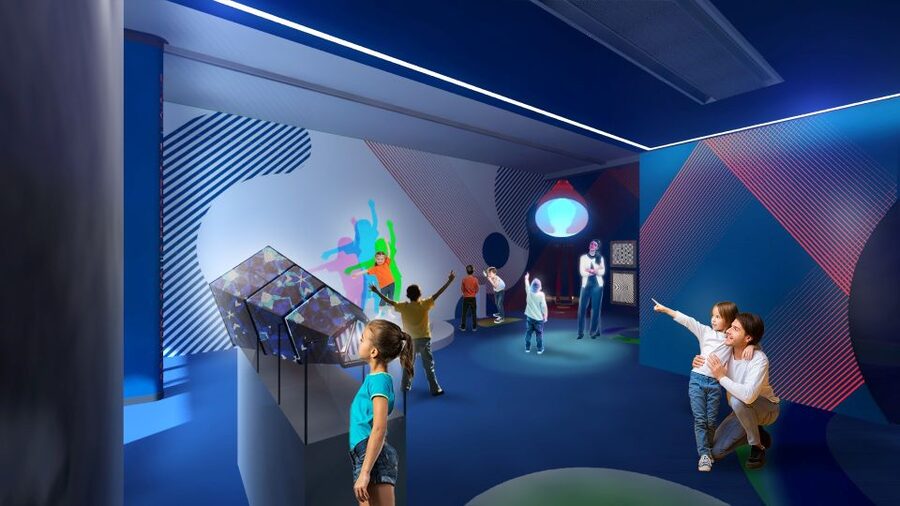
The museum’s strongest idea is also its organizing principle: each area gives you a different way to test how your body receives information.
Sight: shapes, color, and optical tricks
The visual rooms use bright colors, shapes, reflections, and mirrors to make you question what you are seeing. You might find displays that alter scale or perspective, along with optical illusions that are easy to understand through play.
This is the section most likely to produce photographs. A large 3D nose and lollipop-themed displays are designed for selfies and family pictures. I would let children explore first and take photos second. The displays work best when children are moving around them, not simply posing in front of them.
The visual installations can also help explain a basic point: seeing is not always the same as understanding. A child who watches a shape change in a mirror may remember the lesson better than a child who hears a short explanation in a classroom.
Hearing: sound waves and an optional workshop
The hearing area gives children a chance to listen to sound waves and experiment with the way sound behaves. The exact activities can vary, but the aim is clear: make an invisible sense visible and physical through interaction.
A hearing workshop may also be available. It has been described as especially engaging because children learn new ideas while taking part, rather than sitting through a talk. Announcements are made regularly, so listen for them when you arrive.
This is a useful reason not to rush straight through the museum. If the hearing workshop is running during your visit, it may add educational value to a ticket that otherwise could feel brief.
Same city, a completely different collection:
- Vatican Museums, Sistine Chapel & St. Peter’s Basilica Tour
★ 4.3 · 73,970 reviews - Vatican Museums, Sistine Chapel & St Peter’s Basilica Guided Tour
★ 4.5 · 39,149 reviews - Rome: Vatican Museums, Sistine Chapel and Basilica Tour
★ 4.3 · 16,039 reviews - Rome: Vatican Museums, Sistine Chapel & Basilica Tour
★ 4.7 · 13,217 reviews
Smell: the most memorable sensory game
The smell activity appears to be one of the museum’s strongest individual features. Children can test their sense of smell and try to identify different scents. This is simple, but it gives the nose a role beyond the usual joke about bad smells.
The giant 3D nose fits the theme and makes a natural photo stop. It also gives younger children an immediate visual clue about what the room is trying to teach.
Smell is often harder to explain than sight or hearing, so a hands-on activity is useful. You can compare your own reactions with those of your children, though the experience may be more interesting for children who enjoy guessing games.
Taste: learning about taste buds
The taste area introduces taste buds and the way your mouth responds to different flavors. The information provided does not specify exactly which foods or tasting samples are included, so you should not assume this is a full tasting session.
Still, the subject fits well with the museum’s aim. Children can connect an abstract body function with something familiar: eating. This room may be shorter than the more physical play areas, but it adds balance to the five-sense idea.
If your child is sensitive about food or reluctant to try unfamiliar tastes, the educational part may be more useful than the tasting itself. The point is learning how taste works, not having a meal.
Touch: bright hands-on displays
The touch-based areas are made for children who learn through their hands. You can handle eye-catching displays and test how surfaces, forms, or physical objects respond.
This is also where the museum feels least like a traditional gallery. There is no need to keep children at arm’s length. The displays invite contact, and the whole family can take part.
The construction zone adds another kind of tactile play. It may be particularly suitable for very young children. For children around 7 or 8, it can feel less age-appropriate once they have explored the other rooms.
A visit of about one to two and a half hours
The listed duration is 1.5 hours, but the actual visit can vary by age and interest. Some families may finish the main activities in less than an hour. Others may spend closer to two hours or more if children repeat favorite displays, join a workshop, or take time with the construction zone.
That difference matters when you plan your day. I would not treat this as a full-day attraction. It works better as a focused stop before or after the Aquarium of Genoa, especially since both attractions occupy the same building.
One family with two children aged 7 and 8 had seen nearly everything in under an hour, then made another circuit. That tells you something important about the museum’s scale. If your children like to repeat experiments, pose for photos, or build, the visit can last longer. If they move quickly, you may need another activity ready.
The flexible route helps. You can spend more time in the rooms that suit your children and move on from areas that feel too young. It also means you are not forced to wait for a group or follow a timed sequence.
How the $14 ticket measures up
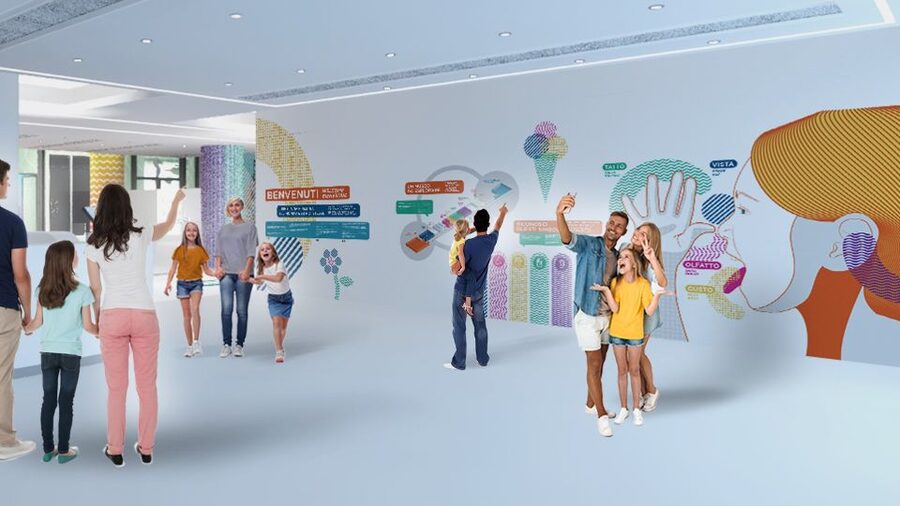
At $14 per person, the ticket is not expensive by the standards of a major Genoa attraction, but value depends heavily on visit length. A family of four will pay $56, so a short visit can feel costly if everyone is finished in 45 minutes.
I see better value for families with younger children who enjoy hands-on play. They are more likely to repeat activities, use the construction area, and take their time with the displays. The ticket also makes more sense if you combine it with the aquarium building and avoid treating the museum as your only activity.
The price is harder to justify for older children who expect a larger museum or more sophisticated illusion effects. The concept is appealing, but the space is relatively small and some displays may feel simple compared with larger sensory or illusion attractions.
That does not make the museum poor value for everyone. A rainy day, a break from sightseeing, or a child who needs active entertainment can change the calculation. I would ask one practical question before booking: will your children enjoy trying the same display more than once?
What makes the experience family-friendly
The museum is built around participation, so it gives parents something to do besides supervise. You can compare sounds, test reflections, look for shapes, and take part in the sensory games with your children.
The five-sense structure also gives the visit an easy rhythm. If one room loses a child’s attention, another may bring it back. A child who is not interested in taste may be eager to play with mirrors. A child who finds the optical illusions confusing may enjoy building.
The photo props add a light touch. The 3D nose and lollipop displays are not educational on their own, but they make the visit feel like an outing rather than a lesson. You can leave with family pictures that show the experience, not just a standard group photo outside the entrance.
I would bring comfortable shoes and clothes because the visit involves walking, standing, and hands-on activity. Carry water, especially if you are combining the museum with another attraction.
Age fit and the construction zone
The museum is clearly aimed at children, but not every part will suit every age. The interactive sensory rooms can engage a broad range of young visitors, while the construction area may work better for smaller children.
For children aged 7 and 8, the sensory sections and hearing workshop may provide the most useful content. The construction space could feel too basic, depending on your child’s interests.
Younger children may get more from the freedom to touch and repeat. Older children may appreciate the visual tricks and sound activities but finish sooner. I would use the museum’s age flexibility as a strength, while keeping expectations modest about its size.
This is not a place to bring children who prefer quiet observation or long explanations. It is made for movement, trial and error, and bright visual stimulation.
Location beside Genoa’s Aquarium
The museum shares a building with the Aquarium of Genoa, and the entrance is on the ground floor. This makes planning simple. You do not need to cross the city between the two attractions, and you can pair a short sensory visit with a longer aquarium outing.
If you are arranging both, check your timing carefully. The museum may take 1.5 hours, but some families finish sooner. That spare time can be useful before an aquarium entry, during a meal break, or as room for children to repeat their favorite activity.
The location is also helpful when the weather is poor. You can keep much of your family day indoors instead of moving between several outdoor sights.
The ticket itself includes museum entry only. It does not include aquarium admission, so treat the two attractions as separate purchases and plans.
Accessibility and practical details
The museum is wheelchair accessible, which makes it a reasonable option for families who need an accessible attraction. The supplied information does not provide further detail about individual displays, pathways, or staff assistance, so you may want to ask at the entrance if you have specific access needs.
Pets are not allowed. Bring water, comfortable clothing, and shoes that are easy to walk and play in.
You can cancel up to 24 hours before the visit for a full refund, and a reserve-now, pay-later option is available. That flexibility can help when your Genoa schedule depends on weather, children’s energy, or the timing of another attraction.
The ticket is delivered for entry at the museum. Show it on arrival at the ground-floor entrance in the building shared with the aquarium.
My practical verdict
I would book this museum for a family with young children who want a short, active, indoor attraction in Genoa. The five-sense theme is easy to understand, the displays invite participation, and the visual rooms offer fun photo opportunities without requiring a long explanation.
I would be more cautious if your children are older, move quickly, or expect a large attraction packed with complex illusions. The museum can feel small for the price, and the full visit may take less time than the suggested planning window.
The best plan is to pair it with the Aquarium of Genoa and listen for the hearing workshop announcements. At $14 per person, it is a fair choice when you value hands-on play and family time, but not the strongest pick if you want several hours of substantial exhibits. Think of it as a compact sensory stop, not the main event of your Genoa sightseeing day.
FAQ
Where is the City of Children and Young Museum?
It is in Genoa, in the same building as the Aquarium of Genoa. The museum entrance is on the ground floor.
How long does the museum visit last?
The stated duration is 1.5 hours. Actual time can vary, and some families may finish the main areas in less than an hour.
What does the entry ticket include?
The ticket includes entry to the City of Children and Young Museum.
Can I visit the rooms in any order?
Yes. You can enter the five interactive themed rooms in any order.
What senses does the museum focus on?
The museum focuses on sight, hearing, smell, taste, and touch.
Is the museum wheelchair accessible?
Yes, the museum is listed as wheelchair accessible.
Are pets allowed inside?
No. Pets are not allowed.
What should I bring?
Bring comfortable shoes, water, and comfortable clothes.
Can I cancel my booking?
Yes. You can cancel up to 24 hours in advance for a full refund.
Does the museum offer a pay-later option?
Yes. You can reserve your spot and pay later, which keeps your plans flexible.
Just added around Italy
- Oil museum and oil mill in Tuscany: tour and tasting★ 5.0 · 16 reviews
- Enchanted Castle of Sciacca – Museum Tickets★ 3.5 · 63 reviews
- Torino: FIAT Historic Museum and Lingotto District Tour★ 4.9 · 14 reviews
- Torino: The Car Museum Skip-The-Line Tour★ 4.7 · 22 reviews
- Timed Entry Ticket to the Uffizi Gallery★ 4.5 · 498 reviews
- Florence: Accademia Gallery Entry Ticket with Audio Guide★ 4.1 · 88 reviews
- Vatican City: Sistine Chapel, Museums, Basilica Private Tour★ 4.8 · 158 reviews
- Rome: Capitoline Museums and Centrale Montemartini Tickets★ 4.4 · 328 reviews
Museum Tours in Italy, compared.
Vatican: Museums & Sistine Chapel Entrance Ticket
Read our review →
Vatican Museums, Sistine Chapel & St. Peter’s Basilica Tour
Read our review →
Vatican Museums, Sistine Chapel & St Peter’s Basilica Guided Tour
Read our review →
Skip-The-Line Uffizi Gallery Timed Entry Ticket
Read our review →
Vatican Museums, Sistine Chapel and Basilica Tour
Read our review →
Vatican Museums & Sistine Chapel Skip-the-Line Entry Ticket
Read our review →
Vatican Museums, Sistine Chapel & Basilica Tour
Read our review →
Browse the lists this tour appears in