
Review · PALACE MUSEUM
City Tour By Motorbike w/ War Museum & Reunification Palace
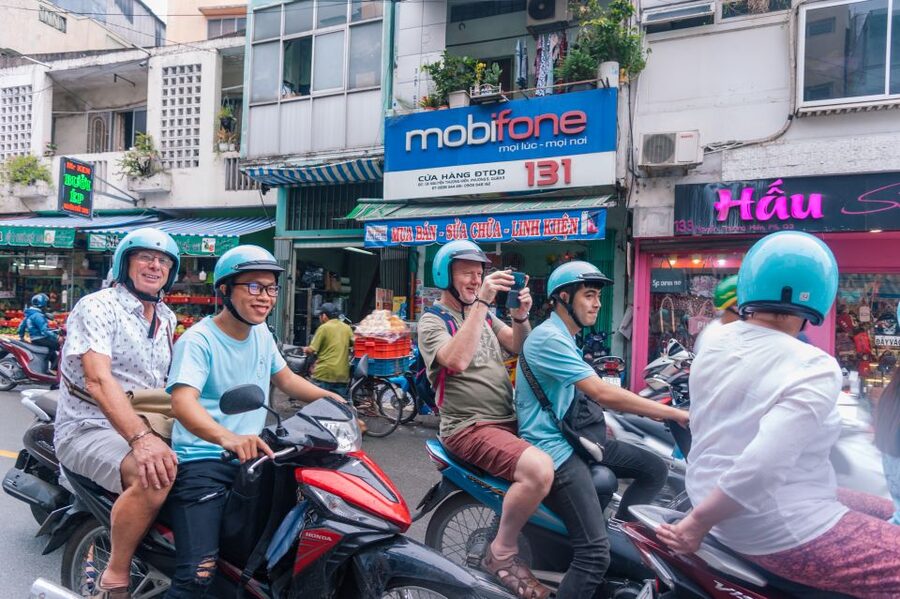
Saigon makes much more sense from the back of a scooter. You move quickly through the city, feel its traffic at street level, and reach major sights that would take longer by car. The tour pairs that lively ride with the War Remnants Museum and Reunification Palace, giving you both local street life and a clear look at Vietnam’s difficult modern past.
I like the careful driving and the chance to hear personal views from local guides such as Tris, Nhi, Zayne, and Johnny. I also like the value: for $28, you get a four-hour tour, scooter and driver, English guidance, kumquat juice, and entrance fees to the museum and palace. The main consideration is pace. You cover many sights in half a day, so the stops at the French landmarks and market are more about seeing and understanding than spending long stretches inside each one.
Key points to know before you book

- Scooter travel saves time: A driver takes you through Saigon’s busy streets while you watch daily life unfold around you.
- War history is central: The War Remnants Museum and Reunification Palace provide the most substantial historical stops.
- Local guides add perspective: Guides including Tris, Nhi, Zayne, and Johnny are praised for clear explanations, friendly conversation, and careful driving.
- Good value at $28: Admission to the War Remnants Museum and Reunification Palace is included, along with a driver, guide, and kumquat juice.
- Dress for religious sites: Cover your knees and shoulders, especially for the Jade Emperor Pagoda.
- District 1 and 3 pickup only: Pickup is available in those districts. Other areas cost extra, or you can meet at Cyclo Resto on Nguyen Du Street.
Why a scooter is the smart way to see Saigon
Ho Chi Minh City is spread across busy streets, grand colonial buildings, markets, museums, and quieter corners. On foot, you can explore one area well, but covering all these sights in four hours would be hard. In a car, you get comfort but lose much of the street-level feel.
A scooter gives you a useful middle ground. You sit behind a local driver while the city moves around you. You do not need to operate the motorbike yourself, and the driver handles the traffic. The strongest part of the experience is not speed for its own sake. It is the view: shopfronts, intersections, old buildings, food stalls, and changing neighborhoods pass close by.
Safety is a major part of the decision. The drivers are repeatedly praised for smooth, careful riding. Guides such as Michael, Katherine, Kent, and Zayne are specifically noted for making passengers feel comfortable. The transport rating is also strong, with 91 percent of ratings giving it a perfect score.
Still, you should be comfortable sitting behind a driver in city traffic. Saigon roads can feel intense, especially if you are not used to motorbikes. The tour is a poor fit if you dislike scooters or want a quiet, enclosed vehicle.
More war and memorial museums in the world:
- 9/11 Memorial Museum Admission Ticket
★ 4.5 · 6,376 reviews - Caen: Guided D-Day Sites Tour & Caen Memorial Museum Ticket
★ 4.8 · 498 reviews - Amsterdam: National Holocaust Museum Entry Ticket
★ 4.7 · 413 reviews
French Saigon from Notre-Dame Cathedral to the Post Office
The city sightseeing begins with several landmarks that show the French imprint on old Saigon. Notre-Dame Cathedral, also called Saigon Notre-Dame Basilica, was built by French colonists between 1863 and 1880. Its original French name was the Church of Saigon.
The cathedral is one of the city’s best-known colonial structures, but you should check what areas are open when you visit. The tour information places the emphasis on viewing the building and learning its background, not on a long interior visit.
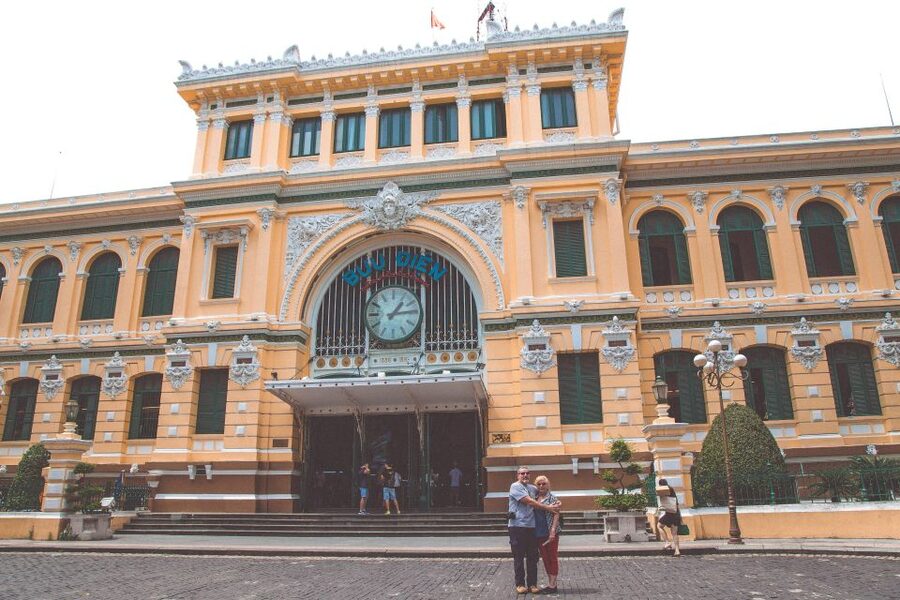
Across from the cathedral, the Central Post Office offers another fine example of French colonial design. Built between 1886 and 1891, it combines Gothic, Renaissance, and French influences. This is a useful stop because it remains part of daily city life rather than existing only as a preserved monument. You can see the architecture and also get a sense of how the building functions.
Your guide can connect these structures to the city’s changing identity. Saigon is not one single architectural story. French colonial buildings, Vietnamese institutions, modern businesses, and religious sites all sit within the same urban area. Moving between them by scooter helps you see those changes quickly.
City Hall, the Opera House, and Nguyen Hue Walking Street
The route also passes Ho Chi Minh City People’s Committee building, the Opera House, and Nguyen Hue Walking Street. These sights help fill out the civic and cultural side of central Saigon.
The People’s Committee building is a formal colonial-era landmark used by the city government. The Opera House adds a more theatrical touch, with an ornate exterior that reflects French design. Nguyen Hue Walking Street gives you a broad public space in the middle of the city and a contrast to the narrow roads and crowded intersections nearby.
These stops are mainly outside visits. That is worth knowing before you book. You will have time to look, take photographs, and hear explanations, but the four-hour schedule does not allow for long tours of every building.
This is where a good guide matters. Tris is praised for answering questions with enthusiasm, while Kevin is noted for explaining the sights and taking photographs. If you want a tour that gives you a broad first look at central Ho Chi Minh City, this section works well. If you want detailed architectural study, book a longer walking tour or return independently.
Reunification Palace and the moment Saigon changed
Reunification Palace is one of the most important stops because it connects the city’s architecture to the end of the Vietnam War. It was the residence of the President of the Republic of Vietnam until April 30, 1975.
The palace is not just another government building. Its rooms and grounds help you picture how South Vietnam’s leadership operated before the war ended. The site gives physical shape to a political period that can otherwise seem abstract when explained only through dates and names.
You should allow enough attention for the palace because it is one of the two paid attractions included in the tour. The entry fee is covered, so you do not need to budget separately for admission. The guide can help you understand why this place matters, which is especially helpful if you know only the broad outline of the war.
The tour’s short format means you may not examine every room at length. That is the tradeoff for seeing so many parts of the city in one morning or afternoon. I would treat the palace as a focused historical visit rather than a complete architectural tour.
More palace museums in the world:
- Istanbul: Topkapi Palace & Harem Museum Ticket & Audio Guide
★ 4.1 · 3,977 reviews - Venice’s Best: Basilica, Doge’s Palace, Gondola & History Gallery
★ 4.5 · 2,478 reviews - Royal Palace & Prado Museum Skip the Line Guided Tour
★ 4.5 · 1,347 reviews - Venice: City Pass with Museums including Doge’s Palace
★ 4.1 · 1,020 reviews
The War Remnants Museum and difficult history

The War Remnants Museum is the emotional center of the experience. Its exhibits include artifacts, photographs, and images documenting the Second Indochina War, known widely outside Vietnam as the Vietnam War.
You should expect a direct presentation of the conflict from a Vietnamese point of view. That local perspective is one of the main reasons to visit with a guide. A guide can explain how the war is remembered in Vietnam and help place the displays within the country’s wider story.
The museum can be upsetting. Some photographs and material are hard to look at, and the subject itself is painful. You may find the visit more useful if you take your time and ask questions rather than rushing from room to room.
Because this tour also includes the palace, you get two different views of the same period. The palace shows political power and the fall of a government. The museum focuses on the human cost and the way the war is presented in Vietnam today.
Entrance is included, which improves the $28 value. You are not paying only for transport and a quick city circuit. Two of the most important historical sites are part of the price.
Jade Emperor Pagoda and the need for respectful dress
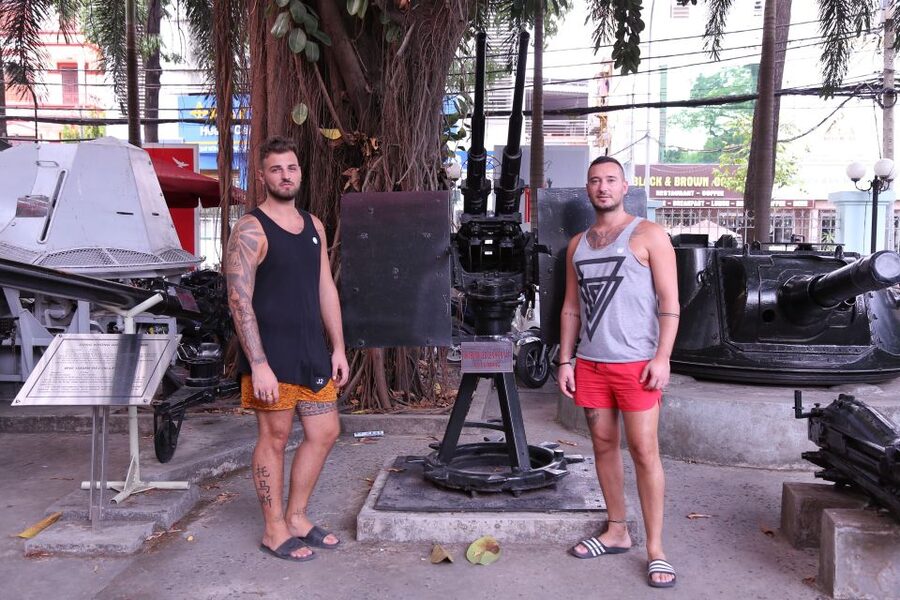
The Jade Emperor Pagoda brings religious life into the route. It gives you a different view of the city from the colonial buildings and war museums. Instead of government, architecture, or military history, the pagoda offers a place connected with worship and local spiritual practice.
Dress matters here. You must cover your knees and shoulders to enter temples and pagodas. The activity information also advises comfortable clothes and specifically says that shorts, short skirts, and sleeveless shirts are not allowed.
Wear comfortable shoes as well. You may spend time standing and walking at several stops, even though the scooter handles the long distances. Clothing that works for a hot city should still be modest enough for the religious site.
The pagoda is not the longest stop, but it helps prevent the tour from becoming only a parade of famous buildings. It adds another layer to your understanding of Saigon and gives the route more variety.
Ben Thanh Market and everyday city life
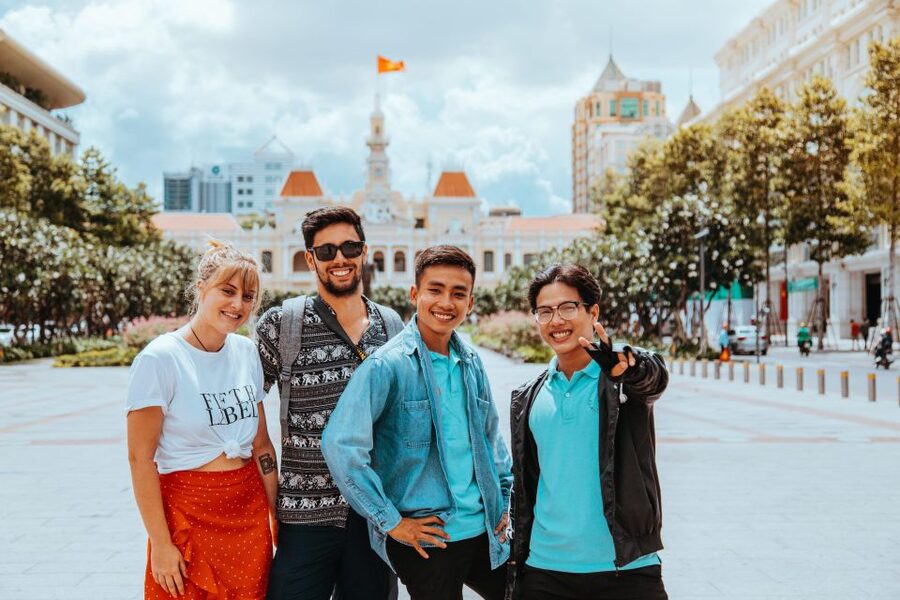
Ben Thanh Market is one of Ho Chi Minh City’s oldest markets. It was in place before the French invasion and began as a trading area for small merchants beside the Ben Nghe River, near a harbor and the Gia Dinh Citadel.
Today, it is one of the city’s best-known places to browse goods and watch commerce at close range. The market can be busy and tightly packed, so keep your belongings secure and stay aware of where your guide is. The purpose of the stop is not only shopping. It is also a chance to see how the market fits into Saigon’s long trading tradition.
The scooter format helps here because you are not tied to a fixed sightseeing zone. You can move from a grand boulevard to the market and then on to another historic site without losing much time in city traffic.
The market may feel tourist-oriented in parts, and bargaining is common. You do not need to buy anything. If you prefer a quieter market experience, this stop may feel hectic, but it remains useful for a first visit.
What the guides add to the ride
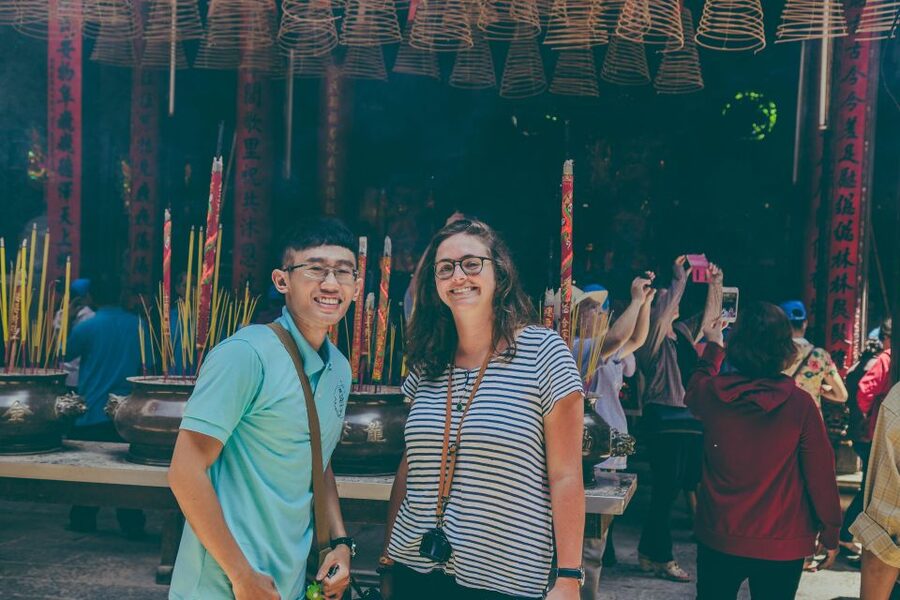
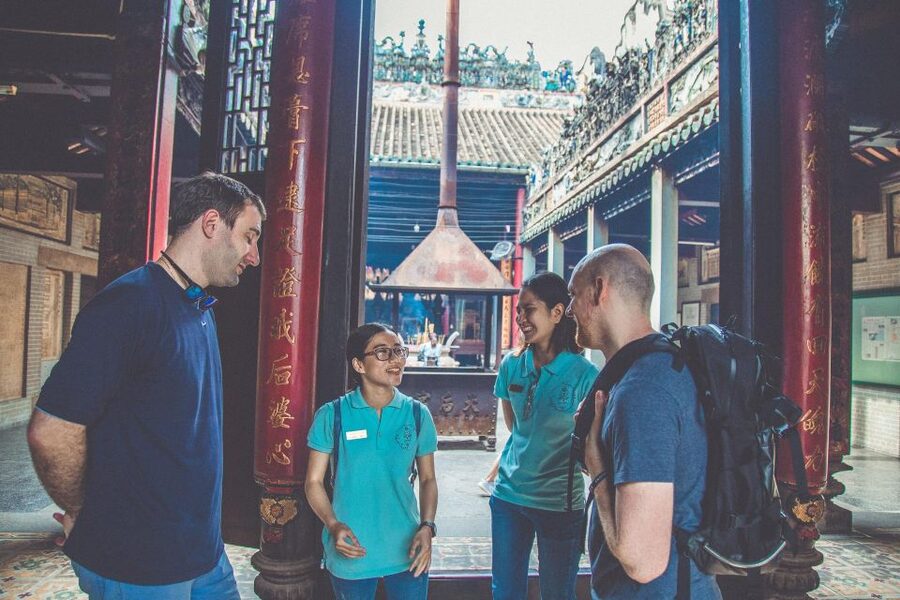
The best guides on this experience do more than recite dates. They explain the city in conversation and respond to your questions. Tris is praised for excellent English and broad knowledge of the main attractions. Nhi is described as cheerful, friendly, and strong on Saigon and Vietnam’s history.
Zayne offers another kind of value. His conversations about his own experiences and ambitions give you a glimpse of a younger Vietnamese perspective. That personal exchange can be more memorable than a standard fact sheet.
Other guides, including Brandon, Bean, Johnny, Long, Tony, Richard, and Katy, are praised for a mix of friendliness, historical explanation, photography, and careful riding. The exact guide depends on the day, but the consistent strengths are clear: communication, kindness, and safe scooter handling.
If you enjoy asking questions, say so early. The tour is especially rewarding when you treat the guide as a local contact rather than waiting for a fixed speech at each stop.
Price, timing, and what you actually receive
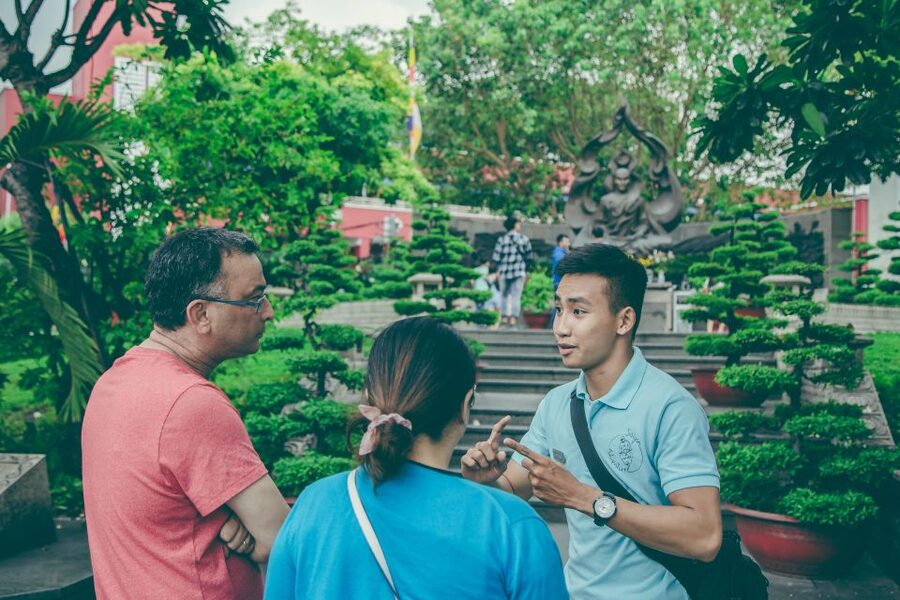
At $28 per person, this is a strong deal for a four-hour private-driver sightseeing experience. The price includes an English-speaking guide, scooter with driver, entrance fees to the War Remnants Museum and Reunification Palace, and kumquat juice.
The value comes from the amount of ground covered. A taxi between these sights would cost money and still would not give you the same local commentary. A self-guided route would require more planning and could take longer, especially if you are not familiar with Saigon’s streets.
A private tour option is also available if you want more control over the pace. The standard information does not specify the group size or the private-tour price, so confirm those details before booking.
Pickup is available in District 1 and District 3. If you stay elsewhere, an extra charge may apply, or you can go to the meeting point at Cyclo Resto, 133 Nguyen Du, Ben Thanh Ward, District 1. Build that transfer into your timing.
You can cancel up to 24 hours ahead for a full refund, and reserve now while paying later. Starting times depend on availability.
Who should book this four-hour tour?
I would choose this tour if you have limited time in Ho Chi Minh City and want a broad introduction without arranging each stop yourself. It suits first-time visitors, history-minded people, and anyone curious about how locals see the war and the city’s past.
It also works well for solo visitors who want company and local conversation. Several guides are praised for taking photographs, which is useful when you are touring alone.
You should think twice if you dislike motorbikes, need a slow pace, or want long visits at every museum and landmark. The schedule is full, and the scooter ride is central to the experience rather than a minor transport detail.
Wear modest, comfortable clothing, bring comfortable shoes, and keep your questions ready. The more you engage with the guide, the more you will get from the route.
Should you book it?
Book this tour if you want to see a lot of Saigon in four hours, especially the War Remnants Museum, Reunification Palace, French colonial landmarks, Jade Emperor Pagoda, and Ben Thanh Market. The careful drivers, local viewpoints, included admissions, and $28 price make it a practical choice for a first city visit.
Skip it if you want a relaxed museum day or feel uneasy on scooters. For most visitors who can handle the motorbike format, this is an efficient and personal way to connect Saigon’s streets with its history.
FAQ
How long does the tour last?
The tour lasts four hours.
How much does the tour cost?
The listed price is $28 per person.
Do I drive the motorbike myself?
No. You ride as a passenger with a scooter driver.
Is an English-speaking guide included?
Yes. An English-speaking tour guide is included. Vietnamese is also available.
Are entrance fees included?
Yes. Entrance fees for the War Remnants Museum and Reunification Palace are included.
What attractions are visited?
The route includes Reunification Palace, the War Remnants Museum, Notre-Dame Cathedral, the Central Post Office, Ben Thanh Market, the Opera House, Ho Chi Minh City People’s Committee building, Nguyen Hue Walking Street, and Jade Emperor Pagoda.
Where is hotel pickup available?
Pickup is available in District 1 and District 3. Pickup from other districts may cost extra. You can also meet at Cyclo Resto, 133 Nguyen Du, Ben Thanh Ward, District 1.
What should I wear?
Wear comfortable clothes and shoes. Shorts, short skirts, and sleeveless shirts are not allowed. Your knees and shoulders must be covered when entering temples and pagodas.
Can I cancel the booking?
Yes. You can cancel up to 24 hours in advance for a full refund. You can also reserve now and pay later.
Just added around the world
- Girona, Figueres, Dalí Museum and Cadaqués Tour from Barcelona★ 4.5 · 36 reviews
- Football Club Barcelona Museum Immersive Tour Guided Visit★ 3.5 · 52 reviews
- Erotic Museum Admission Ticket with Audioguide★ 5.0 · 527 reviews
- Dali Museum and Costa Brava Small Group Day Trip from Barcelona★ 5.0 · 77 reviews
- Madrid by High-Speed Train with Prado Museum Private Tour★ 4.0 · 33 reviews
- Guitar Legends Hall: Entrance to the Immersive Rock Museum★ 5.0 · 25 reviews
- White Rabbit Museum: The Best Immersive Experience in Catalonia★ 5.0 · 538 reviews
- Private Dali Museum, Besalú & Girona Tour from Barcelona★ 5.0 · 15 reviews
Palace Museum Tours, compared.

Topkapi Palace & Harem Museum Ticket & Audio Guide
Read our review →
Venice’s Best: Basilica, Doge’s Palace, Gondola & History Gallery
Read our review →
Royal Palace & Prado Museum Skip the Line Guided Tour
Read our review →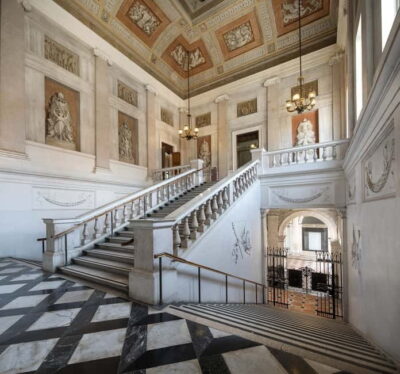
City Pass with Museums including Doge’s Palace
Read our review →
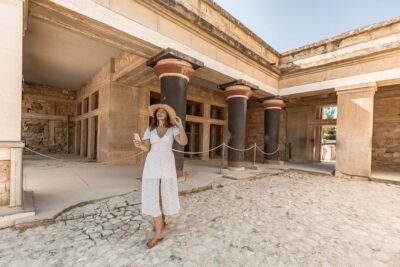
Crete: Knossos Palace and Museum E-Tickets with Audio Guides
Read our review →
Venice Museum Pass & Doge’s Palace Entrance Ticket
Read our review →
Palace, Museum, Madrasa & Medina Highlights Tour
Read our review →Browse the lists this tour appears in