
Review · BARCELONA
Barcelona: Museum of Forbidden Art Entry Ticket
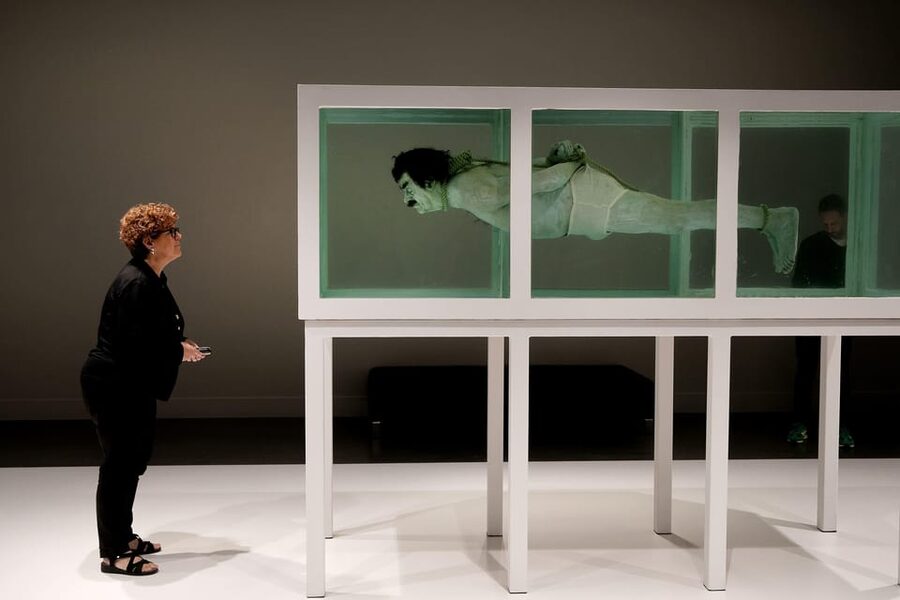
Barcelona’s Museum of Forbidden Art puts censorship at the center of the museum visit. Inside Casa Garriga Nogués, you’ll see works by Picasso, Warhol, Goya, Banksy, and Ai Weiwei that faced removal, restriction, or public dispute.
I like the strong historical context and the free interactive guide in English, Catalan, and Spanish. I also like the setting: a beautiful modernist building just off Passeig de Gràcia, close to Casa Batlló and La Pedrera. The main caution is that this is not a standard art museum for young children, and one booking error reported by a visitor involved a Tuesday closure, so check the date and opening details carefully.
Key Points
- More than 200 censored works: The collection includes art challenged for political, religious, sexual, or social reasons.
- Famous names with difficult stories: See works connected to Picasso, Andy Warhol, Francisco Goya, Banksy, Ai Weiwei, Gustav Klimt, Keith Haring, and Robert Mapplethorpe.
- A central Barcelona location: Casa Garriga Nogués is one minute from Passeig de Gràcia and near two of the city’s best-known modernist buildings.
- Free digital guide: Use your own phone to access background information and multimedia content in English, Spanish, or Catalan.
- A thought-provoking visit: The museum asks you to consider who gets to decide what can be shown.
- Good value at $14: There is no live guide, food, or transport included, but the ticket covers the exhibition, terrace, Wi-Fi, and digital guide.
Why Barcelona’s Forbidden Art Museum Is Different
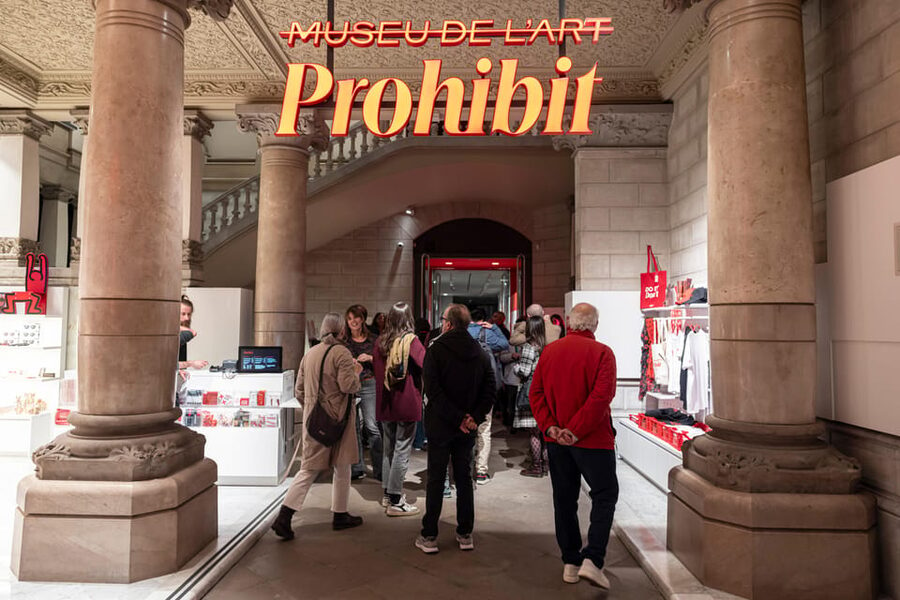
Most art museums organize their rooms by artist, period, or style. This one organizes its collection around conflict. Each piece has a story involving censorship, prohibition, removal, legal pressure, political objection, or public outrage.
That idea gives the visit a clear purpose. You are not simply looking at famous works and reading short labels. You are asking why a work was considered dangerous, offensive, indecent, or unacceptable, and what that says about the society that tried to suppress it.
The collection includes more than 200 works, so the museum has enough range to show that censorship is not limited to one country or one era. You’ll find major historical figures such as Goya alongside modern and contemporary artists including Tania Bruguera, Abel Azcona, Ines Doujak, Miquel Barceló, and Banksy.
I like this approach because the subject remains relevant. A painting can be censored by a government, a court, a museum board, a religious group, or a private institution. The reasons vary, but the basic question stays the same: who controls what the public can see?
More Museum Tours in Barcelona
- Barcelona: FC Barcelona Museum “Barça Immersive Tour” Ticket
★ 4.4 · 10,944 reviews - Barcelona: Park Güell and Gaudí House Museum Entry Ticket
★ 4.5 · 6,326 reviews - Barcelona: Picasso Museum Skip-the-Line Guided Tour
★ 4.5 · 3,355 reviews
Casa Garriga Nogués and the Passeig de Gràcia Location
The museum occupies Casa Garriga Nogués, an early 20th-century modernist building. You are not entering a plain gallery box. The building itself adds character to the visit and gives the collection a suitably historic setting.
The location is especially useful if you are already exploring central Barcelona. The museum is about a one-minute walk from Passeig de Gràcia, one of the city’s main cultural and shopping streets. Casa Batlló and La Pedrera are close by, so you can pair this museum with Barcelona’s better-known modernist architecture.
That makes the museum a practical stop between major sights. It does not require a separate trip across the city, and its indoor setting gives you a quiet change of pace from the busy streets around Passeig de Gràcia.
The building and terrace are included with admission. The terrace is not the main reason to buy the ticket, but it gives you a chance to pause after the exhibition and take in the setting.
What You See Inside the Exhibition
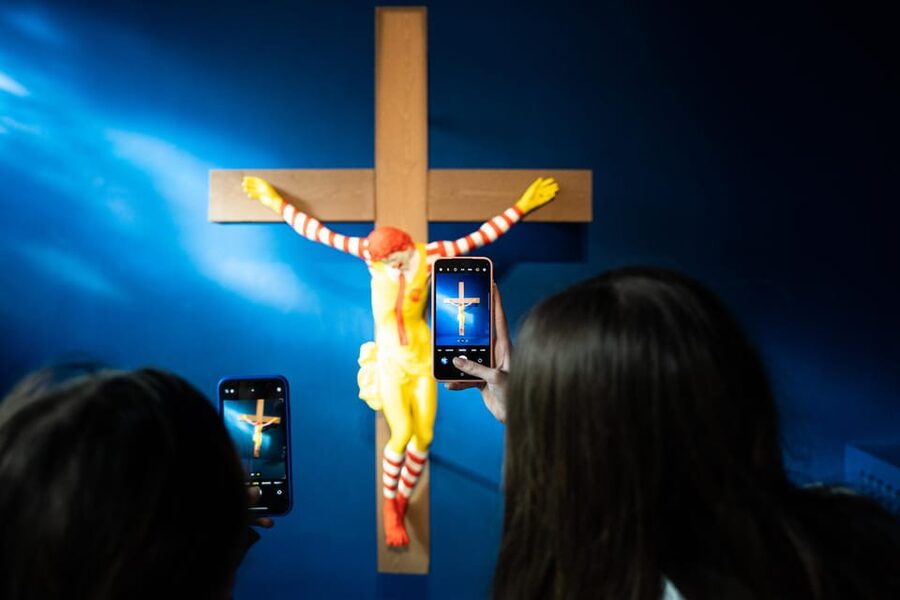
The most familiar names will likely draw you in first. Picasso, Warhol, Goya, Klimt, Haring, Mapplethorpe, Banksy, and Ai Weiwei give the collection immediate appeal, especially if you know their work from other museums.
But the museum’s real strength is the explanation behind each piece. The value is not only in seeing a famous artist. It is in understanding what happened when the work was shown, challenged, withdrawn, altered, or restricted.
Works by Pablo Picasso and Francisco Goya connect the subject to earlier periods of European art. Their presence shows that disputes over images and ideas are not a new feature of contemporary culture.
Andy Warhol, Keith Haring, Gustav Klimt, and Robert Mapplethorpe bring in different forms of modern controversy. Their work can raise questions about sexuality, public morality, popular culture, and the line between art and provocation.
The contemporary section includes artists such as Ai Weiwei, Tania Bruguera, Abel Azcona, Ines Doujak, Miquel Barceló, and Banksy. Here, censorship can feel more immediate because the topics often connect to current politics, identity, social control, or public protest.
You should expect a mix of established names and artists you may not know. That is a good thing. If every room were built only around famous works, the museum would become a celebrity checklist. Instead, the lesser-known pieces help show how widely censorship has been used.
The Free Digital Guide Makes a Real Difference
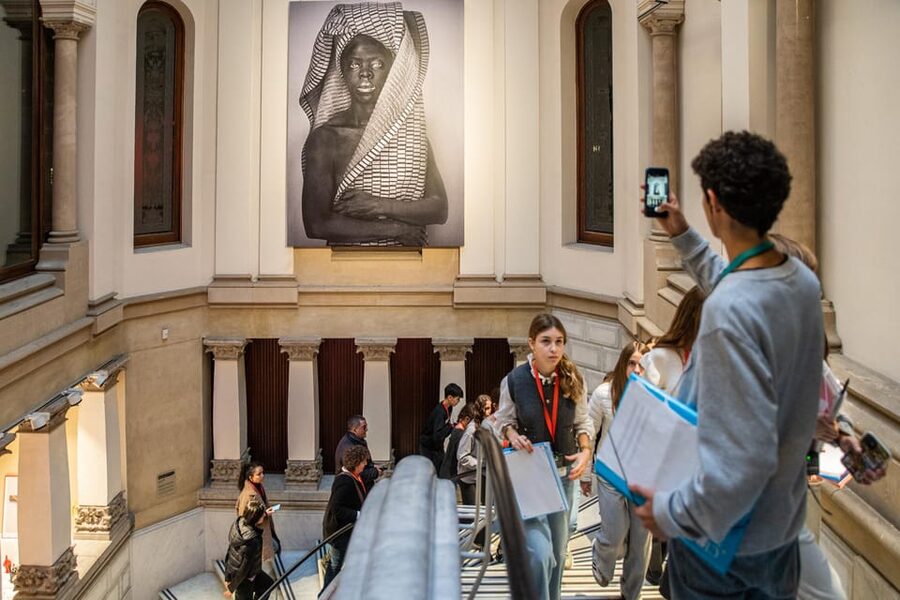
Your admission includes a free interactive digital guide. You use your own device, and the content is available in Catalan, Spanish, and English.
This matters because the subject needs context. A quick label may tell you that a work was censored, but the digital guide can explain the situation more fully, including the artistic background and the effect of the ban or dispute.
I recommend allowing time to use it rather than racing through the rooms. The guide is not a live tour, so you set your own pace. That gives you freedom, but it also means you must take responsibility for getting the most from the visit.
There is no named live guide included, and no guided tour forms part of the ticket. If you prefer a guide who talks you through each room, this may feel less personal than a traditional walking tour or museum tour.
For many people, though, the self-guided format is a plus. You can spend longer with a work that catches your attention and move faster through pieces that interest you less. The English option is useful for international visitors, while Catalan and Spanish speakers have the same material in local languages.
A few more museum visits around Barcelona worth comparing
- Camp Nou Immersive Tour F.C.Barcelona Museum: Open Date Ticket
★ 4.0 · 1,307 reviews - Moco Museum Barcelona Admission Ticket
★ 4.5 · 1,302 reviews - Barcelona: Wax Museum Entry Ticket
★ 4.6 · 1,189 reviews - Skip the Line: Erotic Museum of Barcelona Admission Ticket with free souvenir
★ 4.5 · 619 reviews
Why the Historical Context Matters
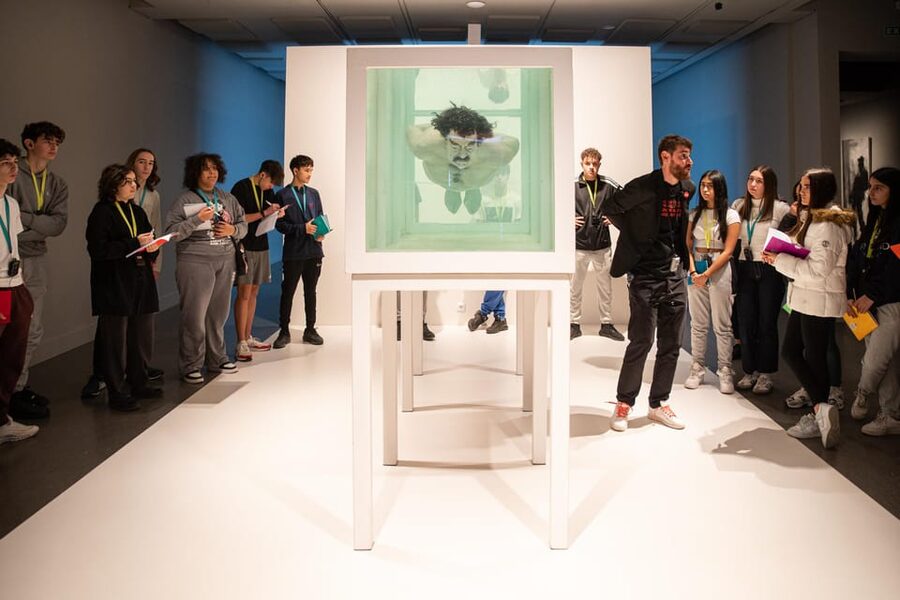
A museum about forbidden art can easily become a collection of shocking images. The background information keeps it from being just that.
The key issue is not simply if a work is offensive. It is what happened after someone objected. Was the work removed from an exhibition? Was it banned by officials? Was the artist threatened or pressured? Was the dispute about religion, politics, sexuality, public order, or ownership?
Those distinctions matter. Censorship is not one neat category, and the museum’s subject gives you room to think about different kinds of control.
The exhibition can also change how you look at famous artists. You may arrive knowing Warhol or Picasso as major figures from art history. You leave with a sharper sense of how public opinion, institutions, and politics shaped the way their work was received.
This is why the museum earned strong praise for being informative and thought provoking. It asks for more attention than a quick photo stop, but it gives you more to discuss afterward.
How Long Should You Allow?
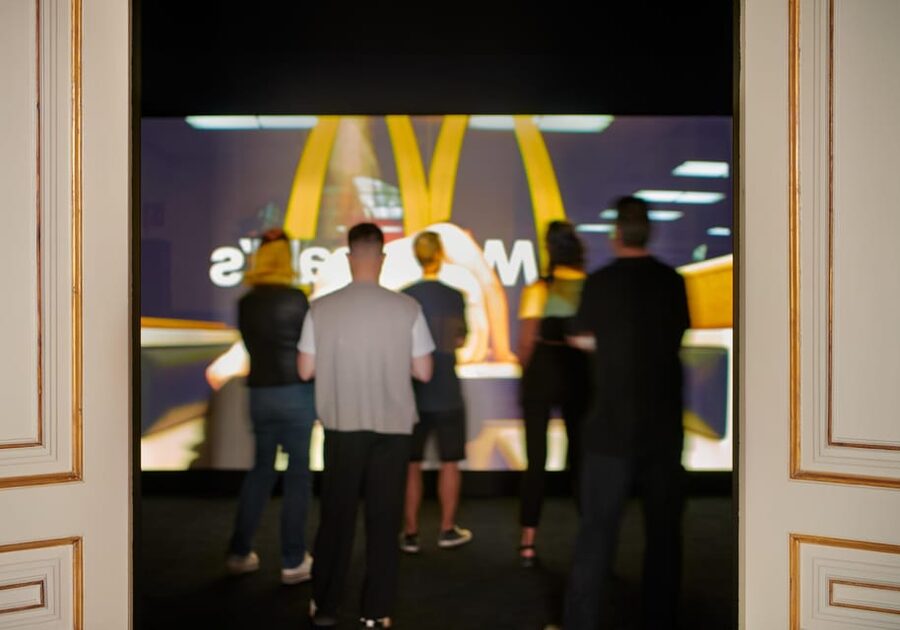
The ticket is valid for a period of one to 180 days, depending on the booking terms and selected availability. The admission information does not set a fixed visit length, so you should plan around your own pace.
If you want to see the main collection and use the digital guide selectively, you might find the visit fits well into a central Barcelona sightseeing day. If you read the background for many of the works, allow more time.
I would not treat it as a five-minute stop between Casa Batlló and La Pedrera. The works depend on their stories, and skipping the explanations removes much of the point.
The museum also has free Wi-Fi, which makes using the digital guide easier. Bring your own phone and make sure you can use it comfortably. Since bags, food, and drinks are not allowed inside, pack lightly and be ready for security control before entering.
Is $14 a Fair Price?
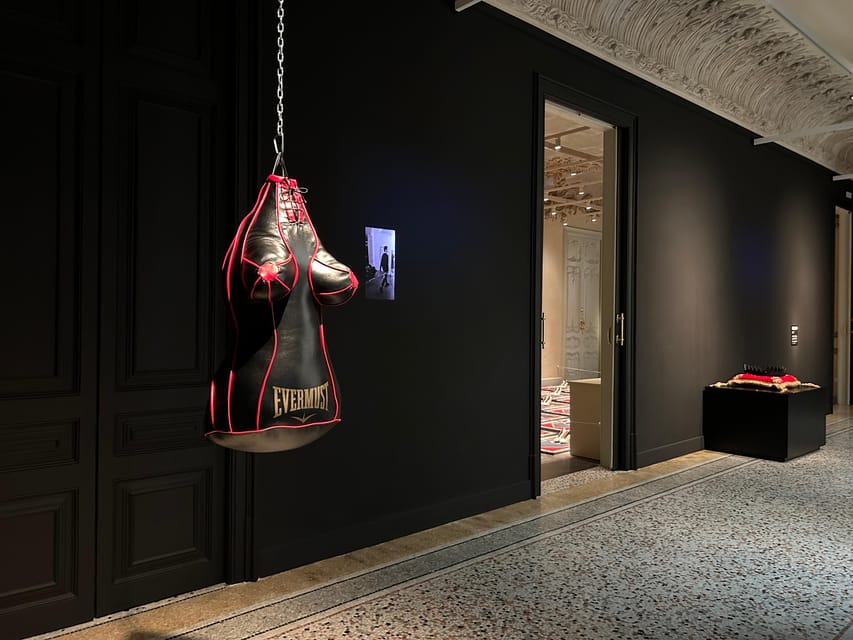
At $14 per person, this is a reasonable ticket for a central Barcelona museum, particularly if you are interested in modern art, political expression, or debates about public freedom.
The price includes entry to the exhibition, the terrace, Wi-Fi, and the digital guide. It does not include food, drinks, transport, or a live guided tour, so compare it with what you want from the visit.
I see the best value in the combination of location and subject. You can add the museum to a day around Passeig de Gràcia without paying for transport to a distant attraction. The digital guide also adds useful content without an extra audio-guide charge.
The value is weaker if you want a museum focused only on beautiful or relaxing art. Some subjects may be uncomfortable, and the point is often to make you think rather than simply admire.
You can reserve now and pay later, and cancellation is available up to 24 hours in advance for a full refund. That gives you some protection if your Barcelona schedule changes.
Practical Details Before You Go
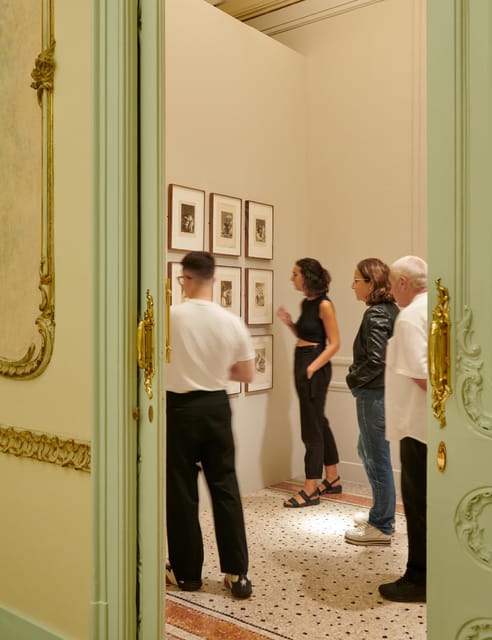
Every visitor must pass through security control. Bags are not allowed, and food and drinks are prohibited, so avoid arriving with a large daypack or a snack you expect to carry inside.
Bring a passport or ID card. Children also need a passport or ID card, and the experience is not suitable for children under 13.
The museum is wheelchair accessible. That is useful for anyone planning a central Barcelona day with several indoor stops.
Check the exact date and starting details before you book. The ticket information says to check availability for starting times, and one visitor reported being able to book a Tuesday even though the museum was closed that day. The problem was resolved by visiting the following day, but it is a good reminder to confirm the date rather than relying on a calendar alone.
A small gift shop is located at the entrance. It is not part of the ticket’s main value, but it can be a pleasant stop if you want a memento connected to the exhibition.
Who Will Get the Most From This Museum?
I would recommend this museum to adults and older teenagers who enjoy art with a political or social edge. It is especially suitable if you like asking questions about free speech, artistic responsibility, public morality, and government control.
It also suits repeat visitors to Barcelona who have already seen Gaudí’s main buildings and want something less familiar. The central location makes it easy to add without sacrificing a full afternoon.
Art students, history students, and anyone interested in modern culture should find plenty to discuss. The mix of older and contemporary works gives you a broad view rather than a narrow study of one artist or movement.
I would be more careful about booking it for young children. The experience is not considered suitable for children under 13, and some subject matter may be challenging even for older children. Families should also remember that every child needs identification.
If you prefer a live storyteller, this is not the ideal choice. The digital guide is useful, but you explore independently. If you enjoy setting your own pace, that same feature becomes one of the museum’s advantages.
My Take: Book It If You Want Art With an Argument
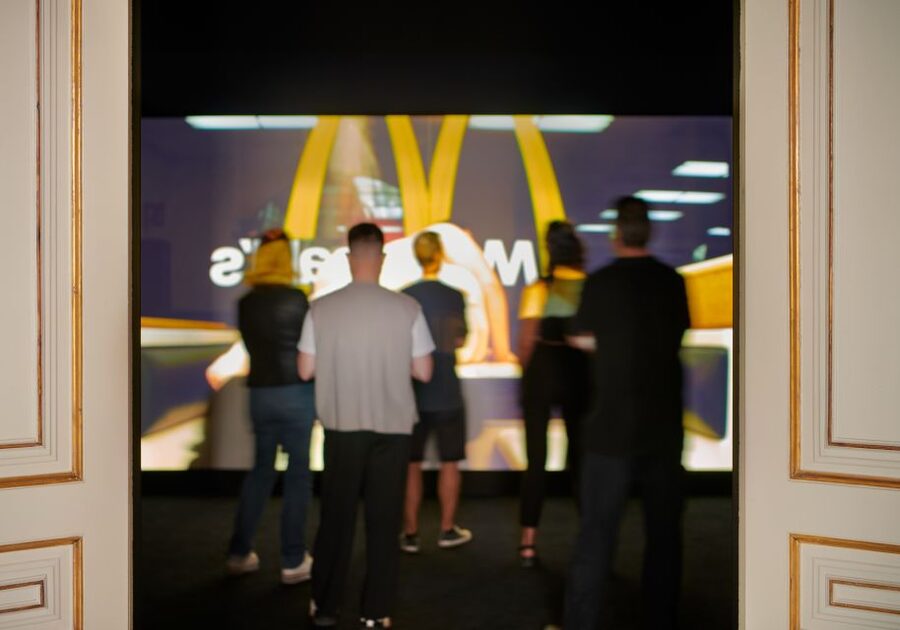
Book the Museum of Forbidden Art if you want a visit that gives you something to think about after you leave. The famous names help draw you in, but the strongest reason to go is the explanation of how and why the works were challenged.
At $14, it is a fair central Barcelona attraction, especially when you use the English digital guide and combine it with Passeig de Gràcia, Casa Batlló, or La Pedrera. Just check the date carefully, travel light for security, and give yourself enough time to read.
Skip it if your priority is a traditional collection arranged by artistic period, or if you want a live guide leading the visit. For everyone else, this is a smart, unusual addition to Barcelona’s art scene, with more substance than its modest ticket price suggests.
FAQ
Where is the Museum of Forbidden Art located?
The museum is in Casa Garriga Nogués, about a one-minute walk from Passeig de Gràcia in Barcelona. It is also close to Casa Batlló and La Pedrera.
How much does admission cost?
The ticket costs $14 per person.
Which artists are represented?
The collection includes censored works by Pablo Picasso, Andy Warhol, Francisco Goya, Ai Weiwei, Banksy, Gustav Klimt, Tania Bruguera, Miquel Barceló, Keith Haring, Robert Mapplethorpe, Abel Azcona, and Ines Doujak, among others.
Is a guide included?
A free interactive digital guide is included. It offers information and multimedia content in Catalan, Spanish, and English. A live guided tour is not included.
Is the museum suitable for children?
The experience is not suitable for children under 13. Children who visit must bring a passport or ID card.
Can I cancel my ticket?
You can cancel up to 24 hours in advance for a full refund. A reserve-now, pay-later option is also available.
What can I bring inside?
Visitors must pass through security control. Pets, food, drinks, and bags are not allowed. You should bring a passport or ID card, including one for each child.
Just added around Barcelona
- Girona, Figueres, Dalí Museum and Cadaqués Tour from Barcelona★ 4.5 · 36 reviews
- Football Club Barcelona Museum Immersive Tour Guided Visit★ 3.5 · 52 reviews
- Erotic Museum Admission Ticket with Audioguide★ 5.0 · 527 reviews
- Dali Museum and Costa Brava Small Group Day Trip from Barcelona★ 5.0 · 77 reviews
- Madrid by High-Speed Train with Prado Museum Private Tour★ 4.0 · 33 reviews
- Guitar Legends Hall: Entrance to the Immersive Rock Museum★ 5.0 · 25 reviews
- White Rabbit Museum: The Best Immersive Experience in Catalonia★ 5.0 · 538 reviews
- Private Dali Museum, Besalú & Girona Tour from Barcelona★ 5.0 · 15 reviews
Museum Tours in Barcelona, compared.
Park Güell and Gaudí House Museum Entry Ticket
Read our review →
Moco Museum Barcelona: Modern & Contemporary Art
Read our review →
Girona & Dali Museum Small Group Tour with Pick-up from Barcelona
Read our review →
Barcelona Card: 25+ Museums and Free Public Transportation
Read our review →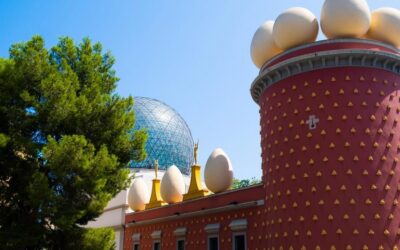
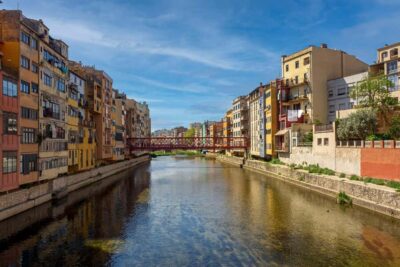
Dali Museum, House & Cadaques Small Group Tour from Barcelona
Read our review →Browse the lists this tour appears in