
Review · ATHENS
Athens: Museum of Cycladic Art Entry Ticket
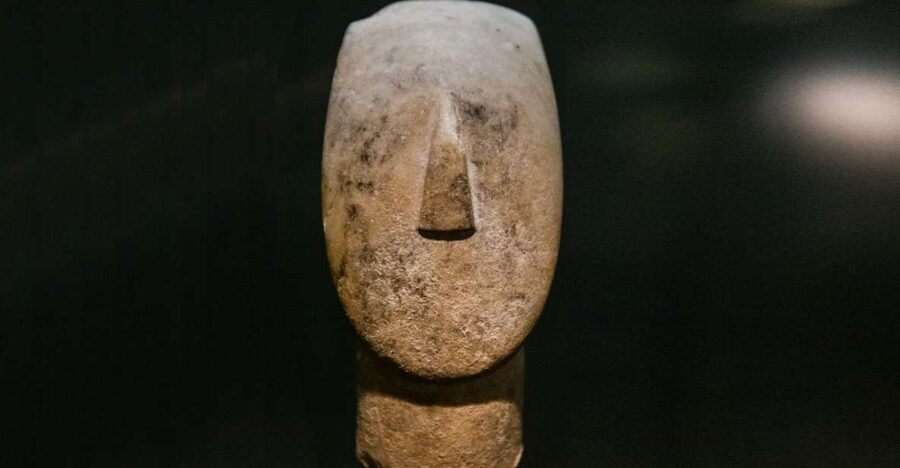
The Museum of Cycladic Art brings you face to face with the famous marble figurines of the Aegean, some dating to about 2300 BC. It is an easy museum to pair with a day around Syntagma Square, and its four floors give you a clear path from prehistoric island culture to Classical Athens and beyond.
I like the way the collections are arranged in small, manageable sections, and I like that the museum rarely feels overwhelming. The readable labels add useful context, while the Cycladic Café gives you a pleasant place to pause. The main caution is that building work has affected access and noise at times, so check current conditions before you go.
Key points at a glance
- Marble figures from about 2300 BC: See the clean, familiar forms that made Cycladic art famous.
- Four floors of ancient art: Move from Cycladic objects to Greek and Cypriot works spanning thousands of years.
- A central Athens location: The entrance is about five minutes from Syntagma Square and Syntagma Metro station.
- A good 1.5 to 2-hour visit: The museum is easy to navigate, with enough material for a focused half-day stop.
- QR-based Clio Muse content: Free Wi-Fi and digital material are included, though not every object is covered.
- Cycladic Café on site: Finish with food and drinks inspired by Cycladic ingredients and simple natural products.
The marble figures that define Cycladic art
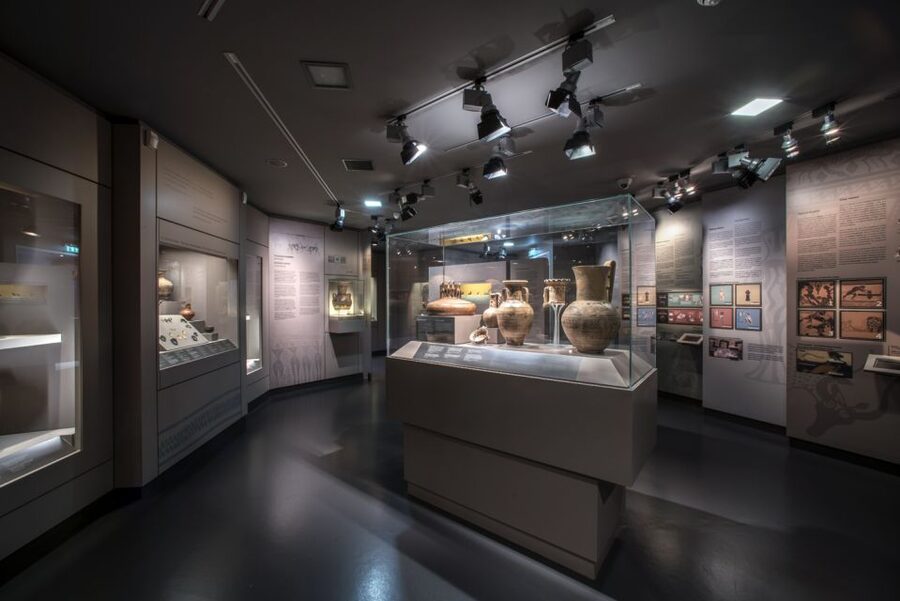
The first reason to come is simple: this museum lets you see a large and carefully arranged collection of Cycladic art in one place. The Cyclades are the islands in the central Aegean, and their distinctive culture flourished during the Early Bronze Age, especially in the third millennium BC.
The best-known objects are the smooth marble figurines, often simplified into folded human forms. They look modern at first glance, almost like early abstract sculpture. Their simplicity is part of their power. You can study the balance of the bodies, the calm faces, and the way the sculptors used the natural shape of marble.
The collection also includes marble vessels, pottery, tools, and weapons. These less famous objects matter because they show that Cycladic culture was not just about elegant figures. You get a sense of daily work, craft, trade, and the practical technology of island communities.
The museum presents examples from different phases of Cycladic culture. That helps you see changes over time instead of treating the art as one fixed style. If you have already seen a few Cycladic figures in other Athens museums, this visit gives those familiar forms a wider setting.
More Museum Tours in Athens
- Athens: Acropolis, Parthenon & Acropolis Museum Guided Tour
★ 4.8 · 9,316 reviews - The Acropolis, Parthenon & Acropolis Museum Guided Tour
★ 4.7 · 8,493 reviews - Athens: Mythology of Delphi, Museum and Arachova Guided Tour
★ 4.7 · 5,102 reviews
How to approach the four floors
The museum’s collections are spread over four floors, with one or two rooms on each level. That layout keeps the visit from becoming tiring. You are not facing endless halls of objects. Instead, each section has a clear purpose and a limited amount to take in.
A visit usually works well in 1.5 to 2 hours, especially if you read the main labels and spend time with the Cycladic pieces. You can stay longer if ancient Greek history is a major interest, but the museum also works well as a compact stop between other central Athens sights.
The exhibition design is clean and easy to follow. One useful approach is to begin with the earliest material and move forward through time. If staff direct you to start on the top floor during building work, you can also work downward by the stairs. That can reduce physical effort, but the digital guide may feel less natural when you are moving in reverse.
The museum is wheelchair accessible. For most people, the floors are simple to handle, but take your time with the digital content rather than trying to chase every numbered object.
The ancient Greek collection from the second floor
The ancient Greek collection covers a wide span, from the second millennium BC to the fourth century AD. Here, the focus shifts from the special character of the Cyclades to the wider development of Greek society and the city-state.
You will see painted vases, terracotta figures, bronze vessels, stone sculpture, coins, gold jewelry, and glass. Each group tells a different part of the story. Painted pottery can show people, myths, rituals, and daily activity. Coins point to trade and political identity. Jewelry and glass reveal changing taste and technical skill.
This section is useful if you want more than a display of famous statues. It connects objects to historical, artistic, and technological change. You can watch Greek art move through different periods and see how materials and forms developed.
Some objects may look familiar if you have visited the National Archaeological Museum or other major Athens collections. That overlap is not a serious problem, but it is worth knowing. The strength here is not that every piece will be new to you. It is the way the museum gives these objects a smaller, easier-to-follow setting.
The labels are one of the museum’s strong points. They are informative without forcing you to read long blocks of text. If you like knowing why an object matters, allow time for the written explanations.
Everyday life on the fourth floor
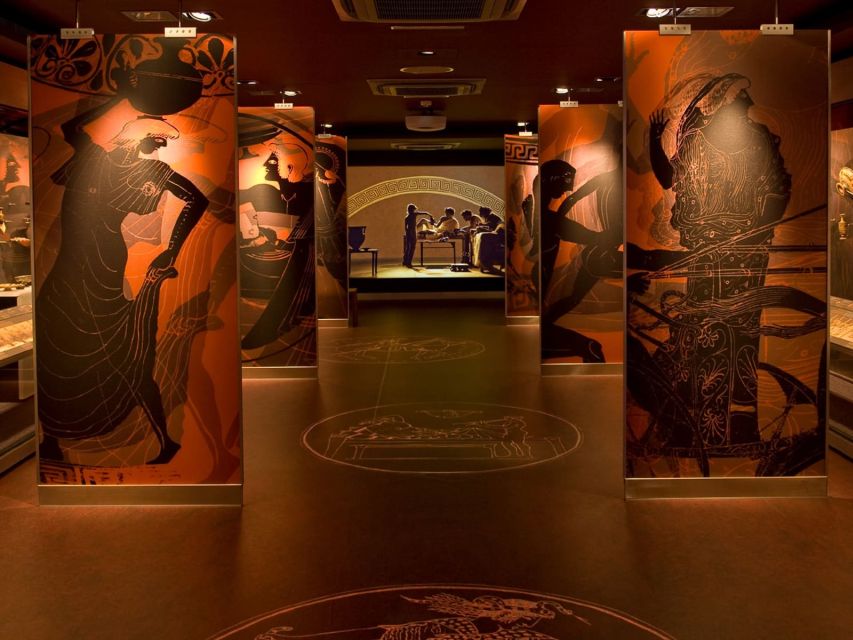
The fourth-floor exhibition focuses on life in Classical Athens. This is where the museum moves beyond broad historical development and gives you a more personal view of the ancient city.
The display offers a look at how people lived, worked, worshipped, and used objects in ordinary settings. The point is not only to admire art. It is to understand how pottery, household objects, religious items, and personal possessions fitted into daily life.
This section can be especially helpful after seeing monumental sites such as the Acropolis. The Acropolis shows public power and religious architecture on a grand scale. Here, smaller objects help you think about the people who used them.
Do not rush through this floor simply because the marble figures are the museum’s main draw. The everyday-life material gives balance to the visit and makes Classical Athens feel less like a collection of temples and more like a functioning society.
A few more museum visits around Athens worth comparing
- Athens All Included: Acropolis and Museum Guided Tour with Ticket
★ 4.5 · 2,673 reviews - Athens: Acropolis Museum Ticket with optional Audio Guide
★ 4.4 · 2,652 reviews - Athens: Acropolis Museum Ticket with Audio Guide
★ 4.1 · 835 reviews - Athens: National Archaeological Museum Ticket w/ Opt. Audio
★ 4.4 · 713 reviews
Ancient Cyprus and the meeting of cultures
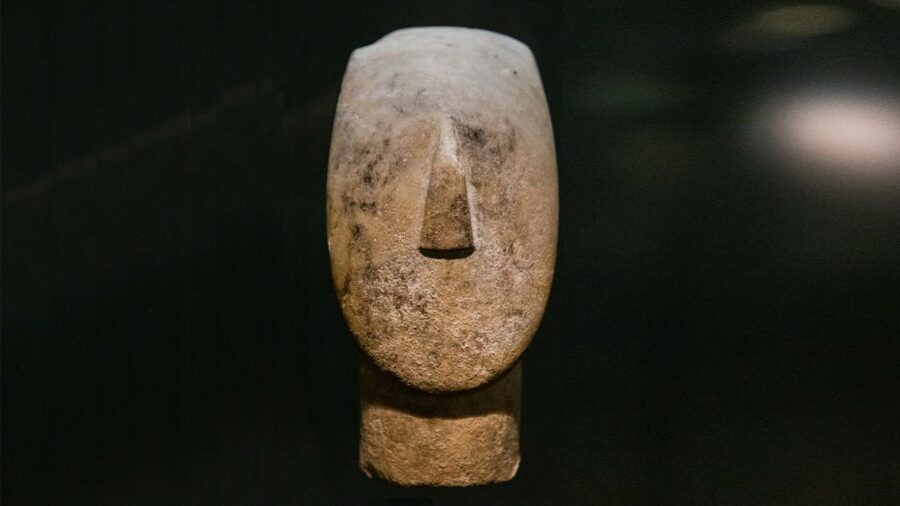
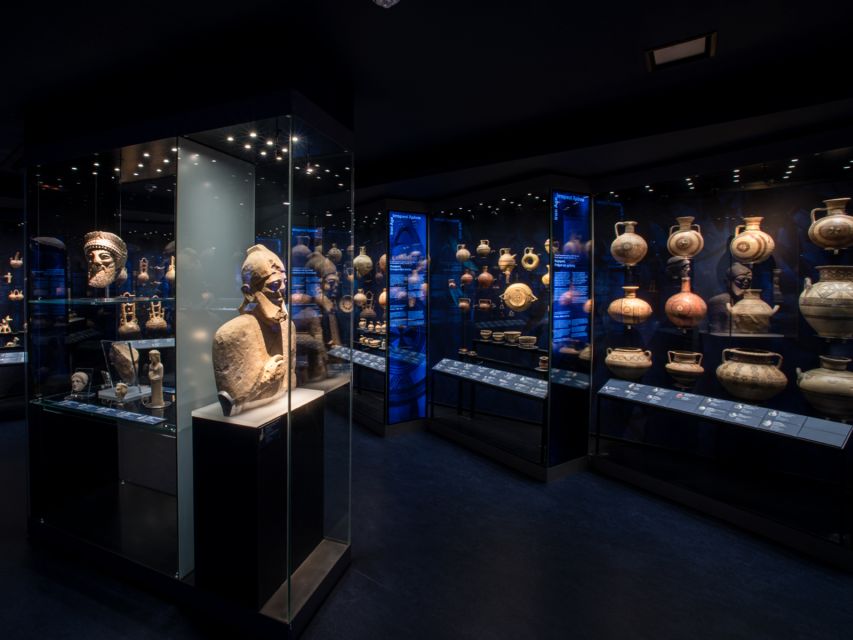
The museum’s Ancient Cypriot Art collection is one of the largest held outside Cyprus. It covers an especially long period, from the fourth millennium BC to the medieval era.
The objects include prehistoric figurines, Archaic and Classical sculpture, inscriptions, bronzes, coins, gold jewelry, glasswork, and many types of ceramics. The variety is important. Cyprus sat among several cultural worlds, and its art reflects contact with local, Greek, Egyptian, and Near Eastern traditions.
This is one of the most interesting parts of the museum for anyone curious about cultural exchange in the ancient Mediterranean. You can see that ancient societies were not sealed off from one another. Styles, materials, symbols, and techniques traveled across the sea.
The Cypriot rooms also provide a useful contrast with the Cycladic collection. Cycladic art is known for a particular visual restraint, while Cypriot objects show a broader mixture of influences across a much longer span. Seeing both collections in the same building helps you compare island cultures without needing to visit several separate museums.
Using the Clio Muse QR content
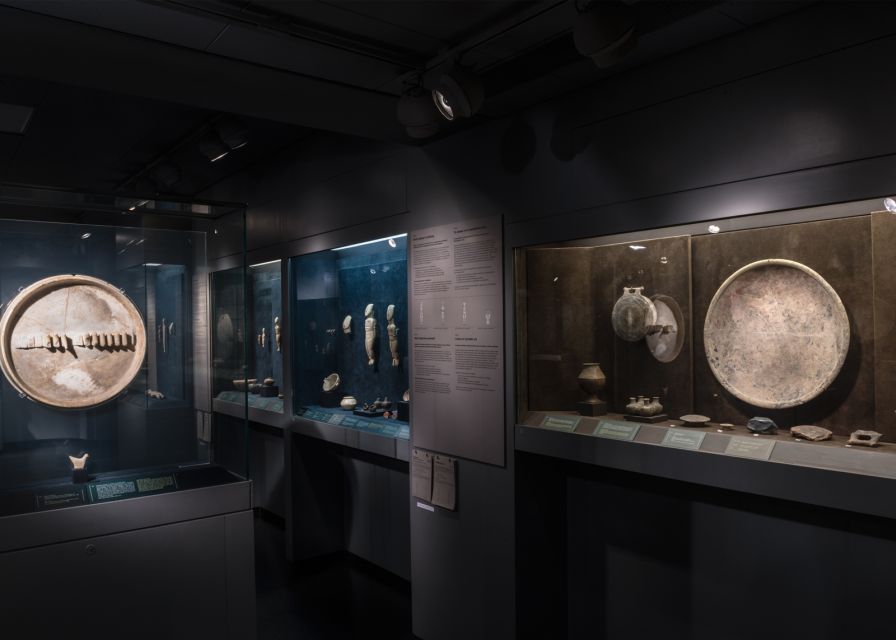
Your ticket includes access to Clio Muse Tours through a QR code, along with free Wi-Fi. This gives you extra explanation without requiring a live guide or a fixed group schedule.
The digital material is useful if you want help selecting important objects. It can also add stories about prehistoric cultures, myths, and the development of ancient Greek art. You control the pace, which is convenient if one room interests you more than another.
There is one practical limitation: the digital guide does not cover every object. You may find yourself using the object numbers to search for specific entries, and that can feel slow if you try to follow the entire collection this way.
I would use the QR content selectively. Start by looking at the galleries and labels, then use the guide for pieces that catch your attention. That keeps the visit relaxed and avoids turning the museum into a phone exercise.
Finding the museum near Syntagma Square
The entrance is about a five-minute walk from Syntagma Square and Syntagma Metro station. That makes this a convenient addition to a central Athens day, especially if you are already visiting the nearby shopping streets, Parliament area, or other museums.
Enter through the main entrance. Building work has made access less straightforward at times, and a construction blockage on the street has caused confusion. Conditions can change, but it is wise to allow a few extra minutes and check the entrance rather than assuming the first visible doorway is open.
The museum occupies a handsome old house, which adds character before you even reach the galleries. The interior exhibition design is more controlled and modern, creating a useful contrast with the building itself.
Food and drinks are not allowed in the exhibition areas. You can save your break for the Cycladic Café, which offers Cycladic flavors made with natural products and virgin ingredients.
Is the $14 ticket good value?
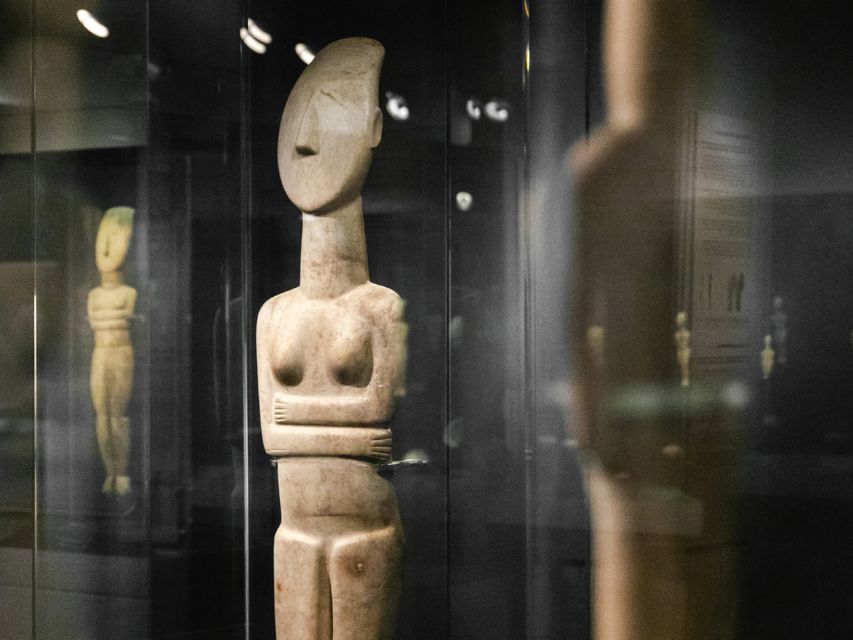
At $14 per person, the ticket is fairly priced for a central Athens museum with several major collections. You are not paying only to see one famous type of object. The admission covers Cycladic art, ancient Greek art, and Ancient Cypriot Art, all within the same visit.
The value is strongest if you enjoy archaeology but prefer a museum that can be seen in two hours rather than a full-day institution. The clear layout means you spend more time looking and less time trying to work out where you are.
The price is less compelling if you are interested only in large Classical statues or only in the most famous archaeological objects. In that case, another Athens museum may better match your priorities. This museum’s appeal comes from the combination of collections and the special focus on Cycladic material.
Flexible booking also helps. You can reserve now and pay later, and cancellation is free up to 24 hours before the visit. The ticket is valid for one day, with opening times selected according to availability.
Who will enjoy this museum most?
I would recommend this museum to adults and older children who like objects, design, archaeology, and the daily life behind ancient history. It is particularly good for you if the thought of studying a small marble figure is more appealing than moving quickly through a vast museum.
The museum may be less engaging for children under 10. There are many delicate objects and written explanations, but no child-focused features are listed. You can still make it work with a short visit centered on the unusual figurines, animals, weapons, jewelry, and colorful pottery.
It is also a good choice for repeat visits to Athens. You may have already seen similar pottery, weapons, or statues elsewhere, but the Cycladic and Cypriot collections give you a different angle.
Allow extra time if you want to read labels, use the digital material, and visit the café. If you only want the key highlights, one hour may be enough, but 1.5 to 2 hours gives the museum fair treatment.
The drawbacks to plan around
The largest concern is possible renovation noise. Building work has caused loud sounds inside the museum, and that can shorten your visit. If the work is still active when you plan to go, bring earplugs if noise bothers you, or confirm current conditions before booking.
The other issue is the digital guide. It is a useful bonus, but it does not provide a fully guided explanation of every gallery. If you want a personal guide who leads you from object to object, this entry ticket is not that product.
Access may also be confusing during construction. The museum is close to Syntagma, but a short walk does not guarantee an easy entrance if the surrounding street is blocked.
These points do not cancel out the museum’s strengths. They simply affect how you plan the visit. Go for the collections, not for a polished, fully guided tour.
Should you book the Museum of Cycladic Art?
Book it if you want a focused Athens museum visit with outstanding Cycladic marble, a broad ancient Greek collection, and one of the city’s strongest selections of Ancient Cypriot art. The location is convenient, the layout is manageable, and $14 is reasonable for the amount of material on display.
I would especially choose it on a day when you are near Syntagma Square and want a museum that fits neatly into your schedule. Start with the Cycladic rooms, continue through the ancient Greek displays, and finish with Classical Athenian daily life and the Cypriot collection.
Wait or check conditions first if renovation noise would spoil your visit, or if you need a live guide rather than QR-based material. For everyone else, this is a smart, measured introduction to the art of the Aegean and the wider ancient Mediterranean.
FAQ
Where is the Museum of Cycladic Art?
The museum is in central Athens, about a five-minute walk from Syntagma Square and Syntagma Metro station. Enter through the main entrance.
What does the ticket include?
The ticket includes entry to the museum’s permanent collections, free Wi-Fi, and access to Clio Muse Tours through a QR code.
Is a guided tour included?
No. A live guided tour is not included. The ticket provides QR-based Clio Muse content instead.
How long is the ticket valid?
The ticket is valid for one day. You should check availability for the available starting times.
How long should I plan for the visit?
A focused visit usually takes about 1.5 to 2 hours. You can spend longer if you read the labels carefully or use the digital content throughout the galleries.
Is the museum wheelchair accessible?
Yes, the museum is wheelchair accessible.
Can I bring food or drinks inside?
No. Food and drinks are not allowed inside the museum.
Can I cancel the booking?
Yes. You can cancel up to 24 hours in advance for a full refund. You can also reserve now and pay later.
Just added around Athens
- Ancient Athens tour: Acropolis, Parthenon and Acropolis Museum★ 5.0 · 256 reviews
- The Acropolis, Athens Walking City Tour and Acropolis Museum★ 5.0 · 442 reviews
- Athens: Acropolis Museum Ticket with Self-Guided Audio tour App★ 3.5 · 40 reviews
- Family Acropolis & Acropolis Museum Tour inspiredby Percy Jackson★ 4.5 · 40 reviews
- Acropolis of Athens, Parthenon and Acropolis Museum private tour with dinner★ 5.0 · 77 reviews
- Private Tour: Half day Athens Sightseeing and Acropolis Museum★ 4.5 · 28 reviews
- Shore Excursion: Acropolis, Athens City tour and The New Acropolis Museum★ 4.5 · 30 reviews
- Athens National Archaeological Museum E-Ticket with Audio Guide★ 3.0 · 57 reviews
Museum Tours in Athens, compared.
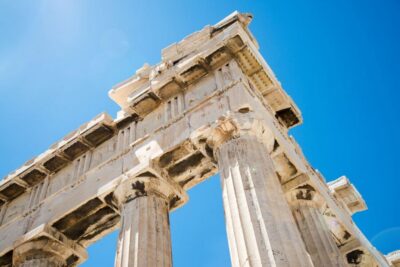
Acropolis, Parthenon & Acropolis Museum Guided Tour
Read our review →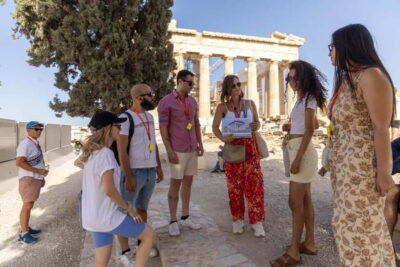
The Acropolis, Parthenon & Acropolis Museum Guided Tour
Read our review →Acropolis, Parthenon & Acropolis Museum Guided Tour
Read our review →
Acropolis monuments & Parthenon Walking Tour with Optional Acropolis Museum
Read our review →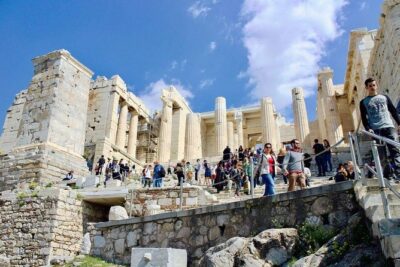
Athens All Included: Acropolis and Museum Guided Tour with Ticket
Read our review →
Acropolis Museum Ticket with optional Audio Guide
Read our review →
Small-Group Delphi, Museum & Arachova Day Trip
Read our review →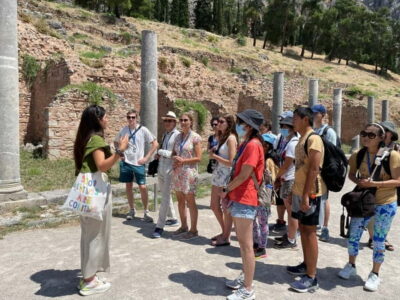
Delphi Oracle & Museum Tour with a Licensed Guide
Read our review →Browse the lists this tour appears in