
Review · AMSTERDAM
Amsterdam: The Kattenkabinet Cat Museum Entry Ticket
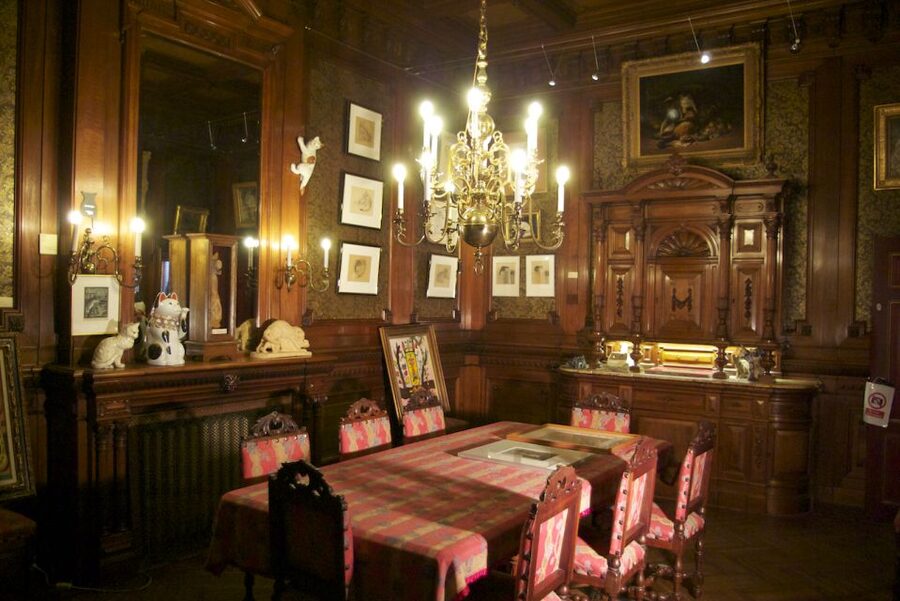
Amsterdam’s Kattenkabinet is a cat museum with a serious art collection tucked inside a historic Herengracht canal house. You’ll find paintings, lithographs, photographs, posters, sculptures, ceramics, and even some wonderfully odd cat-related objects, plus a few real cats wandering through the rooms.
I like the variety of the collection and the chance to see famous names such as Rembrandt, Picasso, and Toulouse-Lautrec alongside playful works by less familiar artists. I also like the personal story behind the museum, which began with owner Bob Meijer and the cat who inspired him. The main drawback is simple: this is a small museum, and many people finish in 20 minutes to an hour.
Key points to know before you go
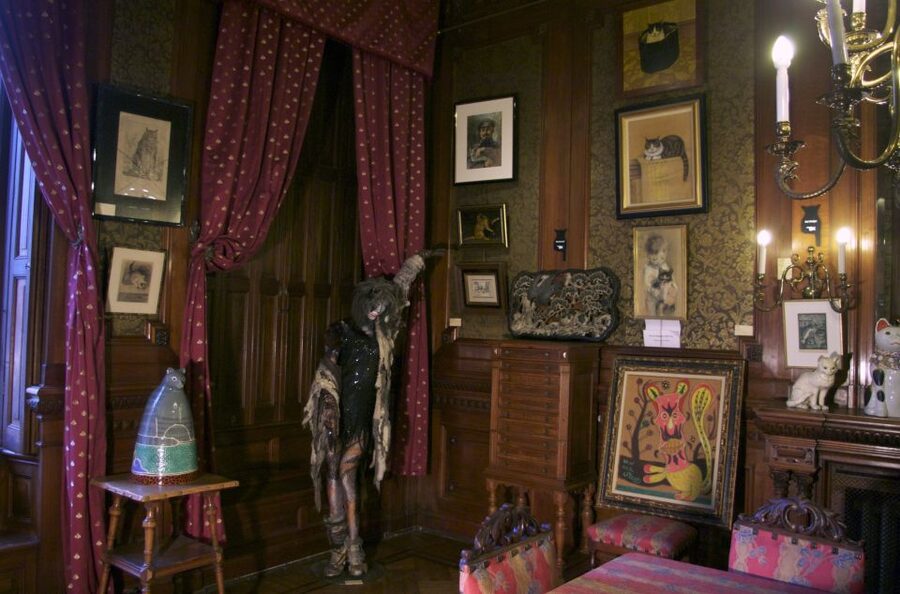
- Three or four compact rooms hold a surprisingly full collection of cat art.
- Resident cats may wander through the museum, though sightings are never guaranteed.
- Bob Meijer’s cat-inspired story gives the collection a personal touch.
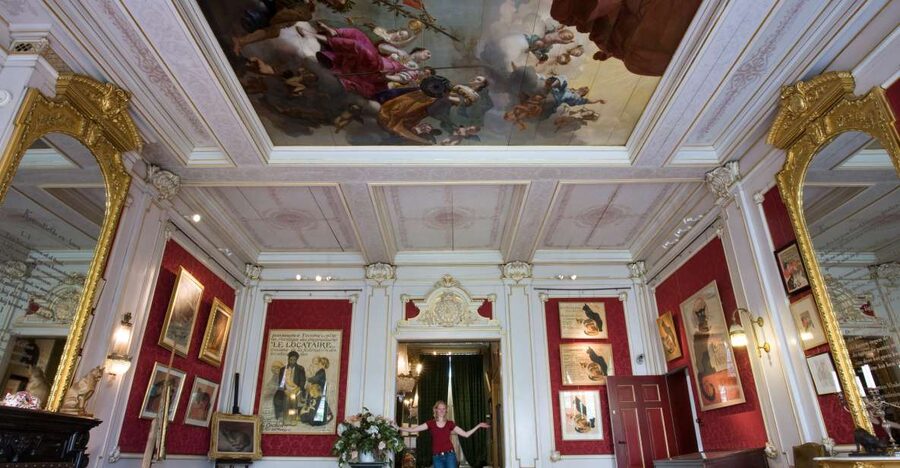
- The Herengracht building adds historic character, including a 17th-century ceiling painting.
- The garden may be seasonal, and some areas can be closed outside the warmer months.
- The $15 ticket is fair for devoted cat lovers, but can feel high if you expect a large museum.
A cat museum inside an Amsterdam canal house

Kattenkabinet means cat cabinet, and the name fits. This is not a large public institution with broad galleries and long corridors. It is a compact collection arranged through a historic home on Amsterdam’s Herengracht, one of the city’s famous canal streets.
That setting does much of the work. You are not simply looking at framed pictures on white gallery walls. You move through rooms in an old Amsterdam house, where decorative details, stairways, furniture, and the building itself form part of the experience.
The museum began with Bob Meijer, a cat lover who created the collection in memory of the cat that inspired it. Start by reading this story before you rush toward the artwork. It explains why the museum feels personal rather than corporate. There is also a special place where you can leave a photograph, note, or drawing dedicated to your own cat.
That small shrine is one of the more touching details. It turns the museum into a shared memorial for people and their pets, not just a display of cat pictures.
More Museum Tours in Amsterdam
- Amsterdam: The Upside Down Museum Entrance Ticket
★ 4.4 · 9,506 reviews - Amsterdam: Red Light Secrets Museum Entry Ticket
★ 4.2 · 5,722 reviews - Amsterdam’s Weirdest Museum: Ripley’s Believe It or Not!
★ 4.5 · 4,920 reviews
What you see in the first rooms
The collection covers several centuries and a wide range of styles. You may see formal paintings beside humorous posters, delicate lithographs beside bold modern works, and sculptures beside photographs or ceramics.
The strongest part of the visit is the range. You do not need to be an art expert to enjoy it, but you should expect more than decorative images of cute kittens. Cats appear in serious portraits, symbolic scenes, historical works, advertising art, photography, and playful pieces by unknown artists.
Names connected with the collection include Rembrandt, Picasso, Toulouse-Lautrec, Corneille, and Jože Ciuha. Their presence gives the museum more weight than its lighthearted subject might suggest. At the same time, the lesser-known works often provide the biggest smiles because they are less restrained and more openly silly.
I recommend looking at the whole room before focusing on individual artists. The appeal comes from the contrast between the works. A polished painting may hang near a strange object or an intentionally comic image, creating the feeling of a private collector’s home rather than a formal national museum.
The collection is packed. This is good news if you like to browse slowly, but it also means the rooms can feel visually crowded. You may need to step back to take in a large frame or wait briefly if another person is reading the descriptions.
The famous names and the everyday pieces
Seeing cat-related work connected with Rembrandt or Picasso is part of the attraction, but do not visit expecting a major survey of either artist. The museum’s focus is cats, not a full account of their careers.
The famous names work best as anchors. They give you a reason to pay attention to the art-historical side of the collection, while the many anonymous or lesser-known pieces keep the mood relaxed. You can admire technique in one room and laugh at a deliberately odd cat object in the next.
This balance is especially useful for families. Children may not care about an artist’s place in art history, but they can spot different cat poses, materials, and expressions. Older children may also enjoy the strange details, including the reported mummified cat dating from around 200 BC.
That object is not the reason to buy a ticket on its own, but it adds the sort of unexpected detail that makes this museum memorable. You never quite know if the next item will be a fine painting, a silly poster, or an ancient object connected with cats.
The building and its 17th-century ceiling
The Herengracht house deserves attention even if you came mainly for the living cats. One room contains a 17th-century ceiling painting that was uncovered during renovation work in the 1980s.
The painting comes from the school of De Lairesse and shows the Amsterdam City Virgin. It is an important reminder that the museum occupies an old Amsterdam interior with its own story. Look up as you move through the rooms. Visitors can easily focus so closely on cat art that they miss the ceiling.
The building also gives the visit a sense of place. You are in central Amsterdam, but the museum feels quieter and more domestic than a large city attraction. That makes it a useful short stop between canal walks, shopping, and larger museums.
Do keep your expectations realistic. The house is part of the charm, but the museum does not offer a long architectural tour. You will see the historic details as you make your way through the collection.
A few more museum visits around Amsterdam worth comparing
- Amsterdam: Van Gogh Museum Ticket and City Canal Cruise
★ 4.6 · 3,899 reviews - Amsterdam: Van Gogh Museum Ticket & Canal Cruise
★ 4.5 · 3,304 reviews - Amsterdam: NEMO Science Museum Ticket
★ 4.4 · 2,979 reviews - Moco Museum Amsterdam Admission Ticket with Banksy and more
★ 4.0 · 1,745 reviews
The resident cats are part of the experience
The real cats are the museum’s biggest bonus, and for many people they become the main event. Resident cats may lounge in a room, wander up the stairs, pose near the artwork, or accept a little attention.
Some people see several cats. Others see only one, or none. The cats have their own schedules, so you should treat them as a lucky extra rather than a guaranteed encounter. That uncertainty is worth accepting because the museum does not feel like a forced animal show. The cats appear to live there and move around on their own terms.
When present, they change the mood immediately. A cat resting in a beautiful old room makes the place feel informal and welcoming. You may find yourself watching a cat cross the floor instead of studying a painting, which is entirely in keeping with the museum’s spirit.
Families should explain to children that the cats may not want to be touched. The museum is not a café, and there is no food or drink allowed inside. Smoking is also not allowed in the garden.
The garden and the pace of the visit
The garden is a pleasant addition when open. It gives you a place to pause after the tightly packed rooms and may offer another chance to encounter one of the resident cats.
The garden is not always available. It can be closed in spring or during cooler periods, and seating is limited. If sitting outside is important to you, do not build your whole plan around it.
How long should you allow? For a quick look, 20 to 30 minutes may be enough. If you read the background information, study the art, visit the garden, browse the shop, and wait patiently for a cat, you could spend closer to an hour or perhaps longer.
One family found enough to keep children aged nine and thirteen engaged for about two hours. That is possible if you take your time, but it is not the normal pace for every visitor. Most people should treat Kattenkabinet as a focused short attraction rather than a half-day museum.
Is the $15 ticket good value?
At about $15 per person, the price is reasonable for a devoted cat lover who will appreciate the subject, the historic house, and the chance to see resident cats. The art collection is much more varied than the name might suggest, and the gift shop adds another part to the visit.
The value is less clear if you are looking for a large museum with many galleries. The exhibition occupies only a few rooms, and some people finish very quickly. If you judge the ticket by square footage or hours inside, it may feel expensive.
I would compare it with the price of a short Amsterdam attraction, not with the city’s major art museums. You are paying for a very specific experience: cat art in an old canal house, with a personal story and the possibility of real cats wandering past.
The shop is useful for extending the experience. You might find posters, tote bags, and other cat-themed items, including small souvenirs that are easier to pack than a large art purchase. If you already collect cat art, leave room in your bag.
Who will enjoy Kattenkabinet most?
This is an easy choice for serious cat lovers. The museum brings together art, history, humor, and real animals in one compact stop. It also suits people who prefer unusual small museums to major attractions with long queues and large crowds.
Families can enjoy it, particularly with children who like animals and visual details. The visit is short enough not to become tiring, and the range of objects gives children plenty to point out. Still, the rooms are not a play area, so young children need to stay close and respect the artwork and resident cats.
Art lovers may also find more here than expected. The collection has enough variety to make the visit worthwhile even if you arrive for the cats. Just keep in mind that this is a cat-themed collection, not a museum devoted to explaining Rembrandt, Picasso, or Toulouse-Lautrec in depth.
If you dislike cats, have allergies, or want a long indoor attraction, this is probably not the best use of your time. The subject is wonderfully narrow, and the building is small.
Practical details that affect your visit
The ticket is valid for one day, with available starting times shown when you book. You can cancel up to 24 hours before the visit for a full refund, and a reserve-now, pay-later option is available if you want to keep your schedule flexible.
Only museum admission is included. Food and drinks are not permitted inside, and smoking is not allowed in the garden.
Because the museum is compact, visiting early or during a quieter period may make it easier to study the art and take your time with the cats. Do not rush through just because the first room looks small. The collection is dense, and details are easy to miss.
Allow extra time if you want to browse the shop or leave a note or picture for the cat shrine. Bring a photo of your own cat if that personal gesture appeals to you.
Should you book Kattenkabinet?
Book it if you love cats and want something personal, odd, and distinctly Amsterdam. The combination of a canal house, serious and playful cat art, a touching memorial corner, and resident cats makes this a memorable short stop.
Skip it if you want a large museum, a long itinerary, or a guaranteed animal encounter. At $15, the ticket works best when you value the theme rather than the amount of time inside. For the right visitor, Kattenkabinet is not just a room full of cat pictures. It is a small, affectionate tribute to the bond between people and their cats.
FAQ
Where is Kattenkabinet located?
Kattenkabinet is located on the Herengracht canal in Amsterdam, in North Holland, Netherlands.
What does the admission ticket include?
The ticket includes entry to the Kattenkabinet museum.
How much does admission cost?
The listed price is $15 per person.
How long does the museum visit take?
The visit can be quite short, with some people finishing in 20 minutes to an hour. If you study the collection, visit the garden, browse the shop, and spend time with the cats, you may stay longer.
Are there real cats inside the museum?
Yes. Resident cats may wander through the museum, though you are not guaranteed to see all of them, or any of them, during your visit.
Can I see famous artists at Kattenkabinet?
Yes. The collection includes works associated with Rembrandt, Picasso, Toulouse-Lautrec, Corneille, and Jože Ciuha, along with works by less familiar artists.
Is there an outdoor garden?
Yes, the museum has a garden, though it may be closed during some seasons or periods. Seating in the garden is limited.
Can I bring food or drinks into the museum?
No. Food and drinks are not allowed inside, and smoking is not allowed in the garden.
Just added around Amsterdam
- Van Gogh Museum Tour excluding Entrance Tickets★ 5.0 · 16 reviews
- Van Gogh Museum Entry Ticket and Guided Tour★ 4.5 · 48 reviews
- Van Gogh Museum with Audio Guide★ 3.5 · 80 reviews
- Amsterdam: Explore the Van Gogh Museum & His Masterpieces★ 3.5 · 64 reviews
- Van Gogh Museum Skip the Queue with Audio Guide★ 4.0 · 261 reviews
- Amsterdam Van Gogh Museum with Audio or Guided Tour★ 4.0 · 266 reviews
- Van Gogh Museum, Rijks Museum & Walking Tour – Private Day Tour★ 5.0 · 17 reviews
- Van Gogh Museum Ticket with Audio Guide and Unlimited Access Time★ 5.0 · 25 reviews
Museum Tours in Amsterdam, compared.



Amsterdam’s Weirdest Museum: Ripley’s Believe It or Not!
Read our review →


Van Gogh Museum Amsterdam Exclusive Tour w/ Reserved Entry
Read our review →
Moco Museum Amsterdam Admission Ticket with Banksy and more
Read our review →Browse the lists this tour appears in