
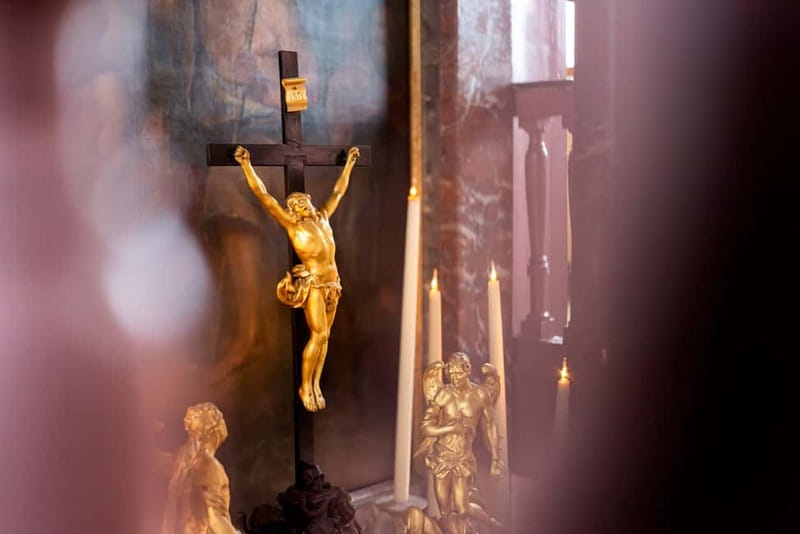
Review · AMSTERDAM
Amsterdam: Our Lord in the Attic Museum Entry Ticket
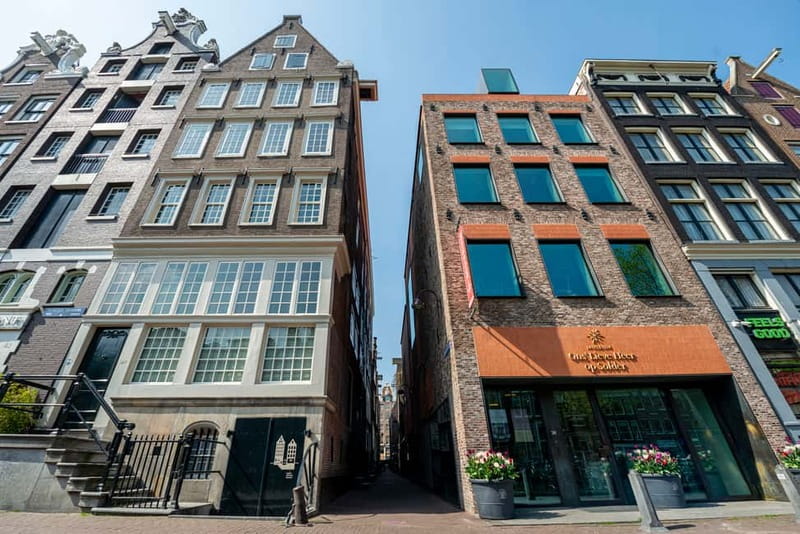
A complete Catholic church sits above three floors of an ordinary Amsterdam canal house. That is the surprise at Our Lord in the Attic Museum, where narrow stairs lead from domestic rooms to a full-size place of worship built out of sight in 1663.
I like the way the museum preserves both sides of the story: the everyday home below and the carefully concealed church above. I also like the audio guide, which adds useful background without forcing you into a group tour. The main drawback is the building itself. Tight corridors, steep staircases, and limited opening hours mean you need to plan carefully, especially if you arrive late in the day.
Key points to know before you go
- A church above a canal house: The museum’s main surprise is a complete Catholic church spread across the upper floors and attic.
- A genuine 17th-century setting: You walk through kitchens, living quarters, corridors, and bedstead spaces before reaching the church.
- A lesson in Dutch tolerance: The house shows how Catholic worship continued when public Catholic services were forbidden.
- An audio guide in nine languages: Dutch, English, French, German, Italian, Russian, Spanish, Chinese, and Portuguese are available.
- Allow about 1.5 hours: One past visitor found that this was enough time to see the house and church, though you can spend longer if you read and listen closely.
- Late arrival can be a problem: Opening hours vary by day, and a timed entry near closing may leave you rushed.
A secret church above Oudezijds Voorburgwal
Amsterdam is full of grand churches, canal façades, and busy streets. Our Lord in the Attic asks you to look at something much less obvious: a plain-looking canal house at Oudezijds Voorburgwal 38.
From the street, there is no grand religious entrance to announce what lies inside. That was the point. The house was built in 1663, at a time when Catholics could not celebrate Mass publicly. A church inside a private home allowed worship to continue without changing the appearance of the street.
You begin in the lower parts of the house, where the setting feels domestic rather than religious. Corridors, kitchens, living quarters, and bedstead spaces show how people used the building as a home. Then the route turns upward through narrow stairs and compact passageways.
The change is gradual. You do not step through a grand doorway into a separate church. Instead, the house keeps revealing more of itself until the attic church appears. That slow reveal is the museum’s cleverest feature, and it makes the final room feel earned.
More Museum Tours in Amsterdam
- Amsterdam: The Upside Down Museum Entrance Ticket
★ 4.4 · 9,506 reviews - Amsterdam: Red Light Secrets Museum Entry Ticket
★ 4.2 · 5,722 reviews - Amsterdam’s Weirdest Museum: Ripley’s Believe It or Not!
★ 4.5 · 4,920 reviews
The 1663 canal house comes first
The museum works best when you take time with the rooms below the church. They give you the practical problem at the heart of the building: how do you fit a place of worship into a narrow urban home?
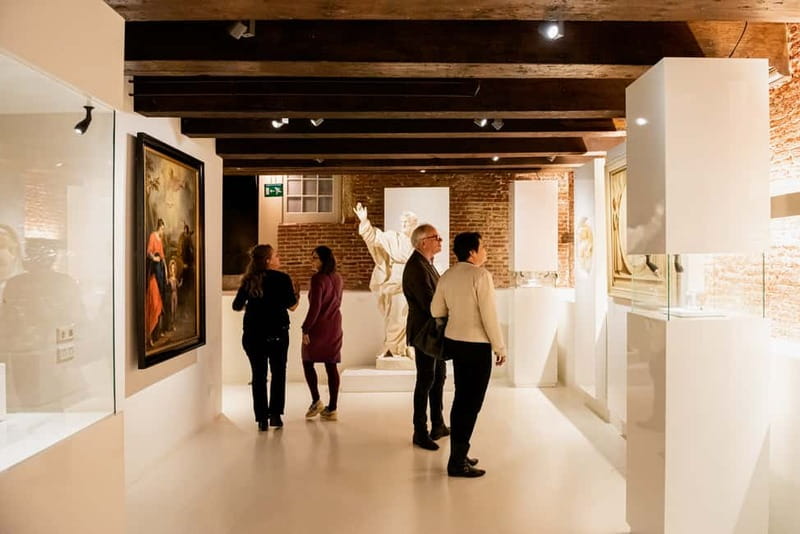
You will pass through historically decorated living spaces and working areas. The kitchens help you picture the building as a real household rather than a hollow shell built only around the church. The bedstead spaces are especially useful because they show how tightly organized life could be in a traditional Amsterdam house.
The house is not simply a corridor leading to the main attraction. Its rooms explain the concealment. A public church needs a visible entrance, a recognizable façade, and enough open space for worshippers. A private church had to hide among ordinary rooms and make use of every available floor.
I recommend listening to the audio guide as you go instead of saving it all for the end. The information gives meaning to details that could otherwise look like period decoration. The guide is available in nine languages, including English, French, German, Italian, Russian, Spanish, Chinese, Portuguese, and Dutch.
The audio guide also lets you control your pace. One older description notes that extra information could be selected when visitors wanted more detail. That is useful here because some people will want a quick look at the architecture, while others will want to follow the story of Catholic worship in Amsterdam closely.
The attic church is the payoff
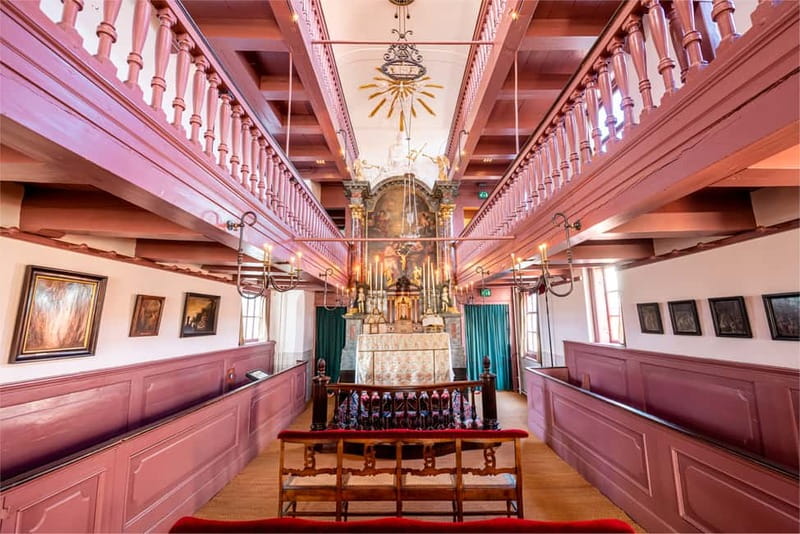
The church is the reason most people come, and it deserves time. It is not a small prayer corner tucked under the roof. It is a complete Catholic house church built across the upper floors and attic of the canal house.
The effect is striking because the church appears where you least expect it. You move through narrow domestic spaces, then reach a room with the proportions and purpose of a church. The contrast between the cramped route and the open religious interior is the museum’s strongest visual moment.
Pay attention to the engineering as well as the decoration. The builders had to create a functioning worship space inside a structure never meant to look like a church from the outside. The design makes the height of the upper floors do a lot of work.
The church also explains why the museum is more than an attractive old interior. It records a practical act of faith under legal and social limits. Catholics did not simply lose their religion when public worship was forbidden. They adapted their buildings and continued privately.
You may find the church especially meaningful if you are Catholic or have an interest in religious architecture. But you do not need a personal connection to Catholicism to appreciate the building. The central idea is easy to grasp: an ordinary Amsterdam home concealed a working church, and the design had to keep that fact off the street.
What the museum says about Dutch tolerance
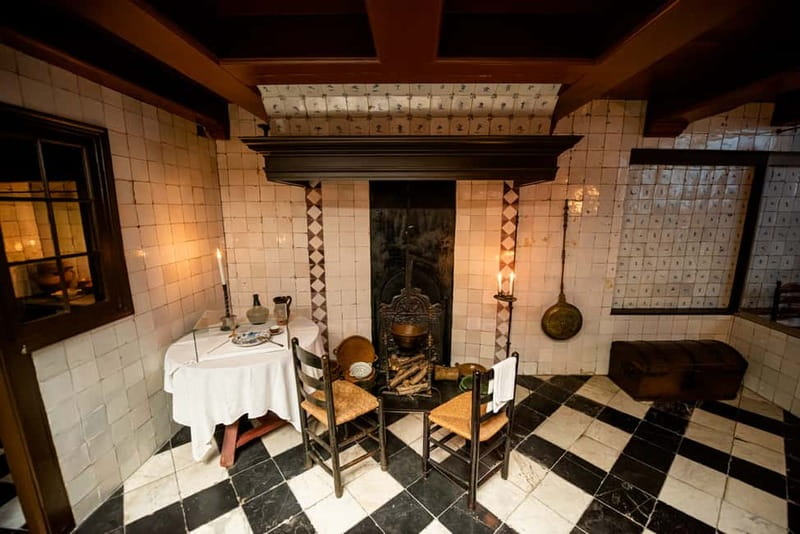
The museum helps explain a part of Dutch history that can be reduced to a simple slogan. Amsterdam became known for a measure of religious tolerance, but that did not always mean equal public freedom for every group.
The church was built when celebrating Mass in public was forbidden. Catholic worship continued inside private homes, out of sight. That arrangement reveals both sides of the policy: people had room to practice their faith, but they could not necessarily do so openly.
Our Lord in the Attic gives you a physical example of that compromise. The building itself is the evidence. The plain exterior and concealed interior show how rules shaped daily life and architecture at the same time.
This is one of the museum’s strongest features because you do not need a long lecture to understand the point. You can see the result in the stairs, the hidden church, and the absence of any obvious religious marker on the canal front.
A few more museum visits around Amsterdam worth comparing
- Amsterdam: Van Gogh Museum Ticket and City Canal Cruise
★ 4.6 · 3,899 reviews - Amsterdam: Van Gogh Museum Ticket & Canal Cruise
★ 4.5 · 3,304 reviews - Amsterdam: NEMO Science Museum Ticket
★ 4.4 · 2,979 reviews - Moco Museum Amsterdam Admission Ticket with Banksy and more
★ 4.0 · 1,745 reviews
Why the route feels different from a normal church visit
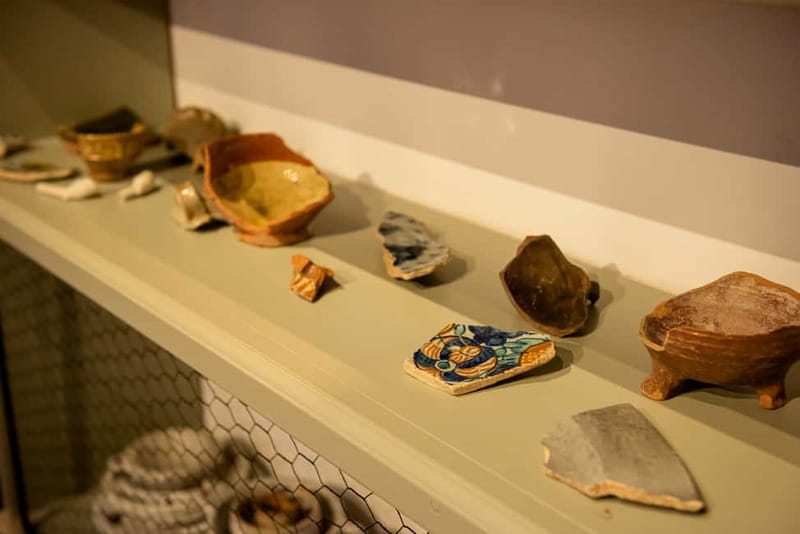
A regular church visit often begins with the main room. Here, the church comes last. The route makes you work your way through the building, and that changes how you read the space.
The stairs are narrow, and the museum is spread vertically. That layout gives the visit a sense of discovery, but it also means you should not expect a relaxed, flat walk through broad galleries. Take your time and be aware that the building’s original form is part of the experience.
The museum’s age is one of its strengths. You are not looking at a modern reconstruction designed to imitate a canal house. You are walking through a largely original 17th-century home, preserved behind its characteristic façade.
That authenticity comes with limits. Tight spaces can make the visit feel slower than a conventional museum. If you prefer large rooms, quick routes, or wide stairways, this may not be your easiest stop in Amsterdam.
Still, the compact arrangement is exactly what makes the church remarkable. A purpose-built museum could display religious objects more comfortably, but it could not reproduce the same feeling of finding a church inside a home.
How long should you allow?
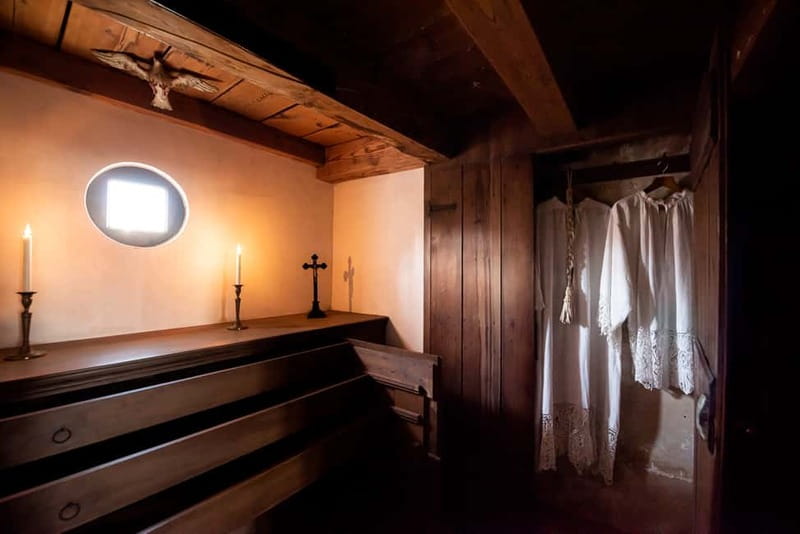
The ticket is valid for one day, but the museum visit itself is much shorter than a full-day attraction. A useful working estimate is around 1.5 hours, based on the time one past visitor needed for the house and church.
I would allow at least an hour if you plan to listen to the audio guide and inspect the rooms. Give yourself closer to 90 minutes if you want to hear more of the background and pause in the church.
Do not treat the one-day validity as a reason to arrive at the last minute. The museum is open from 10:00 to 17:00 Monday through Friday, from 10:00 to 18:00 on Saturday, and from 13:00 to 17:00 on Sunday. It is closed on some public holidays, including Koningsdag, or King’s Day.
The shorter Sunday hours matter. So does the difference between the weekday and Saturday closing times. One visitor arrived for a 17:30 entry and found the museum was closing at 18:00, leaving little time to see the building. Another person arriving later was turned away.
My advice is simple: go earlier rather than later, particularly on Sunday or any day when your ticket has a late entry time. The church is worth seeing without watching the clock.
Is the $21 ticket good value?
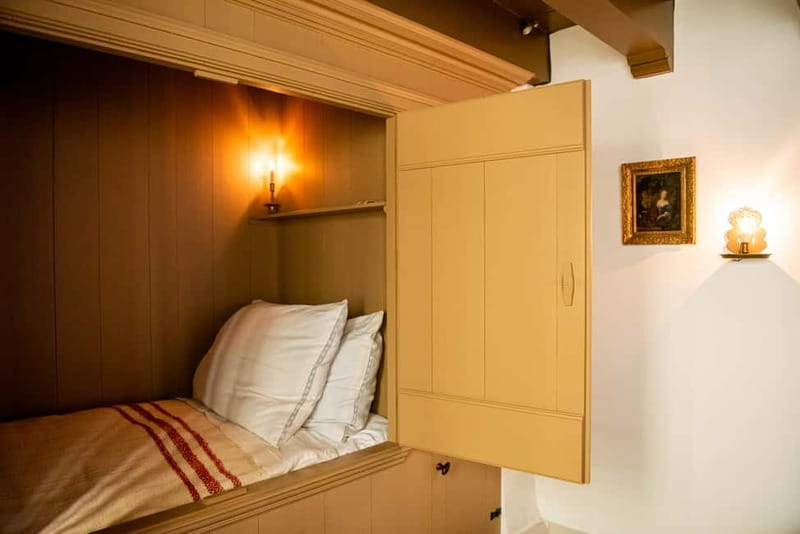
At $21 per person, this is not the cheapest small museum in Amsterdam. It is also not a standard church admission. Your ticket covers a complete historic house, a concealed church, and an audio guide that supplies context in nine languages.
The value depends on what you want from a museum visit. If you are counting the number of rooms or looking for a major art collection, the museum may feel small. If you care about original buildings, unusual architecture, and the link between religion and daily life, the price is easier to justify.
The audio guide adds practical value because the building’s purpose is not obvious at first. Without explanation, you might see a series of old rooms and a striking church. With the guide, you understand why the church was placed there and what the arrangement says about Amsterdam society.
I also think the museum works well as a focused stop during a central Amsterdam walking day. You are not committing half a day to a large institution. A visit of roughly 1 to 1.5 hours can fit between other sights, as long as you allow time to reach the entrance and do not book too close to closing.
Who will enjoy this museum most?
I would put this near the top of the list for anyone interested in:
- Religious architecture and Catholic history
- Amsterdam canal houses
- The practical side of Dutch religious tolerance
- Small museums with original interiors
- Unusual places that are easy to miss from the street
Families may enjoy the basic reveal of a church above a home, though the narrow stairs require attention. History-minded visitors will get the most from the audio guide and the relationship between the rooms.
The museum is also a good choice for repeat visitors to Amsterdam. If you have already seen the major canals and large museums, this offers a different kind of city story. It is quiet, specific, and tied closely to one building.
You should think twice if you dislike confined interiors or have only a few minutes before another booking. The museum’s layout is not a flaw, but it does require patience. You will get more from it if you accept the stairs and narrow spaces as part of the visit.
Planning your visit at Oudezijds Voorburgwal 38
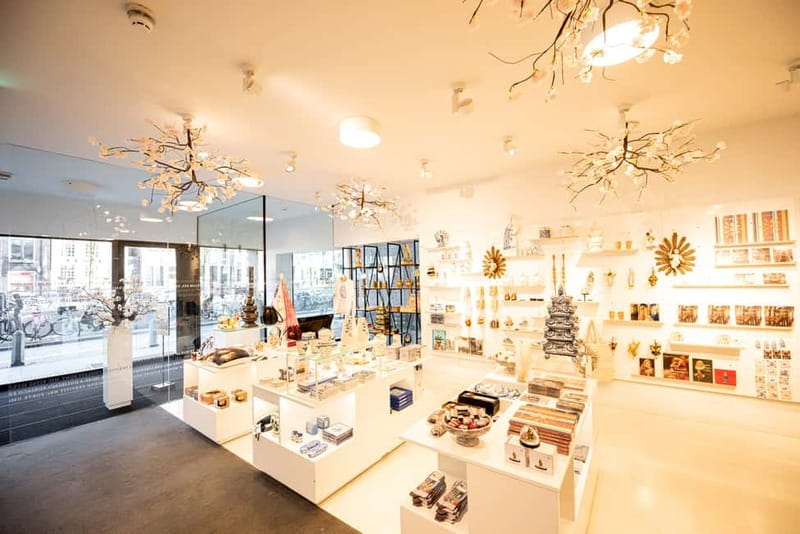
The meeting point is Oudezijds Voorburgwal 38 in central Amsterdam. Since the museum is easy to miss from the outside, check the address before you set off rather than relying only on the appearance of the canal house.
Oversize luggage is not allowed, so bring only what you need for the visit. The audio guide is included with the entrance ticket, and you can choose from Dutch, English, French, German, Italian, Russian, Spanish, Chinese, and Portuguese.
The booking terms are flexible: you can cancel up to 24 hours in advance for a full refund, and a reserve-now, pay-later option is available. These details are useful if your Amsterdam schedule is still changing, but the more important practical point is to check the museum’s opening hours for your chosen date.
A late entry is the main timing trap. The building closes at 17:00 on most weekdays and Sundays, with Saturday open until 18:00. Public holiday closures also apply, and King’s Day is specifically listed as a closure.
Should you book Our Lord in the Attic?
Book it if you want an unusual Amsterdam experience built around a real place, not a staged attraction. The combination of a preserved canal house, narrow domestic rooms, and a full attic church is rare, and the audio guide makes the history easy to follow.
I would especially recommend it to first-time visitors who want one smaller museum alongside Amsterdam’s major sights, and to repeat visitors looking for a less obvious part of the city’s past. The $21 price is fair if you value architecture and context, though it may feel high if you want a large collection or a long museum visit.
Choose an earlier entry time, allow about 1.5 hours, and expect stairs and tight spaces. Do that, and this compact museum can leave you with one of Amsterdam’s most memorable visual surprises: a church where a canal-house exterior says there should be none.
FAQ
Where is Our Lord in the Attic Museum?
The museum is at Oudezijds Voorburgwal 38 in Amsterdam, in the city centre.
What is the main attraction inside the museum?
The main attraction is a complete Catholic church built across the upper floors and attic of a 17th-century canal house.
When was the canal house built?
The house was built in 1663.
Why was the church built inside a private home?
It was built inside the house because public Catholic Mass was forbidden at the time. The exterior therefore could not reveal that a church existed inside.
Is an audio guide included?
Yes. The entrance ticket includes an audio guide.
Which languages are available for the audio guide?
The audio guide is available in Dutch, English, French, German, Italian, Russian, Spanish, Chinese, and Portuguese.
How long is the museum open?
The museum is open from 10:00 to 17:00 Monday through Friday, 10:00 to 18:00 on Saturday, and 13:00 to 17:00 on Sunday.
Is the museum open on public holidays?
The museum is closed on some public holidays, including Koningsdag, or King’s Day. Check availability for your date before visiting.
Can I bring oversize luggage?
No. Oversize luggage is not allowed inside the museum.
Just added around Amsterdam
- Van Gogh Museum Tour excluding Entrance Tickets★ 5.0 · 16 reviews
- Van Gogh Museum Entry Ticket and Guided Tour★ 4.5 · 48 reviews
- Van Gogh Museum with Audio Guide★ 3.5 · 80 reviews
- Amsterdam: Explore the Van Gogh Museum & His Masterpieces★ 3.5 · 64 reviews
- Van Gogh Museum Skip the Queue with Audio Guide★ 4.0 · 261 reviews
- Amsterdam Van Gogh Museum with Audio or Guided Tour★ 4.0 · 266 reviews
- Van Gogh Museum, Rijks Museum & Walking Tour – Private Day Tour★ 5.0 · 17 reviews
- Van Gogh Museum Ticket with Audio Guide and Unlimited Access Time★ 5.0 · 25 reviews
Museum Tours in Amsterdam, compared.

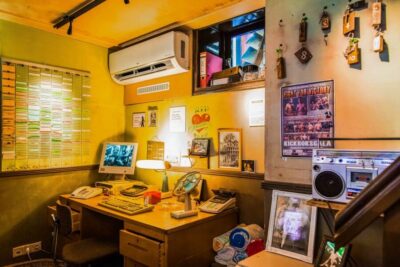

Amsterdam’s Weirdest Museum: Ripley’s Believe It or Not!
Read our review →


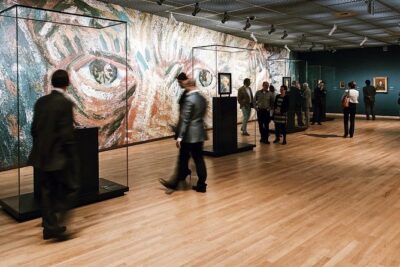
Van Gogh Museum Amsterdam Exclusive Tour w/ Reserved Entry
Read our review →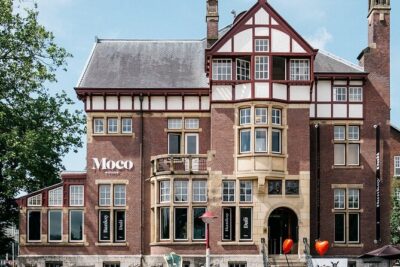
Moco Museum Amsterdam Admission Ticket with Banksy and more
Read our review →Browse the lists this tour appears in