
Review · AMSTERDAM
Amsterdam: Houseboat Museum Entry Ticket
The most interesting thing here is the boat itself. The Hendrika Maria began life as a 1914 cargo ship, carried freight toward Scandinavia, and became a family home in 1967. You are not looking at a modern houseboat showroom. You are stepping into a real working vessel that was adapted for everyday life.
I like the preserved 1970s interior, with its orange, yellow, and brown fittings, and I like the practical details outside, especially the original sailing mast and leeboard. The main drawback is scale: this is a small museum, and you may see everything in 5 to 20 minutes, depending on how closely you read and listen.
Key points to know before you go

- 1914 freight barge: The Hendrika Maria once carried goods to Scandinavian countries before becoming a home.
- A family of four lived aboard: The layout shows how ordinary domestic life worked in a tight space.
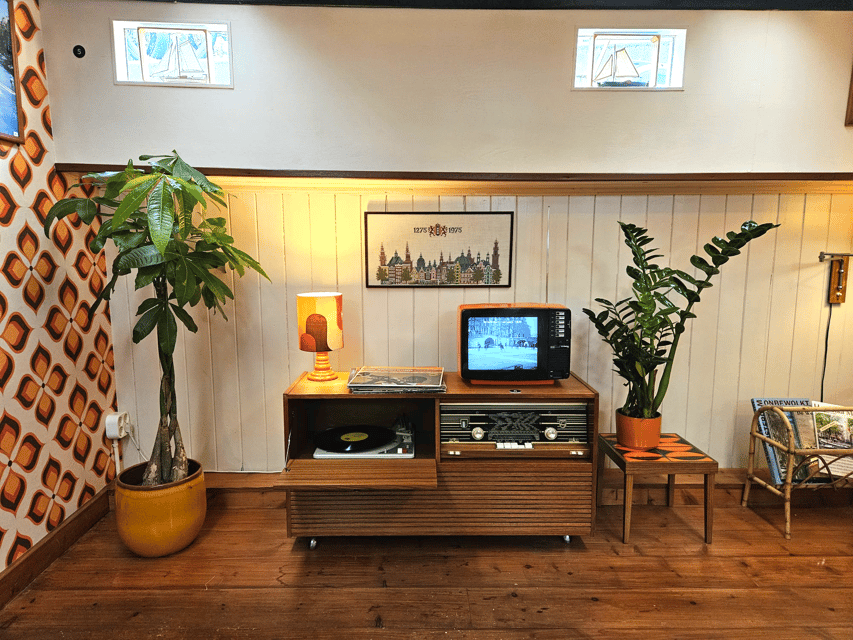
- Original 1970s interior: Expect strong orange, yellow, and brown colors, not polished modern decor.
- Short, focused visit: One review described a 15 to 20 minute audio-guided circuit, while another found it even quicker.
- Limited space and steep stairs: The boat feels authentic partly because it has not been altered to resemble a large museum.
- Good value at $12: It makes most sense as a compact stop near Amsterdam’s canals, not as a half-day attraction.
A freight ship becomes a home in 1967
The Houseboat Museum gives you a close look at a very Amsterdam kind of idea: turning a working boat into a place to live. The Hendrika Maria was built in 1914 as a cargo vessel, and it was later converted into a residential houseboat in 1967.
That change is the heart of the visit. You can see the boat both as a piece of transport history and as a home. It once moved freight, then served a family of four as a permanent residence. The result is a compact space where every room and fitting has to earn its place.
I like this approach because it gives you something more useful than a general explanation of Amsterdam’s canals. You can see how people actually lived on the water. The museum makes the subject personal, practical, and easy to understand.
The boat’s earlier working life is not just a label on a display. The original sailing mast and leeboard remain part of the vessel. These features helped the boat sail before its life as a museum, and they connect the small domestic rooms to the ship’s earlier work carrying goods toward Scandinavia.
More Museum Tours in Amsterdam
- Amsterdam: The Upside Down Museum Entrance Ticket
★ 4.4 · 9,506 reviews - Amsterdam: Red Light Secrets Museum Entry Ticket
★ 4.2 · 5,722 reviews - Amsterdam’s Weirdest Museum: Ripley’s Believe It or Not!
★ 4.5 · 4,920 reviews
Walking through the original 1970s interior
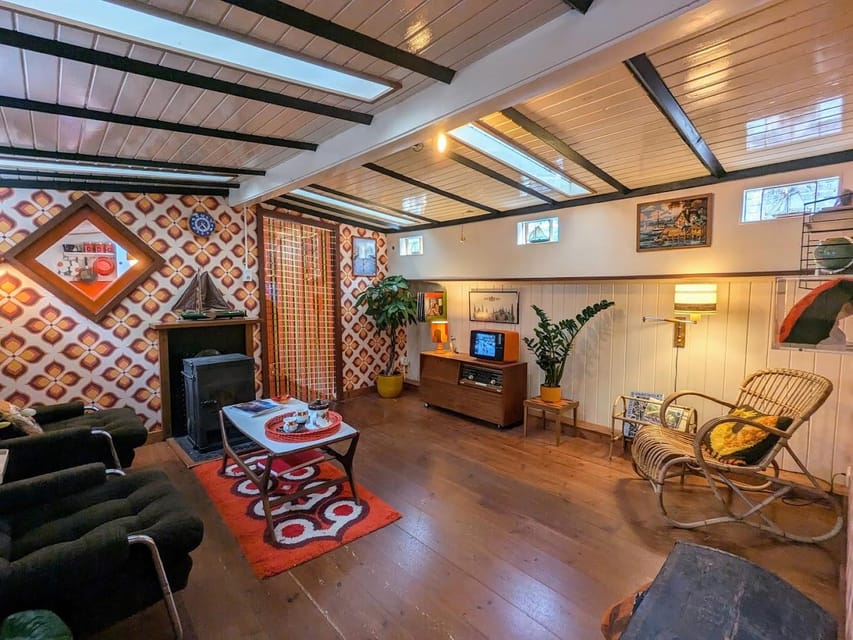
Inside, expect a strong throwback. The interior remains largely original from the 1970s, when the vessel began functioning as a regular home. Orange, yellow, and brown dominate the look, giving the rooms a warm but unmistakably dated feel.
That decor may be one of the most memorable parts of the visit. You are not seeing a neutral reconstruction designed to please every taste. You are seeing the colors and style that belonged to a particular period. If you enjoy vintage interiors, the boat gives you plenty to notice. If you prefer sleek design, the colors may feel loud.
The small rooms also tell you how much domestic life had to fit aboard. The museum presents the boat as a place where a family of four lived, rather than as an empty shell. As you move through the rooms, consider the difference between a house built on land and a house that must also function as a ship.
A visit here works best when you slow down enough to notice the details. Look at how the rooms connect, how narrow the passageways feel, and how the old interior makes the boat’s size clear. You will not get the same impression from a photograph.
What the mast and leeboard reveal
The mast and leeboard add an important layer to the experience. They show that the Hendrika Maria was built to sail and work, not simply to sit on a canal as a home.
For a visitor, these parts help explain the boat’s former purpose without requiring a long technical lesson. The mast points to its sailing days, while the leeboard helped the vessel move properly through the water. Together, they give you a physical link to the ship’s freight-carrying years.
I appreciate these details because they keep the museum from becoming only a display of old furniture. The boat is both a home and a machine. Its history makes more sense when you can see the equipment that once helped it travel.
The museum’s information is interactive, and the visit shares facts about the boat and the people who lived on it. An audio guide can help you understand the space as you move around. One detailed description of the visit put the audio-guided circuit at about 15 to 20 minutes.
How long should you plan to stay?
Set your expectations carefully. The booking information gives the activity a duration of one day, but that does not mean you will spend a full day aboard. It refers to the ticketed activity period, while the actual museum visit is compact.
A careful visit may take around 15 to 20 minutes, particularly if you follow the audio guide and pause to look at the rooms. If you move quickly, you could finish in about five minutes. That difference matters when you judge the $12 price.
I would treat this as a short museum stop, not a major attraction that fills an afternoon. Pair it with a canal walk or another nearby Amsterdam sight, and the visit becomes an easy addition to your day. If you are expecting a large museum with many rooms, exhibits, or long explanations, you may find the experience too brief.
The small size is also part of its appeal. You can understand the basic story quickly, and the boat gives you a direct sense of scale that a larger museum cannot. The question is not only how long the visit lasts, but how much you value a focused look at one preserved houseboat.
A few more museum visits around Amsterdam worth comparing
- Amsterdam: Van Gogh Museum Ticket and City Canal Cruise
★ 4.6 · 3,899 reviews - Amsterdam: Van Gogh Museum Ticket & Canal Cruise
★ 4.5 · 3,304 reviews - Amsterdam: NEMO Science Museum Ticket
★ 4.4 · 2,979 reviews - Moco Museum Amsterdam Admission Ticket with Banksy and more
★ 4.0 · 1,745 reviews
Tight rooms, steep stairs, and practical limits
The museum is located inside a real houseboat, so space is limited. You may need to move carefully and share narrow areas with other people. This is not a broad, open gallery with plenty of room to stop anywhere.
The boat also has steep stairs. That may make the visit difficult for some people, and you should think about your comfort with narrow spaces and steps before booking. The setting is authentic, but authenticity here comes with physical limits.
Those restrictions help you understand the original way of life aboard the vessel. A family of four did not have the room available in a normal house on land. At the same time, the same tight layout can make the museum less comfortable for anyone who needs more room to move.
Photography is allowed, but flash photography is not permitted inside. Bring a camera if you like, but use available light and avoid slowing down the movement through the interior.
Is the audio guide worth following?
The museum is interactive and includes information about the vessel and the people who lived on it. The audio guide can give structure to a very short visit, helping you understand why the boat looks the way it does.
I would use it if you want more than a quick look at the decor. The 1970s colors may catch your eye first, but the audio information adds meaning to the rooms. It explains the change from freight vessel to family home and helps connect the physical details to the boat’s past.
If you are in a hurry, you can still walk through without spending a long time on every section. The visit is flexible enough for a fast stop, but the extra information is useful if you want to make the $12 ticket feel worthwhile.
Host and greeter language options include English, French, Traditional Chinese, German, Spanish, Portuguese, Italian, and Dutch. The supplied information does not name individual guides, so you should not expect a particular host by name.
Judging the $12 price
At $12 per person, the ticket is not expensive by Amsterdam sightseeing standards. Still, price depends on what you want from the visit. If you value unusual places and real objects, the fee is fair for access to a preserved working vessel. If you measure value by time inside, the ticket may feel high.
One assessment found the museum too costly because the full visit took only about five minutes. Another described a 15 to 20 minute circuit, which is a more realistic planning figure if you use the audio guide and take your time. The difference shows why you should think of this as a short specialist attraction.
The best value comes when you are already exploring Amsterdam’s canals and want a small, distinctive stop. You can learn about boat life without committing half a day or paying for a full tour. The ticket also gives you something different from the city’s larger art museums and canal cruises.
I would not book this as your only paid activity in Amsterdam. I would add it to a day built around canal-side sights, especially if you are interested in domestic history, old boats, or unusual living spaces.
Who will enjoy the Houseboat Museum?
This experience suits you if you like museums built around one real object. Instead of walking through a large collection, you get one vessel with a clear story: cargo ship, sailing boat, family home, and museum.
It also works well for anyone curious about daily life on the water. The family-of-four detail gives the visit a human scale. You can think about storage, movement, privacy, and routine in a home that also began as a working ship.
I would recommend it to visitors who enjoy vintage design, especially the strong 1970s color scheme. The original orange, yellow, and brown interior is not a minor detail. It shapes the entire feel of the visit.
Families may find the short length convenient, though the steep stairs and limited space deserve attention. People looking for a long guided experience, extensive exhibits, or a spacious indoor attraction should choose something else.
Booking and planning advice
The ticket costs $12 per person. Food and drinks are not included, and hotel pickup and drop-off are not provided. Plan to reach the museum independently and combine it with other plans in Amsterdam.
Availability includes starting times, so check the schedule before you go. The activity offers free cancellation up to 24 hours in advance for a full refund, and you can reserve now and pay later. Those options help if your Amsterdam schedule is still changing.
Give yourself enough time to arrive without rushing, but do not reserve a large block of your day around the museum. A short visit is the sensible plan. If you find yourself wanting to linger, the original fittings, sailing equipment, and audio information give you reasons to look more closely.
Should you book this houseboat ticket?
Book it if you want an affordable, unusual Amsterdam stop with a clear story and a real sense of place. The Hendrika Maria is more interesting than a generic houseboat display because it retains its working-boat features and its original 1970s home interior.
Skip it if you want a large museum, a long guided tour, or a full afternoon of activity. The visit may take only 5 to 20 minutes, and the cramped rooms and steep stairs are not suitable for everyone.
For me, the ticket makes sense as a small addition to a canal day. At $12, you are paying for access to one authentic boat and a glimpse of how a family of four lived aboard it. That is a focused experience, not a grand one, but it is a memorable change of pace from Amsterdam’s usual canal views.
FAQ
Where is the Houseboat Museum located?
The Houseboat Museum is in Amsterdam, in North Holland, Netherlands.
What boat will I visit?
You will visit the Hendrika Maria, a 1914 cargo ship that was converted into a residential houseboat in 1967.
How much does admission cost?
The entry ticket costs $12 per person.
How long does the visit take?
The booking information lists the activity duration as one day, but the actual museum visit is short. A visit using the audio guide may take about 15 to 20 minutes, while a quick walk-through can take about five minutes.
Did people live on the boat?
Yes. A family of four lived aboard the vessel when it was used as a home.
What can I see inside?
You can see the original 1970s interior, including its orange, yellow, and brown decor, along with information about the boat and the people who lived aboard.
Can I see parts of the boat from its sailing days?
Yes. The boat retains an original sailing mast and a leeboard, which were useful when it carried freight toward Scandinavian countries.
Is the museum suitable for people with limited mobility?
The boat has steep stairs and limited space, so it may not be suitable for everyone. Consider these conditions before booking.
Can I take photographs?
Yes, photography is allowed. Flash photography is not permitted inside the museum.
Are food, drinks, or hotel transfers included?
No. The ticket includes entrance to the Houseboat Museum only. Food, drinks, hotel pickup, and hotel drop-off are not included.
Just added around Amsterdam
- Van Gogh Museum Tour excluding Entrance Tickets★ 5.0 · 16 reviews
- Van Gogh Museum Entry Ticket and Guided Tour★ 4.5 · 48 reviews
- Van Gogh Museum with Audio Guide★ 3.5 · 80 reviews
- Amsterdam: Explore the Van Gogh Museum & His Masterpieces★ 3.5 · 64 reviews
- Van Gogh Museum Skip the Queue with Audio Guide★ 4.0 · 261 reviews
- Amsterdam Van Gogh Museum with Audio or Guided Tour★ 4.0 · 266 reviews
- Van Gogh Museum, Rijks Museum & Walking Tour – Private Day Tour★ 5.0 · 17 reviews
- Van Gogh Museum Ticket with Audio Guide and Unlimited Access Time★ 5.0 · 25 reviews
Museum Tours in Amsterdam, compared.


Amsterdam’s Weirdest Museum: Ripley’s Believe It or Not!
Read our review →



Van Gogh Museum Amsterdam Exclusive Tour w/ Reserved Entry
Read our review →
Moco Museum Amsterdam Admission Ticket with Banksy and more
Read our review →Browse the lists this tour appears in