
Review · ITALY
Florence: Accademia and Uffizi Galleries Guided Tour
Michelangelo’s David is the star here, but the real prize is seeing it placed within Florence’s larger story. In one compact outing, you move from the Accademia to the Duomo, Piazza della Signoria, and the Uffizi, with a guide explaining why these places mattered to the artists, bankers, and rulers who shaped the city.
I like the small-group format, which makes it easier to hear, ask questions, and stay with the guide. I also like the carefully chosen route through the Uffizi, where a good guide can steer you to Botticelli, Leonardo, Raphael, and Michelangelo without leaving you to wander a huge museum on your own.
The main drawback is pace. Three hours is enough for the highlights, not a full study of either gallery. The $175 price is also serious, and the advertised schedule does not include a climb to the top of the Duomo dome.
Key Points
- David gets the opening act: Spend about an hour at the Accademia with Michelangelo’s famous marble sculpture.
- Two major museums in one morning: The route gives you focused visits to both the Accademia and Uffizi.
- Local guides make the difference: Guides including Laura, Vera, Norma, Debora, and Isabella are praised for clear explanations and strong art knowledge.
- Priority entry saves time: Reserved tickets and museum access help reduce the hassle of buying tickets and finding the right entrance.
- Florence is part of the tour: The route includes Duomo Square and Piazza della Signoria, not just indoor galleries.
- Plan for crowds: Priority entry does not remove security delays or packed rooms, especially at the Accademia.
Is This Florence Art Tour Worth $175?
At $175 per person, this is not a bargain museum ticket. You are paying for reserved admission to two of Florence’s busiest museums, a live guide, a small group, headsets, and someone who can turn a long list of famous names into a story you can follow.
I think the price makes sense if you have only a short stay in Florence or if Renaissance art feels easier to appreciate with help. The Uffizi alone can take hours to sort out. Add the Accademia, the Duomo area, and Piazza della Signoria, and the value lies in saving time and avoiding a great deal of guesswork.
The price makes less sense if you already know the museums well, prefer to read labels at your own pace, or want several hours with each collection. You also need to remember that the tour covers the Duomo area on foot, but does not include a ticket for climbing the dome.
The experience is advertised as three hours. Some departures may run longer because of museum entry delays, crowd control, questions, or the guide spending extra time with the group. One reported outing lasted four hours, while another was described as four to four and a half hours. That can be a pleasant bonus, but do not schedule a tight lunch reservation immediately afterward.
More ways to see the David:
- Florence Accademia Gallery Tour with Entrance Ticket Included
★ 4.5 · 6,148 reviews - Florence: Accademia Gallery Guided Tour
★ 4.6 · 4,156 reviews - Florence: Accademia Gallery Skip-the-Line Guided Tour
★ 4.8 · 3,044 reviews
Meeting Near the Accademia
The tour begins at the Florence Specialists office on Via Ricasoli, about 50 meters from the Accademia Gallery. This is a useful starting point because you are already beside the first museum, rather than wasting time crossing town before the art begins.
Arrive 15 minutes before departure. Bring a passport or other photo ID. Visitors aged 6 to 17 need valid photo identification showing their date of birth to receive the reduced ticket, and a digital copy is accepted. Without it, the full adult price may apply.
The office provides a practical place to gather, and it has seating and a bathroom. That matters more than it sounds, especially if you are arriving with children, have been walking all morning, or need a calm place to sort out the group before entering the museum.
Large bags and luggage are not allowed. Pack light and keep what you bring close to the essentials. Radios with headsets are supplied, which helps when the rooms are crowded or the guide needs to move ahead to the next work.
The Accademia and Michelangelo’s David
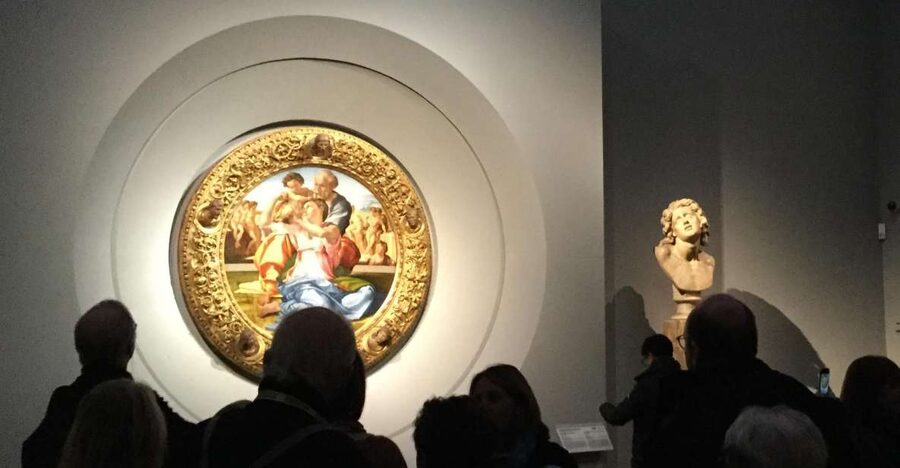
You spend about an hour inside the Accademia. Most people come for David, and the tour gives the sculpture the attention it deserves rather than treating it as a quick photo stop.
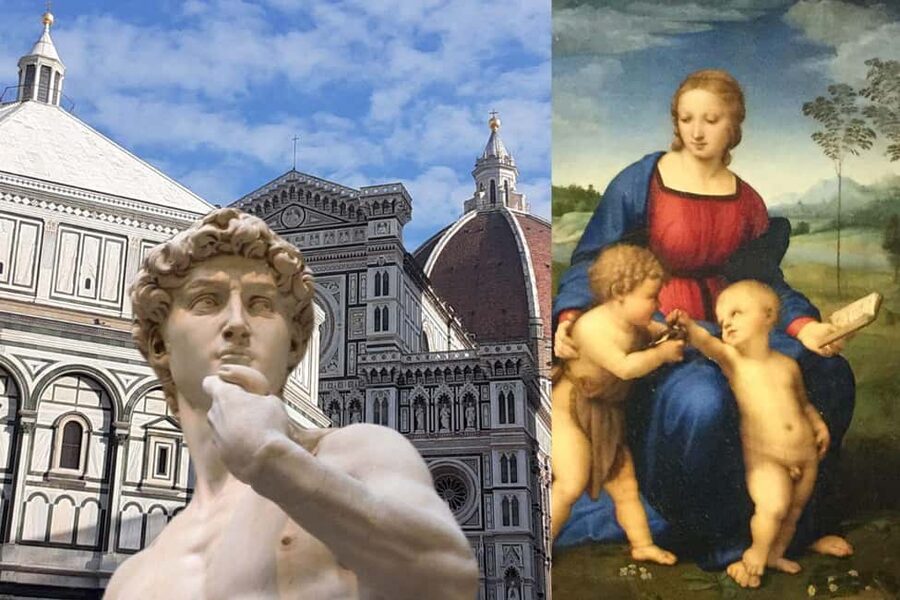
Your guide explains how Michelangelo transformed a large block of marble into a record-breaking masterpiece. The value of this introduction is not just learning dates or measurements. You begin to notice the choices that make the statue feel so alive: the stance, the expression, the scale, and the tension held in the body.
Several guides, especially Laura, are praised for spending time on the details of David and explaining the sculpture in a way that works for both art lovers and people with little background. That is important because the Accademia can otherwise become a crowded room with one famous statue and a lot of people trying to see it at once.
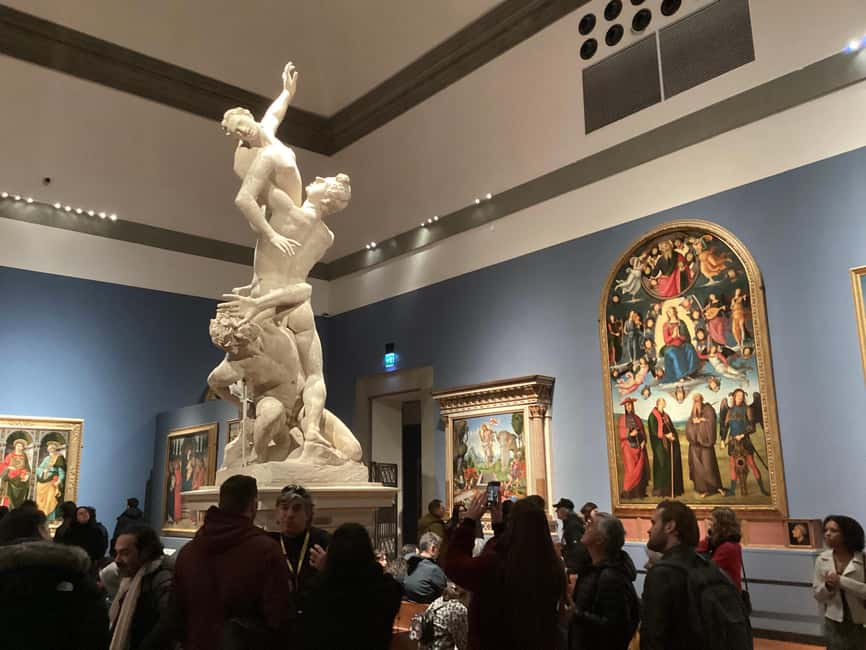
The museum itself can be difficult during busy periods. Entry is regulated according to the number of people inside, and security checks may slow the process even with reserved access. One outing encountered such heavy crowding that the space felt uncomfortable and unsafe. Priority tickets help with the ticket line, but they cannot guarantee an empty gallery.
You should also expect the guide to select the most important works rather than cover every room. An hour passes quickly. If you want to examine every sculpture or spend quiet time with paintings after the explanation, you may want to return separately.
A Short Walk Through Florence’s Center
After the Accademia, the route moves outdoors through the historic center. The planned sequence includes a short break at the agency, a walk toward the Duomo complex, and about 20 minutes around Piazza della Signoria.
The published route information includes an obvious timing error, listing the Duomo walk as 15 hours. That cannot fit a three-hour tour, and the actual experience described by the route is a short city walk between the museums. Treat this portion as a compact orientation, not a full walking tour of Florence.
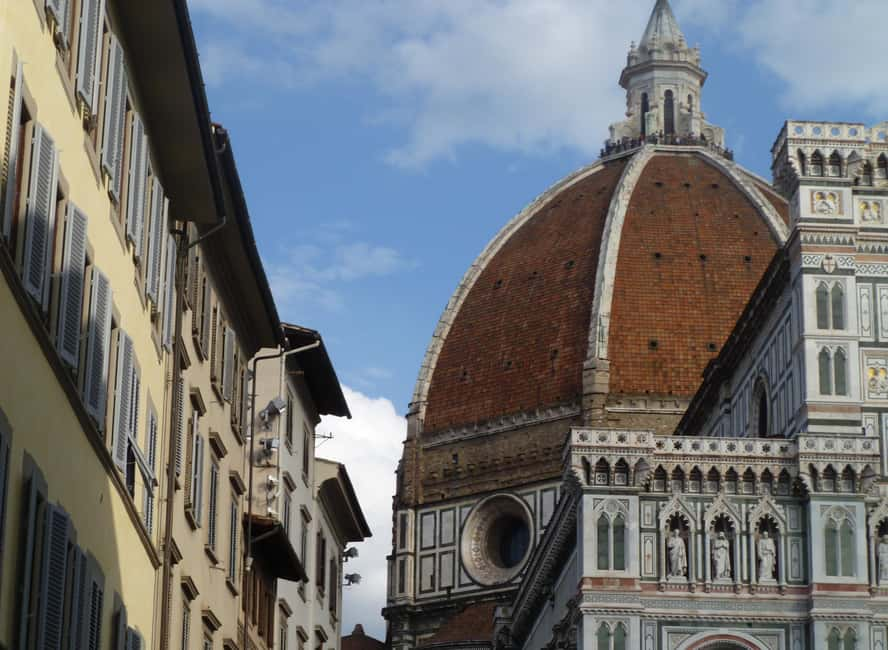
At Duomo Square, you see the Cathedral and its famous dome. The guide connects the buildings to Florence’s artistic and civic ambitions, giving you useful context before the Uffizi. You will see the complex from outside during this tour, but the climb to the dome is not included.
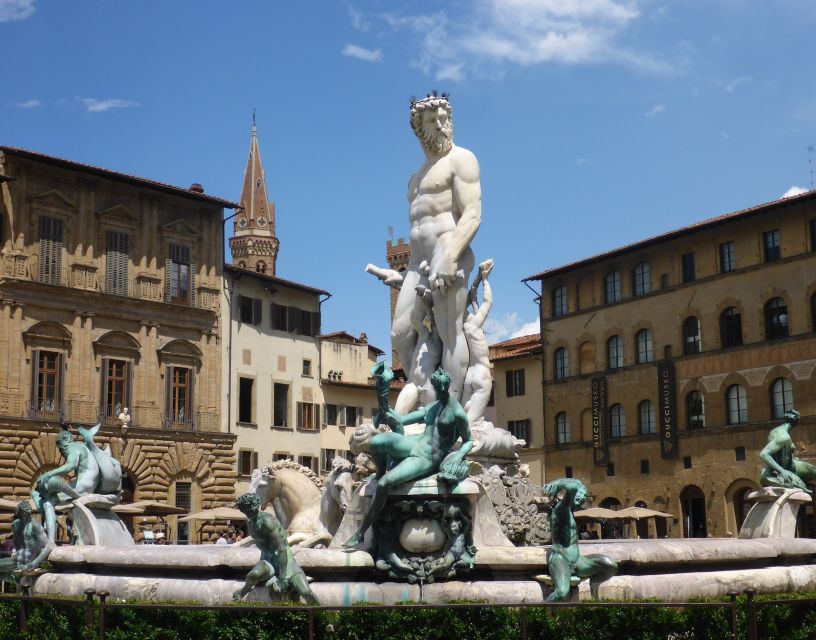
Piazza della Signoria adds another layer. It is one of the city’s key public spaces, and it helps explain how art in Florence was used in streets and squares, not only inside museums. The walk also breaks up the indoor visits and gives your eyes a rest before the second gallery.
This is one of my favorite features of the route. You are not simply shuttled from one museum door to another. Even a brief walk helps you understand how close the major sights are and how tightly Florence’s art, politics, religion, and public life were connected.
More Uffizi tours and tickets:
- Florence: Skip-The-Line Uffizi Gallery Timed Entry Ticket
★ 4.5 · 27,832 reviews - Uffizi Gallery: Renaissance Masterpieces Guided Tour
★ 4.6 · 6,070 reviews - Uffizi Gallery Small Group Tour with Guide
★ 4.5 · 4,923 reviews - Florence: Uffizi Gallery Timed Entry Ticket & Audio Guide
★ 4.2 · 2,794 reviews
Two Hours Inside the Uffizi
The Uffizi portion takes about two hours, making it the longer and more substantial museum visit. This is where a strong guide earns the fee.
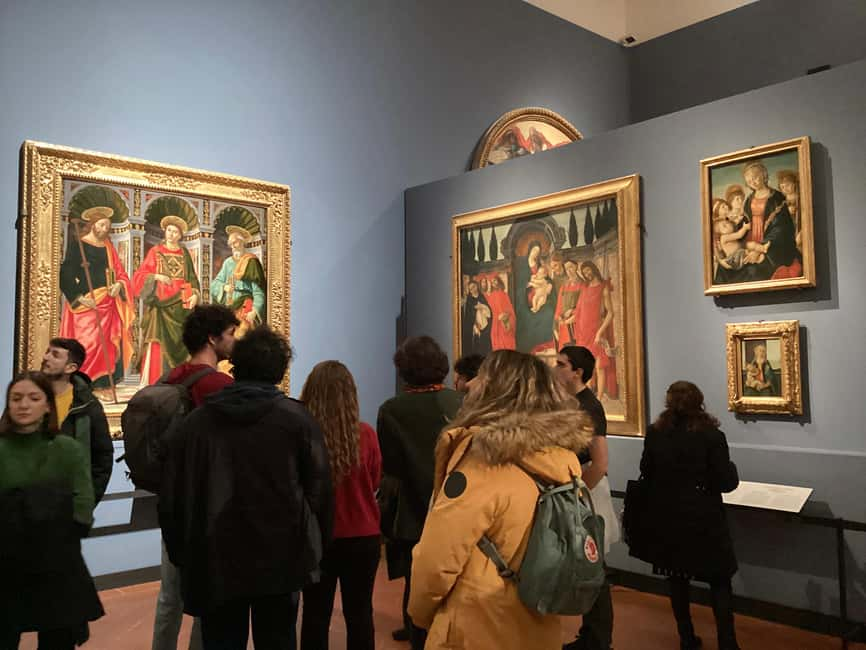
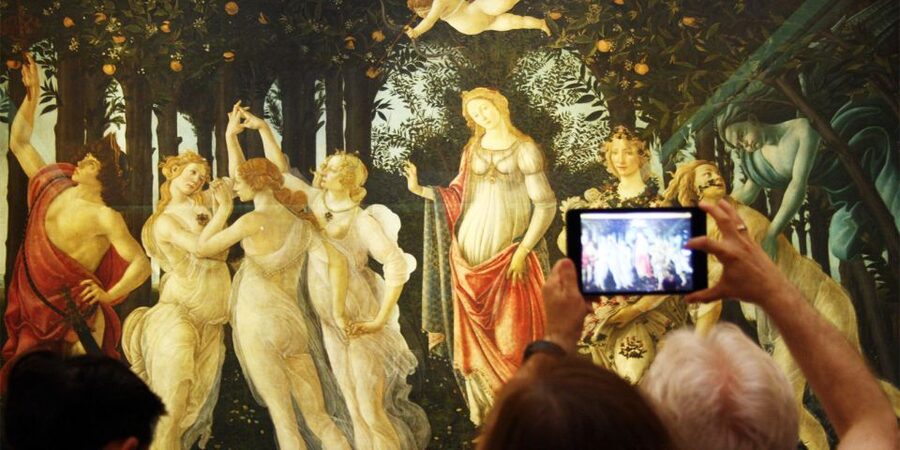
The collection is too large to see properly in a quick visit. Instead, the guide leads you to major works by Botticelli, Michelangelo, Leonardo da Vinci, Raphael, and others, explaining how styles and ideas changed across the Renaissance.
A good explanation can make a painting easier to read. You may learn what to look for in a pose, gesture, background, or religious scene, and how the work fits into the larger development of Florentine and Italian art. Guides such as Laura, Vera, Norma, Leticia, Silvia, and Debora are praised for connecting individual works to the artists, the Medici family, and the social world around them.
The tour is especially useful if you are new to Renaissance art. Guides are described as able to make complex material clear, answer questions without rushing, and adjust their explanations to the group. Some have also been praised for keeping children involved, including a 12-year-old and a 9-year-old who remained engaged through the visit.
The Uffizi can still feel crowded. Your guide may need to pause, move the group, or change the order of the stops. A small group makes this easier, but you will not have unlimited time in front of every painting. If one artist matters greatly to you, tell the guide early and ask whether there is time to focus on that work.
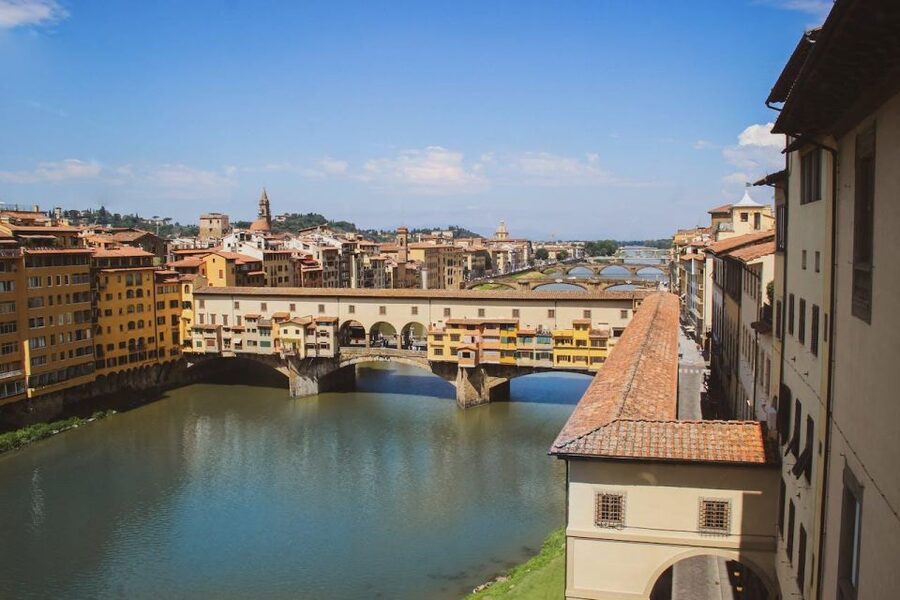
The tour finishes with views toward the Arno River and Ponte Vecchio. These views are a welcome final note after several hours of art and give you a sense of the city beyond the museum walls.
Why the Guide Matters So Much
The strongest part of this experience is the guide. The names vary by departure, but Laura is praised repeatedly, along with Vera, Norma, Debora, Isabella, Jenny, Leticia, Silvia, Ruby, and others.
The best guides do more than repeat information. They explain why the work matters, point out details you might miss, and connect paintings and sculptures to Florence’s political story. The Medici family, in particular, becomes more than a name in a textbook. Their influence helps explain why Florence produced and collected so much art.
Guides also need to manage practical problems. They keep the group together in packed rooms, handle different walking speeds, and make sure people can hear through the headsets. One guide was praised for giving extra time after a delayed museum entry. Another adjusted the pace when crowds made movement difficult.
That personal attention is one reason the small group matters. In a large group, you may spend the whole tour trying to locate the guide. Here, you have a better chance of asking a question or hearing the answer without interrupting the whole visit.
Still, the guide cannot control every part of the day. Security delays, packed galleries, and other groups can affect the route. A patient attitude will serve you well, especially during high season.
Small Group, Headsets, and Walking Demands
The small group is a practical advantage, not just a marketing label. It is easier to move through narrow museum spaces, gather around a painting, and stay in contact with the guide.
Headsets help, too. The Uffizi and Accademia are not quiet places, and spoken explanations can disappear quickly in a crowded room. With the radio system, you can usually keep listening while standing slightly to one side.
You should be comfortable standing and walking for several hours. The route links two museums with outdoor sections through central Florence. The tour is wheelchair accessible, but you should still check the specific arrangements at booking if you need mobility support.
There is no hotel pickup or drop-off. You make your own way to the office near the Accademia and leave from the Uffizi area at the end. That is easy for anyone staying in central Florence, but it means you need to plan your arrival and onward route yourself.
Who Should Book This Tour?
I would choose this tour for a first visit to Florence, especially if you have one or two days and want the main art sights organized efficiently. It is also a good fit if you enjoy stories, history, and context more than simply checking famous works off a list.
Families can benefit from the guide’s explanations and the shorter, structured format. The route gives children several changes of scene: sculpture, a city walk, public squares, and paintings. The guide can also help turn the Medici story into something more memorable than a string of names.
This is a strong choice for anyone who finds museums overwhelming. You will not see everything, but you will see the essential works in a sensible order and learn how they fit together.
I would skip it if you want a slow, independent museum day. The $175 fee is difficult to justify for someone who prefers audio guides, labels, and long stretches alone with a single painting. You may also prefer separate visits if the dome climb is a major goal, since it is not part of this experience.
Practical Details Before You Go
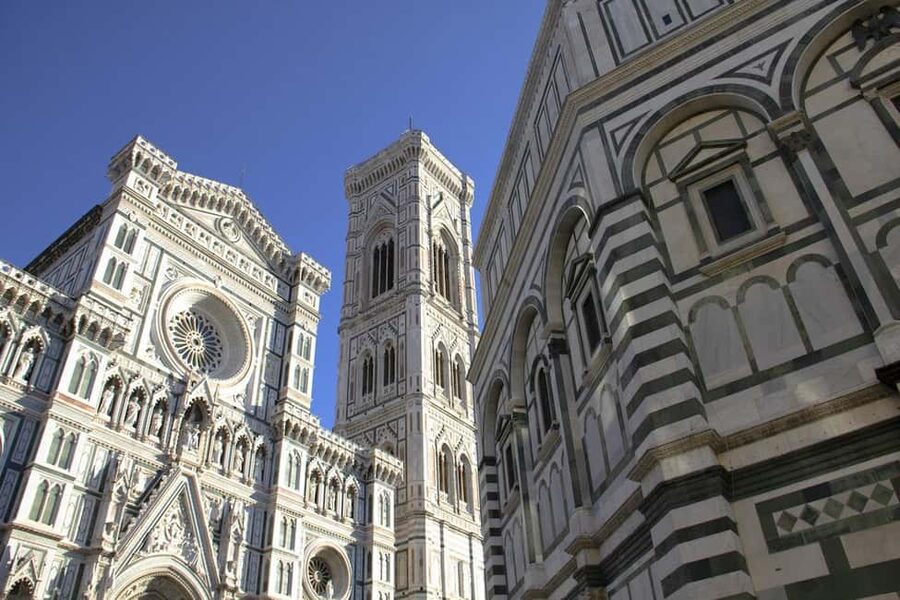
The tour is offered in English, French, Spanish, Russian, and Italian. A private group option is available if you want a more personal pace or have a group with specific interests.
Free cancellation is available up to 24 hours before the start time, and you can reserve now and pay later. Check the current departure time before booking because the schedule varies.
Bring your ID, arrive early, and leave large bags behind. Wear shoes suitable for walking and standing, and avoid planning anything that requires you to finish at exactly the advertised three-hour mark.
Should You Book It?
Book this tour if you want Florence’s two major art museums explained by a local guide, with the ticket process handled and the route kept efficient. The repeated praise for guides such as Laura, Vera, Norma, and Debora points to a consistently strong teaching experience, especially for people who want art and history made clear.
The price is high, but the small group, reserved museum access, headsets, and two hours at the Uffizi give it real value when your time is limited. Just set the right expectations: crowds can still slow you down, the pace is brisk, and the Duomo dome climb is not included.
If you want a well-organized first look at Renaissance Florence, I would book it. If you want to linger over every room or explore independently, buy museum admission separately and give yourself more time.
FAQ
How long does the Florence Accademia and Uffizi tour last?
The advertised duration is three hours. Some visits may take longer because of security delays, crowd levels, questions, or extra time spent inside the museums.
Where does the tour meet?
The meeting point is the Florence Specialists office on Via Ricasoli, about 50 meters from the Accademia Gallery.
Which museums are included?
The tour includes guided visits to the Accademia Gallery and the Uffizi Gallery, with priority entry tickets and reservations.
Is the climb to the top of the Duomo included?
No. The route includes a walk through the Duomo area, but a ticket for climbing the dome is not included.
What languages are available?
Live guides are available in English, French, Spanish, Russian, and Italian.
What should I bring?
Bring a passport or photo ID. Children aged 6 to 17 need valid photo identification showing their date of birth to receive the reduced ticket. Large bags, luggage, and pets are not allowed.
Just added around Italy
- Oil museum and oil mill in Tuscany: tour and tasting★ 5.0 · 16 reviews
- Enchanted Castle of Sciacca – Museum Tickets★ 3.5 · 63 reviews
- Torino: FIAT Historic Museum and Lingotto District Tour★ 4.9 · 14 reviews
- Torino: The Car Museum Skip-The-Line Tour★ 4.7 · 22 reviews
- Timed Entry Ticket to the Uffizi Gallery★ 4.5 · 498 reviews
- Florence: Accademia Gallery Entry Ticket with Audio Guide★ 4.1 · 88 reviews
- Vatican City: Sistine Chapel, Museums, Basilica Private Tour★ 4.8 · 158 reviews
- Rome: Capitoline Museums and Centrale Montemartini Tickets★ 4.4 · 328 reviews
Museum Tours in Italy, compared.
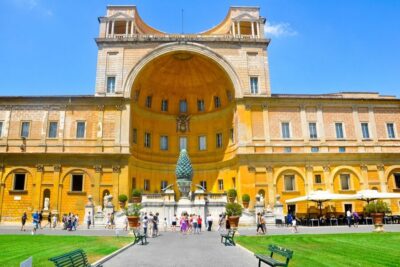
Vatican: Museums & Sistine Chapel Entrance Ticket
Read our review →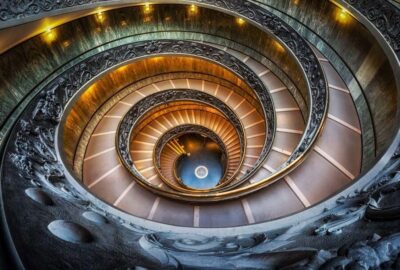
Vatican Museums, Sistine Chapel & St. Peter’s Basilica Tour
Read our review →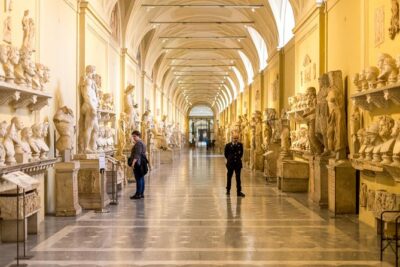
Vatican Museums, Sistine Chapel & St Peter’s Basilica Guided Tour
Read our review →
Skip-The-Line Uffizi Gallery Timed Entry Ticket
Read our review →
Vatican Museums, Sistine Chapel and Basilica Tour
Read our review →
Vatican Museums & Sistine Chapel Skip-the-Line Entry Ticket
Read our review →
Vatican Museums, Sistine Chapel & Basilica Tour
Read our review →
Browse the lists this tour appears in