
Review · AMSTERDAM
Amsterdam: Dutch WWII Resistance Museum Entry Ticket
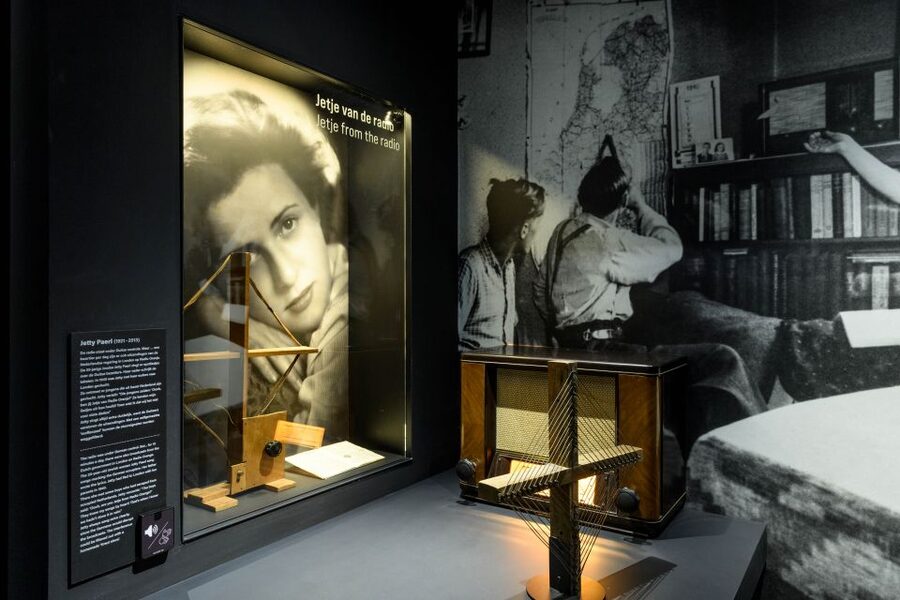
The most striking part of Amsterdam’s Dutch Resistance Museum is its focus on ordinary people forced into extraordinary choices. Instead of telling only the familiar story of military campaigns, it places you among the Dutch population during Nazi occupation, where a forged identity paper, a hidden family, an underground newspaper, or a quiet refusal could carry deadly risks.
I like the personal stories and original objects, which turn a large historical subject into something you can grasp one person at a time. I also like the handheld audio system, letting you choose which displays to hear in Dutch, English, French, German, Italian, Spanish, or Portuguese.
The main consideration is time. This is not a quick 45-minute stop. You can see the main displays in two hours, but three hours gives you room for the films, audio accounts, documents, and Dutch East Indies section without rushing.
Key points to know before you go
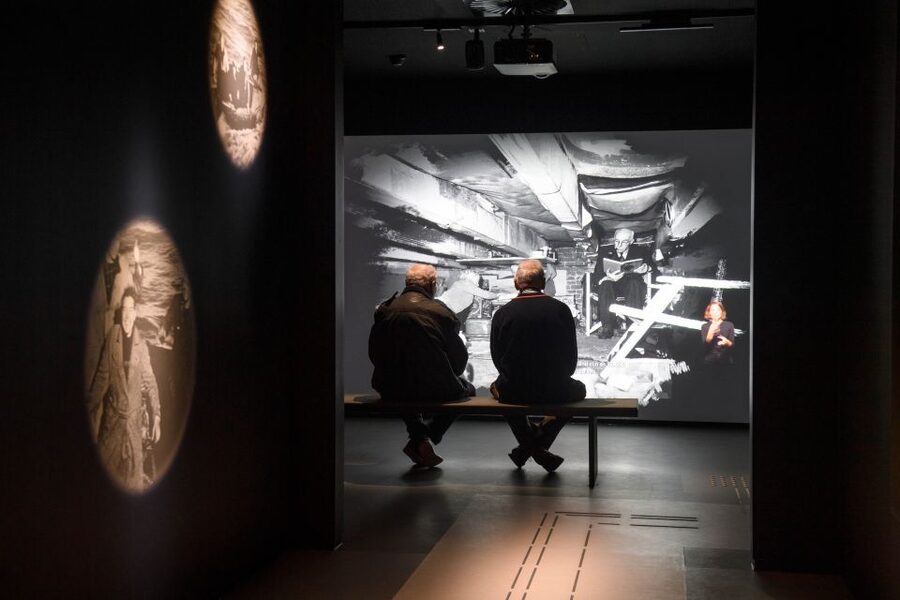
- Everyday resistance takes center stage: Learn about strikes, forged documents, escape routes, hiding places, espionage, underground newspapers, and armed resistance.
- The audio guide is self-directed: Scan the code at a display and listen to the material that interests you, rather than following one fixed script.
- The museum goes beyond Amsterdam: A dedicated section covers Dutch colonies in the Dutch East Indies and the suffering caused by Japanese rule.
- Personal dilemmas matter as much as heroic acts: The displays show collaborators, fearful civilians, resistance workers, and people forced to make painful choices.
- Allow two to three hours: The museum is easy to underestimate from outside, and the interior contains far more material than its first rooms suggest.
- The $21 ticket includes entry and audio: There is no live guide, and food and drinks are separate.
Entering a museum about choices, not just battles
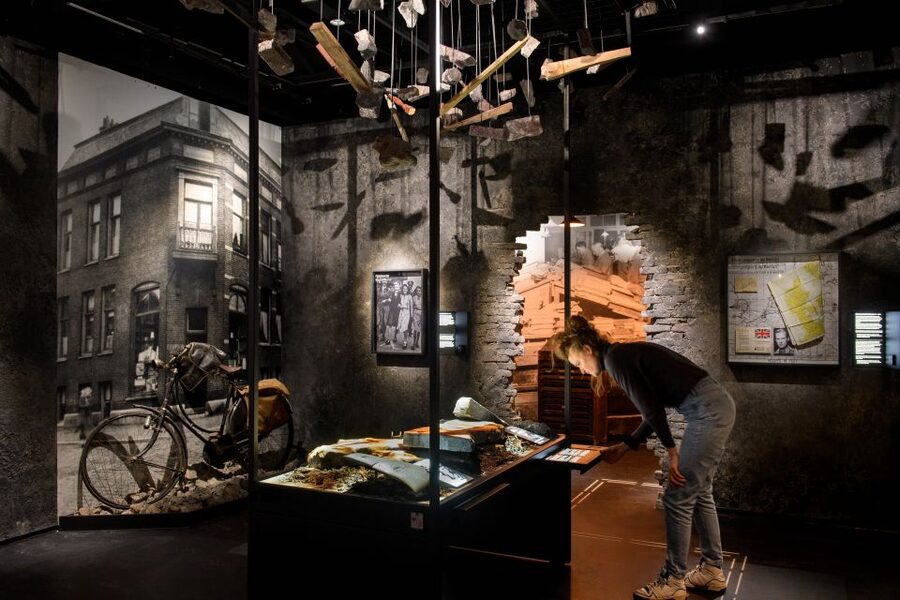
The Dutch Resistance Museum presents the German occupation of the Netherlands through the experience of civilians. That gives the visit a different shape from a conventional military museum. You are not simply following armies across a map. You are learning how occupation altered work, family life, identity, safety, and trust.
The exhibition uses photographs, wartime objects, films, documents, and personal accounts. Walls lined with photographs help recreate the look and feel of the 1940s, while short films provide wider context before individual stories bring the subject close to home.
I find this approach useful if your knowledge of Dutch WWII history is limited. The museum explains events in a clear order, so you do not need to arrive with a detailed grasp of the occupation. At the same time, the material has enough detail for people who already know the broad outline of the war.
This is a serious visit. The museum deals with persecution, deportation, fear, collaboration, imprisonment, and the murder of Jewish Dutch people. It also shows the pressure placed on those who tried to help. Expect a thoughtful and sometimes painful experience, not a light sightseeing stop.
More Museum Tours in Amsterdam
- Amsterdam: The Upside Down Museum Entrance Ticket
★ 4.4 · 9,506 reviews - Amsterdam: Red Light Secrets Museum Entry Ticket
★ 4.2 · 5,722 reviews - Amsterdam’s Weirdest Museum: Ripley’s Believe It or Not!
★ 4.5 · 4,920 reviews
The first rooms: how occupation changed daily life
As you move through the early displays, you get a sense of how the German occupation entered ordinary Dutch life. The story is not limited to dramatic acts of sabotage. It includes the smaller choices that shaped daily survival and the ways people responded to new laws, restrictions, propaganda, and military control.
The photographs help put faces to the period. Personal documents show that decisions were rarely simple. Someone might help a neighbor while trying to protect a family. Someone else might cooperate with the authorities from fear, pressure, or self-interest. The museum does not reduce the period to a simple division between heroes and villains.
That balance is one of the strongest parts of the visit. You see resistance groups and collaborators, but also people who were caught between them. The result is a more honest picture of occupation. Courage appears in many forms, and so does risk.
The layout is described as easy to follow, with a clear flow from one subject to the next. Still, do not assume that a small first impression means a short visit. The museum opens out as you proceed, with more displays and listening points inside.
Forged papers, hiding places, and underground work
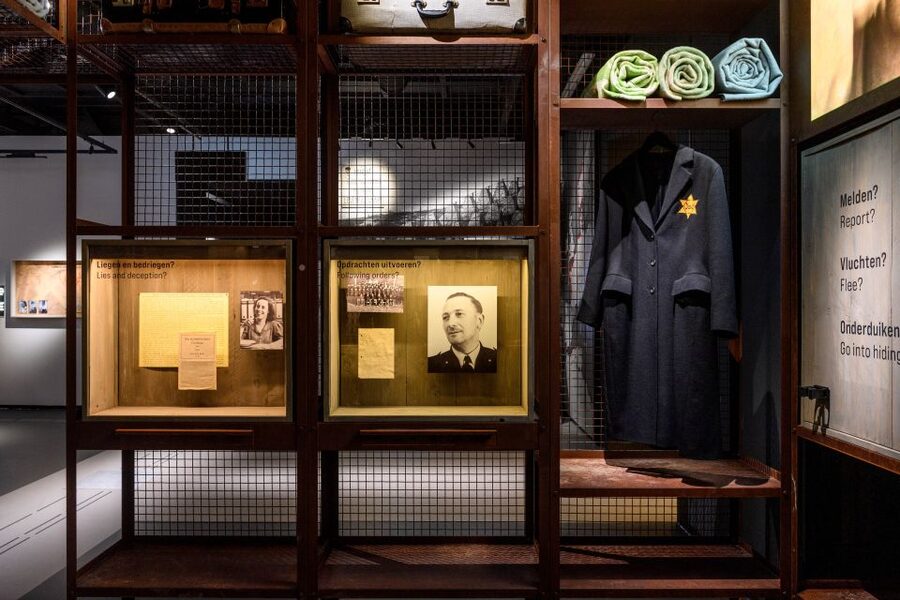
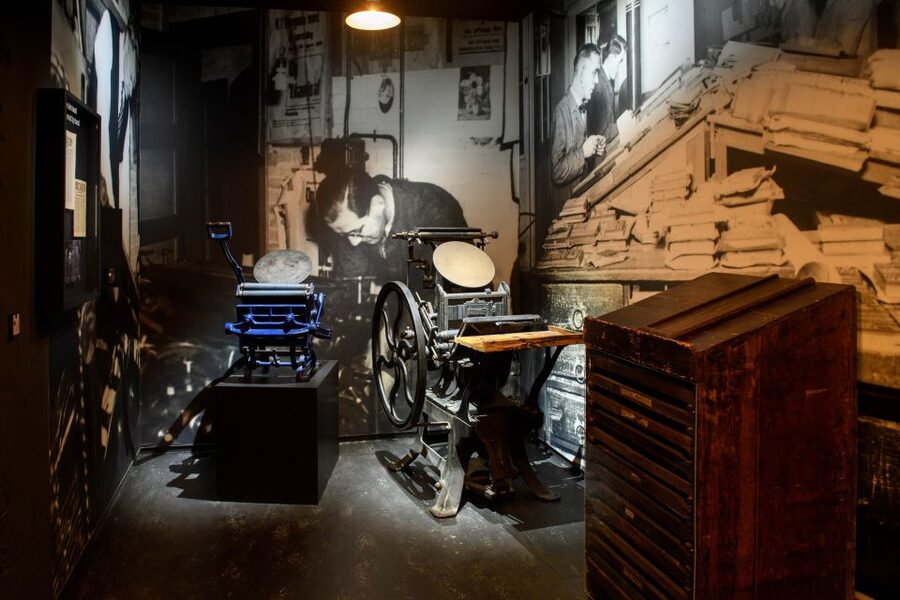
One section covers the practical machinery of resistance. You learn how people forged identity documents, helped others go into hiding, created underground newspapers, planned escape routes, gathered information, and took part in armed resistance or espionage.
These subjects matter because they show the work behind the word resistance. A forged document was not just a piece of paper. It could determine whether someone passed a checkpoint, found shelter, or remained free. An underground newspaper required printing, transport, distribution, and secrecy, with danger at every stage.
The audio guide is especially useful here. You can scan selected displays with the supplied handheld unit and hear further details without having to read every panel. Several people found the system easy to use, and it allows you to skip material or return to a display when you want more context.
That flexibility helps families and mixed-interest groups. A history enthusiast can listen to nearly every station, while someone with less background can follow the main story and select only the accounts that catch their attention. One practical note: the audio unit can occasionally scan a display again if you move too close or point it carelessly, so keep an eye on what it is reading.
Personal stories bring the wartime years close
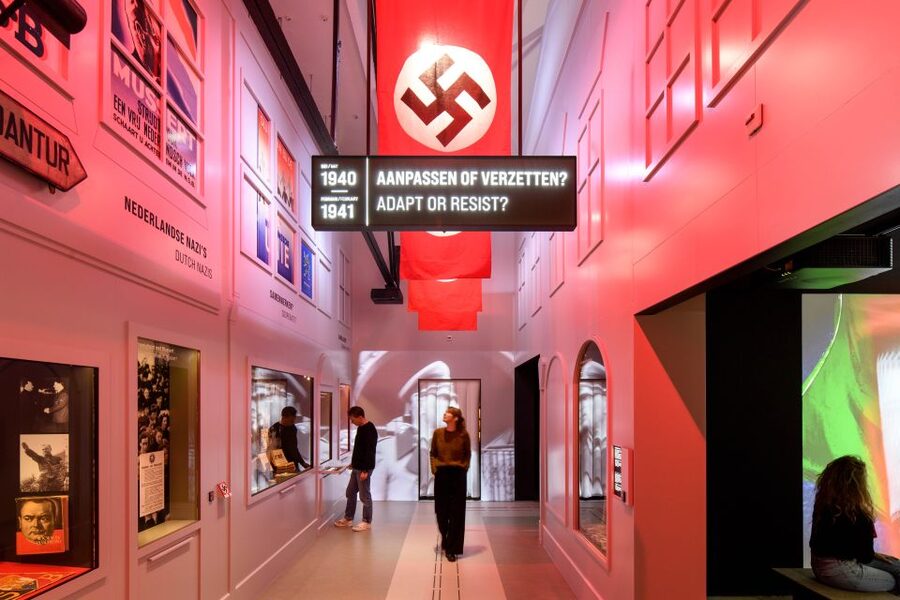
The museum’s most effective material is often the simplest: a letter, photograph, official paper, household item, or recorded testimony connected to one person. These pieces show how national events became private problems.
You might learn about someone who resisted openly, someone who hid another person, or someone whose wartime role was less clear. The accounts include bravery, kindness, fear, uncertainty, and loss. The range of perspectives prevents the visit from becoming a string of polished heroic tales.
I particularly value the way the museum follows some individuals beyond the war. Knowing what happened to people afterward gives their wartime decisions more weight. The story does not end when liberation arrives, and survival did not erase what people had seen or done.
The personal material also makes this an accessible museum for younger visitors or people with only a partial knowledge of WWII. The information is presented in manageable sections, and the films help explain the wider events before you return to individual experiences.
A few more museum visits around Amsterdam worth comparing
- Amsterdam: Van Gogh Museum Ticket and City Canal Cruise
★ 4.6 · 3,899 reviews - Amsterdam: Van Gogh Museum Ticket & Canal Cruise
★ 4.5 · 3,304 reviews - Amsterdam: NEMO Science Museum Ticket
★ 4.4 · 2,979 reviews - Moco Museum Amsterdam Admission Ticket with Banksy and more
★ 4.0 · 1,745 reviews
The Jewish Dutch experience and the limits of safety
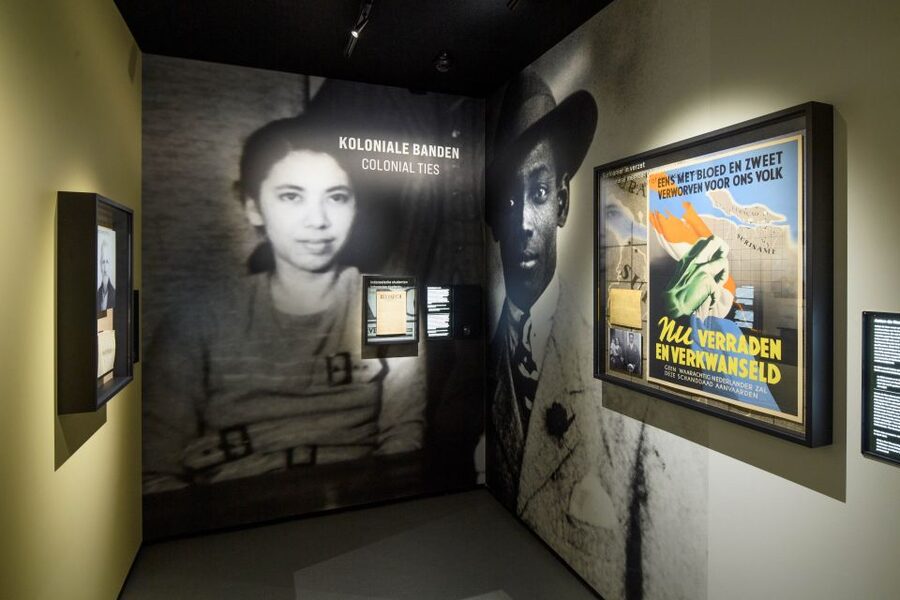
The museum addresses the persecution of Jewish people in the Netherlands as part of the occupation story. You will encounter accounts of how Nazi rule affected Jewish Dutch families and the people who tried to protect them.
This part requires time and attention. The displays are moving, but they do not treat persecution as an isolated topic disconnected from the rest of Dutch society. Instead, you see how government rules, public compliance, fear, resistance, and assistance affected people’s chances of survival.
The museum’s emphasis on choices is important here. It shows that resistance was not always dramatic, and that helping someone could involve long-term danger. It also makes clear that collaboration and passivity had consequences.
If you are also visiting places connected with Amsterdam’s Jewish wartime history, this museum can add useful context. One nearby memorial site connected with wartime deportations is the Hollandsche Schouwburg, and it can fit into a broader day of WWII history. The museum itself, however, gives you the wider national setting and includes many perspectives beyond one building or one family.
A separate look at the Dutch East Indies
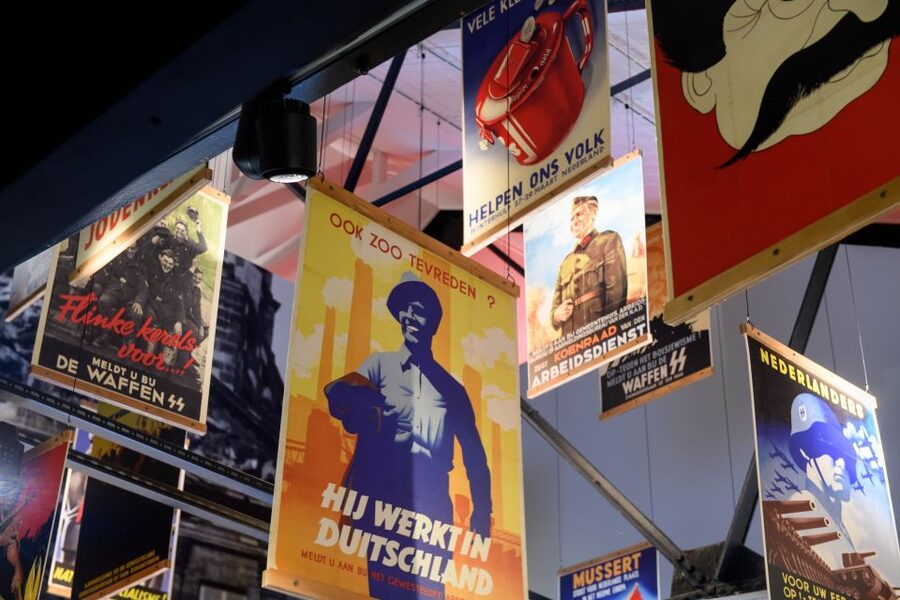
A dedicated part of the museum covers the Dutch East Indies, now Indonesia, during the Japanese occupation. This is an important inclusion because the Dutch wartime story did not end in Europe.
The displays explain the harsh experiences of people living in the former colony under Japanese rule. The section adds colonial and Asian perspectives that are often missing from European WWII visits. It also reminds you that Dutch families experienced the war under different occupying regimes and in different parts of the world.
Give this section proper attention rather than treating it as an add-on. For some visitors, family connections make it deeply personal. For others, it may be new material that changes their understanding of the Netherlands during the war.
The section also broadens the museum’s main question: what does resistance look like when people are living under military occupation? The answer depends on place, identity, available support, and the kind of power being resisted.
Films, photographs, and interactive displays
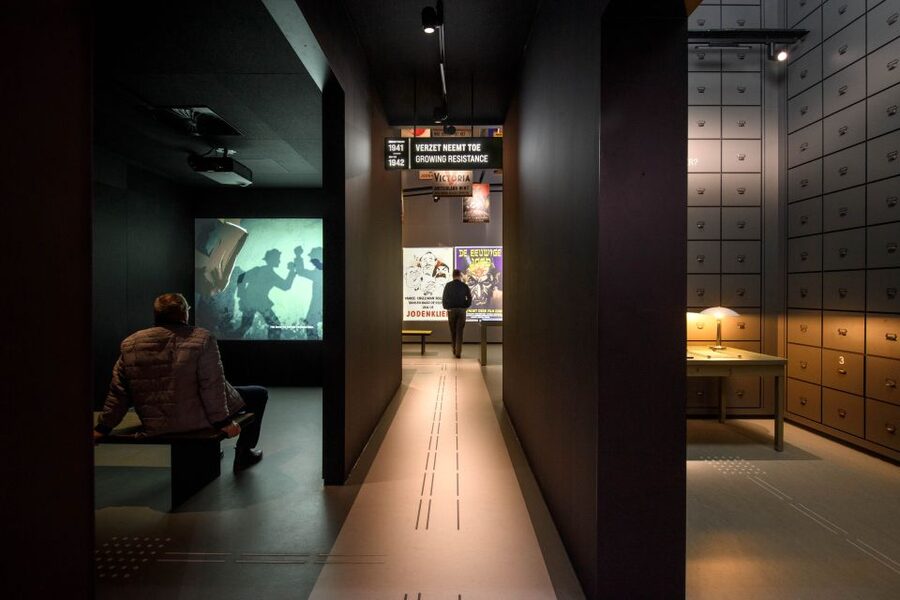
The museum combines traditional objects with short films and interactive features. The films help establish the timeline and show the wider setting, while the individual displays bring you back to specific lives.
Interactive propaganda posters are one example of how the museum asks you to look at the tools used to influence public opinion. This works better than simply placing a poster behind glass because it encourages you to think about how messages were designed and received.
The technology is generally a strength. The handheld audio units allow you to sit occasionally and listen, which can help if standing or walking for long periods is difficult. The museum is wheelchair accessible, and the layout was described as usable for visitors with mobility needs.
The audio guide also supports different learning styles. You can read, watch, listen, or combine all three. Visitors who prefer quiet concentration can move at their own pace, while those who want the main facts can avoid every longer commentary.
How long to stay and how to plan your visit
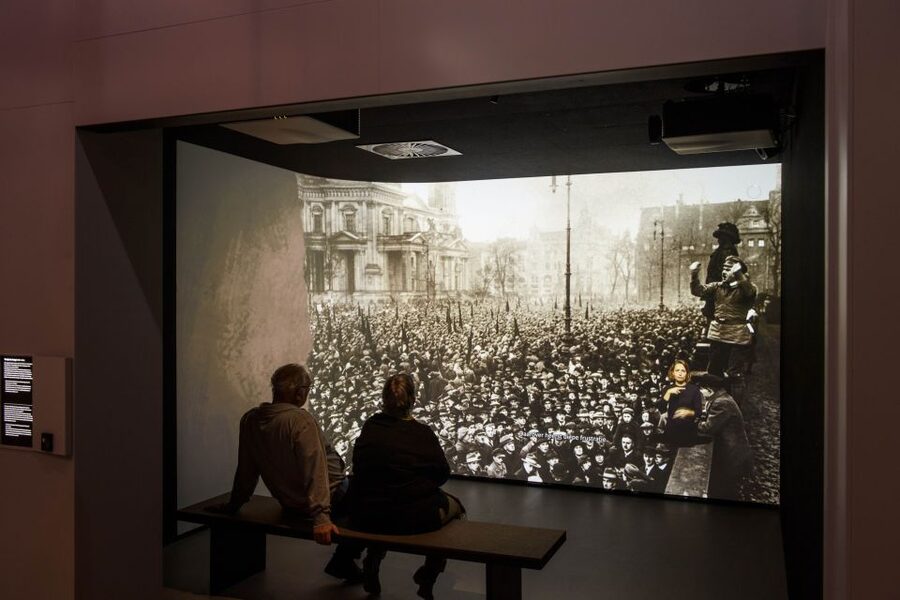
For a quick but worthwhile visit, allow about two hours. That gives you time to follow the main route, hear selected audio clips, watch some films, and pause at the personal accounts.
I would plan on two and a half to three hours if WWII history is a major interest. Several displays reward patient listening, and rushing through the Dutch East Indies section would weaken the visit. A full day is technically available because the ticket is valid for one day, but most people will not need to spend every hour there.
Build in a short pause if the emotional material becomes heavy. The museum contains many stories of danger and loss, and the steady flow of documents and testimonies can be tiring.
A restaurant is attached to the museum, which can make the visit easier to pair with lunch or a break. Food and drinks are not included in the admission price, so treat that as a separate expense.
What the $21 ticket delivers
At $21 per person, this is a good-value museum admission if you plan to listen to several displays and stay for two or more hours. The ticket includes entry and the audio guide, with seven language choices. That removes the need to arrange a separate guide for the main visit.
The value is less clear if you plan to rush through in under an hour. The museum’s strength is its detail, and you pay for an experience that rewards attention rather than a quick photograph and exit.
There is no live guide included, so you will not have someone answering questions as you walk. In return, you control the pace and can choose which stories receive your time. That suits independent visitors and people who dislike being tied to a group schedule.
You can cancel up to 24 hours in advance for a full refund, and the reserve-now, pay-later option can help if your Amsterdam plans are still shifting. Check the available starting times when booking, since the ticket is valid for one day rather than an open-ended admission.
Who should visit this museum?
I would recommend it to anyone interested in WWII, modern European history, Jewish history, or the moral choices created by occupation. It is also a strong choice if you have already visited Anne Frank-related sites and want to learn about the many other Dutch stories from the period.
The museum works well for first-time learners because the structure is clear and the audio guide can explain the background. It also suits serious history readers who want more detail about resistance methods, collaboration, and the Dutch East Indies.
Families with older children may find the films and interactive material helpful, though the subject matter is heavy. The accessible layout and audio options are useful for visitors with mobility needs, hearing or vision concerns, or anyone who benefits from sitting and listening.
You may want to choose another attraction if you are looking for entertainment, a short stop between canals, or a museum focused mainly on military equipment. This is a quiet, reflective visit built around documents, stories, and difficult decisions.
Should you book the Dutch Resistance Museum?
Book it if you want to understand how the German occupation affected Dutch civilians, not just what happened on the battlefield. The museum’s personal accounts, clear layout, films, and flexible audio guide make the subject approachable without making it shallow.
Allow at least two hours, and three if you want to hear most of the detailed material. At $21, the ticket is fair value for a serious museum visit, especially since the audio guide is included and available in seven languages.
My practical advice is simple: do not squeeze this into a rushed morning. Give it room, listen to the stories that interest you, and save energy for the Dutch East Indies section. If you want a fuller understanding of Amsterdam during the war, this belongs high on your list.
FAQ
How much does entry to the Dutch WWII Resistance Museum cost?
The listed price is $21 per person.
How long is the museum ticket valid?
The ticket is valid for one day.
How long should I plan to spend inside?
Plan on at least two hours. Three hours is better if you want to hear more audio material and take your time with the films, documents, and Dutch East Indies section.
Is an audio guide included?
Yes. A handheld audio guide is included with admission.
Which languages are available for the audio guide?
The audio guide is available in Dutch, English, French, German, Italian, Spanish, and Portuguese.
Is the museum wheelchair accessible?
Yes. The activity information states that the museum is wheelchair accessible.
Is a live guide included?
No. The ticket includes museum entry and an audio guide, but not a live guide.
Can I cancel the booking?
Yes. You can cancel up to 24 hours in advance for a full refund.
Just added around Amsterdam
- Van Gogh Museum Tour excluding Entrance Tickets★ 5.0 · 16 reviews
- Van Gogh Museum Entry Ticket and Guided Tour★ 4.5 · 48 reviews
- Van Gogh Museum with Audio Guide★ 3.5 · 80 reviews
- Van Gogh Museum Skip the Queue with Audio Guide★ 4.0 · 261 reviews
- Amsterdam: Explore the Van Gogh Museum & His Masterpieces★ 3.5 · 64 reviews
- Amsterdam Van Gogh Museum with Audio or Guided Tour★ 4.0 · 266 reviews
- Van Gogh Museum, Rijks Museum & Walking Tour – Private Day Tour★ 5.0 · 17 reviews
- Van Gogh Museum Ticket with Audio Guide and Unlimited Access Time★ 5.0 · 25 reviews
Museum Tours in Amsterdam, compared.


Amsterdam’s Weirdest Museum: Ripley’s Believe It or Not!
Read our review →


Van Gogh Museum Amsterdam Exclusive Tour w/ Reserved Entry
Read our review →
Moco Museum Amsterdam Admission Ticket with Banksy and more
Read our review →Browse the lists this tour appears in