
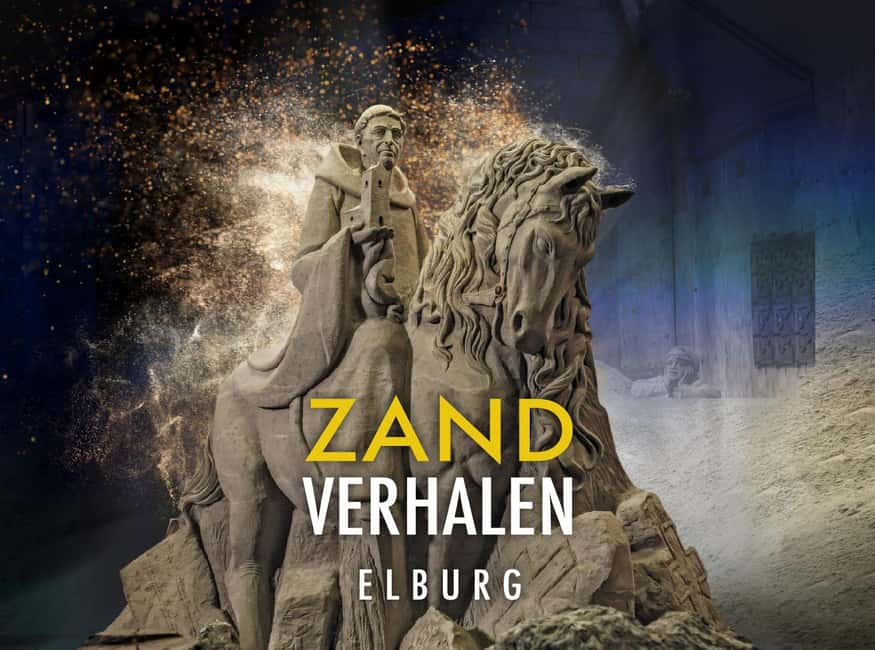
Review · THE NETHERLANDS
Elburg: Admission to the Zandverhalen Museum
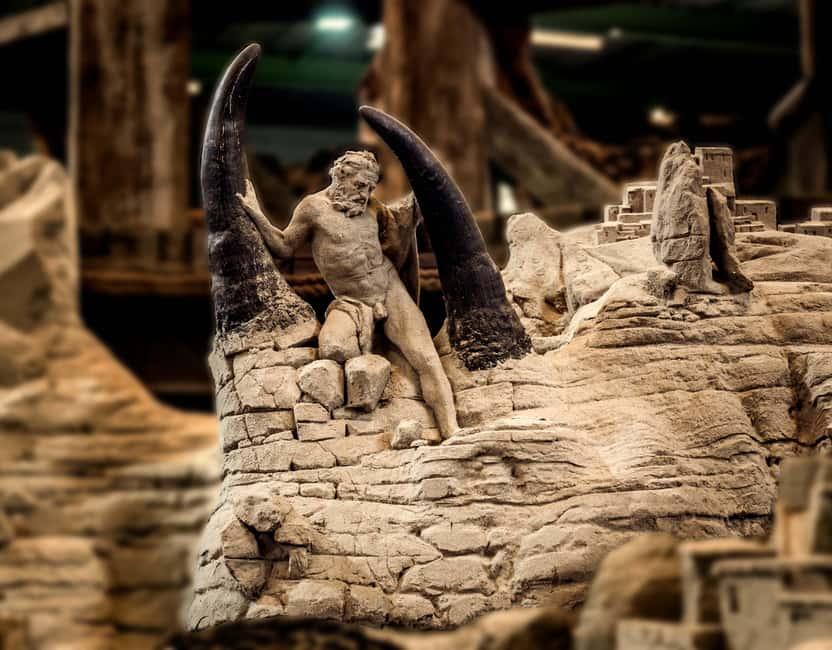
The most striking thing here is the sheer scale: 3 large halls cover about 5,000 square meters, filled with more than 300 sand sculptures. Some are tiny, only 3 centimeters high. Others rise to 8 meters. Biblical scenes such as Adam and Eve, Moses on the mountain, and the Tower of Babel share space with ships, olive trees, and huge lock gates.
I like the fine facial expressions and the way the sculptures turn familiar Bible stories into something you can study from several angles. I also like the artist explanations, which add ideas to think about instead of leaving the sand figures as pretty objects. The main drawback is practical: the halls can feel as cold as outdoors, so warm clothing and gloves may be wise in chilly weather.
Key points to know before you go
- Three halls, 5,000 square meters: Give yourself time to see the full indoor exhibition without rushing.
- More than 300 sculptures: The display ranges from 3-centimeter details to figures and structures 8 meters tall.
- Stories in sand: Look for Adam and Eve, Moses, the Tower of Babel, historic ships, olive trees, and lock gates.
- Made from Markermeer sand: The exhibition uses about 4,000 cubic meters of sand.
- Good for mixed ages: The combination of large scenes and tiny details gives children and adults different ways to enjoy it.
- Free parking and wheelchair access: These useful basics are included with admission, though indoor temperatures can be low.
Why the scale of Zandverhalen matters
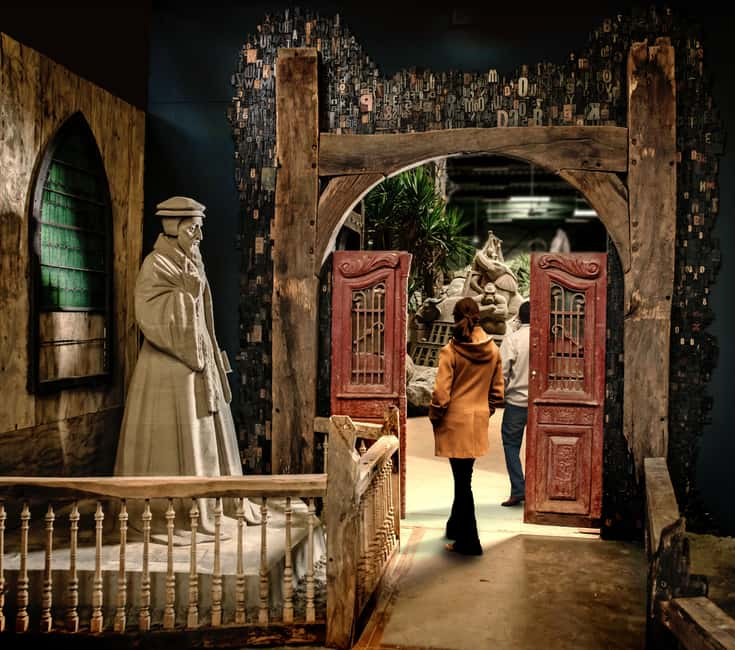
Many sand displays are small, temporary attractions where you walk past a handful of figures. Zandverhalen takes a different approach. The exhibition uses roughly 4,000 cubic meters of sand and fills three large halls in Elburg, making it feel closer to a full museum visit than a quick roadside stop.
That size changes how you look at the art. You are not simply checking off one sculpture after another. Large scenes give you an overall view, while small carvings reward a slower look. A face may be only one part of a much larger biblical scene, yet the expression can still be surprisingly precise.
The scale also makes this a useful stop for families or mixed-age groups. Children can focus on the height of a gate, ship, or figure. Adults may spend longer with the story, symbolism, and workmanship. Nobody needs to enjoy the same part of the exhibition in the same way.
The museum describes itself as the largest indoor sand sculpture exhibition in the world. I would treat that as a statement about the exhibition’s size and scope, not as the main reason to go. The real value is seeing how sand can carry both grand scenes and very small details across such a large indoor setting.
A few more museum visits around the Netherlands worth comparing
- Amsterdam: Van Gogh Museum Ticket
★ 4.7 · 52,054 reviews - Moco Museum Amsterdam Entrance Tickets with Banksy & More
★ 4.4 · 10,088 reviews - Amsterdam: The Upside Down Museum Entrance Ticket
★ 4.4 · 9,506 reviews
Adam and Eve, Moses, and the Tower of Babel
The central subject is a series of Bible stories brought to life in sand. Adam and Eve in paradise, Moses on the mountain, and the Tower of Babel are among the scenes you can expect to encounter.
These stories work well in sculptural form because they already contain strong settings, crowds, buildings, movement, and moments of tension. At Zandverhalen, the sand gives those scenes a physical presence. You can look at the main figures, then step closer to examine the smaller parts around them.
The displays are not limited to isolated people. You might find groups, structures, and background details that make each scene feel more like a complete story. That is where patience pays off. A quick walk-through will show you the broad shapes, but a slower visit lets you notice expressions and small carved details.
You do not need to be an expert in the Bible to appreciate the work. Familiar stories are easy to recognize, and the artist explanations help provide context. If you know the stories well, the sculptures offer a chance to consider how a particular moment has been interpreted in sand.
The exhibition also gives the Bible material a visual setting that can be easier for children to grasp than a long written account. Families can identify characters and events together, while adults can discuss the moral or historical ideas behind the scenes.
Ships, olive trees, and giant lock gates
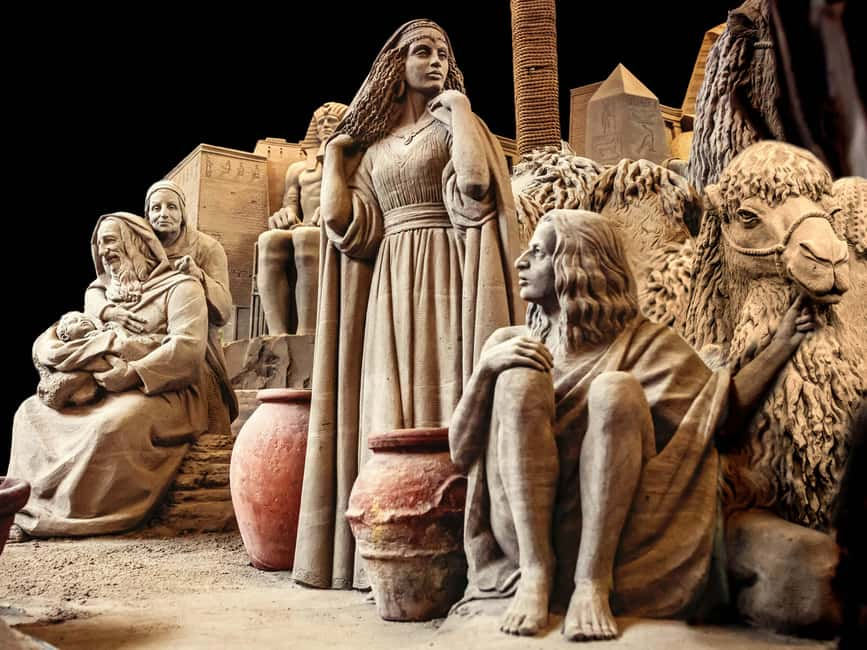
Zandverhalen is not only a sequence of biblical figures. Historic ships, ancient olive trees, and meter-high lock gates add variety to the halls and widen the exhibition’s subject matter.
Ships are a natural fit for sand sculpture. Their hulls, masts, and carved details allow the artists to show both technical structure and story. A ship also gives you a clear sense of scale when placed beside people or buildings.
The olive trees bring a different mood. Their twisted forms and age suggest endurance, place, and time. They are the sort of feature that can be easy to miss when you are focused on a large scene, so look around the main compositions rather than only at the biggest figures.
The lock gates provide another useful contrast. At meter-high scale, they are large enough to feel imposing but still close enough for you to study the surface work. They also connect the exhibition to engineering and water management, subjects with a strong place in the Netherlands.
These additions help prevent the visit from feeling like a single-theme display. Bible stories provide the main thread, but ships, trees, and gates give you other forms and subjects to compare. I find that variety useful because it keeps your eye moving and gives younger visitors more than one way into the exhibition.
The small details are worth your time
The figures range from 3 centimeters to 8 meters high. That gap is important. The biggest sculptures create the immediate sense of wonder, but the smallest pieces show how much care went into the work.
Look closely at faces. The detailed expressions are one of the most rewarding parts of the display. Even when a face is part of a larger group, its expression can suggest fear, calm, effort, surprise, or concentration. Those touches give the scenes more life than simple outlines would.
Do not spend the whole visit standing far back. Step close when the layout allows it, then move away again to see how the small detail fits into the full composition. This back-and-forth view is especially useful in scenes with large buildings or crowds.
The artist explanations also matter. They give the title Sand Stories a second meaning, since the works are not only made of sand but are meant to communicate ideas and events. Some explanations may prompt you to think about how a story has been selected, arranged, or shown through the artists’ choices.
I would plan on an unhurried pace. The exhibition covers a large area, and there are more than 300 sculptures. Even if you move steadily, the number of pieces can feel overwhelming. A slower approach lets you choose a few scenes for close attention instead of trying to remember every object.
Same city, a completely different collection:
- Amsterdam: Red Light Secrets Museum Entry Ticket
★ 4.2 · 5,722 reviews - Amsterdam’s Weirdest Museum: Ripley’s Believe It or Not!
★ 4.5 · 4,920 reviews - Amsterdam: Van Gogh Museum Ticket and City Canal Cruise
★ 4.6 · 3,899 reviews - Amsterdam: Rembrandt House Museum Entrance Ticket
★ 4.7 · 3,385 reviews
A practical visit in Elburg
The experience is an admission visit rather than a guided tour. Your ticket gives you access to the indoor sand sculpture exhibition at Zandverhalen Elburg, and free parking is included.
The stated duration is one day of validity. That gives you flexibility around your schedule, but it does not mean you need a full day inside. The actual time you want will depend on how carefully you inspect the scenes and how much time your group spends reading the explanations.
Because the exhibition is indoors, it can work well as a planned stop in poor weather. Do keep the temperature warning in mind. One of the clearest practical points from the available feedback is that the interior may feel as cold as outside, especially in winter. Bring a warm coat, and consider gloves if your hands get cold easily.
The parking area has been described as somewhat rough in appearance. That is not a major issue once you enter, but it may affect your first impression. Free parking is still useful, particularly if you are driving and want a straightforward arrival.
Wheelchair access is available. The information provided does not specify every route or facility detail, so anyone with particular mobility needs should confirm the exact arrangements before booking. The key point is that the exhibition is presented as wheelchair accessible.
Some content is shown in its original language. If you do not speak that language, the sculptures themselves remain easy to view, but written explanations may not all be available in a language you prefer. This is worth checking if interpretive text is a major part of your visit.
What the $17 admission gives you

At about $17 per person, this is not priced like a quick local attraction. The value depends on how you use the space. You are paying for access to a very large indoor exhibition with more than 300 pieces, not just one central sculpture or a short display.
I think the price is reasonable for people who enjoy art, Bible stories, unusual museums, or detailed craftwork. The exhibition has enough scale to occupy a substantial part of your day, and free parking adds a small practical saving for drivers.
The value is weaker if you only want a fast ten-minute stop. The museum’s strength is the amount of material on display, so rushing would mean paying for a large experience while seeing only a fraction of it.
Families should also weigh the price against attention spans. The subject matter suits young and old alike, but not every child will want to study hundreds of sculptures. The largest scenes and recognizable stories may hold children best, while the smaller details and artist explanations are more likely to appeal to adults.
A group with mixed interests may find the admission easier to justify because the exhibition offers several entry points: Bible scenes, ships, trees, gates, architecture, faces, and the technical challenge of shaping sand. That range gives the visit more substance than a single novelty display.
Who will enjoy Zandverhalen most
I would put this on the list for anyone who likes unusual museums, religious art, sculpture, or hands-on-looking craftwork. You do not need a strong religious background, but an interest in stories and symbolism will make the visit more rewarding.
Families can use the exhibition as a visual storytelling stop. Children can search for the tallest figure, identify animals or ships if they appear in a scene, and compare tiny sculptures with the 8-meter works. Adults can take in the expressions and explanations at a slower pace.
It also suits visitors who want an indoor attraction in Flevoland. The museum gives you a weather-proof cultural activity, though you should dress for a cool interior rather than assuming it will be warm.
People who prefer modern art without a religious or historical theme may find the subject matter less appealing. The exhibition is built around Bible stories and historical scenes, so that focus is central rather than incidental.
You should also know that this is not presented as a guided experience with a named guide. Plan to explore the halls at your own pace and use the displays and explanations to shape your visit.
Booking flexibility and small practical points

The ticket can be canceled up to 24 hours in advance for a full refund. You can also reserve now and pay later, which helps if your plans are still changing.
Availability and starting times should be checked when you book. The ticket is valid for one day, but the exact entry arrangement is not described in the information provided.
The experience is wheelchair accessible, and free parking is included. Keep warm clothing in mind, particularly during the colder months. That simple step may make more difference to your enjoyment than any other practical preparation.
Since some material is in its original language, check the language details if you need translated explanations. The sculptures remain the main attraction, but written context can add a great deal to the visit.
My call: book it if you like detail and scale
I would book Zandverhalen if you want an indoor cultural stop with a clear theme, huge set pieces, and plenty of small details to inspect. The combination of biblical scenes, historic ships, olive trees, lock gates, and expressive faces gives the admission more depth than the novelty of sand alone.
I would skip it if you want a short, warm, highly guided activity or if Bible-based art does not interest you. For everyone else, $17 is a fair price for the size of the exhibition, especially with free parking and flexible cancellation. Wear warm clothes, allow time to look closely, and let the smallest carvings surprise you.
FAQ
Where is the Zandverhalen Museum located?
The museum is in Elburg, in Flevoland, Netherlands.
How much does admission cost?
Admission costs $17 per person.
How long is the ticket valid?
The ticket is valid for one day. You should check availability for the available starting times.
What is included with admission?
Admission to the indoor sand sculpture exhibition is included. Free parking is also included.
Can I cancel my booking?
Yes. You can cancel up to 24 hours in advance for a full refund.
Can I reserve now and pay later?
Yes. The activity allows you to reserve your place and pay later.
Is the museum wheelchair accessible?
Yes. The exhibition is wheelchair accessible.
What stories and subjects are shown?
The exhibition includes Adam and Eve in paradise, Moses on the mountain, the Tower of Babel, historic ships, ancient olive trees, and meter-high lock gates.
How large are the sculptures?
The sand figures range from 3 centimeters to 8 meters in height. The exhibition contains more than 300 sculptures across three halls.
Just added around the Netherlands
- Van Gogh Museum Tour excluding Entrance Tickets★ 5.0 · 16 reviews
- Van Gogh Museum Entry Ticket and Guided Tour★ 4.5 · 48 reviews
- Van Gogh Museum with Audio Guide★ 3.5 · 80 reviews
- Amsterdam: Explore the Van Gogh Museum & His Masterpieces★ 3.5 · 64 reviews
- Van Gogh Museum Skip the Queue with Audio Guide★ 4.0 · 261 reviews
- Amsterdam Van Gogh Museum with Audio or Guided Tour★ 4.0 · 266 reviews
- Van Gogh Museum, Rijks Museum & Walking Tour – Private Day Tour★ 5.0 · 17 reviews
- Van Gogh Museum Ticket with Audio Guide and Unlimited Access Time★ 5.0 · 25 reviews
Museum Tours in the Netherlands, compared.
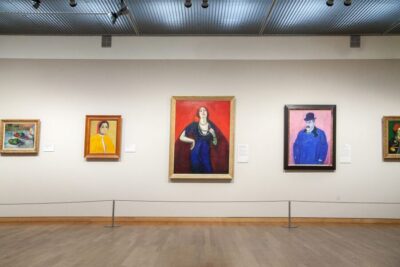
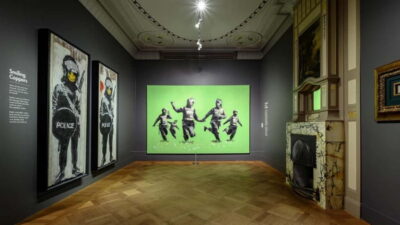
Moco Museum Amsterdam Entrance Tickets with Banksy & More
Read our review →
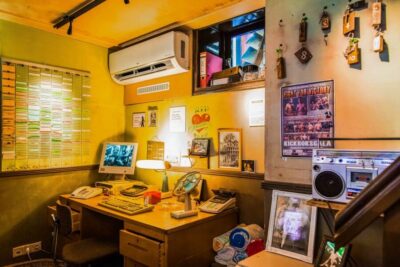

Amsterdam’s Weirdest Museum: Ripley’s Believe It or Not!
Read our review →
Browse the lists this tour appears in