
Review · THE NETHERLANDS
Eindhoven: Philips Museum Entry Ticket
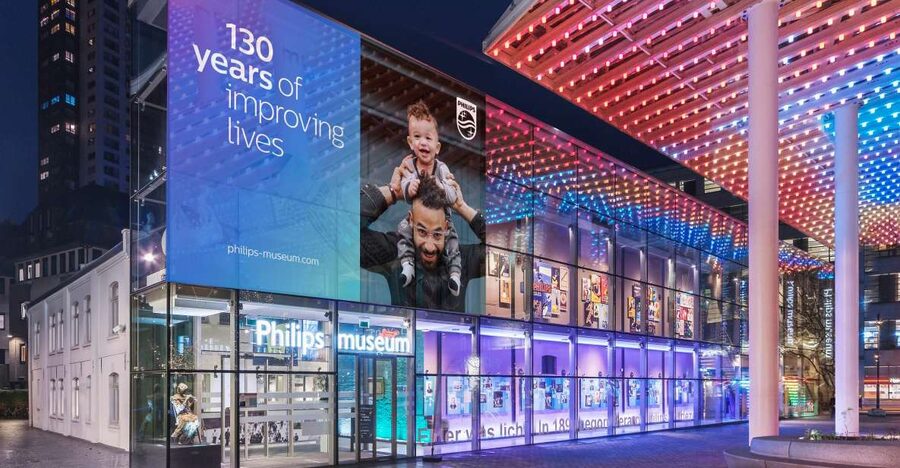
The most interesting part of the Philips Museum is its setting: you walk through a former lightbulb factory built in 1891, where Eindhoven’s industrial story began. Inside, the displays follow Philips from early electric light to radios, televisions, digital technology, healthcare, and artificial intelligence.
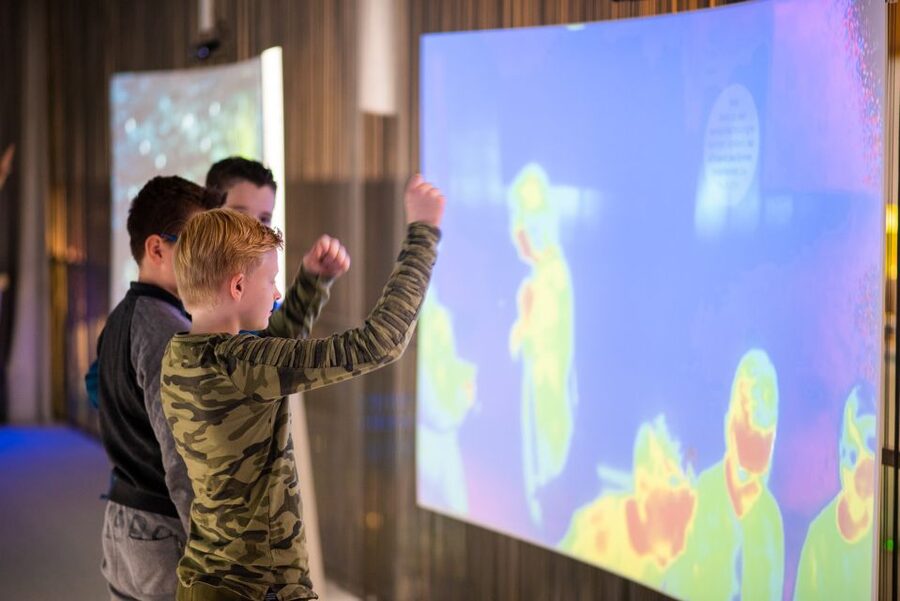
I like the clear product timeline, which shows how inventions changed daily life instead of treating technology as a pile of old machines. I also like the included brAInpower exhibition, where you can consider how AI developed and where Philips fits into its future.
The main drawback is that this is a self-guided museum visit, not a guided tour. If you want a lively expert explaining every object, you will need to use the audio tour or check the schedule for a mini lecture or The Lamp performance.
Key points to know before you go
- A 1891 lightbulb factory sets the scene: The museum occupies the place where Philips first made lightbulbs.
- The product timeline links technology to daily life: Follow the shift from electric light to radio, television, digital tools, and healthcare.
- The brAInpower exhibition looks at AI: It adds a modern, interactive subject to the older industrial story.
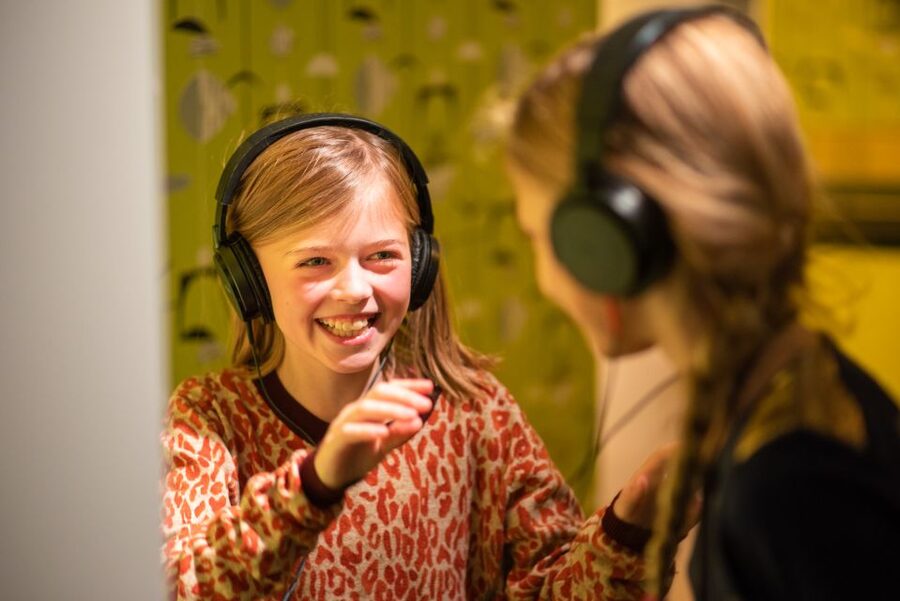
- A multilingual audio tour is available: Choose Dutch, English, German, French, Turkish, Spanish, or Italian.
- Families have extra ways to explore: The Torchlight Treasure Hunt is included, while the Museum Kids Factory and Mission Eureka cost extra.
- The $14 ticket is flexible for a full day: You can visit at your chosen available starting time and take your time with the displays.
Entering Eindhoven’s former lightbulb factory
The Philips Museum gives you a useful way to understand Eindhoven. This was not simply a company that sold household gadgets. Philips helped shape the city through electric lighting and later through consumer electronics and medical technology.
The building matters. A lightbulb factory from 1891 gives the visit a physical starting point. You are not reading about the company in a modern office or a detached gallery. You are looking at Philips in the place where its earliest production took shape.
That setting gives the first part of the museum a practical feel. The story begins with lightbulbs and the work behind them, then moves through the inventions that carried Philips into homes and workplaces. You can see how a basic need, better electric light, grew into a much larger program of technology.
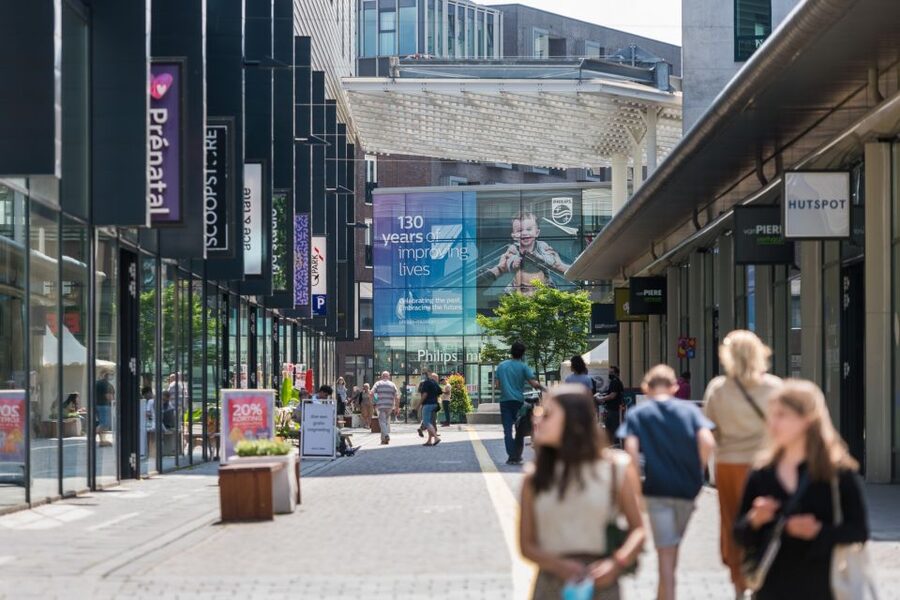
The museum is close to Eindhoven’s central area, which makes it easy to add to a day in town. Parking lots are nearby, too. The location is useful if you are exploring the city on foot or arriving by car and want an indoor stop that does not require a long detour.
A few more museum visits around the Netherlands worth comparing
- Amsterdam: Van Gogh Museum Ticket
★ 4.7 · 52,054 reviews - Moco Museum Amsterdam Entrance Tickets with Banksy & More
★ 4.4 · 10,088 reviews - Amsterdam: The Upside Down Museum Entrance Ticket
★ 4.4 · 9,506 reviews
Following the Philips timeline from light to television
The main route works best if you follow it in order. Rather than jumping between unrelated objects, you move through a timeline that explains how Philips products developed over the years.
Begin with the early lightbulb story. The museum takes you back to 1891 and shows how the first bulbs were made. This gives you a better sense of the company’s starting point than a simple founder’s portrait would. You see the connection between production, invention, and the changing role of electric light in society.
The displays then move into familiar household technology. Radio and television are especially useful parts of the story because they show how Philips moved from providing light to shaping how people received information and entertainment.
I like this approach because the products are not presented as isolated prizes. The route asks you to think about what changed when a new device entered ordinary homes. Electric light changed working hours and indoor life. Radio brought news and entertainment into living rooms. Television altered how people watched events and followed public life.
The museum also gives attention to Gerard Philips, the company’s founder. You get a glimpse into his thoughts and actions, which helps put a person behind the early business decisions. This part should appeal to you if you enjoy company history, entrepreneurship, or the human side of invention.
Do not expect every object to receive the same amount of attention. The museum’s strength is the overall sequence and the way it links products to social change. If you want a technical museum devoted to the engineering of each device, this may feel lighter than you expect.
Seeing how technology changes ordinary life
A good company museum can become a string of advertisements. This visit is more useful when you keep asking what each invention changed for people.
Philips’ story offers plenty of examples. The first is electric light, which made indoor spaces more useful and changed how people lived after dark. The next steps, radio and television, show how technology moved into communication and leisure.
Then comes the digital age. The museum follows Philips as it reinvents itself instead of remaining tied to its earliest products. That shift matters because the company is no longer best understood only as a maker of lightbulbs or televisions.
Today, Philips focuses heavily on healthcare technology. The museum presents that move as part of its continuing aim to improve people’s lives. You can judge that claim for yourself, but the change in direction is clear: the company moved from lighting homes and making consumer electronics to working on major healthcare needs.
I find this broad social angle more valuable than a room filled only with corporate milestones. You leave with a better sense of how a business responds when technology, consumer habits, and public needs change.
The brAInpower exhibition and Philips’ AI story
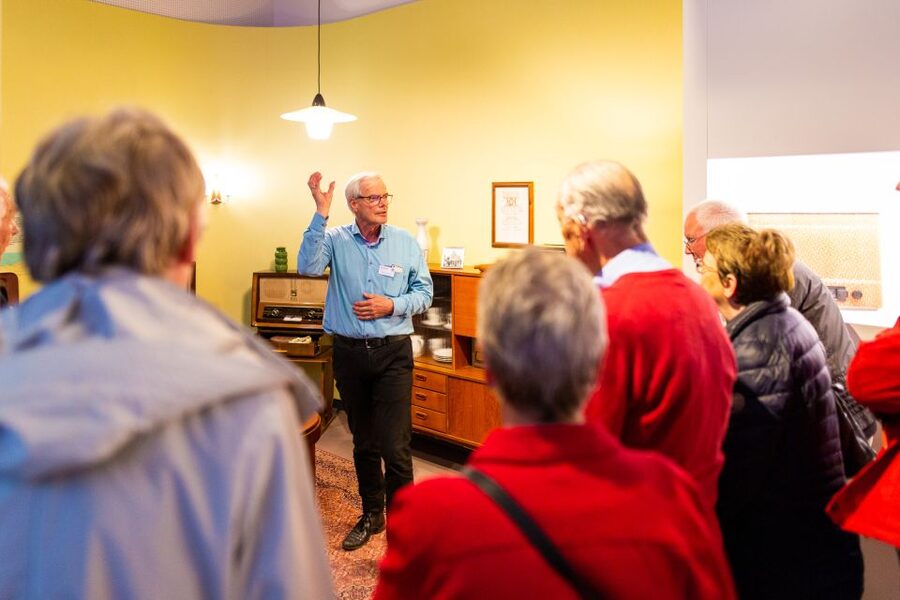
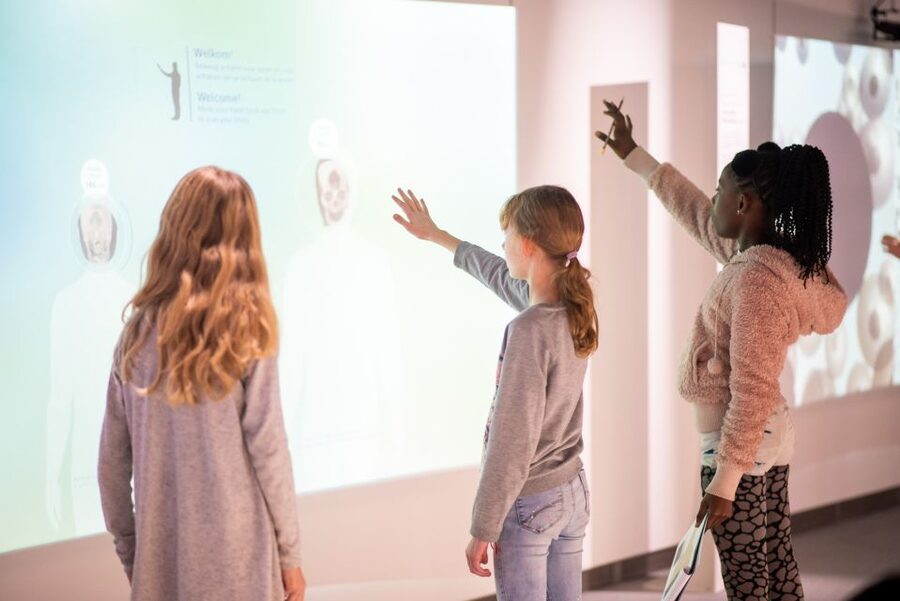
The brAInpower exhibition brings the museum into the present. It looks at the history and future of artificial intelligence, along with Philips’ role in this field.
This section gives the visit a useful contrast. The older galleries deal with objects you can recognize from the past, such as lightbulbs, radios, and televisions. AI is less tangible. It affects how systems process information and support decisions, particularly in healthcare.
You should allow time for this section rather than treating it as a quick final display. Its subject gives you a reason to think about what the next generation of Philips technology might look like.
The AI exhibition also helps balance the museum’s older material. Without it, the visit could feel like a look back at a company’s former glory. With it, you see that Philips continues to work in fields that affect daily life, even when the technology is less visible in your home.
The supplied information does not give a detailed list of every interactive element in brAInpower, so I would not book this expecting a specific game or demonstration. Think of it as a modern exhibition about AI, its development, and its connection to Philips.
Same city, a completely different collection:
- Amsterdam: Red Light Secrets Museum Entry Ticket
★ 4.2 · 5,722 reviews - Amsterdam’s Weirdest Museum: Ripley’s Believe It or Not!
★ 4.5 · 4,920 reviews - Amsterdam: Van Gogh Museum Ticket and City Canal Cruise
★ 4.6 · 3,899 reviews - Amsterdam: Rembrandt House Museum Entrance Ticket
★ 4.7 · 3,385 reviews
Included activities, from mini lectures to The Lamp
Your entry includes scheduled activities such as mini lectures and the performance The Lamp. Check the day’s schedule when you arrive so you can decide if one fits your visit.
These activities add a little structure to a self-guided outing. A mini lecture may help you focus on a particular part of the company story, while The Lamp gives the museum a performance element rather than relying only on labels and displays.
The exact schedule is not supplied here, so do not build your entire day around a particular session until you confirm its time. The ticket is valid for one day, giving you some room to plan around the activities that are running during your visit.
The temporary exhibitions are also included. Eyecatchers adds another visual layer to the museum, while PSV, Eendracht maakt macht connects the visit with Eindhoven’s football culture. The football exhibition may be especially appealing if you already have an interest in PSV or want something beyond industrial technology.
These temporary displays can change the tone of the visit. The main Philips route is about invention and company development. The additional exhibitions give you different ways to connect with Eindhoven, through design, sport, and local identity.
Using the audio tour without a guide
There is no guided tour included, but an audio tour is available in Dutch, English, German, French, Turkish, Spanish, and Italian. That is important if you want more explanation than the written displays provide.
I would use the audio tour selectively. Start with the central Philips timeline, then listen to the sections that interest you most. You do not need to treat every stop as a required lecture, especially if you are visiting with children or have limited time.
The host or greeter can speak Dutch and English. That should make basic arrival questions easier for English-speaking visitors, but it does not turn the whole visit into a guided English tour.
A self-guided format has one clear advantage: you control the pace. You can spend longer with the lightbulb production story, move quickly through familiar products, or give extra time to brAInpower. The tradeoff is that you must create your own flow.
A good stop for families, with limits
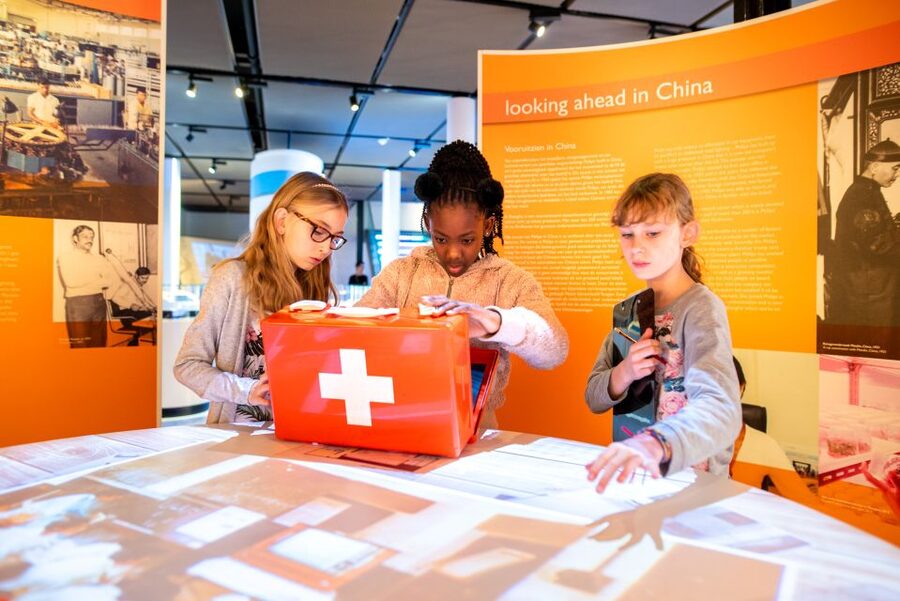
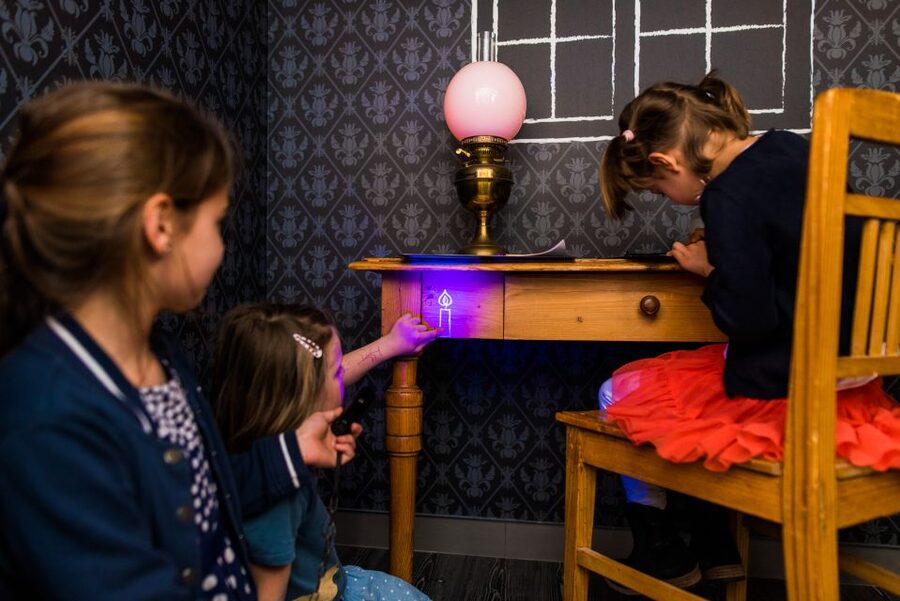
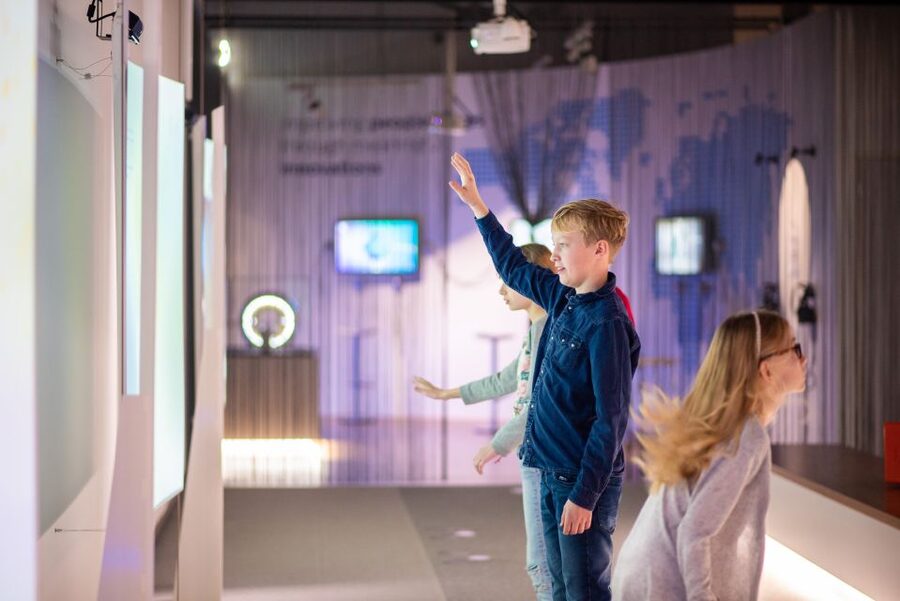
The included Torchlight Treasure Hunt gives families a reason to look closely at the displays. It turns the museum into more than an adult company-history visit and can help younger children stay involved.
There are other scheduled family activities, but the Museum Kids Factory is not included in this ticket. The group game Mission Eureka is also separate. If either of those is a priority, check the booking details before you arrive rather than assuming every children’s activity comes with admission.
The museum’s product mix also helps families. Children may recognize televisions or other household technology, while older adults may enjoy seeing products from their own past. The route can work across generations because each age group has a different point of connection.
Still, this is not presented as a full-day children’s attraction. The core content is about Philips, technology, and social change. Families should use the treasure hunt and scheduled activities to add energy, but adults will likely get more from the company timeline and AI section.
How long to allow and how the $14 ticket earns its keep
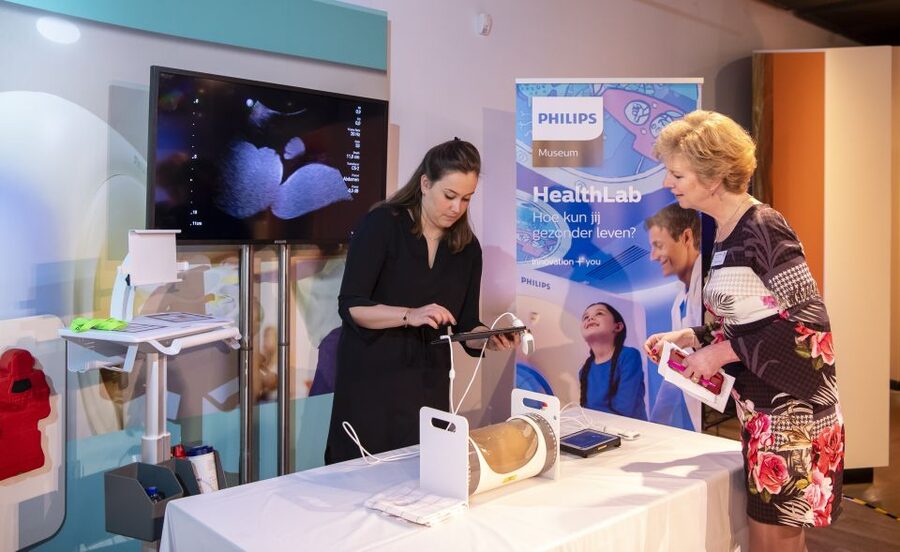
The ticket costs $14 per person and is valid for one day. The material supplied does not give a fixed visit length, so I would avoid treating it as a timed tour. Your pace will depend on how closely you follow the audio tour, how much time you spend in the temporary exhibitions, and whether you join a scheduled activity.
For the price, the visit offers more than a short look at one historic room. You get the former factory setting, the full product timeline, brAInpower, temporary exhibitions, the audio tour, storage lockers, and the Torchlight Treasure Hunt.
The value is strongest if you have a genuine interest in Eindhoven, Philips, design, engineering, consumer technology, or AI. It also makes sense on a poor-weather day, when a flexible indoor museum is more useful than a quick outdoor stop.
The value is weaker if you only want to see old lightbulbs. Much of the appeal comes from the complete arc, from the 1891 factory and early production to modern healthcare and AI. If you plan to rush through in a few minutes, you will miss what makes the ticket worthwhile.
Museum and student card holders should present their card for a discount. Cash is not accepted, so plan to pay by another method. Lockers are available for bags and personal belongings, which makes the visit easier if you are carrying luggage or shopping.
You can cancel up to 24 hours in advance for a full refund, and the reserve-now, pay-later option keeps your plans flexible. The museum is wheelchair accessible, another practical point for visitors planning a city day around a reliable indoor attraction.
Who will enjoy this museum most
I would recommend the Philips Museum to you if you like places that connect objects with social change. It is a particularly good match for:
- People interested in Eindhoven’s industrial identity
- Anyone curious about how household technology developed
- Families who want a museum with an activity for children
- Visitors interested in AI and healthcare technology
- Football fans who want to see the PSV temporary exhibition
- Museum visitors who prefer to set their own pace
You may be less satisfied if you want a formal guide, a large collection of unrelated art, or a highly technical explanation of manufacturing. The museum’s focus is the Philips story, and its success depends on your interest in that story.
The overall rating of 4.3 from 95 ratings fits the experience well. This is a focused, accessible museum with a clear route and several extra layers. It is not trying to be Eindhoven’s answer to every kind of museum, and that focus is part of its appeal.
Should you book the Philips Museum ticket?
Book it if you want to understand why Philips matters to Eindhoven, or if you enjoy seeing technology placed in its social setting. The 1891 factory, the product timeline, the multilingual audio tour, and the brAInpower exhibition give you a solid visit for $14.
I would especially choose it for a morning or afternoon when you want a flexible stop near the city center. Go earlier in the day if you prefer a quieter museum setting, since the information provided points to mornings as a time when it may be less crowded.
Skip it if your schedule is extremely tight or if you need a guided tour to enjoy a museum. There is plenty to see, but you will get the most from it by setting your own pace, checking the activity schedule, and giving the AI and temporary exhibitions more than a passing glance.
FAQ
Where is the Philips Museum located?
The Philips Museum is in Eindhoven, in North Brabant, Netherlands. It is close to a central area of Eindhoven.
What is the museum housed in?
The museum is housed in a lightbulb factory built in 1891.
How much does entry cost?
The listed price is $14 per person. Museum or student card holders should present their card for a discount.
How long is the ticket valid?
The ticket is valid for one day. Check availability for the available starting times.
Is a guided tour included?
No. A guided tour is not included, but an audio tour is available.
Which audio tour languages are available?
The audio tour is available in Dutch, English, German, French, Turkish, Spanish, and Italian.
What languages do the host or greeter speak?
The host or greeter speaks Dutch and English.
Is the Philips Museum wheelchair accessible?
Yes. The museum is wheelchair accessible.
Are family activities included?
The Torchlight Treasure Hunt is included. The Museum Kids Factory and the group game Mission Eureka are not included.
Can I cancel the booking?
Yes. You can cancel up to 24 hours in advance for a full refund. You can also reserve now and pay later.
Is cash accepted at the museum?
No. Cash is not accepted.
Are food and drinks included?
No. Food and drinks are not included.
Just added around the Netherlands
- Van Gogh Museum Entry Ticket and Guided Tour★ 4.5 · 48 reviews
- Van Gogh Museum with Audio Guide★ 3.5 · 80 reviews
- Van Gogh Museum Tour excluding Entrance Tickets★ 5.0 · 16 reviews
- Amsterdam: Explore the Van Gogh Museum & His Masterpieces★ 3.5 · 64 reviews
- Van Gogh Museum Skip the Queue with Audio Guide★ 4.0 · 261 reviews
- Amsterdam Van Gogh Museum with Audio or Guided Tour★ 4.0 · 266 reviews
- Van Gogh Museum, Rijks Museum & Walking Tour – Private Day Tour★ 5.0 · 17 reviews
- Van Gogh Museum Ticket with Audio Guide and Unlimited Access Time★ 5.0 · 25 reviews
Museum Tours in the Netherlands, compared.
Moco Museum Amsterdam Entrance Tickets with Banksy & More
Read our review →

Amsterdam’s Weirdest Museum: Ripley’s Believe It or Not!
Read our review →

Browse the lists this tour appears in