
Review · KRAKOW
Krakow: Czartoryski Museum Guided Tour in italian
Leonardo da Vinci’s Lady with an Ermine is the clear star here, but the painting’s long, troubled journey gives the visit extra weight. You’ll see the portrait in the museum it was made famous in, while learning how it survived evacuation, looting, damage, nationalization, and eventual return.
I like the Italian-speaking guide and the modest $16 price. Guides named Sofia and Leonardo have been praised for clear explanations, warm presentation, and a friendly touch. The main drawback is that the museum rooms can feel tight, and the tour’s 90 minutes may leave you wanting more technical detail about the other artworks.
Key points to know before booking
- Leonardo’s Lady with an Ermine: See Poland’s most expensive artwork, with an estimated value of about 1.3 billion zloties.
- A compact 90-minute visit: The tour keeps its focus on the museum’s major story rather than attempting to cover every object.
- Italian guidance: The tour is conducted in Italian, with guides such as Sofia and Leonardo receiving praise for their explanations and manner.
- A museum with a dramatic past: Learn how the Czartoryski collection passed through war, removal, nationalization, and private ownership before returning to public display.
- Small-space comfort: Visitor numbers are limited because some rooms are close and narrow.
- Good budget value: At $16, admission and a live guide are included, along with skip-the-ticket-line access.
Why Lady with an Ermine deserves the attention
Most museum tours have one object that pulls the rest of the visit into focus. Here, it is Leonardo’s portrait of Cecilia Gallerani, commonly known as Lady with an Ermine.
The painting is not large, but its effect is immediate. The young woman turns slightly toward the viewer while holding the small white animal. Her expression is calm, controlled, and hard to read. The ermine gives the portrait a second layer of meaning, and the guide uses it to explain ideas about love, status, beauty, and the short life of physical appearance.
You also get the unusual pleasure of seeing a Leonardo in Poland. The painting is widely known, yet its presence in Krakow still feels surprising. It was once hard for international specialists to accept that such a major work by Leonardo could be held in a Polish collection. That doubt tells you something about the painting’s importance, but also about how little many people know about the Czartoryski family and its collection.
The portrait’s financial value adds drama, though it should not be the only reason to care about it. Its estimated value is around 1.3 billion zloties, making it the most expensive artwork in a Polish collection. A good guide will help you move past the price tag and look at the work itself: the pose, the controlled light, the soft modeling of the face, and the way Leonardo gives the sitter a sense of motion without showing much movement.
The painting also carries a personal story. The model was a young woman whose appearance naturally changed over time. A letter from Cecilia, written a few years after the portrait was painted, reportedly complains that she had changed so much that no one would believe the image was hers. That small human detail helps bridge the gap between a famous Renaissance portrait and a real person who grew older.
More Museum Tours in Krakow
- Schindler’s Factory in Krakow: Guided Tour & Skip the Line Ticket
★ 4.5 · 1,714 reviews - Auschwitz-Birkenau Museum and Memorial Guided Tour from Krakow
★ 4.5 · 1,510 reviews - Krakow: Rynek Underground Museum Guided Tour
★ 4.6 · 1,122 reviews
From private collection to public museum
The Czartoryski collection is not simply a group of old paintings hung together. It reflects the collecting choices of a Polish princely family and the upheavals that shaped Poland and Europe.
More than three years before this experience was offered, Poland’s Ministry of Culture purchased the Czartoryski collection from Prince Adam Karol Czartoryski for about 500 million zloties. The purchase allowed renovation work on the museum buildings to be completed and made the collection accessible again.
That reopening matters when you visit. You are not seeing a temporary display assembled for a short exhibition. You are entering the restored home of a collection that has a long connection with Krakow and Polish cultural life.
The collection’s story also explains why the Lady with an Ermine has become such a symbol. The painting was purchased under circumstances surrounded by mystery, then moved through years of danger. It was evacuated, looted, damaged, nationalized, returned to private ownership, and finally sold to the Polish state.
A 90-minute tour cannot unpack every stage in full detail, but it can give you the basic sequence. That sequence is valuable because it changes the way you see the painting. You are not only looking at Leonardo’s skill. You are looking at an object that had to be protected, hidden, recovered, and argued over for generations.
What the 90-minute route is likely to cover
The visit begins at the museum cloisters, near the bar tables and the cartoon image of the Lady with an Ermine. This meeting point is specific, but allow yourself enough time to identify the right area. The cartoon image is the useful landmark.
After meeting the guide, you enter with your museum ticket and follow the collection displays. The tour is led in Italian, so it is best suited to you if you want explanations in that language rather than a silent visit with an audio guide.
The opening part should help place the museum in context. You’ll hear about the Czartoryski collection, the renovation of the buildings, and the return of the Lady with an Ermine to its museum setting. This background is not filler. It explains why the collection’s location and ownership have been matters of public interest.
The central section focuses on Leonardo. Expect the guide to discuss the purchase of the painting, the identity of the model, and the ermine itself. The portrait has invited several interpretations over the years, and the animal is important to those readings. It can be viewed as a sign of purity, a reference to the sitter’s relationship, or a symbol connected to the person she was associated with. The precise interpretation is part of the painting’s appeal.
You’ll also hear about the artwork’s wartime journey and later legal and political changes. This is where the tour becomes more than a quick look at a famous face. The guide connects the painting’s survival with the wider fate of cultural property in Poland.
The visit then takes in other parts of the Czartoryski collection. The information provided does not give a complete list of works or galleries, so you should not book this expecting a detailed tour of every room. Instead, think of it as a guided introduction anchored by one exceptional painting.
That focus works well for a short visit. You get a clear story instead of a rush through a long checklist. If you want close technical discussion of many paintings, however, you may find the tour too brief. One recent comment specifically wished for more information about the technical features of the works on display.
The guides make a real difference
The quality of a 90-minute museum tour depends heavily on the person holding the microphone, or simply leading the conversation. A good guide keeps the facts moving, explains the difficult parts without sounding like a lecture, and gives you time to look.
Sofia has been praised for offering many explanations while keeping the visit light and pleasant. Her sunny manner and sense of humor were especially appreciated. That balance matters in a museum where war, loss, and ownership disputes could otherwise make the visit feel heavy.
Leonardo has also been praised for being available, competent, and clear in his storytelling. The one reservation attached to his visit was a desire for more technical information about the paintings. That is useful guidance for you: expect a strong narrative and historical explanation, but do not assume you will receive a specialist conservation lesson.
Guide assignments can change, so you should not book on the expectation that Sofia or Leonardo will definitely lead your group. Still, their praised approach gives you a fair idea of what this experience aims to provide: a human explanation of the collection rather than a dry list of dates.
A few more museum visits around Krakow worth comparing
- Krakow Schindler’s Factory Museum Guided Tour in English
★ 4.5 · 650 reviews - Krakow: Auschwitz Birkenau Museum Guided Tour with Pickup
★ 3.6 · 544 reviews - Krakow: Auschwitz-Birkenau Tour & Museum Expert Guide
★ 5.0 · 498 reviews - Auschwitz Birkenau Guided Tour Small Group with Hotel Pick up
★ 4.5 · 446 reviews
Why the small group and narrow rooms matter
The museum rooms can be quite close in several places. This is why the number of participants is limited, and it is a practical advantage rather than a minor footnote.
In a crowded museum, a guide’s explanation can disappear beneath other voices. In a smaller group, you have a better chance of hearing the full story and seeing the work without a wall of people between you and the display. The compact rooms also make a quieter, more attentive visit possible.
There is a trade-off. Narrow rooms can feel cramped, especially when the group stops in front of a major work. Be patient when the guide is explaining the Lady with an Ermine, since everyone will want the same good view. The tour is wheelchair accessible, but the close layout may still make movement feel less roomy than in a large modern gallery.
The 90-minute length is sensible for this setting. You can take in the main collection without the mental fatigue that comes from several hours of art history. You also keep part of your Krakow day free for the city’s other museums, churches, and streets.
Is $16 good value?
At $16 per person, this is a reasonably priced museum experience. Your entry ticket and live Italian guide are included, and skip-the-ticket-line access saves you from treating the museum entrance as another item on your sightseeing list.
The value is strongest if you want interpretation in Italian. Entry alone gives you the objects, but not necessarily the story connecting Leonardo, the Czartoryski family, the wartime losses, and the collection’s return. The guide adds structure, which is especially useful if this is your first visit to the museum.
If you already know the portrait well and prefer to examine art at your own pace, you may find the guided format less necessary. You also need to accept that the tour’s main strength is storytelling. It does not promise a long specialist session on painting technique or a full catalogue of every work.
The reserve-now-and-pay-later option is useful if your Krakow schedule is still moving around. You can cancel up to 24 hours in advance for a full refund, according to the stated conditions. Starting times vary, so you need to check availability before choosing a slot.
Who will enjoy this museum visit most?
I would recommend this tour to you if you want three things at once: a famous artwork, a clear historical story, and an Italian-speaking guide.
It is a good fit for:
- Italian-speaking adults who want more than a self-guided look
- First-time visitors to the Czartoryski Museum
- Art lovers interested in Leonardo without committing to a full-day museum tour
- Visitors who enjoy the story of how artworks survive war and political upheaval
- Anyone seeking a low-cost guided activity in central Krakow
Families may also appreciate the Lady with an Ermine’s built-in mystery. The woman, the animal, the hidden meanings, and the painting’s travels give a guide plenty to explain without relying only on art vocabulary.
You may want a different format if you prefer long, technical discussions about materials, restoration, or every painting in the collection. The tour is short and focused, and the narrow spaces mean it is not designed for lingering in one room for a very long time.
A few useful arrival tips
The meeting point is at the bar tables near the cartoon of the Lady with an Ermine in the museum cloisters. Look for that image rather than assuming the main entrance will be the meeting place.
Arrive with enough time to locate the cloisters and settle in. The exact starting time depends on availability, so check your selected time carefully.
The tour is in Italian only. If you need another language, this particular experience is not the right choice. The museum is wheelchair accessible, though the close rooms may feel less spacious than you expect.
Most important, keep your expectations focused. You are coming for a guided introduction to a major collection, with special attention to Leonardo’s portrait. You are not signing up for an exhaustive survey of every object in the building.
Should you book the Czartoryski Museum tour?
Book it if Lady with an Ermine is on your Krakow wish list and you would like its story explained in Italian. The combination of museum entry, a live guide, skip-the-ticket-line access, and a $16 price makes the visit easy to fit into a day.
The strongest reason to go is not simply that the painting is valuable. It is that the portrait has survived a remarkable chain of movements and disputes, and the museum gives you a place to see that story come together.
Go in knowing that the rooms can be tight and that the art commentary may be more historical than technical. If that sounds like a fair trade for a focused, friendly 90-minute visit, this is a sensible booking. If you want a slow, detailed study of many works, visit the museum with more time on your own.
FAQ
How long does the Czartoryski Museum tour last?
The tour lasts 90 minutes.
What language is the tour conducted in?
The live tour guide speaks Italian.
Is museum entry included?
Yes. The price includes an entry ticket to the museum.
Does the tour include a live guide?
Yes. A live Italian-speaking guide leads the visit.
Where is the meeting point?
Meet at the bar tables near the cartoon of the Lady with an Ermine in the museum cloisters.
Is the museum wheelchair accessible?
Yes, the activity is listed as wheelchair accessible.
Can I cancel the booking for a refund?
You can cancel up to 24 hours in advance for a full refund, according to the stated cancellation terms.
Just added around Krakow
- Schindler’s Factory Skip-the-line Museum Ticket★ 4.9 · 15 reviews
- Schindler’s Factory Museum Guided Tour – Krakow★ 4.5 · 15 reviews
- Krakow: Schindler’s Factory Museum Guided Tour★ 4.1 · 86 reviews
- Schindler’s Factory Museum in Krakow – Guided Tour★ 4.3 · 33 reviews
- Krakow: Rynek Underground Museum Skip-the-line Guided Tour★ 4.7 · 138 reviews
- Krakow: Vodka Factory Museum Entry Ticket and Tasting★ 4.3 · 75 reviews
- Krakow: Rynek Underground Museum Guided Tour & Stories★ 4.8 · 26 reviews
- Krakow: Skip-the-Line Rynek Underground Museum Guided Tour★ 4.7 · 26 reviews
Museum Tours in Krakow, compared.
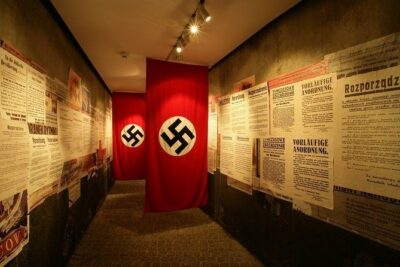
Schindler’s Factory in Krakow: Guided Tour & Skip the Line Ticket
Read our review →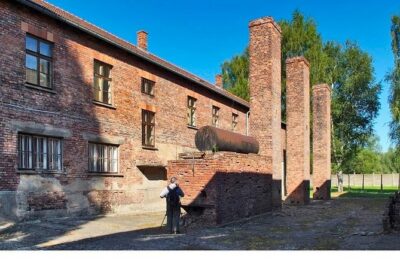
Auschwitz-Birkenau Museum and Memorial Guided Tour from Krakow
Read our review →
Krakow Schindler’s Factory Museum Guided Tour in English
Read our review →
Auschwitz Birkenau Museum Guided Tour with Pickup
Read our review →
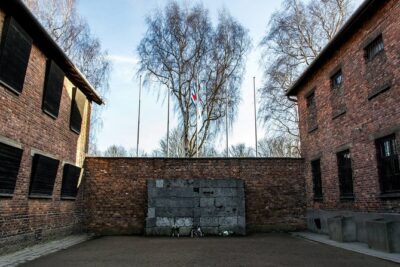
Auschwitz Birkenau Guided Tour Small Group with Hotel Pick up
Read our review →Browse the lists this tour appears in