
Review · AUSTRIA
Vienna: Museum of Illusions Vienna Admission Ticket
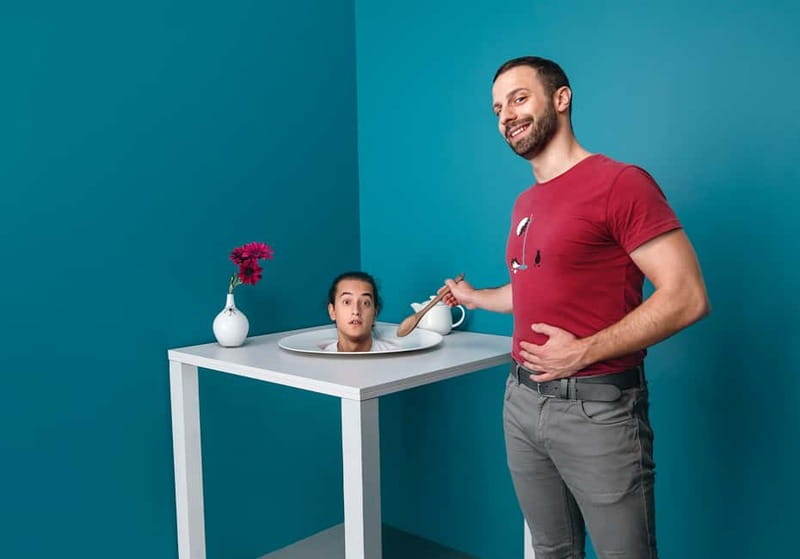
The best reason to visit Vienna’s Museum of Illusions is simple: it turns you and your companions into part of the exhibit. You can appear to shrink, lose your balance, defy gravity, or multiply inside the Infinity Room, then take home the proof on your phone. It is less a traditional museum than a playful set of visual experiments.
I like two things here. First, the exhibits invite you to touch, test, and pose rather than simply look. Second, the staff seem ready to help with photos, which matters when the best trick needs someone standing behind the camera. The main drawback is size: you may finish in about 40 minutes, especially when the rooms are crowded.
Key points at a glance
- More than 70 illusion exhibits: Expect optical tricks, perspective rooms, wooden brain games, and hands-on challenges.
- The Infinity Room: Bring a smartphone or camera for unusual photos that make the room appear to stretch forever.
- Ames Room and inclined room: Use perspective and gravity tricks to make people look larger, smaller, or strangely positioned.
- Vortex Tunnel: Hold on and test your balance as the moving visual effect makes the floor feel unreliable.
- A compact rainy-day stop: The central location and short visit work well between larger museums or during poor weather.
- Flexible booking: You can cancel up to 24 hours ahead for a full refund, reserve without paying immediately, and use the ticket on its valid day.
What kind of museum this really is
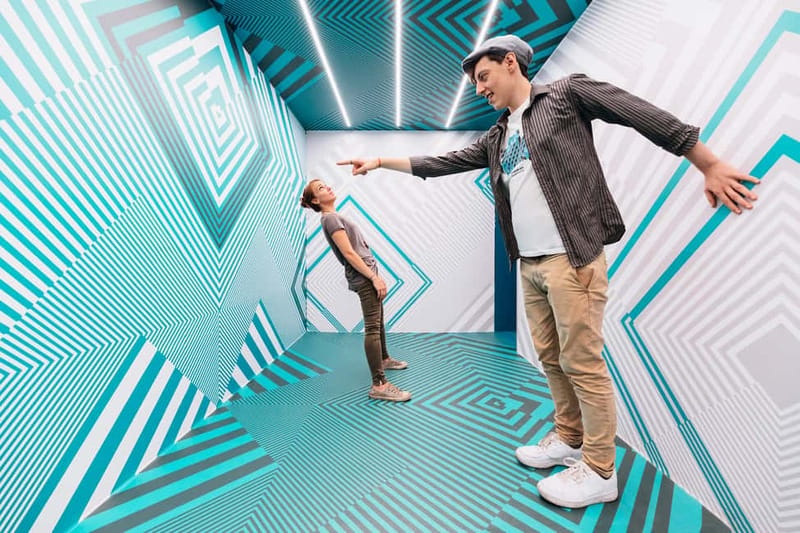
Do not arrive expecting a quiet collection of paintings or historic objects. The Museum of Illusions is a hands-on attraction built around perception, balance, perspective, and simple puzzles. You are encouraged to interact with the displays, try different positions, and work out why your eyes are sending your brain the wrong message.
That makes it a good change of pace during a Vienna visit. After grand palaces, churches, and formal art galleries, this place asks you to play. I can see it working particularly well for families with school-age children, couples who want unusual photos, and friends looking for something light between more serious sightseeing.
The museum has more than 70 exhibition pieces, though that number includes smaller puzzles and displays as well as room-sized illusions. The overall venue is compact, with about five rooms according to one practical assessment. That is useful to know before you book: the attraction offers variety, but it is not an all-afternoon museum.
More Museum of Illusions tickets:
- Prague: Museum of Fantastic Illusions Entry Ticket
★ 4.3 · 4,337 reviews - Madrid: Museum of Illusions Ticket
★ 4.1 · 1,909 reviews - Seville: Museum of Illusions Entry Ticket
★ 4.2 · 1,196 reviews
Entering the rooms and getting your bearings
Your visit is self-guided rather than a formal tour with a long spoken presentation. A host or greeter is available, and staff can explain how to use the displays or help position your camera. That support adds real value because many illusions work best from one particular spot.
Start by looking around before rushing to the first photo. Some exhibits are made for a quick pose, while others need a little testing. Read the instructions, try the suggested position, then experiment with your own. The fun comes from seeing the effect change when you move a few steps or swap places with someone else.
Crowding can affect the pace. The museum is small, and a busy room may mean waiting for a turn at popular displays. If you are visiting with children, give them permission to repeat the same illusion. Adults often want to move along, but the appeal here is in trying the trick more than once and figuring out why it works.
The Infinity Room is the main photo stop
The Infinity Room is likely to be one of your most memorable stops. Mirrors create the impression that the room continues far beyond its actual walls, producing a strange, repeating perspective. You will want your phone ready before you enter so you can make the most of your turn.
The best images usually need a second person. Staff are known for helping couples and small groups take pictures together, rather than leaving one person out of every shot. If you arrive as a pair, ask for help when the angle is awkward. It can turn a quick visit into a small photo session.
Keep your expectations sensible. The room creates a clever visual effect, but it is still a compact exhibit rather than a huge installation. The value comes from the picture and the few minutes of shared amusement, not from spending a long time inside.
The Ames Room makes size look ridiculous
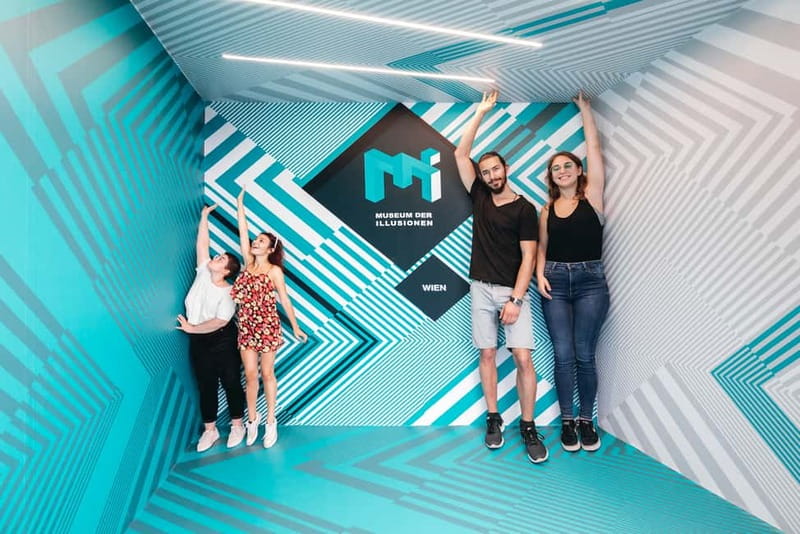
In the Ames Room, perspective changes the apparent size of people standing at different points. One person can look much larger while another seems unusually small, even though the room is designed to make the eye read the space incorrectly.
This works especially well with families and friends because the result is immediate and easy to understand. Children can move from one side to the other and watch their apparent size change. Adults usually get pulled in too, particularly when the effect looks more convincing in a photograph than it feels in person.
I would treat this as one of the exhibits where a little patience pays off. Stand in the recommended places first, then switch positions. Take more than one photo if you can, since the illusion depends on camera angle and where each person stands.
A few more museum visits around Austria worth comparing
- Vienna Kunsthistorisches Museum Day Admission Ticket
★ 4.6 · 3,690 reviews - Tickets for the Albertina Exhibitions
★ 4.7 · 2,126 reviews - Sigmund Freud Museum Ticket
★ 4.6 · 1,668 reviews - Vienna: St. Stephen’s Cathedral & Dom Museum Wien Tickets
★ 4.5 · 1,652 reviews
Inclined rooms and the Vortex Tunnel test your balance
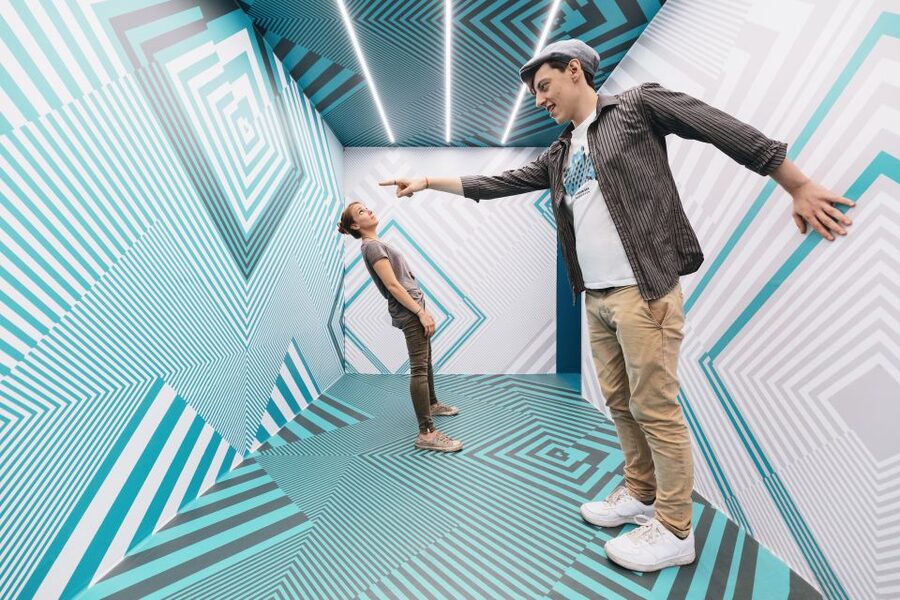
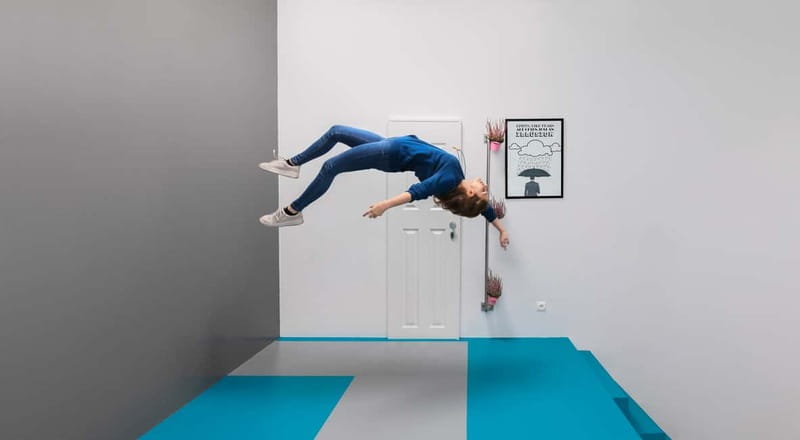
The inclined room uses a tilted setting to make your body and the surrounding lines feel out of alignment. You may feel as if gravity is working at an odd angle, even while you know the room itself is fixed. It is a short, physical way to see how strongly your eyes influence your sense of balance.
The Vortex Tunnel takes that idea further. As you move through it, the visual surroundings can make the ground feel as if it is shifting beneath you. You are not actually losing the floor, but your senses may briefly insist otherwise. Go slowly, use the available support if needed, and let children try it at their own pace.
These displays are not just photo backdrops. They show how your brain combines visual information with physical sensation. That gives the museum a small educational edge, even though the tone remains playful rather than academic.
Wooden puzzles add a quieter challenge
Not every exhibit requires a group photo. The museum also has tricky wooden games and individual puzzles that ask you to think in a different way. You may need to rotate pieces, spot a pattern, or approach a familiar shape from an unexpected angle.
These puzzles are useful when the photo rooms are busy. They also help balance the visit for people who prefer solving something to posing. Some are quick to understand, while others can hold your attention longer than expected.
I would not rush your group through these displays. Let one person attempt a puzzle without immediately giving away the solution. The point is not to prove how fast you can solve it, but to notice how easily your first assumption can lead you in the wrong direction.
How long should you allow?
The ticket is valid for one day, but that does not mean you should plan to spend an entire day inside. A realistic visit may be around 40 minutes, particularly if you move steadily through the rooms. If you stop for photos, wait for busy displays, and spend time on the puzzles, you may take longer.
That short length is both a strength and a weakness. It fits neatly into a packed Vienna schedule and works well as a break from larger sights. You can pair it with other central attractions instead of giving up half a day.
The downside is value perception. At about $18 per person, the price is reasonable for a playful stop, but less appealing if you expect hours of entertainment. A family of four will spend considerably more than a couple, and younger children may not get the same value if they are too small to understand or enjoy every exhibit.
One practical point comes from the age question. Admission information does not state that three-year-olds enter free, so check the current child pricing before booking if you are bringing a toddler. The displays are family-friendly, but the ticket cost can matter more when several people are paying.
Is $18 good value?
For the right visitor, yes. The ticket includes admission to more than 70 displays, and the venue offers several kinds of activity: photo scenes, balance tricks, perspective rooms, and wooden puzzles. You are paying for participation rather than for a long route through large galleries.
I think the price works best in three situations:
- You want a short indoor activity on a rainy or cold day.
- You are visiting with children who need a break from historic sights.
- You are traveling with a partner or friends and will make use of the photo setups.
The value is weaker if you have already visited another Museum of Illusions location and want something entirely new. The basic style is familiar across this type of attraction, and the displays may feel similar to those elsewhere. If this is your first museum of illusions, the central setting and interactive format make the ticket easier to justify.
The positive point is that you do not need a special interest in science or art. You simply need to enjoy trying things and laughing when your senses get confused. That broad appeal is why parents and children can have equal fun here.
The staff make a practical difference
A small attraction depends heavily on how it is managed. Here, helpful staff can explain the displays, direct you to the best standing position, and take group photos. That last detail is important for couples and small parties who otherwise have to choose between appearing in the picture and taking it.
There is also a useful human touch in the way staff handle lost property. A purse left behind was found and kept safely until its owner returned. That does not change the exhibits, but it suggests a careful and attentive team.
You should still keep hold of your belongings, especially in a compact, busy venue. Bring your phone fully charged, since much of the fun comes from taking pictures. If you are using a larger camera, be mindful of other people waiting for the same display.
Who will enjoy it most?
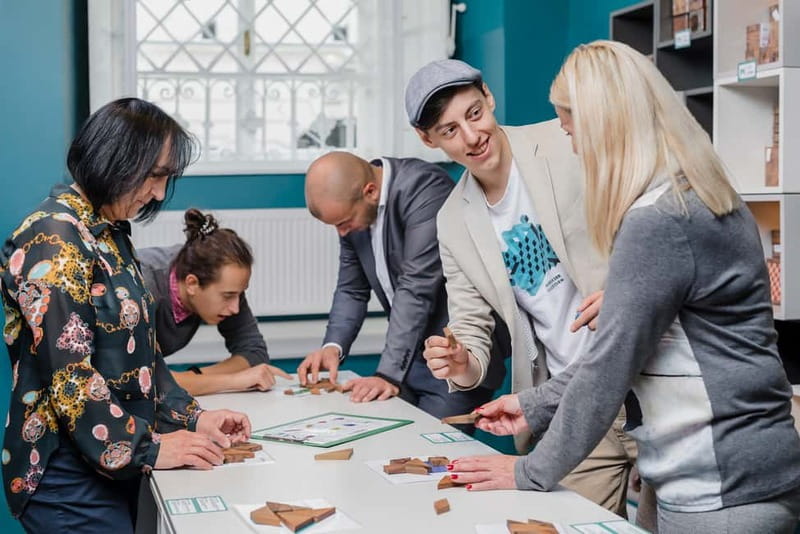
Families are the clearest match. Children can move, pose, test puzzles, and see immediate results. The attraction also gives parents a way to join in rather than simply supervise.
Couples should consider it too. The staff can help take pictures, and the rooms create more unusual memories than another standard city snapshot. Friends may find the size-changing and perspective exhibits especially funny when everyone tries different positions.
It also suits first-time visitors looking for something outside Vienna’s usual cultural circuit. Use it as a lighter stop between major sights, or save it for a wet afternoon. The central location is useful, though the supplied information does not give a precise street address or nearby transport details, so check the meeting point before setting out.
People who want a large, detailed museum should lower their expectations. With only around five rooms, you will not spend hours wandering. Visitors with mobility concerns can note that the venue is wheelchair accessible, though the balance-focused displays may not be equally practical for every person.
Booking flexibility and practical planning
The ticket is valid for one day, with starting times subject to availability. You can reserve now and pay later, which helps if your Vienna plans are still moving around. Cancellation is free up to 24 hours in advance for a full refund.
The admission ticket is included, but no meal, transport, or separate guided program is listed. Plan to arrive ready for a self-guided visit with staff support rather than a scheduled lecture. Since the activity is short, leave room in your day for another sight nearby.
I would avoid packing the visit into the busiest part of your schedule if your children are impatient or your group wants many photos. A small delay at one popular exhibit can affect the whole pace. If you can choose among available start times, pick one that leaves a little breathing room afterward.
Should you book the Museum of Illusions Vienna?
Book it if you want a compact, cheerful indoor stop with plenty of hands-on moments and photo opportunities. The Infinity Room, Ames Room, inclined room, Vortex Tunnel, and wooden puzzles give the visit enough variety for a first-time visit, and the staff can help you get better group photos.
Skip it if you are looking for a large museum, a serious science presentation, or several hours of sightseeing. The venue is small, and a 40-minute visit is realistic. At $18, it is best viewed as an easy add-on to a Vienna day, not as the main attraction.
For families, couples, and friends, I would book it when the weather is poor or when everyone needs a break from palaces and galleries. If you have visited another Museum of Illusions, compare your expectations carefully. For a first visit, the playful format, central setting, and helpful staff make it a sensible short stop.
FAQ
How long does a visit to the Museum of Illusions Vienna take?
A visit may take about 40 minutes, especially because the museum is compact. You may stay longer if you spend extra time taking photos, waiting for busy exhibits, or working on the puzzles.
How many exhibits are at the Museum of Illusions Vienna?
The museum has more than 70 exhibition pieces, including optical illusions, perspective rooms, photo opportunities, and wooden brain games.
Is the Museum of Illusions suitable for children?
Yes. The experience is designed to be family-friendly, with interactive displays, puzzles, and visual tricks that children can test directly. The attraction is also described as particularly enjoyable for children during the winter season.
Can I take photos inside the museum?
Yes. You should bring a smartphone or camera because the museum has many photo opportunities, including the Infinity Room and Ames Room. Staff can help take photos of couples and groups.
Is the Museum of Illusions wheelchair accessible?
Yes. The activity information states that the museum is wheelchair accessible.
Can I cancel the ticket if my plans change?
Yes. You can cancel up to 24 hours in advance for a full refund. You can also reserve your place and pay later, subject to the available booking conditions.
Just added around Austria
- Vienna: Jewish Museum Vienna and Museum Judenplatz Tickets★ 4.5 · 170 reviews
- Salzburg: Stiegl Brewery Museum Entry Ticket & Beer Tasting★ 4.0 · 35 reviews
- Belvedere Palace & Museum Tour★ 4.5 · 18 reviews
- Vienna: Tickets for Kunst Haus Wien: Museum Hundertwasser★ 4.6 · 651 reviews
- Combo Ticket: Kunsthistorisches Museum & Imperial Treasury★ 4.7 · 785 reviews
- Vienna: Skip-the-Line Hofburg and Empress Sisi Museum Tour★ 4.8 · 801 reviews
- Vienna: Leopold Museum Skip-the-Line Entry Ticket★ 4.7 · 968 reviews
- Vienna: Hofburg and Empress Sisi Museum Guided Tour★ 4.7 · 1,460 reviews
Museum Tours in Austria, compared.

Skip-the-Line Sisi Museum, Hofburg and Gardens Tour
Read our review →
Vienna Kunsthistorisches Museum Day Admission Ticket
Read our review →

Chocolate Workshop in Chocolate Museum w/ Tasting
Read our review →
St. Stephen’s Cathedral & Dom Museum Wien Tickets
Read our review →
Browse the lists this tour appears in