
Review · VIENNA
Sigmund Freud Museum Ticket
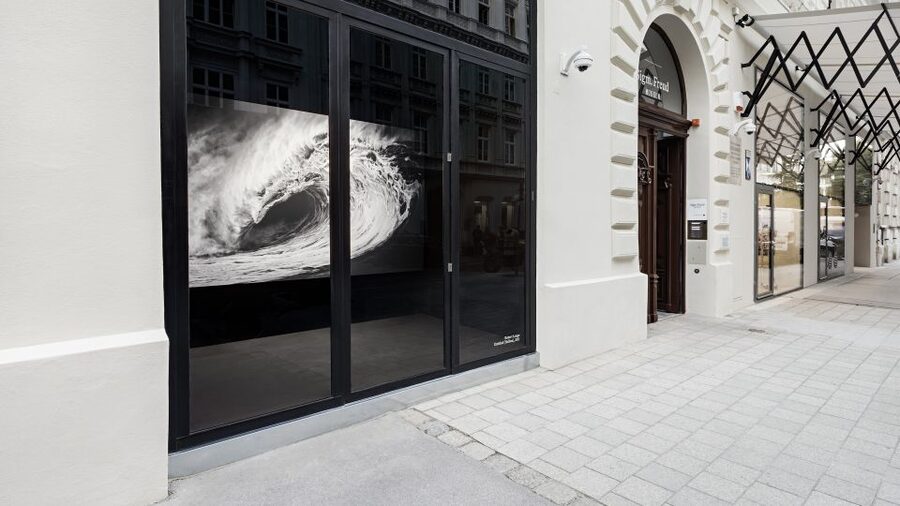
Sigmund Freud’s former address, Berggasse 19, is more than a museum about psychoanalysis. It is a house museum, family story, research display, and sobering account of what happened to the Jewish residents who lived here after the Anschluss. You move through the rooms where Freud worked, raised his family, and developed ideas that changed how many people think about the human mind.
I like the rare recordings of Sigmund and Anna Freud, and I like the personal scale of the private rooms. The family videos from the 1930s are especially valuable because they show Freud as a father and family man, not just a serious portrait on a book cover. The main drawback is that much of the original furniture left with Freud when he fled Vienna, so this is not a fully furnished period apartment.
Key points
- Walk through Berggasse 19: Use the historic entrance and stairs taken by Freud and his patients.
- See Freud’s former practice and office: Exhibits explain his work, family life, and the development of psychoanalysis.
- Hear the Freud family: Audio recordings give you Sigmund and Anna Freud in their own voices.
- Use the Freud’s Couch AR installation: Your phone shows the famous couch in the place where it once stood.
- Watch rare family films: Footage from the 1930s adds warmth and personality to the story.
- Follow the family’s fate: A separate section covers Freud’s escape to London and the murder of his sisters in Nazi extermination camps.
Entering Freud’s address at Berggasse 19
The museum begins at one of Vienna’s most famous intellectual addresses. You enter through the same doorway Freud and his patients used, then climb the historic stairs to the mezzanine where the Freud family lived. That simple act gives the visit a useful sense of place.
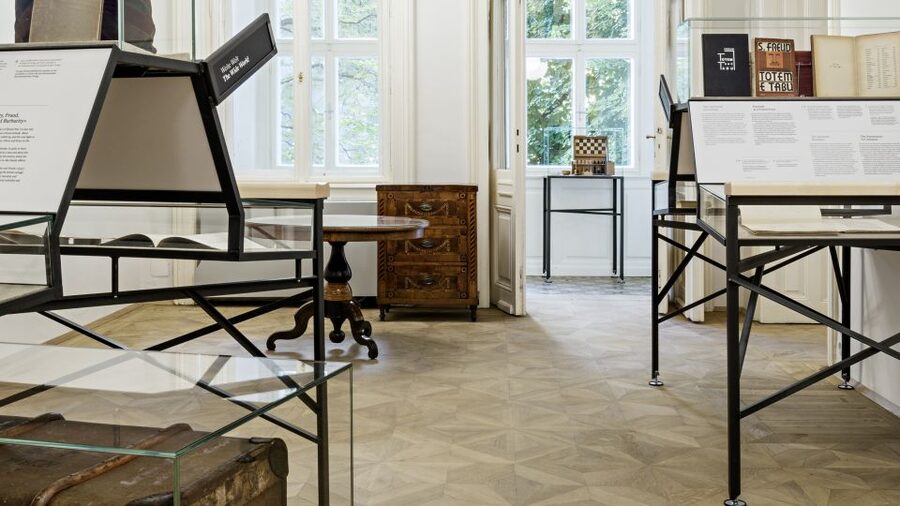
I like that the museum does not rush you into a lesson about psychoanalysis. First, it makes you aware of the building itself. The stairs, rooms, and changing levels help you picture the home as a working household rather than an abstract shrine to a famous thinker.
The museum is larger than you might expect. Set aside at least an hour if you read selectively, and around 90 minutes to two hours if you want to examine the displays carefully. One visitor spent almost three hours, which is easy to understand if you stop for the films, audio material, art, and family history.
The route is not always arranged in a perfectly clear timeline. You may move from Freud’s early medical studies to later work without immediately realizing that the chronology has shifted. I recommend taking a moment at each room’s introduction before reading every caption. It will help you build the larger story.
More Museum Tours in Vienna
- Vienna: Skip-the-Line Sisi Museum, Hofburg and Gardens Tour
★ 4.8 · 5,918 reviews - Vienna Kunsthistorisches Museum Day Admission Ticket
★ 4.6 · 3,690 reviews - Tickets for the Albertina Exhibitions
★ 4.7 · 2,126 reviews
Freud’s rooms and the birth of psychoanalysis
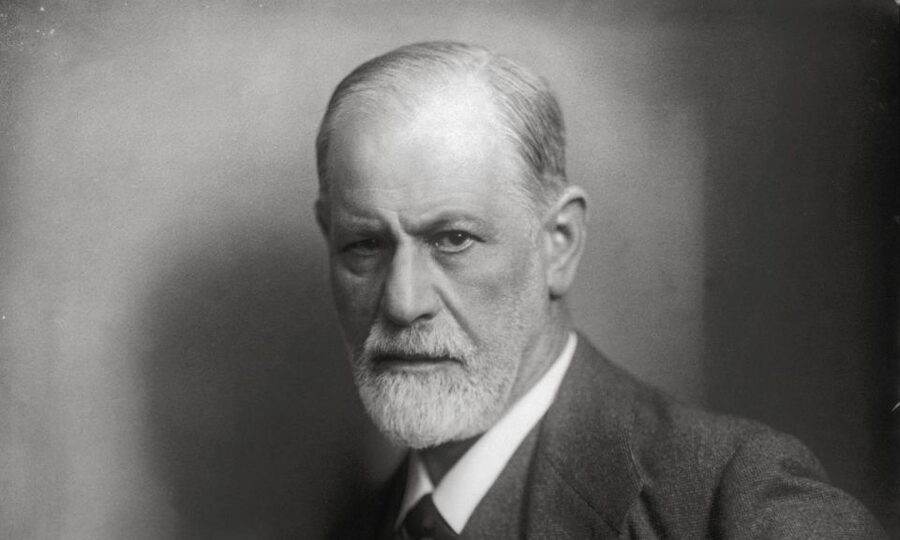
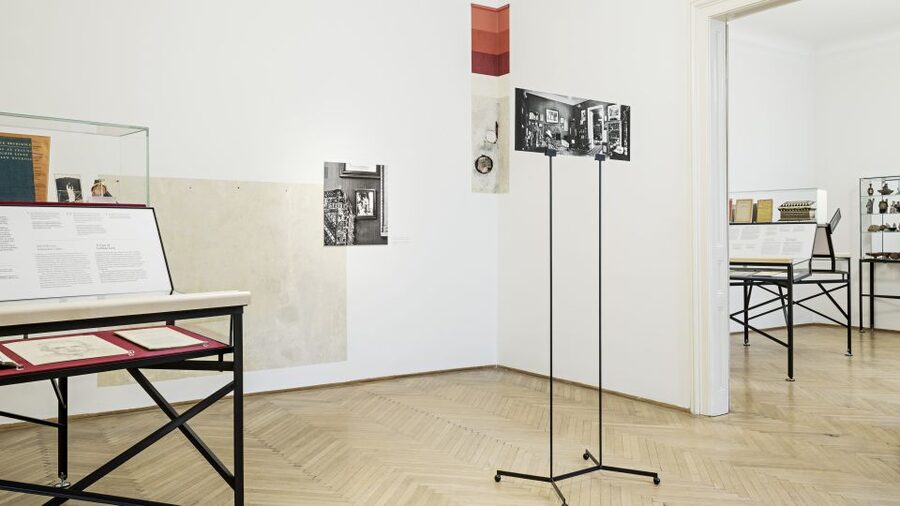
The museum presents Freud through several roles: doctor, theorist, collector, husband, father, brother, and refugee. That is one of its strongest features. You do not get only a list of theories. You get a picture of the person who worked inside this building for many years.
The professional displays explain the main stages of Freud’s career and the ideas that led to psychoanalysis. If you already know the basics, you will find useful details about his medical work, correspondence, publications, and intellectual development. If Freud is new to you, the summaries help set out the major changes in his thinking without requiring a university course before you arrive.
Rare first editions, special printings, offprints, and presentation copies show how his ideas moved from private study into public debate. These objects matter because they connect the theory to the physical world of publishing, argument, and professional exchange.
You will also see material linked to Freud’s medical practice and personal papers. For someone working in psychology, psychiatry, or mental health, the visit can feel almost like a professional pilgrimage. But you do not need specialist training to enjoy it. The museum keeps returning to ordinary questions about family, memory, behavior, and the ways people explain themselves.
The former office is particularly important. It is tied to Freud’s professional life, but it is not presented as a perfectly preserved room. That distinction matters. Some visitors expect to see the famous couch and a fully decorated consulting room. Freud took much of his furniture and collection with him when he left Vienna, so the museum has to tell the story through documents, images, sound, interpretation, and carefully chosen objects.
The famous couch, now seen through your phone
One of the museum’s more playful additions is the AR installation Freud’s Couch. You use your phone in the place where the famous piece of furniture once stood, allowing the installation to explain the couch’s history and whereabouts.
This is a smart answer to a basic problem: the real couch is not here. Instead of pretending the room is unchanged, the museum makes the absence part of the story. The digital element also gives younger visitors a clear activity to do, rather than asking them to read wall text from start to finish.
Bring a charged phone and be ready to use it inside the room. The installation depends on your device, so it is not the same as seeing a physical artifact. Still, it adds useful context and helps you picture how Freud’s practice functioned.
The museum also has family-friendly touches. Children have been encouraged to look for puzzle stickers hidden in the rooms, including clues connected with Freud’s dog. That can make a serious museum easier for an eight-year-old to enjoy, especially when the adult displays become text-heavy.
Sigmund and Anna Freud in their own voices
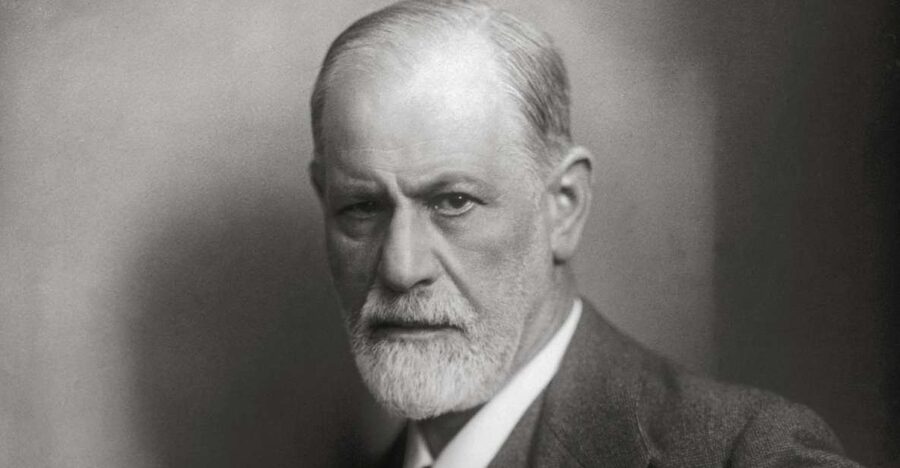
The audio recordings are among the most affecting parts of the visit. Hearing Sigmund Freud’s actual voice gives the historical figure a human presence that photographs cannot provide. Recordings of Anna Freud add another dimension, particularly because the museum also presents the family home as the place where she grew up.
I would not rush through the listening stations. Some audio exhibits may occasionally be out of order, but the recordings that are available are worth stopping for. Use them as pauses between the written displays. A real voice can cut through the formal tone of documents and make the family’s story feel immediate.
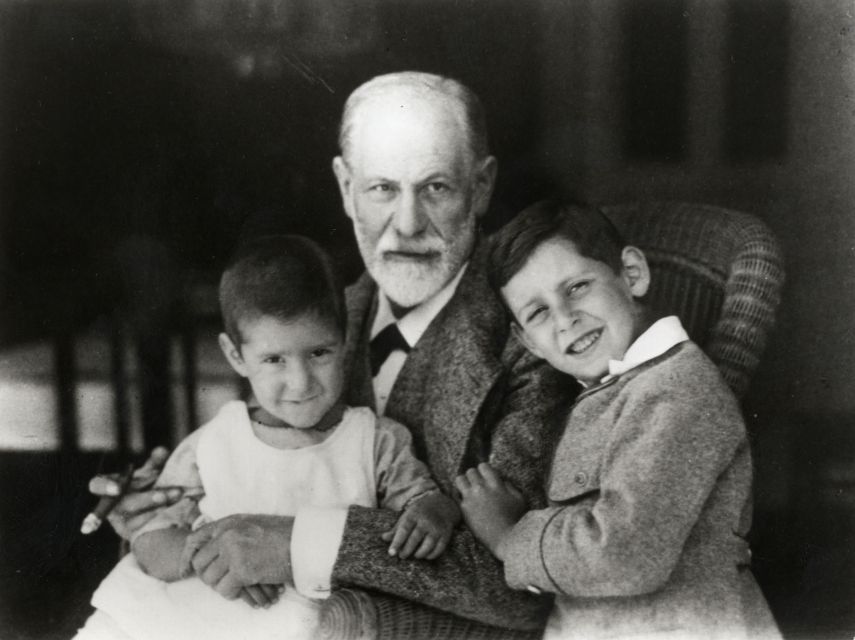
The 1930s family films work in much the same way. They show the Freuds in motion and help correct the image of Freud as only a stern intellectual. The films are a valuable part of the visit because they offer small glimpses of daily life that objects alone cannot provide.
This personal material is also where the museum feels most accessible. You can be interested in Freud’s work without agreeing with all his ideas. The family footage, private rooms, and correspondence encourage you to consider the person behind the theories.
A few more museum visits around Austria worth comparing
- Vienna: St. Stephen’s Cathedral & Dom Museum Wien Tickets
★ 4.5 · 1,652 reviews - Vienna: Museum of Illusions Vienna Admission Ticket
★ 4.0 · 1,392 reviews - Vienna: Leopold Museum Skip-the-Line Entry Ticket
★ 4.7 · 968 reviews - Combo Ticket: Kunsthistorisches Museum & Imperial Treasury
★ 4.7 · 785 reviews
The stairs that tell Vienna’s darker story
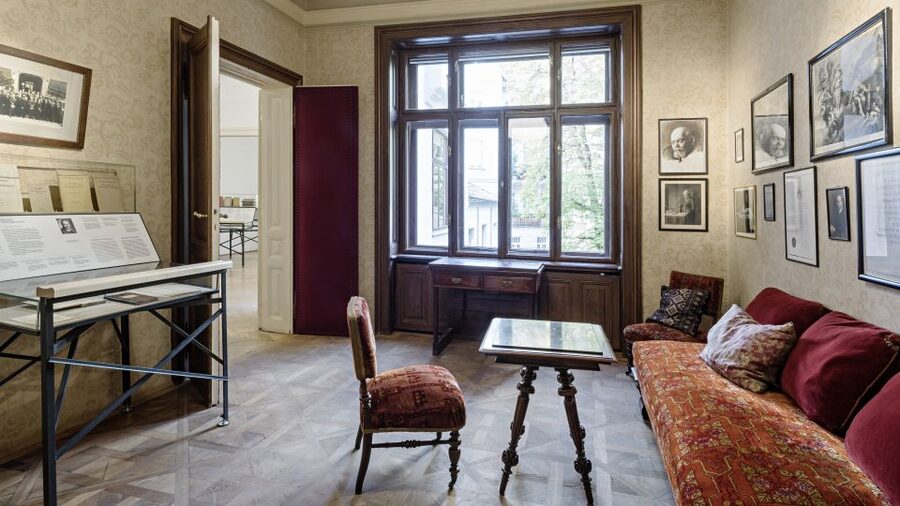
A newly built staircase links the museum’s floors and gives the building a second narrative. It recounts the history of the house and its occupants, including the period after Freud was forced into exile.
This section should not be treated as a side note. Berggasse 19 was part of a Jewish neighborhood and became connected with the Nazi persecution of Vienna’s Jewish population. The displays describe the moment when Jews were collected at this address, bringing the large political story into a single building.
The museum also follows Freud’s flight to London with his closest family. It explains what happened to his brother Alexander and to his sisters Rosa, Marie, Pauline, and Adolfine. Freud and his immediate family escaped, while his elderly sisters were later murdered in Nazi extermination camps.
I found this part essential to understanding the house. Freud’s departure in 1938 is not just a travel detail at the end of his biography. It explains why so little of the original interior remains and why the museum must combine the building with photographs, documents, recordings, and historical explanation.
The tone is appropriately serious. This is not a cheerful museum stop from beginning to end, but the difficult material is handled as part of the site’s real history. If you are traveling with children, you may want to decide in advance how much of this section is suitable for them.
Contemporary art in Freud’s former office
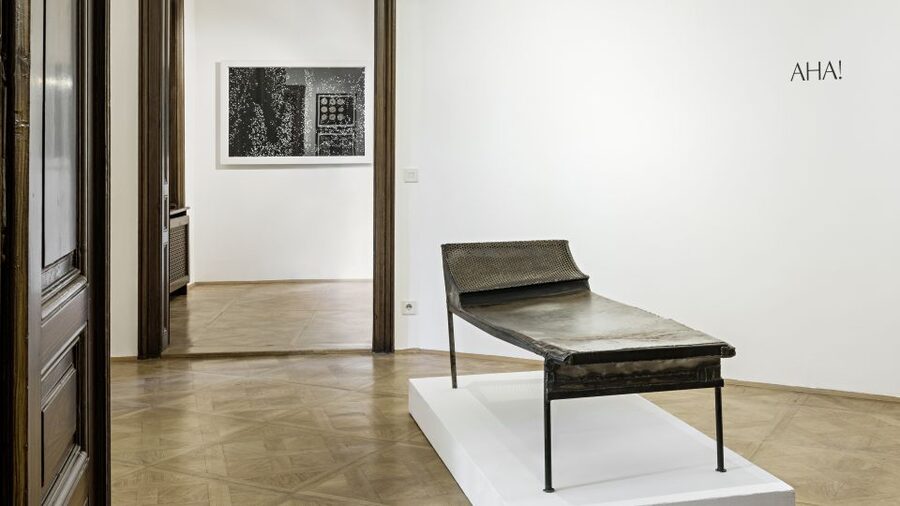
Freud’s former office now includes the permanent exhibition Hidden Thoughts of a Visual Nature. It presents selected works from the museum’s collection of conceptual art, including artists such as John Baldessari, Joseph Kosuth, Susan Hiller, Franz West, and Haim Steinbach.
At first, contemporary art may seem separate from Freud’s biography. I found the contrast useful. The museum is not trying to recreate an imaginary consulting room. Instead, it places Freud’s former professional setting into a wider conversation about thought, language, interpretation, and perception.
This section will appeal most to visitors who enjoy modern and conceptual art. If you came mainly to see Freud’s furniture, it may feel like a detour. If you are open to a museum that links psychoanalysis with later artistic questions, it gives the visit a more current edge.
The exhibition also reinforces an important point: Freud’s legacy is not limited to medical history. His ideas have shaped literature, visual art, popular culture, and debates about identity. You do not have to accept every claim to see why his work continues to provoke discussion.
How long to stay and how to plan the visit
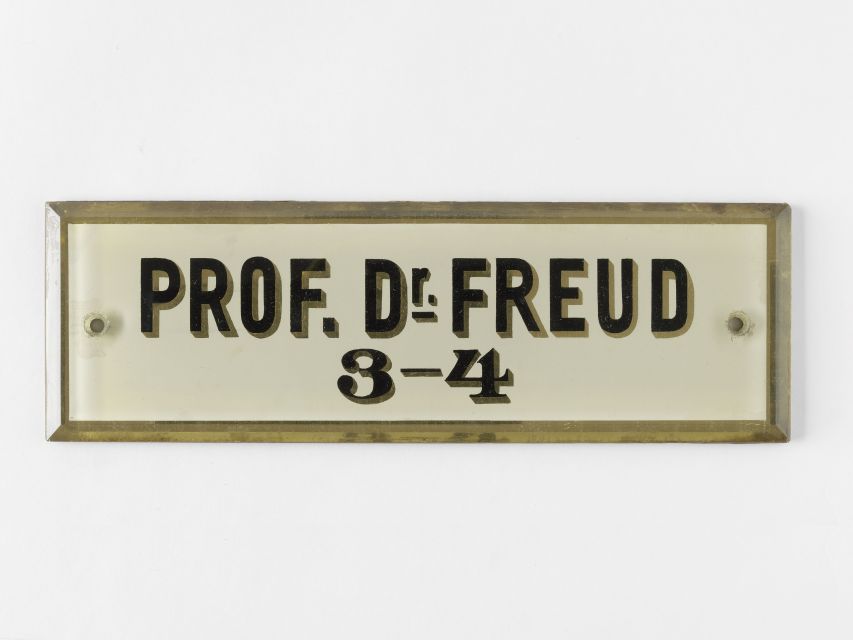
The ticket costs about $18 per person and is valid for one day. For Vienna, that is not a bargain admission, but I think the price is reasonable if you care about psychology, modern European history, biography, or Jewish history in Vienna.
The museum is not a quick room with a few souvenirs. You get access to the former home and practice, family displays, recordings, films, rare publications, the AR installation, the contemporary art exhibition, and the historical section about exile and persecution. The value depends on how much time you give it.
An early visit is a good idea. An 11 a.m. arrival can still be fairly calm, while the rooms may become busier later. One practical warning: the rooms can be poorly lit, and warm weather may make the interior uncomfortable. Dress lightly during a heatwave, and bring enough time to read without hurrying.
The museum is easy to reach by public transport, with a tram stop about a four-minute walk away. It has lockers, toilets, a café, and a bookshop. The building is wheelchair accessible, and the ticket includes skip-the-line entry. Opening hours can change, so check them before setting out.
You can cancel up to 24 hours in advance for a full refund, and you can reserve now while paying later. Those options are useful if you are arranging several Vienna activities and want to keep the day flexible.
Flash photography is not allowed. Pay attention to room conditions, too. Some displays depend on audio or video, and an occasional station may not be working.
Coffee, books, and a sensible finish
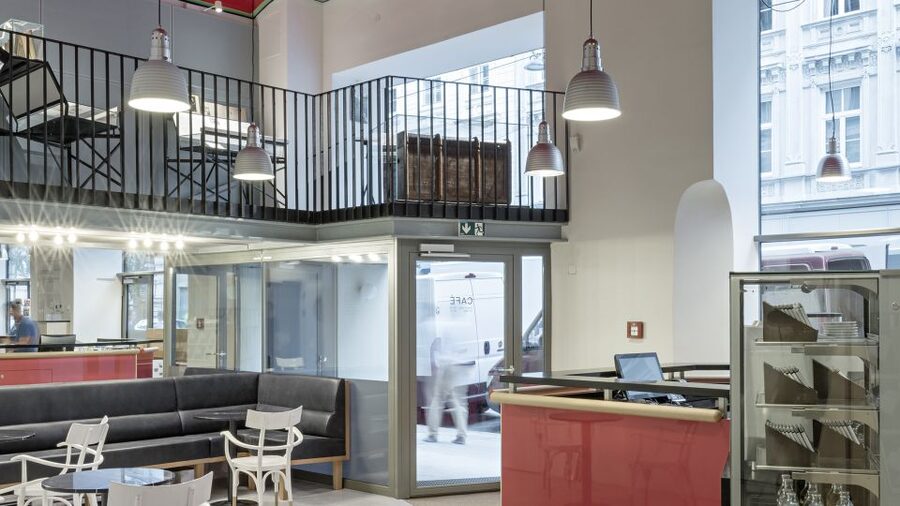
The visit ends at the museum shop and café. This is a pleasant place to gather your thoughts after the heavier sections. You can browse Freud books, research titles, and gifts, then have Viennese coffee with cake or choose Viennese wine.
The shop is strongest for readers. If you want a large range of novelty souvenirs, you may find the selection modest. I would treat it as a bookshop first and a gift shop second.
The café gives the museum a natural ending. Freud’s story covers intense intellectual work, family life, forced migration, and loss. Sitting down afterward with coffee is not just convenient. It gives you a few quiet minutes to process what you have seen.
Who will get the most from Berggasse 19?
I would put this museum high on your list if you study or practice psychology, psychiatry, counseling, or related fields. The connection to Freud’s office and work gives the visit a special force, and the documents offer more than a general biography.
It also suits anyone interested in Vienna around the turn of the 20th century, the history of ideas, Jewish family histories, or the cultural effects of the Nazi period. The museum connects all of these subjects without pretending they are separate stories.
Families can make it work, especially with the puzzle stickers and films. Younger children may lose interest during long stretches of reading, and the dark rooms can feel less inviting. Teenagers with an interest in psychology, history, or art may get much more from it.
You should lower your expectations if you want a preserved interior packed with original furniture. The museum’s power comes from the address, the documents, the voices, the family films, and the events connected with the building. It is an interpretive museum, not a fully restored apartment.
Should you book the Freud Museum ticket?
Book it if you want to understand Freud as a person as well as a theorist. The strongest parts are the private rooms, the recordings, the family films, and the account of his family’s escape and loss. I also like that the museum admits what is missing and uses the AR couch installation rather than creating a false historic room.
Skip it if your Vienna schedule is already packed with museums and you have little interest in psychology, family biography, or 20th-century history. The displays require reading, some rooms are dim, and the visit can feel serious.
For most curious visitors, I would allow 90 minutes and arrive early. At $18, it is a fair buy when you take time with the audio, films, and family story. This is not simply a stop to say you saw Freud’s old home. It is a careful look at an address where new ideas were formed, a family lived, and Europe’s darkest years left a lasting mark.
FAQ
Where is the Sigmund Freud Museum located?
It is located at Berggasse 19 in Vienna, Austria.
What does the ticket include?
The ticket includes admission to the Sigmund Freud Museum.
How much does admission cost?
The listed price is $18 per person.
How long is the ticket valid?
The ticket is valid for one day.
How long should I plan for the museum?
Plan on at least one hour for a quick visit. Around 90 minutes to two hours gives you time for the rooms, recordings, films, and written displays, while a careful visit can take longer.
Can I see Freud’s original couch?
The famous couch is not in the museum. You can use your phone to access the AR installation Freud’s Couch in the place where the couch once stood.
Can I hear Sigmund Freud’s voice?
Yes. The museum includes recordings of Sigmund Freud and Anna Freud.
Are children likely to find anything engaging?
Children can look for puzzle stickers hidden in the rooms, including clues connected with Freud’s dog. The museum also includes family films, though some displays contain substantial reading.
Is the museum wheelchair accessible?
Yes, the museum is wheelchair accessible.
Can I take photographs inside?
Photography is allowed with restrictions, but flash photography is not permitted.
Is there a café and shop?
Yes. The museum has a shop with books and gifts, plus a café serving Viennese coffee, cake, and Viennese wine.
Can I cancel my ticket?
You can cancel up to 24 hours in advance for a full refund.
Can I reserve without paying immediately?
Yes. The reserve now and pay later option lets you keep your plans flexible.
Just added around Austria
- Vienna: Jewish Museum Vienna and Museum Judenplatz Tickets★ 4.5 · 170 reviews
- Salzburg: Stiegl Brewery Museum Entry Ticket & Beer Tasting★ 4.0 · 35 reviews
- Belvedere Palace & Museum Tour★ 4.5 · 18 reviews
- Vienna: Tickets for Kunst Haus Wien: Museum Hundertwasser★ 4.6 · 651 reviews
- Combo Ticket: Kunsthistorisches Museum & Imperial Treasury★ 4.7 · 785 reviews
- Vienna: Skip-the-Line Hofburg and Empress Sisi Museum Tour★ 4.8 · 801 reviews
- Vienna: Leopold Museum Skip-the-Line Entry Ticket★ 4.7 · 968 reviews
- Vienna: Hofburg and Empress Sisi Museum Guided Tour★ 4.7 · 1,460 reviews
Museum Tours in Vienna, compared.

Skip-the-Line Sisi Museum, Hofburg and Gardens Tour
Read our review →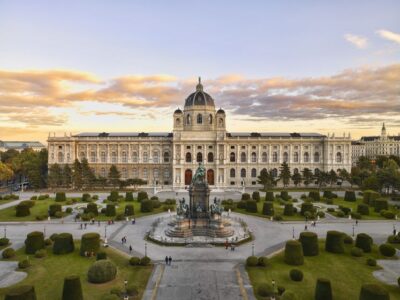
Vienna Kunsthistorisches Museum Day Admission Ticket
Read our review →
St. Stephen’s Cathedral & Dom Museum Wien Tickets
Read our review →
Skip-the-Line Hofburg and Empress Sisi Museum Tour
Read our review →
Combo Ticket: Kunsthistorisches Museum & Imperial Treasury
Read our review →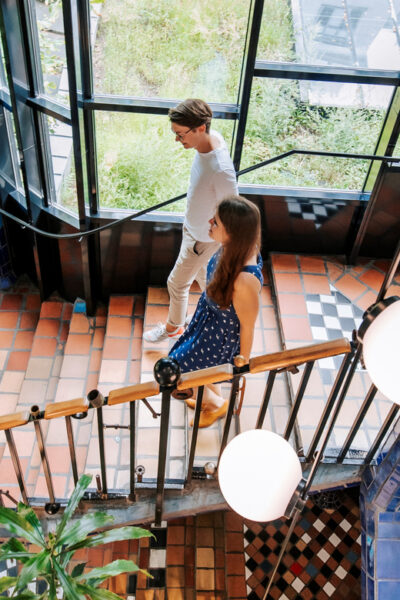
Tickets for Kunst Haus Wien: Museum Hundertwasser
Read our review →Browse the lists this tour appears in