
Review · VIENNA
Combo Ticket: Kunsthistorisches Museum & Imperial Treasury
The most striking part of this Vienna combo is the contrast: one museum presents grand European art in a palatial setting, while the other puts the actual symbols of imperial power in front of you. You can see a German imperial crown, the Austrian imperial crown, and the insignia of the Holy Roman Empire, then spend time with paintings by Rubens, Rembrandt, Raphael, Velázquez, Titian, and Dürer.
I like the ticket’s flexibility, since you can visit each museum once on different dates within a year. I also like the location: the two venues are close enough to pair on foot, yet the ticket does not force you to rush through both in one afternoon. The main catch is practical but important: you need a printed voucher, and the audio guide costs extra.
Key points to know before you go
- Two major museums in one ticket: Enter the Kunsthistorisches Museum, including the Kunstkammer, and the Imperial Treasury at the Hofburg.
- Imperial crowns and regalia: See the Austrian and German imperial crowns, Holy Roman insignia, and dazzling jewels.
- Old Masters in a palace setting: Look for works associated with Rubens, Rembrandt, Raphael, Velázquez, Titian, and Dürer.
- Use the ticket flexibly: Each museum allows one entry, and you may visit them on different dates within the ticket’s one-year validity.
- Plan more than two hours: Two hours is the advertised duration, but the art museum alone can fill three or four hours.
- Print before arriving: Electronic vouchers are not accepted directly, so allow time to exchange the printed voucher for museum admission tickets.
Start at the Kunsthistorisches Museum on Maria-Theresien-Platz
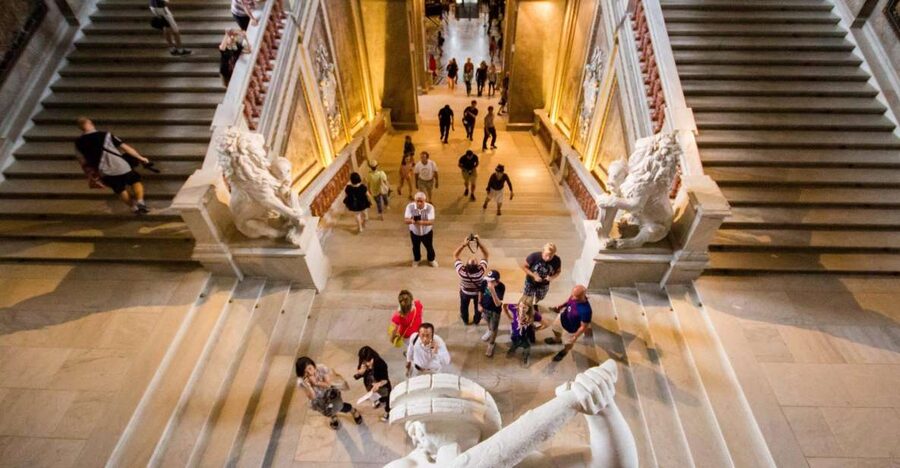
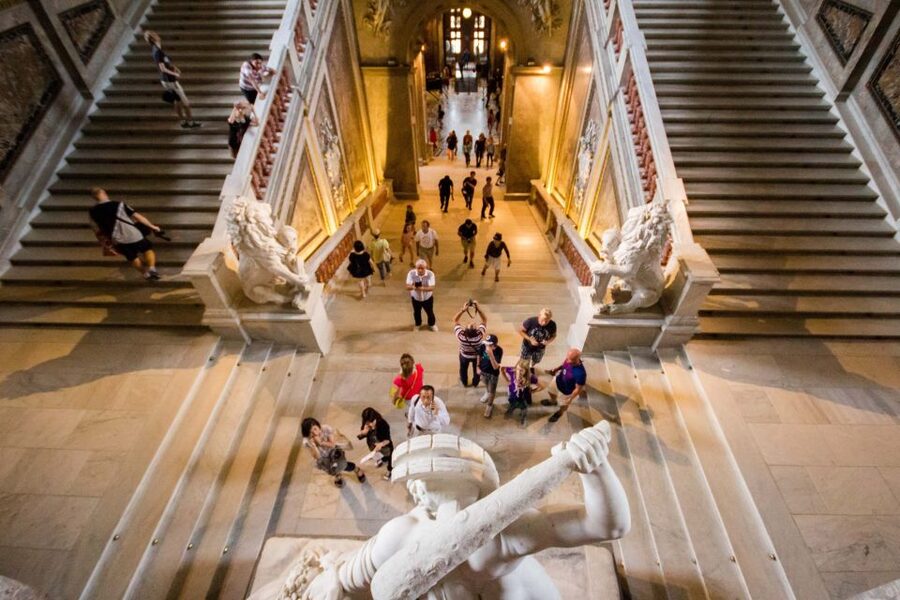
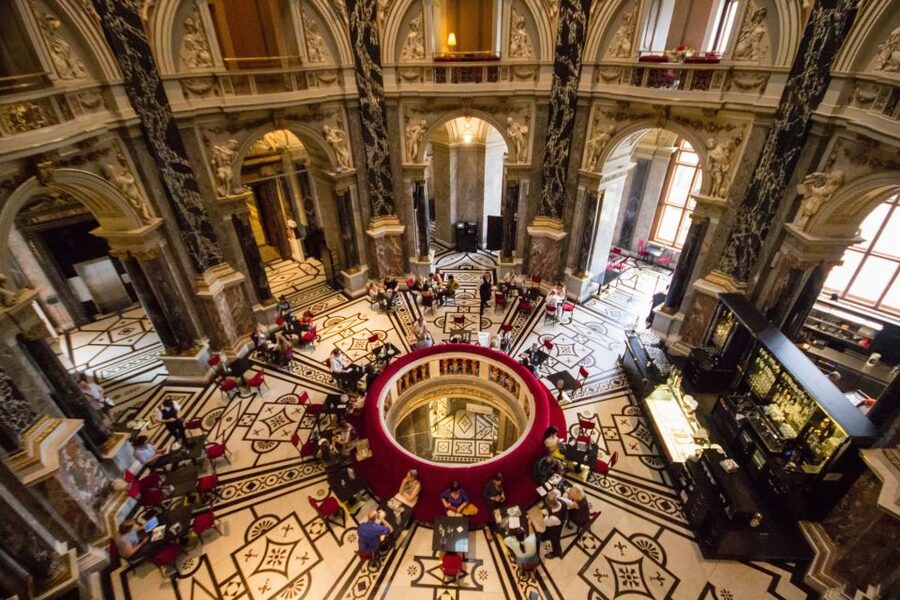
The Kunsthistorisches Museum is at Maria-Theresien-Platz in central Vienna. Even before you reach the galleries, give yourself a moment to look at the building. The grand interior and decorated cupola are part of the experience, not merely a container for the art.
This is a museum for people who enjoy famous paintings, but you do not need an art degree to appreciate it. The scale can feel overwhelming at first. I suggest choosing a few rooms or artists rather than trying to remember everything. If you hurry through every gallery, the museum becomes a blur of gold frames and marble corridors.
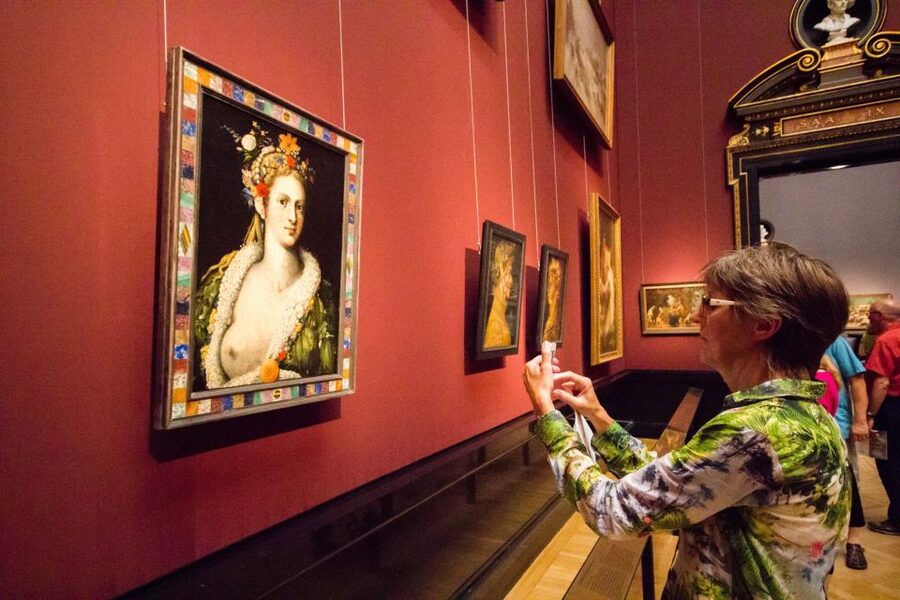
The main painting collection is the obvious starting point. You can look for major European artists including Rubens, Rembrandt, Raphael, Velázquez, Titian, and Dürer. The displays also include sculptures and objects from different cultures, so this is not a single-gallery visit.
One especially popular painting is Pieter Bruegel the Elder’s Tower of Babel. It can draw a crowd, particularly in busy periods, so you may want to see it early or return later when the room is quieter. The appeal is easy to understand: the painting rewards a close look, with small details that disappear if you view it only from the doorway.
More Museum Tours in Vienna
- Vienna: Skip-the-Line Sisi Museum, Hofburg and Gardens Tour
★ 4.8 · 5,918 reviews - Vienna Kunsthistorisches Museum Day Admission Ticket
★ 4.6 · 3,690 reviews - Tickets for the Albertina Exhibitions
★ 4.7 · 2,126 reviews
Give the museum at least two hours, and preferably more
The advertised activity duration is two hours, but that figure works better as a minimum than as a complete visit. Two hours gives you a solid introduction to the building and several major galleries. Three or four hours lets you slow down, add the Kunstkammer, and take breaks.
One useful feature is the museum café in the cupola hall. It gives you a place to rest while still enjoying the decorated dome above you. That matters because the building is large, and a short pause can keep the second half of your visit from becoming a march past paintings.
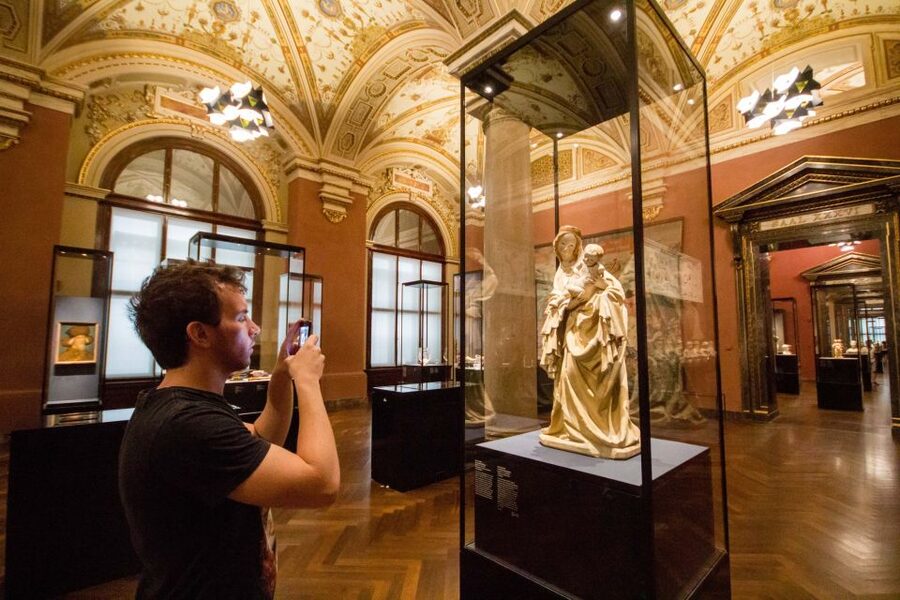
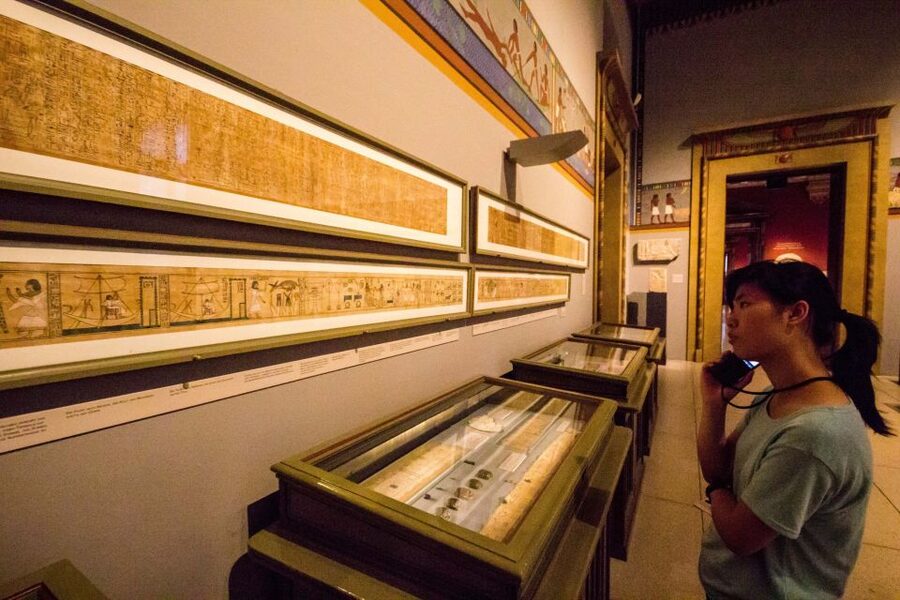
The collections extend beyond the famous Old Masters. You might find Egyptian material, antiquities, sculptures, decorative objects, armor, and finely made pieces such as rock crystal work. One particularly striking object mentioned by visitors is a rock crystal pitcher. These rooms add variety and help explain how the Habsburg rulers collected not only paintings but also rare, costly, and unusual objects.
English information is available in many rooms, but it is not necessarily enough for every work. An audio guide is not included in the ticket. If you want more context about what you are seeing, budget for the interpreter device at the museum. This is one of the few add-on costs that can materially improve the visit, especially if you are not already familiar with European art.
The Kunstkammer adds small objects and royal curiosities
The Kunstkammer Vienna is included with your admission. It is a useful part of the ticket because it changes the scale of the visit. Instead of only standing before large paintings, you can look closely at crafted objects, precious materials, and objects assembled for their rarity or skill.
This section suits you if you like workmanship, unusual materials, and the personal side of collecting. A painting can show a ruler’s public image. A small precious object can reveal what that ruler wanted to own, display, or discuss with other courts.
Do not treat the Kunstkammer as an optional corridor to rush through. If you have already spent hours with paintings, you can choose a handful of pieces here and enjoy the change of pace. If you are less interested in art history but enjoy design and craftsmanship, this may be one of the museum’s most approachable sections.
Walk to the Imperial Treasury at the Hofburg
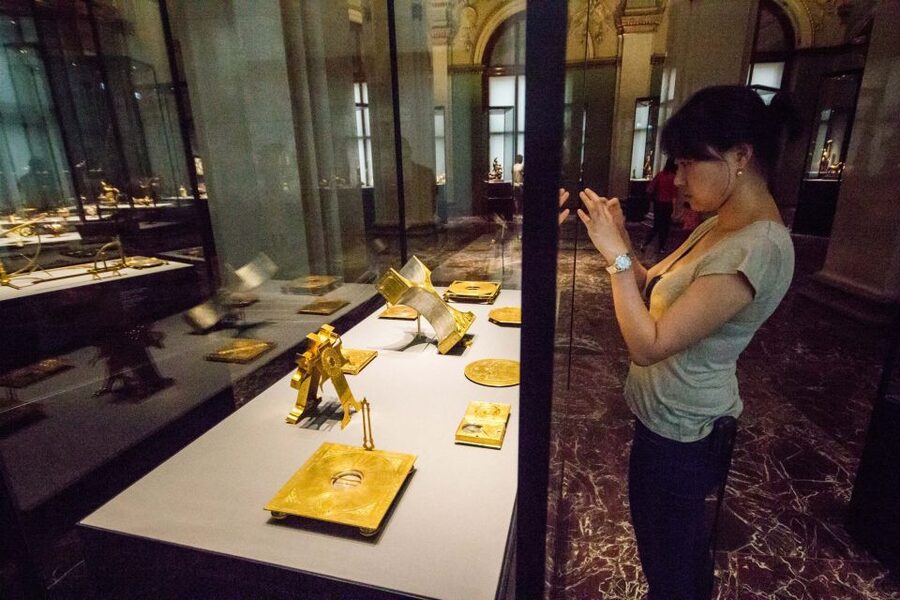
The second venue is at the Hofburg, at Michaelerplatz, in the Schweizerhof. The two museums are within walking distance of each other, making the combo easy to arrange in one day if you have the energy. You can also visit the Imperial Treasury on another date, which is often the better plan.
The Imperial Treasury focuses on the possessions and symbols of the Habsburg court. It is a smaller, more concentrated experience than the Kunsthistorisches Museum. You are not looking at a broad survey of European painting. Instead, you are moving through objects connected with rulership, ceremony, religion, and dynastic power.
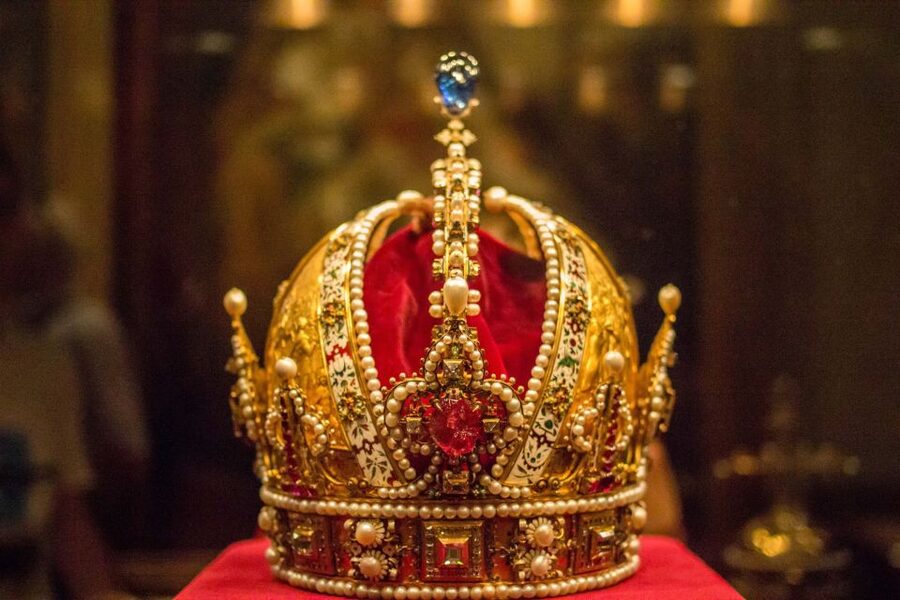
The Austrian imperial crown is a central sight. So is the magnificent German imperial crown, along with the insignia of the Holy Roman Empire. These objects are valuable not only because of their materials but also because of what they represented. A crown could express authority far beyond the person wearing it.
You will also see sparkling jewels and the largest cut emerald in the world, according to the supplied museum information. The display is a strong match for anyone interested in royal jewelry, ceremonial objects, and the visual side of power.
The Imperial Treasury can take about an hour or two, depending on your pace and interest. If jewelry does little for you, it may feel less essential than the art museum. If crowns, royal regalia, and court history appeal to you, it can be the most memorable part of the combo.
More combined museum tickets in Austria:
- Valencia: Oceanogràfic, Hemisfèric & Science Museum Combo
★ 4.4 · 2,959 reviews - Combo: Acropolis & Acropolis Museum with Optional Tours
★ 4.2 · 2,657 reviews - Stockholm: Vasa Museum and Vrak Museum of Wrecks Combo Entry
★ 4.7 · 2,131 reviews - Maranello and Modena: Ferrari Museums Combo Tickets
★ 4.7 · 994 reviews
Why the two museums work well together
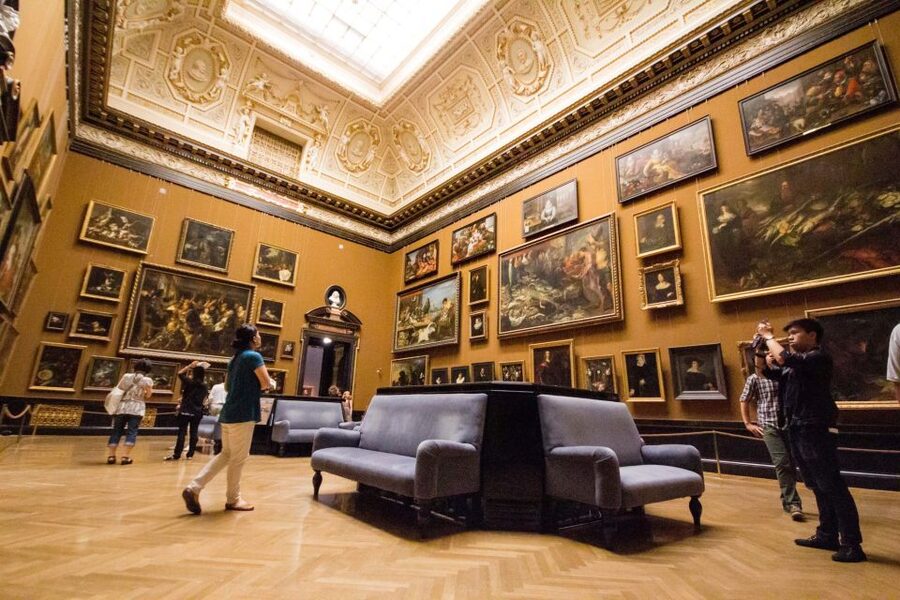
This ticket makes sense because the museums answer different questions. The Kunsthistorisches Museum shows what the Habsburg world collected and admired across painting, sculpture, antiquities, and decorative art. The Imperial Treasury shows the objects that directly represented the dynasty and the empire.
I like this pairing for a first visit to Vienna because it connects art with power without requiring a guided lecture. You can see a ruler’s cultural ambitions in one place and the formal symbols of rule in another.
The contrast also helps with pacing. After several rooms of paintings, the crowns and insignia provide a clear change of subject. After the concentrated Treasury, you may appreciate the wider range of the Kunsthistorisches Museum.
Timing matters more than the two-hour label
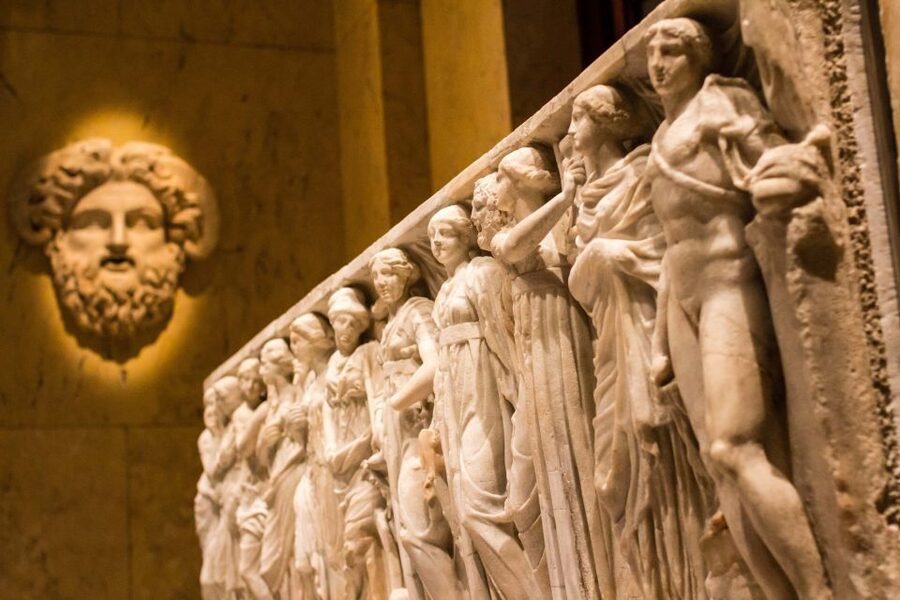
You can technically fit both venues into a two-hour outing, but I would not recommend it. The art museum deserves at least two hours by itself, and several hours if you want to see the Egyptian and antiquities sections, the Kunstkammer, and the painting galleries without racing.
A more comfortable plan is:
- Spend two to four hours at the Kunsthistorisches Museum.
- Take a break in or near the museum.
- Walk to the Hofburg Imperial Treasury.
- Allow one to two hours for the crowns, jewels, and imperial insignia.
That is close to a half-day or full-day plan, depending on your level of interest. If your Vienna schedule is tight, use the flexible validity. Visit the Kunsthistorisches Museum on one day and the Imperial Treasury on another. The ticket permits one entry to each location, and the visits can occur on different dates within one year.
Check opening details before setting out. One person arrived to find one of the museums closed and had to return on another day. The ticket flexibility helped, but checking in advance is still the easier solution.
The printed voucher is the detail most likely to cause trouble
You must present a printed voucher at the main entrance of either museum. A phone screen is not enough for this ticket arrangement. The museums do not accept the electronic booking directly, so you need the printed document exchanged for the museum’s admission ticket.
This can add an avoidable step. If you are already in Vienna, print the voucher before heading to Maria-Theresien-Platz or the Hofburg. After presenting it, you may need to go through the museum ticket office, and there can be a queue.
The practical lesson is simple: do not wait until you are standing outside the museum to discover that your voucher must be on paper. The combo remains easy to use once you have the printed copy, but this rule is easy to miss during booking.
What the $37 price really buys you
At $37 per person, the value depends on how much of the two museums you use. For someone who wants only a quick look at one collection, the combo may be more ticket than needed. For someone planning to see both venues, it is a sensible purchase because it combines two major central Vienna attractions and allows separate visits.
The one-year validity is the strongest value feature. You are not forced into a same-day sprint, and you can adjust around museum closures, weather, or an unexpectedly long visit at the Kunsthistorisches Museum.
Keep the extra costs in mind. Audio guides are not included, and the museum ticket exchange requires a printed voucher. Transfers are also not included, though the central locations make this less of a concern if you are already sightseeing in the Hofburg and museum quarter.
Visitors under 19 enter free, so check the age rules before purchasing a paid ticket for a younger member of your group. The activity is wheelchair accessible, but one practical note is worth keeping in mind: parts of the museum involve many stairs, so confirm the best accessible route with staff if needed.
Who will enjoy this combo most
I would choose this ticket if you like at least one of these:
- European painting and famous Old Masters
- Imperial crowns, jewels, and ceremonial objects
- Habsburg history and court culture
- Decorative art, antiquities, and skilled craftsmanship
- Grand historic interiors
- Flexible sightseeing plans
It is also a good rainy-day choice. The museums give you several indoor hours and enough variety to keep the visit from feeling repetitive.
I would be more cautious if you dislike art museums or have only a short window in Vienna. The Kunsthistorisches Museum is large, and the sheer number of rooms can tire you out. The Imperial Treasury is easier to cover, but it is centered on royal objects, so it may feel skippable if jewelry and regalia hold little interest for you.
Families and mixed-interest groups can divide the visit intelligently. One person can focus on paintings, another on armor or decorative objects, and everyone can meet for a break in the cupola café or continue to the Treasury.
A simple plan for a better visit
Print your voucher before leaving your accommodation or find a print shop early. Then start with the Kunsthistorisches Museum while your attention is fresh.
Pick two or three priorities before entering. For example, you might choose the Old Masters, the Kunstkammer, and the Egyptian or antiquities collection. This gives your visit shape without turning it into a checklist.
Use the museum’s English information where available, and consider paying for the audio guide if you want explanations beyond the labels. Bring patience rather than a strict timetable. You will see more by studying a few works than by trying to cover every room.
After a break, walk to the Hofburg Imperial Treasury. Focus on the Austrian crown, the German imperial crown, the Holy Roman insignia, and the jewels. If you still have time and energy, slow down for the less famous objects rather than leaving as soon as you have seen the crowns.
Should you book the Kunsthistorisches Museum and Imperial Treasury combo?
Book it if you want two of Vienna’s strongest imperial collections and can give them at least half a day, or better yet, separate dates. The art museum is the main event for most people, with a superb setting and major European painters. The Treasury adds a focused look at crowns, jewels, and the objects of dynastic power.
Skip the combo if you only want a quick museum stop, dislike royal collections, or cannot print the voucher before arrival. For everyone else, $37 is fair value, especially because the ticket remains valid for a year and does not require you to visit both sites on the same day.
FAQ
What does the combo ticket include?
It includes one entrance to the Kunsthistorisches Museum Vienna, including the Kunstkammer Vienna, and one entrance to the Imperial Treasury at the Vienna Hofburg.
Can I visit the two museums on different dates?
Yes. Each location can be visited once, and the visits may take place on different dates. The ticket is valid for one year.
How long does the experience take?
The stated duration is two hours, but you should allow more time if you want to see the Kunsthistorisches Museum properly. The art museum can take three or four hours, while the Imperial Treasury can take about one or two hours.
Do I need a printed voucher?
Yes. A printed voucher is required. Electronic vouchers are not accepted directly, and you may need to exchange the printed booking document for the museum’s admission ticket at the ticket office.
Are audio guides included?
No. Audio guides are not included in the ticket. You can purchase an interpreter device separately at the museum.
Where are the museums located?
The Kunsthistorisches Museum is at Maria-Theresien-Platz, 1010 Vienna. The Imperial Treasury is at the Hofburg, Michaelerplatz Schweizerhof, 1010 Vienna.
Is the ticket wheelchair accessible?
Yes, the activity is listed as wheelchair accessible. Some areas of the museum involve many stairs, so ask museum staff about the most suitable accessible route.
Do children under 19 need a paid ticket?
No. Those aged under 19 enter free.
Just added around Austria
- Vienna: Jewish Museum Vienna and Museum Judenplatz Tickets★ 4.5 · 170 reviews
- Salzburg: Stiegl Brewery Museum Entry Ticket & Beer Tasting★ 4.0 · 35 reviews
- Belvedere Palace & Museum Tour★ 4.5 · 18 reviews
- Vienna: Tickets for Kunst Haus Wien: Museum Hundertwasser★ 4.6 · 651 reviews
- Vienna: Skip-the-Line Hofburg and Empress Sisi Museum Tour★ 4.8 · 801 reviews
- Vienna: Leopold Museum Skip-the-Line Entry Ticket★ 4.7 · 968 reviews
- Vienna: Museum of Illusions Vienna Admission Ticket★ 4.0 · 1,392 reviews
- Vienna: Hofburg and Empress Sisi Museum Guided Tour★ 4.7 · 1,460 reviews
Museum Tours in Vienna, compared.

Skip-the-Line Sisi Museum, Hofburg and Gardens Tour
Read our review →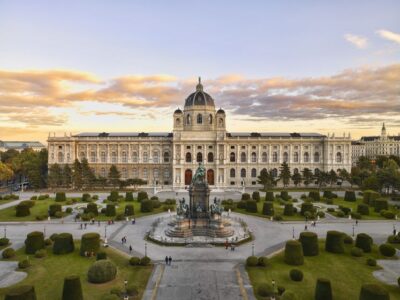
Vienna Kunsthistorisches Museum Day Admission Ticket
Read our review →
St. Stephen’s Cathedral & Dom Museum Wien Tickets
Read our review →
Skip-the-Line Hofburg and Empress Sisi Museum Tour
Read our review →
Tickets for Kunst Haus Wien: Museum Hundertwasser
Read our review →Browse the lists this tour appears in