
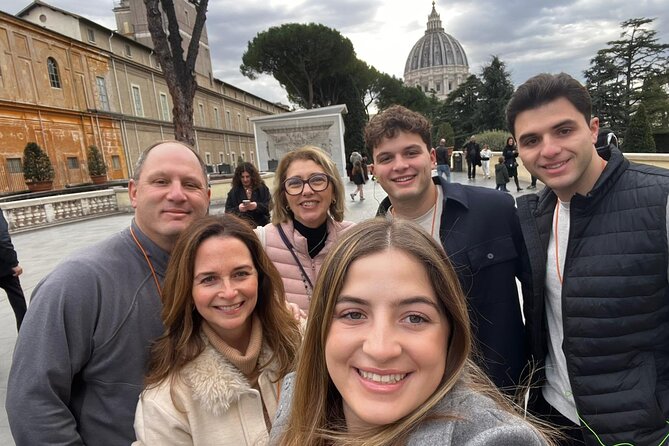
Review · VATICAN CITY
Vatican Museums and the Sistine Chapel Skip-the-Line Tour
The biggest win here is simple: you skip the Vatican’s notorious entry line. Even early in the morning, the queue can stretch around the building. This tour gets you inside with a pre-booked ticket, then uses a guide to bring order to a collection so vast that going alone can feel like walking into an art encyclopedia with no table of contents.
I like the focus on the Gallery of Maps and the Greek and Roman sculpture rooms, not just the famous Sistine Chapel. I also like the option of a small group, since guides such as Berna, Rita, Roberto, and Francesca have been praised for clear explanations and careful crowd management. The main drawback is pace: some groups move quickly, and two hours may feel short for a museum this large.
Key points to know before booking
- Skip the line really matters: Priority entrance can save substantial time, especially when queues snake along the Vatican walls.
- The route covers more than the Sistine Chapel: You see the Vatican Museums, Gallery of Maps, Museo Pio Clementino, and Renaissance works.
- Guide quality shapes the day: Berna, Rita, Roberto, and Francesca are among the guides praised for strong explanations and friendly group handling.
- Groups can reach 20 people: Smaller groups may receive more personal attention, but the exact size can vary.
- St. Peter’s Basilica may be included at the end: The direct passage is subject to opening and Vatican security conditions.
- Plan for stairs and crowds: You need moderate physical fitness, covered knees and shoulders, and patience in busy galleries.
Why the Vatican line is worth avoiding
The Vatican Museums are not a quick museum stop. They hold about 20,000 works on display, spread through long corridors, grand rooms, sculpture galleries, and painted halls. On a busy day, simply getting through the entrance line can consume a large part of your morning.
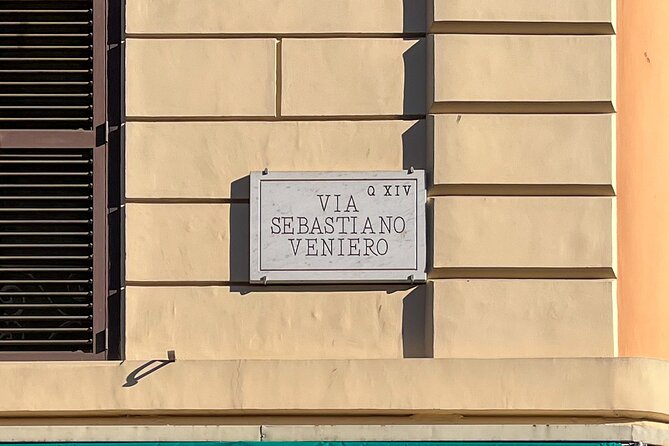
This tour’s priority entrance is its clearest practical value. You meet at Via Sebastiano Veniero 15, check in at the front desk, and should arrive 15 minutes before your scheduled start. From there, the guide handles the entry process and leads the group into the museum.
The saving is not just about comfort. It gives you more time for the art, or more room in your day for lunch, St. Peter’s Basilica, or another Rome sight. At $84.47 per person, the price is not low, but it includes admission, a guided highlights tour, headsets, taxes, and possible priority access to the basilica. If you would otherwise buy a museum ticket and spend hours waiting outside, the added cost can make sense.
Still, skip-the-line does not mean skip every delay. Security checks, crowd control, group organization, and chapel rules can slow the route once you are inside. You avoid the main public queue, but the Vatican remains a busy working museum.
More Museum Tours in Vatican City
- Skip-the-Line Ticket with Host – Vatican Museums & Sistine Chapel
★ 5.0 · 1,267 reviews - Skip The Line ticket to the Vatican Museums & the Sistine Chapel
★ 3.0 · 1,160 reviews - Vatican Museums & Sistine Chapel Guided Tour
★ 4.5 · 763 reviews
Inside the Vatican Museums: a grand but demanding beginning
Once inside, the guide selects the major rooms rather than attempting to show you everything. That is the right approach. You could spend days examining the collections, so a two to three hour visit has to make choices.
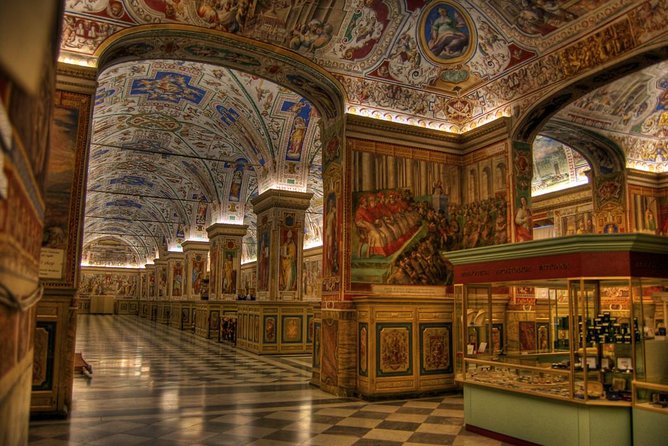
The museum’s holdings grew through centuries of papal collecting. You will see Christian art, Roman sculpture, Renaissance painting, and architectural decoration gathered into one enormous complex. The visual effect can be almost too much: marble figures, painted ceilings, elaborate floors, and gilded details arrive one after another.
A good guide helps you decide what deserves your attention. Guides praised for this tour have explained the meaning behind selected works without stopping for every object in every room. That balance matters. One especially effective approach is to connect the art to the story of Rome, Italy, the papacy, and the artists who worked here.
The route can feel fast. One guide may pause for context, while another may emphasize moving the group through the museum before it becomes even more crowded. If you want to study every painting or linger over sculpture, this is not the ideal format. If you want a clear introduction to the main rooms, the guided route saves you from wandering without a plan.
Headsets are provided, which is important in crowded halls. You can hear the guide without standing shoulder to shoulder around a single person. One practical warning: the quality of the equipment may vary, and some visitors have found the earpieces awkward. If you use hearing aids, ask about the over-ear option at check-in.
The Gallery of Maps deserves your attention
The Gallery of Maps is one of the route’s best surprises. Commissioned in 1580 by Pope Gregory XIII, it contains painted maps of Italy based on drawings by the friar and geographer Ignazio Danti.
You do not need to be a map enthusiast to enjoy this hall. The long gallery turns geography into decoration, with painted views and details covering the walls while the ceiling competes for attention overhead. It is a good place to stop looking only at individual paintings and notice how the entire room works as one grand design.
Allow yourself a moment to look upward and along the walls. The guide can point out how the maps reflect the knowledge and political interests of their time. This is also one of the rooms where a moving group can make it hard to take photographs or simply stand still, so stay close and listen for the planned pause.
The Gallery of Maps gives the visit a strong sense of place. You are not just checking off famous names. You are seeing how the papacy used art, geography, architecture, and ceremony to shape its home.
Museo Pio Clementino and the ancient sculptures
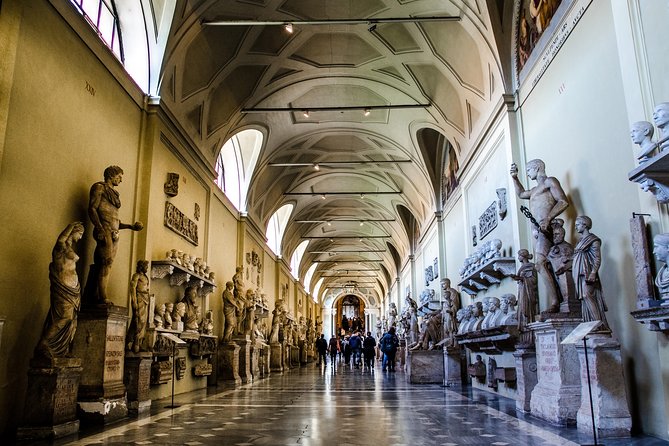
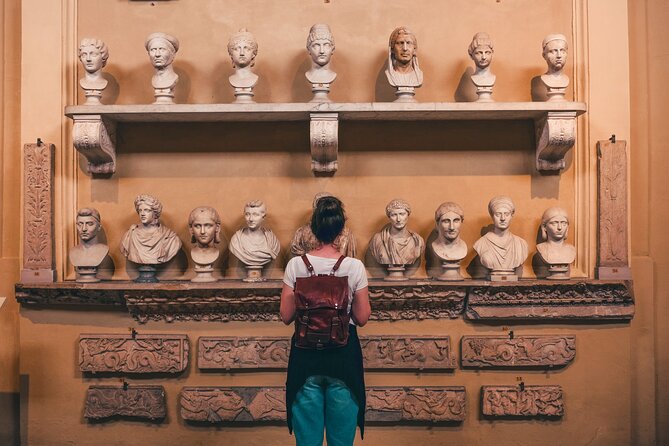
The Museo Pio Clementino adds a different mood to the tour. Founded by Clement XIV in 1771 and expanded by Pius VI, it houses Greek and Roman sculpture.
After the painted rooms and Renaissance decoration, the sculpture galleries provide a useful change of pace. Marble figures and ancient forms show the models that Renaissance artists studied and admired. A guide can help you notice how later artists borrowed poses, body types, and ideas from the ancient world.
The scheduled visit here is about 15 minutes, so expect an introduction rather than a full study of the collection. That short stop is enough to identify important works and understand why ancient sculpture mattered so much to Renaissance Rome.
This is another point where your expectations matter. The museum contains far more than any short tour can cover. The route gives you a strong sample, but it does not provide the freedom of an all-day museum visit. You may leave wishing for more time, which is a good reason to return if ancient art is your main interest.
More ways into the Vatican Museums:
- Vatican: Museums & Sistine Chapel Entrance Ticket
★ 4.5 · 144,003 reviews - Vatican Museums, Sistine Chapel & St. Peter’s Basilica Tour
★ 4.3 · 73,970 reviews - Vatican Museums, Sistine Chapel & St Peter’s Basilica Guided Tour
★ 4.5 · 39,149 reviews - Rome: Vatican Museums, Sistine Chapel and Basilica Tour
★ 4.3 · 16,039 reviews
The Sistine Chapel: famous for good reason
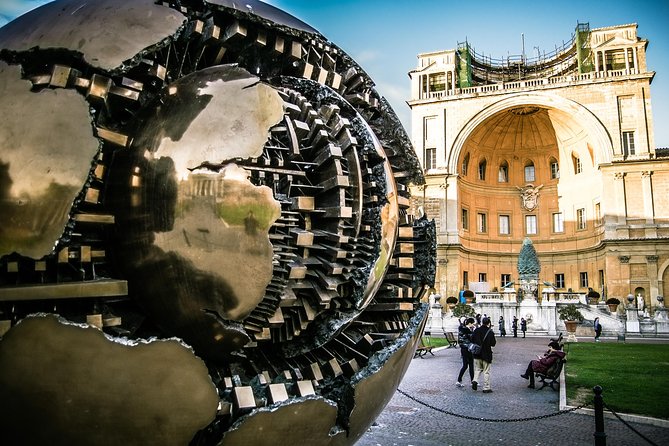
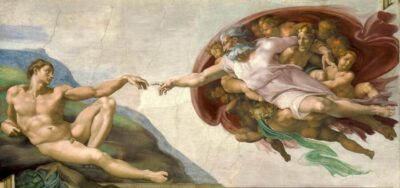
The Sistine Chapel is the emotional center of the visit. Built between 1473 and 1481, it serves as the site of the papal conclave, when cardinals select a new pope. Its fame rests on the frescoes, especially Michelangelo’s ceiling and The Last Judgment.
The room can be crowded and quiet at the same time. You are expected to follow chapel rules, and the stop may feel brief compared with the anticipation leading up to it. Guides cannot continue their normal explanations inside the chapel in the same way they do in the museum galleries, so listen carefully before entering.
A useful guide will prepare you for what to look for: the structure of the ceiling, the crowded scenes, the figures around the central panels, and the scale of The Last Judgment. Some groups receive a handout explaining the chapel images, which can help you make sense of the many figures overhead.
You should not expect a private, peaceful viewing. This is one of Rome’s most visited rooms. The value of the tour is that the guide gives you a framework before you enter, so you can spend your limited time looking with purpose instead of wondering which section you are seeing.
If the chapel is your main goal, check the timing of your chosen option. Some tours have been described as fast, with only a short period inside. The tour is best for an overview and context, not for extended contemplation.
The possible finish at St. Peter’s Basilica
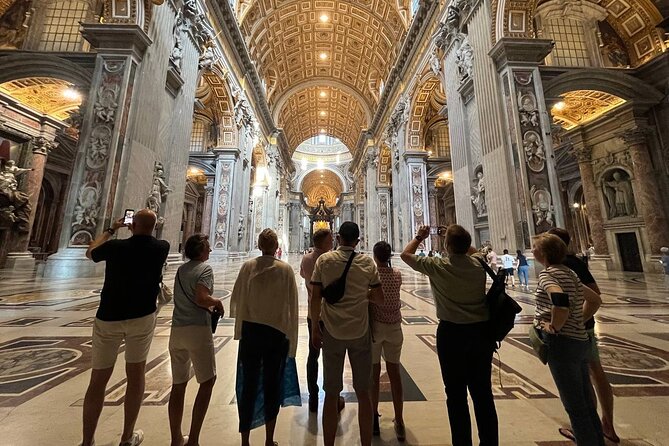
At the end, the guide may lead the group through the Scala Regia passage toward St. Peter’s Basilica if that connection is open. This can be a terrific bonus because it avoids returning outside and joining another long line.
The important words are if the passage is open. Access is not guaranteed. The basilica may close without notice, particularly during the Jubilee period, and Wednesday morning tours can be affected by the pope’s audience in St. Peter’s Square. The English Evening Group Tour also excludes basilica access.
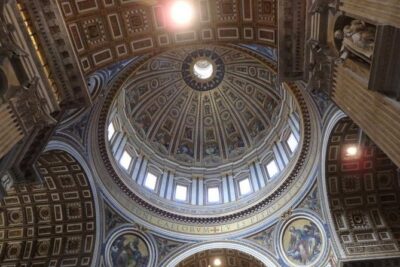
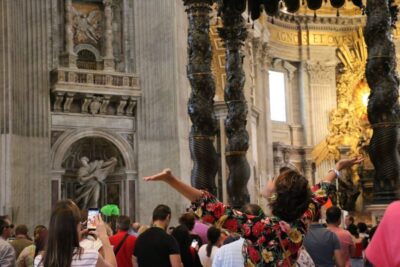
When the passage operates, you enter the basilica on your own after the guided museum portion. This means the church is an extra stop rather than a fully guided continuation. You can admire the vast interior at your own pace, but the tour does not include a ticket for the elevator to the top of the dome.
The basilica is worth the extra time if access is available. It also changes how you should plan the day. A tour advertised at two to three hours may run longer if you linger in the church, and the museum route itself can be tiring. Do not schedule a tight appointment immediately afterward.
Guides, group size, and the pace of the visit
The guide makes a major difference here. Berna has been praised for combining art, faith, and stories about Michelangelo and the popes in a way that works even if you are not religious. Rita has been praised for making the tour easy to follow and enjoyable. Roberto and Francesca have also been recognized for clear explanations and good control of the group.
Those names are useful examples of the standard you should hope for, but you cannot request a particular guide with certainty from the information provided. The tour is offered in English, and the group may include up to 20 people. Some departures may be much smaller, which makes it easier to ask questions and stay with the guide.
The best guides do more than list statue names. They explain why a room matters, point out details you would likely miss, and tell stories that connect the art to Rome. They also watch the group, which is no small job in a museum where corridors can fill quickly.
The pace is the main tradeoff. Some groups have finished the museum and basilica connection in about two and a half hours, while others have run longer. One guide may give you rich detail, while another may push ahead quickly. If you need frequent breaks or want to sketch, photograph, or read every label, a self-guided visit with more time may suit you better.
Who will get the most from this tour
I would choose this tour for a first visit to the Vatican, especially if you have limited time in Rome. It is also a good fit if you want the major artistic highlights explained in plain English instead of trying to understand the museum map on your own.
Families and mixed-age groups can benefit from a guide who keeps the route moving. Guides have helped older participants using canes by finding elevators or short rest stops when possible, but the Vatican still involves many stairs and plenty of walking. The tour requires a moderate level of physical fitness.
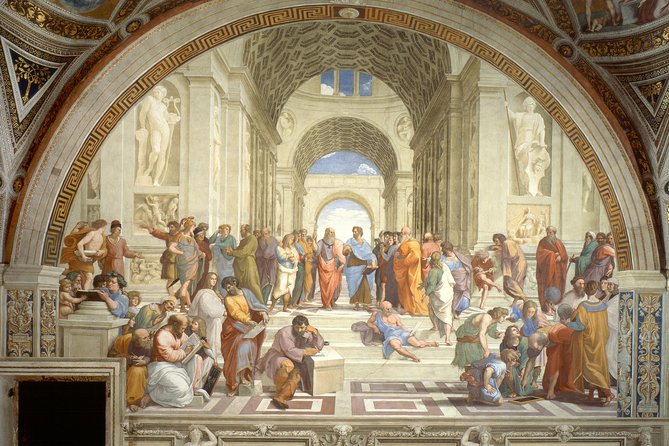
Art lovers should think carefully about the format. You will see important works by Michelangelo and Raphael, ancient Roman sculpture, and the Gallery of Maps, but you will not have time to study every room. For a serious art visit, consider returning later with a longer time slot.
The tour also works well for people who want practical help with crowds. You do not have to manage the entrance line, choose a route through the huge complex, or work out the museum to basilica connection yourself. That convenience is the core purchase.
Clothing, arrival, and small details that matter
Cover your knees and shoulders. The dress rule applies to the Vatican Museums, Sistine Chapel, and basilica access, so dress appropriately from the start rather than hoping to adjust later.
Bring a valid identity document. Arrive at Via Sebastiano Veniero 15 at least 15 minutes before the start time and check in inside at the front desk. The meeting point is near public transportation, but there may not be obvious signs on the street, so allow time to find the address.
Expect crowds, stairs, and long periods on your feet. Comfortable shoes matter more than stylish ones here. Keep your group together, especially in the busiest galleries, and listen for the guide’s instructions before entering the Sistine Chapel.
You can cancel for a full refund up to 24 hours before the scheduled start. Cancellations or changes inside that 24-hour window are not refunded or accepted. The group tour also requires a minimum number of participants, so the operator can cancel a departure if that number is not reached.
Is $84.47 a fair price?
At $84.47, this is a midrange guided Vatican experience rather than a budget entry ticket. The price includes the museum and chapel admission, an English-speaking guide, headsets, taxes, and priority entrance. Possible basilica access adds value, but it is not guaranteed and does not include the dome elevator.
I think the price is reasonable if your main goal is to save time and understand the highlights. The line-saving benefit can be worth a lot on a short Rome trip, particularly when poor weather makes waiting outside unpleasant. The guide also keeps you from spending your first hour simply figuring out where to go.
The value drops if you want a slow art-study session. You are paying for structure, access, and interpretation, not unlimited time in each gallery. If you already know the Vatican well, a standard ticket and your own route may offer better control.
Should you book it?
Book this tour if you want fast entry, a clear route, and an English guide who can explain the main works without burying you in facts. It suits first-time visitors, short stays, families, and anyone who finds the Vatican’s scale intimidating.
Think twice if you dislike group pacing, need extensive accessibility support, or want hours alone with individual paintings. The tour can move quickly, and the basilica connection can close without warning.
For most first visits, I would book it, arrive early, wear practical clothing, and treat the Sistine Chapel as the midpoint of the experience rather than the entire reason to go. Keep your schedule flexible afterward in case St. Peter’s Basilica is open and you want to stay longer.
FAQ
How long does the Vatican Museums and Sistine Chapel tour last?
The advertised duration is approximately two to three hours. The actual timing can vary with crowd levels, group pace, and possible access to St. Peter’s Basilica.
Where does the tour begin?
The tour begins at Via Sebastiano Veniero 15, 00192 Rome. You should arrive 15 minutes early and check in at the front desk inside the meeting point.
Does the tour include skip-the-line entry?
Yes. The tour includes priority entrance to the Vatican Museums and the Sistine Chapel, helping you avoid the regular long entry line.
Is St. Peter’s Basilica included?
The guide may lead you to St. Peter’s Basilica through the Scala Regia passage if it is open. Access is subject to availability, and the English Evening Group Tour does not include basilica access.
What should I wear?
Your knees and shoulders must be covered. You should also bring a valid identity document and be prepared for stairs and a moderate amount of walking.
What is the cancellation policy?
You can cancel up to 24 hours before the start time for a full refund. Cancellations or changes made less than 24 hours before the tour are not accepted and are not refunded.
More Skip-the-Line Tickets in Italy
- Florence: Skip-The-Line Uffizi Gallery Timed Entry Ticket
★ 4.5 · 27,832 reviews - Vatican Museums & Sistine Chapel Skip-the-Line Entry Ticket
★ 4.4 · 13,838 reviews - Rome: Vatican Museums & Sistine Chapel Skip-The-Line Ticket
★ 4.2 · 11,708 reviews - Rome: Vatican Museums & Sistine Chapel Skip-the-Line Ticket
★ 4.3 · 8,103 reviews
Just added around Italy
- Oil museum and oil mill in Tuscany: tour and tasting★ 5.0 · 16 reviews
- Enchanted Castle of Sciacca – Museum Tickets★ 3.5 · 63 reviews
- Torino: FIAT Historic Museum and Lingotto District Tour★ 4.9 · 14 reviews
- Torino: The Car Museum Skip-The-Line Tour★ 4.7 · 22 reviews
- Timed Entry Ticket to the Uffizi Gallery★ 4.5 · 498 reviews
- Florence: Accademia Gallery Entry Ticket with Audio Guide★ 4.1 · 88 reviews
- Vatican City: Sistine Chapel, Museums, Basilica Private Tour★ 4.8 · 158 reviews
- Rome: Capitoline Museums and Centrale Montemartini Tickets★ 4.4 · 328 reviews
Museum Tours in Vatican City, compared.
Skip-the-Line Ticket with Host – Vatican Museums & Sistine Chapel
Read our review →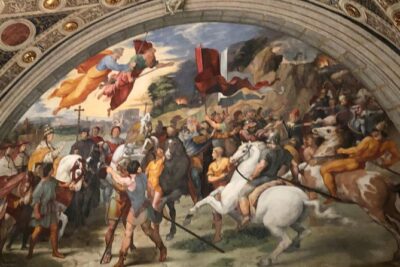
Skip The Line ticket to the Vatican Museums & the Sistine Chapel
Read our review →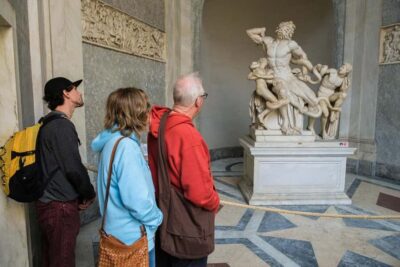
Skip-the-Line Vatican Museums and Sistine Chapel Tour
Read our review →
Vatican Museums & St. Peter’s Basilica with Dome Climb
Read our review →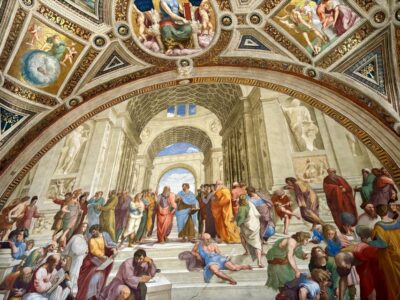
Browse the lists this tour appears in