
Review · AMSTERDAM
Amsterdam: Diamond Museum Entrance Ticket
The most playful part of this museum visit is the Laser Room, where you weave between beams and try to reach a diamond without setting off the alarm. It gives the usual display of polished stones a bit of mischief, especially if you are visiting with children or friends who enjoy a challenge.
I like the clear story of a diamond’s journey, from its formation deep below the earth to mining, trade, cutting, and jewelry design. I also like the collection of replicas of 22 famous diamonds and the pieces linked to the Dutch royal House of Oranje-Nassau.
The main drawback is scale. This is a compact museum rather than a full-day attraction, and the displays focus on explanation and replicas as much as on original famous stones. The lack of a guide also means you move through it at your own pace, with no personal commentary.
Key points to know before you go
- The Laser Room adds a hands-on challenge: Try to reach the diamond without touching a beam or triggering the alarm.
- The museum follows one complete journey: Learn how a diamond forms, gets mined, changes hands, and becomes jewelry.
- Twenty-two famous diamonds appear as replicas: You can see the shape and story of celebrated stones without expecting every original to be present.
- Royal connections are part of the collection: Jewelry linked to the House of Oranje-Nassau gives the subject a Dutch angle.
- Admission covers two nearby attractions: Your ticket includes the Diamant Museum and adjacent Coster Diamonds.
- Plan for a short, focused visit: The museum is open daily from 9:00 AM to 5:00 PM, and the ticket is valid for one day.
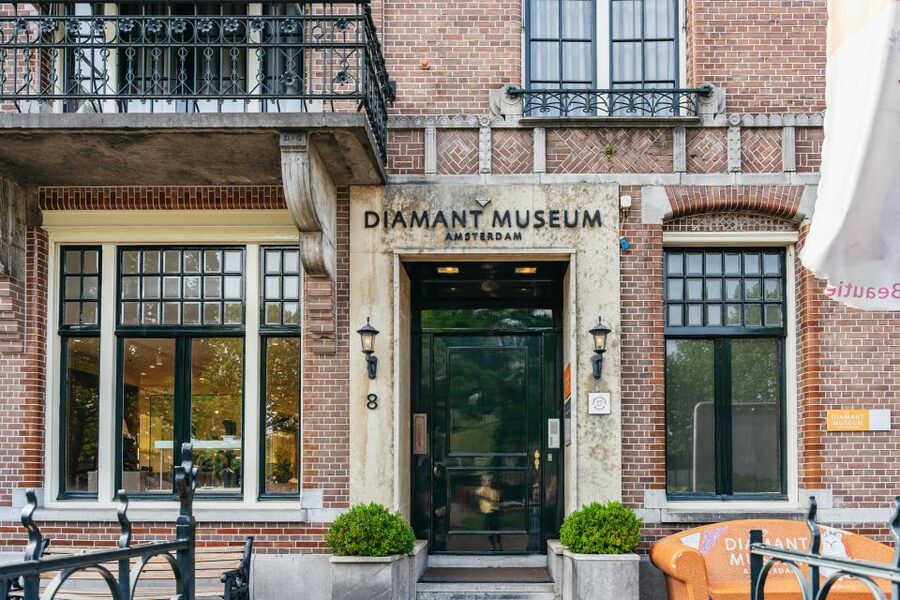
Entering the Diamant Museum on Paulus Potterstraat
The Diamant Museum sits at Paulus Potterstraat 8, 1071 CZ Amsterdam. That address puts you in a museum-focused part of the city, making this a handy stop when you are already visiting Amsterdam’s cultural sights.
Your ticket is valid for one day, and the museum is open from 9:00 AM to 5:00 PM every day, including weekends. The activity does not have a set guided-tour duration, so you can choose your arrival time during opening hours and move through the displays at your own speed.
That flexibility is useful if you are building a busy day around museums. You can visit in the morning, take a break elsewhere, or come later in the afternoon. Still, do not treat the ticket as an all-day attraction. The museum is best understood as a compact stop that adds a specific subject to your Amsterdam plans.
There is no guide included. That keeps the visit independent, but it also means the labels, displays, and short film do the teaching. If you enjoy stopping only for the details that interest you, this works well. If you prefer a host to explain the stones and answer questions, you may find the experience less satisfying.
More Museum Tours in Amsterdam
- Amsterdam: The Upside Down Museum Entrance Ticket
★ 4.4 · 9,506 reviews - Amsterdam: Red Light Secrets Museum Entry Ticket
★ 4.2 · 5,722 reviews - Amsterdam’s Weirdest Museum: Ripley’s Believe It or Not!
★ 4.5 · 4,920 reviews
From 3 billion years underground to a polished ring
The museum’s basic story begins around 3 billion years ago and about 200 kilometers below the earth’s surface. That enormous time scale gives the displays a useful sense of proportion. A finished diamond may look small in a case, but its story begins far below everyday human experience.
You follow the stone through several stages:
- Formation beneath the earth
- Mining and removal
- Distribution and trade
- Cutting and polishing
- Jewelry design and use
This sequence gives the visit more purpose than a simple display of shiny objects. You are not only looking at a finished stone. You are following the work and decisions that turn a rough diamond into something worn on a finger, wrist, or neck.
A short film reinforces this path. It follows the diamond from its formation through mining, trade, distribution, and processing. The film is especially helpful early in your visit because it gives you a basic framework for the displays that follow.
The museum also explains the craft of diamond polishing. A raw stone does not arrive looking like the bright, carefully shaped stone in a ring. Its final appearance depends on processing and design, and the exhibits connect the natural material with the human skill needed to make it into jewelry.
Famous stones shown through 22 replicas
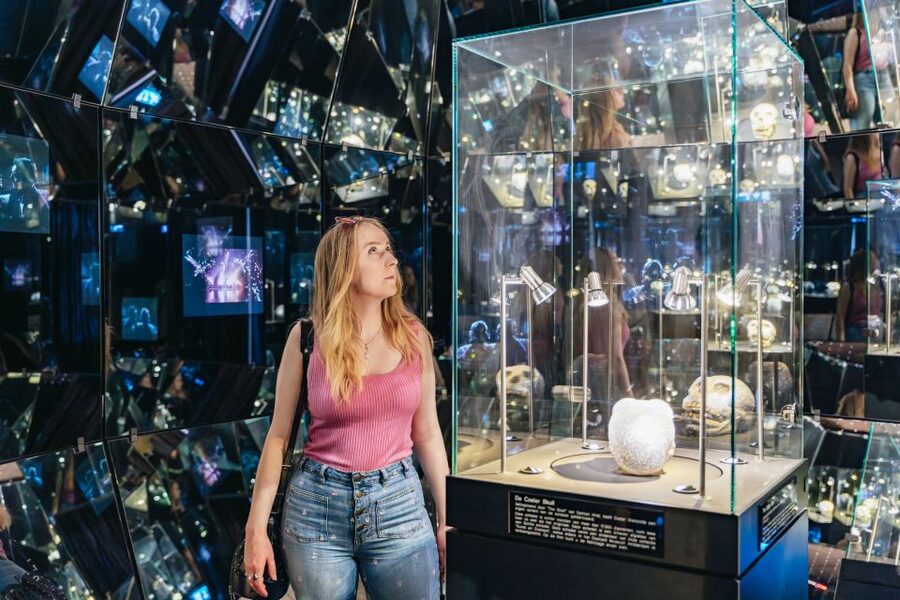
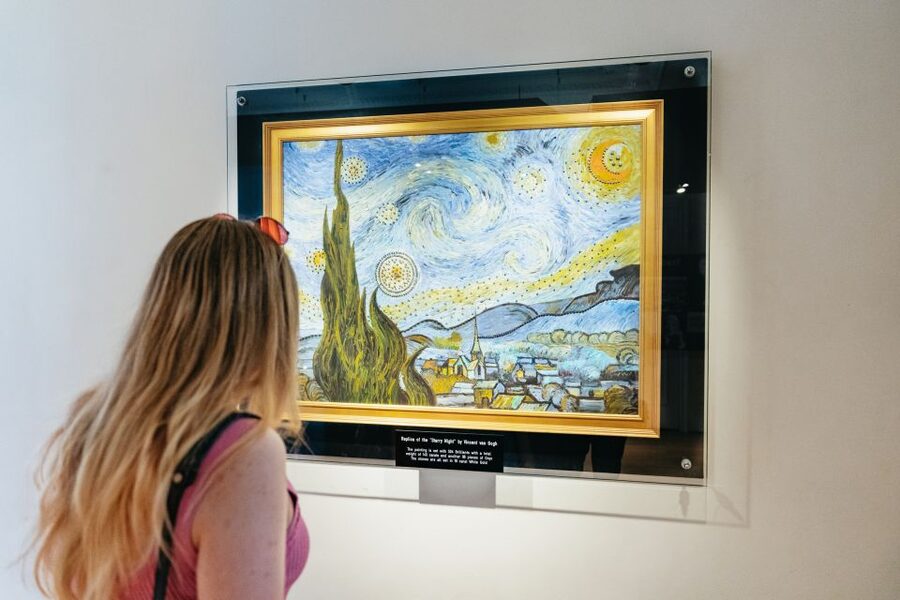
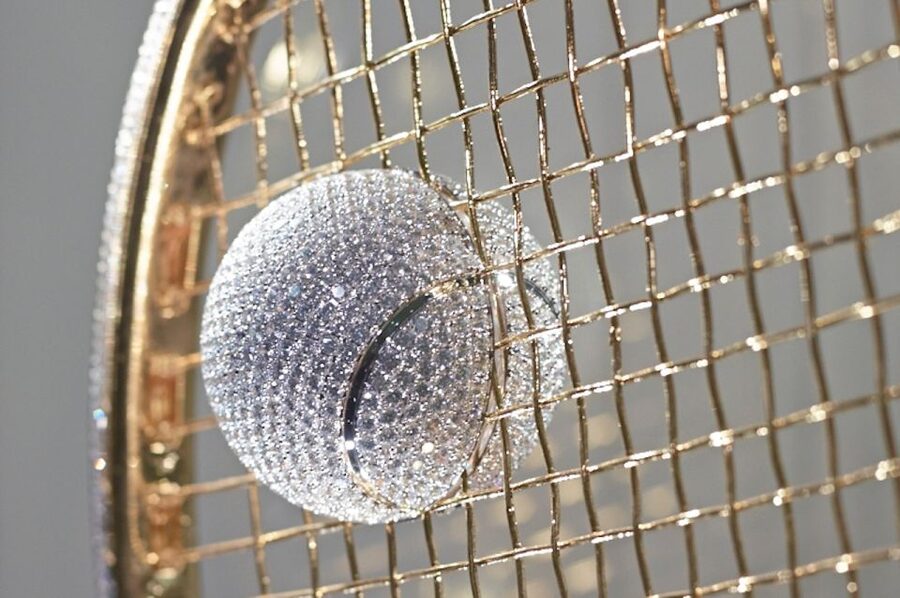
One of the museum’s strongest features is its collection of replicas of 22 famous diamonds. These reproductions let you compare stones with important stories, unusual shapes, or distinctive beauty.
The word replica matters here. You should not expect to see every celebrated diamond in its original form. The value is in seeing how these famous stones are presented and learning why each one became known.
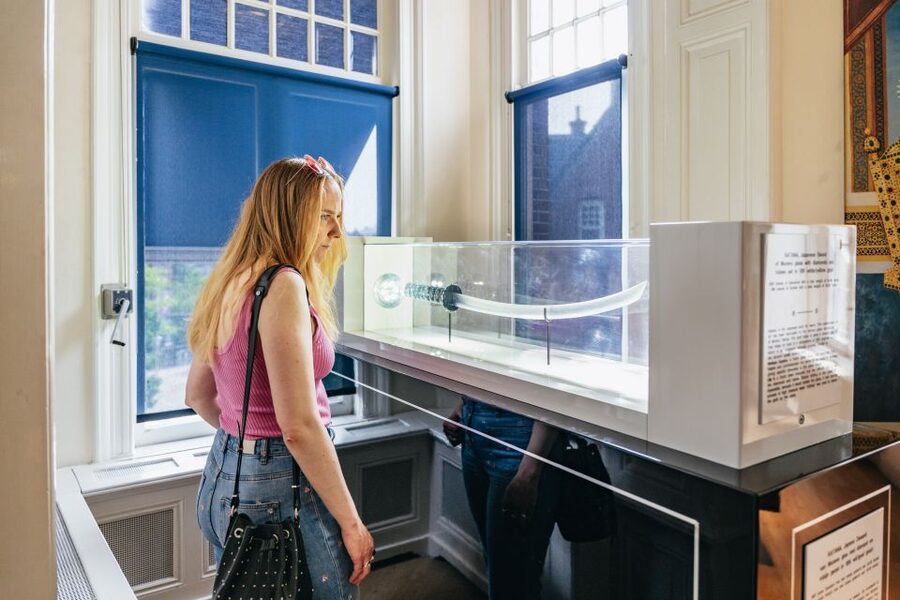
This approach works well for anyone who has little background in diamonds. Instead of encountering a case of unfamiliar stones, you get examples with stories attached to them. The replicas also let the museum explain the relationship between appearance, size, cutting, ownership, and fame.
I would pay close attention to the descriptions rather than rushing from one case to the next. The written material helps turn the display into a lesson in diamond culture and trade. The most enjoyable part is seeing how a stone’s story can matter almost as much as its color or shape.
Royal jewelry and the Dutch connection
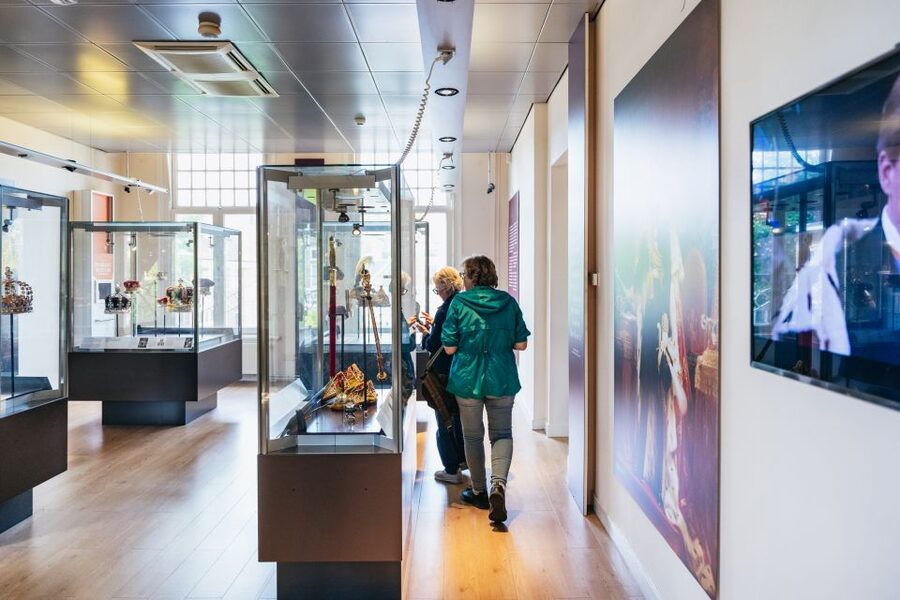
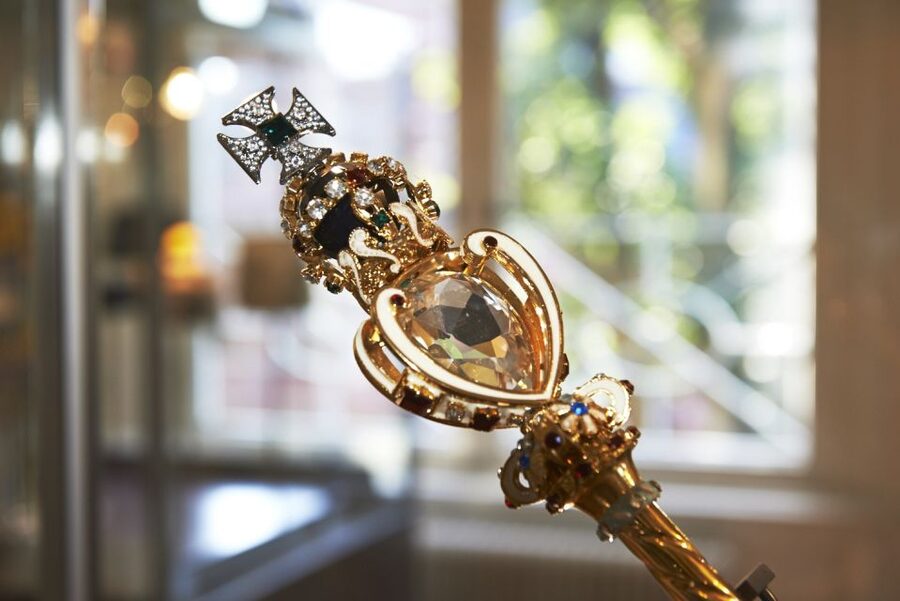
The collection includes jewelry and diamonds associated with the royal House of Oranje-Nassau. This gives the museum a local connection and adds a human element to a subject that can otherwise feel distant.
Royal jewelry is not simply about size or sparkle. It also shows how diamonds have been used to signal status, mark occasions, and link objects to families and institutions. In this setting, the pieces help connect Amsterdam’s diamond trade with European royalty.
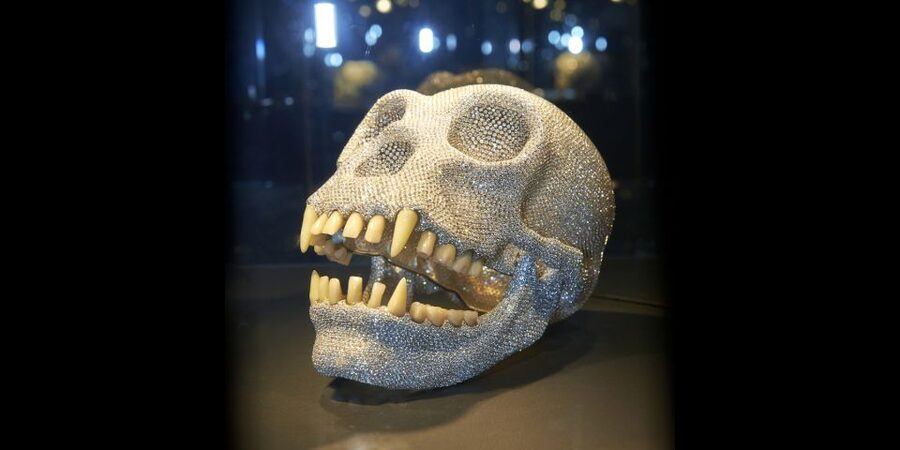
You will also see other jewels selected for their history or unusual beauty. That mix keeps the displays from being only about technical processing. Some pieces matter because of their story, while others catch your eye because of their design.
Do not expect a fashion museum with long displays of clothing and accessories. The focus remains on diamonds, the work behind them, and the stories that surround them. The royal pieces are one part of that larger explanation.
A few more museum visits around Amsterdam worth comparing
- Amsterdam: Van Gogh Museum Ticket and City Canal Cruise
★ 4.6 · 3,899 reviews - Amsterdam: Van Gogh Museum Ticket & Canal Cruise
★ 4.5 · 3,304 reviews - Amsterdam: NEMO Science Museum Ticket
★ 4.4 · 2,979 reviews - Moco Museum Amsterdam Admission Ticket with Banksy and more
★ 4.0 · 1,745 reviews
The Laser Room diamond heist
The new Laser Room is the museum’s most interactive feature. You try to move between laser beams and reach the diamond without touching one. If you hit a beam, an alarm sounds.
This is a simple idea, but it changes the mood of the visit. After looking at cases and reading about polishing, you get a physical challenge that turns the diamond-heist theme into a short game. Children are likely to enjoy it, and adults may find themselves taking the challenge more seriously than expected.
The room is also a good reason to visit with family or friends. You can watch each person attempt the route, and the alarm adds a clear sense of success or failure. It is not a major ride or a long activity, so keep your expectations in check. Think of it as a memorable extra rather than the main reason to buy admission.
The museum does not provide detailed information about how long you can spend in the Laser Room or whether repeated attempts are available. You should simply treat it as one part of the visit and follow the instructions given on site.
Coster Diamonds is included next door
Your admission also includes the adjacent Coster Diamonds. This makes the ticket more useful than a single small museum entry, especially if you are interested in the connection between diamond display and diamond craftsmanship.
The supplied information does not give a separate schedule or detailed route for Coster Diamonds, so allow the museum staff to direct you through the included access. The important practical point is that you do not need to buy a second ticket for that adjacent attraction.
This pairing helps you see both the educational and commercial sides of diamonds. The museum explains the natural history, famous stones, royal links, and processing. Coster Diamonds adds another place connected with the craft and presentation of diamonds.
Because both sites are included, check that you have enough time before the 5:00 PM closing hour. I would not arrive at the very last minute if you want to see both. A little breathing room makes the visit more relaxed.
Is the $14 price good value?
At $14 per person, this is a reasonable small museum ticket if diamonds genuinely interest you, or if you want a short indoor stop with a family-friendly activity. The price becomes more attractive because admission also includes adjacent Coster Diamonds.
The value depends on what you want from a museum. If you hope to see a large collection of original world-famous diamonds, you may feel the visit is limited. Many of the famous stones are represented by replicas, and the museum is not presented as a huge institution with hours of galleries.
If you like clear explanations, royal jewelry, and the story of how raw material becomes a finished piece, the price is easier to justify. The Laser Room gives children something active to do, while the short film and displays provide the educational backbone.
You can also reserve now and pay later, which is useful if your Amsterdam schedule is still changing. Cancellation is free up to 24 hours before the visit for a full refund. Those terms reduce the risk of committing too early, although one rating of the experience notes that some people found it possible to buy admission at the door. Since the museum is open daily, you may prefer to decide on the day if your plans are flexible.
Who will enjoy this museum most?
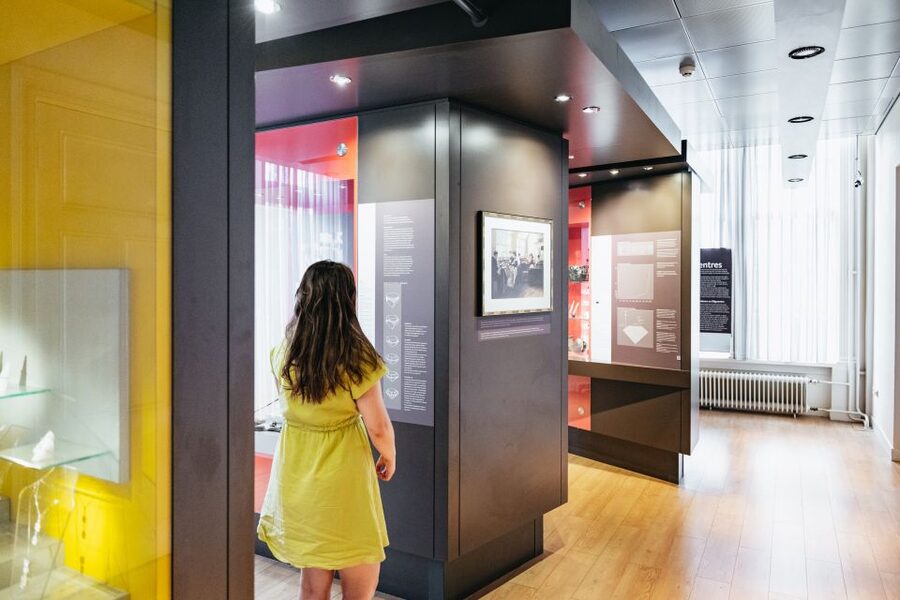
I would recommend this experience to several types of visitors.
Families with children get the clearest benefit from the Laser Room. The museum adds an activity that involves movement and a simple goal, instead of asking children to stand quietly beside every case.
First-time diamond learners will appreciate the chronological story. You can start with formation, follow the stone through mining and trade, and finish with cutting and jewelry. That structure makes the subject easier to follow.
Jewelry enthusiasts will find more to examine in the royal collection and the displays of finished pieces. The focus on polishing and design gives useful context for understanding why a finished stone looks the way it does.
Visitors with a spare hour can use the museum as a focused cultural stop. The one-day ticket and daily opening schedule make it easy to fit into a larger Amsterdam itinerary.
I would be more cautious if you have limited time and only want Amsterdam’s major museums. This is a specialized attraction. Its value comes from interest in diamonds, jewelry, royal objects, or a family activity, not from its size.
Practical details that affect your visit
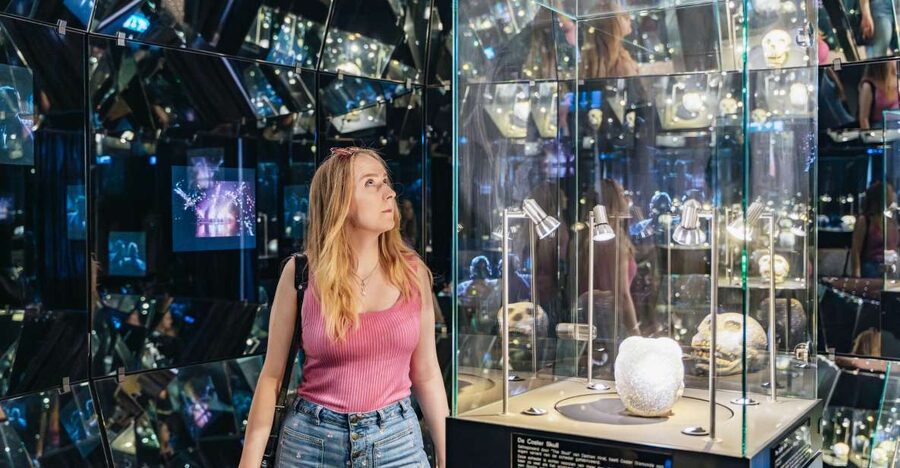
The meeting point and end point are the same: Diamant Museum, Paulus Potterstraat 8. The ticket is for the museum and adjacent Coster Diamonds, and the activity does not include a guide.
Pets, smoking, luggage, and large bags are not allowed. Plan to carry only what you need for the visit. The attraction is not suitable for wheelchair users, so this is an important consideration before booking.
Opening hours are 9:00 AM to 5:00 PM daily, including weekends. The information provided does not list a fixed starting time, so check availability for the day you want to visit.
I would place the museum earlier rather than later in your day if you want to see both included sites without rushing. A morning or early afternoon arrival gives you more room to read the displays and try the Laser Room at an unhurried pace.
How to get the most from the displays
Start by paying attention to the film and the early explanation of diamond formation. Once you understand the path from underground material to finished jewelry, the later cases make more sense.
Then slow down at the famous-diamond replicas. Look for the reason each stone is remembered. The interesting point is not only its size or shine, but the connection between the stone, its processing, its owners, and its story.
Give the royal jewelry time as well. These pieces connect the subject to Dutch and European history, and they provide a useful contrast with the technical displays about cutting and polishing.
Save the Laser Room for a point when you want a change of pace. It is a natural finish to the visit because you can end with something active rather than leaving directly from a display case.
Should you book the Diamant Museum?
Book it if you want a short, specialized Amsterdam attraction with a clear educational story, royal jewelry, famous-diamond replicas, and a playful laser challenge. At $14, the included access to Coster Diamonds strengthens the value.
Skip it if you are looking only for original famous stones, a large museum, or a guided experience. There is no guide, the visit is compact, and replicas form an important part of the presentation.
For families, jewelry fans, and anyone curious about how a rough stone becomes a finished jewel, I think it is a sensible addition to an Amsterdam day. For everyone else, keep it as a flexible option rather than a must-see priority.
FAQ
Where is the Diamant Museum located?
The museum is at Paulus Potterstraat 8, 1071 CZ Amsterdam, in North Holland, Netherlands.
What are the opening hours?
The Diamant Museum is open daily from 9:00 AM to 5:00 PM, including weekends.
How long is the ticket valid?
The ticket is valid for one day.
Does the ticket include Coster Diamonds?
Yes. Admission includes the Diamant Museum and the adjacent Coster Diamonds.
Is a guide included?
No. The activity does not include a guide.
What is included in the museum visit?
You receive entrance to the Diamant Museum and adjacent Coster Diamonds. The visit also includes access to the museum displays and Laser Room.
Is the Laser Room suitable for children?
The Laser Room involves moving between beams and trying to reach a diamond without triggering an alarm. The supplied information does not state a specific age requirement.
Are famous original diamonds on display?
The museum includes replicas of 22 famous diamonds. The information provided does not state that the original famous stones are on display.
Can I bring luggage or a large bag?
No. Luggage and large bags are not allowed. Pets and smoking are also not allowed.
Is the museum wheelchair accessible?
The activity is listed as not suitable for wheelchair users.
Can I cancel my booking?
Yes. You can cancel up to 24 hours in advance for a full refund.
Can I reserve now and pay later?
Yes. You can reserve your place and pay later, allowing more flexibility while planning your Amsterdam visit.
Just added around Amsterdam
- Van Gogh Museum Tour excluding Entrance Tickets★ 5.0 · 16 reviews
- Van Gogh Museum Entry Ticket and Guided Tour★ 4.5 · 48 reviews
- Van Gogh Museum with Audio Guide★ 3.5 · 80 reviews
- Amsterdam: Explore the Van Gogh Museum & His Masterpieces★ 3.5 · 64 reviews
- Van Gogh Museum Skip the Queue with Audio Guide★ 4.0 · 261 reviews
- Amsterdam Van Gogh Museum with Audio or Guided Tour★ 4.0 · 266 reviews
- Van Gogh Museum, Rijks Museum & Walking Tour – Private Day Tour★ 5.0 · 17 reviews
- Van Gogh Museum Ticket with Audio Guide and Unlimited Access Time★ 5.0 · 25 reviews
Museum Tours in Amsterdam, compared.



Amsterdam’s Weirdest Museum: Ripley’s Believe It or Not!
Read our review →


Van Gogh Museum Amsterdam Exclusive Tour w/ Reserved Entry
Read our review →
Moco Museum Amsterdam Admission Ticket with Banksy and more
Read our review →Browse the lists this tour appears in