
Review · KRAKOW
Schindler’s Factory in Krakow: Guided Tour & Skip the Line Ticket
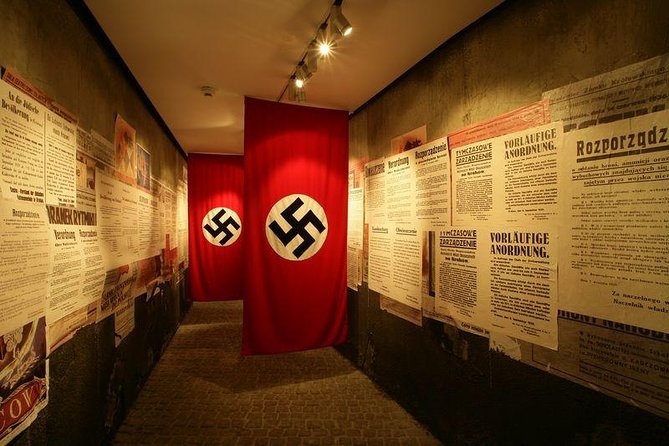
The most important thing to know is that this is not mainly a museum about Oskar Schindler. It is a powerful account of Krakow during World War II, with Schindler, his factory, and the Jewish workers he protected forming one part of the story. The displays lead you through occupied streets, prisons, resistance work, fear, and daily survival.
I like the timed entry, since getting into this popular museum without planning can be difficult. I also like having a guide to explain how each room fits into Krakow’s wartime story. The main caution is guide quality: some guides, including Marta, Natalia, Elizabeth, and Wojtek, have been praised for clear, engaging commentary, while other groups report rushed pacing, missed meeting points, or no usable tour at all.
Key points to know
- The museum covers Krakow under occupation more than Schindler alone, so adjust your expectations before booking.
- Skip-the-line, timed admission is the main practical benefit, especially during busy periods.
- Guided visits vary sharply in quality, with strong praise for Marta, Natalia, Elizabeth, and several other guides, but some complaints about rushed or missing guides.
- Schindler’s office and factory products help connect the larger wartime story to the building itself.
- A group of up to 25 people can feel crowded in narrow rooms, especially if no headphones are provided.
- Bring the full names and identification documents for everyone in your party, since tickets are issued by name.
What You Are Really Seeing at Schindler’s Factory
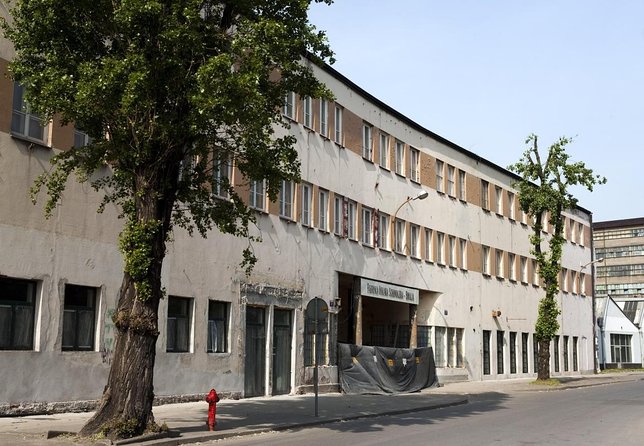
Oskar Schindler’s Enamel Factory, called Fabryka Emalia Oskara Schindlera in Polish, is housed at Lipowa 4 in Krakow. The building is tied to the German industrialist who employed Jewish workers during the war, but the museum uses that setting to tell a much wider story.
You begin with a short introduction to Schindler and the way Steven Spielberg’s 1993 film, Schindler’s List, brought his story to a worldwide audience. That introduction is useful, but it is only the opening chapter. Once inside, the museum turns toward Krakow itself and the effects of Nazi occupation.
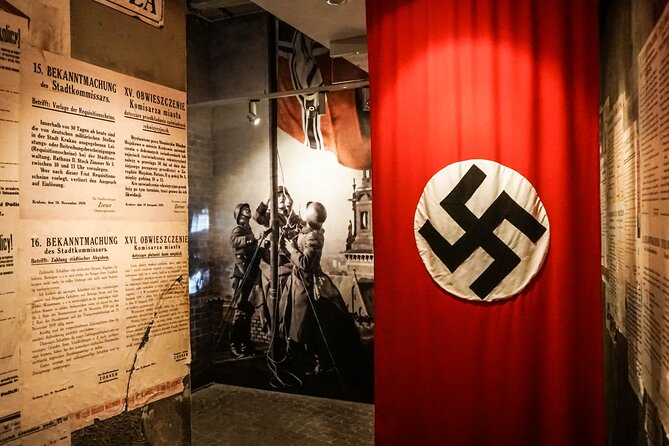
You’ll see photographs, documents, objects, film, and radio recordings. The presentation takes you through the city before and during the war, then into the violence and control that shaped ordinary life. The material is serious and often upsetting. This is not a light sightseeing stop, and you should allow yourself time to absorb what you are seeing.
The key shift in expectation is simple: if you arrive hoping for a long, detailed biography of Schindler, you may leave disappointed. If you want to understand how the occupation affected Krakow, and how Schindler’s factory fitted into that story, the museum makes much more sense.
More Museum Tours in Krakow
- Auschwitz-Birkenau Museum and Memorial Guided Tour from Krakow
★ 4.5 · 1,510 reviews - Krakow: Rynek Underground Museum Guided Tour
★ 4.6 · 1,122 reviews - Krakow: City Card with Public Transport and Museums
★ 3.9 · 675 reviews
Meeting the Guide at Lipowa 4
You make your own way to the museum. The meeting point is outside the factory at Lipowa 4, and the tour is offered in English. A timed start helps you fit the visit into a day that may also include Kazimierz, the former Jewish district, or other Krakow sights.
Allow extra time to find the guide. The meeting area can be confusing when several tour groups gather near the entrance. One useful improvement would be a clearer sign, umbrella, or other visible marker. Some guides are easy to spot, but not all are clearly identified.
The best experiences begin with a calm, organized welcome. Natalia has been praised for arriving on time, speaking clear English, and answering questions with confidence. Elizabeth has also received strong praise for her warm manner and lively presentation. Marta is another name worth noting. She has been credited with keeping a group moving through a busy museum without making the tour feel rushed.
But organization is not consistent. Some visitors have waited outside while the guide was inside, while others have had trouble finding a guide at all. A few groups reported that a guide did not appear, forcing them to enter on their own or buy replacement admission. That is not a minor inconvenience when you have paid extra for a guided visit.
My practical advice is to arrive early, keep your phone available, and confirm exactly where the guide will meet you. If someone tells you to wait in a particular spot, make sure you know how the group will be identified.
The Opening Story of Oskar Schindler
The introduction gives you the basic facts about Schindler, his German background, and the workers employed at the factory. It also explains the connection to Schindler’s List, the Oscar-winning film that made his name familiar to many people.
The factory produced pots, pans, tins, and other enamelware for the German army. For Jewish workers, employment could offer protection from deportation to concentration camps. Schindler’s efforts eventually helped save about 1,200 Jewish people, often referred to as Schindlerjuden, or Schindler’s Jews.
The museum does not treat this story as a simple tale of one heroic man. Instead, it places Schindler’s actions beside the larger machinery of occupation, forced labor, persecution, and murder. That wider frame is one of the museum’s strengths.
Your guide can help connect the objects and rooms to this bigger picture. Without that explanation, you might look at the factory equipment and see only an industrial workplace. With context, the enamelware becomes part of a wartime system, and the factory becomes a place where employment could mean survival.
Moving Through Krakow Under Nazi Occupation
The central part of the visit focuses on Krakow’s experience during World War II. You’ll see photographs of the city, images of cobbled streets, accounts of resistance, and references to prisons and hiding places.
Original film and radio recordings add another layer. They help you understand the fear and uncertainty that shaped everyday life. The museum is not simply displaying old objects behind glass. It uses sound, images, and reconstructed settings to show how the occupation changed the city.
This section is where a good guide makes the greatest difference. Natalia has been praised for giving a concise overview of Krakow before and during the war, while other guides have been credited with explaining how each room represents a different stage of the occupation. That kind of structure helps you follow the museum instead of treating it as a series of disconnected displays.
The drawback is pace. A guide leading a group through a set route cannot always stop while everyone reads every panel. Some people have found the visit too fast and wished for more time with the written material. Others have left feeling that the tour moved from room to room before they had absorbed the previous one.
If you are very interested in the subject, think of the guided tour as an introduction rather than a complete study. You may want to return to parts of the museum on your own, if your admission and timing allow it, or reserve additional time for independent reading.
More skip-the-line museum tickets in Krakow:
- Krakow: Rynek Underground Museum Skip-the-line Guided Tour
★ 4.7 · 138 reviews - Krakow: Skip-the-line Oskar Schindler’s Museum Private Tour
★ 4.7 · 34 reviews - Krakow: Skip-the-Line Rynek Underground Museum Guided Tour
★ 4.7 · 26 reviews - Schindler’s Factory Skip-the-line Museum Ticket
★ 4.9 · 15 reviews
Schindler’s Office and the Factory Connection
One of the most meaningful moments is seeing Schindler’s office. It gives you a physical link to the person at the center of the museum’s name, even though the wider exhibition extends well beyond him.
You’ll also see examples of the enamelware made at the factory. Pots, pans, tins, and similar products may seem ordinary, but here they show how industrial work and wartime survival were connected. The objects help bring the story back from broad historical events to the people who worked in the building.
You also hear about the fates of some of the 1,200 people Schindler employed. Those personal accounts are important because the museum could otherwise feel focused only on dates, military events, and political decisions.
Still, keep your expectations measured. The visit does not present every room as a Schindler exhibit. Much of the museum concerns the suffering of Krakow’s population, the occupation of Poland, and the later history of the city. That balance is historically useful, but it can surprise anyone who books the experience mainly because of the film.
Why a Guide Can Be Worth the Extra Cost
At $35.70 per person, this is not the cheapest way to spend 90 minutes in Krakow. The value depends largely on what you want from the visit.
If you only need admission, the guided option may feel expensive. The museum’s own displays contain a great deal of information, and one person found that much of what the guide said could be learned by reading the exhibits. The main reason to pay more is not extra access to hidden rooms. It is the explanation, structure, and help making sense of a dense subject.
A good guide can point out what matters, explain how the rooms connect, and answer questions in real time. Barbara, Marta, Natalia, Elizabeth, and several other guides have been praised for making the museum easier to understand. A family account shared by one guide also helped make the events feel less distant and abstract.
The value drops quickly when the guide speaks too fast, does not wait for the group, or gives vague answers. One group without headphones missed much of the commentary when the guide moved ahead. In a museum with narrow corridors and other groups nearby, the ability to hear clearly matters.
The maximum group size is 25 people. That is manageable when the guide is organized, but it can feel too large in tight spaces. Smaller groups of around 14 to 15 people have been described as easier to follow. If a small-group option is available when you book, I would consider it worth paying a little more.
Timing, Crowds, and the Two-Hour Question
The stated duration is about 1 hour 30 minutes, although the detailed route describes roughly two hours inside and some experiences have taken longer. Treat the advertised time as an estimate rather than a stopwatch guarantee.
A guided visit gives you a set pace. That can be helpful if your Krakow schedule is tight, but it also means you may not linger over every display. Several people found the experience rushed, while others said their guide allowed enough time even when the museum was busy.
The museum can be crowded, and narrow passages make group movement important. Skip-the-line entry helps with the entrance queue, but it does not make the interior empty. You still need to stay close enough to hear the guide and keep up with the group.
If you want to read every panel, inspect each photograph, and pause with the recordings, plan for more time than the basic tour length. One visitor estimated that three to four hours would be needed to fully appreciate the scale of the occupation and Schindler’s work. That is not the normal guided-tour duration, but it is useful advice for serious history enthusiasts.
How the Experience Handles Difficult History

This is a moving museum, but it is not designed to soften the subject. You’ll encounter fear, persecution, imprisonment, resistance, forced labor, and the destruction of Jewish life in Krakow.
The strongest guides keep the information clear without turning the visit into a performance. Their job is to help you understand the evidence and the human consequences. That is why guide style matters so much here. A rushed or distracted guide can make a serious museum feel disjointed, while a calm guide can give the story shape and dignity.
I would not choose this tour for young children unless you already know they can handle difficult wartime material. The supplied information says most people can participate, but it does not describe a child-specific format. For adults and older teenagers with an interest in history, the museum offers a valuable look at Krakow beyond its attractive squares and churches.
Practical Details Before You Book
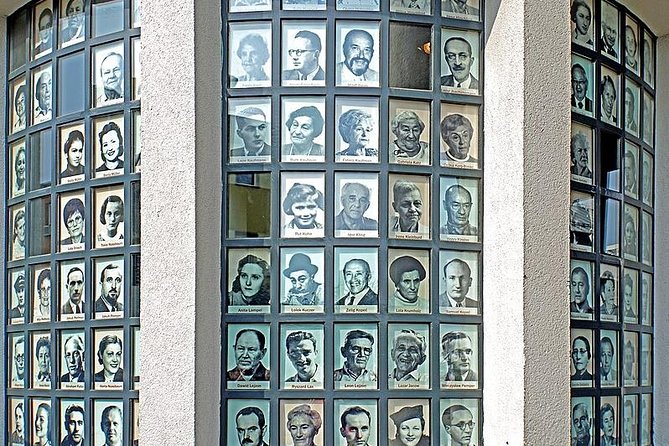
The museum is near public transportation, but you must arrange your own transport to Lipowa 4. The tour ends back at the meeting point, and the guide can provide directions toward the city center or your hotel.
Food and drinks are not included. The important included item is the entrance ticket, along with a professional guide if you select the guided option.
Provide the full name of every person in your booking. Museum tickets are issued in individual names, and staff may ask to see a passport or identity card. Bring valid identification so a paperwork issue does not spoil the visit.
The experience is offered in English. Confirmation is provided at booking, and tickets have also been sent by WhatsApp the day before in some cases. Because the activity is non-refundable and cannot be changed, double-check your date, start time, names, and meeting instructions before paying.
Who Will Get the Most From This Tour
I would recommend it to you if you want a structured first visit and prefer having someone explain the complicated sequence of events. It is especially useful if you know Schindler mainly from the film and want to place his story in the larger setting of occupied Krakow.
It suits people who value a timed ticket and do not want to gamble on finding a separate admission slot. It also works well for visitors with limited time, as long as you accept that the route may move quickly.
I would be more cautious if you want a quiet, self-paced museum visit. You may prefer to read every display, stop for every recording, and spend as long as you wish with Schindler’s office. The guided route can limit that freedom.
The guide is the deciding factor. A strong guide such as Marta, Natalia, Elizabeth, or Barbara can make the museum far easier to follow. A disorganized guide, a missing guide, or a guide who speaks too quickly can turn the same admission into a frustrating experience.
Should You Book Schindler’s Factory Tour?
Book it if skip-the-line access and historical explanation matter more to you than a narrow focus on Schindler himself. The museum offers a serious, carefully presented account of Krakow under Nazi occupation, and the factory setting, office, enamelware, and worker stories give the subject a personal center.
At $35.70, I see the price as fair when the guide is strong and the timed admission saves you hassle. I would not book it expecting a film-themed attraction or a full biography of Schindler. Go for the wider story of Krakow, and you’ll have a better experience.
If you book, arrive early, confirm the guide’s location, bring identification, and stay close enough to hear. If the operator offers a smaller group, choose it. Those simple choices can make the difference between a focused, memorable museum visit and a rushed walk through crowded rooms.
FAQ
Where does the Schindler’s Factory tour begin?
The tour begins outside Oskar Schindler’s Enamel Factory at Lipowa 4, 30-702 Kraków, Poland.
Where does the experience end?
The activity ends back at the meeting point outside the museum.
How long does the tour take?
The listed duration is approximately 1 hour 30 minutes. The detailed route describes about two hours of exploring, so allow some flexibility.
Is admission to the museum included?
Yes. The entrance ticket is included, and a professional guide is included if you select the guided option.
Is the tour offered in English?
Yes. The experience is offered in English.
Does the museum focus only on Oskar Schindler?
No. The museum focuses more broadly on World War II in Krakow, including the city’s occupation, resistance, prisons, fear, and the experiences of Jewish workers. Schindler and his factory are important parts of the story, but not the sole focus.
Do I need identification?
Yes. Tickets are issued in the individual names provided at booking, and museum staff may request a valid passport or identity document.
How many people can be in the group?
The activity can have a maximum of 25 participants. Smaller groups may be easier to follow in the museum’s narrow spaces, particularly if headphones are not provided.
Just added around Krakow
- Schindler’s Factory Skip-the-line Museum Ticket★ 4.9 · 15 reviews
- Schindler’s Factory Museum Guided Tour – Krakow★ 4.5 · 15 reviews
- Krakow: Schindler’s Factory Museum Guided Tour★ 4.1 · 86 reviews
- Schindler’s Factory Museum in Krakow – Guided Tour★ 4.3 · 33 reviews
- Krakow: Rynek Underground Museum Skip-the-line Guided Tour★ 4.7 · 138 reviews
- Krakow: Vodka Factory Museum Entry Ticket and Tasting★ 4.3 · 75 reviews
- Krakow: Rynek Underground Museum Guided Tour & Stories★ 4.8 · 26 reviews
- Krakow: Skip-the-Line Rynek Underground Museum Guided Tour★ 4.7 · 26 reviews
Museum Tours in Krakow, compared.
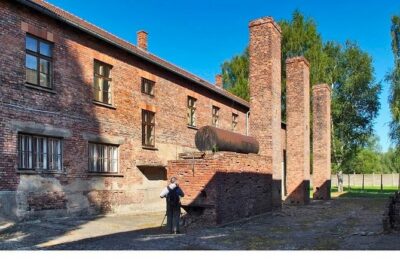
Auschwitz-Birkenau Museum and Memorial Guided Tour from Krakow
Read our review →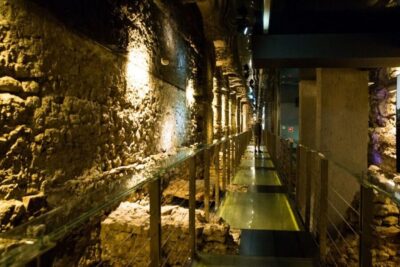
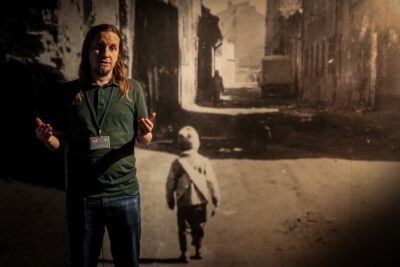
Krakow Schindler’s Factory Museum Guided Tour in English
Read our review →
Auschwitz Birkenau Museum Guided Tour with Pickup
Read our review →
Auschwitz Birkenau Guided Tour Small Group with Hotel Pick up
Read our review →
Browse the lists this tour appears in