
Review · KRAKOW
Krakow Schindler’s Factory Museum Guided Tour in English
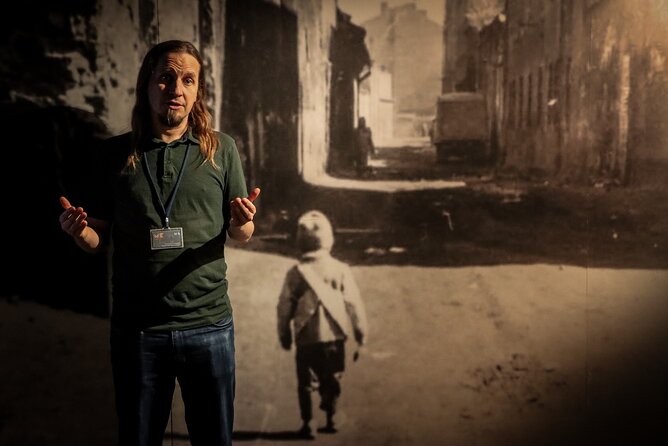
The most important thing to know is that this is not mainly a tour of a preserved factory. Oskar Schindler’s former enamel factory now holds a carefully designed museum about Krakow under Nazi occupation, with Schindler and the people he helped woven into the larger story. You will see his office and places linked with Schindler’s List, but most of the 90 minutes focus on wartime Krakow.
I like the English-speaking local guide, especially when the guide adds personal stories and explains how individual lives fit into the wider events. I also like the small group limit of 20, the included admission, and the skip-the-line meeting system with a yellow umbrella. The main drawback is pace: some guides keep the group moving so quickly that you may not have enough time to read every display or explore alone afterward.
Key points to know before you book
- The museum is about wartime Krakow first, Schindler second: Expect a broad account of occupation, Jewish life, persecution, and resistance.
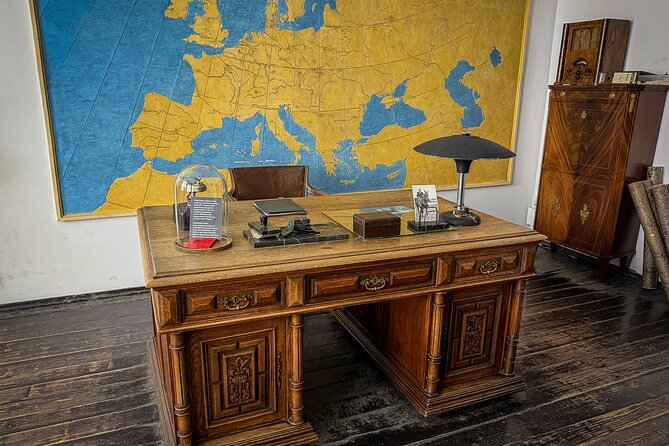
- You will see Schindler’s office: This is one of the clearest links to the man and the film, but the original factory itself is no longer presented as a working industrial site.
- The guide adds real value: Guides including Mateusz, Maciek, Lucie, Hania, and Dominique have been praised for clear explanations and thoughtful answers.
- The tour lasts about 90 minutes: That is enough for a guided overview, but not always enough to read every English panel.
- Meet at 4pm under the yellow umbrella: Transport is not included, and the tour ends where it begins.
- Book with the subject in mind: The museum is recommended for young people aged 14 and up, and some displays are emotionally difficult.
What this Schindler tour really covers
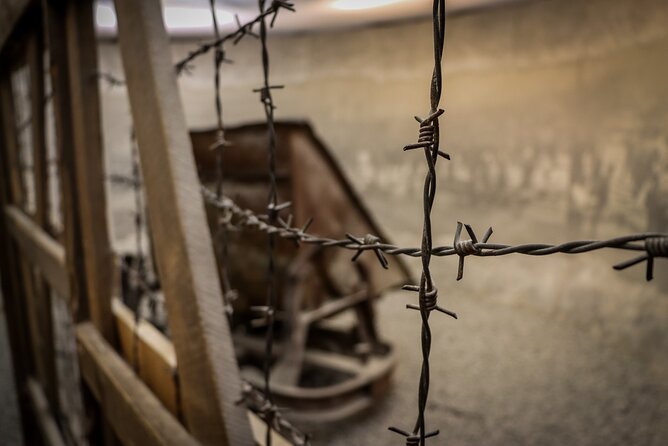
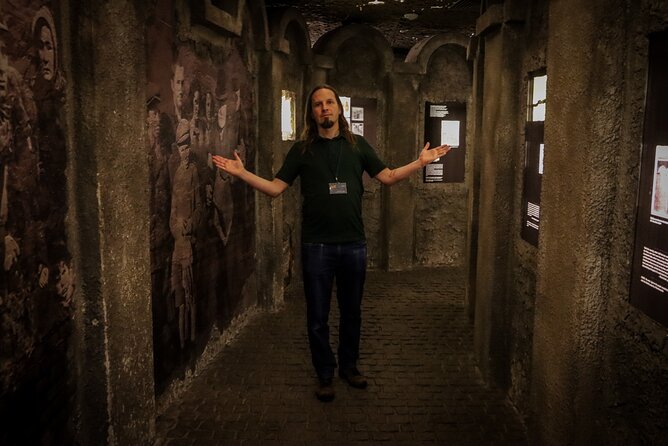
The name can create the wrong picture. You may arrive expecting machinery, production rooms, and a close look at how Schindler’s enamel business operated. Instead, you enter a museum built around the wartime story of Krakow, from the Nazi invasion through occupation, persecution, and the destruction of the Jewish community.
That broader focus is a strength. Schindler was not an isolated hero floating outside history. His factory, his German identity, his relationships with Nazi officials, and his decision to protect Jewish workers all make more sense when you understand the city around him.
The museum presents Krakow as an occupied Polish city where normal life was stripped away in stages. The guided route connects public events with the experiences of families, workers, and residents. This makes the visit less about a single famous man and more about how an entire city changed.
I would book this tour if you want context. If your only goal is to see objects directly used by Schindler, you may find the experience too broad. The strongest version of the visit is to arrive ready for a serious museum about WWII in Krakow, with Schindler as an important part of the story rather than its only subject.
More Museum Tours in Krakow
- Schindler’s Factory in Krakow: Guided Tour & Skip the Line Ticket
★ 4.5 · 1,714 reviews - Auschwitz-Birkenau Museum and Memorial Guided Tour from Krakow
★ 4.5 · 1,510 reviews - Krakow: Rynek Underground Museum Guided Tour
★ 4.6 · 1,122 reviews
Entering Oskar Schindler’s former enamel factory
The meeting point is at Oskar Schindler’s Enamel Factory, Lipowa 4, in Krakow. Look for the guide holding a yellow umbrella, a simple but useful detail in a busy museum area. The activity begins at 4pm, and you should arrange your own way there because hotel pickup, drop-off, and transport are not included.
Admission is included, as are local taxes and the professional local guide. The tour uses a mobile ticket, so keep your booking details ready on your phone. The group can include up to 20 people. That is not an intimate private tour, but it is small enough for questions if the guide manages the room well.
The museum building gives the visit its emotional force. You are not being taken to a distant memorial and told about the factory from the outside. You are entering the place connected with Schindler’s wartime business, even though the original industrial operation is no longer the main attraction.
The distinction matters. Several parts of the museum are staged displays rather than untouched rooms from the 1940s. The setting is genuine, but the exhibition has been designed to help you understand the period. I find that useful, as long as you do not expect a preserved factory floor.
The first hour: Krakow under Nazi occupation
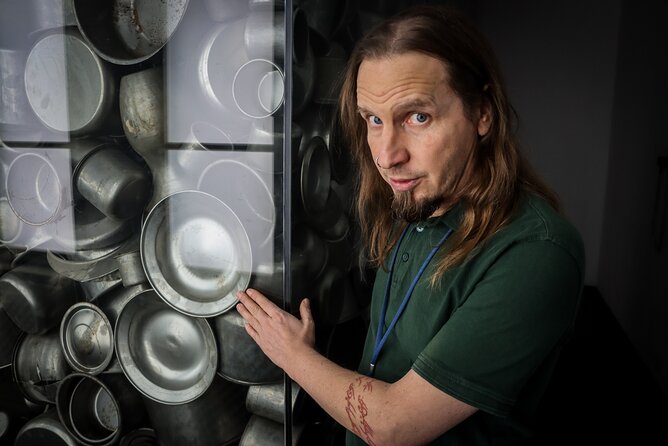
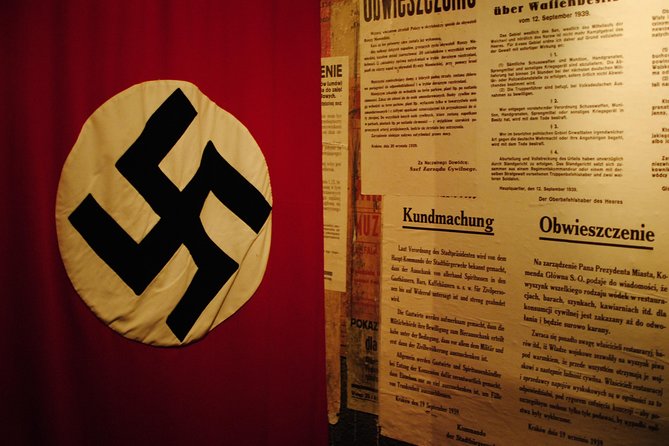
Much of the guided route explains what happened to Krakow after the Nazi occupation of Poland. You will learn about the city’s wartime changes and the restrictions imposed on Jewish residents. The exhibits place everyday life beside the machinery of persecution, helping you see how policy became reality for ordinary people.
This is where a guide makes a noticeable difference. English labels can give you dates and basic facts, but a good guide explains connections, pauses at important objects, and answers questions in plain language. Guides such as Mateusz have been praised for adding small personal stories and for giving the group time to understand difficult material.
You may also hear about Schindler’s place in the city during these years. His actions were complex. He was a German businessman and a member of the Nazi Party who used his position to protect more than 1,000 Jewish workers. The museum does not reduce the period to a simple tale of good people and bad people, and that makes the visit more useful.
The presentation can be intense. You will encounter the persecution of Krakow’s Jewish population and the ways the war changed homes, jobs, movement, and family life. This is not a light afternoon attraction. The recommendation for ages 14 and up is worth taking seriously, particularly for younger visitors who may not know the wider history.
Schindler’s office and the film connection
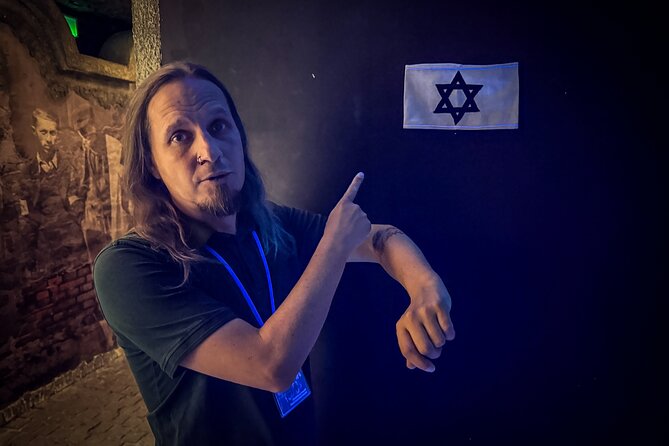
The most direct link to Oskar Schindler comes later, when the route reaches his office. You may also see places associated with the film Schindler’s List, including the office used in the movie and the real office connected with Schindler.
This section is likely to be the highlight if you booked because of the film. It gives you a physical point of reference after the wider museum route. At the same time, you should keep your expectations in check. The visit is not a film-location tour, and the office is only one part of the experience.
The film connection can also bring useful attention to people who might otherwise remain names in a history book. The guide helps place Schindler’s actions within the events taking place around him, including the lives of the workers he tried to save.
The museum’s treatment of Schindler is not purely celebratory. You may find that the wider exhibition leaves room for his weaknesses, ambition, and complicated motives. That makes the story more credible, even if visitors hoping for a simple heroic narrative may find it less comfortable.
A few more museum visits around Krakow worth comparing
- Krakow: Auschwitz Birkenau Museum Guided Tour with Pickup
★ 3.6 · 544 reviews - Krakow: Auschwitz-Birkenau Tour & Museum Expert Guide
★ 5.0 · 498 reviews - Auschwitz Birkenau Guided Tour Small Group with Hotel Pick up
★ 4.5 · 446 reviews - Krakow: Czartoryski Museum Guided Tour in italian
★ 4.1 · 170 reviews
Why the guide matters here
A self-guided visit is possible because much of the museum information is available in English. Going alone would give you more time to stop at displays, read every panel, and return to sections that interest you.
The guided option gives you something different: structure and interpretation. A strong guide keeps the route moving, explains the confusing parts, and shows how the factory, the city, Schindler, and the Jewish community fit together. Guides named in connection with this experience include Mateusz, Maciek, Lucie, Hania, Dominique, Max, and Mitch, also referred to as Maejic in one account.
The best comments about these guides focus on clear English, patience, humor used carefully, and a willingness to answer questions. Lucie has been praised for presenting the material in a well-organized way without rushing. Mateusz has been singled out for taking time with questions and adding background beyond the basic museum text.
Guide quality can vary, and the pace appears to be the biggest practical issue. Some guides allow the group to look around and absorb the displays. Others move quickly through the rooms, which can leave you listening but unable to read. If you want more time with the exhibits, say so politely at the start. Also ask whether you can remain inside afterward, since you should not assume that the guided visit includes time to continue exploring on your own.
A 90-minute route with a serious pace
Ninety minutes is a sensible length for an introduction. You get a focused account without spending half a day in an emotionally demanding museum. The drawback is that the museum contains more information than can fit into an hour and a half.
You will spend much of the time standing while the guide explains displays. Wear comfortable shoes and be prepared to move from room to room. The route is not described as a seated lecture, so anyone who needs frequent breaks should keep the standing time in mind.
A group of 10 can feel especially manageable, giving the guide room to interact with each person. The official maximum is 20, which still allows a normal group experience rather than a private visit. If the museum is crowded, you may need to stay close to the guide so you do not miss explanations.
The 4pm start can work well as part of an afternoon in the Podgórze area. You will need to plan your own arrival using Krakow’s public transport or another option. Since there is no included transfer, leave enough time to reach Lipowa 4 and find the yellow umbrella.
Price and what you receive for $47.77
At $47.77 per person, this is more expensive than simply entering a museum on your own. You are paying for the admission ticket, an English-speaking local guide, skip-the-line access, and a fixed route through a museum where context matters.
I think the price can be fair if you want the history explained as you go. The value is highest for first-time visitors to Krakow’s WWII sites, people who prefer guided museums, and anyone who finds English exhibition text too brief or disconnected.
The price is harder to justify if you already know the history well and prefer to read independently. In that case, a solo visit may give you more control and more time with the displays. The guided ticket is best understood as an interpretation service, not simply a way to enter the building.
The experience is recommended by 90 percent of customers and has an overall rating of 4.6 from 650 reviews. Those numbers suggest a reliable choice, but they do not remove the main question: do you want a structured 90-minute explanation, or a slower self-guided museum visit?
How to prepare for the emotional side
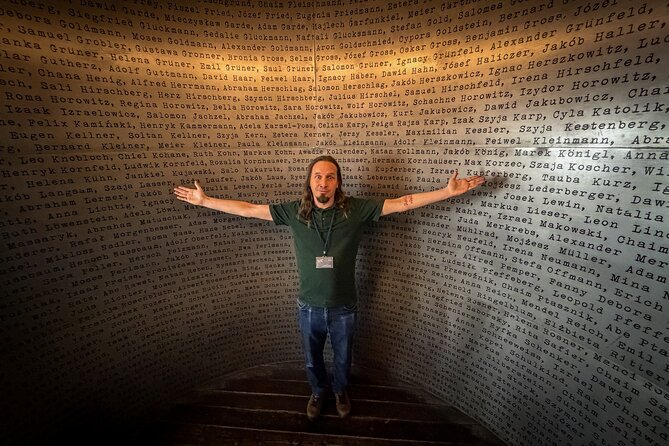
This museum deals with Nazi occupation, the Holocaust, and the destruction of a community. The material is not presented as entertainment, even though a guide may occasionally use light humor to help explain difficult facts.
I would avoid placing this tour immediately after another emotionally heavy WWII site if you know that intense historical visits wear you down. At the same time, the museum can help you understand Krakow in a way that a film or a short city walk cannot.
The strongest experience comes when you allow the story to move beyond Schindler. Pay attention to the ordinary people whose lives were changed, the restrictions placed on Jewish residents, and the way the city itself became part of the wartime system. Schindler’s actions matter, but they are easier to understand once you know what surrounded them.
If you have already visited Auschwitz, much of the Holocaust background may feel familiar. Even then, the Krakow focus and the sections about Schindler can add a different angle. One useful way to place the visit in context is to see the Jewish Ghetto Memorial and the remains of Płaszów before or after, though those visits are not included in this activity.
Who should book this experience?
I would choose this tour for a first visit to Krakow, a history-focused afternoon, or a film-inspired trip where you want more than a photo outside Schindler’s former workplace. It suits you if you like asking questions and prefer someone to explain the links between objects, dates, and people.
It also works well for visitors who worry that they might miss the main point in a large museum. A guide can give you a clear route and prevent the experience from becoming a pile of disconnected facts.
You may prefer to visit alone if you read quickly, want to study every display, or dislike being moved along by a group. The museum has English information, so independent visitors can still learn a great deal. Just remember that you will give up the guide’s stories, local context, and answers to questions.
Families should use their judgment. Admission is recommended for ages 14 and up, and the content can be difficult. Most people can participate, but the tour involves standing and walking through the exhibition for roughly 90 minutes.
Cancellation is free up to 24 hours before the 4pm start for a full refund. Changes or cancellations inside that 24-hour window are not accepted, and a minimum group size is required for the activity to run.
Should you book the Schindler Factory Museum tour?
Book it if you want Krakow’s WWII story explained in English, with Schindler’s office and factory connection included. The guide is the main reason to choose this option, and the strongest guides turn a complicated museum into a clear, human story.
Do not book it expecting a full factory tour or a display devoted only to Schindler. You will spend most of the visit learning about occupied Krakow, Jewish life, and the Holocaust. If that matches your interest, the $47.77 price buys a useful, well-structured introduction. If you want maximum time with every exhibit, go independently instead.
FAQ
Where does the tour start?
It starts at Oskar Schindler’s Enamel Factory, Lipowa 4, 30-702 Krakow, Poland.
What time does the tour begin?
The tour starts at 4pm.
How long does the experience last?
It lasts approximately 1 hour and 30 minutes.
Is admission to the museum included?
Yes. The museum ticket is included in the tour price.
How do I find the guide?
Look for the guide holding a yellow umbrella at the meeting point.
Is transportation included?
No. Hotel pickup, hotel drop-off, and transportation to or from the attraction are not included.
Is the tour offered in English?
Yes. The activity is offered in English and includes a professional local guide.
How many people can join the tour?
The activity has a maximum group size of 20 people.
Is the museum suitable for children?
Admission is recommended for young people aged 14 and up. The subject includes Nazi occupation, the Holocaust, and other difficult wartime material.
Just added around Krakow
- Schindler’s Factory Skip-the-line Museum Ticket★ 4.9 · 15 reviews
- Schindler’s Factory Museum Guided Tour – Krakow★ 4.5 · 15 reviews
- Krakow: Schindler’s Factory Museum Guided Tour★ 4.1 · 86 reviews
- Schindler’s Factory Museum in Krakow – Guided Tour★ 4.3 · 33 reviews
- Krakow: Rynek Underground Museum Skip-the-line Guided Tour★ 4.7 · 138 reviews
- Krakow: Vodka Factory Museum Entry Ticket and Tasting★ 4.3 · 75 reviews
- Krakow: Rynek Underground Museum Guided Tour & Stories★ 4.8 · 26 reviews
- Krakow: Skip-the-Line Rynek Underground Museum Guided Tour★ 4.7 · 26 reviews
Museum Tours in Krakow, compared.
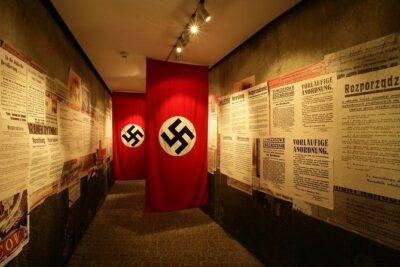
Schindler’s Factory in Krakow: Guided Tour & Skip the Line Ticket
Read our review →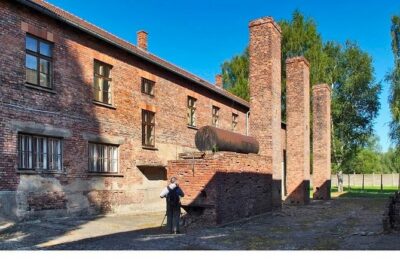
Auschwitz-Birkenau Museum and Memorial Guided Tour from Krakow
Read our review →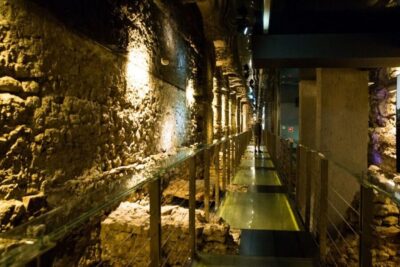
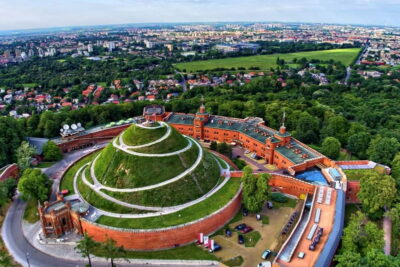
Auschwitz Birkenau Museum Guided Tour with Pickup
Read our review →
Auschwitz Birkenau Guided Tour Small Group with Hotel Pick up
Read our review →
Browse the lists this tour appears in