
Review · ATHENS
Acropolis of Athens and Acropolis Museum Tour
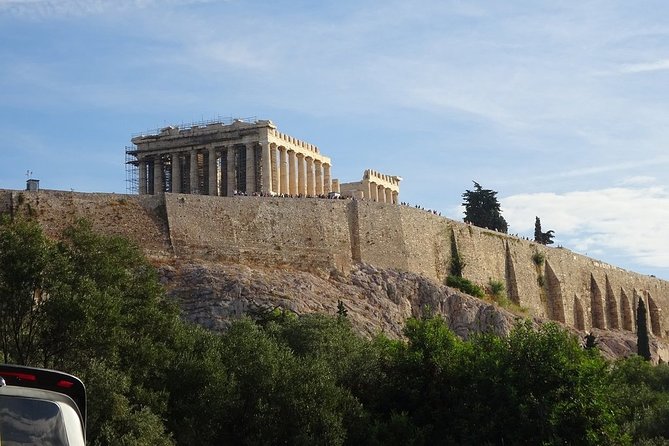
The best part of this Acropolis and museum tour is the connection between the hilltop ruins and the original objects now protected indoors. You see the Parthenon, Erechtheion, and Temple of Athena Nike first, then meet the sculpture and frieze fragments again in the Acropolis Museum with the story still fresh.
I like the mythology and clear historical storytelling, which guides such as Margarita, Rina, Maria, and Dimitris have used especially well. I also like the headsets, because you can step aside for a photo or find a patch of shade without losing the guide’s explanation.
The main drawback is the physical setting. The Acropolis is steep, exposed, crowded, and slippery in places, while the tour keeps to a schedule. The ticket upgrade can reduce waiting, but security checks and busy entry periods can still slow you down.
Key points to know before you book
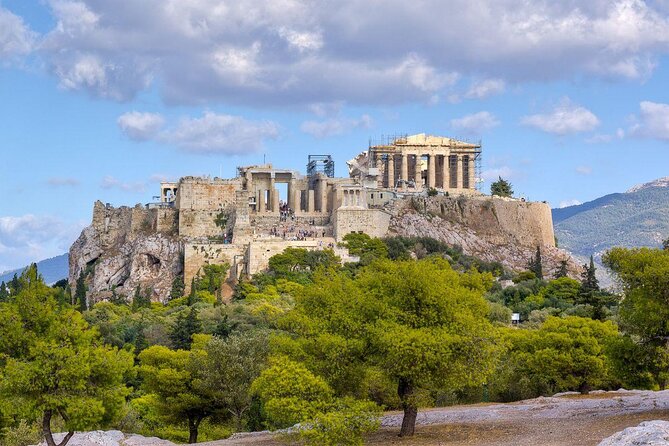
- The route links seven major sights, including the Theatre of Dionysus, Herodes Atticus Odeon, Temple of Athena Nike, Erechtheion, Parthenon, Acropolis, and museum.
- The Acropolis Museum is not an afterthought. About 90 minutes are devoted to its most important objects and the original Parthenon sculptures.
- Prepaid tickets are worth considering, especially in summer, but the optional ticket package costs extra.
- An early start helps with heat and crowds. Several tour times have been moved earlier during hot weather.
- The group can include up to 24 people, with earsets supplied so you can hear the guide clearly.
- Good shoes, water, a hat, and sunscreen are essential. There is little shade on the Acropolis and no stroller access on the archaeological site.
Starting near the Acropolis
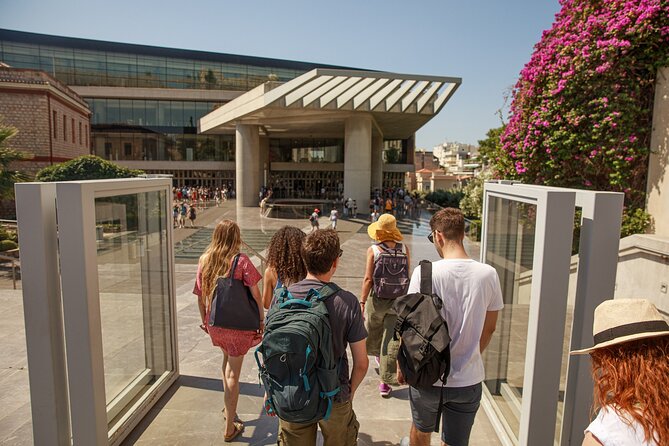
The tour begins at Dionysiou Areopagitou 3, a short walk from the Acropolis entrance. The end point is the Acropolis Museum at Dionysiou Areopagitou 15, so you finish in a useful spot for more sightseeing rather than being returned to a hotel.
Finding the meeting point may take a little care. The gathering area has been described as a small sign near a coffee shop patio, and it can be easy to walk past. Arrive early, read your voucher closely, and do not count on the group waiting for you. Acropolis entry times are strict, and late arrivals do not receive a refund.
After check-in, you receive an audio headset. The single-ear setup lets you follow the guide while looking around, and you can usually move a little ahead for a photograph without losing the commentary. You may also use your own earbuds if they have the older-style plug.
The tour is offered in English and is limited to a maximum of 24 people. That is not an intimate private walk, but the audio system helps keep it orderly. Guides such as Vassiliki have used strategic stops, often choosing shade when possible, while others have paced the climb with regular pauses.
More Museum Tours in Athens
- Athens: Acropolis, Parthenon & Acropolis Museum Guided Tour
★ 4.8 · 9,316 reviews - The Acropolis, Parthenon & Acropolis Museum Guided Tour
★ 4.7 · 8,493 reviews - Athens: Mythology of Delphi, Museum and Arachova Guided Tour
★ 4.7 · 5,102 reviews
Walking up through the Theatre of Dionysus
The first major stop is the Theatre of Dionysus, where ancient Greek drama took shape. Its stone seating is cut into the lower slope of the Acropolis, giving you a clear sense of how the audience faced the stage and hillside.
This is a good place for the guide to explain Athenian public life, tragedy, comedy, and the role of performance in civic festivals. A guide who connects the theater to mythology and daily life gives you more than a few dates on a sign.
The planned stop is about 15 minutes, but the climb and crowd flow affect the rhythm. You are walking on uneven ground almost immediately, so keep your attention on your footing as well as the ruins. Some visitors find themselves looking upward at the monuments and missing a slippery patch of marble.
The tour also includes the Asclepeion, an ancient healing site associated with the god Asclepius. It is easy to overlook when moving toward the Parthenon, which is one reason a guide is useful here.
The Odeon and the first hilltop views
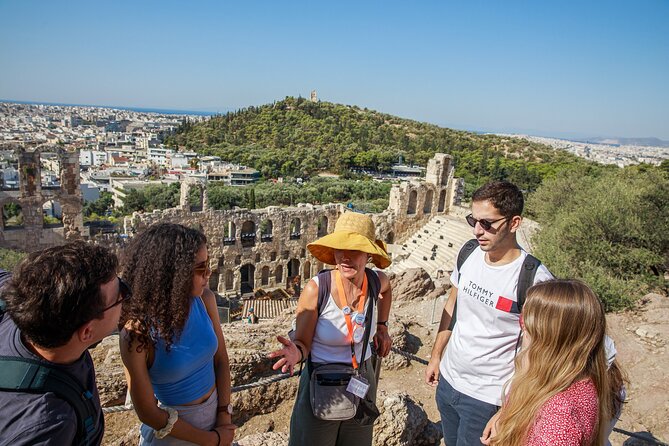
The Odeon of Herodes Atticus is a Roman-era theater built into the southern slope. Its curved stone structure is still used for music and performances, giving the site an unusual link between ancient architecture and modern Athens.
The stop is brief, around 10 minutes, but it provides a striking view of the scale and construction of the Acropolis. Your guide may also point out how the building sits against the rock rather than occupying a separate flat plaza.
From here, the route continues upward toward the Propylaea, the monumental gateway to the upper Acropolis. This approach is one of the most dramatic parts of the walk, although it can also be crowded. The marble surfaces are uneven, and rain makes them more slippery.
The Temple of Athena Nike comes next. This small Ionic temple honors Athena as the goddess of victory and is known for its delicate proportions and carved decoration. It also offers broad views, though the best viewing point can be hard to enjoy when the route is full.
The Erechtheion and its Caryatids
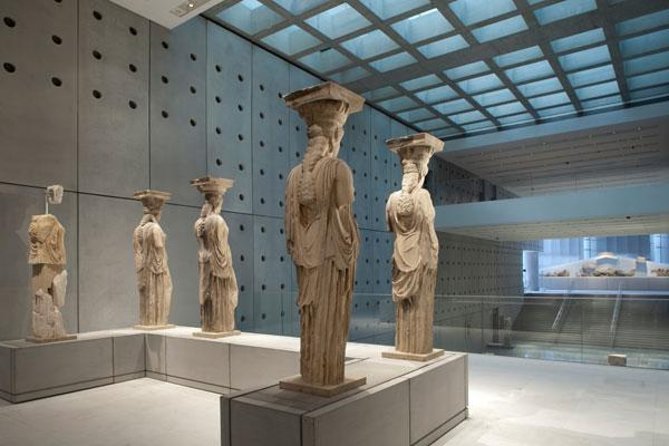
The Erechtheion is one of the most visually memorable buildings on the Acropolis. Its irregular plan reflects the different sacred traditions attached to the hill, and the famous Caryatids give the building its familiar human form.
Your guide can explain the myths tied to Athena and the early kings of Athens, including the competition between Athena and Poseidon for the city’s protection. This is where the tour’s storytelling matters most. The ruins are beautiful, but the legends help you understand why this particular temple does not look like a simple rectangular shrine.
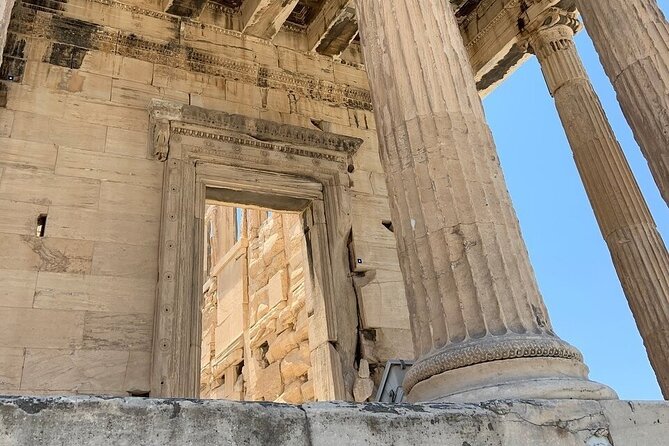
The Caryatids on the building are replicas. Several originals are housed in the Acropolis Museum for protection, and one is in the British Museum. Seeing the copies on the hill and the preserved works in the museum helps explain why the two parts of the tour belong together.
Expect about 15 minutes here, with more time spent listening and photographing than walking. Crowds can bunch up around the Caryatids, so your audio headset is useful when you cannot stand directly beside the guide.
More Acropolis Museum visits:
- Athens: Acropolis, Parthenon & Acropolis Museum Guided Tour
★ 4.8 · 3,579 reviews - Acropolis monuments & Parthenon Walking Tour with Optional Acropolis Museum
★ 5.0 · 2,678 reviews - Athens All Included: Acropolis and Museum Guided Tour with Ticket
★ 4.5 · 2,673 reviews - Athens: Acropolis Museum Ticket with optional Audio Guide
★ 4.4 · 2,652 reviews
Meeting the Parthenon at the summit
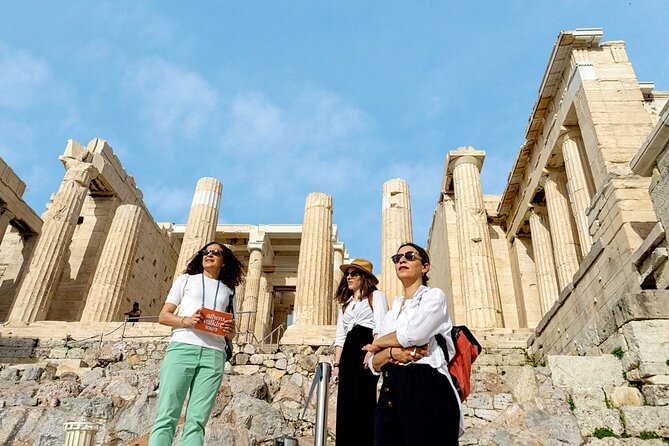
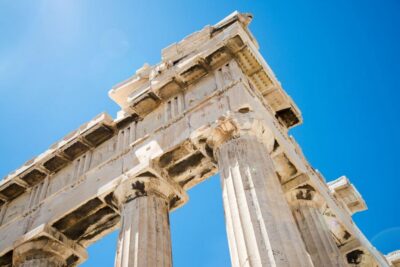
The Parthenon is the emotional center of the visit. Its Doric columns, damaged walls, and surviving sculptural details still show the ambition of fifth-century Athens, even though the building has endured war, explosions, removal of sculptures, pollution, and long periods of neglect.
The guide usually pauses at useful angles around the monument rather than trying to explain everything from one crowded point. You will hear about the temple’s purpose, architectural refinements, decoration, and place in the Athenian city. The tour also gives you time for photographs, although one three-star experience felt that too much anecdotal storytelling reduced free photo time. That is a fair concern if you prefer a quick overview.
The scheduled Parthenon stop is about 20 minutes, within a larger Acropolis visit lasting roughly 50 minutes. The hilltop is open to the sun, with few comfortable places to sit. In summer, heat can be the biggest challenge, not the walking distance. Bring water with you because there is no refreshment stop during the climb.
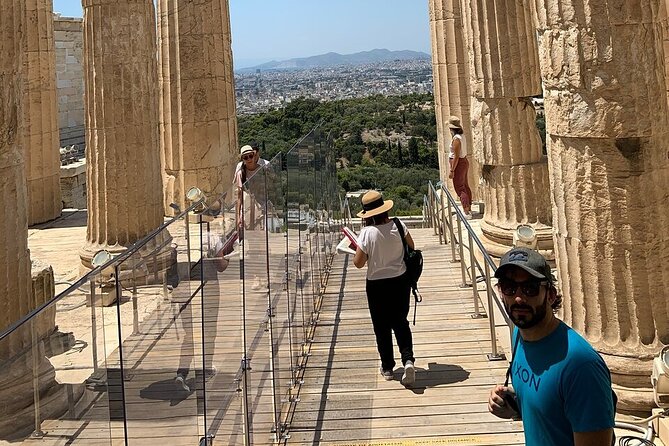
The views across Athens are a major reward. You can look beyond the ancient center toward the modern city, with the Parthenon giving the scene its unmistakable focus. On a clear day, this is the moment when the long climb pays off.
Crossing from the ruins to the museum
After leaving the Acropolis, the group heads to the Acropolis Museum. The complete experience takes about three and a half hours, though some groups have taken closer to four or four and a half hours depending on crowding, pace, and the guide.
You may have a short chance to rest or buy a snack between the two sites. This matters in hot weather, especially for children and older adults. The tour includes breaks, but this is not a gentle sightseeing stroll. You are on your feet for much of the visit.
The museum portion lasts around 90 minutes and focuses on highlights rather than every gallery. That is the right approach for a half-day tour. You get a guided framework, then can remain inside afterward and continue at your own pace.
Seeing the Acropolis through its original objects
The Acropolis Museum gives context that the hilltop cannot. The archaeological site contains buildings and fragments, while the museum gathers sculpture, architectural pieces, and objects in a controlled setting where details are easier to see.
The top floor is especially important. Its arrangement helps you connect the Parthenon’s sculptural program with the actual building you just visited. A guide such as Margarita can walk you around the frieze and point out figures, poses, and missing sections that are difficult to understand from photographs or short labels.
The museum also clarifies why some features on the Acropolis are replicas. Original pieces have been moved indoors to limit damage, while weather and pollution continue to affect the exposed monuments. This back-and-forth between the real hilltop setting and the protected museum collection is the strongest reason to book both parts together.
A guide can also keep the museum from becoming a blur of marble bodies and broken stone. Maria, for example, has been praised for linking artifacts to the ruins just seen outside, while other guides have focused on Greek mythology, artistic changes, and the development of Athens. The quality of the tour depends partly on the individual guide’s style. Most are described as engaging and clear, but one guide was criticized for spending too much time on personal anecdotes, and another for keeping too fast a pace in extreme heat.
What the $56.84 price really covers
The listed price is $56.84 per person, but check the exact option before paying. Acropolis admission is listed at €30 per person and museum admission at €20, unless you choose an option that includes those tickets.
The basic price can therefore look lower than the final cost. If you choose the version without tickets, you are responsible for following the voucher instructions and arranging admission. That may save money in some cases, but it adds another task at a site with timed entry.
I think the ticket-inclusive option offers the better value for most first-time visitors, especially during summer or a busy travel period. It can reduce the ticket line and gives you a set entry time. It does not remove every wait, since all visitors still go through airport-style security and peak-season delays can exceed 30 minutes.
The real value is the guide. You could walk around the Acropolis and read signs, but you would miss the links between the Theatre of Dionysus, the sacred buildings, the myths, and the museum’s original sculptures. If you already have strong training in Greek archaeology and prefer to set your own pace, the extra cost may feel less useful.
Heat, shoes, strollers, and mobility
Take the physical warnings seriously. Wear shoes with a firm grip, not smooth soles. Marble steps and rock surfaces become particularly slick in rain, and the route includes uphill walking and stair climbing.
A hat, sunscreen, and a full bottle of water are basic equipment. There is limited shade, few places to sit, and no dependable chance to buy water once you are moving through the archaeological site. July heat can become severe, and guides have sometimes adjusted start times to around 8:00 or 8:40 to avoid the worst conditions.
Backpacks are not allowed. Baby strollers are also not permitted on the Acropolis or archaeological site, and there is no cloakroom at the side entrance used by this tour. A baby carrier or pouch is the practical choice.
This tour requires moderate physical fitness and is not suitable for wheelchair users because the route uses an entrance that is not the wheelchair-accessible route. If you have a knee problem or another limitation, the experience may still be possible with care, but tell your companions to expect uneven ground, uphill walking, and long periods of standing.
Rain does not automatically stop the tour. The experience runs in wet weather, and rain gear may be provided, but the stones become more dangerous. The tour can be enjoyable in light rain, yet you should leave extra time for careful footing.
Who will get the most from this tour
I would choose this for a first visit to Athens, for anyone who wants the main Acropolis sights explained in plain English, and for families who benefit from stories rather than long museum labels. The mythology can hold a child’s attention, while the headsets help everyone hear without standing shoulder to shoulder.
It also suits older adults who can manage the climb but appreciate a guide who sets a reasonable rhythm. Rina and Niobe have been especially good examples of guides who pause, assist, and break the ascent into manageable sections.
Cruise passengers can use public transportation from Piraeus, including the X80 bus to the Acropolis stop, which is near the meeting point. The tour does not include hotel or port pickup, so you must handle that part yourself and allow enough time to reach the group.
Independent visitors may prefer to buy tickets directly and explore alone. You will have more freedom for photographs, longer museum visits, and quiet pauses. You will also have to manage the route, entry timing, and interpretation yourself.
Should you book the Acropolis and museum tour?
Book it if you want the major monuments explained, prefer a planned route, and value seeing the museum soon after the hilltop. Choose the ticket-inclusive option when available, aim for the earliest start, and arrive early at the meeting point.
Skip it if you dislike group schedules, need wheelchair access, or want to linger at every sculpture. For most first-time visitors who can handle the climb, the combination of clear guidance, audio headsets, and the museum connection makes the $56.84 starting price worthwhile, provided you account for admission fees and prepare for the heat.
FAQ
How long does the Acropolis and museum tour last?
The advertised duration is approximately three hours and 30 minutes. Some tours may take closer to four or four and a half hours depending on the walking pace, crowds, and conditions.
Are entrance tickets included in the price?
Not always. The Acropolis ticket is listed at €30 and the museum ticket at €20 unless you select an option that includes them. The ticket-inclusive option also provides the skip-the-ticket-line service, though security waits can remain.
Does the tour include the Parthenon?
Yes. The guided route includes the Acropolis and a specific guided visit to the Parthenon, along with the Erechtheion, Theatre of Dionysus, Temple of Athena Nike, Herodes Atticus Odeon, and Asclepeion.
Is the tour offered in English?
Yes. The experience is offered in English and includes an English-speaking professional guide.
What should I wear and bring?
Wear comfortable shoes with good grip and light, practical clothing. Bring a hat, sunscreen, and a bottle of water. Backpacks are not allowed, and the Acropolis has limited shade.
Can I bring a baby stroller?
No. Baby strollers are not allowed on the Acropolis or archaeological site, and there is no cloakroom at the side entrance used by the tour. A baby pouch is recommended instead.
What happens if I need to cancel?
You can cancel for a full refund up to 24 hours before the experience start time. Cancellations or changes made less than 24 hours in advance are not refunded or accepted. If the tour is canceled because of poor weather or too few bookings, you will be offered another date or a full refund.
Just added around Athens
- Ancient Athens tour: Acropolis, Parthenon and Acropolis Museum★ 5.0 · 256 reviews
- The Acropolis, Athens Walking City Tour and Acropolis Museum★ 5.0 · 442 reviews
- Athens: Acropolis Museum Ticket with Self-Guided Audio tour App★ 3.5 · 40 reviews
- Family Acropolis & Acropolis Museum Tour inspiredby Percy Jackson★ 4.5 · 40 reviews
- Acropolis of Athens, Parthenon and Acropolis Museum private tour with dinner★ 5.0 · 77 reviews
- Shore Excursion: Acropolis, Athens City tour and The New Acropolis Museum★ 4.5 · 30 reviews
- Athens National Archaeological Museum E-Ticket with Audio Guide★ 3.0 · 57 reviews
- Private Tour: Half day Athens Sightseeing and Acropolis Museum★ 4.5 · 28 reviews
Museum Tours in Athens, compared.
Acropolis, Parthenon & Acropolis Museum Guided Tour
Read our review →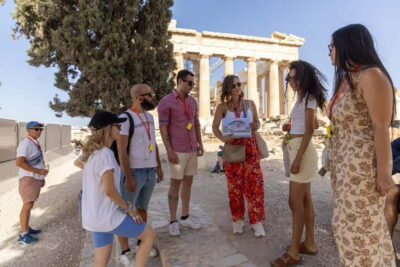
The Acropolis, Parthenon & Acropolis Museum Guided Tour
Read our review →Acropolis, Parthenon & Acropolis Museum Guided Tour
Read our review →
Acropolis monuments & Parthenon Walking Tour with Optional Acropolis Museum
Read our review →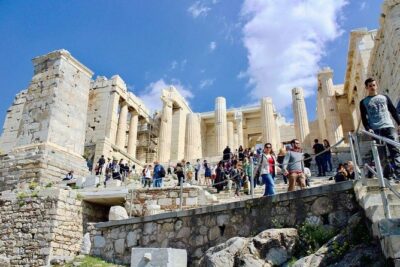
Athens All Included: Acropolis and Museum Guided Tour with Ticket
Read our review →
Acropolis Museum Ticket with optional Audio Guide
Read our review →
Small-Group Delphi, Museum & Arachova Day Trip
Read our review →
Delphi Oracle & Museum Tour with a Licensed Guide
Read our review →Browse the lists this tour appears in