

Review · AMSTERDAM
Amsterdam: Van Gogh Museum (Private Tour with Art Historian)
Van Gogh’s paintings are famous. His story is often reduced to a few dramatic facts. This private tour gives you something better: a careful walk through his work, from the dark Brabant years to Paris and the yellow house in Arles, with the art placed beside his family life, ambitions, and mental struggles. Guides have included art scholars such as Titia, along with Liz, Aucke, Fannie, Cecile, Ank, and Genevieve.
I like the private format, since you can stop and ask questions instead of following a large group. I also like the included timed museum admission and skip-the-line entry, which matter a lot at Amsterdam’s most popular art museum. The main drawback is the price: at $216.02 per person, this makes sense for serious Van Gogh fans, but it is a substantial outlay for a two-hour museum visit.
Key points to know before booking
- Trace Van Gogh’s artistic changes: Follow his movement from Brabant to Paris and Arles, rather than seeing isolated famous paintings.
- Ask as many questions as you like: Your guide works only with your group, so the pace can respond to your interests.
- See major works in context: The Potato Eaters, Sunflowers, The Yellow House, and Almond Blossom are tied to Van Gogh’s life and artistic aims.
- Enter with a museum ticket included: Skip-the-line access removes much of the uncertainty around a busy museum visit.
- Choose a morning or afternoon start: The tour lasts about two hours, with the museum visit continuing afterward if you wish.
- Book ahead for the best chance at your preferred time: Museum timeslots are released only three months ahead.
Why a private Van Gogh tour changes the museum visit
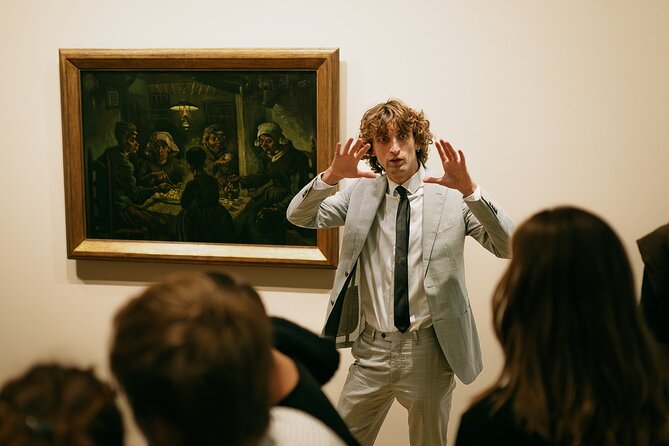
The Van Gogh Museum can be a lot to take in. It holds the world’s largest collection of Van Gogh paintings and drawings, and the most famous works attract plenty of attention. Without a plan, you may move from one gallery to another, recognize a few titles, and leave with a collection of loose impressions.
A private guide gives the visit a clear shape. You follow Van Gogh’s life and work in order, seeing how his style changed as his ideas and surroundings changed. That order matters. His dark early paintings do not make much sense if you know only the bright yellows of his later work.
You also have room to ask the questions that come up in the moment. Why did Van Gogh begin painting seriously at 27? What role did his brother Theo play? How did his family relationships affect his choices? A private tour allows your curiosity to guide part of the visit instead of forcing every person in the group through the same script.
The private setup is especially useful if your group has mixed interests. One person may care about brushwork and color, another about Van Gogh’s letters and family, and another about the story of his mental difficulties. Your guide can give each subject time without slowing down a large party.
More Museum Tours in Amsterdam
- Amsterdam: The Upside Down Museum Entrance Ticket
★ 4.4 · 9,506 reviews - Amsterdam: Red Light Secrets Museum Entry Ticket
★ 4.2 · 5,722 reviews - Amsterdam’s Weirdest Museum: Ripley’s Believe It or Not!
★ 4.5 · 4,920 reviews
Meeting at Cobra Café and entering the museum
The tour begins at Cobra Café on Hobbemastraat 18, near Museumplein. You then go to the Van Gogh Museum at Museumplein 6, where the included admission ticket gets you into the museum.
The tour description gives a two-hour museum visit, while the overall experience is listed as about two to three hours. Plan on roughly two hours with your guide, then allow extra time if you want to remain inside the museum afterward. You can stay in the museum after the guided portion, which is a useful feature for anyone who wants a slower second look at favorite works.
The morning or afternoon choice helps fit this visit into a larger Amsterdam plan. Museumplein also places you near other major museums, though this tour itself focuses on Van Gogh. Do not schedule a tight connection immediately afterward. A museum visit can end on time, but you may want a few quiet minutes afterward to collect your thoughts.
The museum ticket is included, and entry is described as skip-the-line. That is a practical advantage, not just a sales phrase. You are paying for expert guidance, but you are also saving time at a museum where access depends on timed admission.
Following Van Gogh from Brabant to Paris
The tour starts with Van Gogh’s early life and his decision to take up painting at 27. That late start helps explain both his urgency and his intense work habits. He was not a child prodigy who simply continued along a smooth path. He arrived at art after other attempts to find his place in the world.
The early Brabant period is presented as Van Gogh’s dark period. Works such as The Potato Eaters show his interest in ordinary working people and hard daily life. The colors are restrained, the faces are serious, and the mood is far removed from the bright paintings most people picture when they hear his name.
This part of the visit gives you a useful base. Instead of treating The Potato Eaters as a gloomy curiosity, you can see it as part of Van Gogh’s early effort to paint human labor with dignity. Your guide can point out how his handling of figures, light, and color differs from the later work.
The story also includes Theo, Van Gogh’s beloved brother. Theo was not a minor background figure. His support and correspondence were central to Vincent’s life, and understanding that relationship gives the paintings a more personal setting. It also reminds you that Van Gogh’s career was tied to family, money, encouragement, and dependence, not just isolated flashes of genius.
Paris, new color, and artistic change
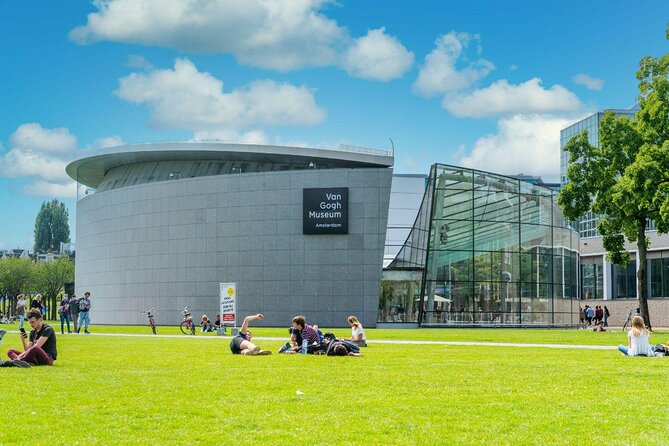
Van Gogh’s time in Paris brought him into contact with new artistic ideas and brighter color. The tour explains this experimental period as a major change from the muted tones of Brabant.
You can expect your guide to connect the change in palette with Van Gogh’s surroundings and artistic development. The point is not simply that the colors became brighter. His approach to painting shifted, and the museum’s collection lets you see that shift across multiple works.
This is where an art historian can be particularly useful. A guide can help you compare paintings rather than looking at each one alone. Small changes in color, brushwork, and subject become part of a larger story. The museum visit is still visual and personal, but you gain a framework for understanding what you are seeing.
The private format also makes it easier to pause at a work that catches your eye. If you prefer the early paintings to the later icons, you can say so. If you want to spend more time on technique, symbolism, or biography, you can ask.
More Van Gogh Museum tickets:
- Amsterdam: Van Gogh Museum Ticket and City Canal Cruise
★ 4.6 · 3,899 reviews - Amsterdam: Van Gogh Museum Ticket & Canal Cruise
★ 4.5 · 3,304 reviews - Van Gogh Museum Amsterdam Exclusive Tour w/ Reserved Entry
★ 5.0 · 1,760 reviews - Van Gogh Museum Tour Reserved Entry Semi Private
★ 5.0 · 1,437 reviews
Arles, Gauguin, and the yellow house
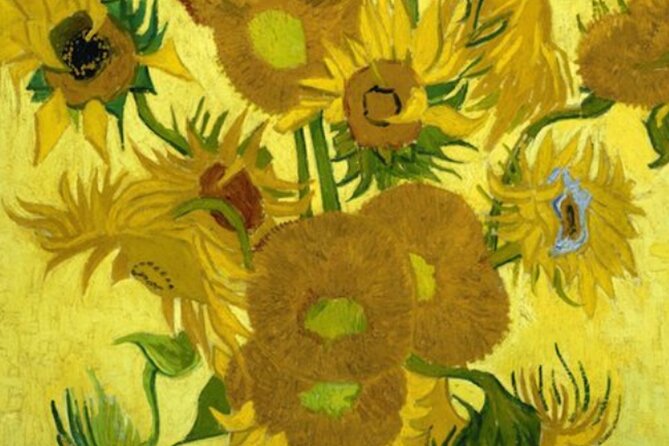
The tour then moves to Van Gogh’s turbulent period in Arles, including his relationship with Paul Gauguin and the yellow house. This period is one of the best-known parts of his life, but it can also be oversimplified.
The tour connects Van Gogh’s surroundings, friendships, expectations, and mental difficulties with paintings from this period. You may look at The Yellow House and Sunflowers not only as famous images, but as works tied to his hopes for an artistic community and a new stage in his career.
That context helps explain why the paintings can feel joyful and tense at the same time. The strong colors and energetic brushwork are not separate from Van Gogh’s personal situation. The art and the life run side by side.
Sunflowers are likely to be a major stop for many people. The subject is familiar from posters, books, and souvenirs, but seeing the actual work while hearing about Van Gogh’s aims can reset your view. A good guide helps you look past the image’s fame and pay attention to decisions in color, surface, and arrangement.
Mental health, family, and the human story
Van Gogh’s mental difficulties form part of the tour, but the experience is not presented as a simple tragedy. The aim is to understand how his struggles, temper, relationships, and creative drive appear beside his artistic achievements.
That balance matters. It is easy to turn Van Gogh into a romantic story about suffering and genius. A serious guide can help you avoid that trap and see a person with strong ambitions, difficult relationships, practical problems, and remarkable powers of observation.
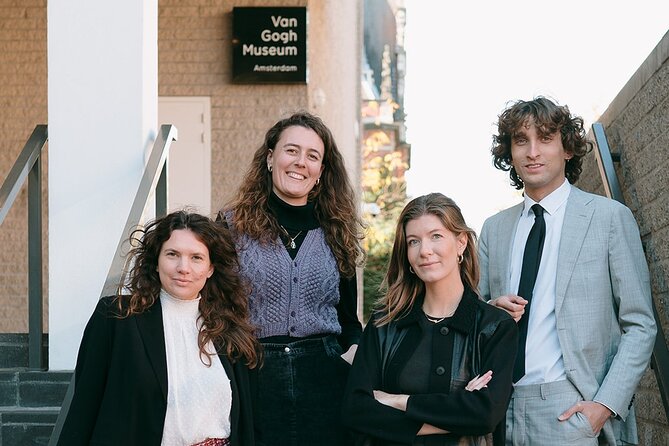
Several guides praised in the supplied material are described as bringing personal stories and emotional context to the museum visit. Titia is presented as an art scholar who shared intimate details about Van Gogh’s life. Fannie is described as combining strong subject knowledge with lively storytelling. Liz and Genevieve are noted for making the paintings easier to understand, while Aucke connected Van Gogh’s life to the way he painted.
You cannot request a particular guide based on the information provided, so treat those names as examples of the kind of guide who may lead the tour, not a guarantee. The important point is the guide’s role: this is meant to be an art-focused conversation, not just a sequence of dates and captions.
The major paintings you will encounter
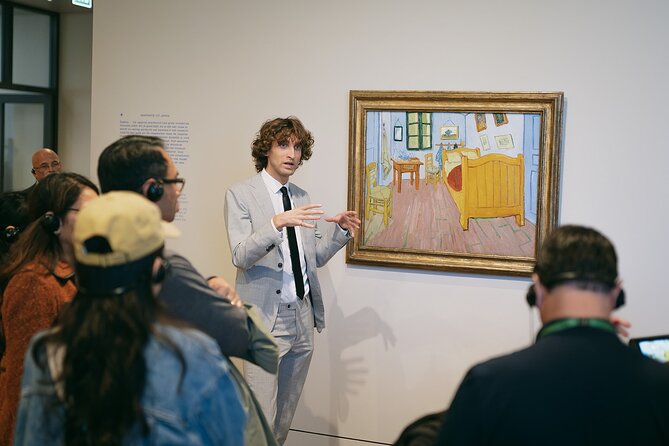
The tour specifically highlights four works and themes:
- The Potato Eaters: Van Gogh’s early, dark Brabant period and his interest in working people.
- Sunflowers: His use of color and his artistic goals during the Arles period.
- The Yellow House: His life and hopes in Arles, including the turbulent connection with Gauguin.
- Almond Blossom: A later example of his changing style and emotional range.
These works give the visit a useful arc. You begin with earthy tones and serious faces, move through experimentation and brighter color, then reach the intense paintings associated with Arles and Van Gogh’s later work.
Do not expect every minute to focus only on the four named paintings. The museum holds a broad collection of paintings and drawings, and the guide may use other works to explain a period or a change in technique. The private format means the route can be shaped around the collection and your questions.
One practical tip: make a short list of the works or subjects you care about before arriving. You may want to ask about Theo, Gauguin, the early Brabant pictures, Sunflowers, or Van Gogh’s mental health. Having two or three priorities helps you use the limited guided time well.
Is $216.02 per person fair value?

At $216.02 per person, this is not a budget museum visit. You are paying far more than the cost of entering on your own, so the value depends on how much you want expert attention and a private pace.
For a first-time visitor who wants a quick look at the famous paintings, the price may be hard to justify. You could enter independently and read the museum information at your own speed. The tour makes more sense if Van Gogh is a major reason for your Amsterdam trip or if you want help connecting his art, family, and mental health.
The price becomes easier to defend for a small group sharing one private guide. Group discounts are available, though the exact reduction is not provided. Ask for the current group rate before booking, since the final value can change with the size of your party.
You are also paying for time saved. The ticket is included, entry is skip-the-line, and you do not need to build your own route through a large collection. For someone with only a few days in Amsterdam, that structure can be worth more than a cheaper but less focused visit.
Timing, booking, and cancellation details
The tour is offered in English, with morning and afternoon options. It lasts about two hours, and the full experience is listed at two to three hours when the surrounding museum time is counted.
This experience is booked an average of 44 days ahead. If you choose a date three months in advance, your selected timeslot is a preference rather than a promise, since the museum releases its times only three months ahead. The operator will try to match your choice once times become available, but it cannot guarantee it.
You receive confirmation at booking. The tour is private, so only your group participates. Service animals are allowed, and the meeting point is near public transportation. Most people can take part, according to the supplied participation information.
Free cancellation is available up to 24 hours before the start time for a full refund. Cancellations or changes made less than 24 hours before the start are not accepted for a refund, and cut-off times follow local Amsterdam time.
Who should book this private museum visit?
I would choose this tour for a Van Gogh enthusiast, a couple wanting a focused cultural experience, or a family group that benefits from being able to ask questions. It also suits anyone who finds museums easier to enjoy when a clear story links the rooms together.
It is a good fit if you want to understand how Van Gogh changed as an artist, rather than simply photograph the famous pictures. The focus on Theo, family relationships, Gauguin, Arles, and mental health gives the visit more substance than a standard highlights walk.
You may prefer an independent visit if you already know Van Gogh’s work well, want several hours alone with the collection, or need to keep your Amsterdam budget low. The guided portion is about two hours, so it will not replace an entire afternoon of quiet museum time. Fortunately, you can remain in the museum afterward.
Should you book it?
Book this private Van Gogh Museum tour if you want the paintings explained in relation to the man who made them. The strongest reasons are the private guide, included skip-the-line ticket, flexible questions, and clear route through Van Gogh’s periods.
At $216.02 per person, I would not choose it casually. I would choose it when Van Gogh is high on your Amsterdam list, when your group can share the cost, or when you want an art historian to make the collection easier to read. If that sounds like your kind of museum day, the extra expense can buy far more than entry. It can give the paintings a story you will carry with you after you leave.
FAQ
How long does the Van Gogh Museum tour last?
The guided museum visit lasts about two hours. The overall experience is listed as approximately two to three hours, and you can stay in the museum after the tour.
Is admission to the Van Gogh Museum included?
Yes. The museum admission ticket is included, with skip-the-line entry.
Is this a private tour?
Yes. Only your own group participates in the activity.
What language is the tour offered in?
The tour is offered in English.
Where does the tour begin and end?
The meeting point is Cobra Café at Hobbemastraat 18 in Amsterdam. The tour ends at the Van Gogh Museum at Museumplein 6.
Can I cancel for a full refund?
Yes, if you cancel at least 24 hours before the scheduled start time. Cancellations or changes made less than 24 hours before the start are not accepted for a refund.
Just added around Amsterdam
- Van Gogh Museum Tour excluding Entrance Tickets★ 5.0 · 16 reviews
- Van Gogh Museum Entry Ticket and Guided Tour★ 4.5 · 48 reviews
- Van Gogh Museum with Audio Guide★ 3.5 · 80 reviews
- Amsterdam: Explore the Van Gogh Museum & His Masterpieces★ 3.5 · 64 reviews
- Van Gogh Museum Skip the Queue with Audio Guide★ 4.0 · 261 reviews
- Amsterdam Van Gogh Museum with Audio or Guided Tour★ 4.0 · 266 reviews
- Van Gogh Museum, Rijks Museum & Walking Tour – Private Day Tour★ 5.0 · 17 reviews
- Van Gogh Museum Amsterdam Small Group Guided Tour★ 5.0 · 357 reviews
Museum Tours in Amsterdam, compared.

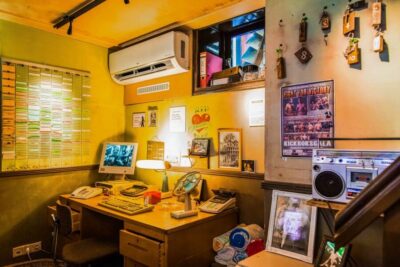

Amsterdam’s Weirdest Museum: Ripley’s Believe It or Not!
Read our review →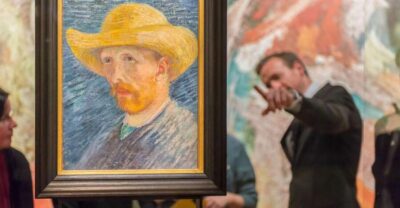
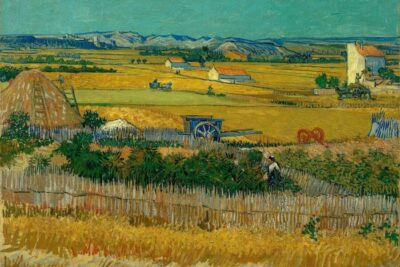

Van Gogh Museum Amsterdam Exclusive Tour w/ Reserved Entry
Read our review →
Moco Museum Amsterdam Admission Ticket with Banksy and more
Read our review →Browse the lists this tour appears in