
Review · ZURICH
Swiss Finance Museum Admission Ticket
The Swiss Finance Museum turns a subject that can feel dry into a walk through stocks, securities, and business ideas. You can trace how modern finance developed from the 16th century to today, then consider where money is heading next, including the question of a cashless society. I like the link between old financial documents and modern technology, and I like that the ticket also covers the annual special exhibition.
The main caution is scope. If you expect a lively children’s museum or a detailed guide to current topics such as Bitcoin and global markets, you may find the displays too limited. The audio guide app helps you set your own pace, but this is still a specialized museum rather than a broad introduction to every part of today’s financial world.
Key points to know before you go
- The collection reaches back to the 16th century: Historical securities help explain how corporations and financial markets developed.
- The ticket lasts for one day: You can visit the permanent exhibition and the changing special exhibition during the same admission.
- The audio guide app is included: Use it to explore the museum independently and add context to the displays.
- The museum asks modern questions: One exhibition considers whether society is moving toward cashless payments.
- Tuesday offers a German guided tour: The included tour runs from 12:30 PM to 1:30 PM.
- The price is modest but expectations matter: At $13 per person, it can be good value for anyone interested in economics, but less so for visitors seeking a large, highly interactive attraction.
Inside the Swiss Finance Museum
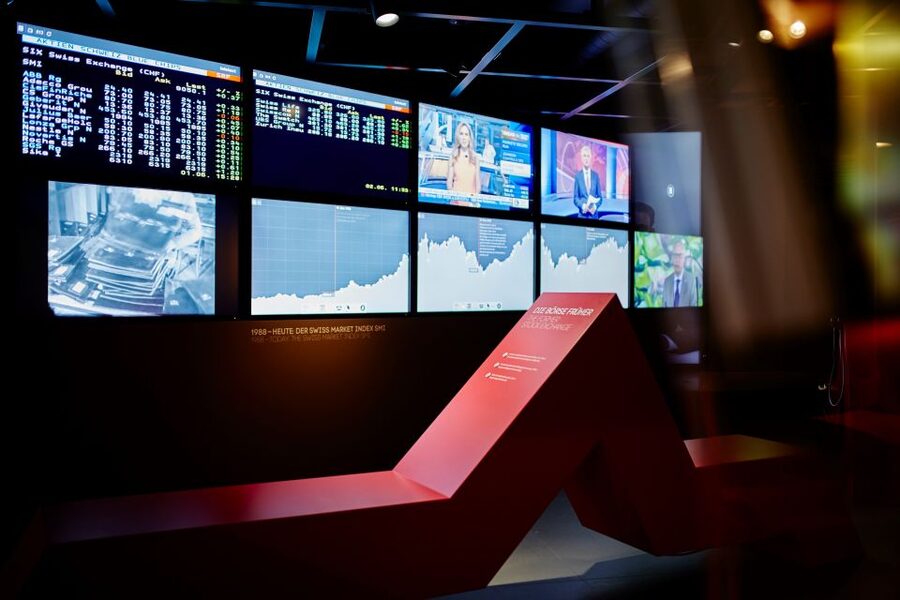
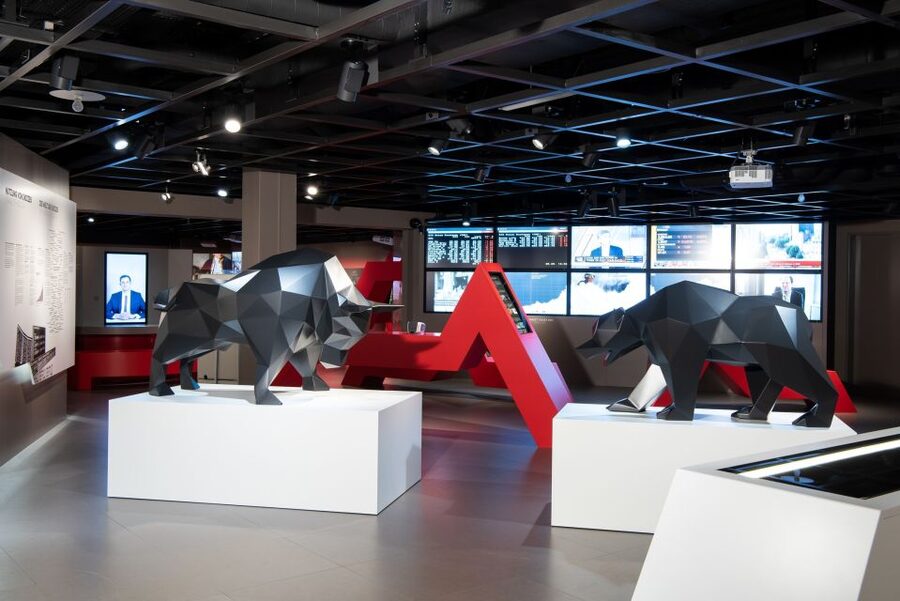
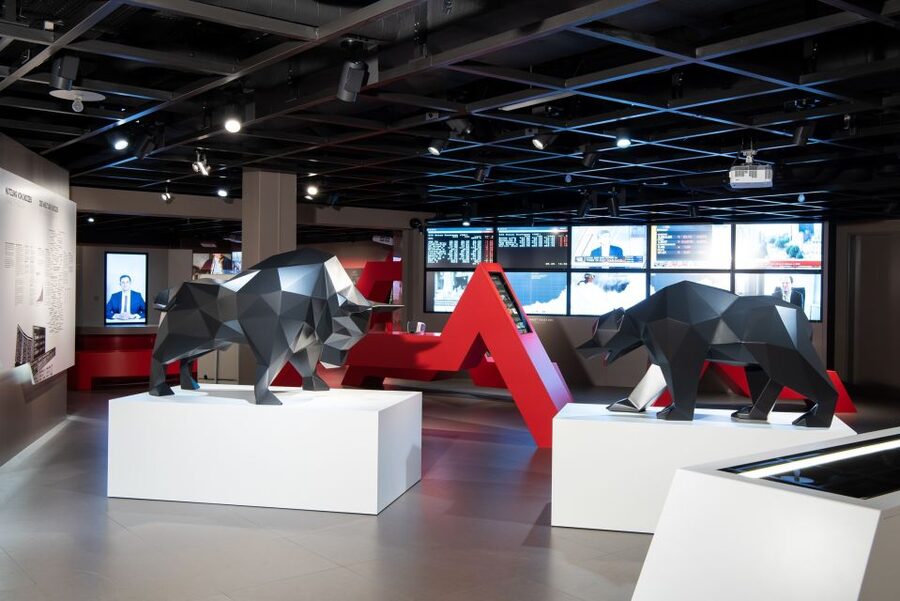
This is not a museum where you simply walk past portraits of bankers and read dates on walls. Its subject is the machinery behind modern business: stocks, stock exchanges, corporations, securities, and the financial ideas that helped shape the economy.
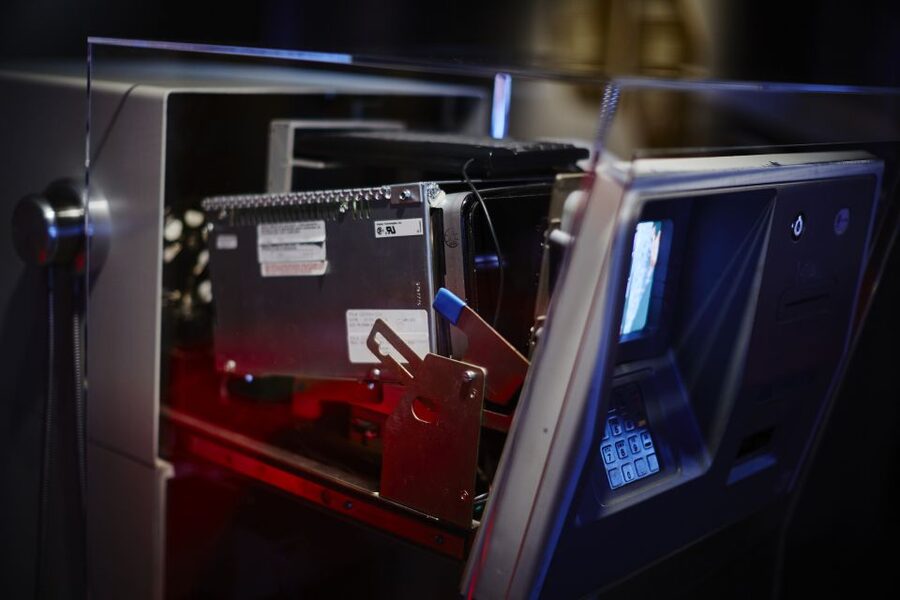
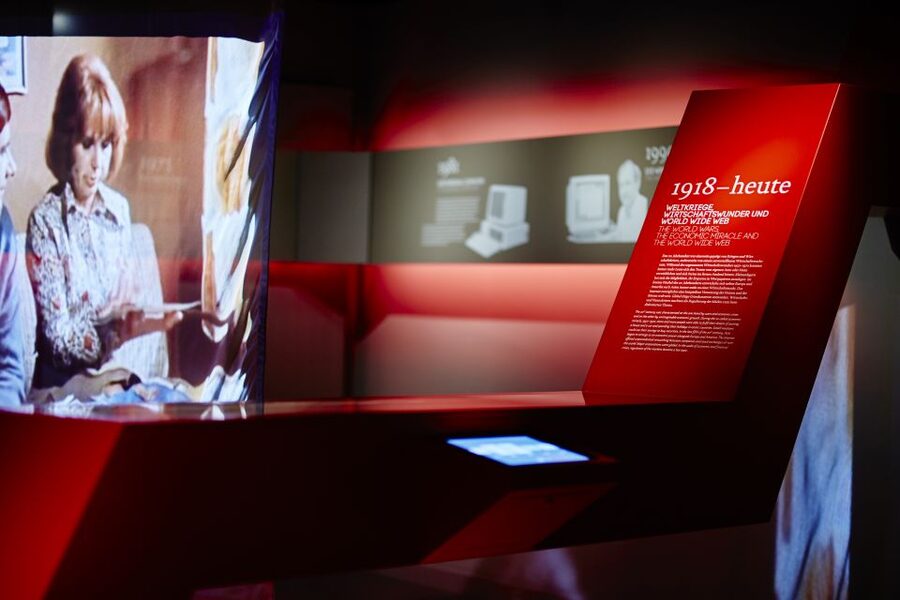
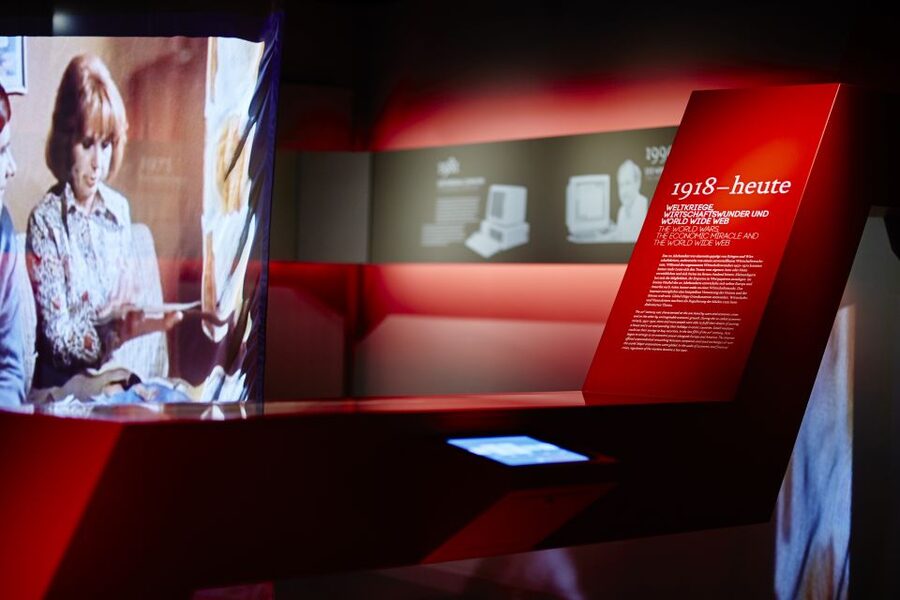
The permanent exhibition follows that story over several centuries. You begin with financial documents and historical examples, then connect them to the way companies and markets work today. The museum uses different forms of media, so the visit is not limited to printed panels. That variety matters because finance is easier to understand when you can see an object, hear an explanation, and then connect it to a modern example.
You will learn what stocks are and how they are traded on stock exchanges. That basic explanation makes the museum useful for visitors who know the words but not the mechanics. If you have always wondered what owning a share really means, the exhibition gives you a starting point.
The museum also looks at the first modern stock corporation. That is a useful doorway into the subject. Instead of treating finance as a collection of abstract terms, the displays show how new business structures allowed companies to gather money, spread risk, and grow beyond the scale of one owner or family.
More Museum Tours in Zurich
- Lindt Home of Chocolate Museum Entry Ticket
★ 4.7 · 9,329 reviews - Zurich: Sightseeing Bus Tour with Optional FIFA Museum
★ 4.2 · 822 reviews - Zurich: City Tour with Lake Cruise + Optional FIFA Museum
★ 4.0 · 729 reviews
From 16th-century securities to modern corporations
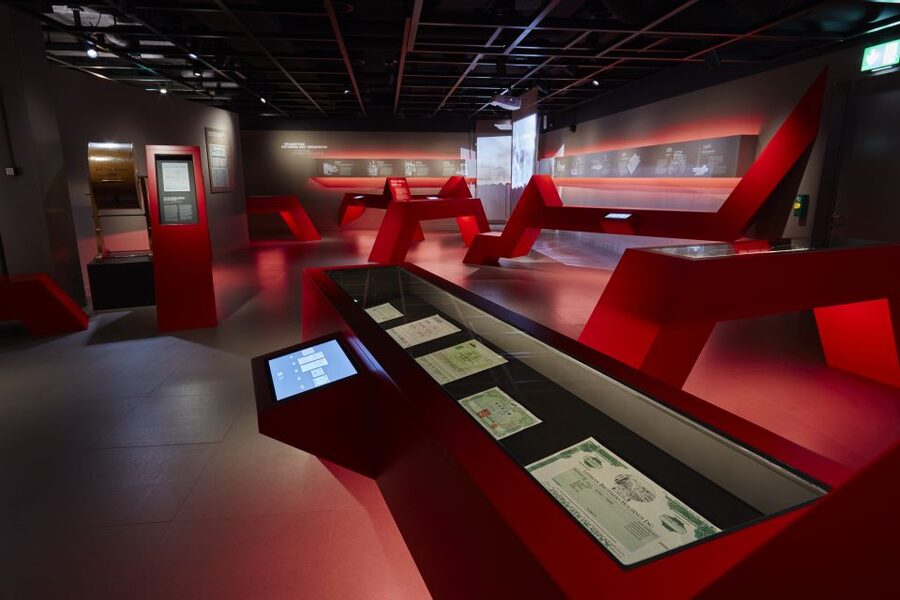
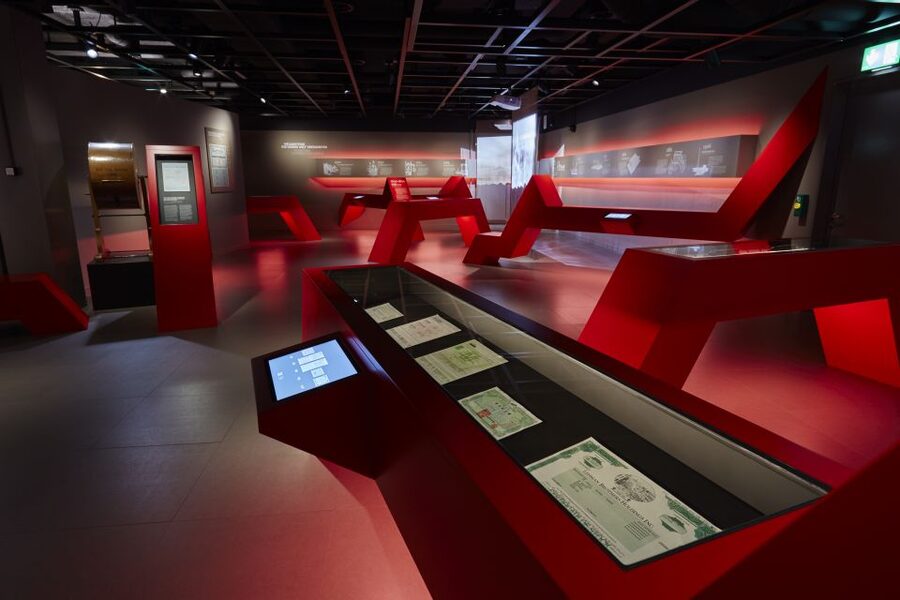
The historical documents are among the strongest reasons to visit. The museum draws on one of the world’s largest and most important collections of securities, giving you a direct look at the paperwork behind earlier financial systems.
These pieces can seem humble at first. A certificate or share document is not as immediately dramatic as a famous painting. Yet it can show how a company presented itself, how ownership was recorded, and how ideas about investment changed over time.
I like this part of the visit because it gives finance a human and physical shape. A corporation is an idea, but a security is a real object that changed hands. You can follow that shift from early business ventures to huge corporations that operate across borders.
The story also includes revolutionary business ideas. The point is not just that markets existed, but that people repeatedly invented new ways to organize capital and build companies. That makes the museum useful for anyone interested in business history, entrepreneurship, or the roots of modern industry.
Do not expect every object to explain itself. Some historical securities will interest you more if you already have a question in mind. Use the audio guide app when available, since it can help turn a formal document into part of a larger story.
Learning how stocks and exchanges work
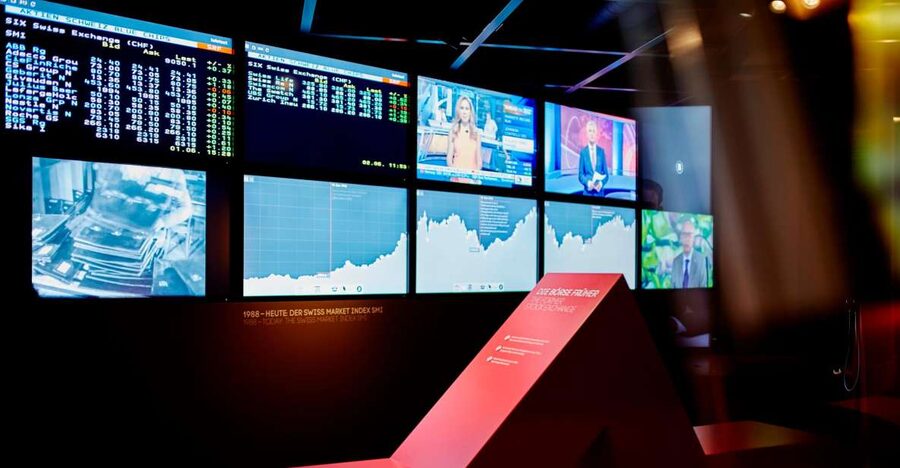
The museum’s most practical subject is the basic function of stocks and stock exchanges. You can find out what a stock represents and how it is traded. For a first-time visitor, this is likely the clearest entry point.
You do not need an economics background to get something from this section. The museum’s purpose is to show how financial markets developed and how they connect companies with people who invest money. It also helps explain why stock exchanges matter beyond the numbers shown on a screen.
This section may suit families with older children and teenagers, particularly if you explain the ideas as you go. It is less likely to hold the attention of very young children. The museum is not presented as a play space, and one recent assessment found the interactive and educational offer too limited for children. That is useful to keep in mind when planning a family day.
For adults, students, and business-minded visitors, the basic explanations can provide a helpful framework. You may leave with a better grasp of terms that appear constantly in the news. Still, the information appears to favor economic history and the development of finance, rather than offering a full guide to present-day investing.
The cashless society question
One special focus asks whether society is moving toward a cashless future. It is a timely subject because it connects the museum’s historic material with daily life.
The question works well in a finance museum. Money has changed form many times, from physical documents and coins to electronic transactions. Looking at that change helps you consider what is gained and lost when payments become less visible and less tangible.
This part should appeal to visitors who enjoy questions more than simple answers. You are not just learning how a stock exchange works. You are also asked to think about how financial systems shape ordinary habits and choices.
Keep your expectations measured. The available information confirms the cashless society theme, but it does not promise an exhaustive survey of every current payment technology. One visitor specifically wanted more up-to-date material, including Bitcoin. If cryptocurrency is your main reason for coming, this museum may not give you the level of current detail you want.
A few more museum visits around Switzerland worth comparing
- Zurich: FIFA Museum Entry Ticket
★ 4.7 · 1,461 reviews - Zurich: Swiss National Museum Entry Ticket
★ 4.6 · 267 reviews - Beatenberg: Beatus Caves Entry Ticket with Museum
★ 4.6 · 253 reviews - Lucerne Swiss Museum of Transport Entrance Ticket
★ 4.4 · 189 reviews
The interactive audio guide app

The audio guide app is included with the museum experience and lets you explore the collection at your own speed. That is important here because finance can be dense when you encounter several unfamiliar terms in a row.
I like the freedom of an app-based guide. You can pause, replay, or move on when a subject does not interest you. You can also spend longer with a historical security or a display about business structures without holding up a group.
The app should be especially useful if you visit without a German-speaking guide. The weekly public guided tour is held in German on Tuesdays from 12:30 PM to 1:30 PM, and it is included in the ticket. If you understand German and your schedule allows, that tour may add structure to the visit.
No guide name is provided, so you should plan on the app as your main source of direction unless you attend the Tuesday tour. The museum’s different media formats give you more than one way to approach the material, but the quality of your visit will depend partly on how much time you give the explanations.
The changing special exhibition
Your admission also includes the annual special exhibition. This gives the museum a reason to revisit, since the temporary subject changes over time.
The named exhibition Famous, From the collection of the Finance Museum looks at well-known figures through historical securities. It includes people such as Charlie Chaplin, Maria Theresa, and Johann Wolfgang von Goethe. That is an unusual approach to biography. Instead of seeing these figures only through paintings, photographs, or personal objects, you encounter them through the financial documents connected with their lives and times.
This exhibition can make the subject feel more approachable. You may arrive for the familiar names and then begin noticing how securities reveal social, commercial, and political connections. It is a good counterpoint to the more technical material in the permanent collection.
Because the special exhibition changes, check the current subject before booking if it is a major reason for your visit. The ticket includes access, but the details of a future exhibition cannot be assumed from the Famous display.
How long to allow and how to plan your visit
The ticket is valid for one day, not just a fixed short entry window. That gives you flexibility, although the available information does not state an exact visit length or a required starting time.
For most people, I would treat this as a focused museum stop rather than a full-day attraction. Your pace will depend on how closely you read the material, how much you use the audio guide, and how strongly you connect with the special exhibition.
A sensible approach is to start with the permanent exhibition, using the early historical material to build a timeline. Then move to the modern finance and cashless society sections. Finish with the special exhibition, where the familiar names and unusual documents may offer a lighter change of pace.
If you want the German tour, plan around Tuesday from 12:30 PM to 1:30 PM. Since that tour is included, it can improve the value of your ticket, especially if you prefer a live explanation to an app.
Food and drinks are not allowed inside, and pets are not permitted. Assistance dogs are allowed. The museum is wheelchair accessible, which makes the visit easier to plan for people with mobility needs.
Is $13 a fair price?
At $13 per person, the ticket is reasonably priced for a specialized museum in Zurich. The admission includes the permanent exhibition, the changing special exhibition, and the audio guide app. That combination gives you more than a single narrow display.
The value depends on your interest. If you enjoy economic history, company development, investing, or the way financial systems affect daily life, the price is easy to justify. The historical securities alone offer a subject you will not find in a general art or city museum.
The calculation changes if you want highly interactive exhibits, extensive information about current markets, or a family attraction designed around games and hands-on activities. A recent rating of the experience was four out of five from 26 assessments, but individual reactions have varied widely. One person found the museum disappointing and not worth the visit, while another simply recorded a positive response. A separate assessment called the information minimal and wanted current subjects such as Bitcoin.
I would not book this as a guaranteed crowd-pleaser. I would book it as a reasonably priced specialist museum with a clear focus and a few limits.
Who will enjoy this museum most?
I would recommend it most strongly to:
- Adults curious about stocks, corporations, and financial history
- Students studying economics, business, or social history
- Visitors who enjoy original documents and unusual museum subjects
- People interested in how money and payment systems have changed
- German speakers who can attend the Tuesday guided tour
- Anyone looking for a short indoor stop connected to Zurich’s financial identity
Families can still visit, particularly with older children who ask questions about money and business. For small children, the experience may feel too text-heavy or specialized. The museum’s digital elements help, but they do not guarantee a playful experience.
It is also a better match for someone who enjoys learning at a measured pace than for someone seeking spectacle. The subject rewards attention. You may not remember every date, but you can come away with a clearer idea of how financial systems developed and why they still matter.
Should you book the Swiss Finance Museum?
Book it if you want a focused look at the history of finance, especially the development of stocks, stock corporations, and securities. The $13 price includes both exhibition areas and the audio guide app, so the value is solid for an interested adult.
Skip it if your main goal is a large interactive attraction for young children or a current guide to cryptocurrency and global markets. The museum asks worthwhile questions about money, but it may not answer every modern finance question in detail.
For the best chance of a satisfying visit, check the current special exhibition, use the audio guide, and consider the Tuesday German tour if you understand German. With those expectations in place, this is a thoughtful, affordable stop for visitors who want to see the financial world through original documents and changing ideas rather than only through charts and jargon.
FAQ
Where is the Swiss Finance Museum located?
The museum is in the Canton of Zurich, Switzerland. The meeting point is the Swiss Finance Museum itself.
How long is the ticket valid?
The ticket is valid for one day. You should check availability for the available starting times.
What does the admission ticket include?
It includes the museum entrance fee, access to the special exhibition, and use of the interactive audio guide app.
Is the special exhibition included?
Yes. The ticket includes access to the annually changing special exhibition.
Is there a guided tour?
Public guided tours are held in German every Tuesday from 12:30 PM to 1:30 PM. The tour is included in the ticket price.
Is the museum wheelchair accessible?
Yes. The Swiss Finance Museum is wheelchair accessible.
Can I bring food or drinks inside?
No. Food and drinks are not allowed inside the museum.
Are pets allowed?
Pets are not allowed. Assistance dogs are permitted.
Just added around Switzerland
- Lausanne: The Olympic Museum Entry Ticket★ 4.7 · 123 reviews
- Lucerne: Swiss Museum of Transport Full Day Pass★ 4.8 · 78 reviews
- Lucerne Swiss Museum of Transport Entrance Ticket★ 4.4 · 189 reviews
- Zurich: Lindt Home of Chocolate Museum Ticket & Transfer★ 3.7 · 83 reviews
- Interlaken: Admission ticket for the Ballenberg Open-Air Museum★ 4.8 · 31 reviews
- Geneva Countryside And Art Museum At A Castle Wine By E-Bike★ 3.8 · 16 reviews
- Beatenberg: Beatus Caves Entry Ticket with Museum★ 4.6 · 253 reviews
- Zurich: Swiss National Museum Entry Ticket★ 4.6 · 267 reviews
Museum Tours in Zurich, compared.



City Tour with Lake Cruise + Optional FIFA Museum
Read our review →

Lindt Home of Chocolate Museum Ticket & Transfer
Read our review →Browse the lists this tour appears in