
Review · SWITZERLAND
Lausanne: The Olympic Museum Entry Ticket
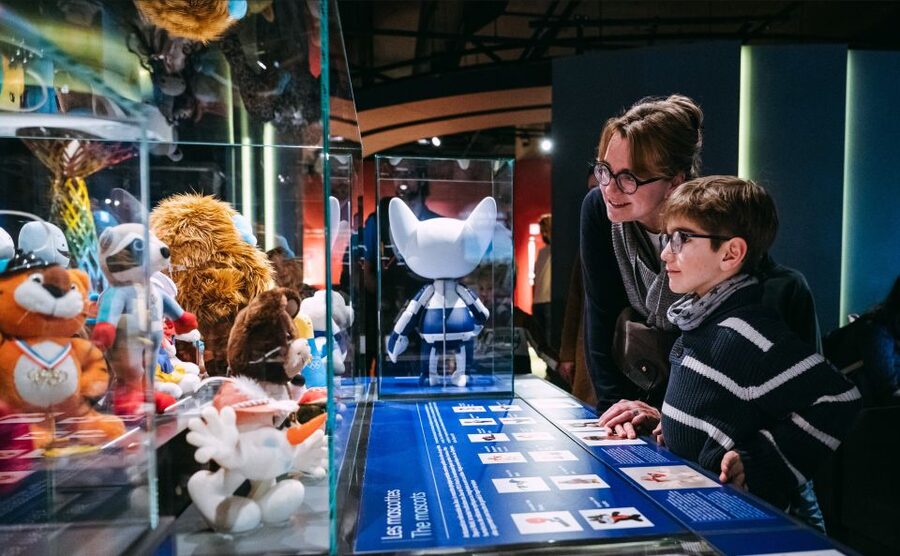
The Olympic Museum in Lausanne does more than display medals and uniforms. It asks what the Olympic idea has meant to society, then backs that question with thousands of objects, films, designs, and pieces of memorabilia. I like the wide range of subjects, and I like that your ticket includes both the museum and the outdoor Olympic Park.
The free audio guide, available in nine languages when offered, helps you make sense of the displays without joining a tour group. The lake-view restaurant and sculpture park are useful extras, too. My main caution is simple: this is not a quick photo stop. If you rush through, you will miss much of what makes the museum worthwhile.
Key points to know before you go
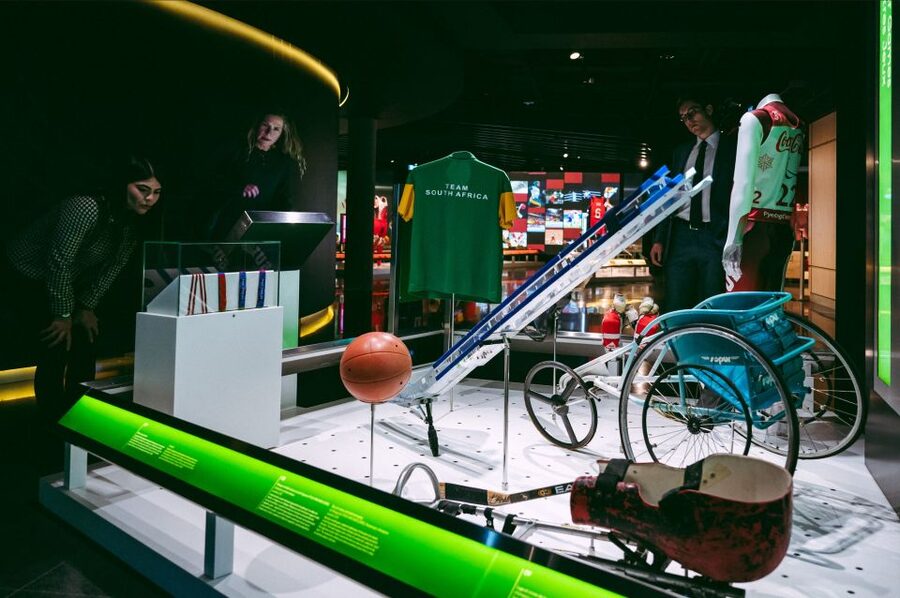
- Thousands of Olympic objects: Expect far more than cups and medals, with material linked to history, culture, design, technology, and sociology.
- A full-day ticket: Your admission is valid for one day, so you can take your time with the galleries, Olympic Park, boutique, and restaurant.
- Olympism beyond competition: The museum looks at the Olympic Movement and its effect on society, not only at winning performances.
- Free audio guide: An audio guide is available in nine languages, subject to availability.
- Lake Geneva setting: The museum restaurant offers panoramic views, while the outdoor park adds sculpture and open space.
- Good for families: Children can find the objects and sports themes exciting, though the museum also asks for attention and patience.
Why Lausanne is home to the Olympic Museum
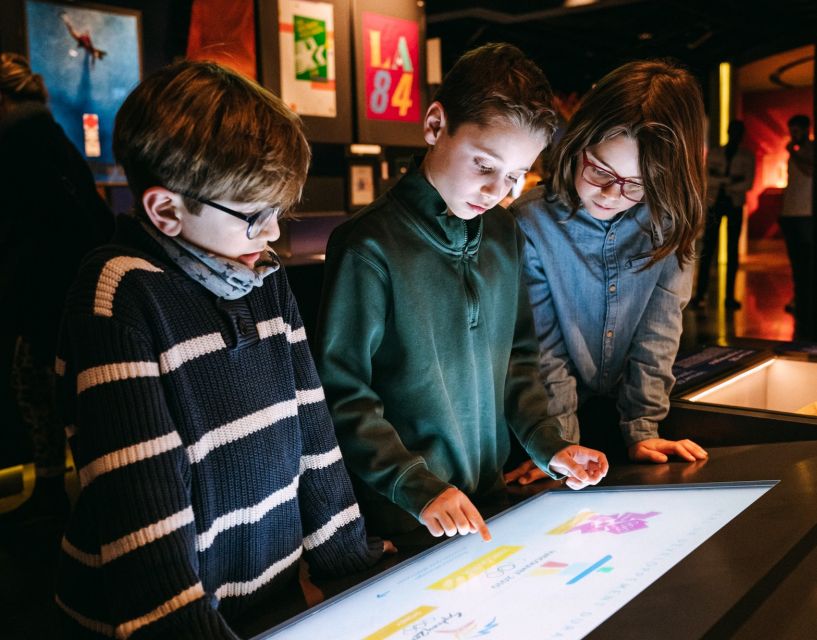
Lausanne is known as the Olympic Capital, and this museum serves as the official home of the world’s largest collection of Olympic heritage. That gives the visit a particular sense of place. You are not simply looking at a sports exhibition in a city with no connection to the subject. You are visiting the institution that tells the story of the Olympic Movement.
The museum’s central idea is Olympism, a term that reaches beyond the Games themselves. The displays consider how the movement has shaped public life, culture, technology, design, and ideas about society. This broader frame is important because it keeps the visit from becoming a parade of famous names and record times.
I find that approach useful for two kinds of visitors. If you already follow the Olympics closely, you can look past the headline moments and see how the event has developed. If you only watch the Games now and then, the museum gives you a way into the subject without requiring a detailed knowledge of every host city or champion.
A few more museum visits around Switzerland worth comparing
- Lindt Home of Chocolate Museum Entry Ticket
★ 4.7 · 9,329 reviews - Zurich: FIFA Museum Entry Ticket
★ 4.7 · 1,461 reviews - Zurich: Swiss National Museum Entry Ticket
★ 4.6 · 267 reviews
Inside the permanent exhibition
Your admission includes the permanent exhibition, which forms the main part of the visit. The exact flow through the galleries is not described in detail, so you should expect a broad presentation rather than a fixed guided itinerary with a named leader.
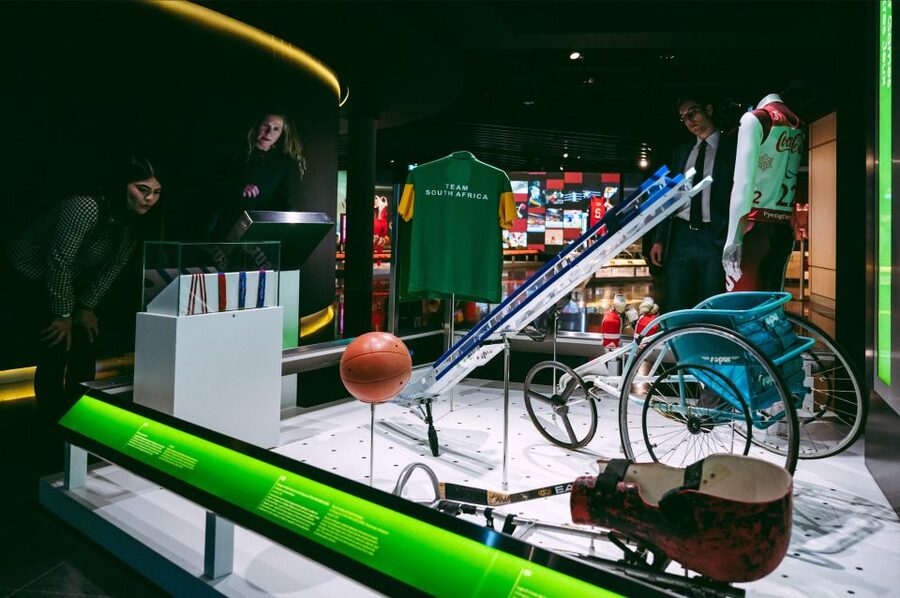
The collection covers thousands of exhibits. That scale matters. You are likely to encounter familiar Olympic symbols alongside objects that explain how the Games are organized, presented, designed, and remembered. Memorabilia is a major draw, but the museum places it within a larger story.
The themes include history, culture, design, technology, and sociology. That mix gives the galleries more variety than a standard sports hall of fame. One room or display may focus on an object’s appearance, while another may ask how the Games reflect political and social change.
The museum also treats the Olympic Games as a cultural event. That means you can consider ceremonies, visual identity, equipment, and public messages, rather than looking only at the competition itself. For me, this is where the admission earns its keep. You are paying for interpretation and context, not just access to display cases.
Allow plenty of time. The ticket is valid for one day, and the collection is large enough that a hurried visit would feel incomplete. Families may want to set a loose plan, especially if children are eager to see the most visual objects first. The museum has enough material to hold their attention, but not every section will have the same appeal for every age.
What the audio guide adds
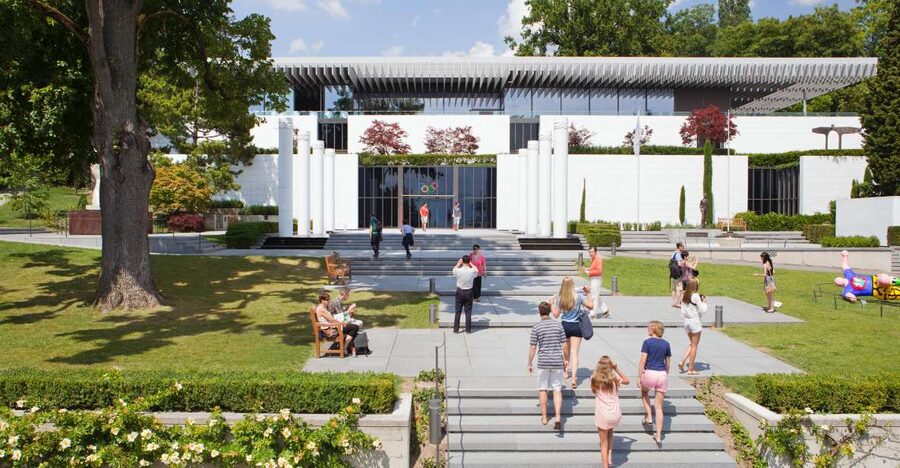
A complimentary audio guide is available in nine languages, depending on availability. This is especially helpful because the museum covers several subjects at once. A short explanation can show why an object matters, rather than leaving you to guess from a label.
You should treat the guide as a tool, not a requirement. Some people will want to listen to everything. Others will prefer to select a few sections and move at their own pace. Either way, it gives you more control than a scheduled group tour.
There is no named personal guide included with the ticket. That is a benefit if you dislike fixed schedules, but a limitation if you prefer to ask questions as you go. The audio format also means you should bring comfortable clothes and shoes, since you may spend a long stretch standing or walking through the museum and park.
Because the guide is offered upon availability, do not build your entire visit around hearing every commentary track. The exhibition itself remains the main attraction.
The Olympic Park and sculpture garden
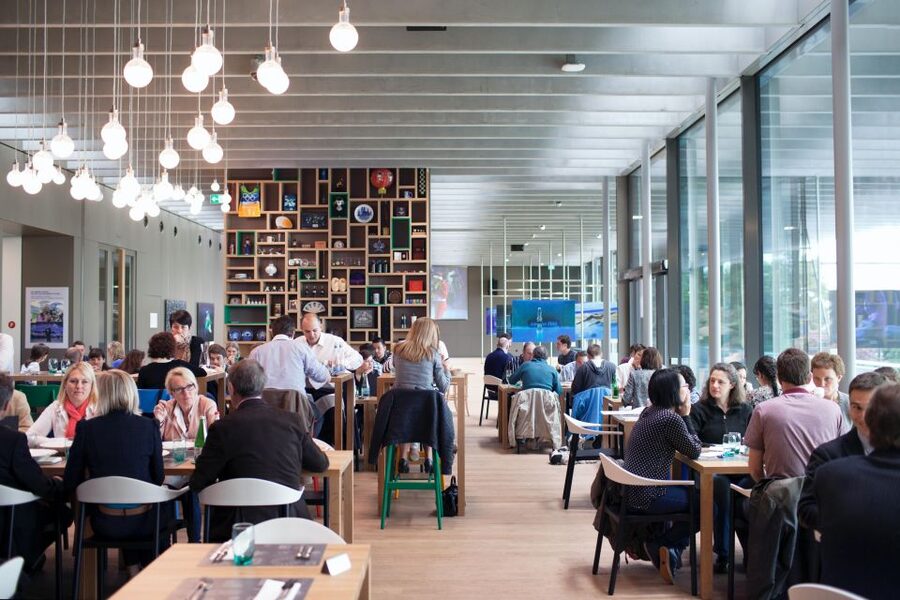
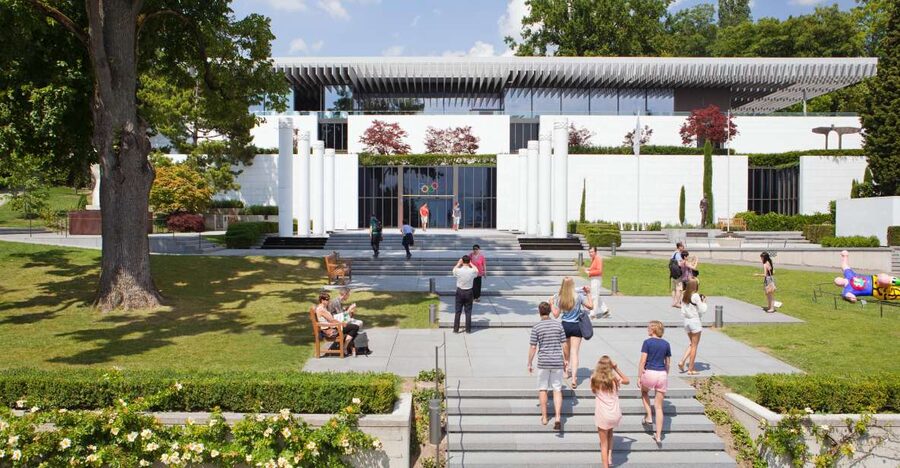
The ticket also gives you access to the Olympic Park, including the museum’s outdoor sculpture area. This changes the pace of the visit. After the indoor galleries, you can step outside, look at the works in an open setting, and take a break before returning to the exhibits.
The park is not just spare space around the building. It extends the museum’s focus on the Olympic idea through art and public presentation. You may find the outdoor displays easier to enjoy in short bursts than the indoor galleries, especially if you are visiting with children.
The setting beside Lake Geneva is another reason to spend time outside. The museum’s position gives the visit a visual element that an indoor sports collection cannot provide on its own. The lake view also makes the restaurant a practical stop rather than an afterthought.
Bring water and wear comfortable shoes. Those suggestions are basic, but they make sense for a ticket that covers a full day and more than one part of the site. You do not need to force yourself through every gallery in one long push.
Same city, a completely different collection:
- Zurich: Sightseeing Bus Tour with Optional FIFA Museum
★ 4.2 · 822 reviews - Zurich: City Tour with Lake Cruise + Optional FIFA Museum
★ 4.0 · 729 reviews - Beatenberg: Beatus Caves Entry Ticket with Museum
★ 4.6 · 253 reviews - Lucerne Swiss Museum of Transport Entrance Ticket
★ 4.4 · 189 reviews
A pause at the restaurant overlooking Lake Geneva
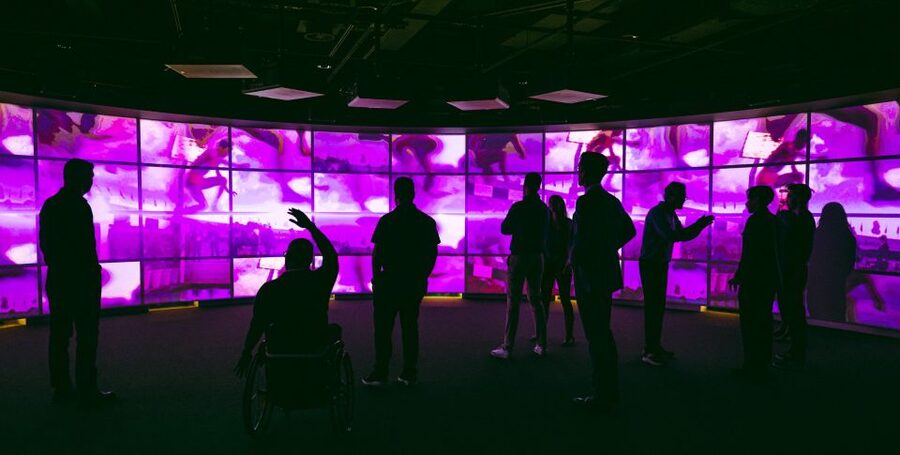
The panoramic restaurant gives you a place to rest and take in the view. It is not included as a meal in the admission, so plan to pay separately for anything you order. Still, having a restaurant on site can make the museum easier to enjoy at a relaxed pace.
I like this option for visitors who want the museum to fill a substantial part of the day. You can explore the galleries, spend time in the park, and stop for food without turning the visit into a series of rushed departures. The Lake Geneva outlook also gives you a break from the subject matter while keeping you within the experience.
The restaurant may be less important if you only want a short museum visit or already have dining plans in Lausanne. In that case, treat it as a bonus rather than a reason to buy the ticket.
The boutique and the wider Olympic story
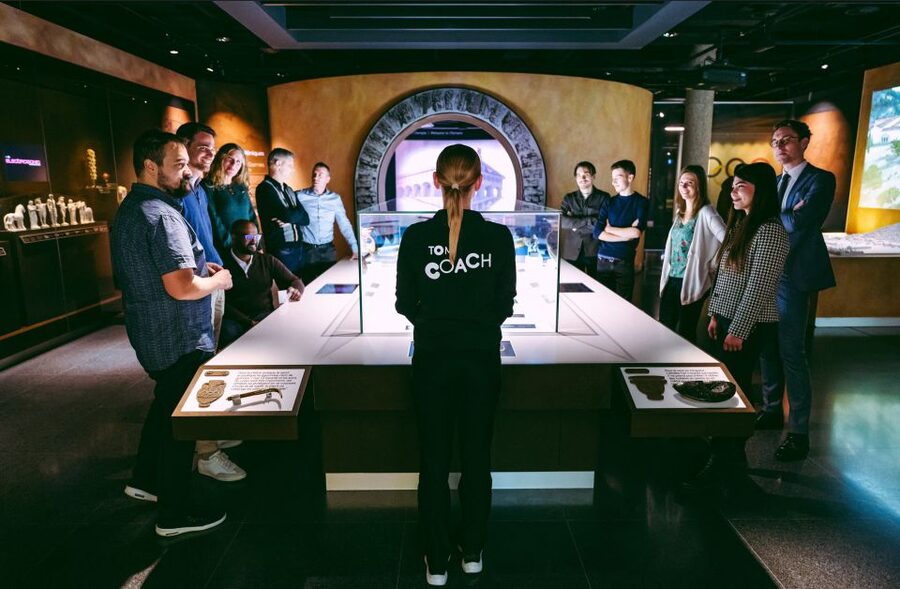
The exclusive boutique adds a shopping stop for anyone who wants a souvenir tied directly to the museum and Olympic heritage. The available information does not specify the exact products, so I would not buy the ticket expecting a particular item. Think of the shop as an optional extra after the exhibition.
The larger value of the museum comes from its treatment of the Olympic Movement as a social and cultural idea. The displays aim to show how the Olympics have contributed to society in the past and today. That gives the visit more weight than a simple celebration of sporting success.
You can also consider the tensions built into any large international event, though the available details do not promise a dedicated section on every modern issue. The museum’s subject areas make room for questions about technology, design, culture, and society. In other words, it gives you a framework for thinking, not just a list of winners.
Is $26 good value for one day?
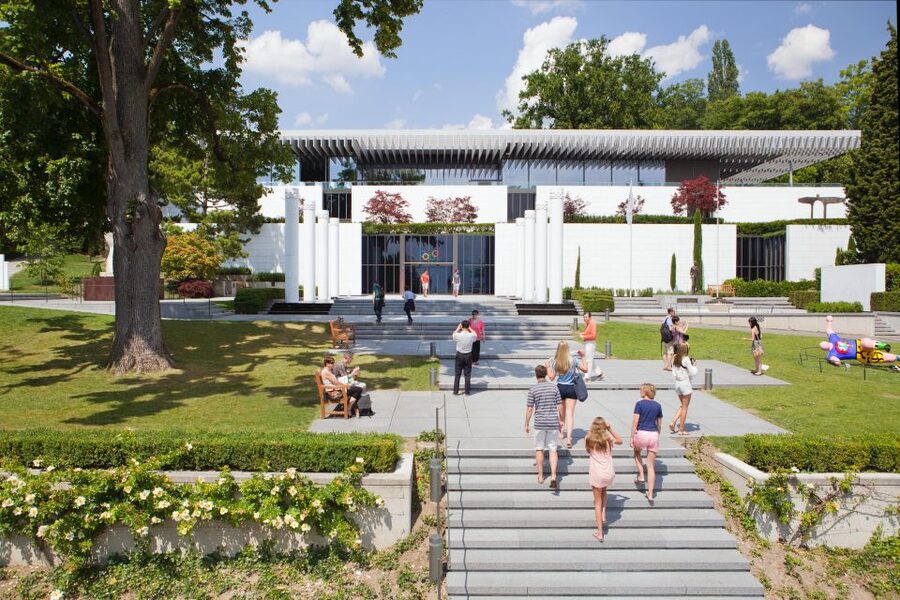
At $26 per person, the ticket is reasonably priced if you plan to use the full day. Your admission covers the permanent exhibition and Olympic Park, with the outdoor setting, sculpture area, boutique, and restaurant available as part of the visit. The audio guide is included when available.
The value drops if you only have time for a brief walk through the main galleries. The museum’s strength is its size and range, so a 30-minute stop will not give you much chance to benefit from the ticket. If you have several hours, the cost is easier to justify.
A 4.7 rating from 123 recorded ratings points to a consistently strong experience, but your enjoyment will depend on your interest in museums and sports. The most praised features are the quantity of memorabilia and the sense that there is much more to see than expected. One family-oriented reaction described children as astonished, which fits the museum’s visual appeal and large collection.
The price also compares favorably for families who want a structured activity with an educational side. Younger children may not follow every social or historical point, but they can still respond to the objects, symbols, and Olympic themes. Older children and teenagers may get more from the links between sport, design, technology, and public life.
How much time should you allow?
The ticket is valid for one day, not for a short timed slot. That gives you flexibility, but it also signals that the museum expects you to spend real time there.
For a fast visit, you might focus on the main exhibition and then leave. That approach is possible, but it works best only if your schedule is tight. To get better value, allow time for three parts:
- The indoor permanent exhibition
- The Olympic Park and sculpture area
- A pause at the restaurant or time in the boutique
You do not need to spend every available hour inside the galleries. A break can help you absorb the material, especially because the museum moves between sport, culture, technology, and society.
Since no specific start time is fixed in the information provided, check availability when booking. The meeting point is the Olympic Museum itself. Bring a passport or ID card, as well as water and comfortable footwear.
Accessibility and practical comfort
The experience is wheelchair accessible, which makes the museum and its main facilities a more practical choice for a wide range of visitors. Specific details about routes, lifts, or accessible restrooms are not provided, so you should contact the museum directly if you need precise arrangements.
The suggested clothing is sensible rather than formal. Comfortable clothes and shoes fit a visit that may include indoor galleries and the outdoor park. Water is also worth carrying, particularly if you plan to stay for much of the day.
The free audio guide can reduce the need to read every label, but it does not turn the museum into a guided tour. You remain responsible for choosing your pace and deciding which themes deserve more attention.
Who will enjoy this museum most?
I would recommend it first to people who already like the Olympic Games, sports history, museums, or large collections of design and memorabilia. You will get the most from it if you enjoy asking how events affect culture and society, not only who won.
It is also a sound choice for families. Children can respond to the objects and the idea of the Games, while adults can spend more time with the historical and social themes. Keep in mind that the museum is not an amusement park. Some sections require listening and reading, so younger children may need breaks.
The experience suits independent visitors particularly well. The audio guide lets you set the rhythm, and the one-day validity means you are not pushed through a fixed schedule. If you want a personal guide who answers questions throughout, this ticket will not provide that.
It may be less suitable if you have almost no interest in sport or public exhibitions. The museum reaches beyond competition, but the Olympic Movement remains its central subject. A visitor seeking only Lake Geneva scenery would find the park and restaurant pleasant, but the museum admission would be more than needed.
Should you book the Olympic Museum?
Book it if you want a serious museum visit with strong visual material, a broader look at the Olympic idea, and time to enjoy an outdoor park and lake-view restaurant. The quantity of memorabilia is a major reason to go, and the audio guide adds useful context without tying you to a group.
I would skip it only if your Lausanne schedule is too tight for more than a quick stop, or if sports and cultural exhibitions are not your thing. At $26, the ticket makes the most sense when you use the full day and explore more than the first gallery.
For families, museum lovers, and Olympic fans, this is a worthwhile Lausanne activity. Go with comfortable shoes, leave room in your schedule, and give the museum time to show you that the Olympics are about more than the final score.
FAQ
Where is the Olympic Museum?
The Olympic Museum is in Lausanne, in Switzerland’s canton of Vaud. Lausanne is known as the Olympic Capital.
What does the admission ticket include?
The ticket includes entrance to the permanent exhibition and access to the Olympic Park. You can also visit the museum’s restaurant and boutique.
Is an audio guide included?
A complimentary audio guide is included upon availability. It is offered in nine languages.
How long is the ticket valid?
The ticket is valid for one day. Check availability for the possible starting times when booking.
Is the Olympic Museum wheelchair accessible?
Yes. The activity is listed as wheelchair accessible.
What should I bring?
Bring a passport or ID card, comfortable shoes, water, and comfortable clothes.
Can I cancel the booking?
You can cancel up to 24 hours in advance for a full refund. A reserve-now, pay-later option is also available.
Just added around Switzerland
- Swiss Finance Museum Admission Ticket★ 4.0 · 26 reviews
- Lucerne: Swiss Museum of Transport Full Day Pass★ 4.8 · 78 reviews
- Lucerne Swiss Museum of Transport Entrance Ticket★ 4.4 · 189 reviews
- Zurich: Lindt Home of Chocolate Museum Ticket & Transfer★ 3.7 · 83 reviews
- Interlaken: Admission ticket for the Ballenberg Open-Air Museum★ 4.8 · 31 reviews
- Geneva Countryside And Art Museum At A Castle Wine By E-Bike★ 3.8 · 16 reviews
- Beatenberg: Beatus Caves Entry Ticket with Museum★ 4.6 · 253 reviews
- Zurich: Swiss National Museum Entry Ticket★ 4.6 · 267 reviews
Museum Tours in Switzerland, compared.

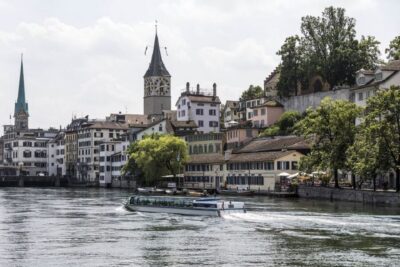
City Tour with Lake Cruise + Optional FIFA Museum
Read our review →
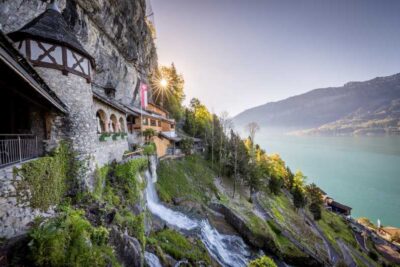
Beatenberg: Beatus Caves Entry Ticket with Museum
Read our review →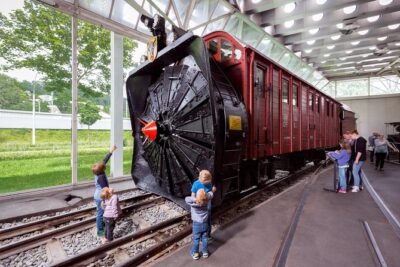
Lucerne Swiss Museum of Transport Entrance Ticket
Read our review →
Lindt Home of Chocolate Museum Ticket & Transfer
Read our review →Browse the lists this tour appears in