
Review · NORWAY
Stavanger: Norwegian Petroleum Museum – Entrance Ticket
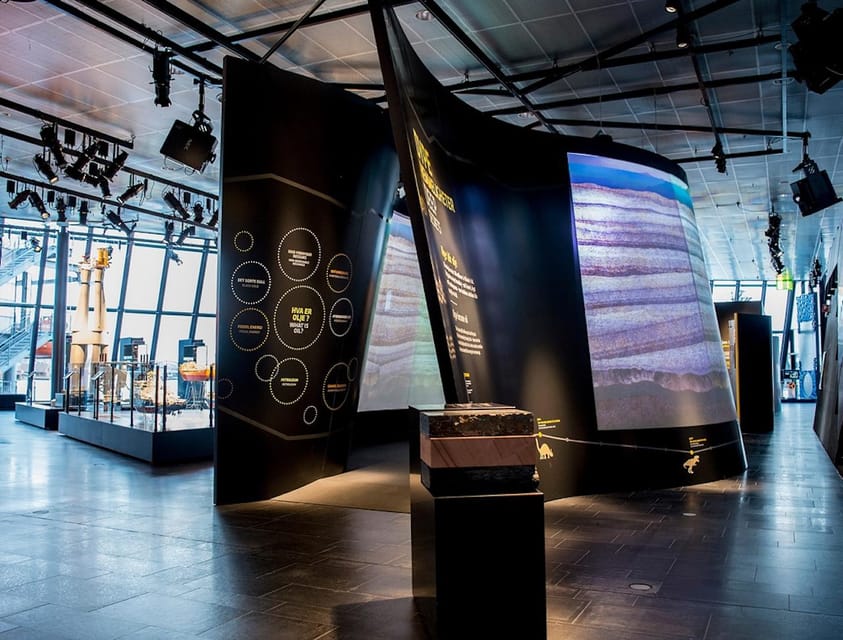
The most interesting thing here is the story behind Norway’s modern prosperity. At the Norwegian Petroleum Museum, you follow oil and gas from formation beneath the seabed to offshore drilling, production, and the money that reshaped Norwegian society. I especially like the hands-on exhibits and the way the museum tackles greenhouse gases and global warming without hiding the difficult questions. The main consideration is simple: if you want a quiet art museum, the rescue chute, games, and play platform may make this place feel lively.
I also like the short film Oilkid, which looks at growing up during a time of major change. The museum is easy to fit into a Stavanger day because it sits near Vågen harbor, but the material deserves more than a rushed walk-through. Families can spend several useful hours here, while adults who read every panel may want most of the day.
Key points to know before you go
- Oil explained from seabed to society: Follow how petroleum forms, how it is found, and how offshore production works.
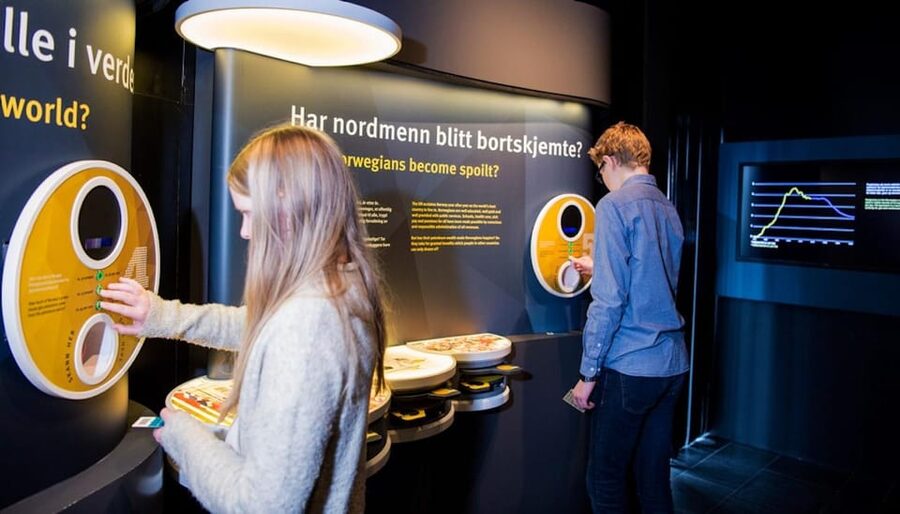
- Interactive learning for different ages: Original objects, models, films, games, and touchable displays keep the subject from becoming a wall of text.
- A serious climate section: Greenhouse gas emissions and global warming are treated as central parts of the story.
- Strong family facilities: Children can try the rescue chute, catastrophe room, games, picture quiz, climbing, sliding, and play platform.
- A central Stavanger location: The museum is close to Vågen harbor, with parking recommended at Jorenholmen.
- Good flexibility: Your ticket is valid for one day, and cancellation is allowed up to 24 hours before the visit.
Why Stavanger’s oil museum matters
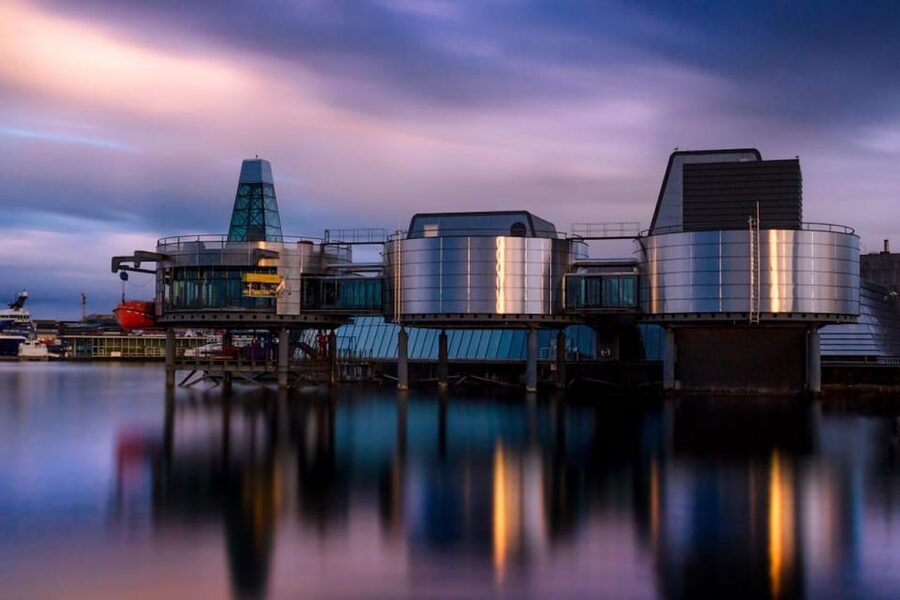
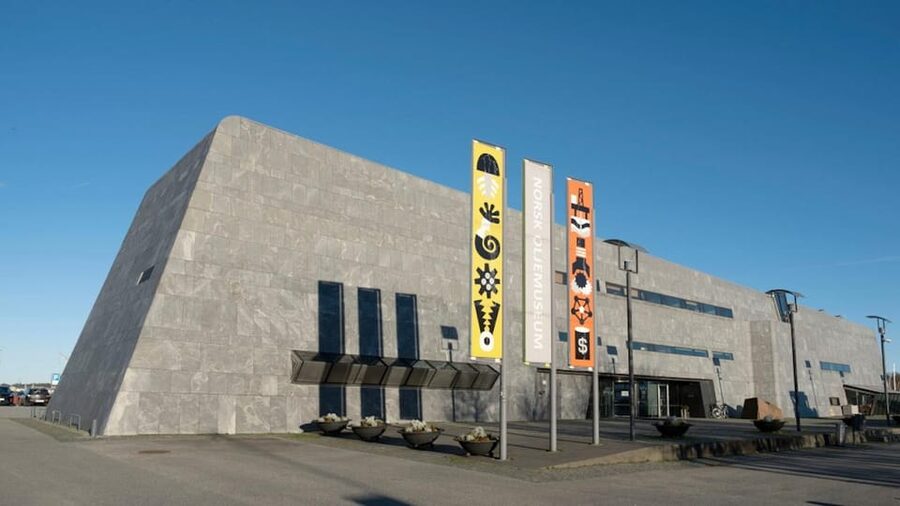
Stavanger is closely tied to Norway’s offshore petroleum industry, so this is not a museum about some distant subject. It explains one of the main forces behind the country’s economic and social change.
You begin with the basics: how oil and gas form over long periods, where resources lie beneath the seabed, and how scientists and engineers locate them. That foundation matters because offshore energy can seem like a collection of huge machines and technical words. Here, the story is broken into understandable steps.
I like this approach because it gives you a working picture rather than a handful of impressive objects. You can see how geology, drilling, engineering, shipping, safety, and finance fit together. The museum also asks what this industry has meant for ordinary life in Norway, not just for companies and equipment.
The presentation is designed for a broad audience. You do not need a background in geology or engineering. The models and films help explain ideas that could otherwise feel dry, while the interactive elements give younger children a reason to stay with the subject.
A few more museum visits around Norway worth comparing
- Kon-Tiki Museum Entrance Ticket
★ 4.5 · 1,096 reviews - Oslo: Paradox Museum Entry Ticket
★ 4.3 · 799 reviews - The Fram Museum Admission Ticket
★ 4.5 · 490 reviews
From ancient seabed to offshore platform
The first part of your visit focuses on the origin of petroleum. You learn how oil and gas are formed and how they became trapped beneath the seabed. This is useful context before you reach the machinery and drilling displays.
The museum then turns to exploration. You can follow the process of finding resources below the Norwegian continental shelf and see how technology made offshore operations possible. Models and original objects give the subject a physical scale that diagrams alone cannot provide.
The attraction here is the connection between a natural process and a modern industrial system. Oil is not simply pumped from a convenient hole in the ground. It must be located, reached, extracted, processed, and moved under demanding conditions.
That progression also helps adults who know the broad story but have never thought about the practical steps. You might arrive knowing that Norway produces oil and gas. You leave with a clearer sense of how the industry actually operates.
Drilling, production, and the machinery of risk
Offshore drilling is the most dramatic part of the subject, and the museum gives it plenty of attention. You see how drilling and production are conducted, along with the technical advances that made work on the continental shelf possible.
The displays use models, films, and original objects to explain the work. That combination is important. A full-size object shows how substantial the equipment is, while a model can reveal what happens below the waterline or inside a drilling system.
Safety is another part of the experience. Offshore work carries obvious risks, and the museum includes activities connected with emergencies and rescue. The rescue chute and catastrophe room are especially useful for children because they turn safety from an abstract idea into something they can see and try.
You should not expect a theme-park ride. These features are educational activities inside a museum. Still, they add physical movement to a subject that could otherwise require a lot of standing and reading.
Norway’s prosperity and the cost of petroleum
The museum does not stop at machines. It also explains how oil income affected Norwegian society. This gives your visit a wider frame, helping you understand why petroleum became Norway’s most important industry.
That social angle is one of the museum’s strongest features. You can think about changes in jobs, wealth, technology, and national confidence. The story is not only about how oil is extracted. It is also about what a country does when a major new source of income changes its future.
The subject needs balance, and the museum places the petroleum story beside the climate challenge. Greenhouse gas emissions and global warming are part of the central presentation, not a small footnote at the end.
I appreciate that pairing. You get to understand the benefits and the difficult consequences of the same industry. The result is more useful than a simple celebration of Norwegian engineering, and it is also more helpful than a one-sided warning about fossil fuels.
Allow time for these displays even if you mainly came for the big equipment. They explain why the museum is more than a collection of oil-industry objects.
Same city, a completely different collection:
- Oslo: Oslo Discovery Tour with 2 Museums Included
★ 4.7 · 376 reviews - Oslo: Munch Museum Admission Ticket
★ 4.5 · 193 reviews - Bergen: Troll Museum Entry Ticket + audio guide
★ 4.3 · 88 reviews - Ålesund-Aksla-Alnes-Giske-Sunnmøre museum 100 % Highlights 4.5 H
★ 5.0 · 84 reviews
The climate challenge is part of the main story
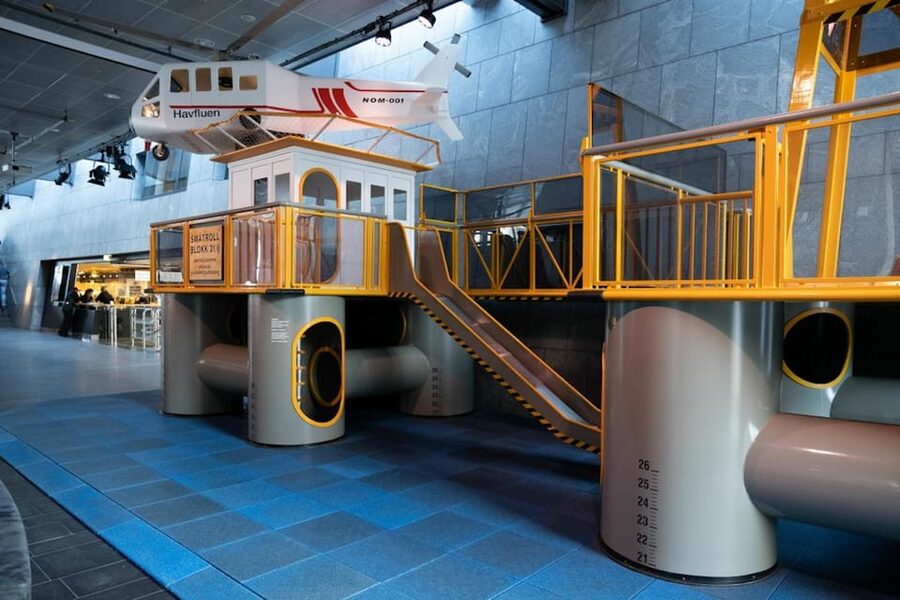
The climate section looks at how global warming affects the world and why greenhouse gas emissions matter. It gives the visit a present-day purpose.
You may find this part most useful after seeing how successful the petroleum industry has been. Norway’s oil story is tied to national wealth, but it also sits within a global energy problem. The museum gives you the chance to consider both facts at once.
This is especially valuable for families with older children and teenagers. The exhibits can lead to practical conversations about energy, industry, responsibility, and change. Younger children may move quickly through this part, while older visitors may spend longer with the explanations.
The museum’s advantage is that it presents the climate issue within the full history of petroleum operations. You are not asked to understand global warming without context. You have already seen what the industry does, how it developed, and why it matters.
Watch Oilkid before you leave
Make time for Oilkid, the museum film about growing up during a period of change. It adds a human angle to the technical displays.
The film is worth including because petroleum is not only a story of platforms and drilling. It affected homes, work, communities, and expectations about the future. A personal view can make those large changes easier to understand.
I would place the film somewhere in the middle or later part of your visit. First learn the basic petroleum story, then use Oilkid to connect the industry with everyday life. Afterward, the social and climate displays may carry more weight.
The film is also a useful pause if you are visiting with children. Museum visits go better when the rhythm changes from objects and games to a short screen presentation, then back to active exhibits.
Family activities that keep small children involved

This museum is built to include children, not simply tolerate them. The rescue chute, catastrophe room, interactive games, picture quiz, and play platform give younger visitors several ways to take part.
The play platform is made for little ones who want to slide, climb, and play. That makes a practical difference for parents. Children do not need to understand every panel to have a worthwhile visit, and adults can spend more time with the displays while children have an age-appropriate activity.
The picture quiz is a good family tool. It encourages you to look closely at exhibition details rather than hurry from one large object to the next. You can turn it into a shared task, with adults reading questions and children spotting answers.
Older children may prefer the interactive games and safety-related activities. These make technical subjects more physical and memorable. The museum can therefore work for a mixed-age family, though not every section will hold every child’s attention for the same length of time.
If you are visiting without children, expect some noise and movement in the family areas. That is part of the design, and it may be a drawback if you want a completely calm museum visit.
How long to allow and how to plan the visit
Your ticket is valid for one day, so you can take your time rather than race through. The experience is not a guided tour with a fixed sequence. You explore the exhibitions at your own pace.
I would allow at least two hours for a meaningful visit. That gives you time for the petroleum story, offshore technology, climate displays, the film, and some interactive features. A family with children may spend longer because of the games and play platform.
You could also use the museum as a flexible stop during a day in central Stavanger. It is close to Vågen harbor, so it pairs naturally with time around the waterfront. There is no included meal or transport service, and parking is recommended at Jorenholmen.
Opening hours change with the season. From June 1 through August 31, the museum is open daily from 10:00 to 19:00. From September 1 through May 31, it is open Monday through Saturday from 10:00 to 16:00 and Sunday from 10:00 to 18:00.
Check the calendar around Norwegian holidays. The museum is closed on December 24, December 25, December 31, January 1, Good Friday, Easter Sunday, and May 17.
What the $19 ticket gives you
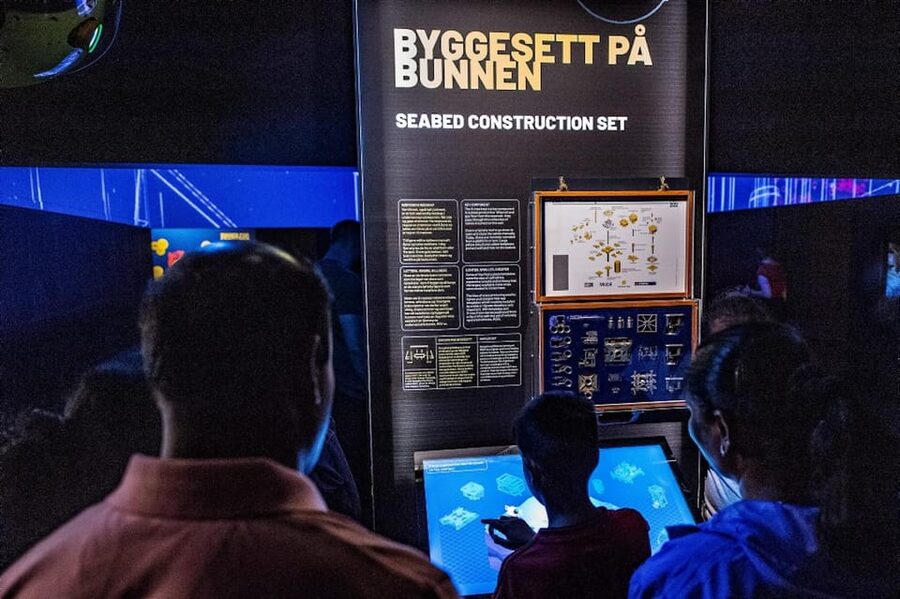
At $19 per person, this is a reasonable paid museum visit if you want context about Stavanger and modern Norway. The value comes from the range of material: geology, offshore engineering, social change, climate science, films, and family activities are all included in one admission.
The price makes more sense if you plan to spend several hours inside. A quick half-hour visit would leave much of the museum unused. If you are curious about Norway’s oil economy, the ticket gives you a focused way to understand something that shapes the country you are visiting.
Families should think about the age mix. Children’s activities add value for parents, while adults get the historical and industrial explanation. Solo visitors and couples who enjoy museums can also find the ticket worthwhile, especially if they read the displays and watch Oilkid.
The ticket does not include food, pickup, or drop-off. Those costs are easy to manage because the museum is in Stavanger city center, but you should plan them separately.
Accessibility, languages, and practical comfort
The museum is wheelchair accessible, which makes the visit easier to plan for people with mobility needs. The stated languages are English and Norwegian, and hosts or greeters are available in both languages.
The one-day validity gives you useful flexibility. You can reserve now and pay later, and cancellation is allowed up to 24 hours in advance for a full refund. Those terms help if your Stavanger schedule depends on weather, cruise timing, or changing plans.
Because this is a self-guided museum experience, you should not expect a named personal guide leading your group through every room. The English and Norwegian support is there to help you enter and use the museum, while the exhibits provide the main interpretation.
Who will enjoy this museum most
I would recommend it first to anyone who wants to understand Stavanger beyond its harbor and old streets. The petroleum industry is a major part of the city’s identity, and this museum explains that connection clearly.
It is also a strong choice for families. The activities give children something active to do, and the picture quiz can turn the visit into a group game. Parents get a chance to learn without needing to leave young children behind.
Adults interested in energy, engineering, economics, or climate policy will find plenty to consider. The museum is not only about the past. Its treatment of global warming makes the visit relevant to decisions being made now.
You might choose another attraction if you want fine art, a short scenic stop, or a completely quiet setting. This is an educational museum with interactive family areas, so its strengths are information and participation.
Should you book the Norwegian Petroleum Museum?
Book it if you want a clear explanation of how oil and gas shaped Norway, especially if you are visiting Stavanger for the first time. The mix of models, original objects, films, interactive displays, and family activities gives the $19 admission solid value.
I would make it a priority for families, curious adults, and anyone who wants more than postcard views of the harbor. Plan at least two hours, watch Oilkid, and leave time for the climate section rather than treating it as an optional extra.
Skip it only if your schedule is extremely tight or you know industrial history is not your thing. For most visitors with room in the day, this is a practical, thoughtful way to understand the forces that changed Stavanger and modern Norway.
FAQ
Where is the Norwegian Petroleum Museum located?
The museum is in Stavanger city center, close to Vågen harbor.
How much does admission cost?
The entrance ticket costs $19 per person.
How long is the ticket valid?
The ticket is valid for one day.
Is the museum open all year?
Yes, the museum is open all year, with seasonal opening hours and several holiday closures.
What are the summer opening hours?
From June 1 through August 31, it is open every day from 10:00 to 19:00.
What languages are available?
The available languages are English and Norwegian. Hosts or greeters are also available in English and Norwegian.
Is the museum wheelchair accessible?
Yes, the museum is wheelchair accessible.
Can I cancel my booking?
Yes. You can cancel up to 24 hours in advance for a full refund.
Just added around Norway
- Ålesund-Aksla-Alnes-Giske-Sunnmøre museum 100 % Highlights 4.5 H★ 5.0 · 84 reviews
- Oslo: Munch Museum Admission Ticket★ 4.5 · 193 reviews
- Oslo: Kon-Tiki Museum Entry Ticket★ 4.6 · 18 reviews
- Narvik: Narvik War Museum★ 4.8 · 21 reviews
- Maihaugen Museum/The Norwegian Olympic Museum, Lillehammer.★ 4.4 · 48 reviews
- Tromso: Full Steam Museum Entrance★ 4.1 · 43 reviews
- Kristiansand: Highlights Tour w/ Kristiansand Museum Ticket★ 4.4 · 17 reviews
- Bergen: Troll Museum Entry Ticket + audio guide★ 4.3 · 88 reviews
Museum Tours in Norway, compared.

Ålesund-Aksla-Alnes-Giske-Sunnmøre museum 100 % Highlights 4.5 H
Read our review →
Maihaugen Museum/The Norwegian Olympic Museum, Lillehammer.
Read our review →Browse the lists this tour appears in