
Review · BARCELONA
Barcelona Card: 25+ Museums and Free Public Transportation
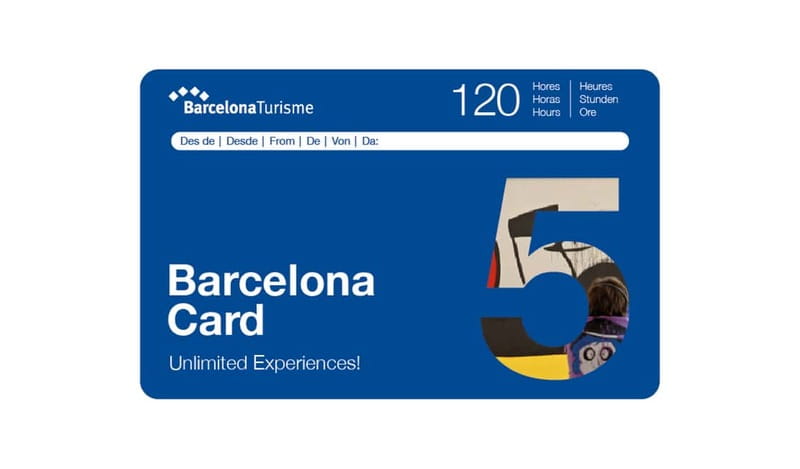
Barcelona’s best bargain is not a single attraction. It is the freedom to pop into a museum, hop on a metro, change your plans, and keep moving without reaching for your wallet each time. The Barcelona Card covers 28 museums and attractions, including the Picasso Museum, Moco Museum, Joan Miró Foundation, MNAC, and Montjuïc Castle.
I like the unlimited public transport most, especially if you plan to cross town several times a day. I also like the way the card nudges you toward smaller museums you might otherwise skip. The main drawback is that famous sights such as Sagrada Família and Park Güell are not free, and the card only gives discounts at several headline attractions.
- Free admission to 28 museums and attractions, including Picasso, Moco, Miró, MNAC, and CosmoCaixa.
- Unlimited transport for 72, 96, or 120 hours, beginning with your first use.
- Airport travel included on metro and regular covered services, but not Aerobus or night buses.
- Skip-the-ticket-line access at selected museums, including MNAC, MACBA, CCCB, and several others.
- Discounts of up to 50 percent on attractions, flamenco shows, tours, and activities.
- Pickup at the airport or central Barcelona, with a guidebook in six languages and a city map.
What the Barcelona Card Really Buys You
At $69 per person, the card makes sense when you combine transport with several paid museums. It is less convincing if you plan to walk most of the time, use taxis, or spend your days at attractions not included in the pass.
The value comes from stacking modest savings. A few metro rides, airport travel, and admissions to the Picasso Museum, Moco Museum, MNAC, and Montjuïc Castle can quickly bring the price close to break-even. Add one or two smaller museums, and the card can move into genuine savings.
You do not need to visit every museum for the card to work. Several people find the transport alone useful, especially during a four or five-day stay. The card also removes the small mental tax of checking every fare before boarding.
The card begins when you first use it, not when you collect it. Choose a 72-hour, 96-hour, or 120-hour period, depending on the option available when you book. That timing matters. If you arrive late in the afternoon, collect the card but wait to activate it until you are ready to start sightseeing, unless you need the transport immediately.
Collecting Your Card at the Airport or in Town
You exchange your voucher for the physical card at a tourist information office. Pickup is available at Barcelona Airport Terminal 1, Terminal 2, the Terminal 1 metro office, Plaça de Catalunya, and the Sagrada Família kiosk.
The airport locations are useful if you plan to take public transport into the city. Terminal 1’s tourist information office is outside the terminal exit, not beside the baggage carousels. That detail can save you a confused search after landing.
Terminal 1 operates from 8:30 a.m. to 8:30 p.m. Monday through Saturday, with shorter Sunday and bank holiday hours. Terminal 2 is listed as open daily from 8 a.m. to 2:30 p.m. The Terminal 1 metro office operates from 9 a.m. to 2:30 p.m.
In the city, Plaça de Catalunya offers long daily hours, and the Sagrada Família kiosk has different hours by day. Opening times can change around January 6 and December 26, and most offices close on January 1 and December 25. Check the current pickup details before you fly.
If you arrive at a different terminal from the one you expected, do not assume every office has the same hours. The card is most convenient when you pick it up at the airport you actually use or at Plaça de Catalunya after reaching the center.
More Museum Tours in Barcelona
- Barcelona: FC Barcelona Museum “Barça Immersive Tour” Ticket
★ 4.4 · 10,944 reviews - Barcelona: Park Güell and Gaudí House Museum Entry Ticket
★ 4.5 · 6,326 reviews - Barcelona: Picasso Museum Skip-the-Line Guided Tour
★ 4.5 · 3,355 reviews
Riding Barcelona’s Metro, Trams, and Buses
The transport portion is the card’s most practical feature. It covers the metro, TMB day buses, trams, FGC urban railway lines, and Renfe Rodalies trains in zone 1.
That gives you a broad network for getting between neighborhoods, museums, and train-connected areas. You can use the metro for speed, buses for street-level views, trams where routes fit, and the covered urban rail lines when they are the most direct choice.
You can also use the card for airport transport on the included metro service and covered rail connections. The Aerobus shuttle is not included, so do not buy an Aerobus ticket assuming the Barcelona Card covers it. Night buses are also excluded.
The card is particularly helpful when you make a wrong turn or change your plans. You can board another covered service without buying a second ticket. Google Maps can help with live arrival information, which makes Barcelona’s transport network easier to manage once you learn the basic route patterns.
The physical card may be used at transport gates and machines. Pay attention to the directional arrow when inserting it, and make sure you use the correct card rather than a separate plastic transport card if both are provided. That small distinction has caused confusion.
Picasso, Moco, and Barcelona’s Art Museums
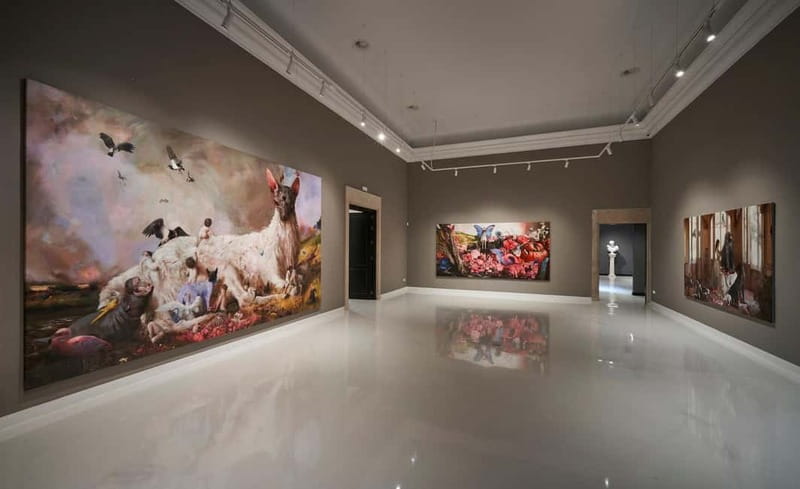
The Picasso Museum is one of the strongest reasons to buy the card. Its collection follows Pablo Picasso’s development and gives you a focused look at his connection with Barcelona. It is also near the Moco Museum, making it easy to visit both in one old-city outing.
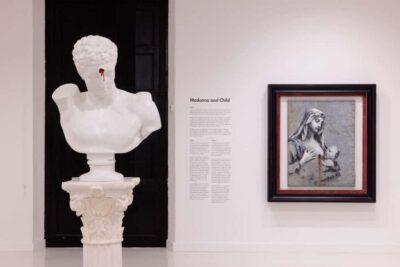
Moco takes a different route, with modern and contemporary works. Having both included lets you compare Picasso’s more traditional museum setting with a newer, more pop-oriented approach.
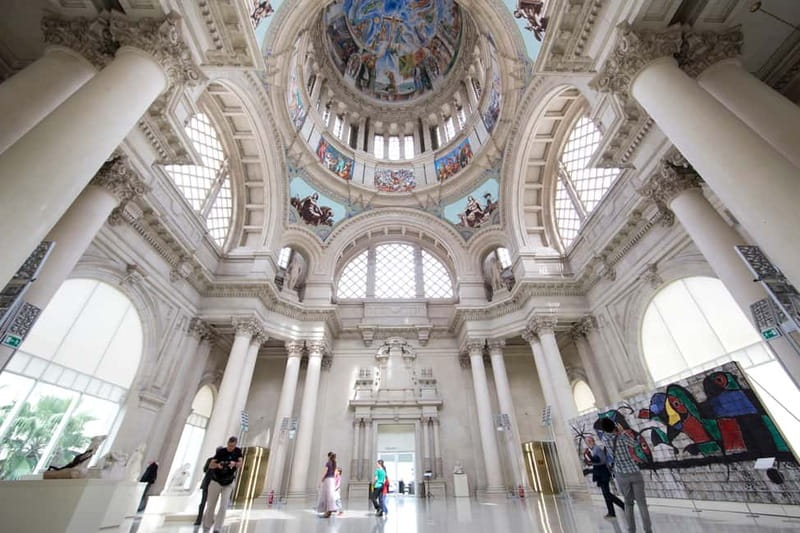
The National Art Museum of Catalonia, known as MNAC, covers a much wider span of art and occupies the Palau Nacional on Montjuïc. The card includes admission and skip-the-ticket-line access. Its location pairs naturally with Montjuïc Castle, the Joan Miró Foundation, and the Olympic and Sports Museum.
The Joan Miró Foundation focuses on the Catalan artist’s work and is a good choice if you want something more personal and concentrated than a large national collection. The Antoni Tàpies Foundation also includes skip-the-line entry, while the Frederic Marès Museum offers a very different collection centered on sculpture and historical objects.
The card’s advantage here is choice. You can spend a full morning at one major museum, then make a shorter stop at another without feeling that you have wasted an expensive admission.
Science, Design, and Contemporary Culture
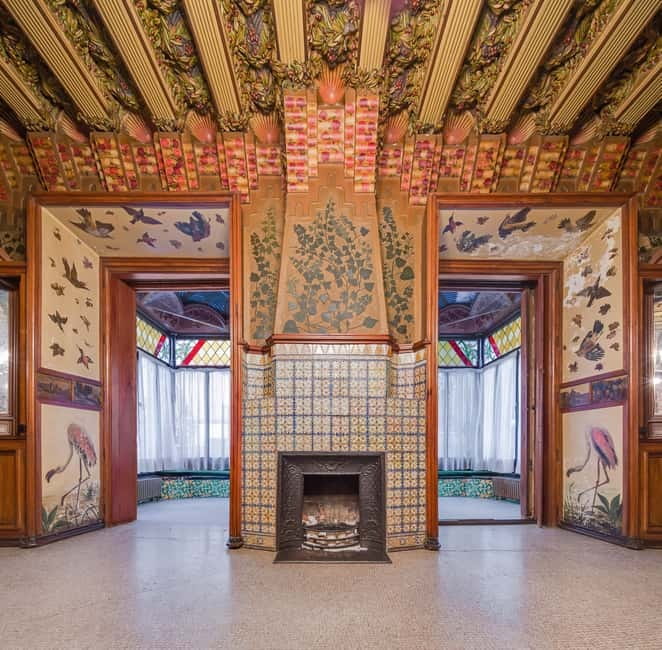
Barcelona’s museum network is not limited to painting. CosmoCaixa Science Museum gives you a change of pace, with science-focused exhibits that can work well for families and anyone needing a break from art galleries.
The Museum of Natural Sciences of Barcelona, known as Museu Blau, offers another science and nature stop. Its separate setting means you should check your route before adding it to a packed old-town day.
The Design Museum of Barcelona explores design in a city famous for architecture, furniture, graphics, and decorative arts. MACBA, the Barcelona Museum of Contemporary Art, provides a stronger modern-art focus and includes skip-the-ticket-line access.
The Center of Contemporary Culture of Barcelona, or CCCB, is useful when you want exhibitions and ideas rather than a conventional art collection. It also includes skip-the-ticket-line access.
CaixaForum adds another cultural stop, with changing exhibitions in a former modernist factory setting. Because exhibition programs change, check what is showing during your dates instead of assuming every visit will offer the same material.
A few more museum visits around Barcelona worth comparing
- Moco Museum Barcelona: Modern & Contemporary Art
★ 4.6 · 3,229 reviews - Girona & Dali Museum Small Group Tour with Pick-up from Barcelona
★ 5.0 · 2,965 reviews - From Barcelona: Girona, Figueres, Dalí Museum, and Cadaqués
★ 4.7 · 1,928 reviews - From Barcelona: Girona&Dalí Museum Day Trip with Small Group
★ 4.7 · 1,874 reviews
Roman Barcelona, the Jewish Quarter, and Civil War Memory
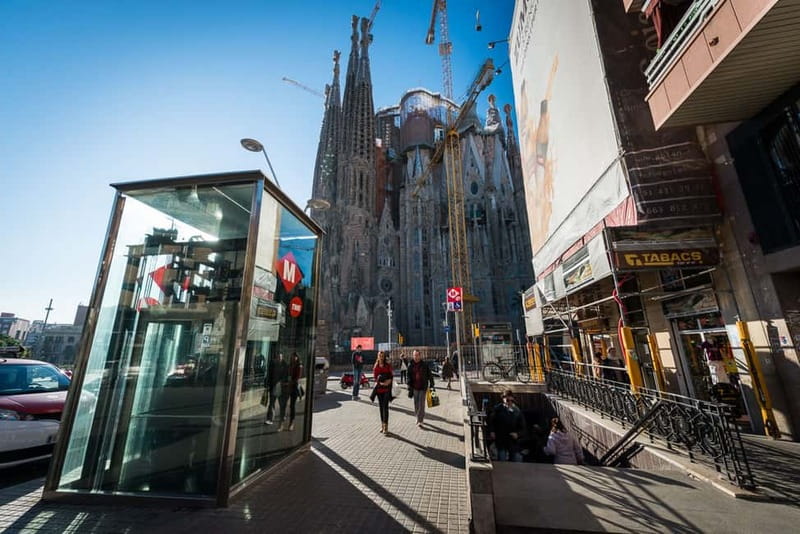
The Museum of the History of Barcelona, or MUHBA, is spread across several sites. The card includes Plaça del Rei, the Via Sepulcral Romana, El Call, and Refugi 307.
Plaça del Rei is the main historic setting, where you can connect present-day Barcelona with the Roman and medieval city. The Via Sepulcral Romana shows an ancient burial area, while El Call focuses on the former Jewish quarter.
Refugi 307 is especially different. It is an air-raid shelter connected to the Spanish Civil War, offering a more direct look at civilian life during conflict. These sites are not interchangeable, so plan them as separate stops rather than treating MUHBA as one single museum.
The Ethnological Museum has locations in Parc de Montjuïc and on Montcada Street. The Egyptian Museum of Barcelona provides another specialized collection. These are the kinds of places that are easy to miss on a first trip, and the card gives you a reason to make room for them.
Montjuïc: Castle, Miró, Gardens, and Sport
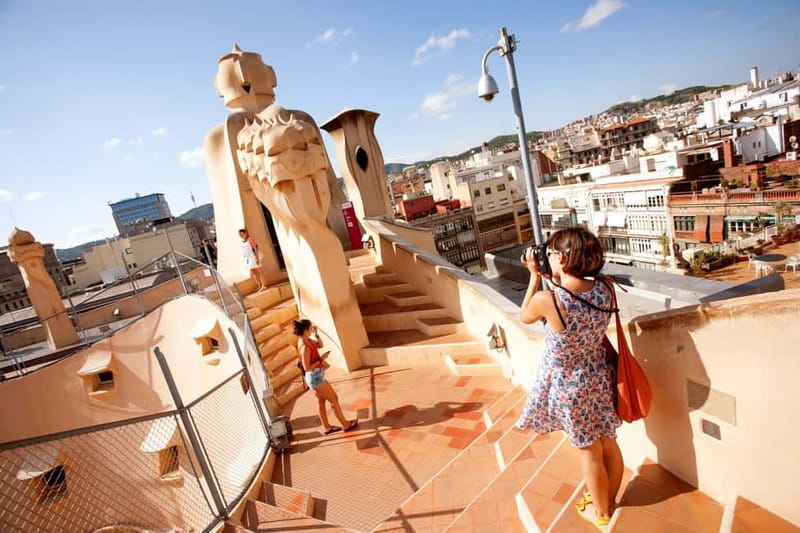
Montjuïc can fill a full day if you plan it carefully. The card includes Montjuïc Castle, the Joan Miró Foundation, the Botanical Garden of Barcelona, and the Olympic and Sports Museum Joan Antoni Samaranch.
The castle gives you a historic viewpoint over the city and port. The Miró Foundation offers one of the city’s key modern-art collections. The Botanical Garden provides a quieter outdoor stop, while the Olympic museum focuses on sporting history and the 1992 Barcelona Olympics.
The Olympic and Sports Museum includes skip-the-ticket-line access, but its audio guide costs extra. If you prefer detailed commentary, budget for that separately.
Montjuïc’s sites are spread out, so avoid trying to see all four in a rushed morning. The card covers entry, but it cannot create more hours in your day. A slower visit to two or three sites is usually more rewarding than racing through everything simply to increase the savings.
Small Museums That Add Up
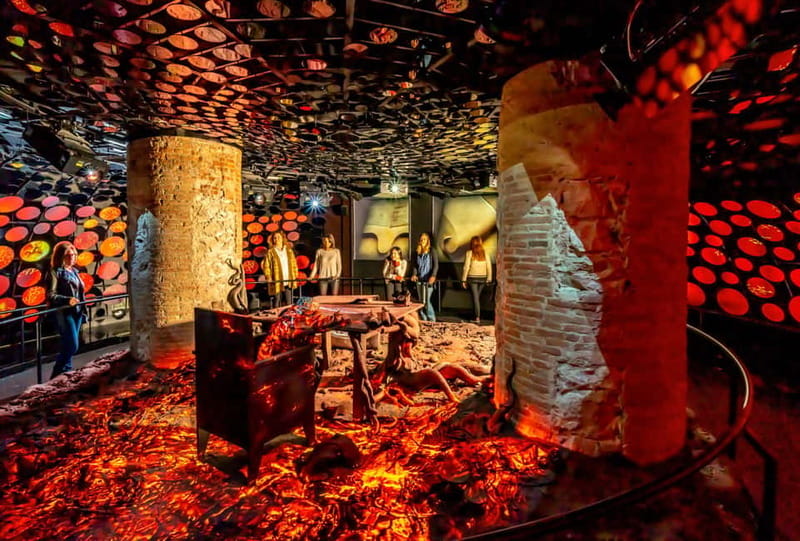
The card includes several compact museums that can strengthen an itinerary built around neighborhoods. The Chocolate Museum is a light, easy stop, especially if you are visiting with children or want a short indoor break.
The Music Museum of Barcelona offers a look at instruments and musical culture. It also includes skip-the-ticket-line access. The Royal Monastery of Santa Maria de Pedralbes takes you farther from the most crowded central sights and provides a different architectural and cultural experience.
The card also includes the Ethnological Museum and Frederic Marès Museum, both of which can appeal to you if you prefer local collections to headline attractions. These smaller places are where the card can shape your trip in a useful way. You may visit something you did not know to seek out, simply because admission is already covered.
What Is Discounted, Not Free
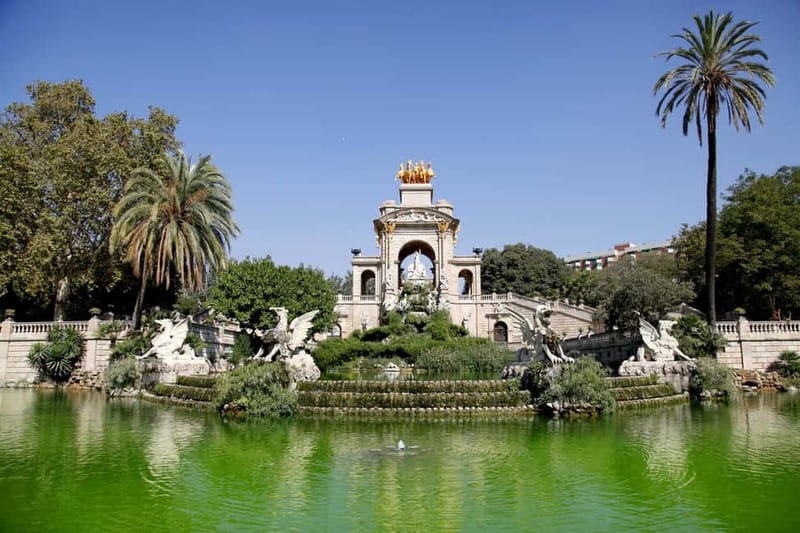
The Barcelona Card is not an all-access pass. Sagrada Família and Park Güell are not part of the free admission list, so you need separate tickets for them.
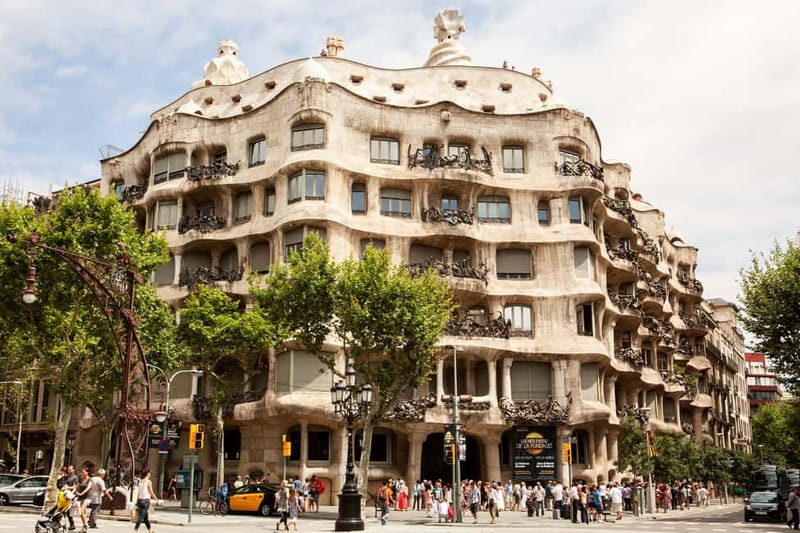
The card does provide discounts at additional attractions and activities. Listed examples include Casa Milà, Casa Batlló, flamenco shows, tours, excursions, Palau Güell, the Aquarium, and Poble Espanyol. Discounts can reach 50 percent, but the exact reduction varies by attraction.
This distinction matters when you calculate your budget. Do not count a famous site as free until you confirm its current card benefit. Use the free museums as the foundation of your plan, then apply the discounts to one or two major attractions you already want to see.
Discounts at restaurants are not guaranteed. The card’s strongest savings are transport and museum admission, not dining.
Planning Three, Four, or Five Days
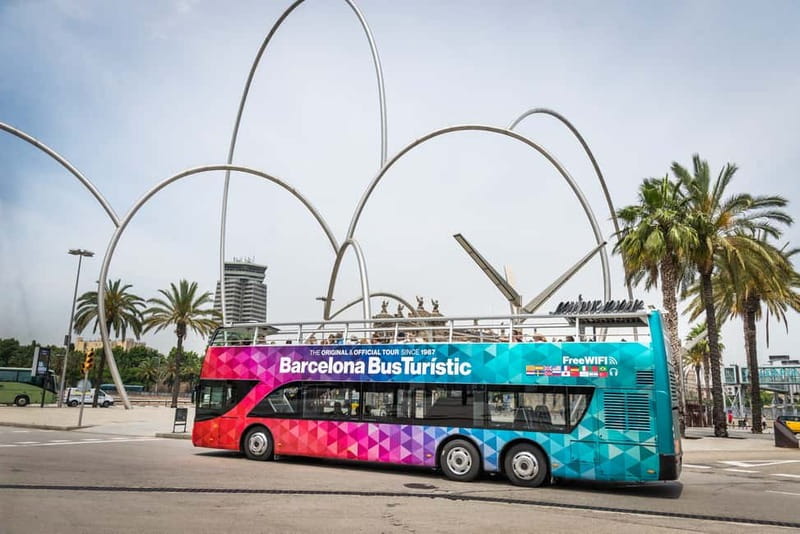
For three days, build each day around one major included museum and one or two nearby stops. A practical pattern might be Picasso and Moco in the old center, then MNAC and Montjuïc sites, followed by CosmoCaixa or a selection of MUHBA locations.
For four days, the card becomes easier to justify because you can spread out the museums and make fuller use of transport. This length also gives you room for a discounted attraction without turning every hour into a calculation.
For five days, the pass can work very well if you use public transport frequently. You do not need to visit two museums every day if you are riding metro, bus, tram, and train across the city. The transport benefit keeps adding value.
Start by listing the museums you truly want to see. Then group them by area. Barcelona is walkable in sections, but crossing the city several times by taxi can erase the savings. The card rewards a plan that mixes walking with public transport.
Who Should Buy It
I would recommend the card to you if you enjoy museums, expect to use public transport daily, and are staying for at least three days. It is also a strong choice for families with children old enough to need their own admission and transport arrangements. Children under four do not need a card for public transport or discounted attraction entry.
It suits independent visitors more than people who plan every hour around guided tours. You can change your mind, visit one museum for 30 minutes, or stay three hours without worrying about a wasted ticket.
I would be more cautious if you mainly want Sagrada Família, Park Güell, Casa Batlló, and Casa Milà. Those headline sights are not free, and the card will not replace their separate tickets.
I would also skip it if you expect to use taxis often. One person bought the pass expecting to visit several museums but spent much of the trip enjoying long meals and using taxis instead. Barcelona rewards unplanned time, and that is fine, but a rigid sightseeing card may not suit a loose schedule.
Booking, Pickup, and Practical Details
The card is wheelchair accessible. Smoking, alcohol, drugs, party groups, and bare feet are not allowed as part of the activity rules.
Free cancellation is available up to 24 hours before the scheduled time, and you can reserve now and pay later. The card comes with a Barcelona map showing points of interest and metro routes, plus a guidebook in Catalan, Spanish, English, French, German, and Italian.
Use the guidebook before you leave your hotel, not only at the museum entrance. Mark the included sites you care about, then check their opening arrangements and group them by district. That simple step helps you avoid spending the first day zigzagging across town.
Should You Book the Barcelona Card?
Book it if you will use the metro and buses every day and plan to visit at least three or four included museums. The Picasso Museum, Moco, MNAC, Miró Foundation, and Montjuïc Castle give the card plenty of substance, while free airport transport and unlimited local rides make the math stronger.
Skip it if your trip centers on non-included landmarks, taxis, long lunches, and slow wandering. The card is not a shortcut to every Barcelona sight. It is a practical museum-and-transport pass, and it gives you the best value when you use it exactly that way.
FAQ
How long is the Barcelona Card valid?
It is valid for 72 hours, 96 hours, or 120 hours, depending on the option you choose. The period begins when you first use the card.
Does the card include public transportation?
Yes. It includes the metro, trams, TMB day buses, FGC railway urban lines, and Renfe Rodalies trains in zone 1.
Is the Aerobus included?
No. The Aerobus shuttle service is not included.
Are night buses included?
No. Night buses are excluded from the transport benefits.
Which museums are included for free?
Free entry includes museums and attractions such as the Picasso Museum, Moco Museum, MNAC, Joan Miró Foundation, CosmoCaixa, Montjuïc Castle, MACBA, CCCB, the Chocolate Museum, and the Royal Monastery of Santa Maria de Pedralbes.
Are Sagrada Família and Park Güell included?
No. They are not included for free in the Barcelona Card package.
Where can I collect the card?
You can exchange your voucher at tourist information offices at Barcelona Airport Terminals 1 and 2, the Terminal 1 metro office, Plaça de Catalunya, and the Sagrada Família kiosk.
Do children under four need a card?
No. Children under four can use public transportation and enter attractions with a discount without a Barcelona Card.
Is an audio guide included at the Olympic and Sports Museum?
No. The audio guide at the Olympic and Sports Museum Joan Antoni Samaranch is not included.
Just added around Barcelona
- Girona, Figueres, Dalí Museum and Cadaqués Tour from Barcelona★ 4.5 · 36 reviews
- Football Club Barcelona Museum Immersive Tour Guided Visit★ 3.5 · 52 reviews
- Erotic Museum Admission Ticket with Audioguide★ 5.0 · 527 reviews
- Dali Museum and Costa Brava Small Group Day Trip from Barcelona★ 5.0 · 77 reviews
- Madrid by High-Speed Train with Prado Museum Private Tour★ 4.0 · 33 reviews
- Guitar Legends Hall: Entrance to the Immersive Rock Museum★ 5.0 · 25 reviews
- White Rabbit Museum: The Best Immersive Experience in Catalonia★ 5.0 · 538 reviews
- Private Dali Museum, Besalú & Girona Tour from Barcelona★ 5.0 · 15 reviews
Museum Tours in Barcelona, compared.

Park Güell and Gaudí House Museum Entry Ticket
Read our review →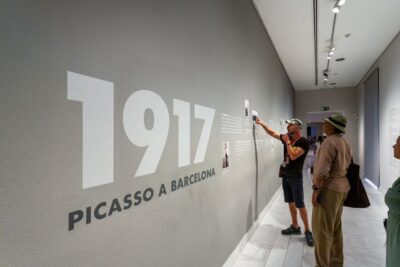
Moco Museum Barcelona: Modern & Contemporary Art
Read our review →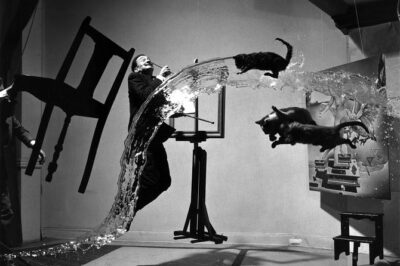
Girona & Dali Museum Small Group Tour with Pick-up from Barcelona
Read our review →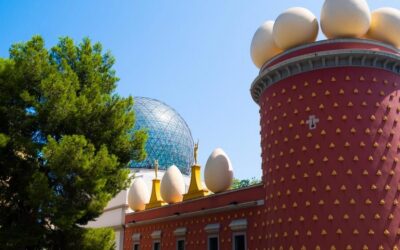
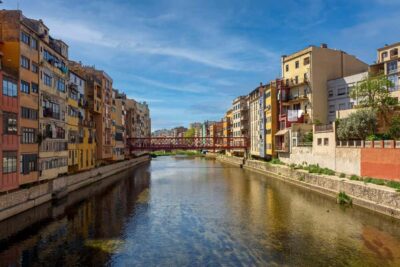
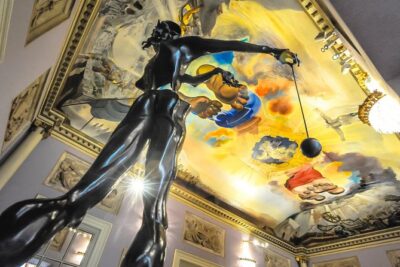
Dali Museum, House & Cadaques Small Group Tour from Barcelona
Read our review →
Camp Nou Immersive Tour F.C.Barcelona Museum: Open Date Ticket
Read our review →Browse the lists this tour appears in