
Review · CAMBODIA
Siem Reap: War Museum included Ticket and Pickup Drop Off
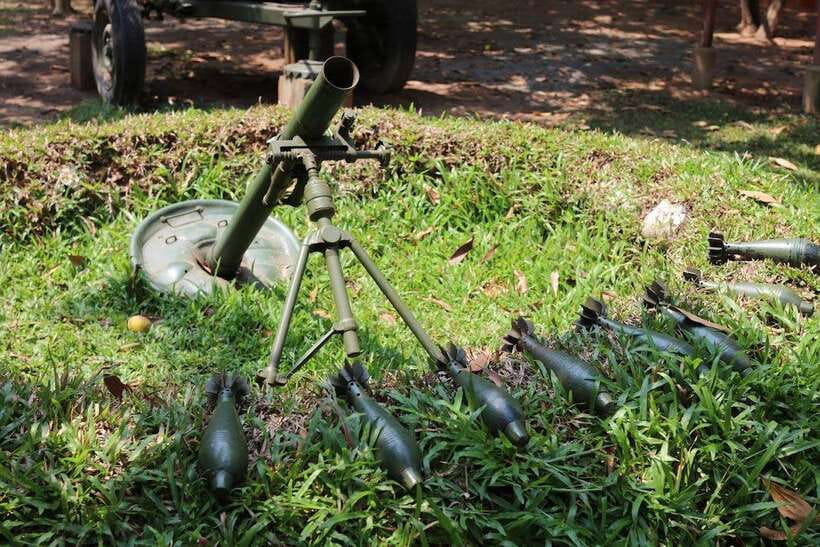
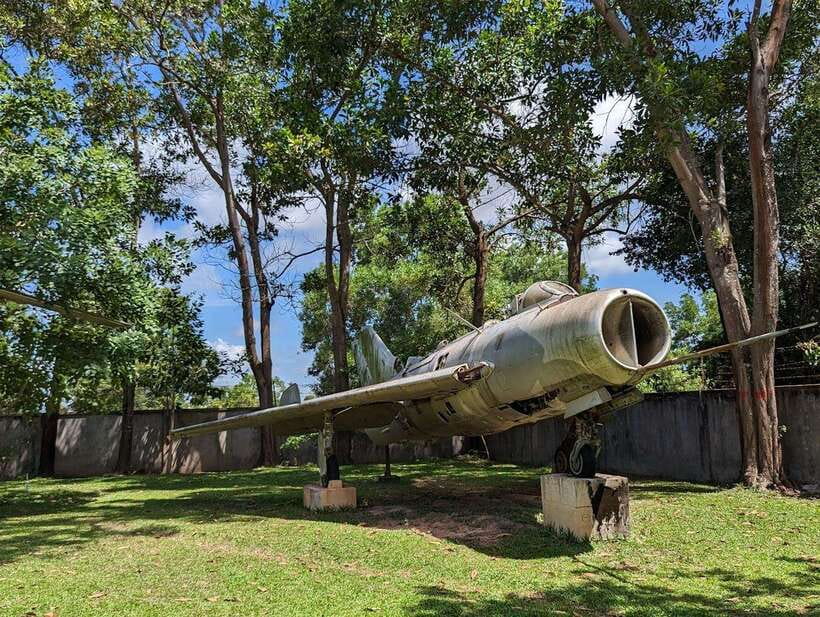
Siem Reap’s War Museum is not a polished indoor exhibition. It is a quiet garden filled with unrestored tanks, aircraft, guns, and military equipment from Cambodia’s long years of conflict. I like the directness of seeing these machines outdoors, close enough to notice their age, and I like that a tuk-tuk pickup and entrance ticket are included for only $9.
The ride is simple, and drivers such as Mr Jam have been praised for being prompt, kind, and helpful with water and umbrellas. The main drawback is that the basic price does not include a guide, so you get information boards rather than a full explanation unless you add the $10 guide service. Bring insect repellent, too.
Key points to know before you book
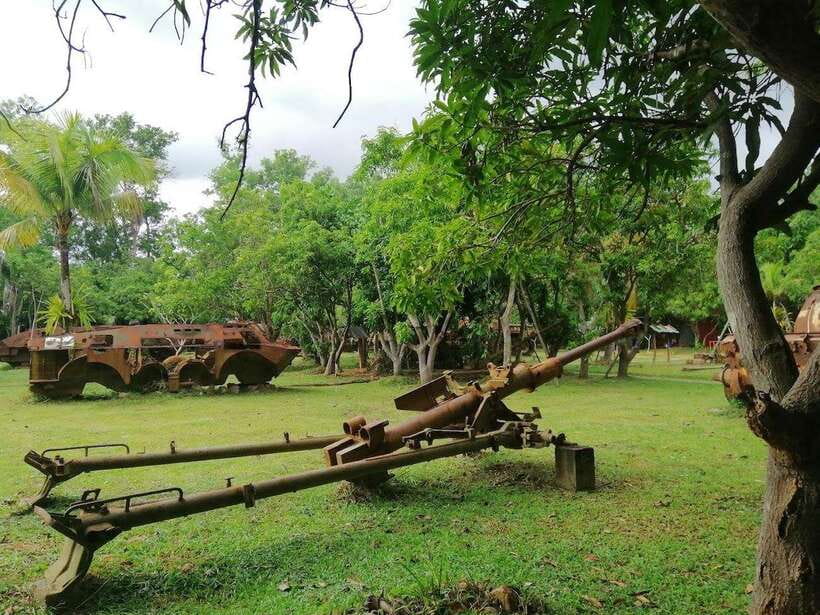
- Real vehicles left unrestored: Tanks, aircraft, artillery, weapons, and other military objects are shown as found, not rebuilt for display.
- A peaceful garden setting: You walk among trees and outdoor exhibits rather than through a formal museum building.
- About one hour on site: Allow roughly 60 to 90 minutes if you read the boards and take your time.
- Mr Jam is a named driver option: He has been noted for punctual pickups, bottled water, and practical help during rain.
- Personal wartime testimony may be available: Sinarth, described as a veteran and survivor, has shared his own account with visitors.
- The $9 price covers the basics: Hotel pickup, return transfer, and admission are included, while a detailed guide costs $10 extra.
What the $9 Siem Reap War Museum visit really offers
This is a modest, focused outing rather than a full-day tour. For $9 per person, you receive pickup from your hotel in Siem Reap Town, a tuk-tuk ride to the museum, the entrance fee, and a return ride after your visit.
That price is strong if you want a short historical stop without arranging transport yourself. A separate tuk-tuk ride, admission, and the trouble of finding the museum could easily make a self-arranged visit less convenient, even if the museum itself is not a large attraction.
You should keep your expectations in the right place. This is not a highly designed national museum with climate-controlled galleries, long interpretive displays, or restored machines. It is an outdoor collection where the objects themselves do much of the talking.
The overall rating is 4.9 from 12 ratings, and the most consistent praise is aimed at the transport. That matters in Siem Reap, where a reliable pickup can save you from negotiating a short ride in the heat. The museum is the reason to go, but the tuk-tuk service makes the visit easy to fit into your day.
More war and memorial museums in the world:
- 9/11 Memorial Museum Admission Ticket
★ 4.5 · 6,376 reviews - Caen: Guided D-Day Sites Tour & Caen Memorial Museum Ticket
★ 4.8 · 498 reviews - Amsterdam: National Holocaust Museum Entry Ticket
★ 4.7 · 413 reviews
Starting with a tuk-tuk pickup from your hotel
You need to provide your hotel name and address when booking so the driver can arrange pickup. The driver speaks English, and pickup and return are included for accommodation in Siem Reap Town.
The ride itself is part of the appeal. You sit in an open tuk-tuk, with air moving around you as you pass through Siem Reap. On a hot day, that feels far better than being sealed in a car, though you should still bring sun protection and water if you prefer to carry your own.
Mr Jam is one driver specifically praised for punctual service. He has been described as meeting visitors at the hotel on time, offering bottled water, and waiting during the museum visit. On a rainy day, he even brought umbrellas to people inside the museum. Those are small touches, but they are useful when the weather changes without warning.
Do not expect a fully narrated city tour on the way. The driver’s main job is transport and assistance at the museum. If you want detailed historical background, the optional $10 guide is the better choice.
Entering a garden of war machinery
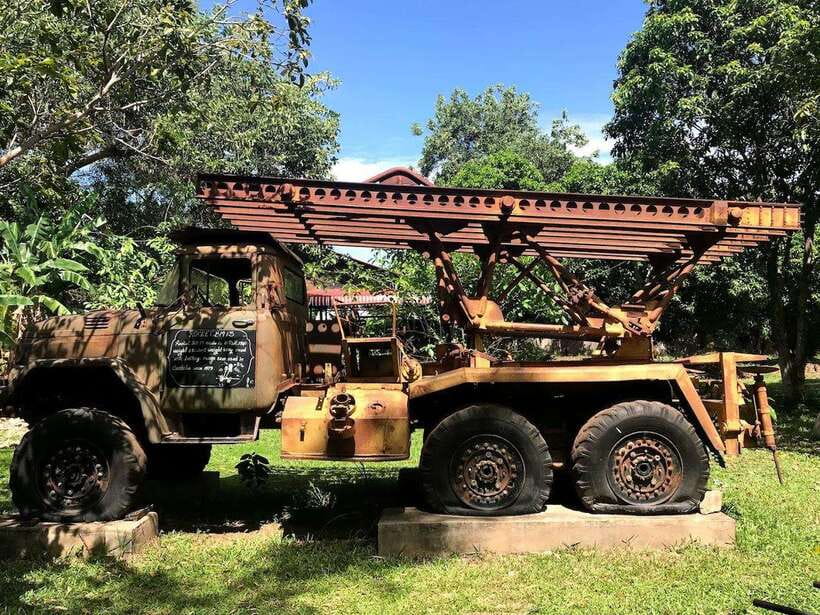
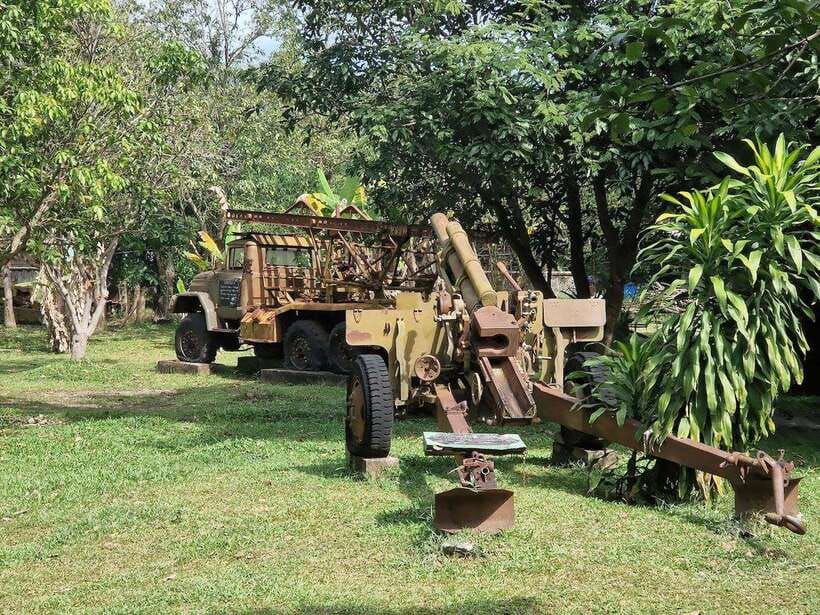
The museum is arranged as a large outdoor garden. Instead of moving from room to room, you walk along paths and sidewalks between military vehicles, aircraft, artillery, guns, clothing, and smaller equipment.
The setting creates an unusual contrast. Trees and open air surround objects built for war. The grounds are maintained, but the machines are not restored. Rust, worn surfaces, and old paint are part of what you see.
I find that this gives the visit a plain, physical quality. A photograph on a wall can explain an event, but a damaged vehicle lets you notice scale, weight, and age for yourself. You can stand near the equipment and take in the fact that these are actual remnants, not modern replicas made to look old.
That same lack of restoration will not suit everyone. If you want machines returned to working order or displays arranged with museum-grade polish, this place may feel rough around the edges. The collection is valuable because it is direct, but it is not presented with the finish of a major city museum.
Looking closely at tanks, aircraft, and artillery
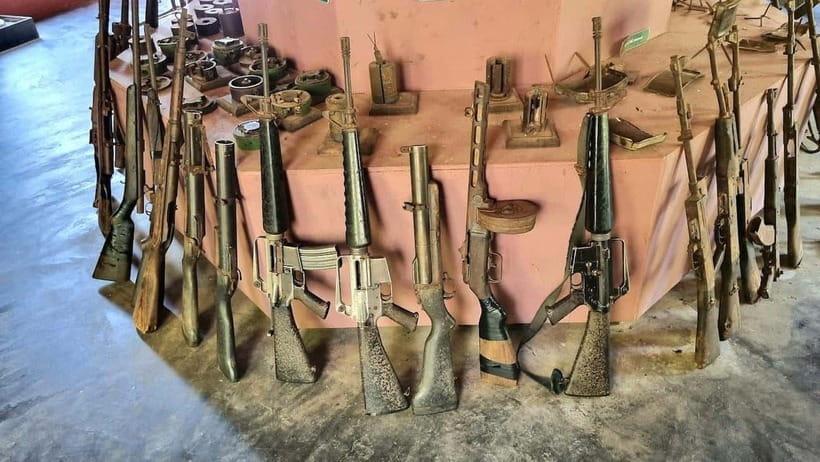
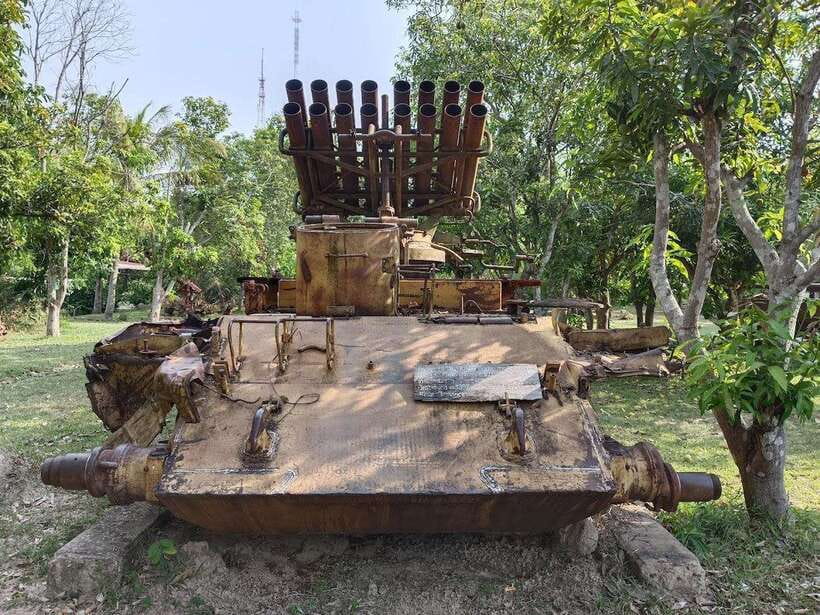
The main attraction is the collection of large military objects. You can walk around different types of vehicles and artillery used during Cambodia’s years of conflict, including equipment associated with the Khmer Rouge period.
The supplied information does not identify every vehicle or provide a full catalogue, so you should not arrive expecting a room-by-room list of named models. Instead, think of the visit as a chance to see a broad group of war remnants in one place.
The open arrangement lets you set your own pace. You can pause beside a tank, move on to an aircraft, then return to a smaller object that catches your eye. There is no need to keep up with a group if you are exploring independently.
Take care with your timing. The usual visit lasts about one hour, but 60 to 90 minutes is more realistic if you read the boards, look carefully at the equipment, and speak with someone at the museum. The tour description says the driver waits while you visit, then takes you back to your hotel.
This is also a place where photographs can help you remember details, but the subject deserves more than a quick photo stop. Give yourself time to read and consider the objects rather than treating the grounds as a collection of unusual props.
A few more museum visits around the world worth comparing
- Vatican: Museums & Sistine Chapel Entrance Ticket
★ 4.5 · 144,003 reviews - Paris: Louvre Museum Timed-Entrance Ticket
★ 4.6 · 71,977 reviews - Amsterdam: Van Gogh Museum Ticket
★ 4.7 · 52,054 reviews - NYC: 9/11 Memorial & Museum Timed-Entry Ticket
★ 4.8 · 31,428 reviews
The smaller objects and information boards
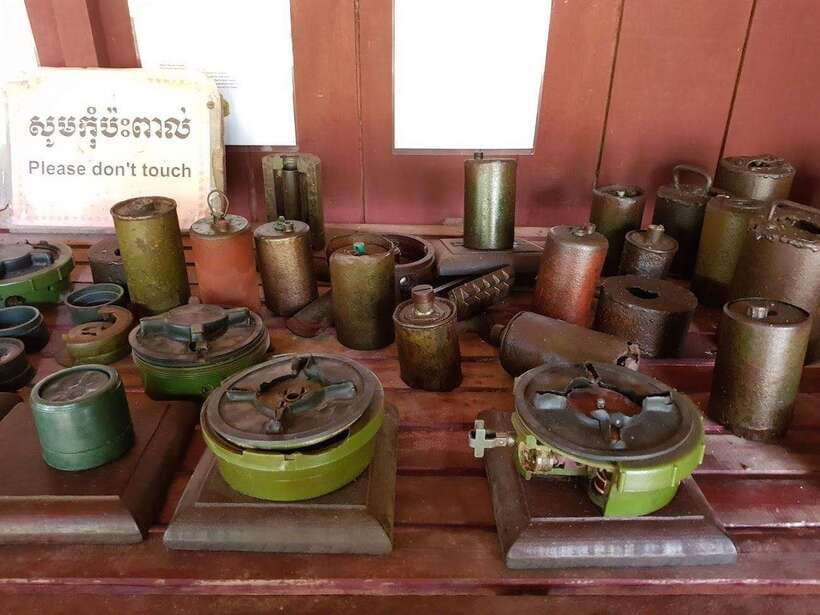
The large vehicles draw your eye first, but the smaller objects help give the visit more human scale. Along the sidewalks, you can see guns, clothing, and other military items.
Large boards provide photographs and background information. They are especially important if you do not add the guide, since the $9 package does not include detailed guiding. The boards are described as clear and detailed enough to help explain the exhibits and Cambodia’s past.
That makes this outing workable for an independent visit. You can enter, read at your own pace, and build a basic understanding without having someone speak constantly beside you. It is also useful if you prefer quiet places and time to think.
Still, written panels have limits. They cannot answer a personal question or connect every object to a wider story. If this is your main reason for visiting Siem Reap beyond the temples, paying the additional $10 for a guide could make the hour more meaningful.
A possible meeting with Sinarth
A particularly moving part of the visit may be meeting Sinarth, who has been described as a veteran and survivor of the war. His personal account adds something that signs and photographs cannot provide.
You should understand the wording carefully: a guide is not included in the standard price, and the information provided does not guarantee that Sinarth will be available for every visit. If he is present and offers to speak with you, his own experience can give the museum a personal focus.
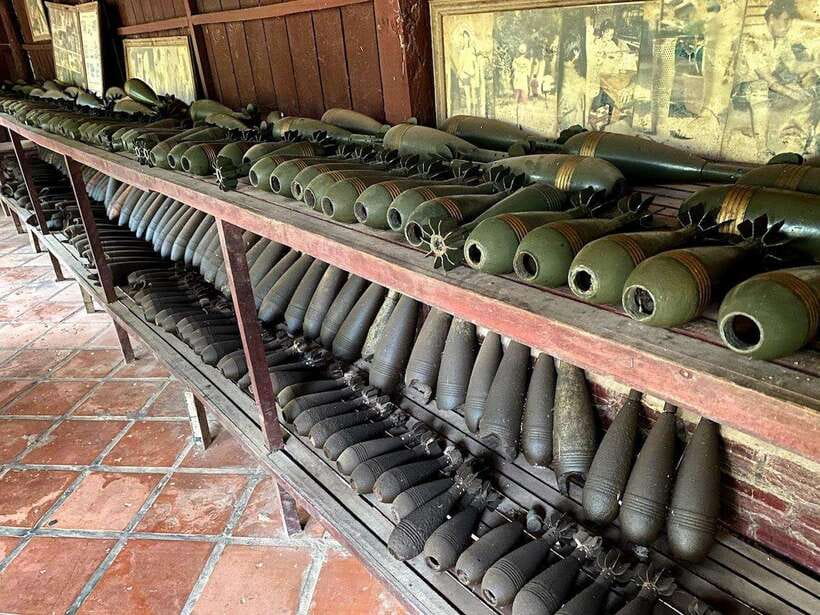
This is also why the museum may feel heavier than its relaxed garden setting suggests. You are not simply looking at old machines. You are looking at objects linked to a period that caused lasting suffering, including the Khmer Rouge era and the danger of land mines.
The right approach is respectful and unhurried. Listen if a personal account is offered, read the material about land mine survivors, and give yourself a moment before moving on. This is not a staged performance, and the subject is not light entertainment.
Why the unrestored condition matters
The museum’s vehicles are not restored. At first, that can sound like a weakness, especially if you have visited transport museums where every surface is polished and every label is exact.
Here, the worn condition is part of the point. The vehicles appear as remnants rather than showroom pieces. Their age and damage help you see that Cambodia’s conflict is not a distant story built only from photographs. The objects have remained in the country where the events took place.
Of course, unrestored equipment can make identification harder. Some objects may look weathered, and the information available for each item may vary. If you want technical details about engines, weapons, or military models, you should consider the paid guide rather than relying only on the display boards.
I would describe the setting as maintained but basic. The garden paths and grounds are cared for, while the machinery retains its old, rough appearance. That balance gives you a place that is calm enough for reflection without pretending the objects are new.
Planning your time and what to bring
The official duration is one day, but that describes the validity of the activity rather than the amount of time spent at the museum. The actual visit is usually around one hour, with some people spending 60 to 90 minutes on the grounds.
That makes it easy to pair with other plans in Siem Reap. You do not need to give up a full sightseeing day, but you should avoid squeezing it into a ten-minute gap. The museum contains enough material to reward a slower walk.
I would bring:
- Insect repellent, since the collection is outdoors among trees.
- Sun protection for the open garden and tuk-tuk ride.
- Comfortable shoes for walking around the grounds.
- Water, although bottled water may be supplied by the driver.
- A little extra time if you want to read every board or speak with a guide.
The weather can affect the outing. Open tuk-tuks are pleasant when the air is moving, but rain can make the ride and walk less comfortable. The driver assistance described here includes umbrellas in at least one rainy situation, but you should still dress for Siem Reap’s conditions.
Is the optional $10 guide worth it?
For a quick look at the vehicles, probably not essential. You receive information boards, and you can understand the broad purpose of the collection without paying more.
For a serious interest in Cambodia’s wartime past, I would consider the guide money well spent. The additional $10 is modest compared with the value of context, especially when the collection includes objects connected to the Khmer Rouge period, land mines, and survivor experiences.
A guide may also help you identify equipment that is difficult to understand from a distance. The provided information confirms the extra cost, but it does not name the guide included with every booking or promise that Sinarth will lead each visit. Ask what guiding is available when you arrive.
The choice depends on your aim. If you are fitting this between temple visits and want a quiet, unusual stop, read the boards and explore independently. If you want to understand the objects rather than simply see them, add the guide.
Who will get the most from this visit
I would recommend this outing to you if you want to see a side of Cambodia beyond Angkor’s temples. It is especially suitable for people interested in twentieth-century history, military equipment, personal wartime stories, or the long effects of land mines.
It also suits anyone who values an easy short excursion. Hotel pickup and return remove the need to arrange separate transport, and the one-hour visit leaves plenty of room for other plans.
Families with older children may find the vehicles immediately engaging, though the subject matter needs a thoughtful explanation. The museum deals with war, weapons, survivors, and suffering, so it is not a carefree attraction for very young children.
You may want to skip it if your time in Siem Reap is extremely limited or if you prefer polished indoor museums. The collection is outdoors, the equipment is unrestored, and the presentation is simple. Those limits are clear before you book.
Should you book the Siem Reap War Museum tour?
Book it if you want an affordable, straightforward way to see real wartime equipment and learn more about Cambodia’s recent past. The $9 package offers good value because it combines admission with pickup and return, while the quiet garden setting gives you time to look carefully.
Add the $10 guide if personal context matters to you, especially if you want more than the information boards can provide. If you prefer to explore alone, the basic package should be enough for a one-hour visit.
My practical choice would be to book this as a short, purposeful stop, not as the main event of your Siem Reap trip. Bring insect repellent, allow up to 90 minutes, and confirm your hotel details clearly. If you are lucky enough to meet Sinarth, listen carefully. His personal account may become the part of the visit you remember longest.
FAQ
What is included in the $9 price?
The price includes pickup from your hotel in Siem Reap Town, return drop-off, and the museum entrance fee.
How long does the museum visit take?
The visit usually takes about one hour. You may spend 60 to 90 minutes if you read the information boards and explore at a slower pace.
Is a guide included?
No. The standard activity includes an English-speaking driver and entrance ticket, but a detailed guide costs an additional $10.
What can I see at the museum?
You can see tanks, aircraft, artillery, guns, clothing, photographs, and other military equipment connected with Cambodia’s years of conflict, including the Khmer Rouge period.
Who provides the transport?
An English-speaking tuk-tuk driver collects you from your accommodation, takes you to the museum, waits during the visit, and returns you to your hotel.
Can I cancel the booking?
You can cancel up to 24 hours in advance for a full refund. The activity also allows you to reserve now and pay later, subject to availability.
Just added around the world
- Girona, Figueres, Dalí Museum and Cadaqués Tour from Barcelona★ 4.5 · 36 reviews
- Football Club Barcelona Museum Immersive Tour Guided Visit★ 3.5 · 52 reviews
- Erotic Museum Admission Ticket with Audioguide★ 5.0 · 527 reviews
- Dali Museum and Costa Brava Small Group Day Trip from Barcelona★ 5.0 · 77 reviews
- Madrid by High-Speed Train with Prado Museum Private Tour★ 4.0 · 33 reviews
- Guitar Legends Hall: Entrance to the Immersive Rock Museum★ 5.0 · 25 reviews
- White Rabbit Museum: The Best Immersive Experience in Catalonia★ 5.0 · 538 reviews
- Private Dali Museum, Besalú & Girona Tour from Barcelona★ 5.0 · 15 reviews
Museum Tours in Cambodia, compared.
The Killing Fields & Tuol Sleng Genocide Museum
Read our review →
The Killing Field and Toul Sleng Genocide Museum (S21) Tour
Read our review →
Killing field and Toul Sleng genocide museum Tour
Read our review →
killing field & Toul Sleng genocide museum Tour
Read our review →
Royal Palace, National Museum & Wat Phnom with Private tour
Read our review →
Bantey Srei, Kbal Spean and Landmine museum Private Tuk-Tuk
Read our review →Browse the lists this tour appears in