
Review · KRAKOW
Schindler’s Factory Museum Guided Tour – Krakow
Schindler’s Factory Museum does far more than tell the story of one famous industrialist. Its strongest subject is Krakow under Nazi occupation, shown through everyday objects, photographs, newspapers, personal papers, and scenes of ordinary people caught in an extraordinary crisis. A live guide helps connect those pieces, so the visit feels less like walking past display cases and more like following the city through the war.
I especially like two things here. First, the exhibition gives real space to the people of Krakow, not just to Oskar Schindler. Second, the preserved office and the symbolic ark made from thousands of pots provide memorable links to the factory’s wartime work. The main drawback is time: 90 minutes is brisk, and a group cannot study every part of the museum at length.
Key points at a glance
- The museum tells Krakow’s wartime story: The focus reaches beyond Schindler to the city’s Polish and Jewish inhabitants from 1939 to 1945.
- A guide adds essential context: Live commentary helps explain the photos, documents, artifacts, and multimedia displays.
- The route uses powerful staged settings: You pass through a photographer’s studio, a tailor’s space, a tram, a ghetto apartment, and scenes linked to Płaszów.
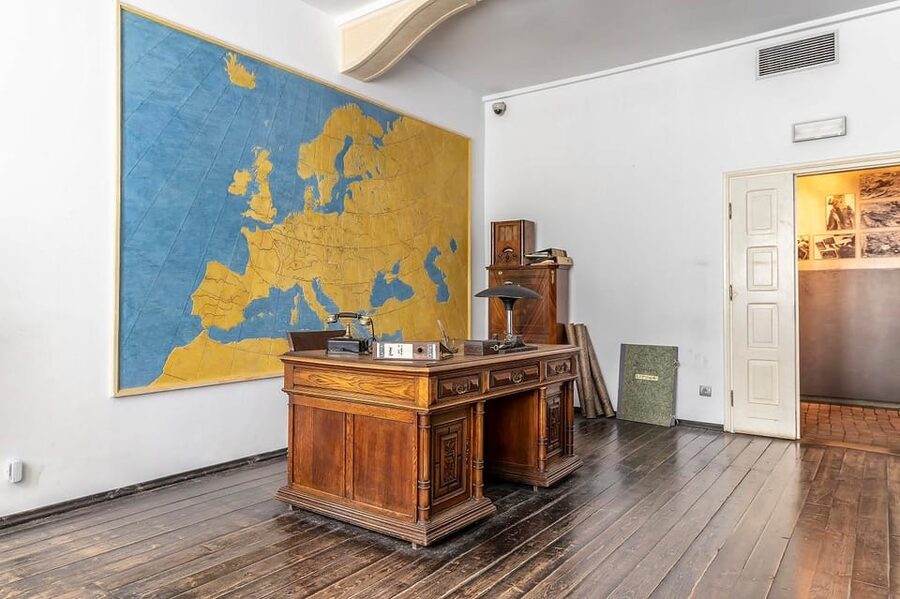
- Schindler’s office remains the emotional center: His preserved office includes an ark of survivors made from thousands of pots.
- The tour costs $50 per person: That includes the entrance ticket and a 90-minute professional guided visit.
- Plan for a quick pace: The group format makes the tour efficient, but not every museum section can receive equal attention.
Why this museum is about more than Oskar Schindler
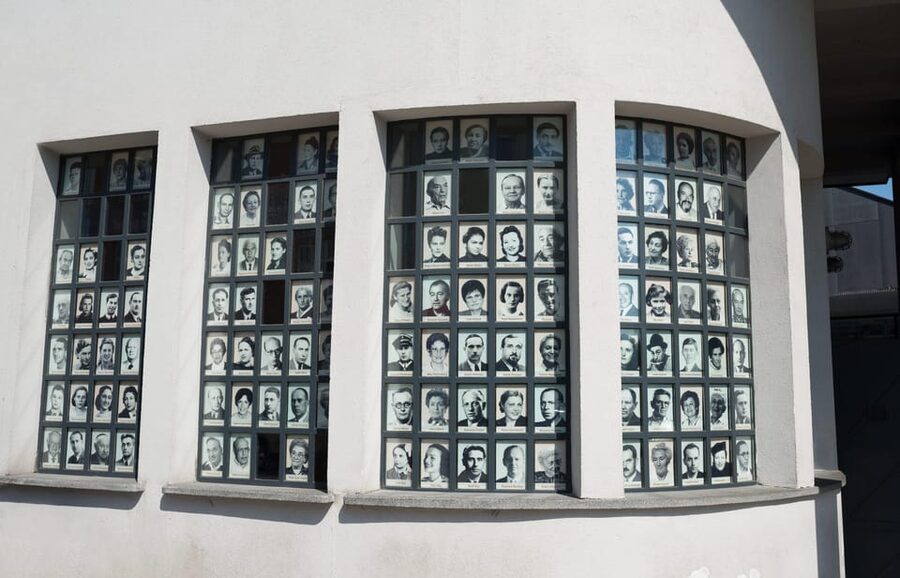
The museum occupies the former enamel factory associated with Oskar Schindler, the wartime factory owner whose actions saved more than 1,000 Krakow Jews. The name draws people in, and the 1993 film made this place famous around the world. But the exhibition does not treat Schindler as its only subject.
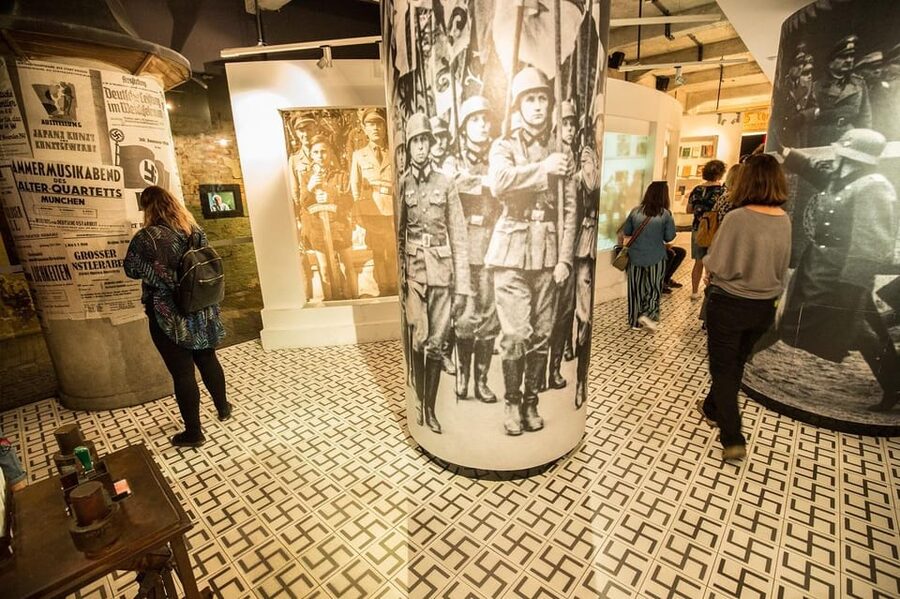
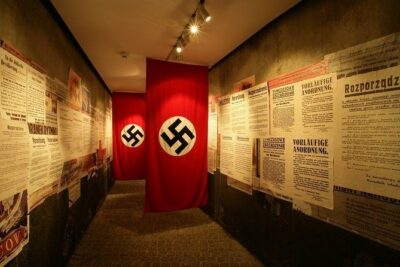
That distinction matters. You are not simply entering a biographical museum about a complicated hero. Instead, you follow the wartime story of Krakow itself: the occupation, the pressure placed on the city’s residents, the destruction of Jewish life, and the harsh system that led people toward the ghetto and the camp at Płaszów.
I appreciate that balance. Schindler’s actions receive proper attention, but the museum places them inside the larger story. You learn about a city and its people rather than receiving a polished portrait of one man. That approach gives the visit more weight and helps explain why his actions mattered.
The tone is serious from the beginning. This is not a light sightseeing stop, and you should allow yourself time afterward to think about what you have seen. The displays ask you to look at history through personal objects and daily routines, not only through military dates and political decisions.
More Museum Tours in Krakow
- Schindler’s Factory in Krakow: Guided Tour & Skip the Line Ticket
★ 4.5 · 1,714 reviews - Auschwitz-Birkenau Museum and Memorial Guided Tour from Krakow
★ 4.5 · 1,510 reviews - Krakow: Rynek Underground Museum Guided Tour
★ 4.6 · 1,122 reviews
Entering occupied Krakow through ordinary objects
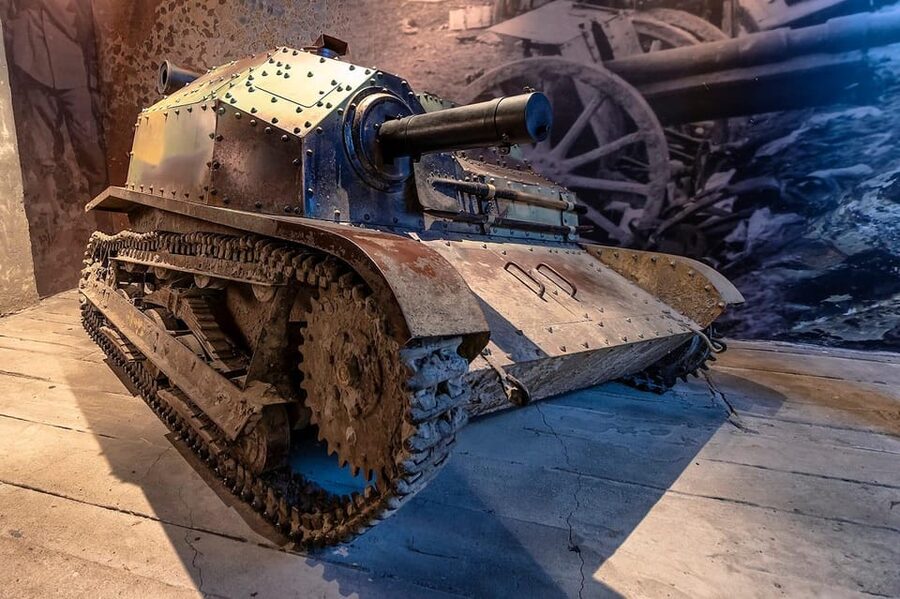
The permanent exhibition presents World War II at two levels. One is collective, covering the occupation and the changing shape of the city. The other is personal, showing what those events meant inside homes, workplaces, and families.
You might see ordinary objects, photographs, newspapers, personal documents, and official records. Their power comes from their plainness. A newspaper can show the voice of the authorities. A personal document can show how government control reached into private life. A household object can hint at the normal routines that continued under frightening conditions.
Your guide helps turn these items into a connected story. Without commentary, some displays could feel dense or difficult to place in time. With the guide, you can better understand how the city changed and how individual choices were shaped by occupation.
A particularly useful feature is the attention to everyday Krakow. The exhibition does not present the war as something happening far away from daily life. It shows how rules, fear, work, movement, and identity affected the people who lived there.
The language options are also practical. Tours are offered in English, French, German, Italian, and Spanish. That gives you a better chance of hearing the explanation clearly, which matters in a museum built around text, documents, and subtle details.
A museum route built like a walk through the city
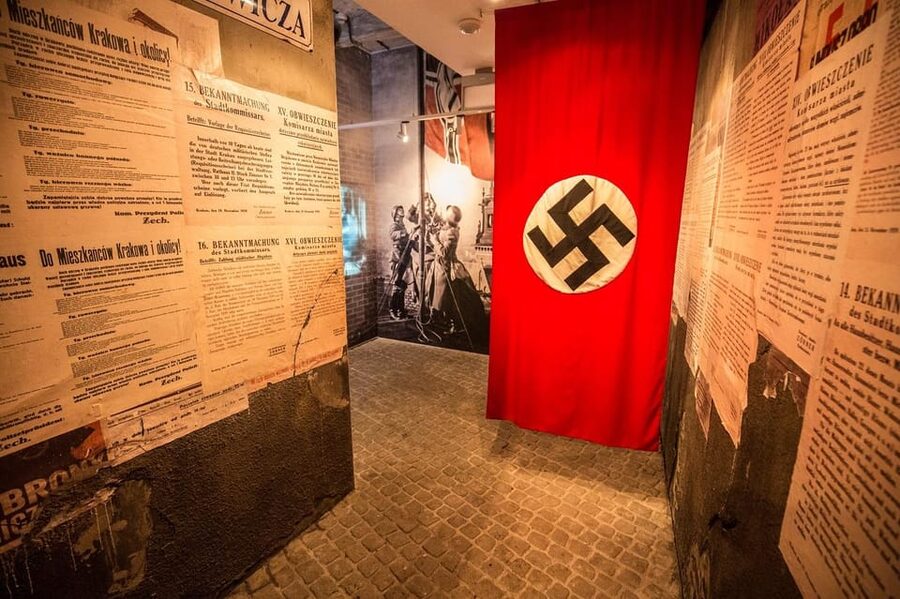
This is a guided museum route rather than a simple talk in front of a few famous objects. The displays lead you through different settings connected to wartime Krakow.
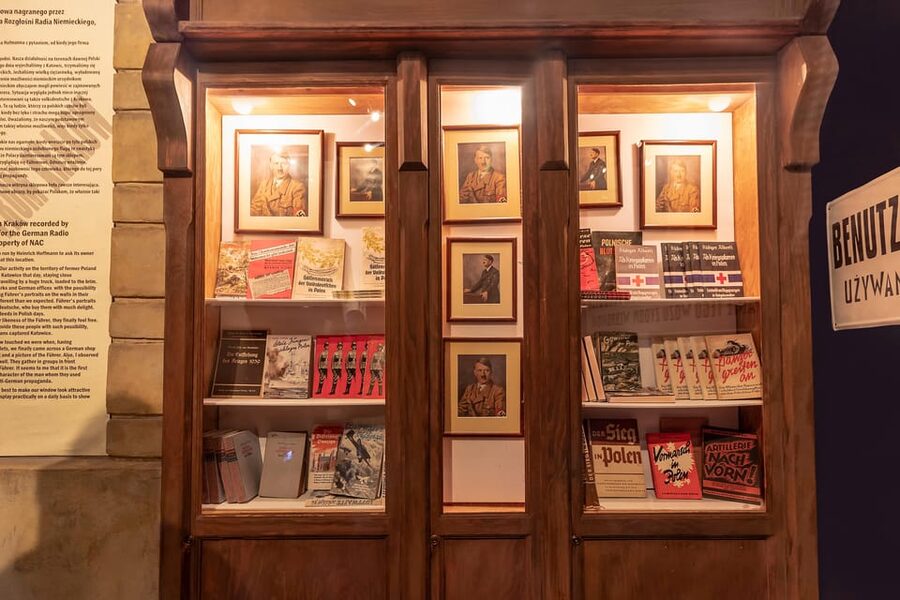
You may pass through the recreated world of a photographer and a tailor. These places bring the exhibition down to human scale. Instead of thinking only about governments and armies, you see work, skill, clothing, images, and the small businesses that helped form a city’s daily life.
An authentic photo-artist setting adds another layer. Photographs are central to the exhibition because they record both official events and private experience. The photo displays help you consider who was taking the pictures, what was being shown, and what might have been left outside the frame.
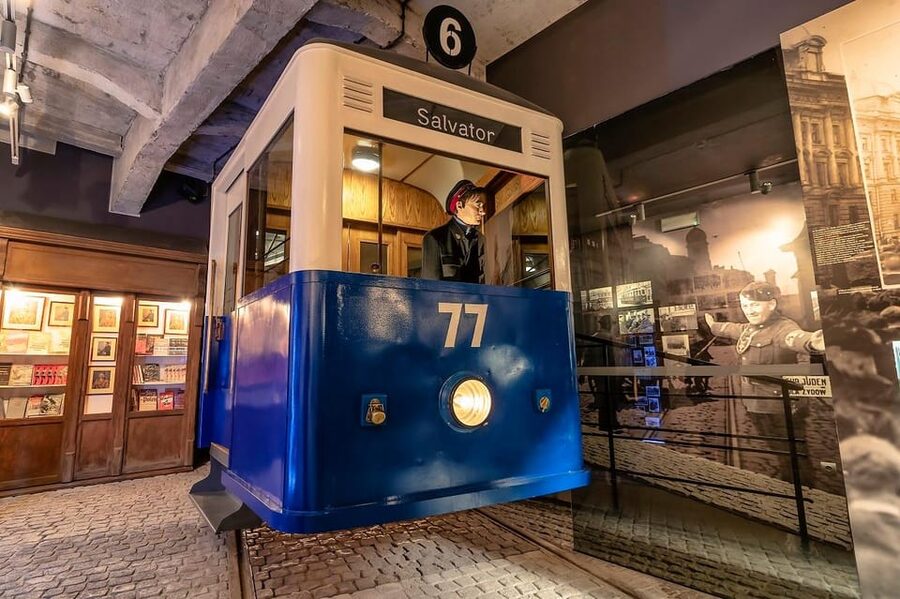
One of the most memorable sections uses a tram. Through its windows, you watch a film showing the life of the city. The tram is a clever way to suggest movement through Krakow while keeping you inside the museum. It gives the exhibition a change of pace and helps you imagine the city as a place where people continued to travel, work, and live under occupation.
The staged settings are effective, but remember that they are part of a museum presentation. They do not replace visiting the actual streets of Krakow. Their value is that they gather several parts of wartime life into one clear route, with a guide explaining the meaning behind each scene.
The ghetto apartment and the loss of private life
The route then takes you into the tight labyrinth of the ghetto, including a Jewish apartment located within it. This section is among the most personal parts of the experience.
An apartment suggests home, privacy, and family life. Inside a ghetto, those ideas were placed under extreme pressure. Space became restricted, movement was controlled, and the separation of Jewish residents from the rest of the city turned ordinary domestic life into something precarious.
The museum uses this setting to move you from broad history to individual experience. You are not only learning that the ghetto existed. You are considering what it meant to live there, to share limited space, and to face a future shaped by official orders.
The narrow passages may also make the visit feel physically compressed. That design choice supports the subject, though it can make the route feel intense. If you prefer a spacious, quiet museum with plenty of time at each object, this guided group format may feel fast.
This is where a live guide can be especially useful. The displays carry emotional force, but the guide supplies dates, connections, and local context. You gain a clearer picture of how the ghetto fits into the larger story of Krakow during the occupation.
A few more museum visits around Krakow worth comparing
- Krakow Schindler’s Factory Museum Guided Tour in English
★ 4.5 · 650 reviews - Krakow: Auschwitz Birkenau Museum Guided Tour with Pickup
★ 3.6 · 544 reviews - Krakow: Auschwitz-Birkenau Tour & Museum Expert Guide
★ 5.0 · 498 reviews - Auschwitz Birkenau Guided Tour Small Group with Hotel Pick up
★ 4.5 · 446 reviews
From the ghetto to Płaszów
The exhibition next places you with the ghetto’s residents in the camp at Płaszów. This transition is important because it shows that the story did not end with the ghetto. The museum connects the stages of persecution and displacement rather than presenting them as unrelated scenes.
The material here is difficult. You should not book this tour expecting a casual museum outing. The subject is presented through artifacts and multimedia treatments designed to help you feel the conditions and fear of the period.
At the same time, the museum keeps the focus on people. The goal is not shock for its own sake. The route shows how policies became lived experience, and how a city’s residents were pushed through a system of increasing control.
Because the tour lasts only 90 minutes, the guide must keep the group moving. That is useful if you want a clear overview, but it limits the amount of time available for quiet reflection. You can expect a strong introduction to the exhibition rather than a slow study of every document.
Oskar Schindler’s office and the ark of survivors
Schindler’s preserved office is the museum’s most recognizable space. Here, the individual connected to the museum’s name comes into sharper focus.
The office is not presented as a simple shrine. It recalls Schindler’s role within the complicated wartime story of Krakow, including the fact that he saved more than 1,000 Krakow Jews. His actions are meaningful because the museum has already shown the system surrounding the factory, the ghetto, and the camp.
The office also contains a symbolic ark of survivors made from thousands of pots resembling those produced by his employees during the war. This is one of the exhibition’s most striking visual ideas. Pots are everyday factory objects, but gathered together in this form they become a symbol of the people connected to the factory and the lives that continued because of Schindler’s intervention.
I like this section because it avoids separating heroism from history. You see the preserved workplace, but you also understand that the factory was part of a city under occupation. The office carries emotional weight precisely because the rest of the exhibition has established what was at stake.
The film connection is obvious, and many people come because they want to stand in the place associated with the story shown on screen. That interest is understandable. Still, you will get more from the visit if you treat the film as a doorway into Krakow’s wartime history, not as the whole reason for coming.
Why a guided group is worth considering
The $50 price includes the professional guide and museum entrance. That is not the cheapest way to visit a museum, but the value depends on how much help you want with the exhibition.
I see three clear benefits. You skip the ticket line, you have a planned route through a large and emotionally demanding subject, and you hear commentary in one of five languages. The guide can point out connections you might miss while reading alone.
The strongest praise for this experience is directed at the guides and the information they provide. One recent visit was described as an excellent lesson in Krakow from 1939 to 1945. That is a useful way to think about the tour: its value is not only in entering the building, but in understanding the city around it.
The group format has a tradeoff. One German-language visit was considered very good but too quick for the entire museum’s content. That is a fair warning. No 90-minute group tour can give every display equal attention, especially in a museum filled with documents and multimedia material.
If you enjoy reading every label, pause often, or return to favorite displays, an unguided visit may suit you better if available. If you want a strong framework and clear explanations, the guide makes the $50 easier to justify.
Timing, meeting point, and practical details
The advertised duration is 90 minutes. Starting times vary, so check availability for the date you want. From January 1, 2026, the museum’s schedule may change the exact start time, even if you select a preferred time while booking.
Meet in front of the entrance to Oskar Schindler’s Enamel Factory. Look for the person holding an excursions.city sign. Since this is a group tour, arrive with enough time to find the meeting point and join the group before entry.
The experience is wheelchair accessible. Live commentary is available in English, French, German, Italian, and Spanish.
You can cancel up to 24 hours in advance for a full refund, and the reserve-now, pay-later option lets you keep your plans flexible. For museum entry from January 1, 2026, provide the full names of every participant when reserving and bring a passport or ID. The museum uses personalized tickets, and entry may be denied without the required identification.
There is no need to plan separate transportation as part of this activity. The meeting point is at the museum entrance, and the experience takes place inside the former factory.
Who will get the most from this visit?
I would choose this tour if you have a serious interest in Krakow’s World War II story and want help making sense of a large permanent exhibition. It is especially suitable for first-time visitors who do not want to piece together the chronology alone.
It also works well for film fans, provided you want to go beyond the movie. The office and factory connection will interest you, but the wider focus on Krakow gives the visit more substance than a simple film-location stop.
Families with older children may find the visual settings easier to follow than a museum made only of documents. Still, the subject is difficult, so you should decide based on your child’s readiness for material about persecution, the ghetto, and Płaszów.
You may want a different approach if you dislike group tours or need a long time with each object. The guide’s pace is efficient, but it is not fully controlled by you. The exhibition contains more material than can fit comfortably into 90 minutes.
Should you book Schindler’s Factory guided tour?
Book it if you want the factory’s story placed inside the larger history of wartime Krakow. The guide, museum ticket, skip-the-line entry, and choice of five languages make the $50 reasonable for visitors who value explanation and structure.
Go in expecting a serious, tightly paced group visit, not a leisurely afternoon museum wander. The best reason to book is the chance to connect ordinary objects, ghetto life, Płaszów, Schindler’s office, and the city’s wartime story in one carefully planned route.
If you want the clearest introduction to Krakow from 1939 to 1945, I would choose this tour. If you already know the subject well and prefer to explore at your own speed, use the 90 minutes as a starting point and seek a slower museum visit afterward.
FAQ
How long does the Schindler’s Factory guided tour last?
The tour lasts 90 minutes.
What is included in the price?
The $50 price includes a professional guide and the entrance ticket to Schindler’s Factory Museum.
Where is the meeting point?
Meet in front of the entrance to Oskar Schindler’s Enamel Factory. Look for the person holding an excursions.city sign.
Is this a private tour?
No. This is a group tour.
Which languages are available?
Live guided tours are offered in English, French, German, Italian, and Spanish.
Can I cancel the booking?
Yes. You can cancel up to 24 hours in advance for a full refund.
Can I reserve now and pay later?
Yes. The reserve-now, pay-later option allows you to book without paying immediately.
Do I need identification to enter?
From January 1, 2026, you must provide the full names of all participants when booking and bring a passport or ID. Personalized museum tickets are used, and entry may be denied without identification.
Just added around Krakow
- Schindler’s Factory Skip-the-line Museum Ticket★ 4.9 · 15 reviews
- Krakow: Schindler’s Factory Museum Guided Tour★ 4.1 · 86 reviews
- Schindler’s Factory Museum in Krakow – Guided Tour★ 4.3 · 33 reviews
- Krakow: Rynek Underground Museum Skip-the-line Guided Tour★ 4.7 · 138 reviews
- Krakow: Vodka Factory Museum Entry Ticket and Tasting★ 4.3 · 75 reviews
- Krakow: Rynek Underground Museum Guided Tour & Stories★ 4.8 · 26 reviews
- Krakow: Skip-the-Line Rynek Underground Museum Guided Tour★ 4.7 · 26 reviews
- Krakow’s Rynek Underground Museum Tour with Ticket and Guide★ 4.4 · 25 reviews
Museum Tours in Krakow, compared.
Schindler’s Factory in Krakow: Guided Tour & Skip the Line Ticket
Read our review →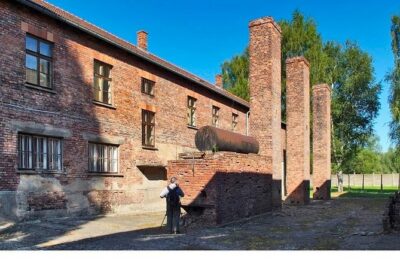
Auschwitz-Birkenau Museum and Memorial Guided Tour from Krakow
Read our review →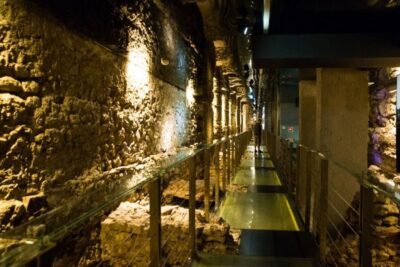
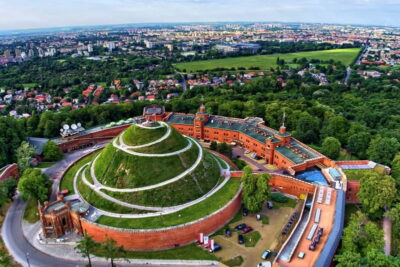
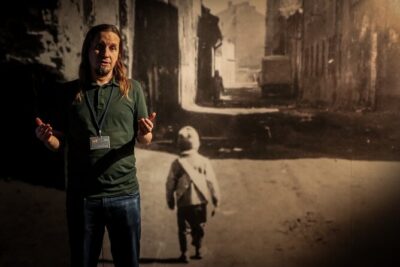
Krakow Schindler’s Factory Museum Guided Tour in English
Read our review →
Auschwitz Birkenau Museum Guided Tour with Pickup
Read our review →
Auschwitz Birkenau Guided Tour Small Group with Hotel Pick up
Read our review →Browse the lists this tour appears in