
Review · KRAKOW
Krakow: Schindler’s Factory Museum Guided Tour
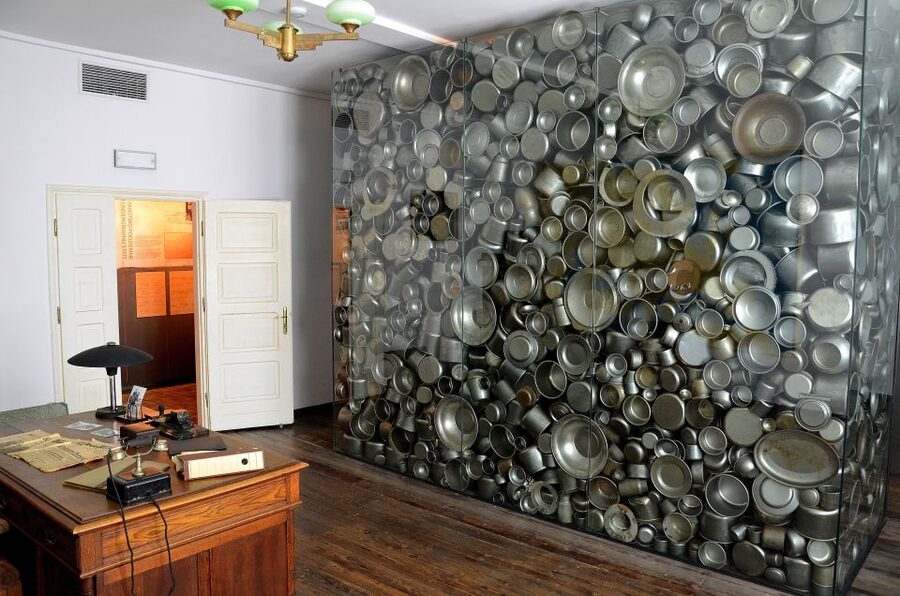
Oskar Schindler’s former enamel factory is one of Krakow’s most emotionally charged museums. The exhibits do more than tell Schindler’s story. They place you inside wartime Krakow, where Jewish families faced persecution, Nazi officials held power, and more than 1,000 people survived because Schindler employed and protected them. I especially like the interactive displays and the way the museum connects one person’s actions with the wider story of the city.
I also like having a local English-speaking guide to give shape to a large, sometimes crowded exhibition. The main drawback is pace. Ninety minutes gives you a strong overview, but not enough time to study every photograph, object, and interactive station. The factory’s narrow interior can also make it hard to see exactly what the guide is pointing toward.
Key points to know before booking
- This is more than a Schindler biography: The museum focuses heavily on Krakow during World War II, including Jewish life, Nazi rule, the ghetto, and stories of survival.
- The 90-minute visit moves quickly: You will get the main story, but a second visit would help if you want to read every panel and use each interactive display.
- The factory interior can feel tight: Groups may gather in narrow rooms, and background sounds from exhibits can make headsets harder to hear.
- Skip-the-line entry saves effort: Your admission and guide are arranged together, so you do not need to handle the ticket queue separately.
- The meeting point is clear: Go to the entrance at Lipowa 4 in the Zablocie district, near the Zablocie and Plac Bohaterów Ghetta tram stops.
- It suits serious history seekers: The museum is wheelchair accessible, but the subject matter is difficult and the tour is not designed as a light sightseeing stop.
Why Schindler’s Factory matters
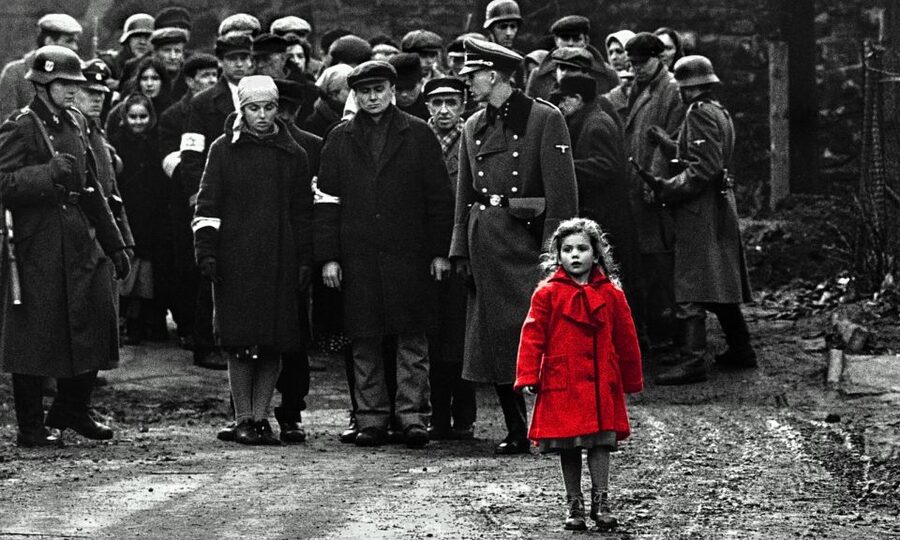
The name Oskar Schindler draws many people here because of Steven Spielberg’s film Schindler’s List. The movie brought worldwide attention to Schindler and the Jews he helped save. The museum, however, is not simply a film memorial or a room-by-room retelling of the movie.
Instead, it uses the former enamel factory as the setting for a wider account of Krakow under German occupation. You learn about the city’s people, its Jewish community, the Nazi administration, forced labor, and the machinery of persecution. Schindler is an important thread, but he is not the only subject.
That distinction matters when you decide how to spend your time. If you want a museum focused almost entirely on Schindler’s personal life, you may find less detail than expected. If you want to understand the setting in which Schindler acted, the visit is far more rewarding.
The museum also gives attention to both the people who were saved and some of the Nazi officers involved in the occupation. That wider view keeps the story from becoming a simple tale of one heroic figure. You see the choices, pressures, and dangers surrounding ordinary people during the war.
More Museum Tours in Krakow
- Schindler’s Factory in Krakow: Guided Tour & Skip the Line Ticket
★ 4.5 · 1,714 reviews - Auschwitz-Birkenau Museum and Memorial Guided Tour from Krakow
★ 4.5 · 1,510 reviews - Krakow: Rynek Underground Museum Guided Tour
★ 4.6 · 1,122 reviews
Meeting at Lipowa 4 in Zablocie
The tour begins at the entrance to the factory at Lipowa 4, in Krakow’s Zablocie district. You should arrive with enough time to find the entrance and locate your guide, since the meeting arrangement is outside the museum rather than at your hotel.
The nearest tram stops are Zablocie and Plac Bohaterów Ghetta. There is no museum parking lot, though you can look for spaces on nearby streets. Hotel pickup and drop-off are not included, so plan your own way to the district.
Once the group meets, the guide handles the museum entry and leads you inside. A skip-the-line ticket is included, which is useful when the entrance is busy. It also lets you begin with the guide instead of spending part of your short visit sorting out admission.
The tour is offered in English, with headsets so you can follow the commentary as the group moves through the galleries. The headsets are helpful, especially when several groups are inside at once. Still, the equipment is not perfect in every room. Background sound from interactive exhibits can compete with the guide’s voice, and some visitors found that single-sided or limited headphones did not block enough noise.
The first galleries: Krakow before and during the war
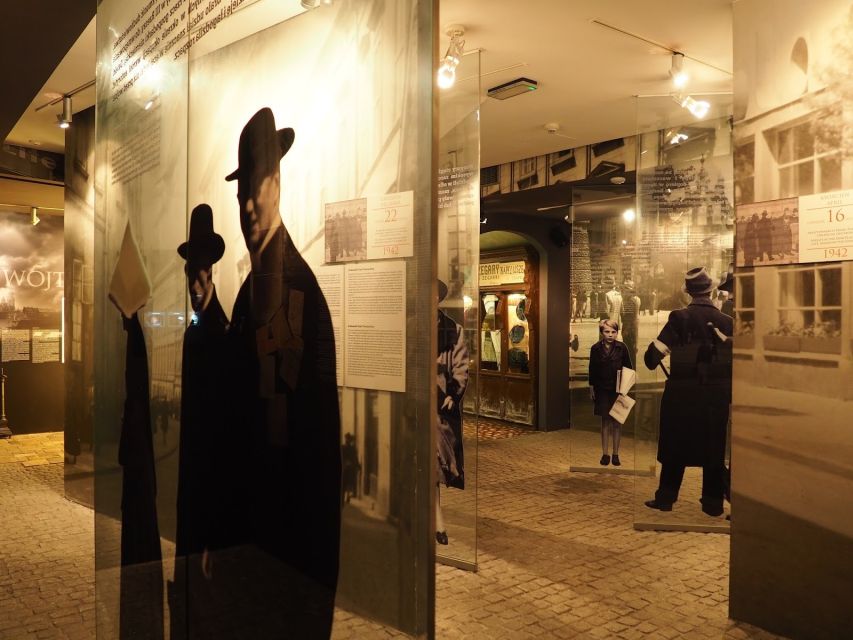
The opening portion helps you understand Krakow as a lived-in city, not just a wartime stage. Photographs, objects, and displays create a sense of daily life before the occupation and then show how quickly the city changed under Nazi control.
This is where a guide adds real value. Dates and names alone can feel scattered in a museum with many rooms. A good guide gives you a route through the material, explains the political setting, and points out which details are most important.
The exhibition uses many interactive elements. You might encounter displays that ask you to look closely at documents, photographs, or personal stories rather than simply walk past glass cases. These features help you picture how the city’s residents experienced the period.
The tradeoff is time. The guide must keep the group moving, and you may have only a short chance to examine an item before the explanation shifts to the next room. If you enjoy reading every caption, you will likely want to return on your own.
Jewish life, persecution, and survival
A central strength of the museum is its attention to the Jews of Krakow. The exhibition does not treat them as a background detail in Schindler’s story. It shows a community facing the steady loss of safety, rights, work, and home.
Your guide explains how wartime policies affected daily life and how Jewish residents were drawn into a system designed to control and destroy them. Personal photographs and objects make the subject more direct than a simple list of events.
The stories of people Schindler helped save are among the most important parts of the visit. They show that rescue was not an abstract act. It involved jobs, paperwork, protection, and difficult decisions in a dangerous setting.
At the same time, the museum places those stories beside the actions of Nazi officials and the broader occupation system. This gives you a clearer idea of the scale of the danger. Schindler’s actions mattered enormously, but they happened within a much larger tragedy that affected the entire city.
This section can be hard to absorb in a fast group tour. The guide may explain a moving account while other visitors are passing through or an exhibit is making noise. Stay close, keep your headset on, and ask your guide to repeat anything you miss.
A few more museum visits around Krakow worth comparing
- Krakow Schindler’s Factory Museum Guided Tour in English
★ 4.5 · 650 reviews - Krakow: Auschwitz Birkenau Museum Guided Tour with Pickup
★ 3.6 · 544 reviews - Krakow: Auschwitz-Birkenau Tour & Museum Expert Guide
★ 5.0 · 498 reviews - Auschwitz Birkenau Guided Tour Small Group with Hotel Pick up
★ 4.5 · 446 reviews
Schindler’s role, and what the museum does not promise
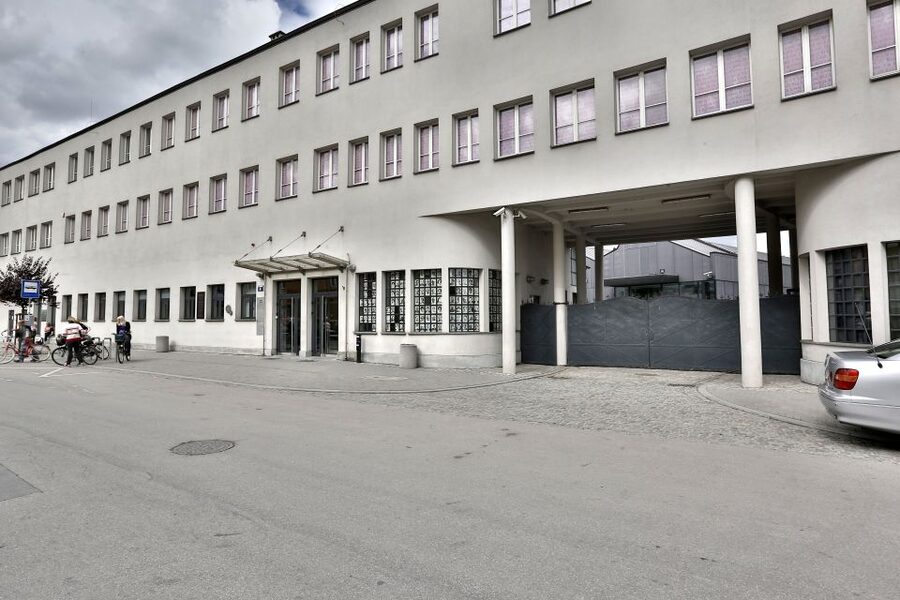
Schindler is the emotional reason many people book this experience. You will hear about his enamel factory, his relationship with the workers he employed, and the effort that helped save more than 1,000 Jews during the Holocaust.
The original factory gives that story a strong physical setting. You are not hearing about the site in a distant lecture hall. You are walking through the place connected with Schindler’s wartime business and the people whose lives became tied to it.
Still, keep your expectations measured. The museum is not packed with material about Schindler alone. One visitor looking specifically for his story found that there was less about him than expected, even though the museum remained worthwhile as an account of wartime Krakow.
I think that is the right way to approach it. Come for Schindler, but stay mentally prepared for a museum about the city and the occupation. You will get more from the visit if you are interested in the full historical setting rather than only the film connection.
A 90-minute route through a crowded museum
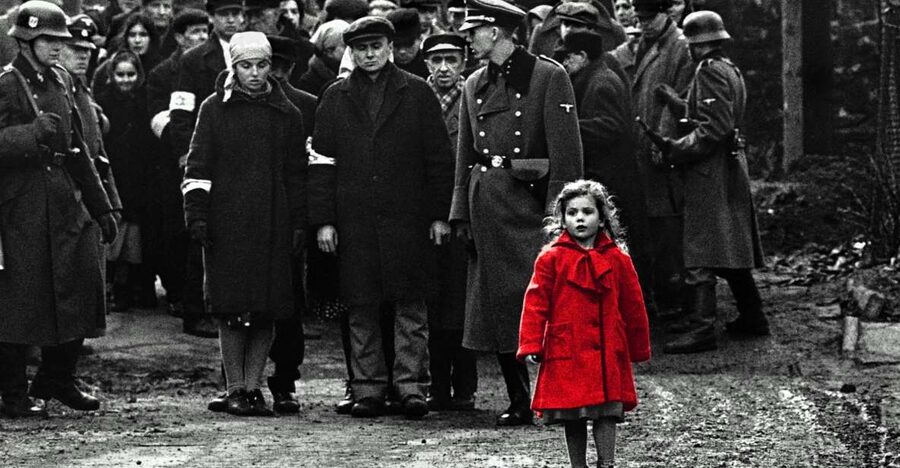
The advertised duration is 1.5 hours, and the tour uses that time for a guided overview. You will move through a sequence of rooms, listening to explanations while looking at photographs, objects, and interactive installations.
The benefit is focus. Instead of wandering through a large museum without knowing what matters, you receive a clear route and historical context. The guide can explain why a particular image, document, or object deserves your attention.
The cost is independence. You cannot always stop when something catches your eye. One guide kept the group moving at a brisk pace, which worked well for covering the material but left limited time for the interactive features.
Group size also affects the experience. A group of about 15 people can fit through the museum, but narrow rooms make it harder for everyone to see the same display. Other museum visitors may pass through tight spaces as your guide is speaking.
For the best result, stand where you can see the guide and the exhibit at the same time. If you drift to the back, the headset may let you hear the commentary, but you may lose the visual connection that makes the explanation useful.
How much value you get for $45
At $45 per person, this is not the cheapest way to visit a Krakow museum. You are paying for museum admission, skip-the-line access, a professional local guide, and headsets, not just a ticket.
The value depends on your style. If you prefer to read at your own pace, a guided visit may feel rushed for the price. You could want more time with the photographs and interactive sections, especially because the museum contains far more material than can fit into 90 minutes.
If you want a structured introduction, the price is easier to justify. The guide explains the background, links separate parts of the exhibition, and helps you avoid spending your limited time guessing where to begin. For a first visit to Krakow, that context can be worth more than a bare admission ticket.
I would see this as an efficient orientation rather than a complete museum day. The best use of the tour is to learn the main story, note the areas you want to study, and return independently if the subject holds your attention.
The booking terms also reduce some risk. You can cancel up to 24 hours before the tour for a full refund, and the reserve-now, pay-later option lets you hold a place without paying immediately. Those policies are useful when your Krakow schedule is still changing.
Accessibility, noise, and practical comfort
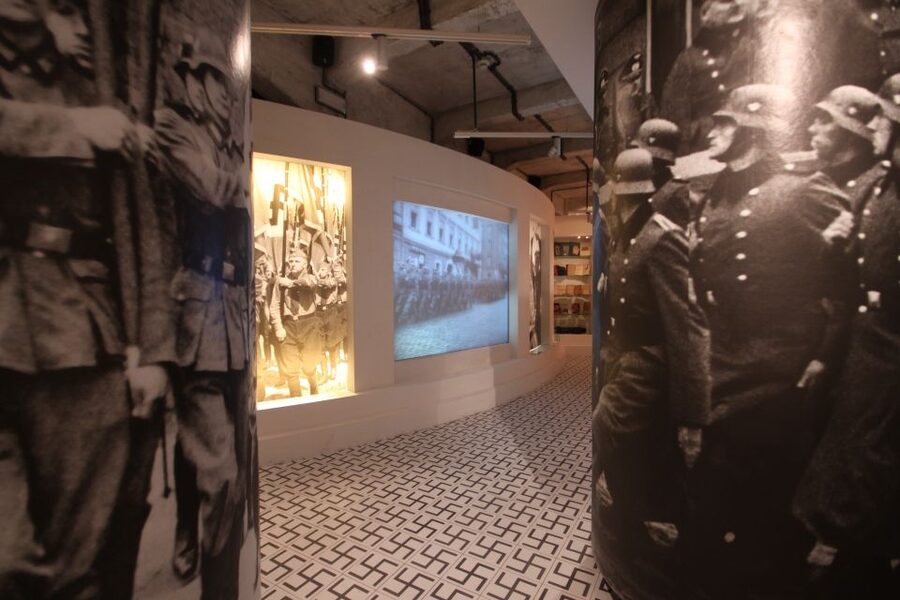
The exhibition halls are wheelchair accessible, and the activity is listed as wheelchair accessible. That makes the museum a practical choice for many visitors with mobility needs, though the narrow layout can still affect how easily you position yourself near a display.
The museum does not allow pets. Food and drinks are not included, and the tour itself is not a meal stop, so plan refreshments before or after your visit.
Comfort is less about walking distance than about concentration. The subject is serious, some rooms are tight, and the amount of information is high. Give yourself a little quiet time afterward rather than scheduling this immediately before a rushed activity.
The headsets help, but you should not assume they will eliminate every sound problem. If you have trouble hearing, tell the guide early. Moving closer is often more useful than trying to follow from the back of a packed room.
Who should book this Krakow tour?
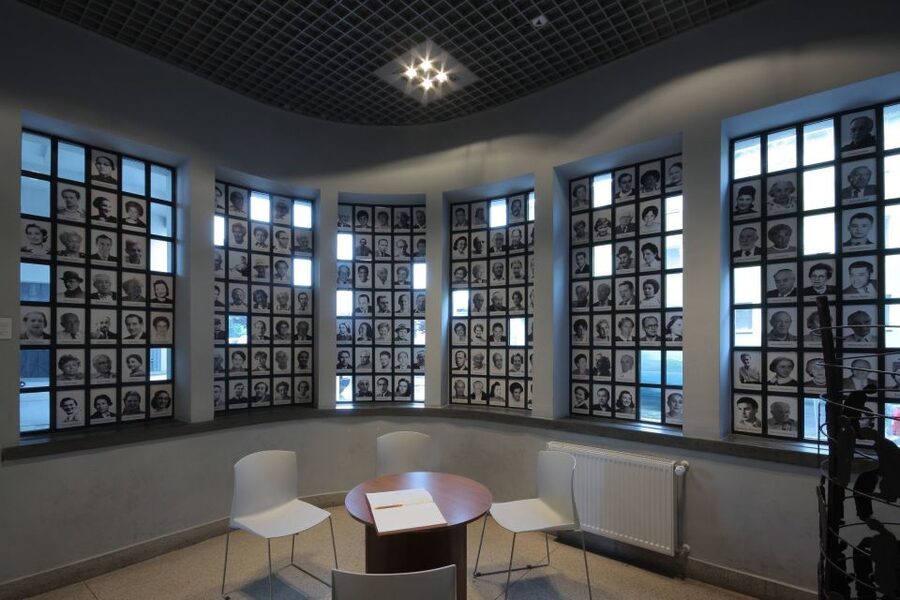
I recommend it most strongly to first-time visitors who want a guided introduction to Krakow during World War II. It is also a good fit if Schindler’s story is the main reason you want to see the factory and you prefer having the historical setting explained as you go.
It suits visitors who appreciate photographs, objects, and interactive displays more than a simple collection of paintings or monuments. Families with older children may find the displays engaging, but the subject is difficult and parents should judge the material for their own children.
You may want a different plan if you dislike group pacing or need long stretches of quiet reading. Independent visitors who want to examine every exhibit should consider the guided tour a first look, not the final word.
The experience is also less ideal for anyone expecting a recreation of the film. The movie connection is important, but the museum is grounded in the real history of Krakow, not in cinematic scenes.
Should you book Schindler’s Factory with a guide?
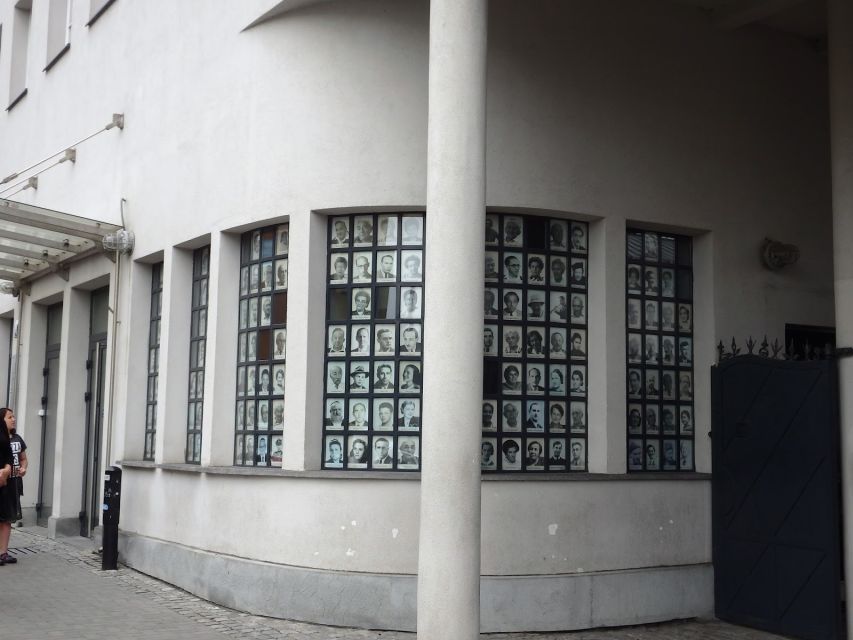
Book this tour if you want the factory visit explained by a local guide, value skip-the-line entry, and can accept a brisk 90-minute route. The guide gives you a clear framework for understanding Schindler, the people he saved, and the wartime city around them.
Skip it, or visit independently instead, if you need plenty of time at each interactive station. You should also temper your expectations if your main goal is a detailed biography of Schindler.
My practical choice would be to take the guided tour for a first visit, then return alone if you want to read everything. At $45, that makes the most sense when you value context and an efficient introduction. The factory is worth seeing, but the strongest experience comes from understanding that it tells the story of an entire city, not only one famous man.
FAQ
Where does the Schindler’s Factory tour begin?
The tour begins at the entrance to Schindler’s Factory at Lipowa 4 in Krakow’s Zablocie district.
How long does the guided visit last?
The guided visit lasts 1.5 hours, or 90 minutes. Starting times depend on availability.
What language is the tour offered in?
The live guided tour is offered in English.
Is skip-the-line entry included?
Yes. The activity includes museum admission and skip-the-line access.
Is Schindler’s Factory wheelchair accessible?
Yes. The exhibition halls are wheelchair accessible, and the activity is listed as wheelchair accessible.
How can I reach the museum by public transport?
The nearest tram stops are Zablocie and Plac Bohaterów Ghetta. There is no museum parking lot, though parking may be available on surrounding streets.
Just added around Krakow
- Schindler’s Factory Skip-the-line Museum Ticket★ 4.9 · 15 reviews
- Schindler’s Factory Museum Guided Tour – Krakow★ 4.5 · 15 reviews
- Schindler’s Factory Museum in Krakow – Guided Tour★ 4.3 · 33 reviews
- Krakow: Rynek Underground Museum Skip-the-line Guided Tour★ 4.7 · 138 reviews
- Krakow: Vodka Factory Museum Entry Ticket and Tasting★ 4.3 · 75 reviews
- Krakow: Rynek Underground Museum Guided Tour & Stories★ 4.8 · 26 reviews
- Krakow: Skip-the-Line Rynek Underground Museum Guided Tour★ 4.7 · 26 reviews
- Krakow’s Rynek Underground Museum Tour with Ticket and Guide★ 4.4 · 25 reviews
Museum Tours in Krakow, compared.
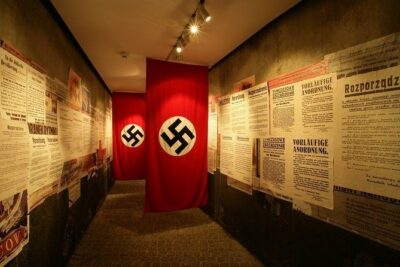
Schindler’s Factory in Krakow: Guided Tour & Skip the Line Ticket
Read our review →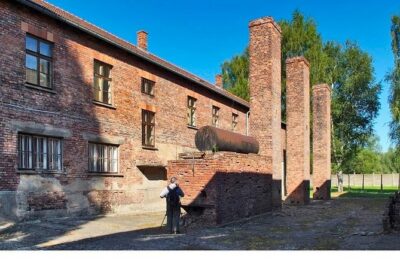
Auschwitz-Birkenau Museum and Memorial Guided Tour from Krakow
Read our review →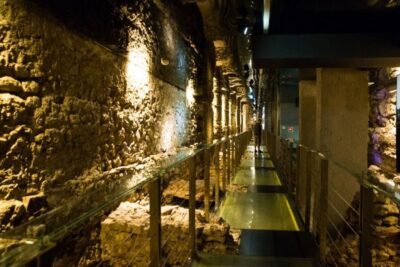

Krakow Schindler’s Factory Museum Guided Tour in English
Read our review →
Auschwitz Birkenau Museum Guided Tour with Pickup
Read our review →
Auschwitz Birkenau Guided Tour Small Group with Hotel Pick up
Read our review →Browse the lists this tour appears in