
Review · THAILAND
Samut Prakan: The Erawan Museum Admission Ticket (NON THAI)
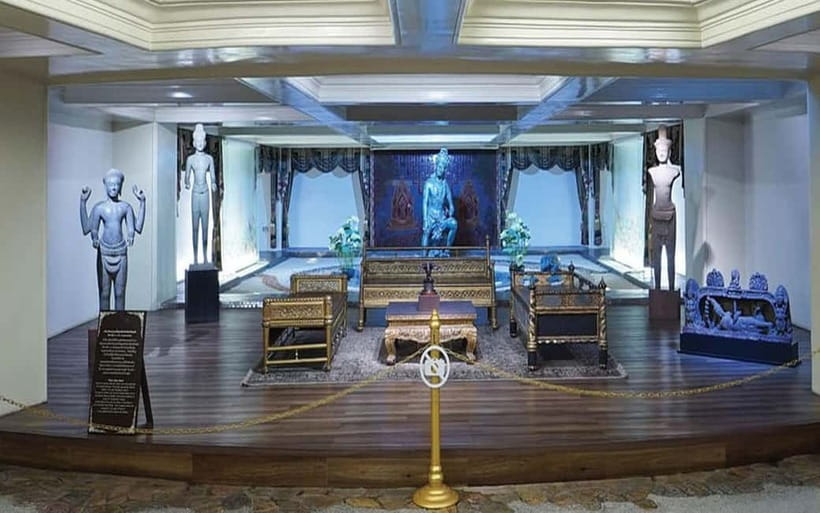
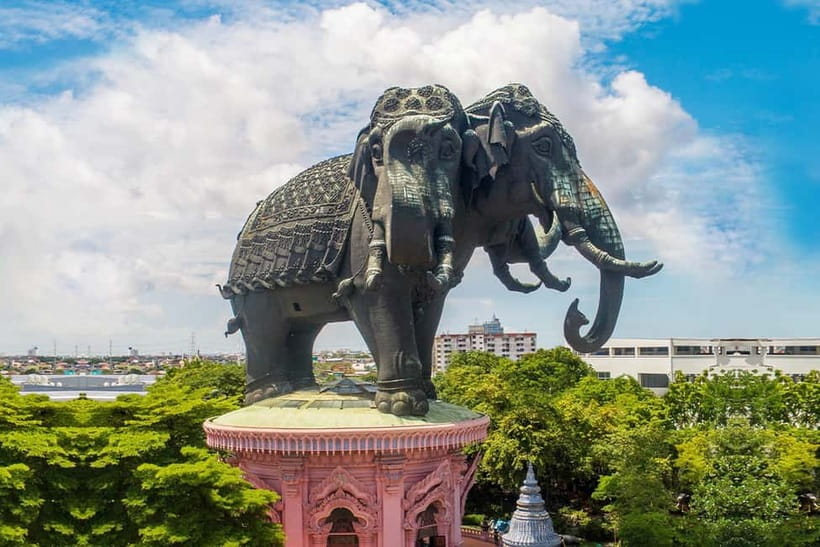
The Erawan Museum begins with a sight that is hard to miss: a massive three-headed bronze elephant balanced on a globe-like sphere. Inside, the building rises through three symbolic sections, Underworld, Earth, and Heaven, turning a museum visit into a walk through Thai religious ideas, sacred objects, and the private collection of Lek Viriyapant.
I like the easy BTS access and the free shuttle tuk-tuk from Chang Erawan Station. I also like that the ticket includes flowers, incense, and a lotus flower, so you can take part in the respectful atmosphere rather than simply look at the displays. The main drawback is the dress code and quiet setting: shorts, short skirts, sleeveless shirts, food, and drinks are not allowed.
Key points to know before you go
- The elephant is the main event: Three bronze heads refer to Airavata, the mythological elephant connected with the Hindu god Indra.
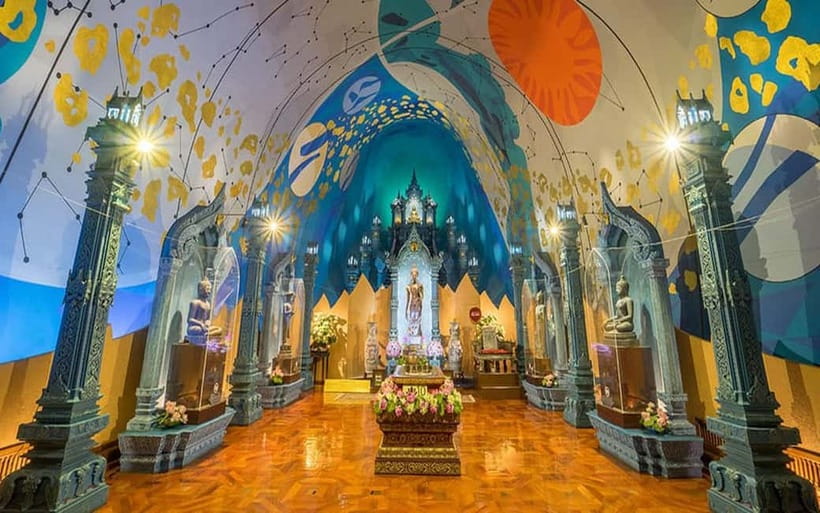
- The museum has three symbolic levels: Underworld, Earth, and Heaven each present a different part of the building’s meaning.
- BTS makes the visit simple: Exit at Chang Erawan Station, E17, Exit 2, then use the free shuttle tuk-tuk.
- Your ticket includes a small offering set: Flowers, incense, and a lotus flower are included with admission.
- The setting is made for photographs: You can take pictures around the exterior and inside, but commercial photography and filming are not permitted indoors.
- Plan for respectful clothing: Sleeveless tops, short skirts, and shorts are not permitted.
Why the giant elephant matters
The first thing you notice at the Erawan Museum is the scale. The three-headed elephant is not a small emblem placed above a doorway. It is the building’s defining shape, rising over the museum and visible before you enter.
The design is based on Airavata, a sacred elephant in Hindu mythology. Airavata serves as the vehicle of Indra, and the three heads give the sculpture a strong mythological presence. The elephant also carries a national association, since the elephant has long been an important symbol of Thailand.
Look below the elephant and you see the larger idea behind the building. It rests on a rounded base designed to suggest a globe or sphere. The meaning is clear: the elephant protects the earth and the valuable sacred objects held inside.
That symbolism gives the museum more purpose than a standard display hall. You are not simply walking into a collection of old objects. You are entering a monument built around the idea of protecting cultural memory.
A few more museum visits around Thailand worth comparing
- Chiang Mai: Art in Paradise Illusion Museum Entry Ticket
★ 4.4 · 82 reviews - Pattaya: Art in Paradise 3D Museum Discounted Ticket
★ 4.6 · 75 reviews - Chiang Mai: Museum of Broken Relationships Entry Ticket
★ 4.7 · 25 reviews
Lek Viriyapant’s unusual museum project
Lek Viriyapant was a well-known antique collector who wanted to preserve his collection for future generations. Many of the objects were old sacred items, created at a time when people believed such objects could bring blessing and prosperity to their land.
His answer was not a plain museum building. He developed the elephant design, then passed the plans to his son, Pagpean Viriyapant, who took responsibility for construction.
The project continued after both men died before the building was finished. Their family carried on the work, keeping the original aim alive: to create a place where Thai culture, sacred objects, and the memory of Lek Viriyapant could remain together.
That family story helps explain the museum’s tone. It feels personal and symbolic rather than strictly academic. The building itself is part of the collection, and the collection is part of the building’s meaning.
Underworld, Earth, and Heaven inside the museum
The museum is organized around three sections named Underworld, Earth, and Heaven. These names are more than decorative labels. They give you a simple way to understand the route and the ideas behind the architecture.
Underworld
The Underworld section forms the lower part of the museum. Here, the building’s base supports the enormous elephant above, creating a literal sense of moving from below toward the sky.
This area also introduces the idea that the museum is a complete world in miniature. The lower level is connected to the earth and to the foundations that hold the collection in place. It is a useful first stop because it lets you see how the museum’s structure and message fit together.
Take your time with the details around you. The museum is designed to be looked at from many angles, and the lower section can provide some of the strongest views of the elephant’s weight and scale overhead.
Same city, a completely different collection:
- Samui:Elephant Jungle experience & The First Elephant Museum
★ 4.9 · 226 reviews - Takua Pa: Food Market, Tsunami Museum, Temple, & Old Town
★ 4.9 · 165 reviews - Skip the Line: Patpong Museum Guided Tour
★ 5.0 · 80 reviews - Bangkok: Ancient City Muang Boran and Erawan Museum Tour
★ 4.7 · 55 reviews
Earth
The Earth section is the central part of the museum, linking the lower level with the area above. This is where the museum’s role as a home for antiques and sacred objects becomes clearest.
You can expect displays connected with Thai culture and religious belief, along with architectural details that make the interior visually striking. The objects were collected to preserve them, but they were also valued for their spiritual importance.
The inclusion of flowers, incense, and a lotus flower gives this section a more active character. You may use these items in the respectful manner intended by the museum. This is not required simply to look around, but the offering set helps you understand that the place is also treated as a sacred setting.
Heaven
The Heaven section occupies the upper part of the experience and completes the museum’s symbolic journey. The design directs your attention upward, toward the interior of the elephant and the sky above.
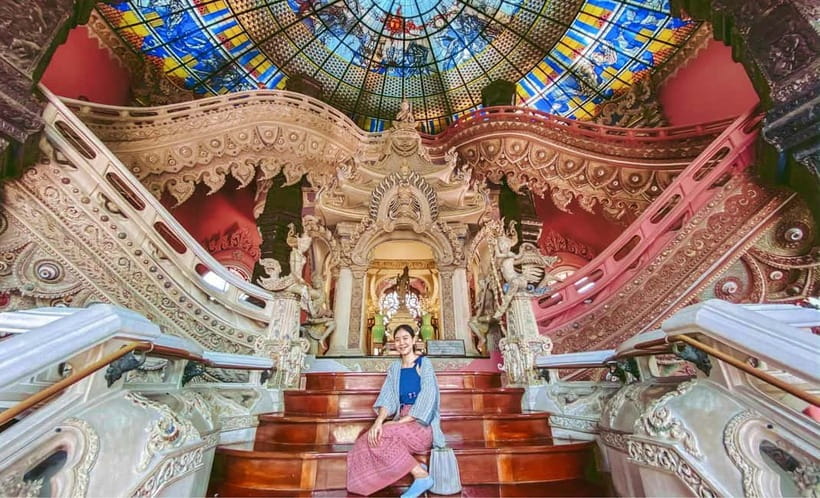
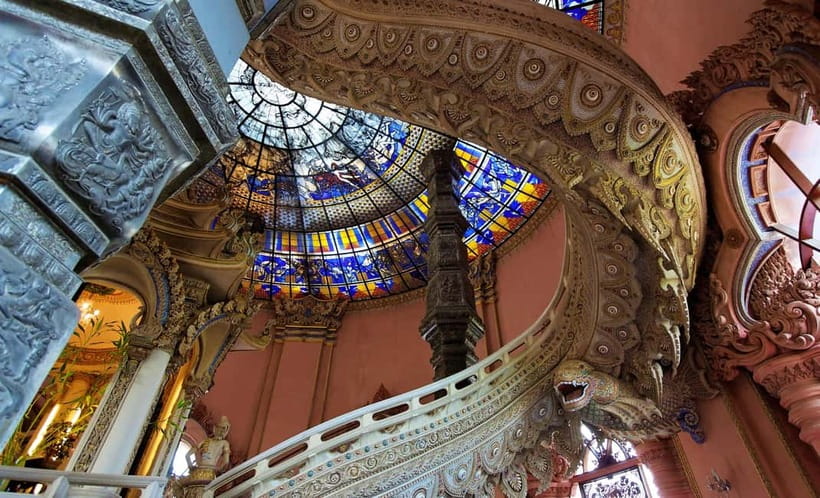
This is likely the most memorable area for anyone who enjoys architecture and photographs. The unusual interior, combined with the scale of the structure, creates plenty to study. Look up, check the details around the walls and ceiling, and give yourself enough time to take in the full design rather than rushing through for a quick picture.
The three sections work best when you see them as one connected idea. Underworld, Earth, and Heaven are not separate attractions competing for your attention. They are parts of a single symbolic route.
The interior is as important as the exterior
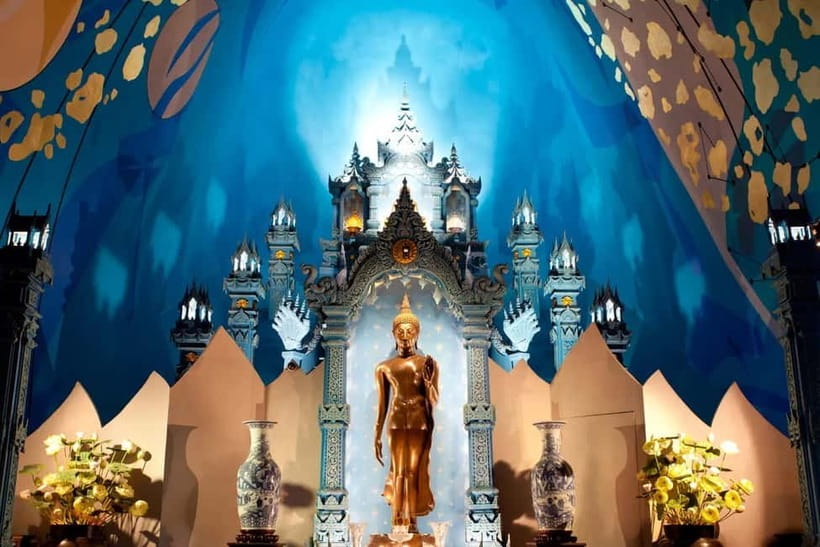
Many people will arrive thinking first about the giant elephant. That is sensible, since it is the most visible feature. Still, the interior deserves equal time.
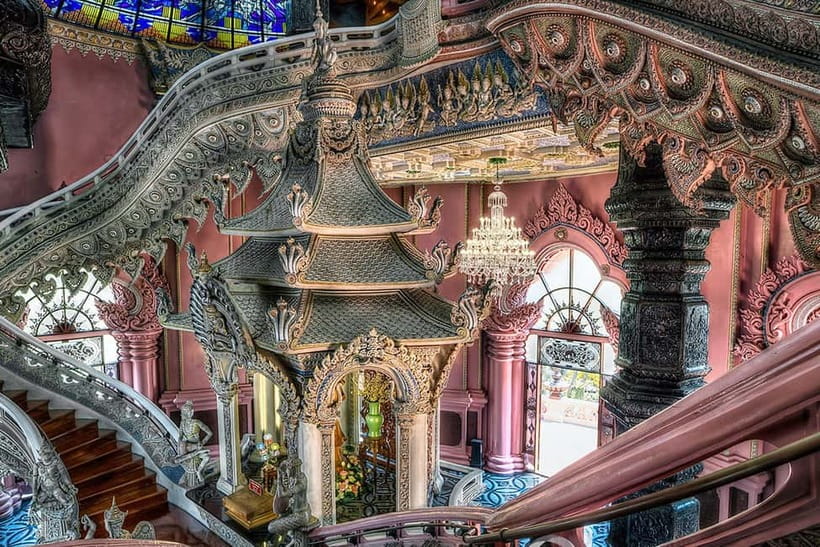
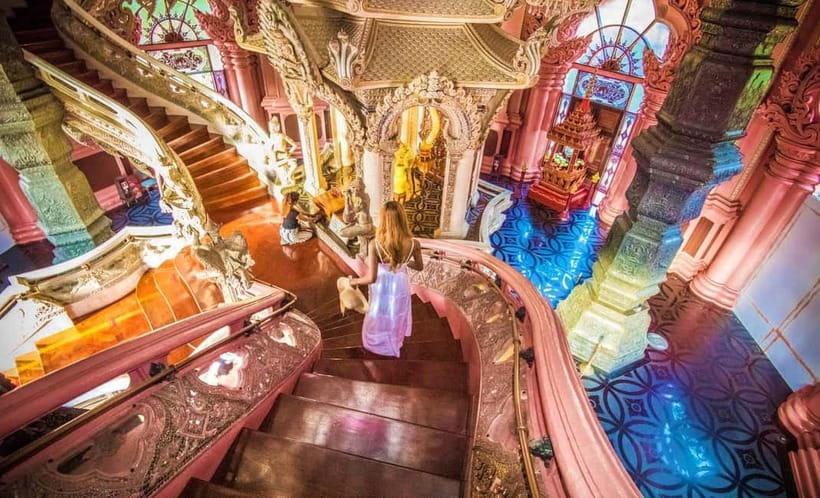
The museum’s architecture is built around the collection, the religious symbolism, and the elephant form. You might find yourself spending as much time looking at the ceiling, walls, stairways, and ornamental details as you do examining individual objects.
This is also one of the best parts of the visit for photography. The exterior gives you the full scale of the structure, while the interior provides closer views and more unusual angles. You can take personal photographs and videos, but commercial photography and filming are not permitted inside.
Bring a phone or camera if you enjoy recording buildings, but keep your behavior quiet and respectful. Food and drinks are not permitted, and the setting is not suited to a noisy snack stop.
Getting there from Bangkok by BTS
The simplest access point is Chang Erawan Station on the BTS Skytrain Green Line. Get off at E17 and use Exit 2.
A free shuttle tuk-tuk operates from the station every day. This is a useful detail because it removes much of the uncertainty after leaving the train. You do not need to arrange a separate transfer for the final part of the trip.
Transfers are not included in the ticket itself, so you are responsible for reaching the BTS station. Once you are at Chang Erawan Station, however, the free shuttle makes the museum easier to reach.
The location in Samut Prakan also makes this a practical choice if you want to add a cultural stop outside central Bangkok. Check the ticket’s specified date and starting time before you set out, since the admission is valid only for the date and time selected at booking.
How long to allow for the visit
The ticket is described as valid for eight hours, and availability is checked by starting time. That does not mean you need to spend eight full hours inside the museum. It gives you a broad visiting window, but the exact time you can enter depends on your selected booking.
I would avoid treating the museum as a rushed photo stop. The elephant can be photographed quickly, but the three-part layout, sacred objects, and architectural details deserve a slower pace.
An unhurried visit also makes it easier to follow the movement from Underworld to Earth to Heaven. You can pause for photographs, look at the objects, and take part in the respectful atmosphere without turning the whole experience into a race.
Because no guide is included in the information provided, you should expect a self-guided visit. That suits you if you like setting your own pace, though visitors who want detailed explanations of every object may find the experience less structured.
Clothing, manners, and what to leave behind
The dress code is firm. Wear modest clothing, and avoid shorts, short skirts, and sleeveless shirts. This matters not only for entry but also because the museum includes sacred objects and is treated with respect.
Food and drinks are not allowed inside. Pets are also prohibited, and alcohol and drugs are not permitted.
Keep your voice low while visiting. The museum’s design encourages looking upward and taking in small details, and quiet behavior helps preserve the setting for everyone.
Photography is allowed for personal use, but commercial photographs and videos are not permitted inside. If you are creating professional content, ask about the rules before filming rather than assuming that an ordinary camera gives you permission.
What the $12 ticket is worth
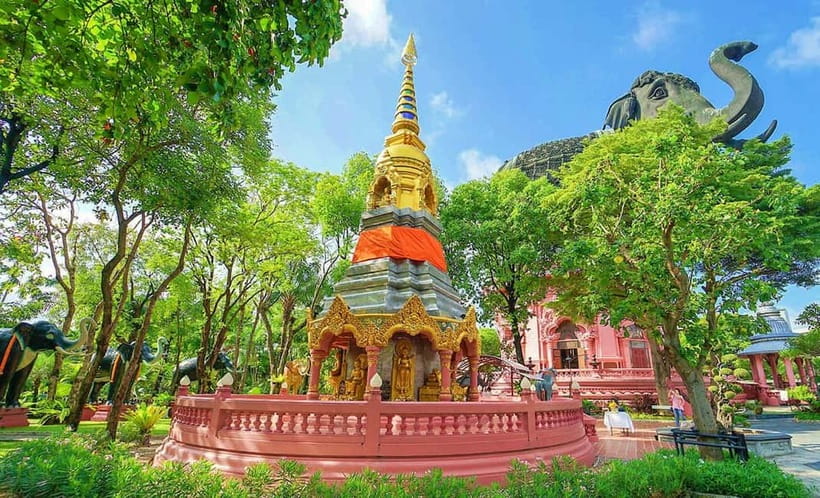
At $12 per person, the ticket offers more than access to a single gallery. You are paying to enter an entire architectural monument, see the three-headed elephant, visit all three symbolic sections, and use the surrounding museum grounds.
The flowers, incense, and lotus flower add a small but meaningful extra. They are not a major financial benefit, yet they give you a way to connect with the museum’s religious character.
The value is strongest for you if you enjoy unusual buildings, Thai culture, sculpture, religious art, and photography. If your interest is limited to conventional historical displays, the theatrical architecture may feel like more of the experience than the objects themselves.
A rating of 4.8 from 89 ratings suggests strong overall satisfaction, and a verified January 2026 booking described the experience as highly recommendable. That positive response makes sense for visitors who want something visually different from Bangkok’s standard temple circuit.
Who will enjoy this most
I would recommend the Erawan Museum to anyone who wants a memorable half-day or longer cultural outing from Bangkok. It is especially suitable if you enjoy symbolic architecture, large-scale sculpture, sacred objects, and places that give you strong photo opportunities.
It also works well for visitors who prefer to explore without a guide. You can move through the three sections at your own pace and spend extra time on the areas that interest you.
You should think twice if you dislike dress requirements, quiet environments, or religious settings. The museum is not a casual food-and-photo attraction. You need to dress modestly, avoid bringing food and drinks inside, and behave respectfully.
Families and mixed-interest groups may find the giant elephant an easy reason to visit, while adults interested in Thai culture can spend more time with the building’s symbolism and collection. Since there is no transfer included, make sure everyone in your group is comfortable using the BTS and shuttle tuk-tuk.
Should you book the Erawan Museum ticket?
Book it if you want an unusual cultural stop with a powerful visual centerpiece. The three-headed elephant, the three symbolic museum sections, the sacred offering set, and the easy BTS connection make this a good-value choice at $12.
I would not book it expecting a guided lecture or a tightly organized tour. This is an admission experience, not a transport package or a guide-led excursion. You need to arrange your own way to Chang Erawan Station and follow the museum’s clothing and behavior rules.
For a smooth visit, wear modest clothes, choose the correct date and time, use BTS Green Line to E17, exit at 2, and look for the free shuttle tuk-tuk. Give yourself enough time to appreciate both the huge exterior and the carefully designed interior. If those details fit your style, the Erawan Museum is an easy recommendation.
FAQ
Where is the Erawan Museum located?
The museum is in Samut Prakan, in Central Thailand. You can reach it by taking the BTS Skytrain Green Line to Chang Erawan Station, E17.
Which BTS exit should I use?
Use Exit 2 at Chang Erawan Station. A free shuttle tuk-tuk operates from the station every day.
What does the admission ticket include?
The ticket includes admission to the Erawan Museum, flowers, incense, a lotus flower, access to the surrounding museum areas, and all taxes and fees.
Are transfers included?
No. Transfers are not included, but you can use the free shuttle tuk-tuk from Chang Erawan Station.
How long is the ticket valid?
The ticket is valid for eight hours. You must visit on the specified date and at the time selected after booking.
What clothing is required?
You should dress modestly. Shorts, short skirts, and sleeveless shirts are not permitted.
Can I take photographs inside?
Personal photographs and videos are allowed, but photography or filming for commercial purposes is not permitted inside the museum.
Just added around Thailand
- Private Guided Day Tour to Erawan Museum & Ancient City★ 4.5 · 25 reviews
- Skip the Line: Patpong Museum Guided Tour★ 5.0 · 80 reviews
- Samut Prakan: Erawan Museum Discounted Admission Ticket★ 4.8 · 20 reviews
- Pattaya: Buddha, Floating Market, Gems Museum Tour & Lunch★ 3.7 · 31 reviews
- Pattaya: Art in Paradise 3D Museum Discounted Ticket★ 4.6 · 75 reviews
- Khao Lak Eco-Safari: Elephants, Tsunami Museum, and Turtles★ 4.7 · 50 reviews
- Bangkok: Floating Market, Dragon Temple, Na Satta Museum★ 4.9 · 16 reviews
- Chiang Mai: Museum of Broken Relationships Entry Ticket★ 4.7 · 25 reviews
Museum Tours in Thailand, compared.
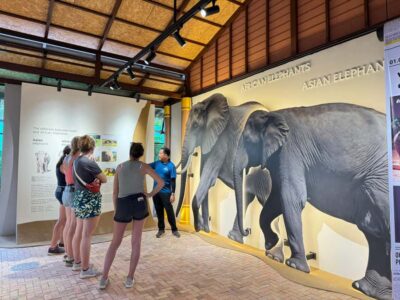
Samui:Elephant Jungle experience & The First Elephant Museum
Read our review →
Takua Pa: Food Market, Tsunami Museum, Temple, & Old Town
Read our review →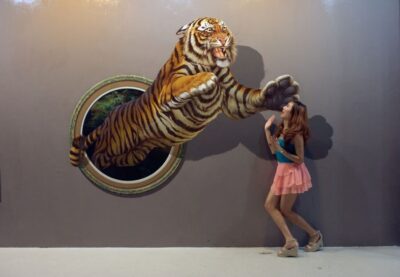
Chiang Mai: Art in Paradise Illusion Museum Entry Ticket
Read our review →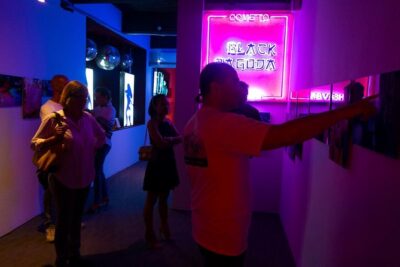
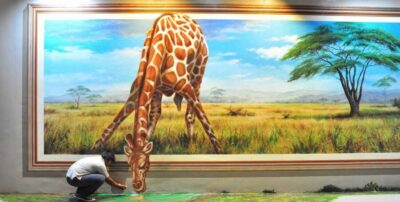
Pattaya: Art in Paradise 3D Museum Discounted Ticket
Read our review →

Khao Lak Eco-Safari: Elephants, Tsunami Museum, and Turtles
Read our review →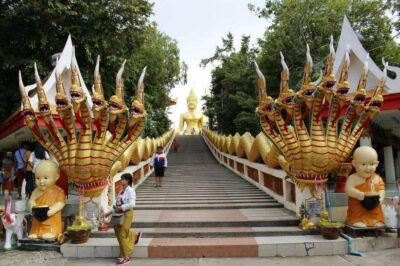
Pattaya: Buddha, Floating Market, Gems Museum Tour & Lunch
Read our review →Browse the lists this tour appears in