
Review · NEW ZEALAND
Auckland: Maritime Museum Entry Ticket
New Zealand’s ocean story reaches from Pacific migration to the high-tech world of the America’s Cup, and this museum brings both ends of that story together. You’ll see how the sea shaped immigration, trade, innovation, leisure, and daily life in a country surrounded by water.
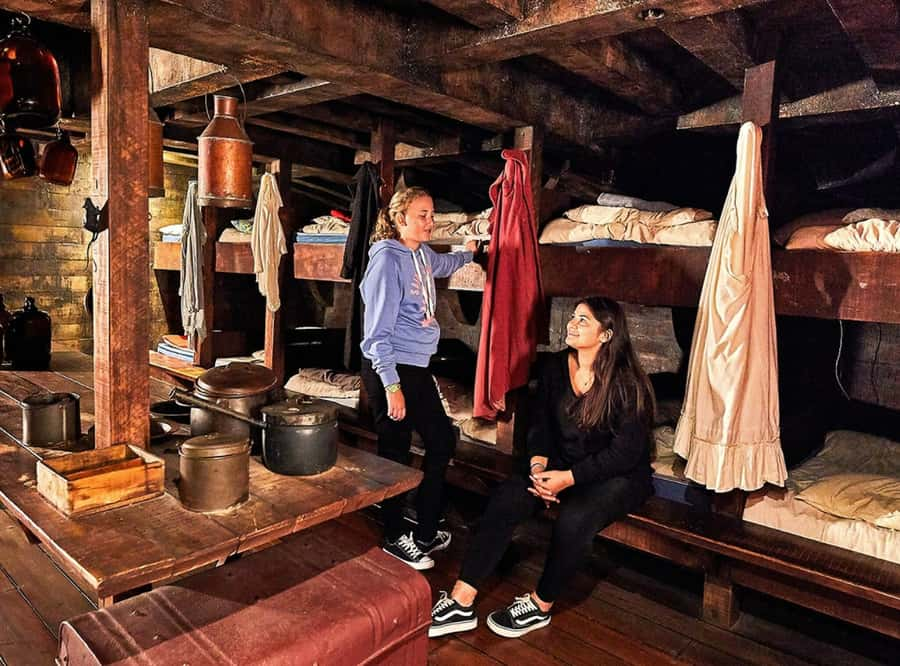
I like the museum’s broad range, especially the way Maori traditions sit alongside Western shipping and modern yacht design. I also like the hands-on displays and personal stories, which give the collection more warmth than a room full of old objects. The main consideration is time: you can see the museum in 1 to 3 hours, but a quick visit will only skim the surface.
- Pacific migrations: Learn how ocean travel shaped New Zealand’s earliest settlement and cultural connections.
- America’s Cup design: See the country’s modern sailing story alongside older maritime traditions.
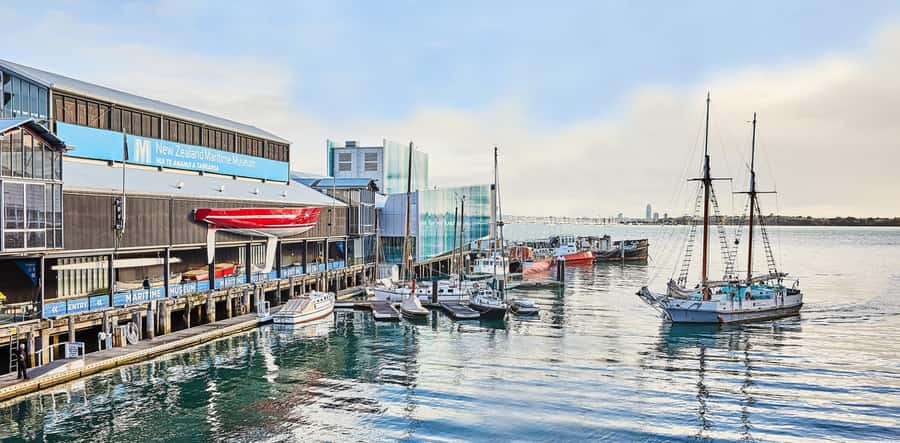
- Auckland location: The museum sits at Viaduct Harbour, a useful stop while exploring the waterfront.
- Interactive displays: Hands-on features make the museum a better fit for families than a purely text-based collection.
- Flexible booking: You can cancel up to 24 hours before the visit or reserve now and pay later.
- Practical timing: Opening hours are 10 AM to 5 PM, with final entry at 4 PM.
Pacific Voyages Begin the Museum Visit
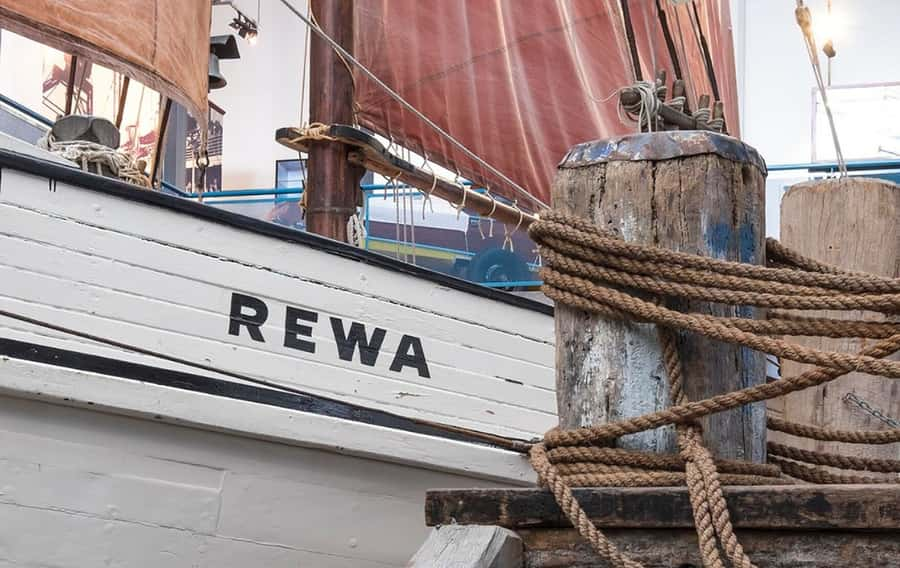
The strongest part of the museum’s story is the connection between people and the sea. New Zealand is not presented simply as an isolated island nation. Instead, the displays show how ocean routes carried people, ideas, goods, and technology across the Pacific.
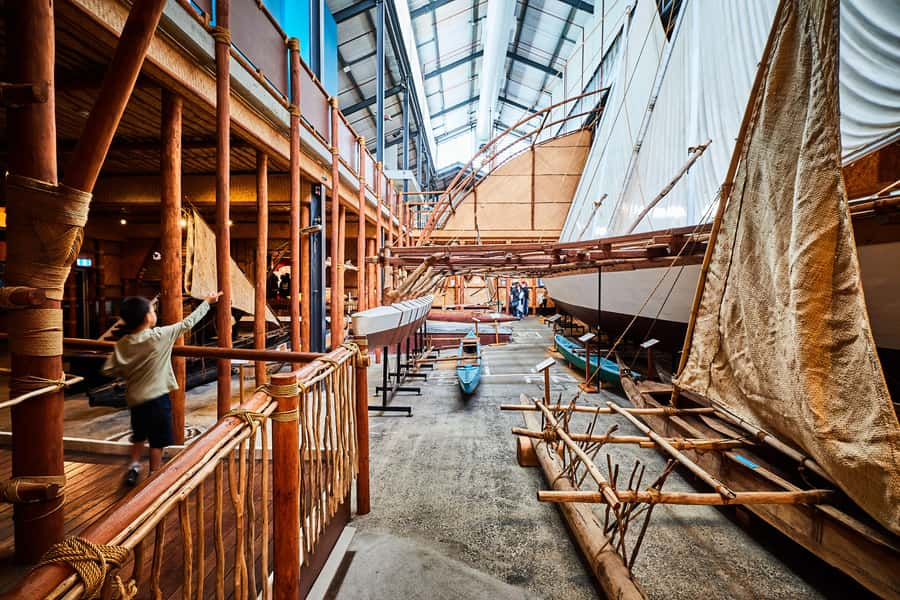
You’ll encounter stories about Pacific migration, including the traditions and skills that made long ocean journeys possible. This gives the museum a useful cultural foundation. Before you reach modern sailing technology, you understand that seafaring is not a recent hobby or sporting achievement. It is part of how New Zealand’s story began.
I especially like this opening idea because it gives the rest of the museum more meaning. Trade and immigration are not abstract topics here. They connect to real movement across the water and to the way New Zealand developed through contact with other places.
The collection also brings Maori traditions into the picture. A short visit may not give you time to absorb every detail, but the museum makes an effort to show that New Zealand’s maritime story includes more than European ships and commercial routes.
From Immigration and Trade to Daily Life
After the migration story, the museum widens its view. The ocean affected who arrived in New Zealand, what could be traded, how goods moved, and how people stayed connected with distant communities.
This section should suit you if you enjoy social history more than technical ship details. You get a sense of how maritime activity shaped ordinary life, not just naval or commercial achievements. The sea was a route for workers, families, products, and new ideas.
The exhibits also connect the ocean with leisure. That matters because a country’s relationship with water is not only about survival or business. Sailing, recreation, and sport became part of modern New Zealand life, and the museum follows that change.
I would allow extra time here if you like reading personal accounts and examining artifacts. The museum uses individual experiences to make larger subjects easier to grasp. You can move from a broad story about immigration to the choices and challenges faced by people who crossed the ocean.
A few more museum visits around the world worth comparing
- Vatican: Museums & Sistine Chapel Entrance Ticket
★ 4.5 · 144,003 reviews - Paris: Louvre Museum Timed-Entrance Ticket
★ 4.6 · 71,977 reviews - Amsterdam: Van Gogh Museum Ticket
★ 4.7 · 52,054 reviews
Hands-On Displays Make the Story Easier to Follow
A museum about maritime history can become too technical, especially for younger children. Here, interactive displays and hands-on elements help break up the reading and give families a more active way to move through the galleries.
That does not mean the experience is designed only for children. You’ll still find material for anyone interested in design, engineering, migration, or New Zealand’s past. The interactive features simply give the visit a better rhythm.
I would plan on at least 90 minutes if you want time for the main subjects without rushing. One hour may work if you are passing through Viaduct Harbour and want a focused stop. Three hours makes more sense if you read carefully, stop at the interactive stations, and spend time with the special exhibitions.
There is no listed guided tour or named guide for this ticket. The host language is English, so you should expect to explore the museum at your own pace rather than follow a scheduled, guide-led route.
Yacht Design and the America’s Cup

The America’s Cup material gives the museum a strong modern finish. New Zealand’s sailing reputation is tied to design, competition, and technical problem-solving, and this section shows how maritime culture continues to develop.
You’ll see the ocean not only as a place of travel but also as a testing ground for new ideas. Yacht design brings together speed, materials, teamwork, and changing technology. For design enthusiasts, this may be one of the most appealing parts of the visit.
It also gives the museum a useful change of pace. Pacific migration and historic shipping ask you to think about long time spans. America’s Cup design brings the story closer to the present and shows how New Zealand continues to work with the sea in a very modern way.
If you happen to visit while a major sailing event is taking place, the waterfront setting adds extra energy. During the ITM New Zealand Sail Grand Prix, the museum’s location provided a useful place to watch the race. That was a fortunate event-specific benefit, not something you should expect on every visit, but it shows why the Viaduct Harbour location can add to the day.
Viaduct Harbour Makes This an Easy Auckland Stop
The New Zealand Maritime Museum is at Auckland Viaduct Harbour. You arrange your own way there, as hotel pickup and drop-off are not included.
The location works well if you are already spending time around the waterfront. You can combine the museum with a walk through the harbor area, though food and drinks are also your responsibility. Since the ticket covers entry only, plan your waterfront meal or coffee separately.
At the entrance, show your voucher at the ticket counter. You may be asked for identification, so bring a passport or ID card. A student card is also listed among the useful items to carry, which may help if you qualify for a student rate or need to confirm your status.
Wear comfortable shoes. The suggested visit lasts 1 to 3 hours, and you’ll get more from the museum if you can move through the exhibits without hurrying.
Same city, a completely different collection:
- Vatican Museums, Sistine Chapel & St. Peter’s Basilica Tour
★ 4.3 · 73,970 reviews - Vatican Museums, Sistine Chapel & St Peter’s Basilica Guided Tour
★ 4.5 · 39,149 reviews - NYC: 9/11 Memorial & Museum Timed-Entry Ticket
★ 4.8 · 31,428 reviews - London: Tower of London and Crown Jewels Exhibition Ticket
★ 4.6 · 28,769 reviews
How Much Time Should You Allow?
The museum is open from 10 AM to 5 PM, with last entry at 4 PM. It opens every day except December 25.
For a tight schedule, I would use this guide:
- One hour: Pick the sections most important to you, such as Pacific migration or America’s Cup design.
- Ninety minutes: See the main galleries at a steady pace and pause at selected interactive displays.
- Two to three hours: Read more personal stories, examine the collection carefully, and allow time for special exhibitions.
Do not arrive at 4 PM expecting a full visit. Final entry is at that time, and the museum closes at 5 PM. An earlier arrival gives you room to adjust if one exhibition catches your attention.
The ticket is valid for one day, so you have freedom to plan around the rest of your Auckland schedule. The available information does not promise re-entry, so I would treat it as one planned visit unless the museum confirms otherwise.
Is the $14 Ticket Good Value?
At $14 per person, this is a fairly easy Auckland attraction to justify if you have an interest in New Zealand’s connection with the sea. The price covers entry for the day and gives you access to exhibitions covering a wide span, from Pacific migration to current yacht design.
The value improves if you can stay for two or three hours. A one-hour visit can still work, but you are paying for a large subject area and will need to choose what to see. Families may find the interactive features useful because they keep the visit from becoming a long sequence of display cases and labels.
The price does not include food, drinks, transport, or hotel transfers. Those extra costs are easy to understand because this is an entry ticket, not a packaged tour. You are buying access to the museum and arranging the rest of your day yourself.
The experience has a 4.6 rating from 29 reviews, which fits the museum’s main strengths: attractive design, interesting content, and a useful waterfront position. The strongest praise focuses on the museum itself and the location, rather than on staff-led interpretation.
Who Will Enjoy This Museum Most?
I would recommend this visit to several kinds of people:
- History fans who want more than a narrow military or naval story.
- Families looking for interactive features and a manageable indoor activity.
- Design enthusiasts interested in yacht technology and America’s Cup development.
- Visitors curious about Maori traditions and the wider Pacific setting.
- Waterfront explorers who want a museum stop near Viaduct Harbour.
- Anyone with a rainy-day plan who wants a flexible Auckland activity lasting one to three hours.
It may be less suitable if you want a live sailing trip, a harbor cruise, or a guide explaining every display. This ticket is for museum entry, and you explore independently in English.
Unaccompanied minors are not allowed. All children must remain with a supervising adult at all times, so this is a family activity that requires active adult supervision.
Accessibility and Booking Flexibility
The museum is wheelchair accessible, which makes it a practical choice for visitors who need step-free access. The available details do not list specific gallery features, restroom arrangements, or equipment, so contact the museum directly if you need support beyond general wheelchair access.
The booking terms are useful for a changing itinerary. You can cancel up to 24 hours in advance for a full refund, and the reserve-now, pay-later option lets you hold your plans without paying immediately.
That flexibility is especially helpful if your Auckland schedule depends on weather, cruise timing, or other waterfront plans. Still, check the available time before finalizing your booking because the activity information describes a one-day visit rather than a fixed starting time.
What to Bring for a Smoother Visit
Bring your voucher and show it at the ticket counter. A passport or ID card is recommended, and a student card may be useful if it applies to your booking.
Comfortable shoes are worth packing because you’ll be on your feet as you move through the galleries. A camera is also listed as something to bring, although you should follow any photography instructions inside the museum.
Food and drinks are not included. Plan to buy them separately or fit the museum between meals. Since the museum is at Viaduct Harbour, you can make the visit part of a wider waterfront outing rather than treating it as a standalone destination.
Should You Book the New Zealand Maritime Museum?
Book it if you want a clear, varied introduction to New Zealand’s relationship with the ocean. The best reason to go is the range: Pacific migration, Maori traditions, immigration, trade, personal stories, interactive displays, and America’s Cup design all share the same visit.
I would be especially happy to pay $14 if I had two hours available and was already near Viaduct Harbour. The ticket is less compelling if you have only a few minutes or want a guided experience, but the flexible timing and accessible location make it easy to fit into an Auckland day.
Arrive before 4 PM, allow at least 1 to 3 hours, and choose the sections that match your interests. For most visitors looking for an informative waterfront stop, this is a sensible, good-value museum ticket.
FAQ
Where is the New Zealand Maritime Museum located?
It is at Auckland Viaduct Harbour on New Zealand’s North Island.
How much does admission cost?
The listed price is $14 per person.
How long does the museum visit take?
One to three hours is recommended, depending on how carefully you explore the exhibitions and interactive displays.
What are the museum’s opening hours?
The museum is open from 10 AM to 5 PM, with last entry at 4 PM.
Is the museum open every day?
It is open every day except December 25.
What does the ticket include?
The ticket includes entry to the New Zealand Maritime Museum.
Are hotel transfers included?
No. Hotel pickup and drop-off are not included, so you must make your own way to the museum.
Do I need to show a voucher?
Yes. Show your voucher at the ticket counter when you arrive.
Is the museum wheelchair accessible?
Yes. The activity is listed as wheelchair accessible.
Can I cancel the booking?
Yes. You can cancel up to 24 hours in advance for a full refund. A reserve-now, pay-later option is also available.
Just added around the world
- Girona, Figueres, Dalí Museum and Cadaqués Tour from Barcelona★ 4.5 · 36 reviews
- Football Club Barcelona Museum Immersive Tour Guided Visit★ 3.5 · 52 reviews
- Erotic Museum Admission Ticket with Audioguide★ 5.0 · 527 reviews
- Dali Museum and Costa Brava Small Group Day Trip from Barcelona★ 5.0 · 77 reviews
- Madrid by High-Speed Train with Prado Museum Private Tour★ 4.0 · 33 reviews
- Guitar Legends Hall: Entrance to the Immersive Rock Museum★ 5.0 · 25 reviews
- White Rabbit Museum: The Best Immersive Experience in Catalonia★ 5.0 · 538 reviews
- Private Dali Museum, Besalú & Girona Tour from Barcelona★ 5.0 · 15 reviews
Museum Tours in New Zealand, compared.

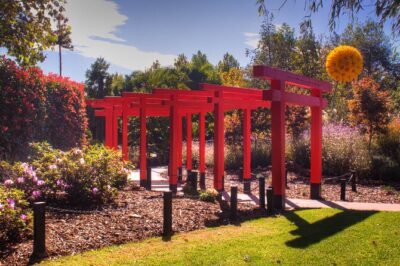
Explore gardens & galleries filled with incredible art, Matakana
Read our review →
Skip the Line: Auckland Museum General Admission Ticket
Read our review →

Māori Cultural Experience & Auckland Museum General Admission
Read our review →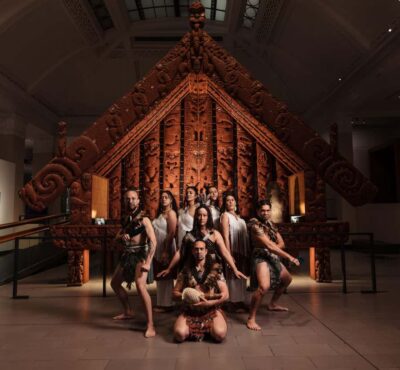
Māori Cultural Experience & Auckland Museum Admission
Read our review →
Browse the lists this tour appears in