
Review · NEW ZEALAND
Māori Cultural Experience & Auckland Museum Admission
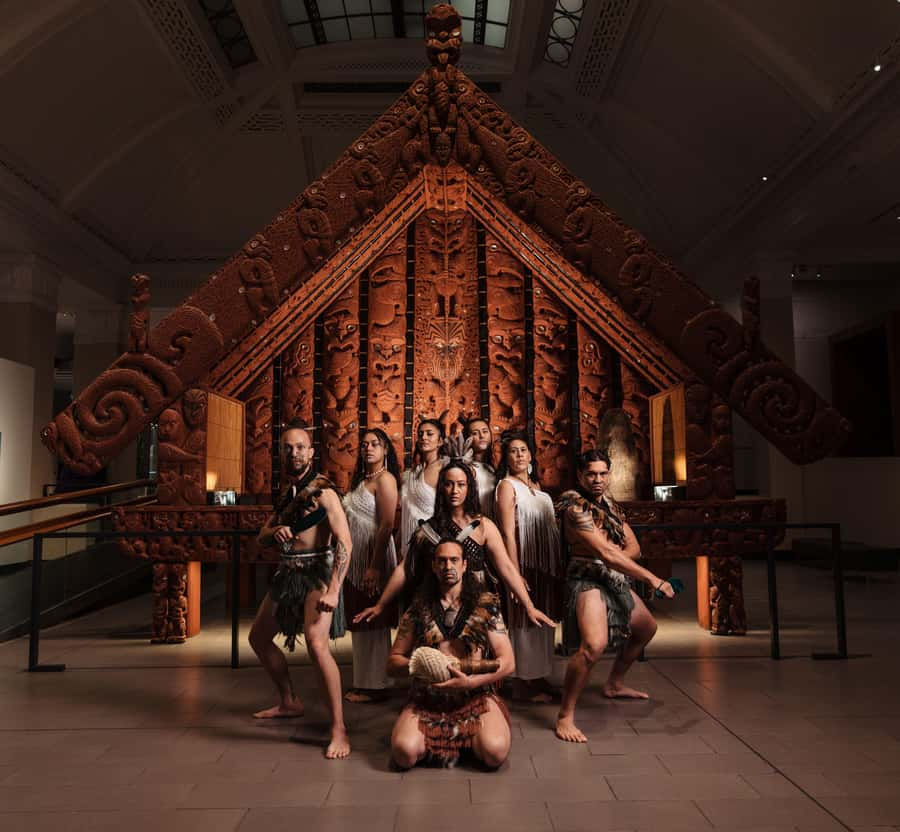
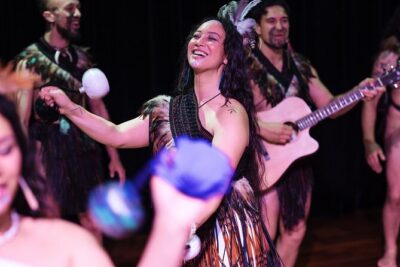
A commanding haka, beautiful waiata, quick-moving poi, and stories from Māori tradition give this Auckland experience its pulse. The performance is not just a dance show. It explains how song, movement, weapons, and ritual express strength, unity, and identity.
I like two things right away: your $37 ticket combines the cultural presentation with a full day at Auckland Museum, and the performers explain what you are seeing instead of leaving you to guess. The museum is also a useful first stop in Auckland because it connects Māori culture with New Zealand’s natural world and later history.
The main consideration is value. The performance lasts about 30 minutes, so if you only want the show, $37 may feel high. You get much better value when you allow several hours for the museum too, and remember that the Māori Court and Pacific Galleries are temporarily closed for maintenance.
Key points to know before you book
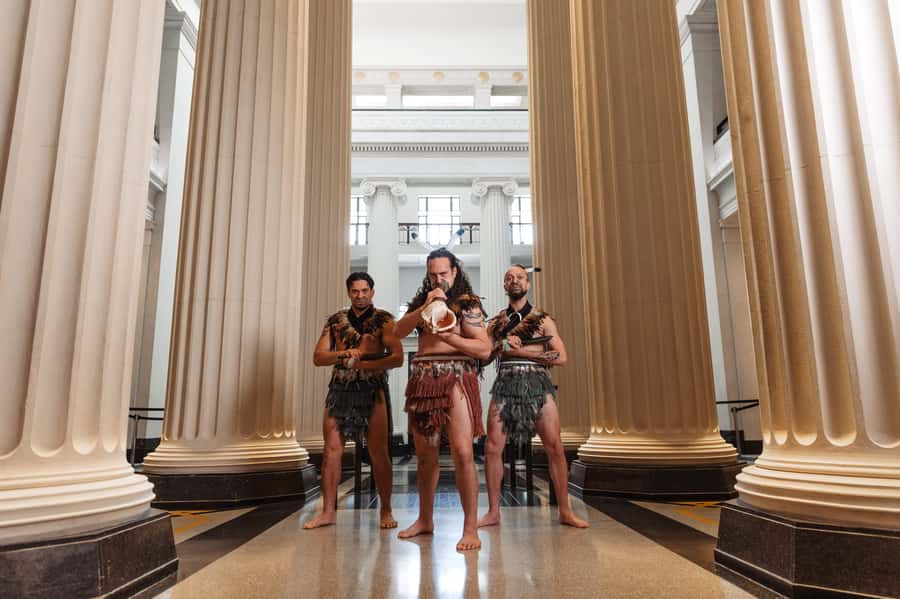
- A 30-minute performance with real explanation: Waiata, poi, storytelling, dance, and haka are presented with context, not as disconnected stage acts.
- One ticket covers the whole day: You can return to the museum galleries after the performance and spend time with natural history, New Zealand heritage, and cultural treasures.
- Arrive early: Plan to be at the museum about 20 minutes before the scheduled performance.
- Tuesday evenings give you more time: The museum stays open until 20:30 on Tuesdays, compared with 17:00 on most days.
- Some important galleries are closed: The Māori Court and Pacific Galleries are temporarily unavailable during essential maintenance.
- A good choice for first-time visitors: You get a concise cultural introduction, followed by the option to explore at your own pace.
Why Living Taonga works as an introduction
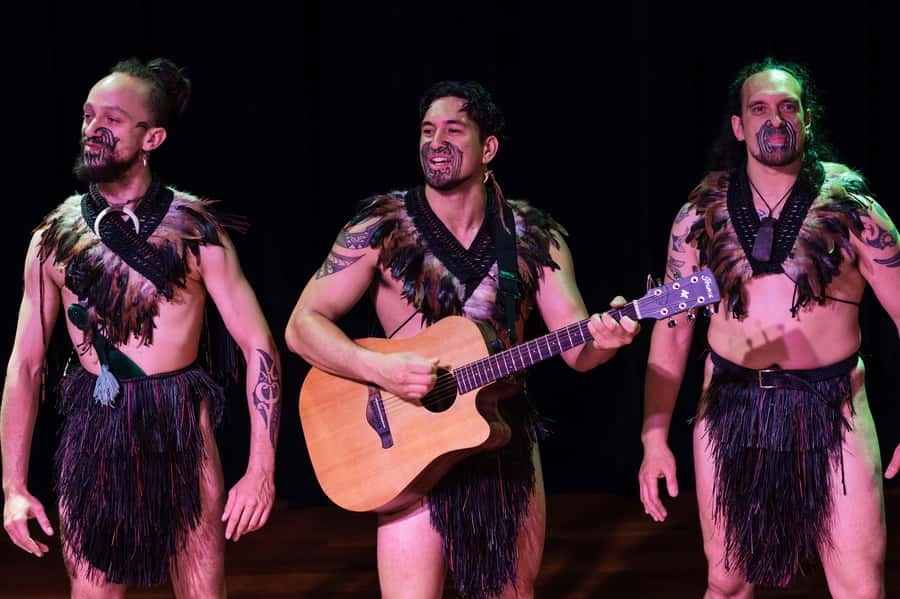
Living Taonga presents Māori culture through sound, movement, and spoken explanation. Taonga means something treasured or prized, and the title points to the central idea here: Māori culture is not a frozen display from the past. It is a living part of Aotearoa New Zealand.
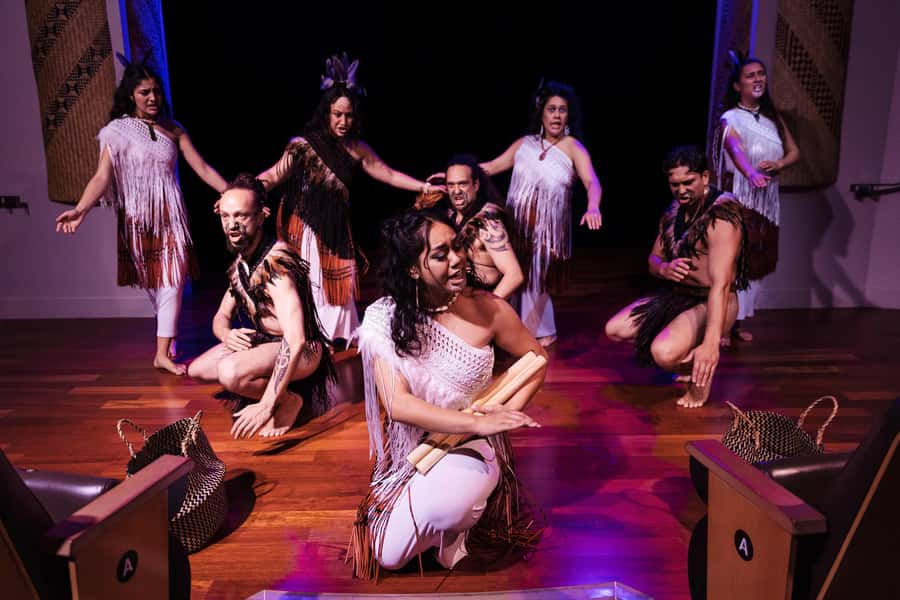
The presentation uses traditional waiata, or songs, along with poi, storytelling, and dance. You also learn about the haka, a ritual often reduced overseas to a fierce pre-game performance. Here, the haka is placed in a wider setting, tied to identity, unity, strength, and the relationship between words and movement.
That context matters. You can watch a group perform a haka and admire its force, but the experience becomes more meaningful when you understand why the gestures, stance, chanting, and facial expressions matter. The performers explain the traditions in a way that makes the show accessible even if you know little about Māori culture.
The presentation is led by Māori artists and orators, with English and Māori used during the experience. The individual guides’ names are not specified, but the format includes spoken narration as well as performance. That balance is one of the strongest parts of the visit.
A few more museum visits around the world worth comparing
- Vatican: Museums & Sistine Chapel Entrance Ticket
★ 4.5 · 144,003 reviews - Vatican Museums, Sistine Chapel & St. Peter’s Basilica Tour
★ 4.3 · 73,970 reviews - Paris: Louvre Museum Timed-Entrance Ticket
★ 4.6 · 71,977 reviews
What happens during the 30-minute performance
The cultural presentation is short enough to fit neatly into a day of sightseeing, but it has several distinct elements. Expect a welcome, songs, poi work, storytelling, dance, and an explanation of the haka.
Waiata gives the performance its warmth. The singing is a major reason to attend, and the quality of the voices is central to the presentation. You are not simply watching choreography. The sound carries family, community, and place, while the narration helps explain what the songs and movements communicate.
Poi adds a very different visual quality. The performers handle weighted balls attached to cords, moving them in rhythm with the music. It is easy to focus only on the skill involved, but the presentation connects poi with Māori tradition rather than treating it as a novelty act.
The storytelling gives the program its shape. You get a clearer sense of what the dances mean and why certain objects or movements appear. A little humor is included too, which keeps the tone welcoming and stops the explanation from feeling like a formal lecture.
The haka is the part many people anticipate, but it works best when you resist treating it as a single famous routine. The presentation explores its purpose and meaning, showing how it can express collective identity and resolve. You will see the commanding movements, but you will also hear why the form carries such force.
The entire show lasts around 30 minutes. That makes it easy to combine with the museum, but it also means the presentation cannot cover every part of Māori history. If you want a long, detailed cultural seminar, this is not that. It is a lively introduction that gives you a foundation for further exploration.
Photography is not allowed during the performance. Put your phone away and pay attention to the explanation, especially during the haka and poi sections. You will get more from the show by watching the performers closely than by trying to capture it.
Auckland Museum gives the ticket its value
The museum is in the Auckland Domain, at Auckland War Memorial Museum, Parnell. From central Auckland, it is about a 30-minute walk or a five-minute drive, and public transport makes the site straightforward to reach.
The cultural show is the reason many people book this activity, but the museum is what makes the $37 price easier to justify. You can spend the rest of the day with galleries covering natural history, New Zealand heritage, and treasured taonga.
The museum is large enough to require planning. One visit can easily become more than a quick stop, especially if you read the displays carefully. Several hours is a sensible minimum if you want to see the main areas without rushing.
The museum’s natural history sections help place New Zealand in context. Its heritage displays connect the country’s people, environment, and past. This broader setting is useful after the Māori presentation because you can keep asking the same basic question: how do people, place, objects, and stories fit together?
The museum is described as easy to navigate independently. You do not need to pay for a separate guided Highlights tour to make the visit worthwhile. If you want a guide-led museum overview, that is an additional cost, so plan your budget accordingly.
A café is available on site, with food and coffee noted as a practical option during a longer visit. Food and drinks are not included in the activity price, and they are not allowed in the museum galleries. Large bags and luggage are also not permitted, so do not arrive with airport baggage expecting to carry it around.
A realistic look at the museum closures
The Māori Court and Pacific Galleries are temporarily closed for essential maintenance. This is the biggest limitation to understand before booking.
The cultural performance still provides an introduction to Māori traditions, and the museum retains its natural history and New Zealand heritage material. Still, the closure affects the very subjects that many people expect to explore after a Māori cultural presentation.
I would not cancel solely because of the closure if the performance and wider museum collection appeal to you. I would, however, adjust your expectations. You will not have access to every Māori and Pacific display during this period, so check the current situation if those galleries are your main reason for visiting.
The performance itself is not available on Anzac Day, 25 April. The museum is also closed on Christmas Day.
Same city, a completely different collection:
- Amsterdam: Van Gogh Museum Ticket
★ 4.7 · 52,054 reviews - Vatican Museums, Sistine Chapel & St Peter’s Basilica Guided Tour
★ 4.5 · 39,149 reviews - NYC: 9/11 Memorial & Museum Timed-Entry Ticket
★ 4.8 · 31,428 reviews - London: Tower of London and Crown Jewels Exhibition Ticket
★ 4.6 · 28,769 reviews
How to plan your day at Auckland Museum
Most weekdays, the museum is open from 10:00 to 17:00. On weekends, public holidays, and school holidays, it opens earlier at 09:00 and closes at 17:00. Tuesdays offer the longest window, with opening until 20:30.
Your cultural presentation has a scheduled start time, and bookings are essential because places depend on availability. Arrive about 20 minutes early. That gives you time to reach the museum, deal with entry, and find the performance area without turning the start into a scramble.
A useful plan is to see the show first, then explore the museum. The performance gives you a cultural frame for the day, and the galleries can fill in details afterward. If you arrive early enough, you can also look around before the show, but do not wander so far that you risk missing your time.
On a Tuesday, you can spread the visit out more comfortably. The late closing time is useful if you have a busy Auckland morning or want to visit the museum after another activity. The standard opening hours are still long enough for a substantial visit on other days.
There are two levels of secure car parking on site. Auckland Domain also provides free parking for up to three hours. That limit may be too short if you want the performance and a thorough museum visit, so check the parking conditions and allow extra time if you plan to stay all day.
The museum is wheelchair accessible. Wheelchairs are available on site if one is free, but they cannot be reserved in advance.
Is $37 good value?
At $37 per person, this is not the cheapest museum admission in Auckland, so the value depends on how you use the ticket.
If you attend only the 30-minute performance and leave, the cost can feel steep. The performance is the emotional center of the activity, but it is short. A separate museum visit might make more sense for someone who wants only a quick cultural show, provided that option is available for your date.
The price looks more reasonable when you treat this as a full-day museum visit with a scheduled cultural program. You get the show, general admission, and time to explore at your own pace. The museum’s size means you are not paying for a short attraction that ends after half an hour.
I especially like this combination for first-time visitors to Auckland. You do not need to arrange separate transport to a cultural center and a museum. One stop gives you a performance, national stories, natural history, and time to decide which displays deserve your attention.
The closed Māori Court and Pacific Galleries do weaken the value for anyone booking specifically for those collections. If those areas reopen before your visit, the ticket becomes more compelling. Until then, make your decision based on the Living Taonga performance and the museum’s other open galleries.
Who will enjoy this experience most?
This suits you if you want a clear introduction to Māori culture without committing to a full-day cultural tour. The 30-minute format is manageable for families, first-time visitors, and anyone fitting Auckland Museum into a larger city schedule.
It also works well for people who prefer explanation with their performance. You hear the stories and meaning behind the songs, poi, and haka rather than watching a series of dances with little context.
Music lovers will get plenty from the waiata. The singing is a major feature, and the performance has a warm, human quality that keeps it from feeling like a museum demonstration.
The experience is less suitable if you want to photograph a show, since photography is not allowed during the performance. It is also not ideal if you only have a few spare minutes in Auckland. The museum deserves time, and the ticket makes more sense when you stay for several hours.
You should also think about your interest in museum exhibits. If you dislike museums or plan to skip the galleries, the price may not feel justified. If you enjoy learning independently, the combination is much stronger.
Practical details that make the visit easier
The meeting point is Auckland War Memorial Museum, Parnell, Auckland 1010. English and Māori are used, and the experience is wheelchair accessible.
Food and drinks are not included. You can use the on-site café during a longer museum visit, but food and drinks are not allowed in the galleries. Leave large bags and luggage elsewhere before you arrive.
You can cancel up to 24 hours before the activity for a full refund, and the reserve-now, pay-later option lets you hold a place without paying immediately. Check availability for the exact performance time, since bookings are required.
The museum is open every day except Christmas Day, with different hours for weekdays, weekends, public holidays, school holidays, and Tuesday evenings. The cultural performance does not operate on Anzac Day.
Should you book Living Taonga?
Book it if you want an accessible, meaningful introduction to Māori culture and will give Auckland Museum at least half a day. The strongest features are the clear narration, beautiful singing, skilled poi work, and explanation of the haka’s purpose. You leave with more than a photograph of a performance. You gain a better sense of how Māori song, movement, and storytelling carry identity.
Think twice if your only goal is a brief 30-minute show, or if the temporary closure of the Māori Court and Pacific Galleries removes the main reason you wanted to visit. For most people, though, the full-day museum admission makes the $37 fare reasonable, especially on a Tuesday when you can take your time.
FAQ
How long does the Māori Cultural Experience last?
The performance lasts about 30 minutes. Your museum admission remains valid for the full day.
What does the Māori Cultural Experience include?
It includes traditional waiata, poi, storytelling, dance, and an explanation of the origins and meaning of the haka.
Is Auckland Museum admission included?
Yes. The ticket includes general admission to Auckland Museum, including its natural history, New Zealand heritage, and cultural treasure displays that are open during your visit.
When is Auckland Museum open?
It is open weekdays from 10:00 to 17:00, except Christmas Day. On weekends, public holidays, and school holidays, it opens from 09:00 to 17:00. It stays open until 20:30 on Tuesdays.
Is the experience wheelchair accessible?
Yes. The museum is wheelchair accessible. Wheelchairs may be available on site, subject to availability, but they cannot be pre-booked.
Are the Māori Court and Pacific Galleries open?
No. Both galleries are temporarily closed for essential maintenance. The museum’s other open exhibits remain available, including natural history and New Zealand heritage displays.
Just added around the world
- Girona, Figueres, Dalí Museum and Cadaqués Tour from Barcelona★ 4.5 · 36 reviews
- Football Club Barcelona Museum Immersive Tour Guided Visit★ 3.5 · 52 reviews
- Erotic Museum Admission Ticket with Audioguide★ 5.0 · 527 reviews
- Dali Museum and Costa Brava Small Group Day Trip from Barcelona★ 5.0 · 77 reviews
- Madrid by High-Speed Train with Prado Museum Private Tour★ 4.0 · 33 reviews
- Guitar Legends Hall: Entrance to the Immersive Rock Museum★ 5.0 · 25 reviews
- White Rabbit Museum: The Best Immersive Experience in Catalonia★ 5.0 · 538 reviews
- Private Dali Museum, Besalú & Girona Tour from Barcelona★ 5.0 · 15 reviews
Museum Tours in New Zealand, compared.

Explore gardens & galleries filled with incredible art, Matakana
Read our review →
Skip the Line: Auckland Museum General Admission Ticket
Read our review →
Māori Cultural Experience & Auckland Museum General Admission
Read our review →
Browse the lists this tour appears in