
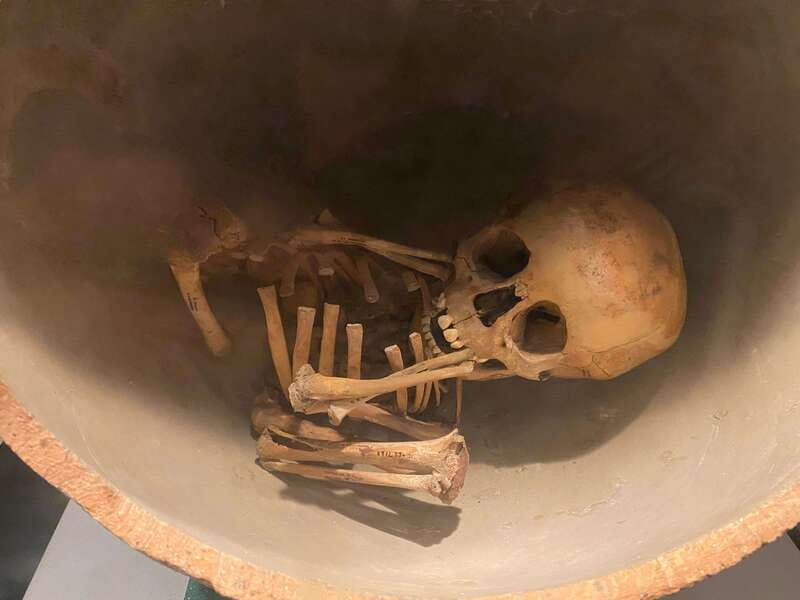
Review · MEXICO CITY
National Museum of Anthropology: a journey into Mexico’s past – English lang.
The most useful thing about this museum tour is its focus on meaning, not just dates and dynasties. Hector Balderas Iglesias uses animals, celestial symbols, clothing, murals, vessels, and stone carvings to explain how ancient Mexican peoples understood the world. I like the way this gives you a key for reading the museum instead of sending you from display to display with a pile of names to forget.
I also like two practical touches: Hector uses an iPad with reconstructions and historic images, and the private format lets him adjust the conversation to your interests. The drawback is clear: three hours on foot can mean a lot of standing, and the cosmological material is aimed at people aged 16 and older.
Key points to know before you book
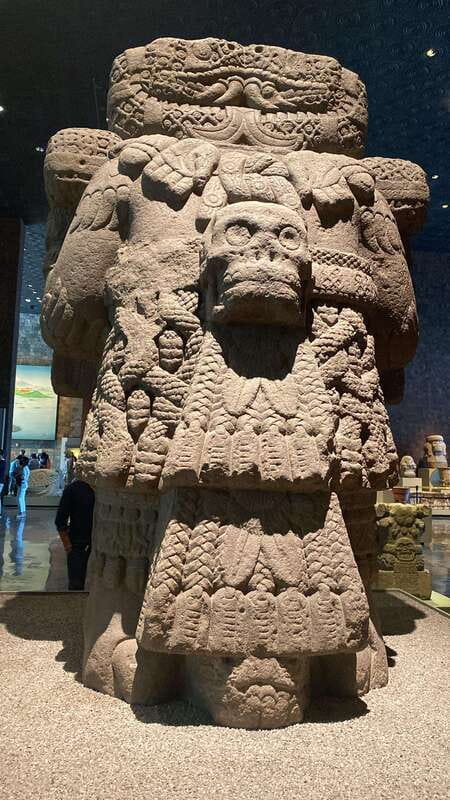
- Symbolism comes first: Learn why snakes, eagles, jaguars, the sun, and the moon appear so often in Mesoamerican art.
- Hector teaches interactively: He asks questions and helps you interpret glyphs and designs rather than simply reciting facts.
- Major galleries get the attention: The tour includes the Mural of Duality, the museum’s umbrella, Teotihuacan, Mexica, and the replica of Pakal the Great’s tomb.
- Useful visual aids: An iPad may add reconstructions, old photographs, artwork, and comparisons that make the objects easier to understand.
- Private and English-language: You get a live English guide in a private group, with some material presented in its original language.
- Plan for museum rules: Food, drinks, backpacks, large bags, selfie sticks, tripods, flash photography, and many other items are not allowed.
Why this museum needs a good guide
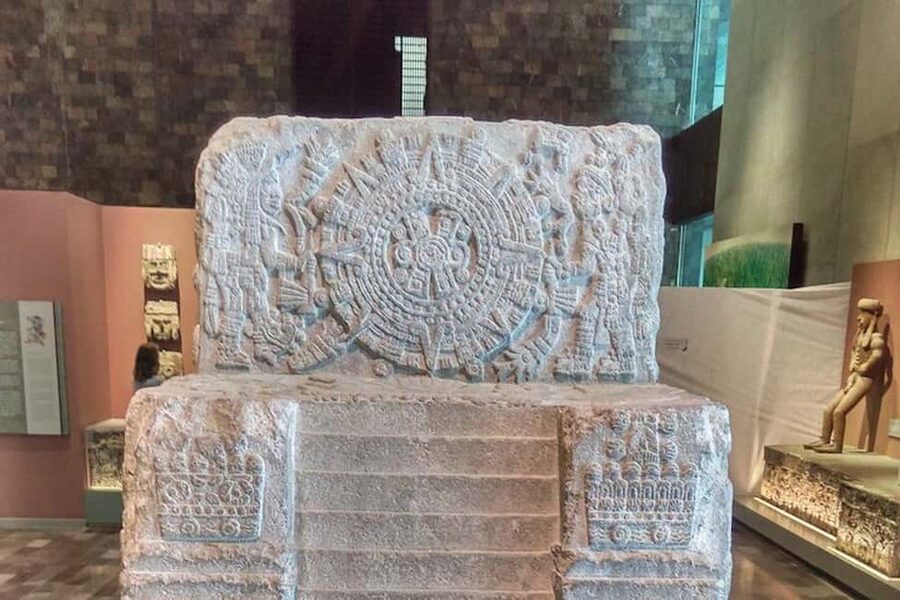
Mexico City’s National Museum of Anthropology is not a small, tidy collection you can absorb in an hour. It covers major cultures and long periods, with enormous stone monuments, delicate objects, murals, maps, models, and explanations spread through large galleries.
That scale is exciting, but it can also leave you wondering what deserves your attention. A guided visit helps you make choices. Instead of trying to read every label, you spend your time on the objects that explain how ancient Mexican societies thought about creation, nature, power, death, and social order.
The central idea here is worldview. You are not simply learning that an artifact is from the Mexica period or that a monument came from Teotihuacan. You are asked to consider why an animal was carved, why a celestial body mattered, or how an image expressed a society’s ideas about balance and opposing forces.
That approach gives the museum a clear thread. It also helps you remember what you saw after you leave. I find symbolism more useful than a long chain of dates because you can keep spotting it in architecture, public art, museum displays, and modern references around Mexico City.
More Museum Tours in Mexico City
- Xochimilco, Coyoacan and Frida Kahlo with Optional Lunch
★ 4.5 · 7,320 reviews - CDMX: Xochimilco, Coyoacan, Frida Kahlo Museum & Murals Tour
★ 4.4 · 3,025 reviews - Chapultepec Castle & Anthropology Museum Tour
★ 4.5 · 1,348 reviews
Meeting Hector at the Mexican flag
The meeting point is near the Mexican flag at the museum entrance in the Bosque de Chapultepec. You will need to make your own way there, since transport to the museum is not included.
The experience is a private three-hour walking tour in English. That matters because Hector can slow down when a symbol needs more explanation, answer questions, or connect the material to something that interests you. It also avoids the impersonal feel of a large group moving from room to room.
You should arrive ready to stand and walk. Comfortable shoes and comfortable clothing are sensible choices. The museum does not allow food or drinks, backpacks, luggage, large bags, plastic bottles, selfie sticks, drones, professional cameras, tripods, flash photography, or audio recording. The restrictions are extensive, so pack lightly and check the rules before you arrive.
The tour includes museum admission and the permanent exhibitions. It does not include meals, drinks, souvenirs, or transportation. The activity is wheelchair accessible, though the amount of walking and standing is still worth considering when planning your day.
The Mural of Duality and the first lesson
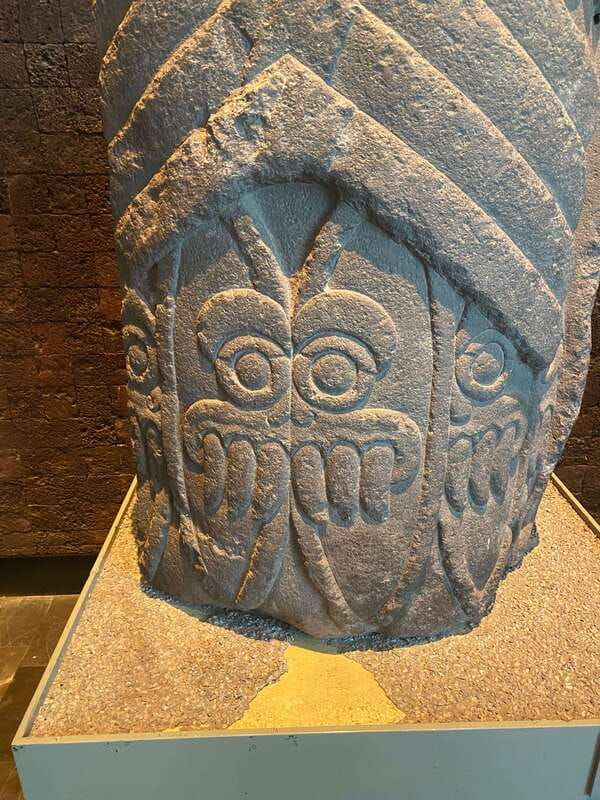
The Mural of Duality provides the tour’s opening lesson in worldview. Hector uses it to explain ideas of balance and opposing forces, helping you see how an image can carry several connected meanings at once.
This is a smart place to begin. If you start with individual artifacts and their labels, the museum can feel like a collection of separate objects. By beginning with a broader idea, you gain a way to read the details that follow.
Expect questions about what you notice rather than a simple speech. That interactive style is one of the strongest parts of the experience. You may be asked to look closely at a figure, a shape, or an arrangement and think about what it could express within the culture that created it.
The discussion also places ancient Mexican ideas beside concepts from other cultures when useful. This does not turn the tour into a general world-history class, but it can make an unfamiliar idea easier to grasp.
The museum’s umbrella and the larger picture
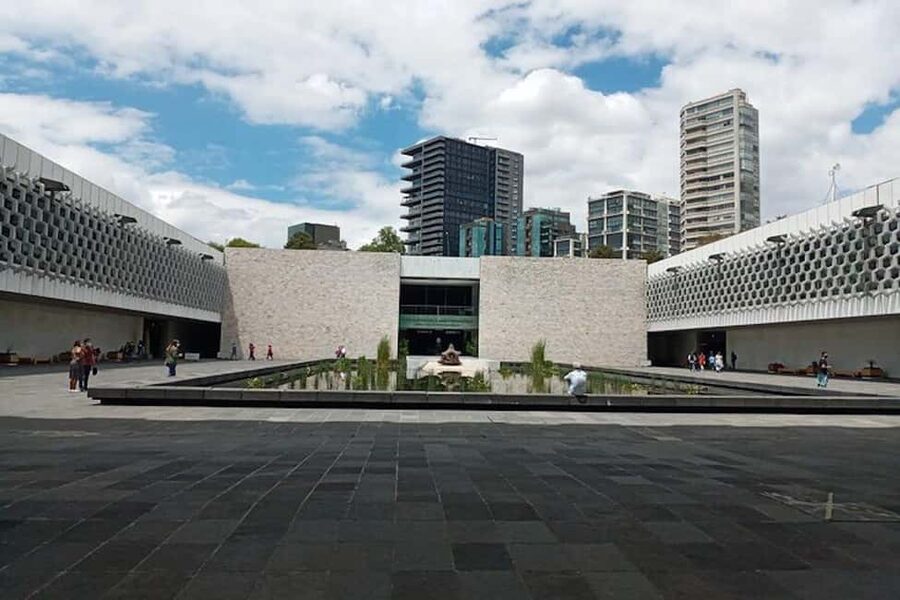
The museum’s famous umbrella is another stop for discussing worldview. It gives Hector a chance to connect the building, its setting, and the ideas represented inside.
This is a useful pause because it shifts your attention from individual objects to the museum as a whole. You begin to see that the visit is not only about old stones and display cases. It is also about how Mexico presents its Indigenous past and how different cultures are brought together under one roof.
The umbrella stop also gives the tour a change of pace. After looking closely at a mural or artifact, you step back and consider the larger setting. That movement between small details and broad ideas keeps the three hours from becoming a steady stream of dates and terminology.
More anthropology museums in Mexico:
- Anthropology Museum Guided Tour
★ 4.5 · 1,035 reviews - Mexico City: Anthropology Museum Guided Visit
★ 4.4 · 708 reviews - Mexico City: Chapultepec Castle and Anthropology Museum Tour
★ 4.5 · 637 reviews - Mexico City: Anthropology Museum Skip-the-Line Ticket
★ 4.4 · 502 reviews
Teotihuacan: reading a culture through objects
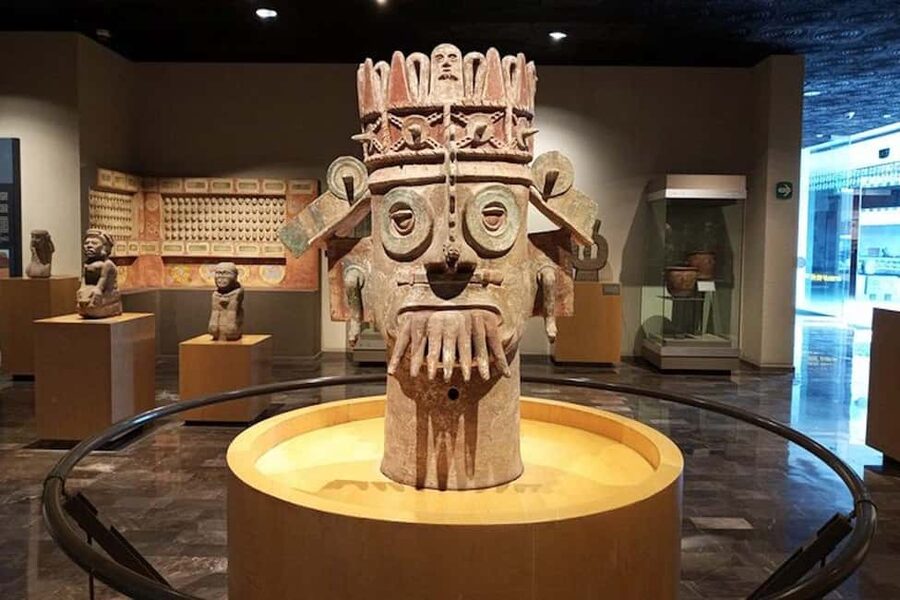
The Teotihuacan Room brings the discussion into a major cultural center of ancient Mexico. Hector explains the material on display through the symbolic system introduced earlier, so you are not left with isolated facts about buildings, objects, or religious imagery.
This is where the tour’s method becomes particularly useful. You might see animals, repeated motifs, or ceremonial forms that seem decorative at first. With context, those details become clues to how people understood nature, authority, the sacred, and the relationship between the human world and the heavens.
The experience does not promise a full survey of every gallery. That is a benefit as much as a limitation. Three hours is enough for a focused story, not for a complete inspection of the museum’s permanent collection.
If you want to see every room, you should plan additional museum time before or after the tour. The scheduled experience includes free time after the guided portion, giving you a chance to return to an object that caught your eye or visit areas not covered in the main route.
The Mexica Room and familiar symbols
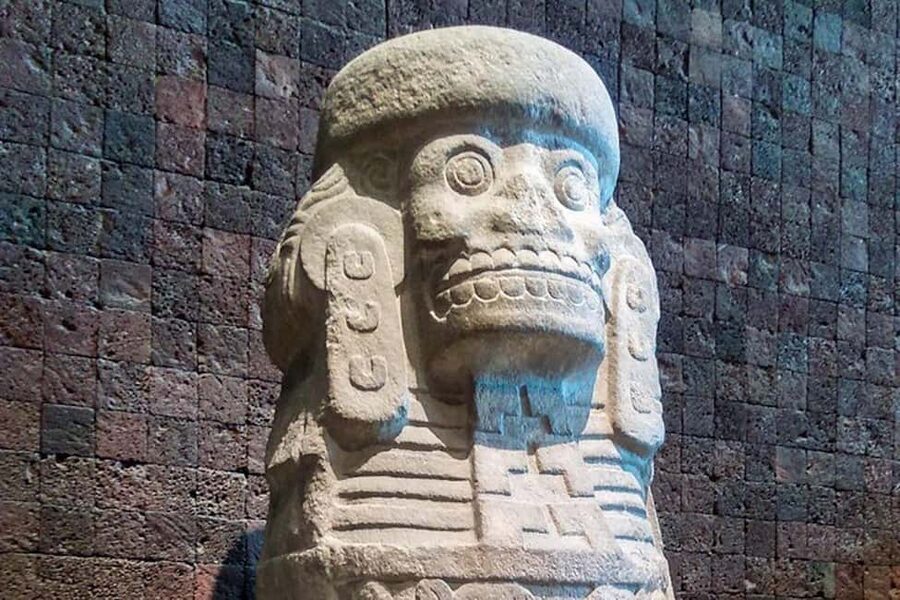
The Mexica Room is one of the most important stops, especially if you want to understand the culture often called Aztec in English. Hector explains the symbolism behind familiar images and objects, including the animals that appear in clothing, painting, vessels, and stonework.
The tour addresses questions many people have when first encountering Mesoamerican art. Why do snakes appear so often? Why are eagles and jaguars important? What do the sun and moon represent? Rather than treating these images as simple decoration, Hector connects them to the wider belief system.
You may also spend time looking at glyphs and less obvious details in the objects. A guide who points out a small feature can change the way you see an entire sculpture or relief. The use of a laser pointer, described as part of Hector’s approach, can help direct your attention without requiring you to crowd around a display.
This section is especially helpful if you plan to visit historic sites connected with the Mexica world later in your trip. The tour gives you background before you face another guide or a large archaeological site, so you can recognize symbols and ask better questions.
Pakal the Great and the Maya connection
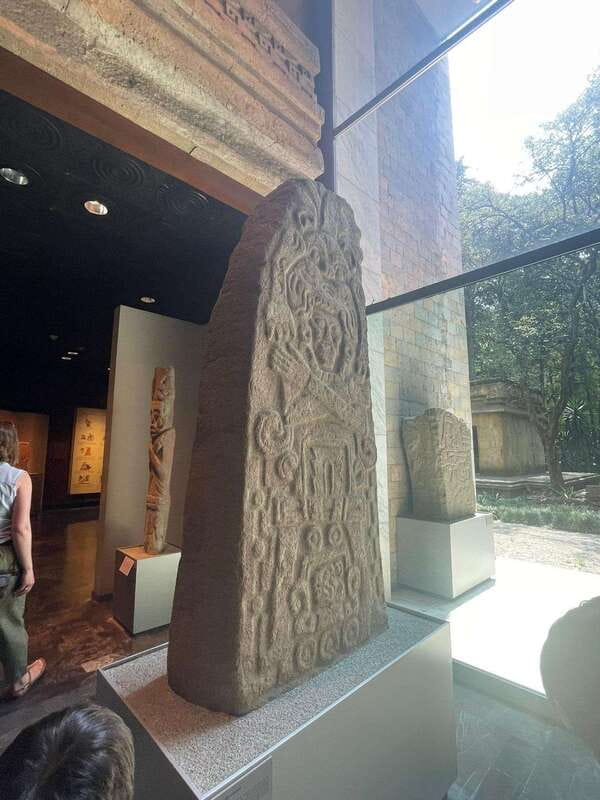
The replica of the tomb of Pakal the Great adds a Maya dimension to the route. Hector explains what you are seeing and places the tomb within the wider discussion of power, death, symbolism, and the afterlife.
A replica is not the same as standing before an original burial chamber, but it serves an important teaching purpose here. You can focus on the design and explanation without treating the object as a stand-alone curiosity. The tomb becomes another example of how architecture and imagery express a culture’s view of the universe and the human journey.
This stop also broadens the tour beyond a narrow Mexico City story. The museum brings together cultures from different parts of Mesoamerica, and the Maya material helps you compare ideas and artistic forms across societies.
The discussion of femininity in Mesoamerica is another part of the experience’s wider focus. The tour highlights the importance of feminine ideas and representations, adding balance to a subject often presented mainly through rulers, warriors, and monumental buildings.
Why Hector’s teaching style matters
The guide makes a large difference here. Hector is described as an enthusiastic teacher who explains difficult material in clear language and asks questions that help you work out what you are seeing.
His iPad adds another layer. It can show reconstructions, additional photographs, artwork, and images of how places or objects looked in another period. Seeing a reconstruction beside a museum artifact can make a worn carving or fragment easier to picture in its original setting.
The approach feels more like a class than a guided walk with a memorized script. That will suit you if you enjoy asking questions and thinking through ideas. If you prefer to move quickly, take photographs, and absorb information at your own pace, it may feel too talk-heavy.
I would book this early in a Mexico City stay. The explanations can give you useful background for other museums, archaeological sites, and city landmarks. You will also have time afterward to return to the galleries with a better sense of what you are looking at.
Is $75 a fair price?
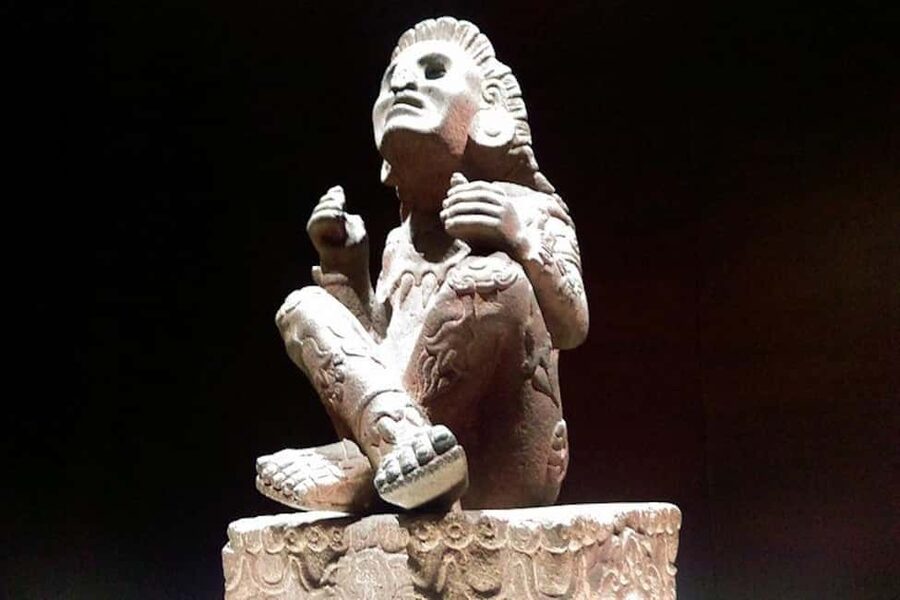
The price is $75 per person for three hours, including admission to the museum’s permanent exhibitions. That is more than entering the museum on your own, so the value depends on how much help you want with interpretation.
For a private English tour, the price is easier to justify if you are traveling with a small group and would otherwise hire separate guiding. You are paying for a focused route, a live guide, explanations of symbolism, and the chance to ask questions throughout.
I would not choose it simply to see the museum quickly. You can walk through a museum on your own, and three hours will not cover every room in detail. I would choose it if you want to understand why the objects look the way they do and how different cultures expressed their ideas through art and ritual.
The free time after the guided section improves the value. You are not forced to leave as soon as the explanation ends. You can use that time to revisit the Mexica or Teotihuacan rooms, look for details Hector pointed out, or see parts of the permanent collection that were not included in the main route.
Who should book this experience?
This tour suits adults and older teens aged 16 and above who enjoy museums, history, visual symbolism, and discussion. It is a good fit if you have tried reading museum labels on your own and felt that you were missing the larger point.
It is also useful for first-time visitors to Mexico City who want a strong introduction to ancient Mexican cultures. The focus is not only on chronology, so you leave with ideas you can use elsewhere.
You should think twice if you dislike standing, prefer a quiet self-guided visit, or want to cover every gallery. The tour is designed around explanation and conversation, not maximum room count.
Some content is presented in its original language, so you should expect that not every element will be translated into a simplified modern presentation. The goal is understanding a different worldview, not persuading you to adopt it.
Should you book the National Museum of Anthropology tour?
Book it if you want the museum to make sense rather than simply look impressive. Hector’s focus on cosmology, animals, celestial symbols, glyphs, femininity, and balance gives the visit a clear purpose.
I would especially recommend booking it near the start of your Mexico City trip, then using the included free time to explore on your own. Bring comfortable shoes, leave bulky items behind, and allow for several hours of standing.
Skip it if your main goal is a fast visit or unrestricted photography. For everyone else, $75 buys more than entry. It buys a framework for understanding one of Mexico City’s most important museums, and that can change how you see ancient Mexican art long after you leave.
FAQ
Where does the tour begin?
It begins near the Mexican flag at the entrance of the National Museum of Anthropology in the Bosque de Chapultepec.
How long does the experience last?
The guided experience lasts three hours. Free time at the museum follows the guided portion.
What language is the tour offered in?
The live tour guide speaks English. Some content is shown in its original language.
Is admission to the museum included?
Yes. The price includes admission to the museum and its permanent exhibitions.
Is the tour private?
Yes. The activity is offered for a private group.
What exhibits and areas are included?
The route includes the Mural of Duality, the museum’s umbrella, the Teotihuacan Room, the Mexica Room, and a replica of the tomb of Pakal the Great.
Is the tour suitable for children?
No. It is not suitable for children under 16 because of the cosmological explanations.
What should I bring?
Bring comfortable shoes and comfortable clothing. The tour takes place on foot and includes extended periods of standing.
Can I cancel the booking?
You can cancel up to 24 hours in advance for a full refund. A reserve-now-and-pay-later option is also available.
Just added around Mexico
- DeLuxe Cliff Divers+Sunset Exhibition byNight w/Different Options★ 5.0 · 64 reviews
- Historical Immersion 6Hrs San Diego Fort Museum Divers Lunch★ 5.0 · 15 reviews
- Riviera Maya: Frida Kahlo Museum Guided Tour 2025★ 4.1 · 54 reviews
- Mexico City: Tequila and Mezcal Museum Tour with Tasting★ 4.8 · 301 reviews
- Mexico City tour & Anthropology Museum Tour★ 4.4 · 34 reviews
- Mexico City: MUCHO Museum of Chocolate Entrance Ticket★ 4.6 · 91 reviews
- Mexico City: National Museum of Anthropology Private Tour★ 4.4 · 12 reviews
- Mexico City: Anthropology Museum Skip-the-Line Ticket★ 4.4 · 502 reviews
Museum Tours in Mexico City, compared.
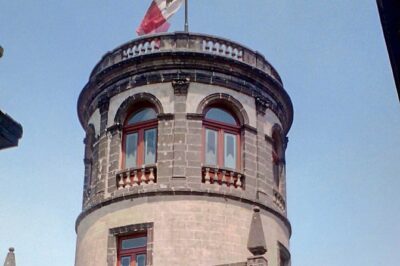
Chapultepec Castle & Anthropology Museum Tour
Read our review →
Frida Kahlo VIP [Museum Tickets Included] Bike, Markets & Churros
Read our review →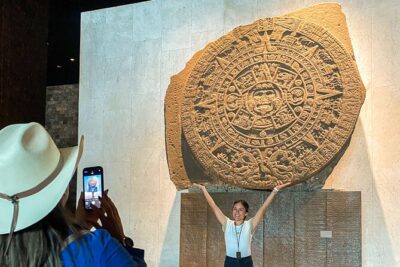
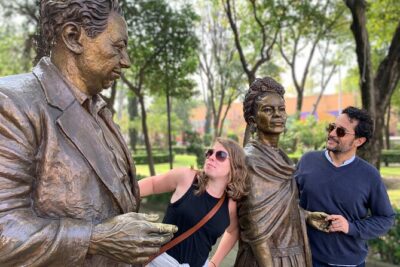
Frida Kahlo VIP [Museum Tickets Included] Walk, Markets & Churros
Read our review →
EXCLUSIVE TOUR Frida Kahlo Museum – SMALL GROUPS
Read our review →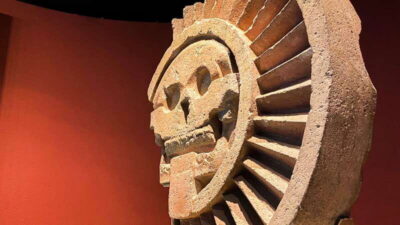
Frida Kahlo Museum Entry Ticket w/Digital Guide
Read our review →
Chapultepec Castle and Anthropology Museum Tour
Read our review →Browse the lists this tour appears in