
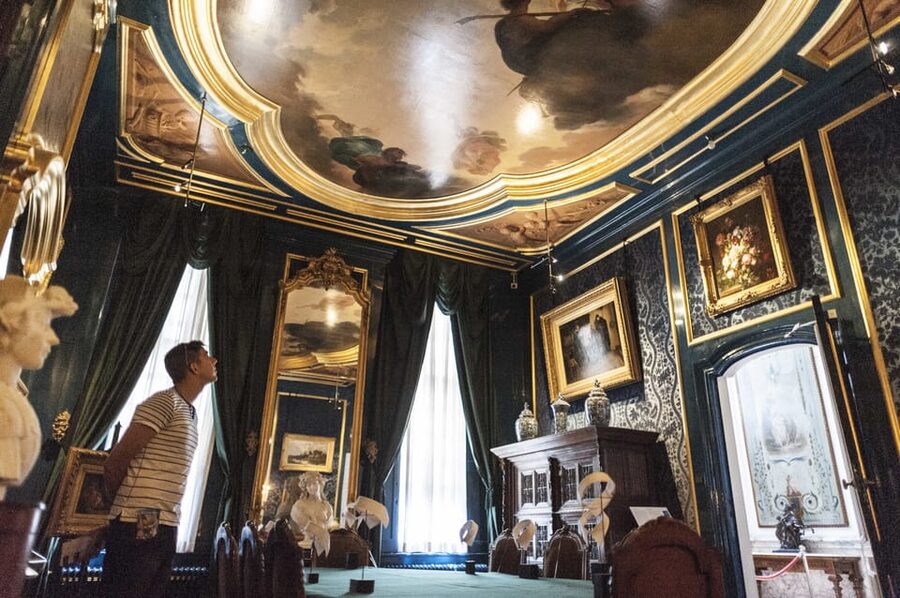
Review · AMSTERDAM
Amsterdam: Canal House Museum ‘Willet-Holthuysen’ Ticket
The best part of Museum Willet-Holthuysen is that you enter a real Amsterdam canal house, not a recreated room set. You move from the Louis XVI ballroom and formal salons to the basement kitchen, seeing both the owners’ polished world and the servants’ working quarters. I like the elegant garden and the chance to view paintings, silver, ceramics, and furniture exactly where a wealthy family lived. The self-guided format also lets you linger over the rooms that catch your eye.
I especially like the included audio guide, available in seven languages, and the freedom to explore at your own pace. The main drawback is that a temporary exhibition may compete with the house tour: loud audio from one installation has made it harder for some people to hear their guide.
Key points at a glance
- A genuine canal house interior: See how a wealthy 19th-century Amsterdam couple lived inside a grand 17th-century double house.
- Rooms with a clear social divide: The ballroom, dining room, and salons contrast sharply with the basement kitchen and pantry.
- A formal garden in the city center: The 18th-century French-style garden brings historic trees and plants into the tour.
- Audio-led and flexible: Choose your own pace and select the stops you want to hear about in English, Spanish, Dutch, French, German, Italian, or Russian.
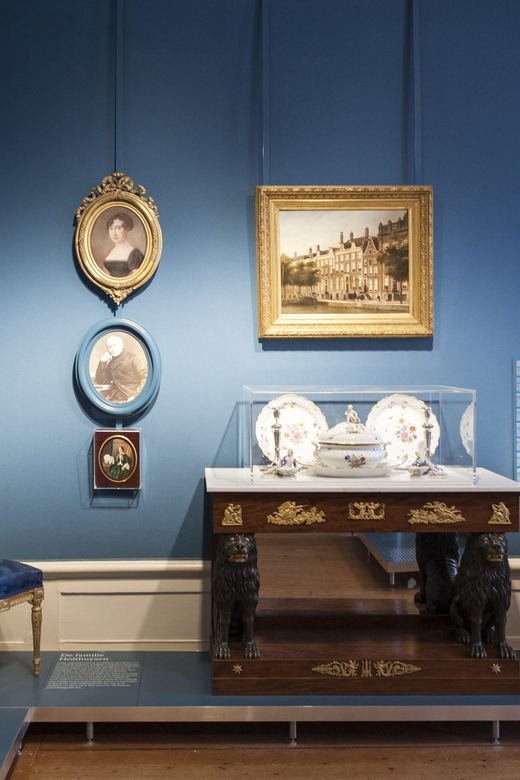
- Art still in its original setting: Abraham Willet’s collection includes paintings, furniture, silver, ceramics, sculptures, and photographs.
- A few access limits: The museum is not suitable for wheelchair users, and temporary displays can sometimes distract from the main house tour.
Entering a wealthy family’s canal house
Museum Willet-Holthuysen sits at Herengracht 605, on one of Amsterdam’s famous canals. From the street, you see the familiar narrow canal-house facade. Inside, the scale changes quickly. This is a double canal house, built in the 17th century and later furnished for an affluent couple in the 19th century.
That contrast is the heart of the visit. Amsterdam’s canal houses often hide their largest rooms behind modest street fronts. Here, you get to see how the space unfolds beyond the entrance, with formal rooms, private salons, service areas, and a garden arranged behind the house.
The building became a museum after Mrs. Willet left it to the city of Amsterdam in 1895. She also left the art collection of her late husband, Abraham Willet. Because the furniture and art are presented as part of the home, the museum gives you more than a list of objects. You can consider how the collection worked within daily life, entertaining, family routines, and household status.
This is a good stop for you if you have already admired Amsterdam’s canal houses from the outside and want to understand what was behind those tall windows. It also works well if you prefer a smaller historic house museum to a large art museum.
More Museum Tours in Amsterdam
- Amsterdam: The Upside Down Museum Entrance Ticket
★ 4.4 · 9,506 reviews - Amsterdam: Red Light Secrets Museum Entry Ticket
★ 4.2 · 5,722 reviews - Amsterdam’s Weirdest Museum: Ripley’s Believe It or Not!
★ 4.5 · 4,920 reviews
The ballroom and formal rooms upstairs
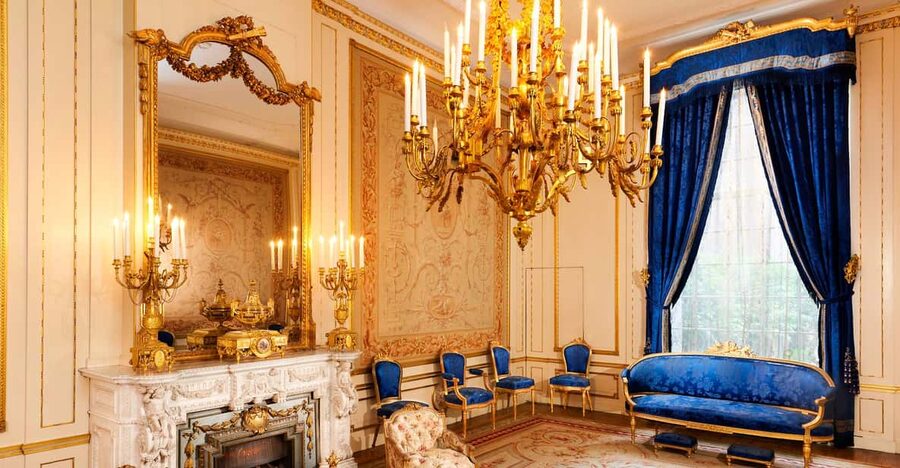
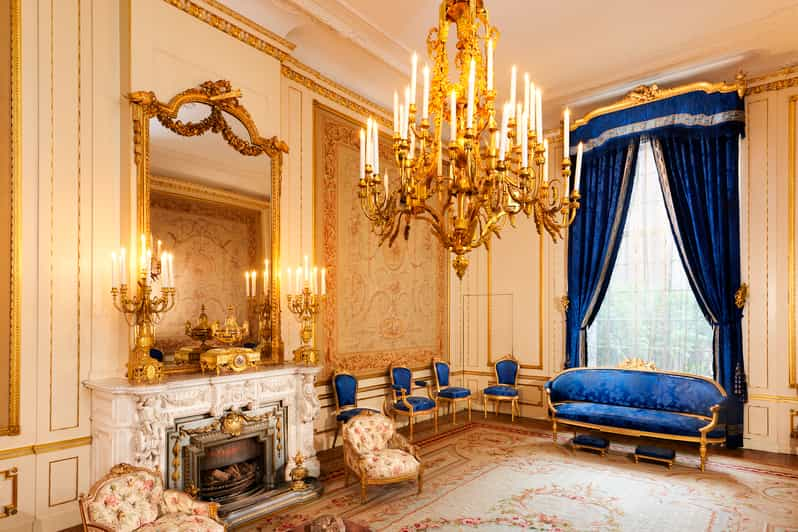
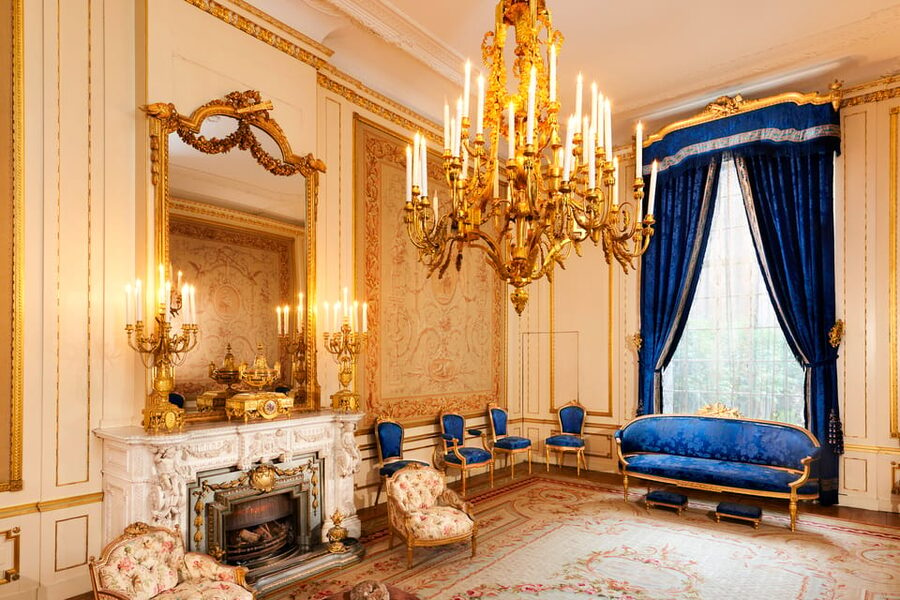
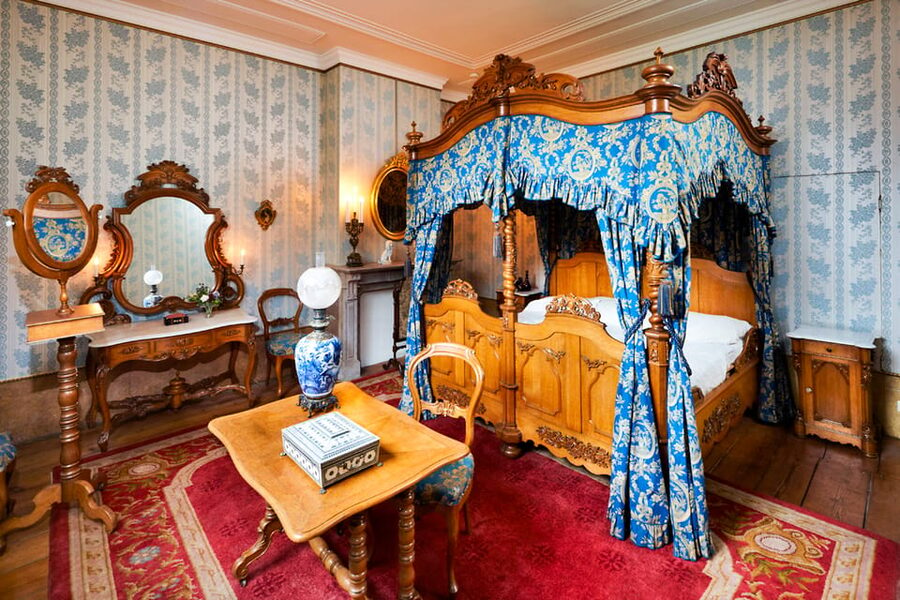
Begin on the first floor, where the most impressive rooms are arranged for display and entertaining. The ballroom is decorated in the Louis XVI style, with the symmetry and ornament you would expect from a formal reception room.
Take your time here. The room helps explain the difference between a private Amsterdam home and a house designed to receive guests. Furniture, decorative objects, and paintings were not placed at random. Together, they created an image of taste and wealth.
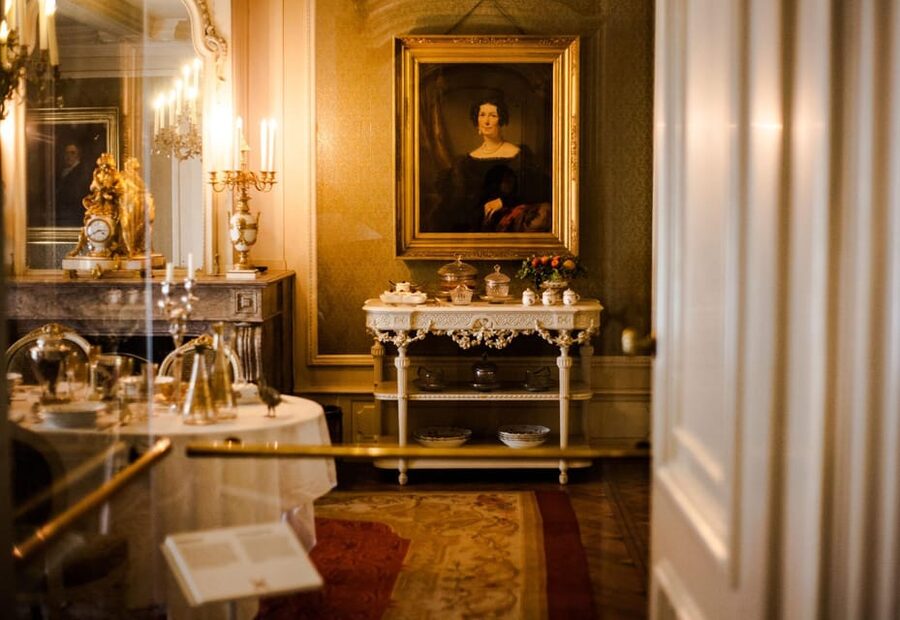
From the ballroom, continue to the dining room and the salons used by the man and woman of the house. These rooms give the tour a more personal rhythm. The dining room points to formal meals and social duties, while the separate salons suggest that different parts of the household had different uses and moods.
I find the room-by-room progression more useful than simply seeing a collection in glass cases. You can connect the objects with the spaces around them. Antique furniture seems less abstract when you see how it filled a home, and silver and ceramics make more sense when placed near a dining room rather than grouped only by type.
The main tradeoff is that the museum’s temporary exhibition can change the tone of some rooms. A carefully designed modern display may add interest, but an audio installation can be distracting. If the temporary exhibit is using sound, you may need to pause in a quieter spot or focus on the printed information points.
Abraham Willet’s art and objects
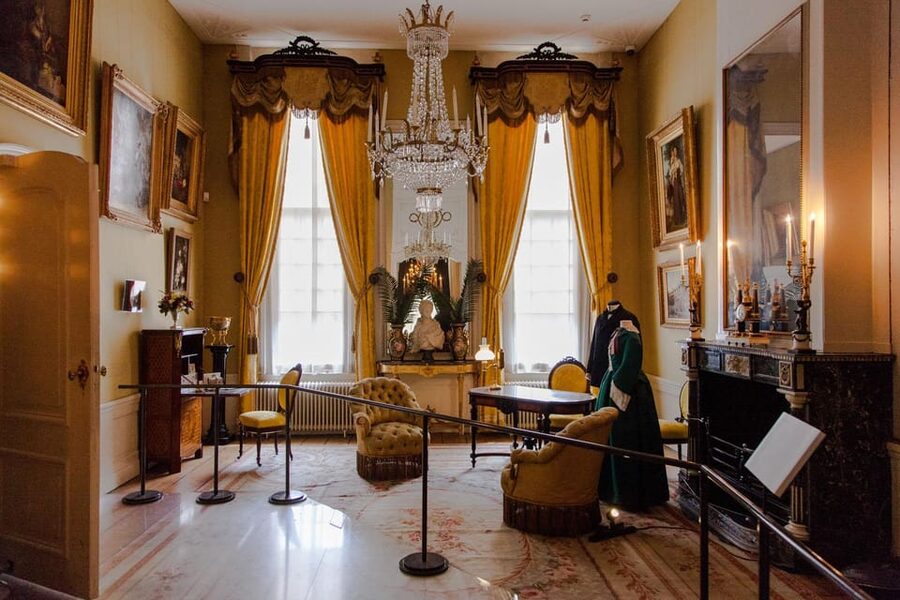
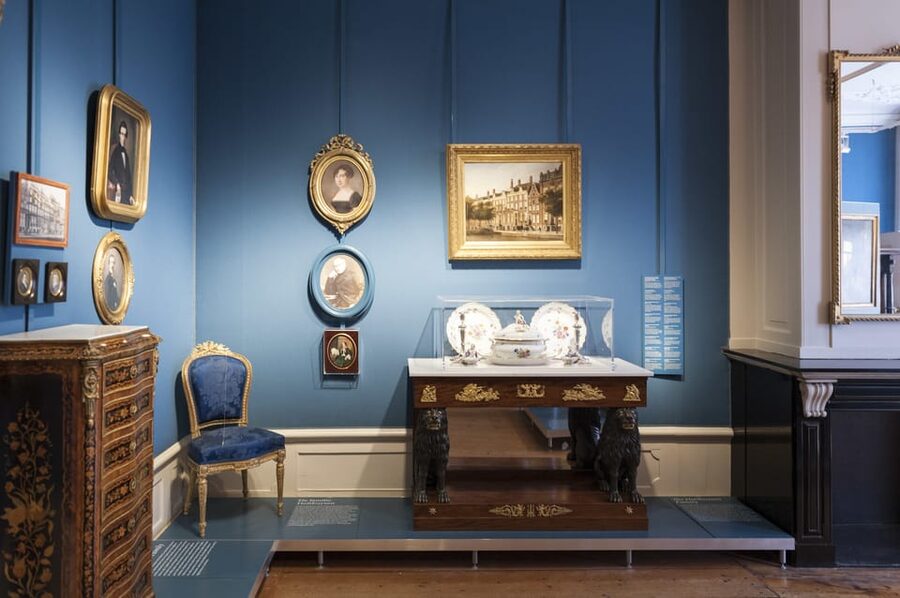
The collection includes paintings, antique furniture, silver, ceramics, sculptures, and photographs. You will not see every object in the same way or at the same level of detail, so the audio guide is useful for deciding where to stop.
The house is particularly good at showing how collecting worked for a wealthy 19th-century family. Art was not simply stored away. It helped shape the mood and identity of the rooms. A painting, a piece of silver, or an ornate chair could also signal education, taste, and social position.
The photographs add another layer. They help connect the house and its occupants with a period when photography was becoming an important way to record people, interiors, and possessions. If you tend to rush through decorative arts, this is a place to slow down and compare the objects with the rooms around them.
You can move at your own pace rather than follow a live group. That matters here because the collection rewards selective attention. You might spend longer in the ballroom, then move more quickly through a room that does not interest you. The audio guide lets you choose which stops to hear instead of forcing a fixed lecture on the entire house.
The guide is available in English, Spanish, Dutch, French, German, Italian, and Russian. Dutch and English are also listed among the host languages. The audio format makes the visit easy to manage for people who like independent sightseeing, though it also means you do not have a staff member continuously explaining the house as you move through it.
The garden behind the house
The garden is one of the strongest reasons to include this museum in an Amsterdam day. After the formal interior rooms, you step into a green space laid out in an 18th-century French style.
Its design gives you another clue about the Willets’ social world. A formal garden is not simply a patch of plants behind the house. Its layout, symmetry, trees, and planting choices were part of the overall presentation of the property.
The garden also changes the pace of the visit. Inside, you are looking at furniture, art, and architectural details. Outside, you can step back and see how the house, garden, and canal-side setting worked as one residence.
The museum explains how historic trees and plants were used in the garden. This is especially worthwhile if you enjoy historic gardens, but you should keep your expectations measured. The attraction is a compact urban canal-house garden, not a large country estate. Its value comes from its setting and design rather than size.
For me, this is the part that helps the house feel complete. Without the garden, you would mainly understand the rooms. With it, you get a clearer sense of how the owners arranged their entire home, from formal interiors to an outdoor retreat in central Amsterdam.
A few more museum visits around Amsterdam worth comparing
- Amsterdam: Van Gogh Museum Ticket and City Canal Cruise
★ 4.6 · 3,899 reviews - Amsterdam: Van Gogh Museum Ticket & Canal Cruise
★ 4.5 · 3,304 reviews - Amsterdam: NEMO Science Museum Ticket
★ 4.4 · 2,979 reviews - Moco Museum Amsterdam Admission Ticket with Banksy and more
★ 4.0 · 1,745 reviews
The kitchen and pantry tell another story

The basement is where the museum shifts attention away from the owners and toward the servants. The kitchen and pantry show the less polished side of life in a grand canal house.
This is an important part of the visit because the formal rooms can make wealth look effortless. The basement reminds you that meals, entertaining, cleaning, and household routines depended on staff working out of sight.
You may find the contrast more informative than the decorative rooms themselves. Upstairs, the house presents elegance. Downstairs, the kitchen and pantry point to labor, storage, preparation, and the practical systems required to maintain that elegance.
The route through the house therefore has a useful social structure. You begin with public rooms, move through more private spaces, visit the garden, and then see the service areas. It gives you a sense of how different people occupied the same address.
How the audio guide changes your visit
The audio guide is included in the ticket, and it is one of the most useful practical features. You can select the stops you want to hear and continue when you are ready. That makes the experience suitable for mixed groups, since one person can listen closely while another looks around.
I would use the guide selectively rather than play every recording automatically. Start with the rooms that interest you most, then add detail as you go. The museum’s information points also help, so you are not dependent on audio alone.
The self-guided setup gives you control, but it has limits. There is no named personal guide leading the visit, and you cannot ask a live guide to explain a particular object in the moment. If you enjoy wandering quietly and setting your own pace, that is a benefit. If you want a lively group story with questions and conversation, this may feel more subdued.
One practical warning concerns temporary exhibitions. The museum sometimes places modern art displays or sound installations throughout the house. These can add a fresh reason to return, but loud audio may overlap with the house guide. If you find that happening, rely on the information points for a few rooms or wait for a quieter moment.
Is the $18 ticket a good value?
At $18 per person, this is not the cheapest museum stop in Amsterdam, but the ticket includes the full house visit and audio guide. You are paying for access to a preserved canal-house interior, a collection of decorative and fine art, a historic garden, and the basement service spaces.
The value is strongest if you care about domestic history, architecture, furniture, or the social life of wealthy Amsterdam. It is less compelling if you only want a large collection of famous paintings. This is a house museum first, with art supporting the story of the residence.
The ticket is valid for one day, and the experience does not lock you into a short guided time slot. Check the available starting times before booking, especially if you are fitting the museum between other Amsterdam plans.
Free cancellation up to 24 hours in advance and the option to reserve now and pay later add useful flexibility. Meals and drinks are not included, though that is not a serious issue for a museum visit in central Amsterdam. Plan to eat separately.
The overall rating is 4.3 from 194 reviews, which fits the experience: strong for its setting, historic rooms, and audio guide, with some variation depending on the temporary exhibition and access needs.
Who should visit Museum Willet-Holthuysen?
I would recommend this museum to you if you enjoy:
- Historic houses and period interiors
- Amsterdam architecture beyond the canal views
- Decorative arts, furniture, silver, and ceramics
- Small museums that you can explore independently
- Historic gardens in an urban setting
- Social history, including the lives of servants and household staff
Families with older children may also find the rooms easier to understand than a traditional art gallery because the house has a clear sequence and purpose. The basement kitchen can help younger visitors picture how a large home functioned.
Art specialists may want to check the temporary exhibition before visiting. The modern displays can add variety, but they may also take attention away from the permanent house route. If your main goal is to see an undisturbed historic interior, this is worth considering.
The museum is not suitable for wheelchair users, so access needs should be checked before you book. Smoking is not allowed.
My call on this canal-house ticket
Book Museum Willet-Holthuysen if you want to see the inside of a grand Amsterdam canal house and understand how its owners and servants used the building. The formal rooms, garden, and basement make a more complete story than a quick look at one decorated salon.
I would pair it with a canal walk rather than another large museum. Look at the exteriors along the Herengracht, then visit this house to see what those grand facades concealed. At $18, the ticket is fair for a self-guided historic house with an audio guide, though art lovers seeking major masterpieces should choose a larger art museum instead.
Go for the architecture, domestic history, garden, and sense of place. Just keep the temporary exhibition in mind, and do not book if wheelchair access is essential.
FAQ
Where is Museum Willet-Holthuysen located?
The museum is at Herengracht 605 in Amsterdam, North Holland.
What does the ticket include?
The ticket includes entrance to Museum Willet-Holthuysen and an audio guide.
How long is the ticket valid?
The ticket is valid for one day. Available starting times should be checked when you book.
Is an audio guide included?
Yes. The audio guide is included with the entrance ticket.
Which languages are available for the audio guide?
The audio guide is available in Spanish, English, Dutch, French, German, Italian, and Russian.
Can I explore the museum at my own pace?
Yes. The visit is self-guided, and you can choose which stops you want to hear about through the audio guide.
Is the museum suitable for wheelchair users?
No. The experience is listed as not suitable for wheelchair users.
Can I cancel my booking?
You can cancel up to 24 hours in advance for a full refund.
Are meals and drinks included?
No. Meals and drinks are not included in the ticket.
Just added around Amsterdam
- Van Gogh Museum Tour excluding Entrance Tickets★ 5.0 · 16 reviews
- Van Gogh Museum Entry Ticket and Guided Tour★ 4.5 · 48 reviews
- Van Gogh Museum with Audio Guide★ 3.5 · 80 reviews
- Amsterdam: Explore the Van Gogh Museum & His Masterpieces★ 3.5 · 64 reviews
- Van Gogh Museum Skip the Queue with Audio Guide★ 4.0 · 261 reviews
- Amsterdam Van Gogh Museum with Audio or Guided Tour★ 4.0 · 266 reviews
- Van Gogh Museum, Rijks Museum & Walking Tour – Private Day Tour★ 5.0 · 17 reviews
- Van Gogh Museum Ticket with Audio Guide and Unlimited Access Time★ 5.0 · 25 reviews
Museum Tours in Amsterdam, compared.


Amsterdam’s Weirdest Museum: Ripley’s Believe It or Not!
Read our review →


Van Gogh Museum Amsterdam Exclusive Tour w/ Reserved Entry
Read our review →
Moco Museum Amsterdam Admission Ticket with Banksy and more
Read our review →Browse the lists this tour appears in