
Review · THE NETHERLANDS
Middelburg: Zeeuws Museum Entry Ticket
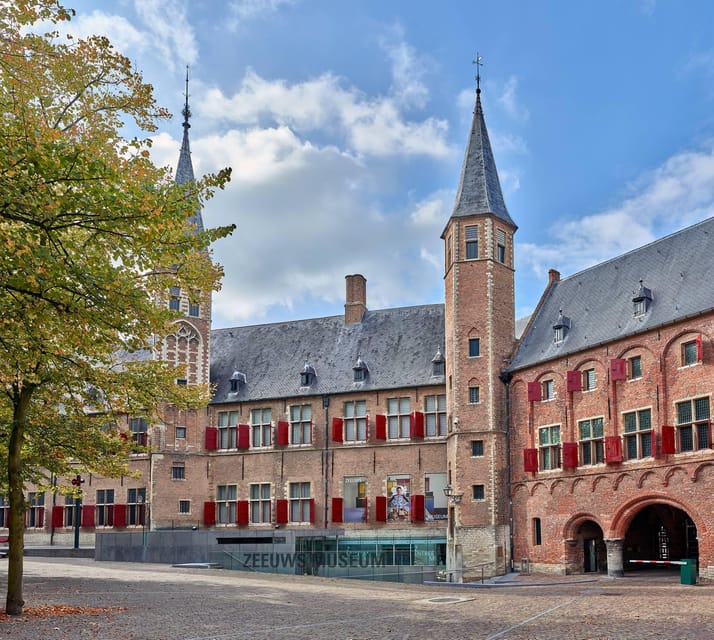
The Zeeuws Museum puts Zeeland’s story inside a former abbey, where naval battles, regional dress, archaeological finds, jewelry, and objects from distant countries share the same rooms. It is less a single march through time than a collection of surprising connections between local life and the wider world.
I like the woven naval battle scenes from the Eighty Years’ War, and I like the strong focus on jewelry and regional costume. Those displays give the museum a clear sense of place, rather than presenting Zeeland as a few old maps and ship models.
The main drawback is that the museum has a large collection, but not every part of it will necessarily be open on your visit. One recent visit found an entire floor closed, and the reception desk was not especially helpful with online check-in. Check current conditions if a particular exhibition matters to you.
Key points to know before you go
- Former abbey setting: The museum occupies a historic building in Middelburg, giving the visit a memorable setting before you reach the displays.
- Thirty thousand objects: The collection covers archaeology, art, costume, jewelry, porcelain, silver, and objects brought home by Zeelanders.
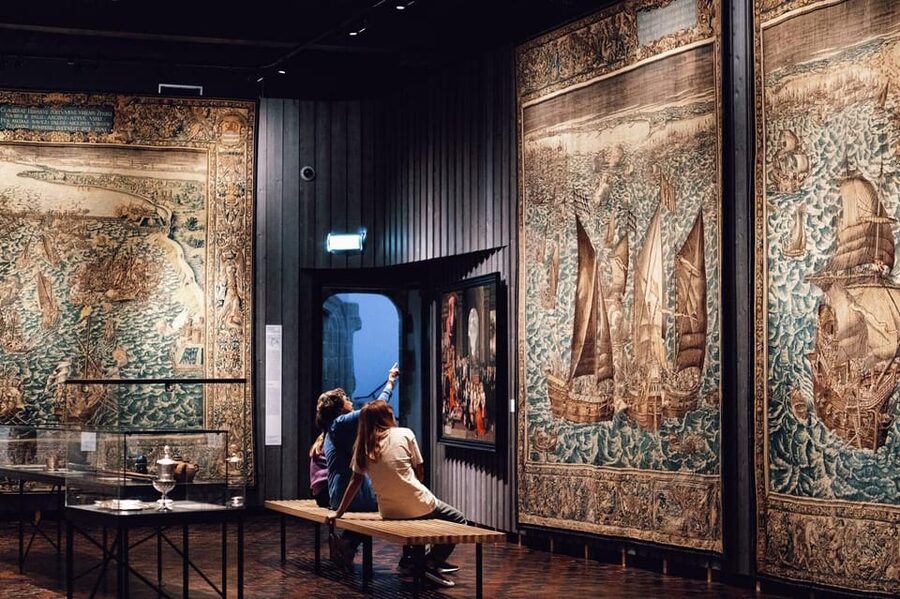
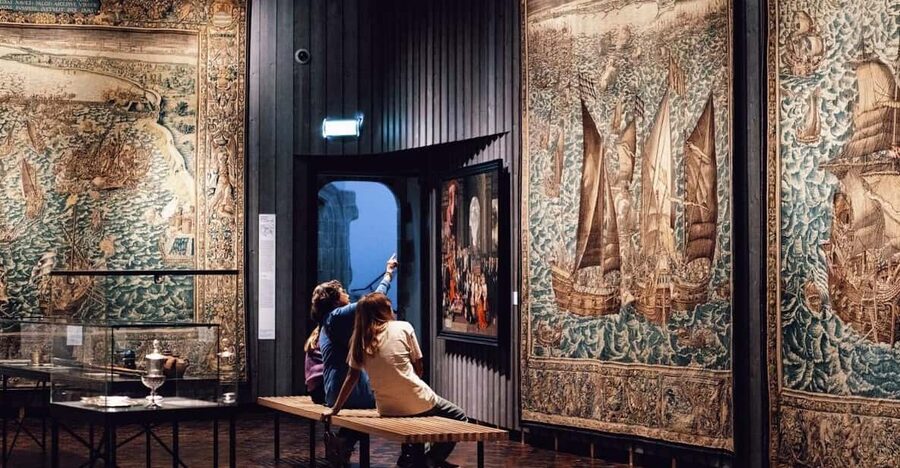
- Naval history in visual form: Large woven scenes show battles from the Eighty Years’ War rather than leaving the subject to small labels alone.
- Fashion with local roots: Changing exhibitions use regional costume and jewelry to explore Zeeland identity in a fresh way.
- Self-guided visit: Your ticket includes admission only. There is no guide, so you set your own pace.
- Practical access limits: Wheelchairs are welcome within a maximum turning circle of 150 centimeters, but mobility scooters and bags are not allowed.
Why the former abbey matters
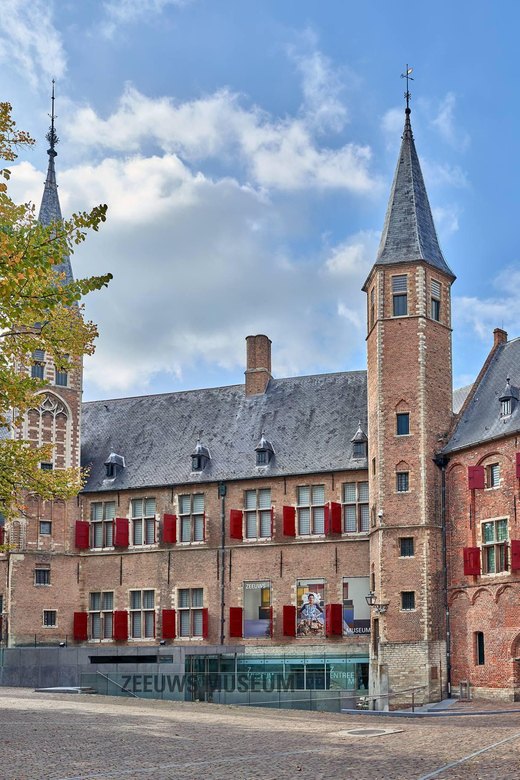
The building is part of the experience. The Zeeuws Museum is based in a former abbey, so you begin with a sense of age and place before looking at the collection itself. That matters in Middelburg, a city where Zeeland’s past is not locked away in a distant historical site. It is part of the streets, buildings, and regional identity around you.
A former religious building also suits the museum’s wide range of subjects. You might move from archaeology to clothing, from battle scenes to porcelain, and from silverwork to objects carried back from faraway places. The setting gives these unrelated objects a common home.
This is not a guided walk through the abbey. Your $19 ticket provides entry to the museum, and you explore independently. I see that as a benefit if you like to stop for a long look at jewelry or move quickly through a display that interests you less. It also means you should not expect a guide to explain every room or connect every object for you.
A few more museum visits around the Netherlands worth comparing
- Amsterdam: Van Gogh Museum Ticket
★ 4.7 · 52,054 reviews - Moco Museum Amsterdam Entrance Tickets with Banksy & More
★ 4.4 · 10,088 reviews - Amsterdam: The Upside Down Museum Entrance Ticket
★ 4.4 · 9,506 reviews
The main collection: Zeeland beyond the postcard
The museum’s collection contains about 30,000 objects connected with Zeeland’s culture and history. That does not mean you will see all 30,000 in one visit. Instead, the museum draws from this large store of material for exhibitions that change over time and link older objects with present-day questions.
The most useful way to approach the core exhibition is to think about how Zeelanders lived, worked, dressed, traveled, and understood their home region. You can expect a mix of archaeological finds, art, household objects, clothing, decorative pieces, and items brought back from abroad.
That last category gives the collection extra interest. Zeeland’s story is not only about what was made locally. It is also about what Zeelanders encountered elsewhere and chose to bring home. An imported object can reveal trade, travel, taste, wealth, curiosity, or family history.
I like this approach because it avoids making regional culture feel sealed off. Zeeland is presented as a place shaped by both local customs and outside contact. The result is more useful than a simple display of old things labeled by date.
The museum also works with artists, designers, and local communities. Its stated purpose is to keep heritage active through shared stories, techniques, and new ways of looking. You may find that some displays feel more experimental than a conventional history museum. If you prefer objects with a clear date and long label, give yourself time to read. If you enjoy connections between old material and current life, the changing exhibitions may be the stronger part of your visit.
Naval battles shown in woven scenes
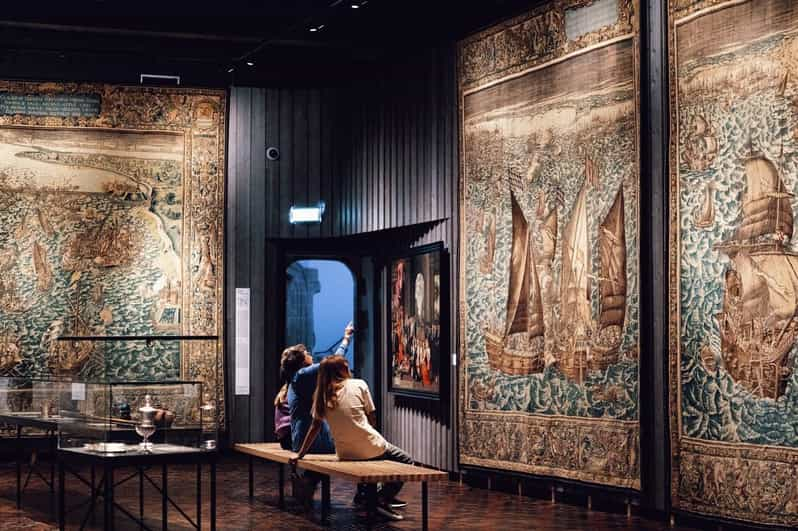
One of the clearest highlights is the display of naval battles from the Eighty Years’ War on large woven wall hangings. These are not just military illustrations. They show how war, water, power, and regional identity could be presented through art.
The Eighty Years’ War shaped the Dutch revolt against Spanish rule, and naval conflict was central to the story. In a maritime province such as Zeeland, battles at sea are especially relevant. The woven scenes let you study ships, movement, and the visual language used to celebrate victory or record conflict.
You will get more from these works if you slow down. Look beyond the broad battle scene and notice how the image is arranged. Large historic wall hangings can contain a great deal of information in one view, and they reward patience more than a quick photograph.
The drawback is simple: the supplied information does not specify how many of these works are on display or how long that presentation will remain. If naval history is your main reason for visiting, check the current exhibition details before you go.
Regional costume and jewelry
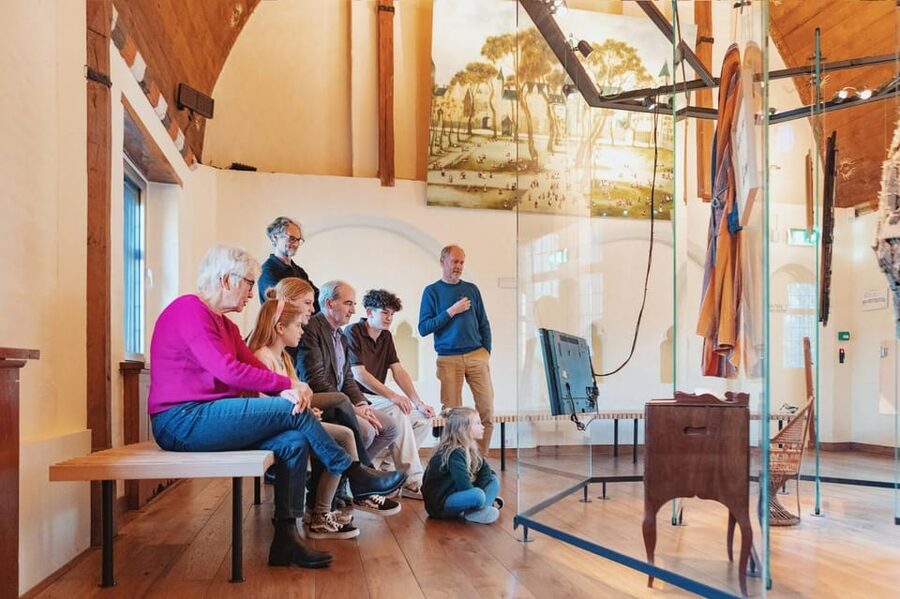
The museum’s fashion exhibitions focus on regional costume and jewelry, and this is one of the safest choices for visitors who want something visually immediate. Clothing shows more than what people wore. It can point to age, status, community, religious practice, ceremony, and local taste.
Jewelry adds small-scale detail. A close look at a brooch, clasp, or ornament can reveal design choices that a broad costume display might miss. One especially positive response to the museum focused on the jewelry collection, calling it beautiful and fascinating. That fits the strength of this subject: jewelry gives you something precise to study, even if you only have a short time.
The fashion displays are dynamic rather than fixed forever. The museum uses the regional costume collection as a starting point for new exhibitions, so the presentation can change and may connect old clothing with contemporary design or questions of identity.
This is also an area where you should allow for a little uncertainty. A changing exhibition may not show the same objects every time you visit. If you have already seen the museum, the fashion section may still give you a reason to return.
Same city, a completely different collection:
- Amsterdam: Red Light Secrets Museum Entry Ticket
★ 4.2 · 5,722 reviews - Amsterdam’s Weirdest Museum: Ripley’s Believe It or Not!
★ 4.5 · 4,920 reviews - Amsterdam: Van Gogh Museum Ticket and City Canal Cruise
★ 4.6 · 3,899 reviews - Amsterdam: Rembrandt House Museum Entrance Ticket
★ 4.7 · 3,385 reviews
Porcelain, silver, archaeology, and objects from abroad
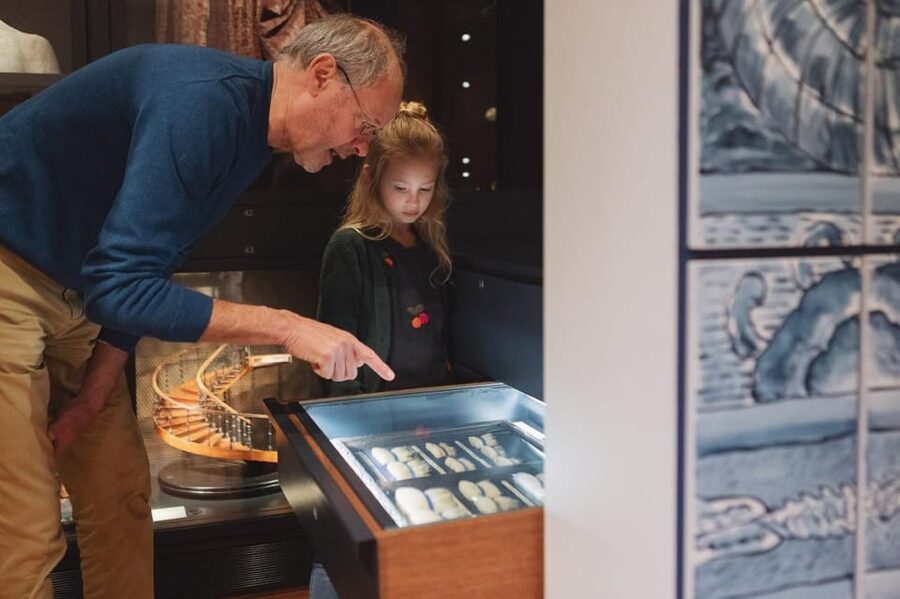
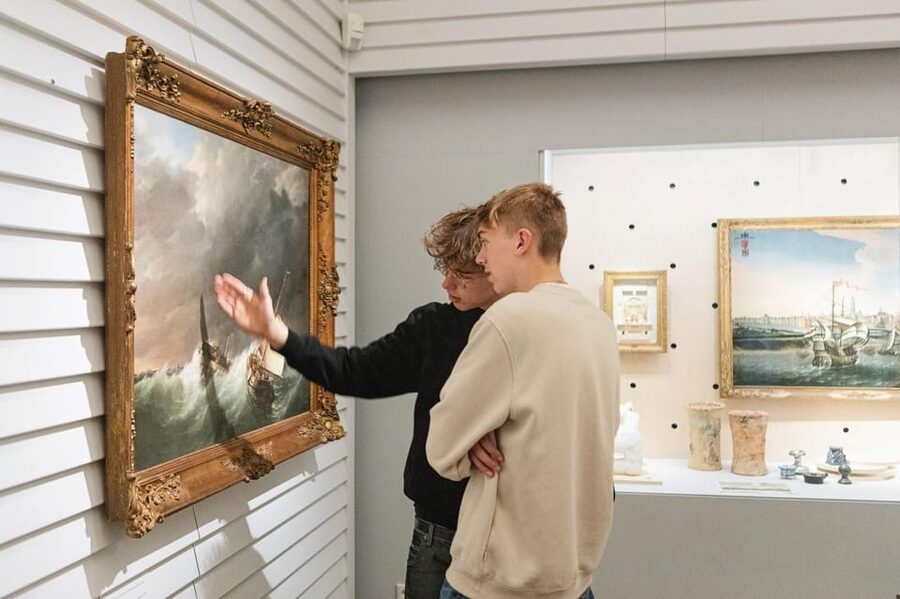
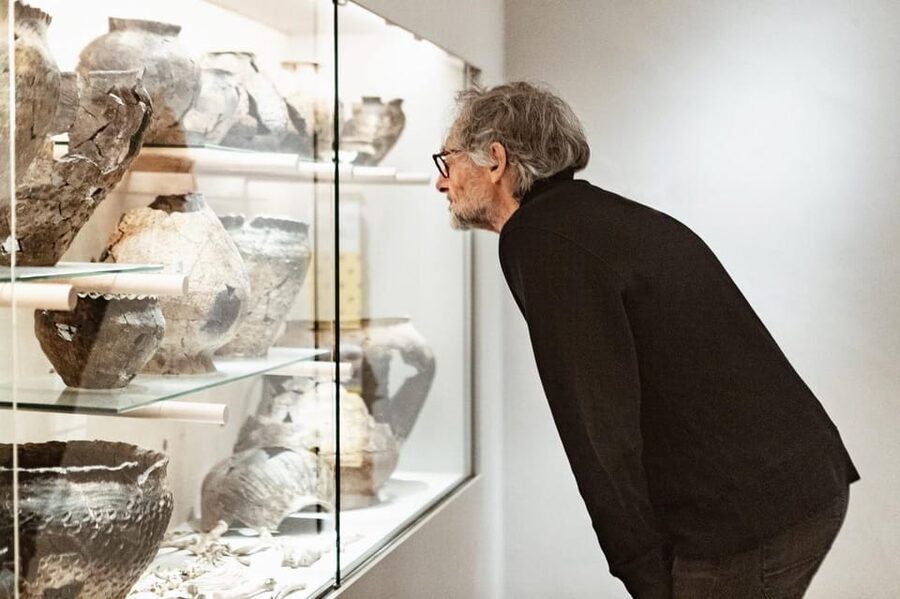
The collection does not rest on one theme. Porcelain and silver offer a look at domestic life, craftsmanship, and taste. Archaeological finds reach farther back, grounding the museum in the material remains of people who lived in the region before modern Zeeland took shape.
Then come the objects brought home from abroad by Zeelanders. These pieces broaden the story again. They show that regional identity can include outside influences, souvenirs, trade goods, and personal collections.
You may find this variety exciting, but it can also feel scattered if you expect one tightly ordered historical route. The museum’s strength is range. Its challenge is deciding which subjects deserve your attention when there are so many different kinds of objects.
I would give the museum enough time to follow your interests instead of trying to study every label. A visitor drawn to clothing and jewelry should not feel obliged to spend equal time on porcelain. Someone interested in military history may prefer the woven naval scenes and related displays. The one-day ticket gives you flexibility to make the visit fit your day in Middelburg.
A self-guided visit with room to choose
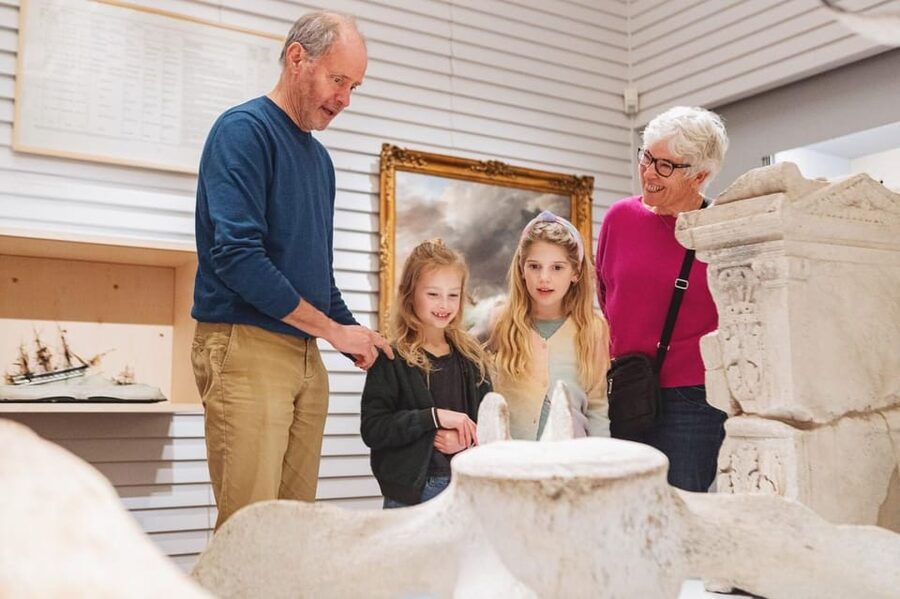
This is an admission ticket, not a guided tour. No guide is included, and no guide’s name is provided. You should arrive ready to read displays, follow the museum’s layout, and decide where to linger.
That format suits independent visitors. You can keep the visit short if you are fitting it between other stops in Middelburg, or spend longer with the collection if the exhibits catch your attention. It also works well for mixed groups, since each person can follow a different interest.
The museum’s own staff can affect the practical side of the visit. One recent experience found the reception team less helpful with online check-in, while a staff member in the coffee shop offered better assistance. I would keep your booking information easy to access and allow a little patience at arrival.
The overall rating is 4.1 from 14 reviews, with several recent high scores praising the museum, its exhibits, and its staff. The pattern suggests a generally positive visit, though not a flawless one. The closed-floor complaint is important because a museum visit can feel poor value if a large part of the display is unavailable and you were not warned.
Is $19 a fair price?
At $19 per person, this is not the cheapest museum admission you will find, but the value depends on how much of the collection is open and how long you choose to stay. You are paying for access to a major regional collection of about 30,000 objects, housed in a former abbey, with changing exhibitions built from that collection.
The price makes more sense if you care about Zeeland specifically. This is not simply a general art museum with a few local items added. Its subjects are tied to the province: regional costume, naval conflict, local archaeology, objects connected with Zeelanders, and cultural life shaped by contact with other places.
For a quick visit focused on one room, $19 may feel high. For a thoughtful visit that includes the core collection, the fashion displays, the jewelry, and the naval works, the ticket offers more substance. Since it is valid for one day, you have some freedom to organize your time around the museum rather than rushing through every room.
Keep in mind that the ticket does not include a guide. If you want a spoken explanation or a planned route, this is not the right product on its own. If you prefer to explore at your own speed, that missing guide is less of a problem.
Access, bags, and arrival tips
The museum is wheelchair accessible for visitors using a wheelchair with a maximum turning circle of 150 centimeters. Wheelchairs can be borrowed free of charge, but you need to reserve one in advance.
Mobility scooters are not allowed. Bags are also not allowed, so plan your arrival with that restriction in mind. The available information does not specify storage arrangements, so do not assume that a large bag can be checked on site.
Because one floor has been closed during a recent visit, I would check the current status of exhibitions before committing your day to the museum. This is especially important if you are visiting for one specific display rather than for Zeeland’s collection as a whole.
The ticket allows cancellation up to 24 hours before the visit for a full refund. You can also reserve now and pay later, which helps if your Middelburg plans are still shifting.
Who will enjoy the Zeeuws Museum most?
I would recommend this museum to you if you like regional museums that connect everyday life with larger events. It is a good choice for anyone interested in Dutch history beyond Amsterdam, especially costume, jewelry, naval conflict, archaeology, decorative arts, and the way travel shaped local culture.
It also suits visitors who prefer self-guided museums. You are free to set your own pace and follow the subjects that catch your eye. The former abbey adds atmosphere without requiring a separate historical tour.
Families and mixed groups may find the variety useful, though the museum does not promise a special children’s route or family program in the information provided. Art and design enthusiasts should pay close attention to the changing fashion displays, while history fans may want to begin with the naval scenes and archaeological material.
You may want to skip it if you need a fully guided experience, dislike broad collections with many different subjects, or are carrying a mobility scooter or large bag. You should also reconsider if a specific floor or exhibition is the sole reason for your visit and its availability has not been confirmed.
Should you book this Middelburg museum ticket?
Book it if you want a focused look at Zeeland rather than another general museum visit. The former abbey, regional costume, beautiful jewelry, naval battle scenes, and objects brought home from abroad give you several strong reasons to go.
I would book with two checks in mind: confirm what is open, and plan for a self-guided visit without bags or mobility scooters. At $19, the ticket is best value when you give the museum enough time to move beyond the headline pieces and explore the wider story of Zeeland.
FAQ
Where is the Zeeuws Museum located?
The Zeeuws Museum is in Middelburg, in the Zeeland region of the Netherlands. It is based in a former abbey.
How much does admission cost?
The entry ticket costs $19 per person.
How long is the ticket valid?
The ticket is valid for one day. You should check availability for the applicable starting times.
Is a guide included?
No. The ticket includes museum entry only, and a guide is not included.
Can I cancel my booking?
Yes. You can cancel up to 24 hours in advance for a full refund.
Is the museum wheelchair accessible?
Yes. Wheelchair access is available for wheelchairs with a maximum turning circle of 150 centimeters. Wheelchairs can be borrowed free of charge if reserved in advance.
Are bags and mobility scooters allowed?
No. Bags and mobility scooters are not allowed inside the museum.
Just added around the Netherlands
- Van Gogh Museum Tour excluding Entrance Tickets★ 5.0 · 16 reviews
- Van Gogh Museum Entry Ticket and Guided Tour★ 4.5 · 48 reviews
- Van Gogh Museum with Audio Guide★ 3.5 · 80 reviews
- Amsterdam: Explore the Van Gogh Museum & His Masterpieces★ 3.5 · 64 reviews
- Van Gogh Museum Skip the Queue with Audio Guide★ 4.0 · 261 reviews
- Amsterdam Van Gogh Museum with Audio or Guided Tour★ 4.0 · 266 reviews
- Van Gogh Museum, Rijks Museum & Walking Tour – Private Day Tour★ 5.0 · 17 reviews
- Van Gogh Museum Ticket with Audio Guide and Unlimited Access Time★ 5.0 · 25 reviews
Museum Tours in the Netherlands, compared.
Moco Museum Amsterdam Entrance Tickets with Banksy & More
Read our review →

Amsterdam’s Weirdest Museum: Ripley’s Believe It or Not!
Read our review →
Browse the lists this tour appears in