
Review · AUSTRALIA
Melbourne: Melbourne Museum Entry Ticket
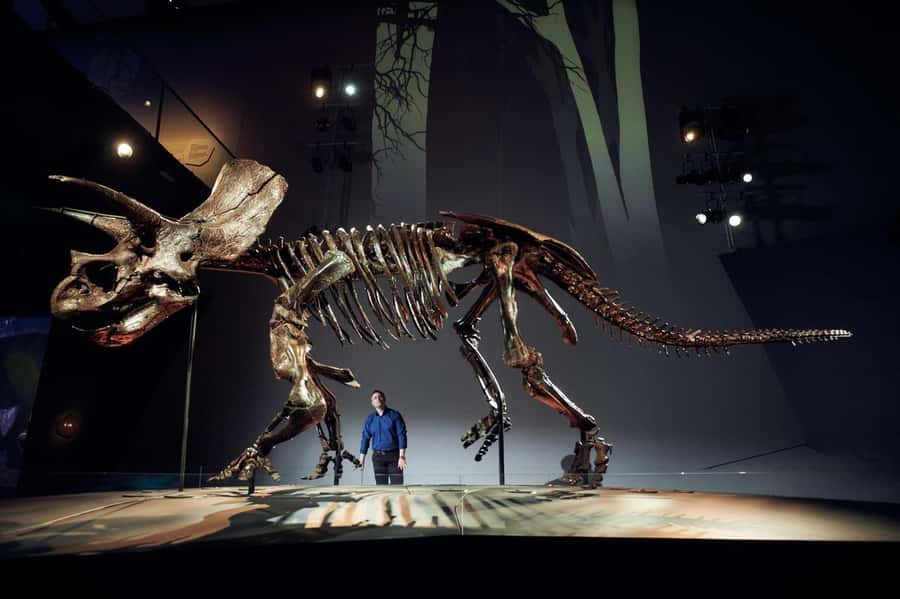
The Melbourne Museum’s star attraction is Horridus, a Triceratops skeleton made with 87 percent real bones and weighing more than 1,000 kilos. I like that one ticket covers far more than dinosaurs: you also get the Forest Gallery, local science, Melbourne stories, Aboriginal culture, and a hands-on Children’s Gallery. The main drawback is simple: three hours is the minimum, not the maximum.
I especially like the way the museum brings Victoria’s natural world indoors, then connects it with human stories. I also like the low price of $12 per person, which makes this an easy choice on a rainy day or for a family looking for a full morning indoors. You will need comfortable shoes, and IMAX tickets cost extra.
Key things to know before you go
- Horridus is the major draw: See one of Australasia’s most complete real dinosaur fossils, with 87 percent original bones.
- The Forest Gallery feels different from a standard museum hall: Tall trees and wildlife create a living indoor setting.
- The museum covers several subjects in one visit: Science, animals, fossils, Melbourne history, Aboriginal culture, and children’s learning all fit under one roof.
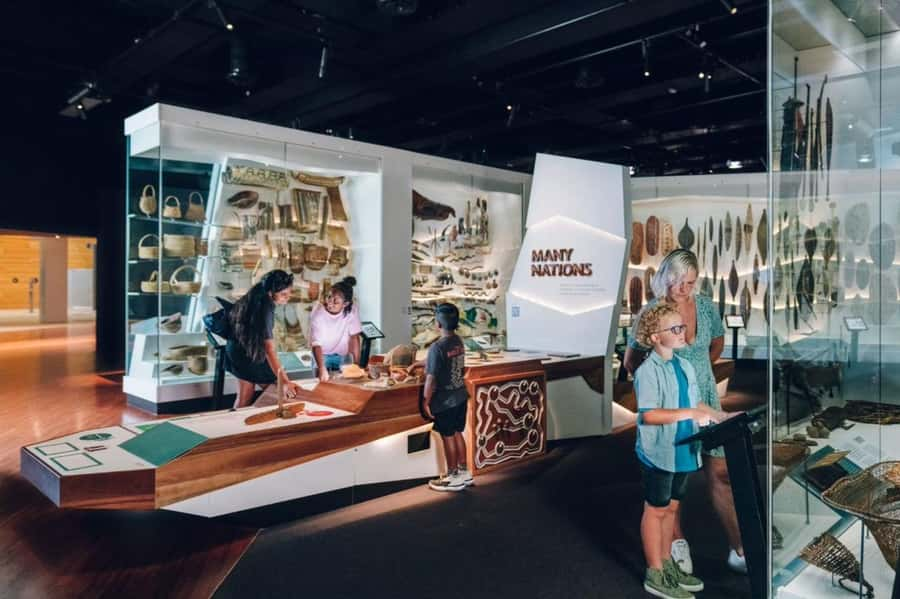
- Bunjilaka adds important cultural context: The Aboriginal Cultural Centre shares living traditions and knowledge connected with Koori people and other cultures from around Australia.
- Allow at least three hours: You can move quickly in less time, but a proper visit takes longer.
- The $12 ticket excludes IMAX: Check the museum website for current temporary exhibitions and any closures before you set out.
Seeing Horridus, Melbourne Museum’s 1,000-kilo Triceratops
If you have limited time, begin with Horridus. This late Cretaceous fossil is the museum’s biggest attention-grabber, and it gives your visit a clear starting point.
The skeleton was found in Montana, USA, buried beneath 3.5 metres of sandstone. Its 87 percent real-bone content makes it the most complete real dinosaur fossil anywhere in Australasia. That detail matters. You are not looking at a modern cast dressed up as a fossil. Most of what you see came from the original animal.
Horridus weighs more than 1,000 kilos, so the display has real physical presence. A Triceratops can be familiar from books and films, but seeing the full skeleton assembled in front of you gives the animal a much better sense of scale.
I would not rush this section. Look at the skull, horns, and body structure, then give yourself time to think about the age of the specimen. The late Cretaceous period can sound distant and abstract, while a full skeleton makes that time easier to grasp.
This exhibit also works well for families because children can begin with the obvious questions: How large was it? What did it eat? Why did it have three horns? Adults can take in the fossil science and the international importance of the find.
A few more museum visits around Australia worth comparing
- Australian National Maritime Museum: See It All Ticket
★ 4.7 · 77 reviews - Sovereign Hill: Museum General Admission Ticket
★ 4.5 · 74 reviews - Melbourne Museum: LEGO® Star Wars: The Exhibition Ticket
★ 4.7 · 40 reviews
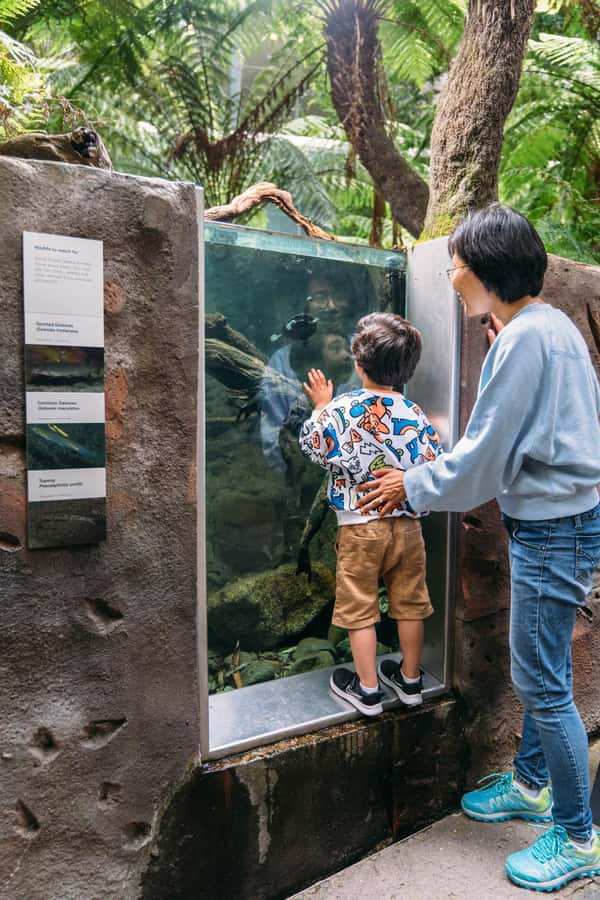
Walking through the Forest Gallery
The Forest Gallery changes the pace. After fossils and science displays, you enter a living indoor setting with tall trees and wildlife.
This is one of the museum’s more distinctive spaces because it is not just a row of cases or panels. The trees give the room height and help you think about Victoria as a real environment rather than a set of facts in a book.
You might find this section especially useful if you are still getting familiar with Victoria. It gives a sense of the natural world connected to the state, and it adds an outdoor feeling without asking you to leave the museum.
The Forest Gallery also gives you a break from reading. Museum fatigue is real, especially with children. A room with trees and wildlife lets you slow down, look around, and reset before moving to the next area.
I would place it early in your visit if you want a gentle introduction, or use it as a pause after Horridus. Either way, do not treat it as a corridor between bigger exhibits. It is one of the museum’s central experiences.
Science and Life Gallery: bugs, fossils, and human biology
At the west end of the museum, the Science and Life Gallery brings together a wide range of subjects. You can expect displays about bugs, dinosaurs, fossils, animals, human biology, and more.
That broad mix is useful, but it also means you should not expect one single story from beginning to end. This is the section for browsing. You may stop for a fossil, switch to an animal display, then find yourself reading about the human body.
I like this variety because different people can follow different interests while staying in the same gallery. One person can spend time on dinosaurs, while another looks at insects or human biology. It works well for families and mixed-age groups.
You should also set your own pace here. Some displays may hold your attention for a few minutes, while others deserve longer. If you try to read every label, your three-hour plan may quickly become a five-hour visit.
This gallery is a good reason to wear comfortable shoes. The museum asks you to walk between several sections, and the amount of standing and reading adds up.
Melbourne Gallery and the story of the city
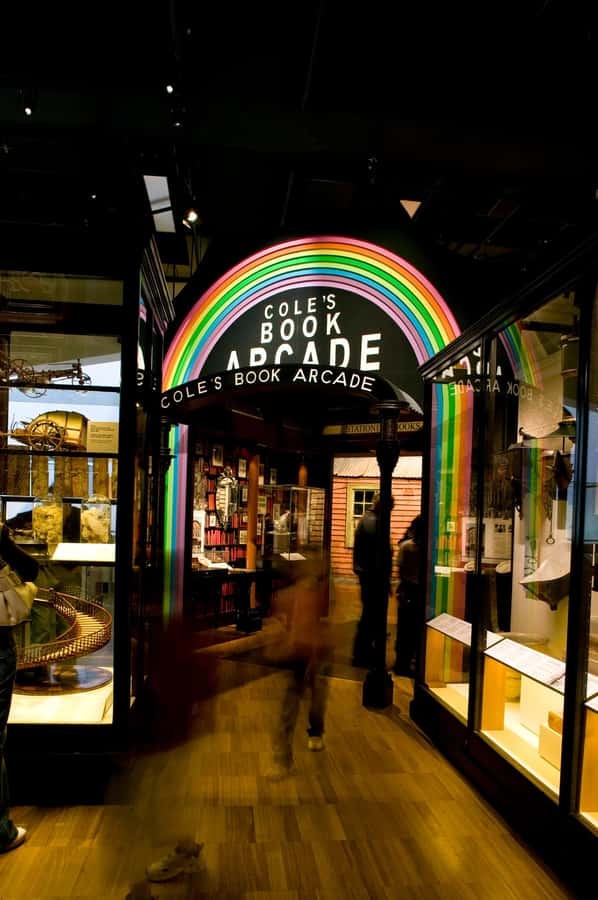
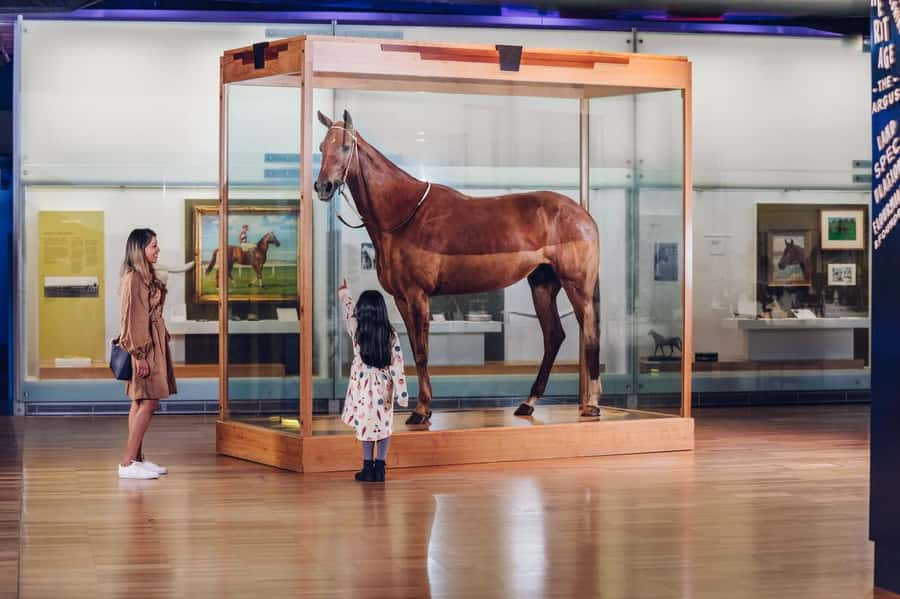
At the east end, the Melbourne Gallery shifts the focus from nature and science to the city itself. It gives you a chance to understand Melbourne through its people, objects, and local stories.
The famous racehorse Phar Lap has a special place here. Seeing Phar Lap’s stable adds a concrete object to the city’s sporting story. It is more memorable than reading a short paragraph about a horse from another era because the stable gives that story a physical setting.
This section is worth saving for later if you first want the museum’s big natural history attractions. On the other hand, it can be a good opening area if you are visiting Melbourne and want local context before moving into fossils and wildlife.
I appreciate the balance. The museum does not limit itself to ancient history or natural science. It also asks what makes Melbourne the city it is, and it gives that question its own space.
Same city, a completely different collection:
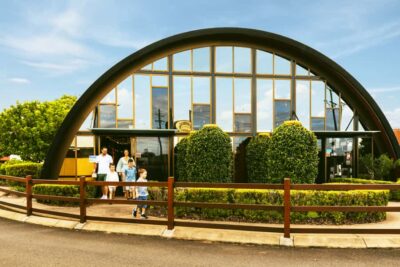
- Bundaberg Rum Behind The Scenes Distillery Tour And Museum Experience
★ 5.0 · 724 reviews - Melbourne: MCG and Australian Sports Museum Guided Tour
★ 4.7 · 638 reviews - Sydney Cricket Ground (SCG) and Museum Walking Tour
★ 4.9 · 616 reviews - ArtVo Immersive Gallery Experience
★ 4.5 · 423 reviews
Bunjilaka Aboriginal Cultural Centre
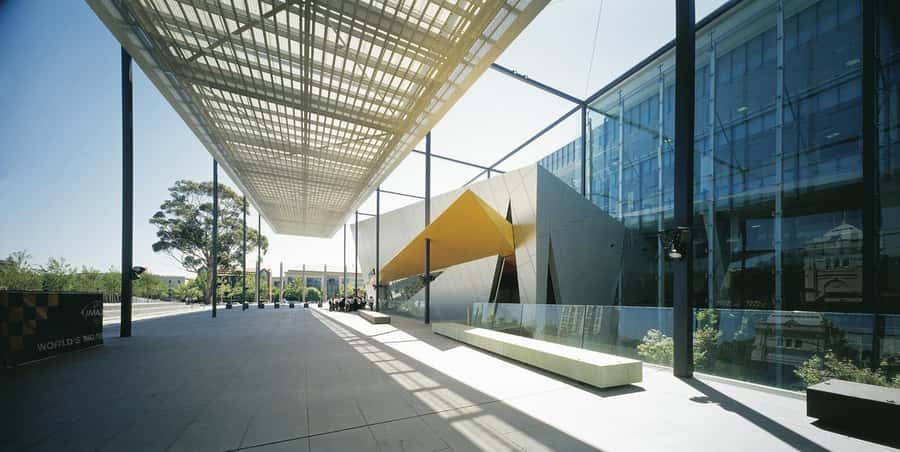
Bunjilaka Aboriginal Cultural Centre is one of the most important parts of the visit. It presents the living traditions and knowledge of Koori people, along with other cultures from around Australia.
This is not simply an extra cultural display tucked beside the science galleries. It gives you a chance to encounter Aboriginal perspectives as a central part of the museum’s work and of Australia’s story.
Take your time here. Read carefully, listen to the material presented, and avoid treating it as a quick stop between larger attractions. The value comes from the context, not just from moving through the rooms.
Bunjilaka also broadens the meaning of a museum visit. You begin with a dinosaur from Montana, move through Victoria’s forests and wildlife, and then consider the cultures and knowledge connected to this country. That range gives the day more purpose than a collection of unrelated exhibits.
The information provided does not name a personal guide, so you should expect to explore with the museum’s displays rather than follow a named tour leader. English is the listed language, and the experience is designed for direct entry with your ticket.
The Children’s Gallery for younger visitors
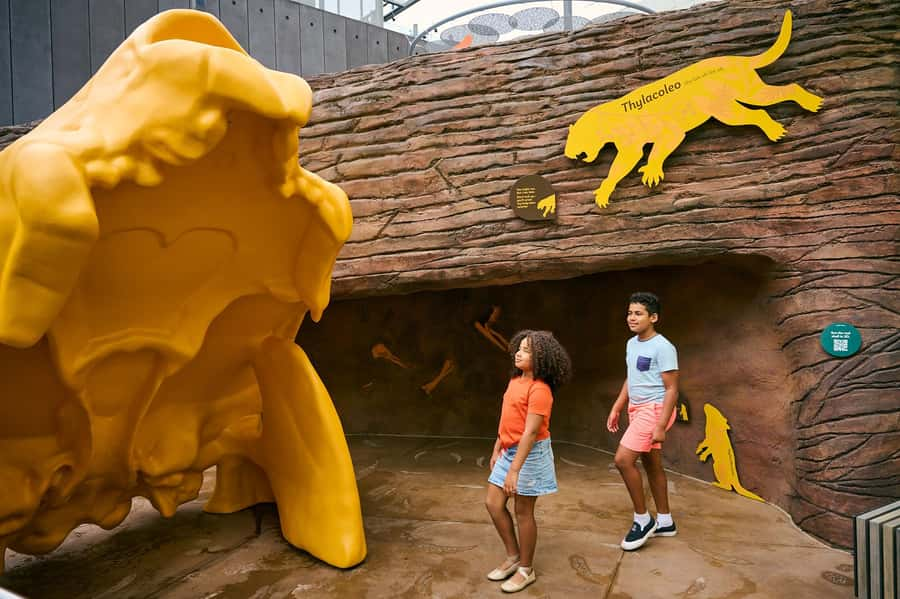
The Children’s Gallery is designed for little kids to explore and learn through fun activities. If you are visiting with young children, this section can make the difference between a tiring museum trip and a successful one.
It gives children a place where learning is active rather than based only on standing still and reading. That matters because the rest of the museum includes large displays and plenty of information that may suit adults and older children better.
I would not assume the Children’s Gallery is only a short diversion. Give younger children time to explore it properly. You may want to build your route around their attention span, using the Children’s Gallery as a central stop instead of saving it for the final few minutes.
Families should still plan carefully. The museum contains enough material for a long visit, and children may tire before adults do. A three-hour minimum is realistic for a full experience, but you can adjust the pace by choosing the galleries that best suit your group.
How much time should you allow?
The official guidance is to allow at least three hours. I agree with that as a minimum for seeing the key sections without racing.
A three-hour visit could include:
- Horridus and the dinosaur displays
- The Forest Gallery
- Part of the Science and Life Gallery
- The Melbourne Gallery
- Bunjilaka Aboriginal Cultural Centre
- Time in the Children’s Gallery if you are visiting with small children
If you want to read carefully, spend time with the temporary exhibitions, or let children explore without hurry, plan for longer. Five hours is entirely possible, especially if you want to cover every major area.
Your best approach is to choose priorities before entering. Horridus is the obvious first stop for many people. Families may then want the Children’s Gallery and Forest Gallery. Adults interested in local stories should reserve time for Melbourne Gallery and Bunjilaka.
Temporary exhibitions can change the ideal schedule. Check the museum website before your visit for current programs and any possible closures.
Is the $12 ticket good value?

At $12 per person, this is an easy museum ticket to justify. You are not paying for one narrow exhibit. The same admission covers natural science, fossils, animals, the city of Melbourne, Aboriginal culture, and children’s activities.
The value improves if you can stay for three hours or more. A quick visit may still be worthwhile for Horridus, but you will get much more from the ticket if you use the full range of galleries.
It is also a useful bad-weather choice. The museum gives you a substantial indoor plan without the cost of several separate attractions. If you are building a Melbourne day around museums, this ticket offers enough content to anchor the schedule.
Remember that IMAX Melbourne tickets are not included. If you want an IMAX screening, treat it as a separate purchase and check the current schedule.
Practical details for a smooth visit
You arrive directly at Melbourne Museum, so there is no separate meeting point or transport arrangement described for this experience. The ticket is valid for one day, and availability includes starting times that you can check when booking.
English is the listed language, and the activity is wheelchair accessible. No personal guide’s name is provided, so plan on exploring the museum independently rather than expecting a guided walk with a named host.
Wear comfortable shoes. That advice sounds basic, but it matters here because you may spend several hours walking, standing, and stopping in different gallery areas.
The booking terms are flexible: you can cancel up to 24 hours in advance for a full refund, and a reserve-now, pay-later option is available. These terms are useful if your Melbourne plans are still shifting, but you should still check the current conditions at booking.
Who will enjoy Melbourne Museum most?
I would recommend this museum to families, dinosaur fans, first-time Melbourne visitors, and anyone who wants a broad indoor attraction rather than a single specialist exhibit.
It suits you especially well if:
- You want a low-cost activity with several hours of content.
- You enjoy natural history, fossils, animals, or human biology.
- You want to learn about Melbourne beyond its streets and landmarks.
- You are interested in Aboriginal cultures and living traditions.
- You are visiting with young children who need hands-on activities.
- You need a flexible indoor plan.
It may feel less satisfying if you only have a very short gap in your schedule. Horridus alone can be seen quickly, but the ticket makes better sense when you have enough time for several galleries.
Should you book Melbourne Museum?
Yes, if you want a well-priced, self-paced museum visit with more range than a dinosaur exhibit alone. Horridus is the headline, but the Forest Gallery, Bunjilaka Aboriginal Cultural Centre, Melbourne Gallery, and Children’s Gallery give the day real breadth.
Book it when you can allow at least three hours, and preferably longer if you like to read every display. Choose comfortable shoes, check temporary exhibition details, and budget separately for IMAX. For $12, this is one of the easier Melbourne activities to recommend, especially for families and curious visitors who want local nature, culture, science, and city stories in one place.
FAQ
How much does Melbourne Museum admission cost?
The listed price is $12 per person.
How long is the Melbourne Museum ticket valid?
The ticket is valid for one day.
How much time should I allow at Melbourne Museum?
Allow at least three hours for the full experience. You may want longer if you plan to explore every major gallery or spend time with temporary exhibitions.
Is Horridus a real dinosaur fossil?
Yes. Horridus is a Triceratops fossil with 87 percent real bones.
How much does Horridus weigh?
The authentic Triceratops fossil weighs more than 1,000 kilos.
Where was Horridus discovered?
Horridus was unearthed in Montana, USA, beneath 3.5 metres of sandstone.
What galleries can I see with the ticket?
The ticket includes access to the Forest Gallery, Science and Life Gallery, Melbourne Gallery, Children’s Gallery, and Bunjilaka Aboriginal Cultural Centre, along with the museum’s other permanent collections and temporary exhibitions subject to availability.
Is the Children’s Gallery suitable for little kids?
Yes. The Children’s Gallery is designed for little kids to explore and learn through fun activities.
Is IMAX included with museum admission?
No. IMAX Melbourne tickets are not included in the museum admission ticket.
Is Melbourne Museum wheelchair accessible?
Yes, the activity is listed as wheelchair accessible.
Just added around Australia
- Sydney Summer Art Exhibitions Art Gallery of New South Wales★ 4.0 · 16 reviews
- Sovereign Hill: Museum General Admission Ticket★ 4.5 · 74 reviews
- Perth: Video Game Console Museum★ 4.8 · 42 reviews
- Melbourne: Australian Sports Museum Admission Ticket★ 4.6 · 14 reviews
- Melbourne Museum: LEGO® Star Wars: The Exhibition Ticket★ 4.7 · 40 reviews
- Melbourne: Immigration Museum Entry Ticket★ 4.7 · 14 reviews
- Longreach: Qantas Founders Museum First Class Experience★ 5.0 · 18 reviews
- Kuranda Skyrail and Scenic Rail including Artillery Museum★ 4.0 · 13 reviews
Museum Tours in Australia, compared.
Bundaberg Rum Behind The Scenes Distillery Tour And Museum Experience
Read our review →
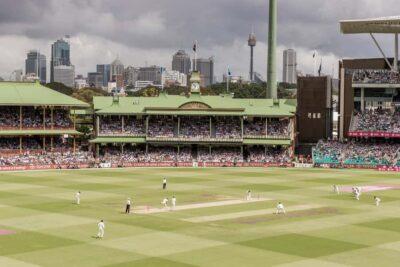
Sydney Cricket Ground (SCG) and Museum Walking Tour
Read our review →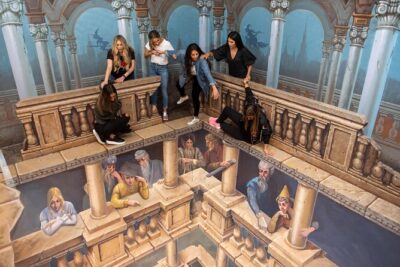
Bundaberg: Brew Tasting and Self-Guided Gallery Tour
Read our review →
Australian National Maritime Museum: See It All Ticket
Read our review →
Browse the lists this tour appears in