
Review · AUSTRALIA
Perth: Video Game Console Museum
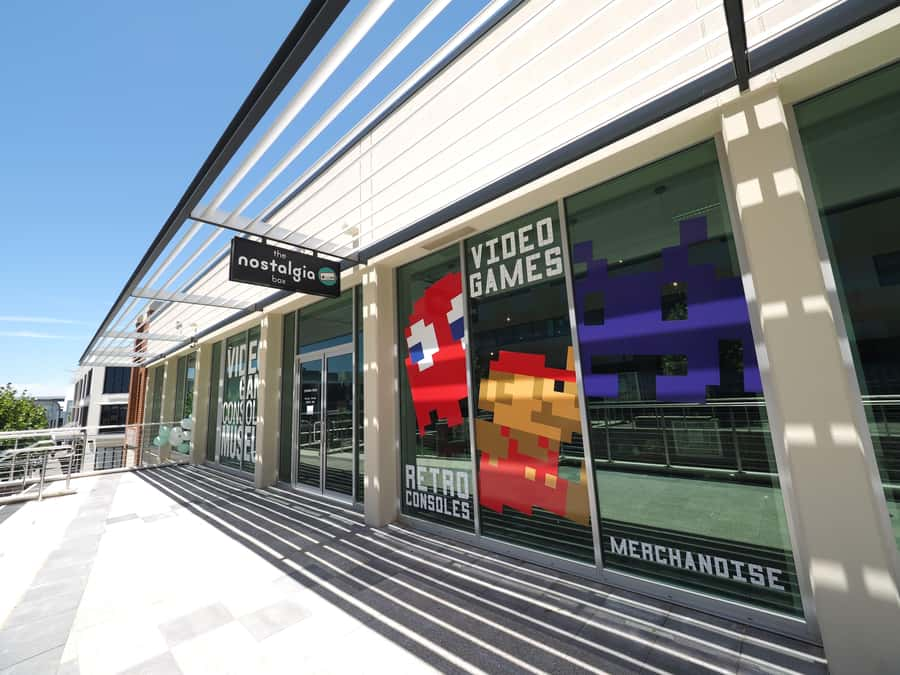
The best thing about Perth’s Nostalgia Box is that it is not a museum where you only look through glass. You can see more than 100 consoles from the 1970s through the 2000s, then pick up a controller and play. Pong, Space Invaders, Donkey Kong, Mario, Sonic, Alex Kidd, and Crash Bandicoot are among the familiar names waiting inside.
I like the hands-on format, especially for families. I also like the way the collection shows how games changed over time, from simple early systems to the machines that shaped modern consoles. The main drawback is timing: your booking guarantees at least one hour, but private functions can mean a late opening or early closure, so you should check ahead.
Key points to know before you go
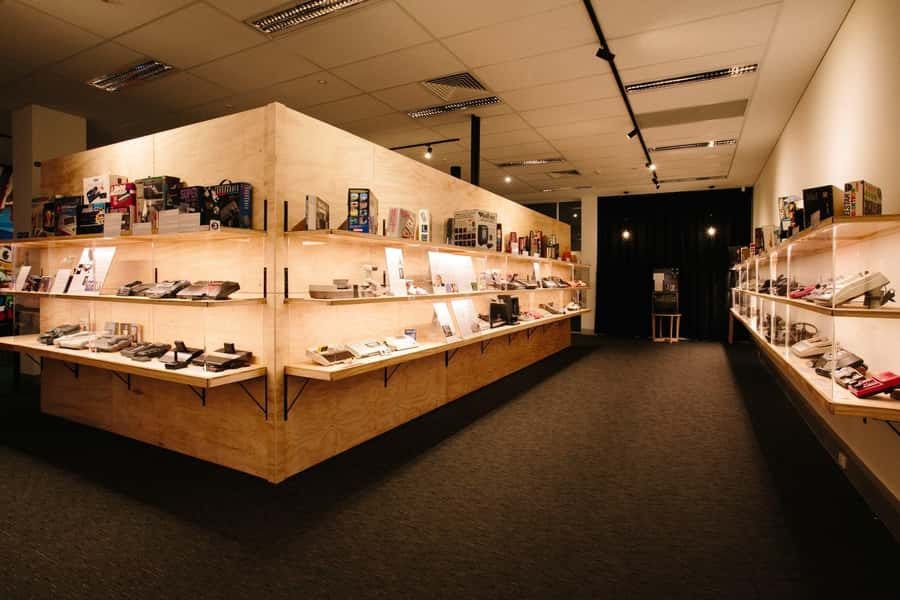
- More than 100 consoles: The collection covers the 1970s, 1980s, 1990s, and 2000s.
- Play instead of only looking: You can try classic games including Pong, Space Invaders, Super Mario Bros., Sonic the Hedgehog, and Crash Bandicoot.
- Good for several generations: Parents, grandparents, children, and grandchildren can share the same games.
- Helpful staff: Staff can help find and load the games you want to play.
- At least one hour: Your booking guarantees a minimum one-hour visit, but your ticket remains valid during public opening hours.
- Check before booking: Private events sometimes change the museum’s opening time.
A museum where the controllers are part of the exhibit
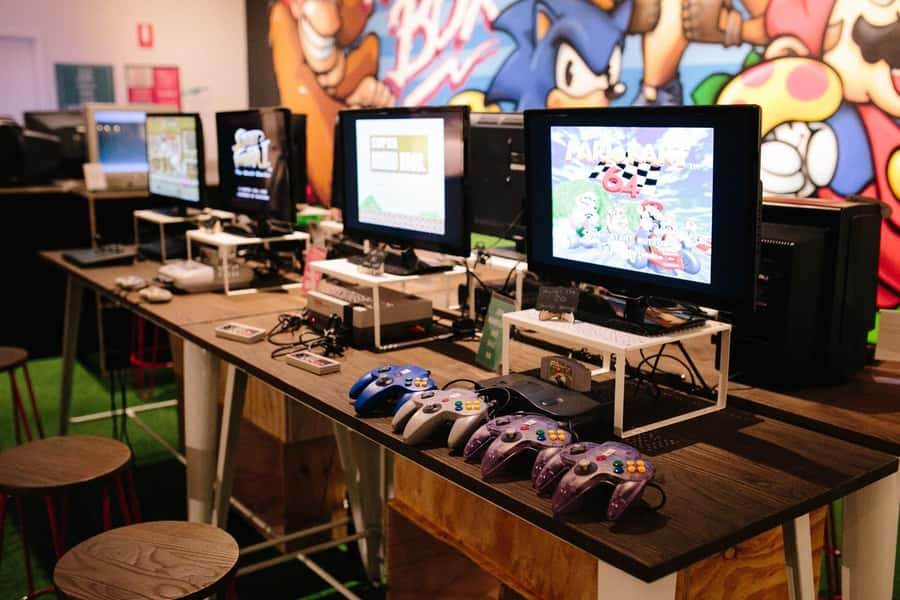
The Nostalgia Box is built around a simple idea: old video games make more sense when you can play them. A console in a display case can show you its shape, buttons, and age. A working controller shows you what made the machine special.
That difference matters. The early consoles in this collection represent a time when game makers had to work with far less power than today’s systems. Games such as Pong look basic now, yet they helped establish the idea of playing against a computer or another person on a television screen.
As you move through the museum, you can trace the changes from the 1970s to the 2000s. You will see how controllers, graphics, game design, and the machines themselves developed. The collection also gives you a sense of how each generation built on what came before it.
The museum was featured in the 2019 Guinness World Record Gamer’s Edition and by Lonely Planet. That gives the place some useful context, but the real value comes from the chance to play. You do not need to be a serious collector or an expert in gaming history to enjoy it.
A few more museum visits around Australia worth comparing
- Bundaberg Rum Behind The Scenes Distillery Tour And Museum Experience
★ 5.0 · 724 reviews - Melbourne: MCG and Australian Sports Museum Guided Tour
★ 4.7 · 638 reviews - Sydney Cricket Ground (SCG) and Museum Walking Tour
★ 4.9 · 616 reviews
From Pong to the console era of the 2000s
The early part of the collection focuses on the foundations of home gaming. Pong is an obvious starting point. It is easy to understand within seconds, which makes it a good choice if you are introducing a child to older games.
Space Invaders adds a different kind of challenge. Its rules are still simple, but the pressure rises as the screen fills with moving targets. It is the sort of game that invites repeated attempts. You can play for a high score, then hand over the controls and let someone else try.
Donkey Kong shows another important step. It helped establish the style of character-led platform games that later became a major part of home consoles. Playing it here is more useful than simply hearing that older games were difficult. You can feel the limited controls and fast timing for yourself.
The collection continues into the better-known console years. Super Mario Bros., Sonic the Hedgehog, Alex Kidd, and Crash Bandicoot offer different kinds of platform play, and each can bring back a different era of childhood gaming. If you grew up with one of these games, you may spend much of your hour trying to get past a level you once knew by heart.
For younger players, these games can feel unfamiliar at first. That is part of the appeal. They offer a chance to see how game design worked before large open worlds, complex menus, and online play became standard.
What your one-hour visit feels like
A one-hour visit is enough to see the main collection and play several games, but you will want to use your time with some purpose. If you try to play every available title, you will spend more time choosing than playing.
I suggest starting with a quick look around. Notice which consoles you remember, then choose two or three games that matter to you. After that, leave time for one or two discoveries. A friend or child may spot a title you have never played, and that can become the most enjoyable part of the visit.
Staff can help find and load the games you want. This is useful because an older console collection can otherwise feel like a lot to take in at once. If you arrive with a particular game in mind, ask about it early rather than waiting until the end.
The booking guarantees a minimum of one hour, but the ticket is valid for any time the museum is open to the public. That gives you some flexibility, though it does not mean the museum will always be open all day. Private functions and events can lead to late openings or early closures.
If you want the longest possible visit, contact The Nostalgia Box before going. The listed phone number is 08 9227 7377, and the listed email is [email protected].
Why the hands-on approach works for families
The museum suits several age groups because the games do not require everyone to share the same level of gaming experience. A grandparent may remember Pong or early home consoles. A parent may head straight for Super Mario Bros. or Sonic. A child may discover these titles for the first time.
That makes the visit more social than a standard museum stop. You can compare scores, show another person how to play, or let a younger family member take the controls while you watch. One useful detail from the experience is that staff can assist with selecting and loading games, which helps keep the visit moving.
Children under 10 must be accompanied by a paying adult. That rule is worth noting when planning a family visit. It also means the museum is not designed as a drop-off activity for young children.
The collection can work well for grandparents and grandchildren in particular. Older visitors can explain what games were like when they first appeared, while younger players can bring fresh energy to the competition. You may not agree on which console is best, but you will have plenty to talk about.
Same city, a completely different collection:
- ArtVo Immersive Gallery Experience
★ 4.5 · 423 reviews - Bundaberg: Brew Tasting and Self-Guided Gallery Tour
★ 4.8 · 256 reviews - Melbourne: Melbourne Museum Entry Ticket
★ 4.7 · 122 reviews - Australian National Maritime Museum: See It All Ticket
★ 4.7 · 77 reviews
The history behind the machines
The Nostalgia Box is not only about memory. It also shows the amount of work that went into creating the systems that shaped later consoles.
The move from simple games such as Pong to more developed platform games was not a small change. It involved new hardware, new controllers, more detailed graphics, and different ways of building a game world. The museum lets you connect those changes with machines you can see and play.
That context gives the collection value even if you did not grow up with these games. You can see why certain consoles mattered, rather than treating them as old electronics. The systems helped create the foundation for the consoles used today.
There is also room for discovery. The museum promises some of gaming’s less familiar history, and the large collection means you may find a system or title you do not know. I would not treat the visit as a formal lecture or a long guided tour. It is better understood as a self-directed look at gaming history with working examples available to play.
How much value do you get for $12?
At $12 per person, the price is modest for an activity that combines a museum visit with hands-on play. The value is strongest if you plan to use the full hour and play several games, rather than making a very quick stop to look around.
For families, the cost can be easier to justify because several generations can enjoy the same admission. You are not paying for a separate attraction for adults and children. The same collection gives each person a different way into the experience.
The price also compares well with the amount of personal interaction involved. Staff can help you locate and load games, and you can spend your time playing rather than simply reading labels. Still, the museum’s appeal depends heavily on your interest in older games. If you dislike arcade-style challenges or have no interest in console history, you may find an hour plenty.
The ticket also allows flexibility during public opening hours, but you should confirm the day’s schedule before booking. A private event could affect the timing of your visit, and that is the one practical issue most likely to disrupt your plans.
Accessibility and practical planning
The museum is wheelchair accessible. The host or greeter language is English, and the available information lists English as the language for the experience.
The activity lasts at least one hour. You can check available starting times when booking, but your ticket is valid for any time the museum is open to the public. Because private functions may alter the schedule, a quick call or email is sensible, especially if you are fitting this visit into a tight day in Perth.
Free cancellation is available up to 24 hours in advance for a full refund. You can also reserve now and pay later, which helps if your plans are still changing.
There is no separate food, transport, or guided sightseeing element included. Your admission covers entry to the museum. Plan it as a focused stop for gaming and console history rather than as a full-day attraction.
Who will enjoy The Nostalgia Box most?
I would recommend it first to people who grew up with the consoles on display. The museum gives you a chance to revisit old games without turning the visit into a passive memory exercise. You can test whether your old skills are still there, then challenge a friend, child, or parent.
It also suits families with children who are curious about what gaming was like before modern systems. The chance to play gives younger visitors a reason to care about the history. They may not love every older game, but they can see how much has changed.
The museum is less suited to someone looking for a large, formal exhibition with long explanations and a tightly scheduled guide. The experience is short, flexible, and play-focused. Your enjoyment will come from choosing games and spending time with them.
I would allow at least an hour, but contact the museum first if you need a particular opening time. Staff assistance is a real advantage, especially if you know the game you want but not the console it belongs to.
Should you book this Perth gaming experience?
Book it if you like classic games, want a relaxed family activity, or need a compact indoor stop with plenty of hands-on appeal. The $12 price is fair, the collection covers several decades, and the ability to play gives the museum more value than a display-only visit.
I would be cautious only if your schedule is rigid or your interest in old consoles is low. Check for private functions before you go, and plan to spend the full hour rather than rushing through.
For everyone else, The Nostalgia Box offers an easy way to revisit Pong, Space Invaders, Mario, Sonic, and other important games while showing a younger generation where modern console gaming began.
FAQ
Where is The Nostalgia Box located?
The Nostalgia Box is in Perth, Western Australia.
How much does admission cost?
Admission costs $12 per person.
How long does the experience last?
Your booking guarantees a minimum of one hour. Your ticket is also valid for any time the museum is open to the public.
Which games can I play?
Available classic games include Pong, Space Invaders, Donkey Kong, Super Mario Bros., Sonic the Hedgehog, Alex Kidd, and Crash Bandicoot, among others.
How many consoles are in the museum?
The museum contains more than 100 consoles from the 1970s through the 2000s.
Can staff help me find a game?
Yes. Staff can help you find and load the games you want to play.
Can children visit without an adult?
Children under 10 must be accompanied by a paying adult.
Is the museum wheelchair accessible?
Yes, the experience is wheelchair accessible.
Can private events affect opening hours?
Yes. The museum may open late or close early for private functions or events. Contact The Nostalgia Box on 08 9227 7377 or at [email protected] before booking if you need to confirm the schedule.
Just added around Australia
- Sydney Summer Art Exhibitions Art Gallery of New South Wales★ 4.0 · 16 reviews
- Sovereign Hill: Museum General Admission Ticket★ 4.5 · 74 reviews
- Melbourne: Australian Sports Museum Admission Ticket★ 4.6 · 14 reviews
- Melbourne Museum: LEGO® Star Wars: The Exhibition Ticket★ 4.7 · 40 reviews
- Melbourne: Melbourne Museum Entry Ticket★ 4.7 · 122 reviews
- Melbourne: Immigration Museum Entry Ticket★ 4.7 · 14 reviews
- Longreach: Qantas Founders Museum First Class Experience★ 5.0 · 18 reviews
- Kuranda Skyrail and Scenic Rail including Artillery Museum★ 4.0 · 13 reviews
Museum Tours in Australia, compared.
Bundaberg Rum Behind The Scenes Distillery Tour And Museum Experience
Read our review →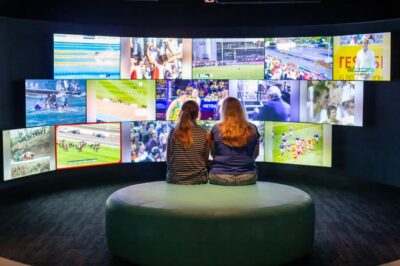
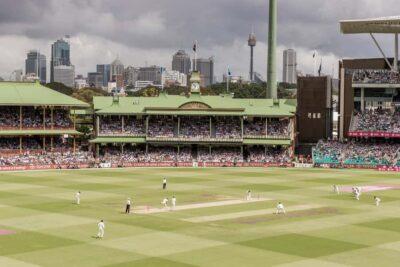
Sydney Cricket Ground (SCG) and Museum Walking Tour
Read our review →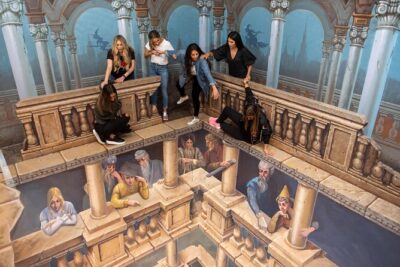
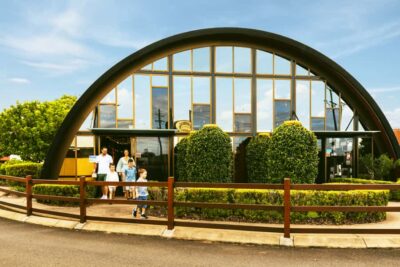
Bundaberg: Brew Tasting and Self-Guided Gallery Tour
Read our review →

Australian National Maritime Museum: See It All Ticket
Read our review →
Browse the lists this tour appears in