
Review · ITALY
Medici Dynasty History Museum Ticket
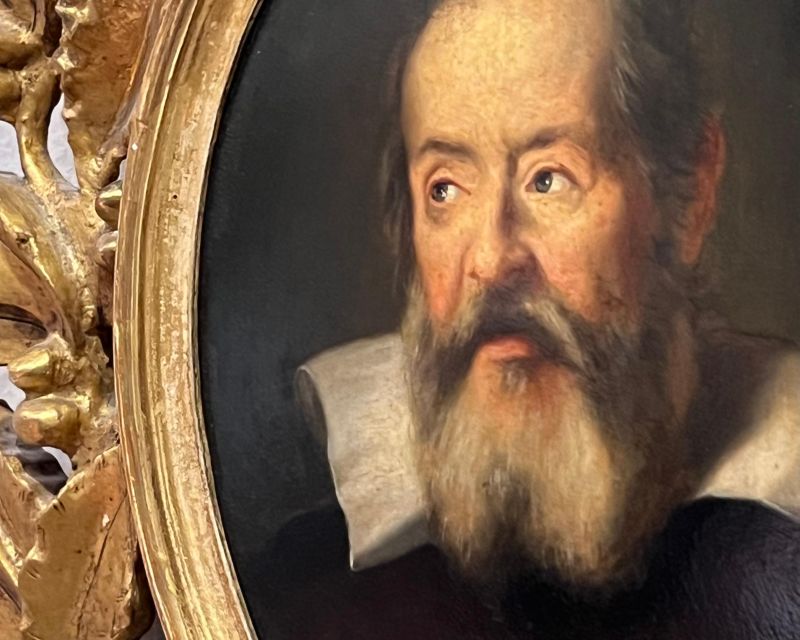
Florence’s Medici story is told inside one of its most unusual buildings, the Rotonda Brunelleschi. This round Renaissance structure was designed and begun by Filippo Brunelleschi, modeled on the Roman Pantheon, and left unfinished for five centuries. The museum pairs that remarkable setting with the family’s art, documents, relics, and personal curiosities.
I like the mix of original historical material and modern displays, since holograms and multimedia installations can make a long dynasty easier to follow. I also like the focus on the Medici’s interest in botany, shown in the museum’s winter garden. The main caution is practical: a verified booking complaint reports that the museum was closed on January 2, 2026, even though the booking system allowed a purchase, so check the opening information carefully before paying.
Key points to know
- Brunelleschi’s Rotonda: Enter a rare Renaissance building modeled on the Roman Pantheon and connected with Florence’s humanist culture.
- Medici family story: Follow the dynasty from Cosimo the Elder and Lorenzo the Magnificent to Cosimo I and the Electress Palatine.
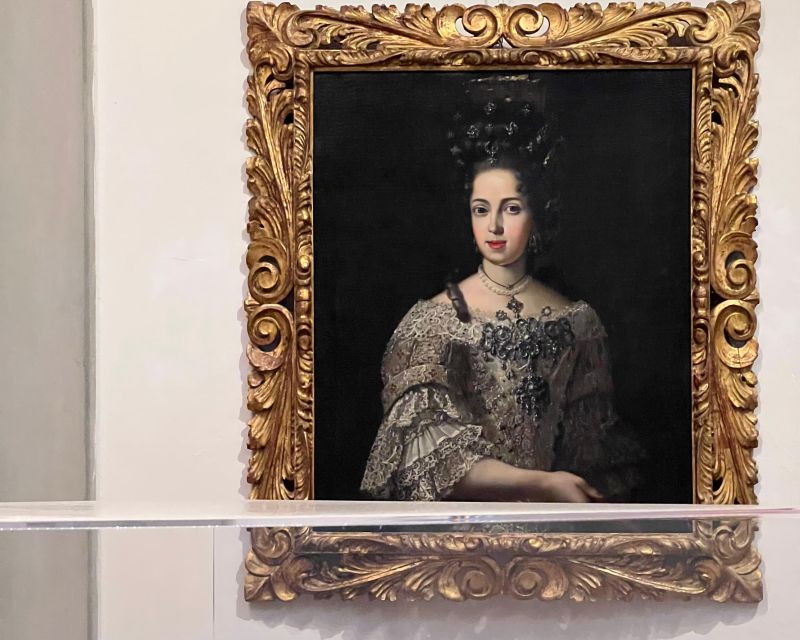
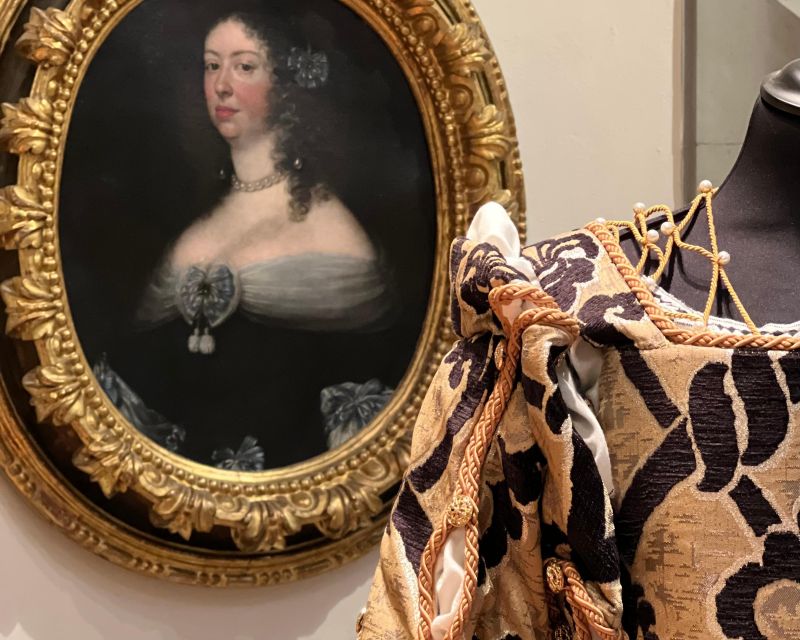
- Original material: See works of art, historical relics, original documents, and faithful reconstructions.
- Modern interpretation: Holograms and multimedia installations add context to the objects.
- Botanical interest: The winter garden reflects the Medici family’s enthusiasm for plants and botany.
- Flexible ticket: The admission is listed at $14 per person and is valid for two months, with skip-the-ticket-line entry.
Entering Brunelleschi’s unfinished Rotonda
The building is not just a container for the museum. It is one of the main reasons to come.
Filippo Brunelleschi, the architect behind Florence’s famous cathedral dome, designed and began the Rotonda in 1437. The plan was bold and clean, with a circular form inspired by the Roman Pantheon. Construction stopped, and the building remained incomplete for about five hundred years.
That long pause gives the place an unusual character. You are not walking into a polished palace room or a standard gallery. You are entering a space shaped by Renaissance ambition, later changes, and a long period out of public view. The building reopened after twenty years of closure and now houses the Museo de’ Medici.
I would give the Rotonda a few quiet minutes before concentrating on the displays. Look at the shape of the room and consider its original purpose. The setting helps explain the Medici world better than a plain modern gallery could.
The Rotonda was part of an important humanist library. Cosimo the Elder, Lorenzo the Magnificent, and Leo X were connected with this intellectual setting. Later, Cosimo I, Grand Duke of Tuscany, intended the building to serve as the first home of the Academy of Arts and Drawing.
The site also has a later artistic connection. In the nineteenth century, sculptor Enrico Pazzi created the well-known statue of Dante now seen in Piazza Santa Croce. That detail gives the building another link to Florence’s cultural story, beyond the Medici collection itself.
A few more museum visits around Italy worth comparing
- Venice: St. Mark Basilica Ticket, Audioguide+History Gallery
★ 3.9 · 4,780 reviews - Venice’s Best: Basilica, Doge’s Palace, Gondola & History Gallery
★ 4.5 · 2,478 reviews - Venice: Bell Tower & St Mark’s Square History Gallery Ticket
★ 4.3 · 910 reviews
Following the Medici family from power to legacy

The museum covers a large family story, so it helps to arrive with a basic sense of the main figures. The exhibition follows the house from Lorenzo the Magnificent to the Electress Palatine, with attention to the dynasty’s political, cultural, and personal life.
The Medici were not simply wealthy patrons who paid for pretty buildings. Their influence reached into government, religion, scholarship, art, collecting, science, and court life. The museum’s purpose is to show the people behind that power, including their habits, interests, and private curiosities.
You can expect material connected with Cosimo the Elder, the family figure associated with the humanist library and the intellectual life of Florence. Lorenzo the Magnificent appears as a major cultural and political figure. Leo X links the story to the papacy, while Cosimo I represents the later grand-ducal phase of Medici rule.
The final part of the family story reaches the Electress Palatine. Her place in the exhibition helps show that the Medici story did not end with the family’s most famous Renaissance figures. It continued through inheritance, collecting, and the preservation of family memory.
The precise order of the museum’s rooms and displays is not specified, so I would not expect a strict chronological march with every member treated equally. Instead, think of the visit as a compact introduction to a dynasty, supported by objects and visual tools that bring individual episodes into view.
Seeing documents, relics, and reconstructed objects
The collection includes works of art, historical relics, original documents, and faithful reconstructions. That combination matters because each type of object answers a different question.
A painting or sculpture can show how the Medici wanted to be seen. A document can reveal administration, family decisions, or the machinery behind power. A relic can bring the story closer to daily life, while a reconstruction can help you picture something that no longer survives in its original form.
I appreciate this kind of blend in a family museum. A room filled only with portraits can make a dynasty seem remote. Documents and personal objects give the story more weight. Reconstructions help when the surviving evidence is hard for a general visitor to read.
Do not expect every object to tell its story without help. Historical documents can be visually impressive but difficult to interpret if you do not read Italian or already know the background. The English and Italian host or greeter is part of the visit, but the available information does not specify a full guided tour or a named guide.
That distinction is important when you compare this ticket with a private tour. You are buying entry to a museum with interpretive material, not a clearly advertised lecture led by a named historian. The displays do much of the explaining through text, images, holograms, and multimedia.
Holograms and multimedia in a historic setting
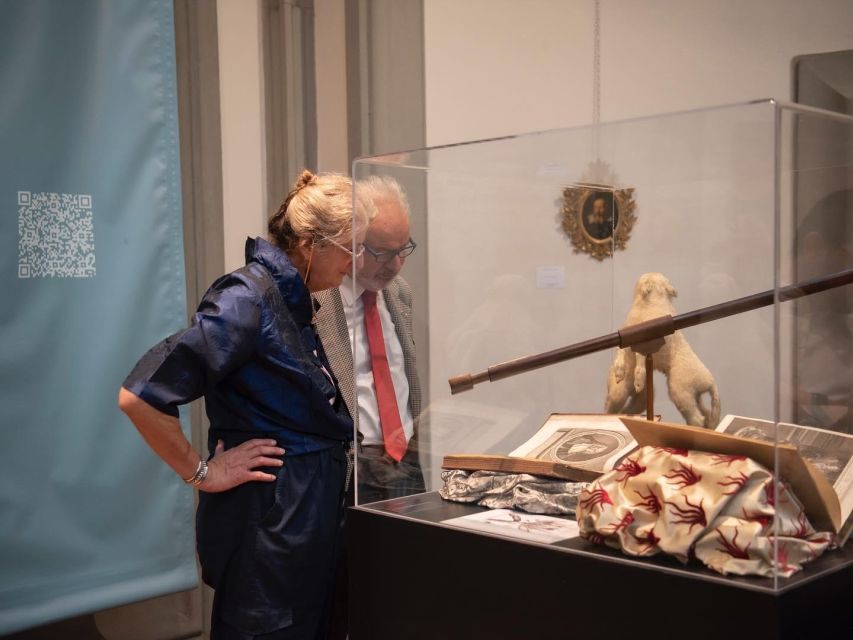
The museum adds holograms and multimedia installations to its more traditional material. This is useful for a family whose story can otherwise become a long list of names and dates.
A hologram can put a face or figure into the room in a way a flat label cannot. Multimedia can connect a document, building, anecdote, and historical event without asking you to make every connection alone. For younger visitors, or for anyone who finds dynastic history dry, these tools may keep the visit moving.
There is also a possible tradeoff. Technology can clarify the story, but it can compete with the objects and the building. I would use the digital displays as a guide rather than the main attraction. The Rotonda and the original material are what give the museum its lasting value.
The museum promises anecdotes and curiosities about the ancient rulers of Tuscany. That suggests a less formal approach than a museum devoted only to major political events. You might learn how the Medici lived, collected, cultivated plants, or handled the symbols of status that shaped court life.
Because the supplied information does not name each installation or describe a fixed route, I would keep expectations flexible. The main benefit is variety: you can move from a document to a reconstruction, then to a digital presentation, instead of reading wall text for the entire visit.
Same city, a completely different collection:
- Vatican: Museums & Sistine Chapel Entrance Ticket
★ 4.5 · 144,003 reviews - Vatican Museums, Sistine Chapel & St. Peter’s Basilica Tour
★ 4.3 · 73,970 reviews - Vatican Museums, Sistine Chapel & St Peter’s Basilica Guided Tour
★ 4.5 · 39,149 reviews - Florence: Skip-The-Line Uffizi Gallery Timed Entry Ticket
★ 4.5 · 27,832 reviews
The winter garden and the Medici love of plants
The winter garden adds a welcome change of pace. It reflects the Medici interest in botany, a subject that is easy to overlook when Florence’s art and politics take center stage.
The garden helps widen your view of the family. The Medici were collectors and patrons, but their curiosity also extended to the natural world. Plants, cultivation, and botanical study belonged to the same culture of collecting and inquiry that shaped their libraries, galleries, and scientific interests.
I would pay attention to this section if you are tired of portraits and political detail. It offers a more personal and sensory way to think about the family. The information does not specify the plants on display or the size of the garden, so do not plan your visit as a botanical tour. Think of it as one part of a broader museum experience.
This section may also suit families. A garden gives younger visitors something concrete to notice, while the surrounding displays explain why plants mattered to an elite Tuscan household. It is a small detail, but it helps prevent the Medici from becoming only a story about bankers, dukes, and artists.
Temporary exhibitions add a reason to return
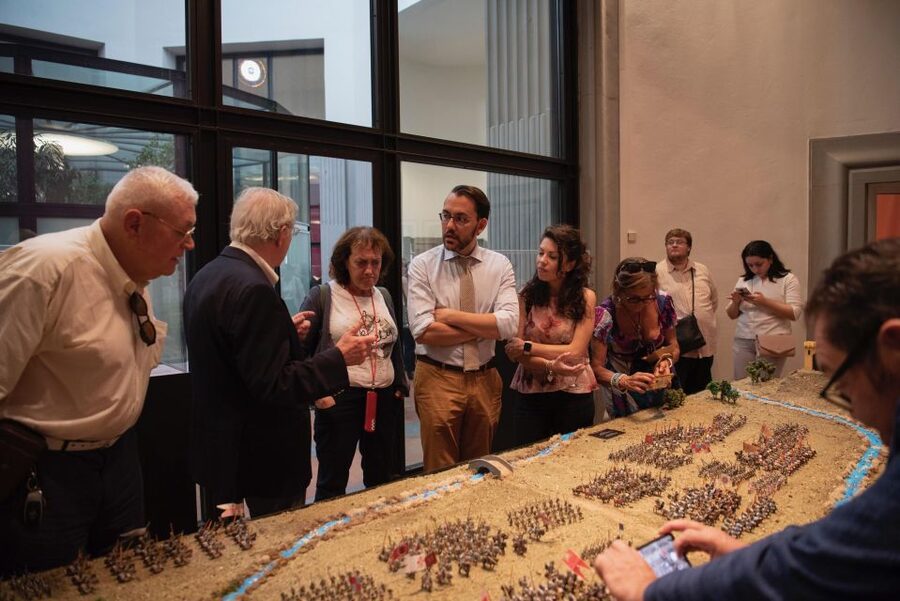
Temporary art exhibitions are included with the ticket. That makes the visit potentially more useful for people who already know Florence’s main Medici sights and want a different angle.
The temporary displays may change over time, so I would check what is showing before you go if that part matters to your decision. The available information confirms their inclusion but does not identify the current exhibition, its theme, or its size.
This uncertainty is not a problem if your main goal is the permanent Medici story and the Rotonda. It matters more if you are buying specifically for a particular temporary show. In that case, confirm the exhibition details and opening date before booking.
Is $14 good value in Florence?
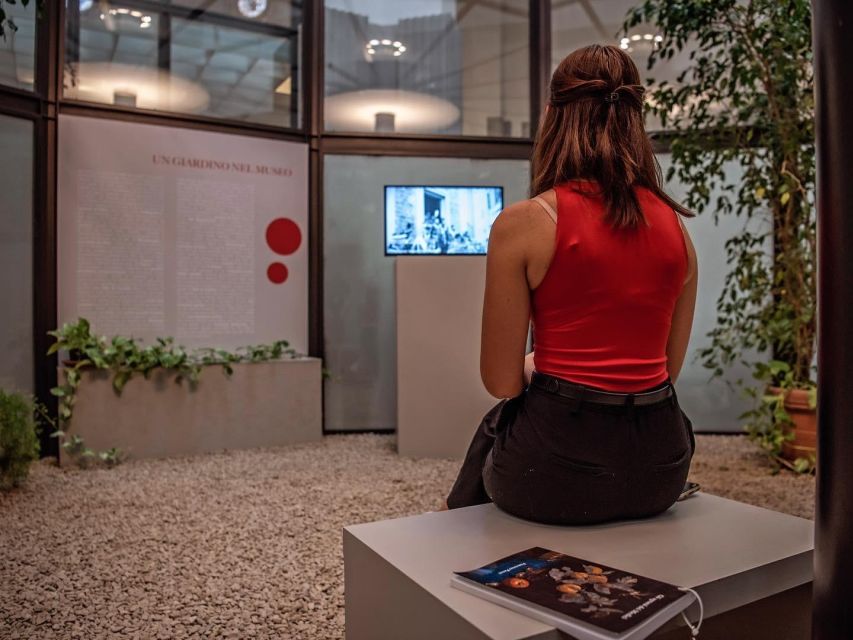
At $14 per person, the ticket is reasonably priced for a focused museum visit in Florence. The value comes from getting two experiences in one: a Medici collection and access to a distinctive Renaissance building.
The ticket also includes temporary art exhibitions, holograms, multimedia material, historical objects, and the winter garden. That is a stronger proposition than a simple room of portraits. You are paying for context as well as admission.
The two-month validity adds flexibility. It is not a two-month visit. It means you have a broad period in which to use the ticket, subject to available starting times and the museum’s operating schedule. This could help if you are planning a longer stay in Tuscany or arranging several Florence visits around changing weather.
The price is less attractive if you want a full, expert-led explanation of every Medici figure. No named guide is provided, and the information describes an English or Italian host or greeter rather than a dedicated guided tour. For that reason, history-minded visitors may want to read a short Medici overview before entering.
The ticket allows you to skip the ticket line, which can save time in a city where queues can interfere with a tightly planned day. Still, line-skipping does not remove the need to confirm that the museum is open on your chosen date.
Timing, booking caution, and the closure problem
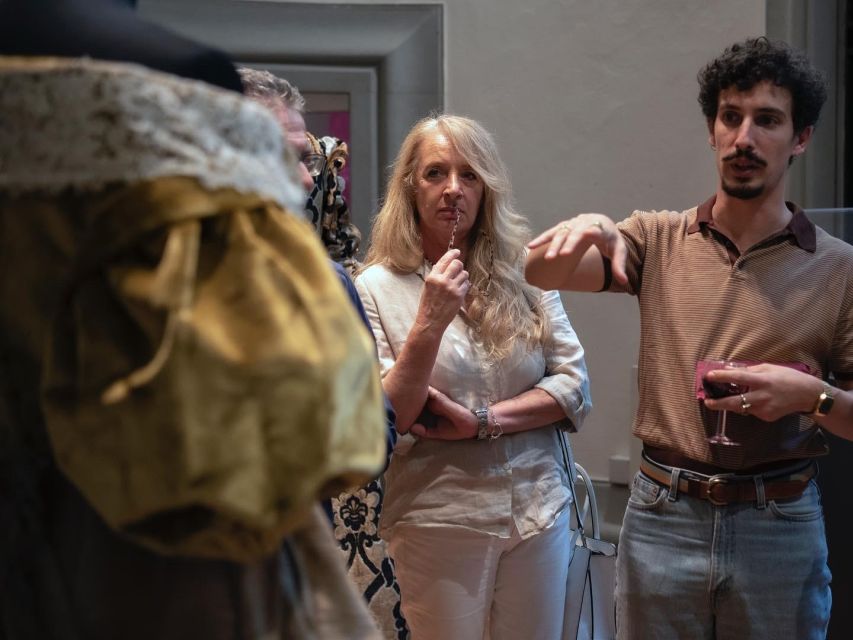
The experience is listed as valid for two months, with starting times checked through availability. The actual length of a museum visit is not provided, so I would avoid building a tight schedule around an assumed visit duration.
The biggest practical warning comes from a verified complaint dated January 2, 2026. The buyer reported arriving to find the museum closed, even though the booking system had allowed a purchase, and said there was no clear way to request a refund.
That is one person’s documented experience, not proof that the museum regularly closes without warning. Still, it is a serious issue because the advertised cancellation terms promise a full refund when you cancel at least 24 hours in advance. Before booking, check the selected date, opening information, and contact details. If your visit falls near a holiday or unusual opening period, take extra care.
The listed booking terms also allow you to reserve now and pay later. That can help if your Florence plans are still shifting. Free cancellation up to 24 hours before the visit gives additional room to adjust, though you should not rely on those policies to solve a same-day closure unless the provider confirms it.
Who will enjoy the Museo de’ Medici most?
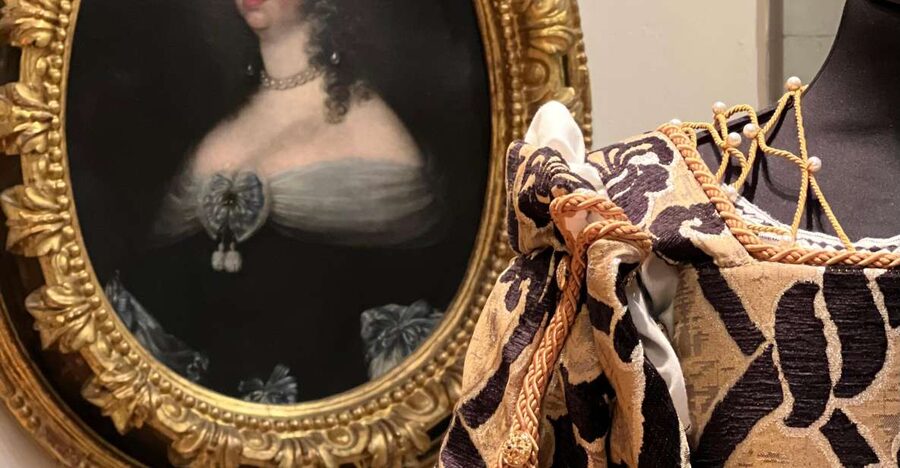
I would recommend this museum to you if you want Medici history in a compact setting rather than a full day of major palaces and churches. It suits visitors who like the connection between architecture, family power, art, books, and science.
It is also a good choice for anyone who wants to see a less familiar Florentine building. The Rotonda gives the visit a clear sense of place, and the building’s links to Brunelleschi, the humanist library, the Academy of Arts and Drawing, and Dante make it more than a standard dynasty exhibit.
Families may appreciate the mix of objects, reconstructions, holograms, and garden material. People who prefer quiet, label-heavy museums may enjoy the original documents and relics more than the digital displays.
I would be more cautious if you expect a large palace, an extensive collection, or a scheduled lecture by a famous historian. The available details point to a focused museum with varied interpretation, not an enormous royal residence or a full guided tour.
Should you book this Medici museum ticket?
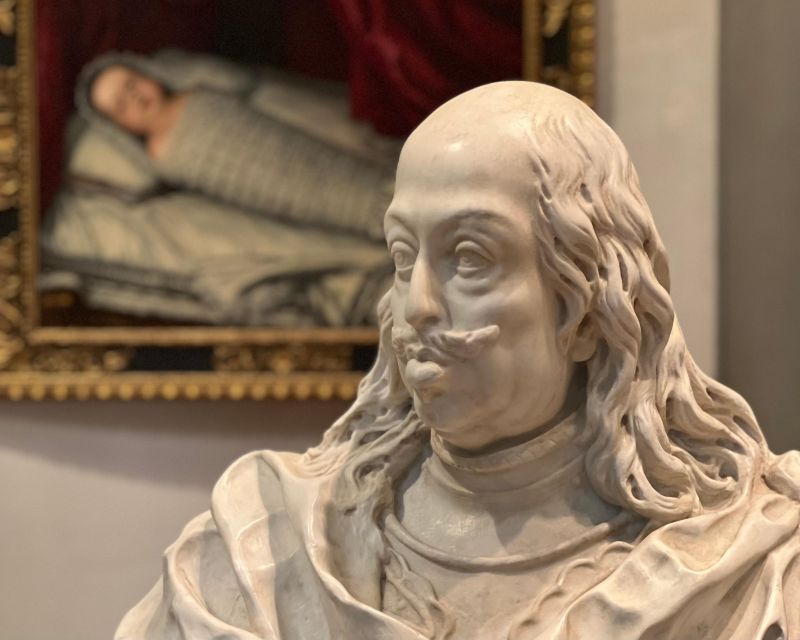
Book it if you want Medici history plus an unusual Renaissance monument for $14, especially if you enjoy original documents, historical relics, modern displays, and botanical connections. The two-month validity and skip-the-line entry make it easy to fit into a flexible Florence plan.
Before you commit, verify the opening date and cancellation details. The January 2, 2026 closure complaint is too specific to ignore, even though the overall score is 4 out of 5 from 128 reviews. If the museum is confirmed open, this is a sensible, moderately priced stop for understanding how the Medici shaped Florence beyond the usual headline attractions.
FAQ
Where is the Medici Dynasty History Museum located?
The museum is in Tuscany, Italy, inside the monumental Rotonda Brunelleschi in Florence.
What does the museum focus on?
It focuses on the history of the Medici Dynasty, from Lorenzo the Magnificent to the Electress Palatine, using art, relics, documents, reconstructions, and multimedia displays.
What is the Rotonda Brunelleschi?
It is an extraordinary circular building designed and begun by Filippo Brunelleschi. Modeled on the Roman Pantheon, it remained incomplete for about five hundred years.
Does the ticket include temporary exhibitions?
Yes. Temporary art exhibitions are included with the ticket.
Are there modern multimedia displays?
Yes. The museum includes holograms and multimedia installations alongside antiquities and historical material.
Is there a garden inside the museum?
Yes. The museum has a winter garden connected with the Medici family’s interest in botany.
What languages are available?
The listed languages are English and Italian. The host or greeter is also available in English and Italian.
How long is the ticket valid?
The ticket is valid for two months. You should check availability for the possible starting times before booking.
Just added around Italy
- Oil museum and oil mill in Tuscany: tour and tasting★ 5.0 · 16 reviews
- Enchanted Castle of Sciacca – Museum Tickets★ 3.5 · 63 reviews
- Torino: FIAT Historic Museum and Lingotto District Tour★ 4.9 · 14 reviews
- Torino: The Car Museum Skip-The-Line Tour★ 4.7 · 22 reviews
- Timed Entry Ticket to the Uffizi Gallery★ 4.5 · 498 reviews
- Florence: Accademia Gallery Entry Ticket with Audio Guide★ 4.1 · 88 reviews
- Vatican City: Sistine Chapel, Museums, Basilica Private Tour★ 4.8 · 158 reviews
- Rome: Capitoline Museums and Centrale Montemartini Tickets★ 4.4 · 328 reviews
Museum Tours in Italy, compared.
Vatican: Museums & Sistine Chapel Entrance Ticket
Read our review →
Vatican Museums, Sistine Chapel & St. Peter’s Basilica Tour
Read our review →
Vatican Museums, Sistine Chapel & St Peter’s Basilica Guided Tour
Read our review →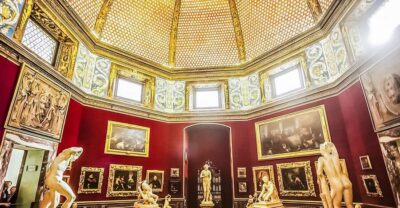
Skip-The-Line Uffizi Gallery Timed Entry Ticket
Read our review →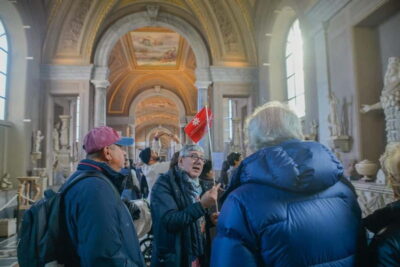
Vatican Museums, Sistine Chapel and Basilica Tour
Read our review →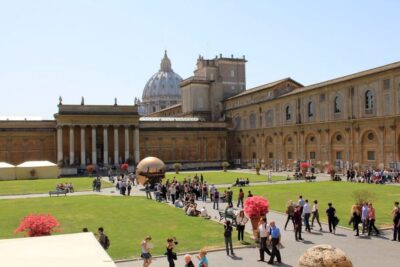
Vatican Museums & Sistine Chapel Skip-the-Line Entry Ticket
Read our review →
Vatican Museums, Sistine Chapel & Basilica Tour
Read our review →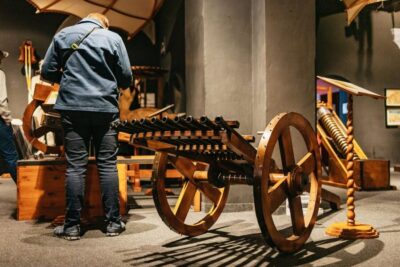
Browse the lists this tour appears in