
Review · BRAZIL
Manaus: MUSA and INPA Museums with Observation Tower Tour
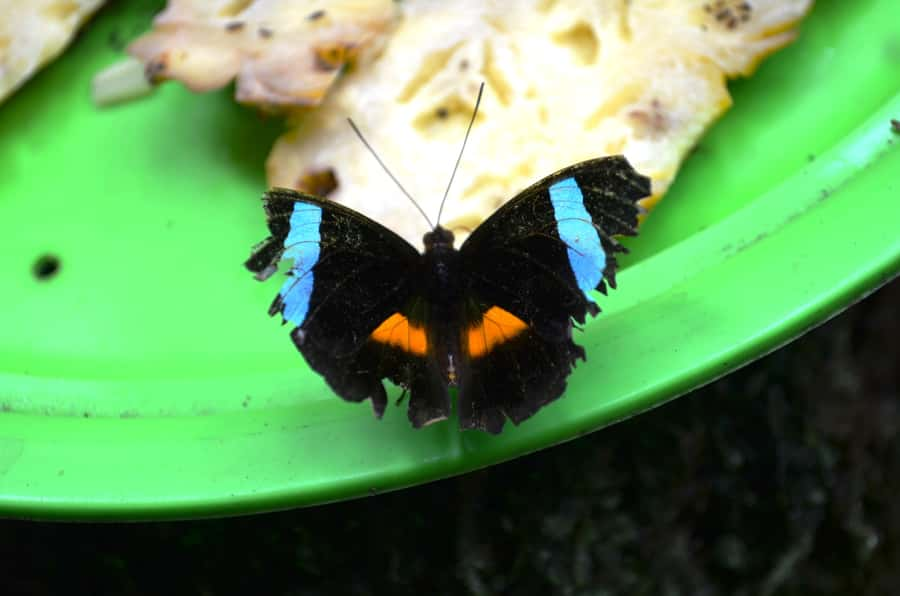
The best part of this Manaus outing is the chance to see real Amazon forest without leaving the city. At MUSA, you walk through the 100-hectare Adolpho Ducke Forest Reserve, pass orchids, bromeliads, aquariums, insects, snakes, and butterflies, then climb a 42-meter observation tower for a rare look across the tree canopy. I like the small group limit of 10 and the included hotel transport, two useful comforts in hot, busy Manaus.
I also like that this is more than a pretty walk. The INPA connection gives the visit a science and conservation angle, and guides such as Felix have made the ecology especially engaging. The main concern is uneven organization: pickup times, guide contact, transport, and even access to the guided visit have not always gone smoothly. Plan for some flexibility, and confirm every detail before setting out.
Key points to know before you go
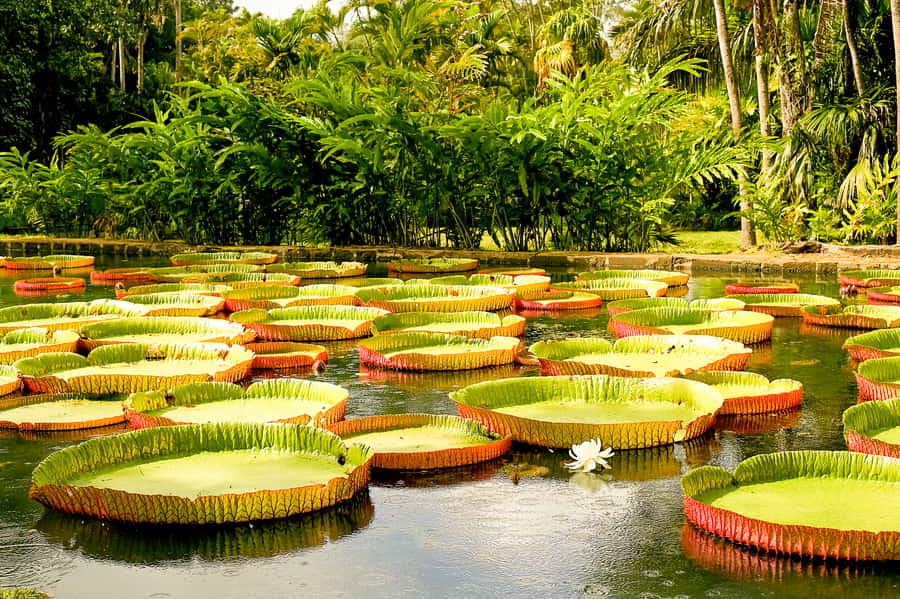
- A forest reserve inside Manaus: MUSA occupies 100 hectares of the Adolpho Ducke Forest Reserve, so you get a taste of Amazon habitat without booking a remote river trip.
- A 42-meter canopy view: The observation tower is the signature feature, but reaching it requires walking and climbing.
- Wildlife and plant exhibits: Expect orchids, bromeliads, aquariums, snakes, insects, butterflies, and experimental research areas.
- A guide can make the difference: The tour is sold with English and Portuguese guidance, but guide coverage has not always been consistent at every stop.
- About $50 plus admission: The tour price includes transport and the bilingual guide, but the museum ticket costs about 30 BRL extra.
- Rain can change the day: Muddy trails, traffic delays, and missed connections are real concerns in Manaus, especially in the wet season.
Inside MUSA, where Manaus meets the forest
MUSA, short for Museu da Amazônia, is not a traditional museum with room after room of framed displays. Its appeal comes from the setting. The museum occupies a large section of the Adolpho Ducke Forest Reserve, allowing you to follow trails through living Amazon forest while learning about the plants and animals around you.
That combination matters. You do not have to spend hours traveling upriver to see a forest environment. From Manaus, you can reach a protected green area and spend much of the day walking beneath trees, looking into exhibits, and listening to explanations about the Amazon ecosystem.
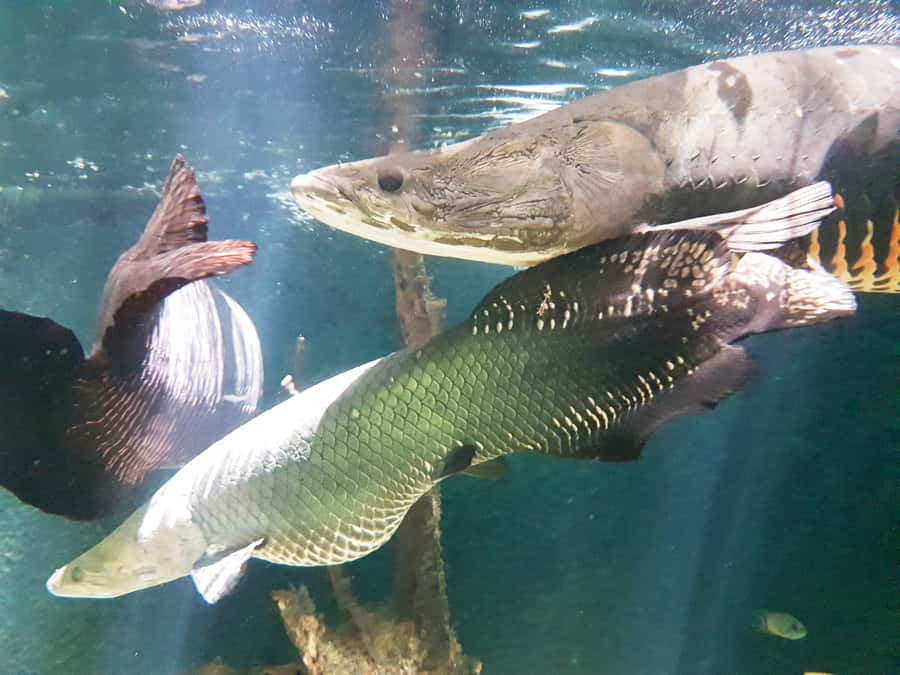
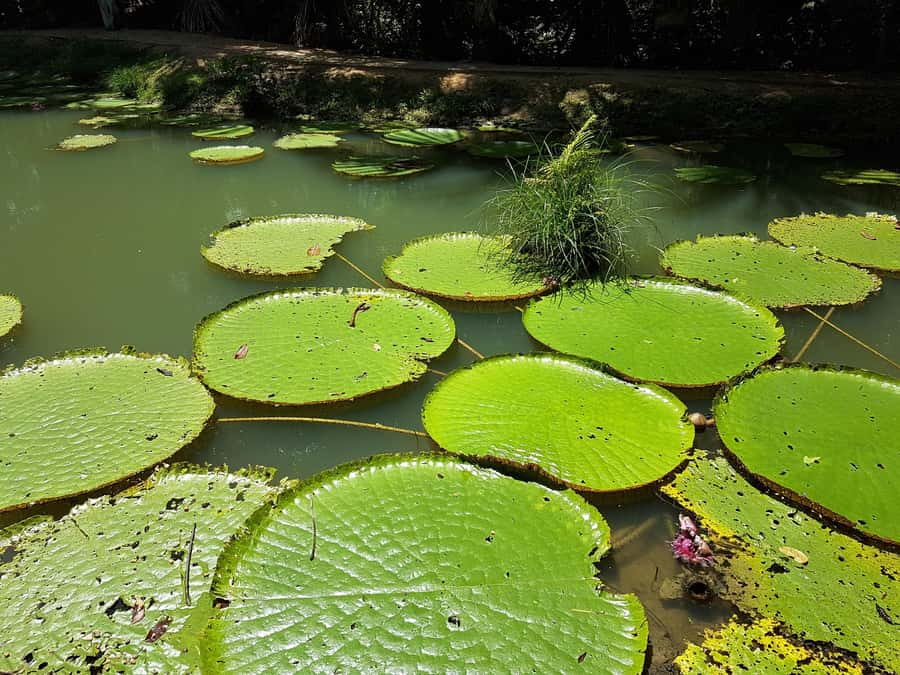
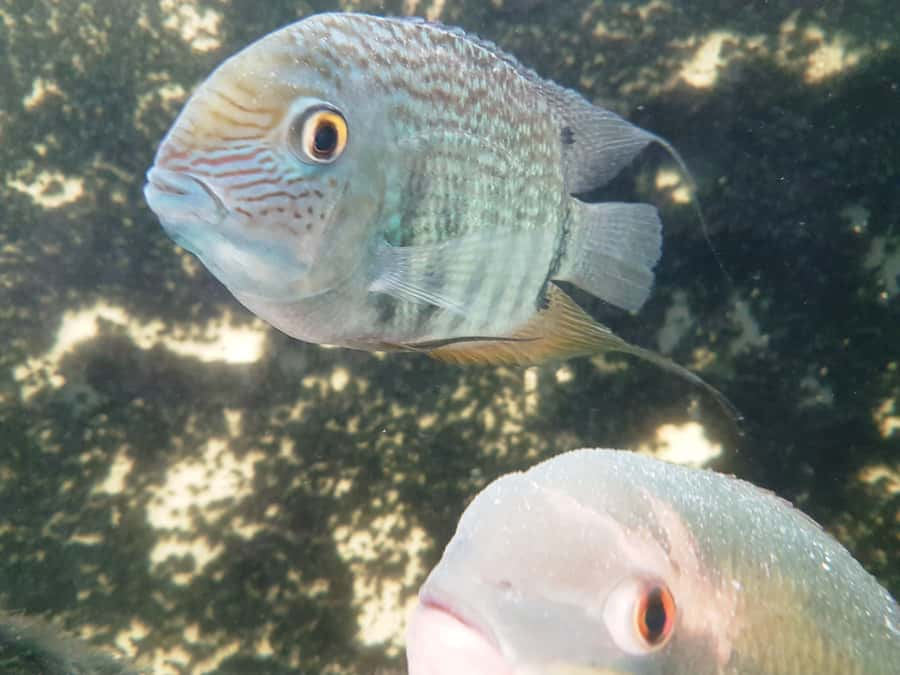
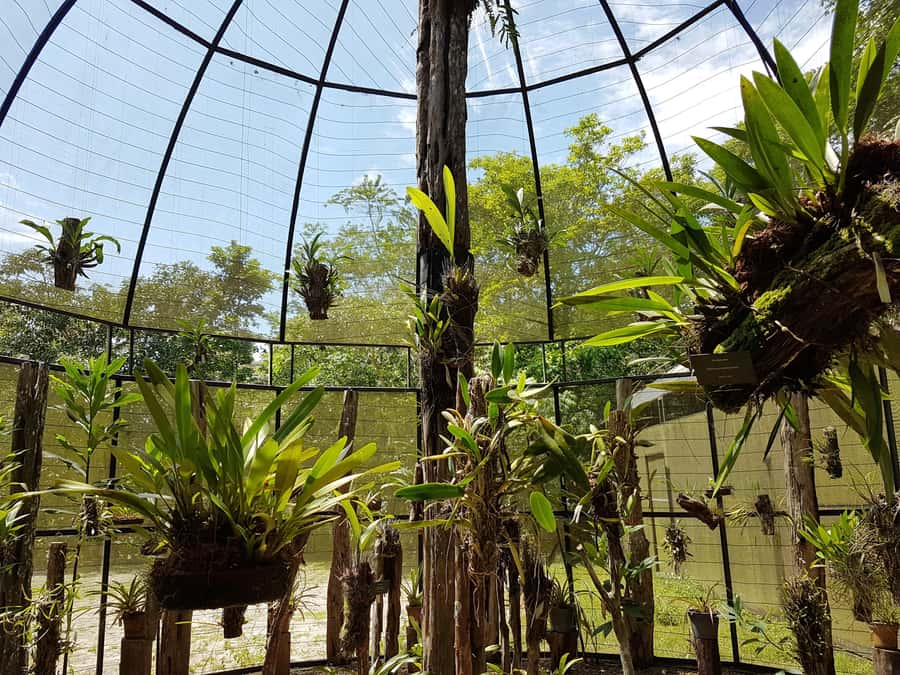
The visit includes several different kinds of stops. You might see a nursery filled with orchids and bromeliads, a lake, aquariums, and experimental laboratories with snakes, insects, and butterflies. These areas give the outing more range than a simple nature walk. You can look at the forest as a living system, then see some of its smaller residents up close.
The museum is also linked to more than 60 years of research by the National Institute of Amazonian Research, known as INPA. That connection gives the visit a useful purpose. You are not only looking at attractive plants and animals. You are also seeing how research about the Amazon is shared with the public.
Still, keep your expectations in check. This is not a guaranteed wildlife encounter. The highlights are the forest setting, the displays, and the chance to learn about Amazon life. Wildlife sightings can vary, and a humid forest is not a zoo with animals waiting beside the path.
Other museums people book in the world on the same trip:
- Vatican: Museums & Sistine Chapel Entrance Ticket
★ 4.5 · 144,003 reviews - Vatican Museums, Sistine Chapel & St. Peter’s Basilica Tour
★ 4.3 · 73,970 reviews - Paris: Louvre Museum Timed-Entrance Ticket
★ 4.6 · 71,977 reviews
What the INPA visit adds to the day
INPA is one of the important scientific institutions connected with Amazon research. The experience is designed to introduce you to that work and to show parts of the institute’s public-facing areas.
The exact flow can vary. The advertised plan includes a bilingual guide, but the guide’s presence at INPA has not always been reliable. On one occasion, the driver accompanied the walk instead. That can still get you from place to place, but it is not the same as having someone explain the science, wildlife, and cultural context in English.
I would treat the INPA portion as valuable when the guide is present, but I would confirm the arrangement before departure. Ask who will guide each stop, not just whether the overall tour has a bilingual guide. This small question can make a large difference, especially if you want more than a walk through the grounds.
The institute connection is worth preserving in your Manaus plans. It helps explain why the city is more than a gateway for jungle trips. Manaus also has a long role in Amazon research and public education, and this outing gives you a short introduction to that side of the region.
Climbing the 42-meter observation tower
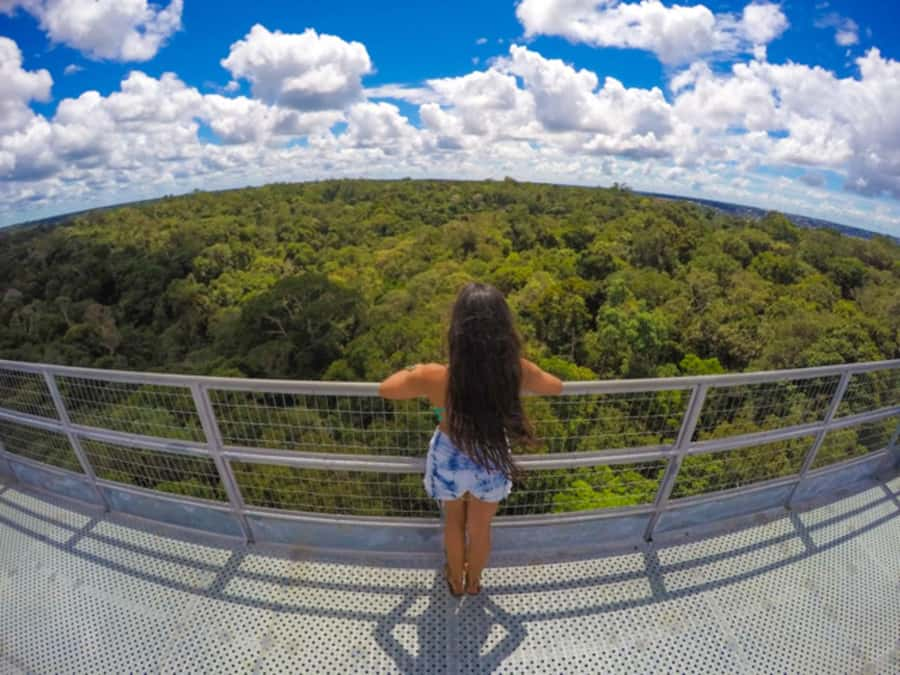
The tower is the clearest payoff for the walking portion of the visit. At 42 meters, or about 138 feet, it rises above the forest canopy and gives you a broad view over the treetops.
From ground level, the Amazon can feel like a wall of trunks, leaves, shade, and sound. From the tower, the forest begins to make more sense as a continuous canopy. The view helps you understand the scale of the reserve and why the upper forest is an important habitat in its own right.
The climb also changes the physical character of the day. This is not a quick elevator ride followed by a short stroll. The park has several paths, and the tower requires climbing. Comfortable shoes are essential, particularly after rain.
The tower is not suitable for everyone. The experience is specifically not recommended for people with mobility impairments, heart problems, back problems, or for wheelchair users. It is also not recommended for pregnant women. If stairs, uneven trails, or a long walk are difficult for you, ask for a clear description of the route before booking.
Bring sunglasses, a sun hat, and sunscreen, but do not forget that rain is part of Manaus life. A wet day can make the paths muddy. One person arrived in sneakers and found them covered in mud after heavy rain because the option of rental rubber boots had not been explained. If the forecast looks wet, ask about boots before you leave.
The walking trails and the small details
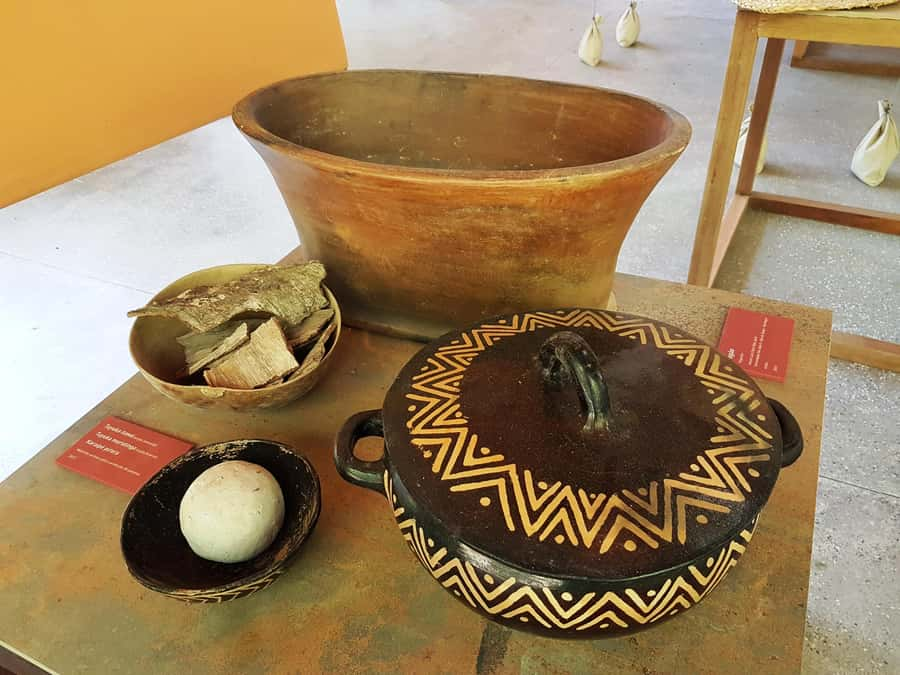
The trails are where the tour feels most like a forest outing rather than a museum visit. You move between the different MUSA areas along paths through the reserve, with the chance to pause at plants, water, and exhibits.
Take your time with the orchids and bromeliads. They are easy to rush past, but they show how much of the Amazon story is about plants growing on and around other plants. The aquariums and laboratory areas offer a more controlled view of the ecosystem, while the forest paths show how those pieces fit together outdoors.
The insects, snakes, and butterflies may be the most memorable exhibits for some people and the least comfortable for others. They are useful because they widen your idea of Amazon wildlife. The forest is not only monkeys and colorful birds. Small creatures and less-loved animals play a large part in the system.
Your guide can add real value here. A good explanation turns a plant nursery or aquarium into a lesson about adaptation, habitat, and research. Felix, one guide specifically praised for the experience, was noted for explaining both MUSA and wider Amazonia. That is the kind of guiding you want: not just directions along a path, but a connection between what you see and the larger region.
A few more museum visits around the world worth comparing
- Amsterdam: Van Gogh Museum Ticket
★ 4.7 · 52,054 reviews - Vatican Museums, Sistine Chapel & St Peter’s Basilica Guided Tour
★ 4.5 · 39,149 reviews - NYC: 9/11 Memorial & Museum Timed-Entry Ticket
★ 4.8 · 31,428 reviews - London: Tower of London and Crown Jewels Exhibition Ticket
★ 4.6 · 28,769 reviews
Transport, timing, and communication in Manaus
Hotel pickup and drop-off are included for hotels in Manaus, which makes this easier than arranging your own transport. You need to provide your hotel address so the local partner can arrange the pickup.
The weak point is communication. Pickup times have not always been sent clearly, and some people have had to chase the operator by phone or email. Meeting arrangements can also become confusing, especially for people arriving by ship or meeting near the port.
I would not wait until the morning of the tour to sort this out. Confirm the pickup time, the exact meeting point, the driver’s contact, and the expected return time. Save those details on your phone, and carry the operator’s number in a form you can access without an internet connection.
Allow extra time for Manaus traffic. Heavy congestion has caused late arrival at the museum, which can lead to a missed meeting with the guide. Rain makes this risk greater. The city can also be intensely hot, so an outdoor wait at a port meeting point may be tiring before the forest walk even begins.
The small group limit of 10 is a positive feature when the day runs properly. A smaller group makes it easier to hear the guide, ask questions, and move along narrow paths. It does not, however, guarantee a smooth operation. The logistics still depend on clear communication between the operator, driver, guide, and museum.
What the $50 price really covers
At about $50 per person, the tour sits in a reasonable range if you value hotel transport and a bilingual guide. You are paying for a full-day outing, round-trip transfers, and access to two Manaus-area institutions rather than simply buying a museum ticket.
The museum entrance is not included. Expect to pay about 30 BRL on arrival. Food and drinks are also not included, so bring water and arrange food according to the day’s timing. The supplied information does not specify a meal stop, and the schedule can shift.
The value depends heavily on the guide and the transport. With a strong guide, the price buys context you would struggle to get from signs alone. You learn what the plants and animals mean, how INPA research connects to the area, and how to read the forest around you.
If the guide is missed or the schedule is cut short, the value drops quickly. One outing returned much earlier than the planned 3:30 p.m. finish, while another arrived too late to meet the English-speaking guide. These are not small problems on a tour whose main reason for being is guided interpretation.
You can visit Manaus attractions independently, and ride-hailing may cost less for some plans. The organized tour makes more sense if you want pickup, a bilingual guide, and one booking for the transport. It makes less sense if you are comfortable arranging your own ride and can visit during a confirmed guided session at MUSA.
Rain, mud, and the practical packing list
Manaus is hot, and the reserve is outdoors. Wear closed-toe shoes with a good grip. Open-toed shoes are not allowed, and sandals are a poor choice for muddy forest paths in any case.
Bring:
- Comfortable closed shoes
- Sunglasses
- A sun hat
- Sunscreen
- Water and any food you need
- A rain layer or poncho, especially in the wet season
Do not bring oversized luggage or large bags. Pets are not allowed. A compact day bag is the sensible choice, but keep it small enough for the restrictions.
Rain does not automatically ruin the experience. It can make the forest feel more atmospheric and bring out its wet-season character. The trouble comes when the operator does not explain boot rentals, when paths become slippery, or when traffic causes you to miss the guide. Ask about the weather plan and footwear before you set off.
Who will enjoy this outing most
I would recommend this for someone staying in Manaus who wants an accessible introduction to Amazon nature without committing to a multi-day lodge or river journey. It suits people who enjoy walking, plants, scientific displays, and a broad view from above the trees.
Families with older children may find the tower and animal displays interesting, but the mobility limits deserve serious attention. The paths and climb are not designed for wheelchair users, and the outing is not recommended for people with several listed medical concerns.
It also suits visitors who prefer a small group to a large bus tour. Ten people is a manageable size, and a good guide can make the trails feel personal.
I would be cautious if your schedule is tight. Traffic, rain, late pickups, waiting for missing participants, and an early return have all affected the timing. Do not place a major flight, cruise departure, or other fixed appointment immediately after the tour.
Should you book MUSA and INPA?
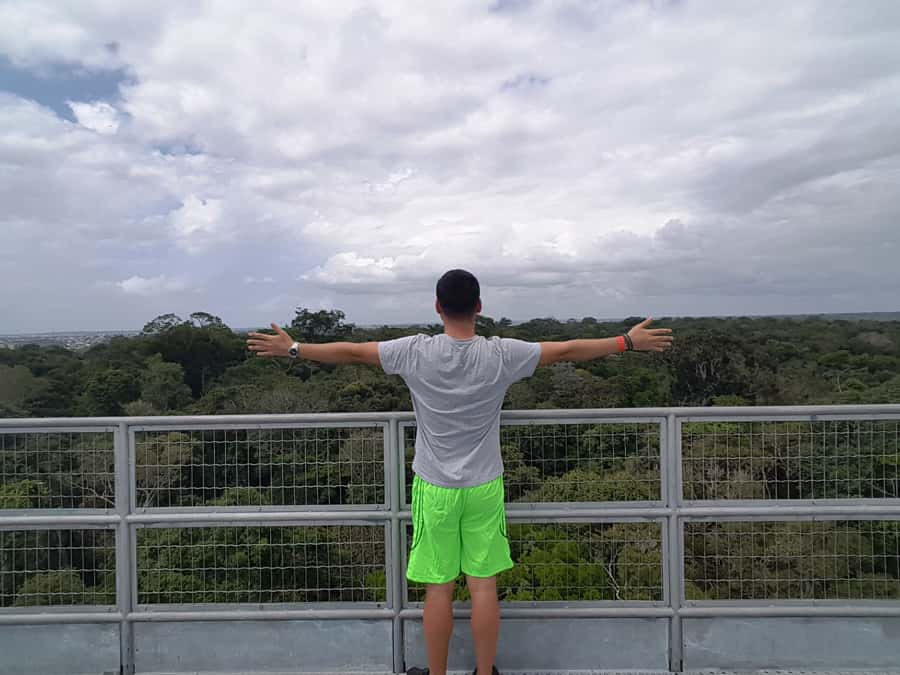
Book it if you want a convenient, city-based forest experience and you value having transport arranged. The tower, forest paths, plant nursery, aquariums, and INPA connection give the day genuine variety. The strongest version of the tour includes a guide who can explain what you are seeing, such as Felix, rather than simply escorting you from one place to another.
Before paying, confirm the pickup time, meeting point, driver contact, return time, and whether a guide will accompany both MUSA and INPA. Also confirm the 30 BRL museum admission and the wet-weather plan.
My verdict is cautious but positive: the places are worthwhile, yet the operator needs to deliver the organization promised. If you can tolerate a little schedule uncertainty and prepare for rain, this is a useful way to meet the Amazon near Manaus. If you need tight timing or guaranteed guide coverage at every stop, arrange the visits independently or seek written confirmation first.
FAQ
Where does the tour take place?
The tour visits the Museu da Amazônia, known as MUSA, inside the 100-hectare Adolpho Ducke Forest Reserve near Manaus. It also includes an INPA-related visit.
How high is the observation tower?
The observation tower is 42 meters high, or about 138 feet.
Is hotel pickup included?
Yes. Round-trip transportation and pickup and drop-off at Manaus hotels are included. You need to provide your hotel address so pickup can be arranged.
Is the museum admission included in the price?
No. The entrance ticket must be bought on arrival and costs about 30 BRL.
Is food included?
No. Food and drinks are not included.
What languages does the guide speak?
The tour offers live guidance in English and Portuguese.
How large is the group?
The tour is listed as a small-group experience with a maximum of 10 participants.
What should I wear?
Wear comfortable closed-toe shoes. Bring sunglasses, a sun hat, and sunscreen. Open-toed shoes are not allowed.
Is the tour suitable for people with mobility problems?
No. The tour is not recommended for people with mobility impairments, wheelchair users, back problems, heart problems, or pregnant women because of the forest paths and the 42-meter tower.
Just added around the world
- Girona, Figueres, Dalí Museum and Cadaqués Tour from Barcelona★ 4.5 · 36 reviews
- Football Club Barcelona Museum Immersive Tour Guided Visit★ 3.5 · 52 reviews
- Erotic Museum Admission Ticket with Audioguide★ 5.0 · 527 reviews
- Dali Museum and Costa Brava Small Group Day Trip from Barcelona★ 5.0 · 77 reviews
- Madrid by High-Speed Train with Prado Museum Private Tour★ 4.0 · 33 reviews
- Guitar Legends Hall: Entrance to the Immersive Rock Museum★ 5.0 · 25 reviews
- White Rabbit Museum: The Best Immersive Experience in Catalonia★ 5.0 · 538 reviews
- Private Dali Museum, Besalú & Girona Tour from Barcelona★ 5.0 · 15 reviews
Museum Tours in Brazil, compared.

Petrópolis Day Trip from Rio de Janeiro including Imperial Museum and Crystal Palace
Read our review →
7-Hour Shared Group Santos Tour : Mont Serrat, Coffee Museum and Sightseeing
Read our review →
Olympic Boulevard, Museum of Tomorrow & Historical Rio
Read our review →
Rio: Olympic Boulevard, AquaRio and Museum of Tomorrow Tour
Read our review →
Rio: Olympic Boulevard, Museum of Tomorrow & History Tour
Read our review →
Rio: Petrópolis Trip with Palace, Imperial Museum & Brewery
Read our review →
Browse the lists this tour appears in