
Review · BRAZIL
Rio de Janeiro: Flamengo Museum Ticket Entrance
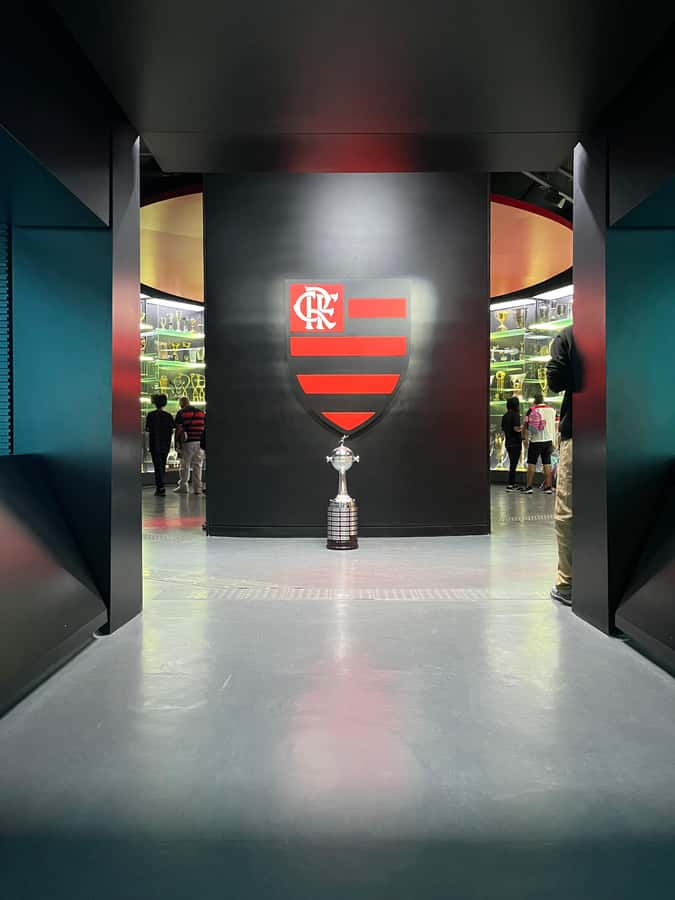
Flamengo’s museum turns club history into a walk through trophies, giant screens, historic objects, and sensory rooms. The story begins in 1895, when Flamengo was a rowing club, then follows the rise of one of Brazil’s biggest football names.
I like the four-floor trophy room and the fact that the displays cover more than football, with idols from several sports. I also like the digital guide in Portuguese, English, and Spanish, which helps international visitors follow the story without guessing at captions.
The main drawback is simple: this is a museum visit, not a tour of the Gávea headquarters. Food, drinks, pets, sportswear, and photography with flash are not allowed, so check the rules before you go.
Key points to know before visiting
- Four floors of trophies: The collection gives the visit a strong visual center and lets you follow Flamengo’s sporting success at your own pace.
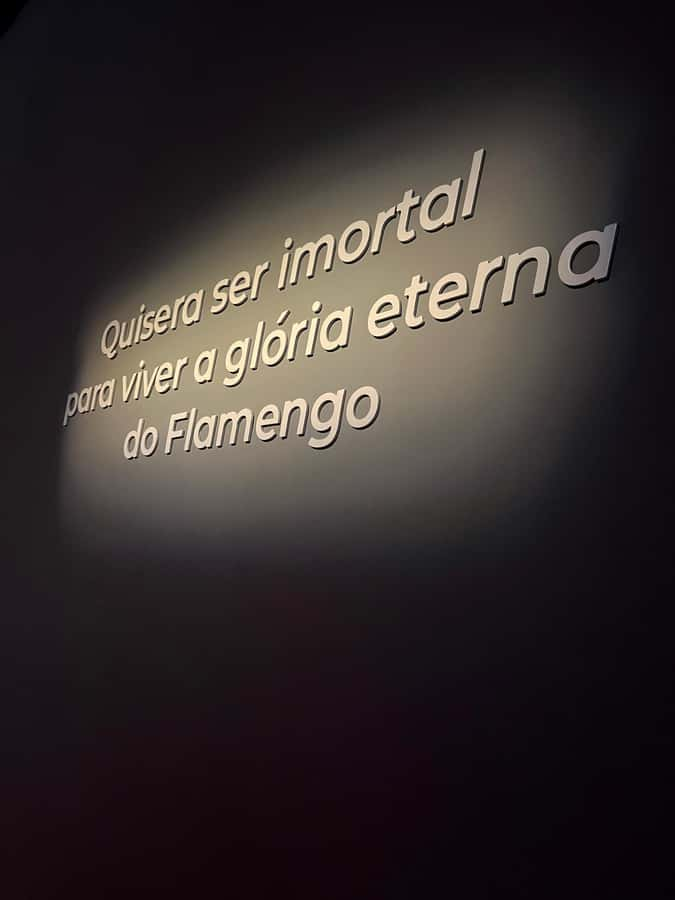
- A story that begins in 1895: You see how the club grew from a rowing organization into a major football power.
- Fourteen themed sections: Giant screens, sensory rooms, and interactive displays add movement and sound to the historical material.
- More than football: The museum includes figures and objects connected to several sports.
- Three language options: A digital guide is available in Portuguese, English, and Spanish.
- A Gávea location: The museum is at Clube de Regatas do Flamengo’s headquarters in Rio’s south zone, but the ticket does not include a tour of the wider complex.
From rowing club to football powerhouse
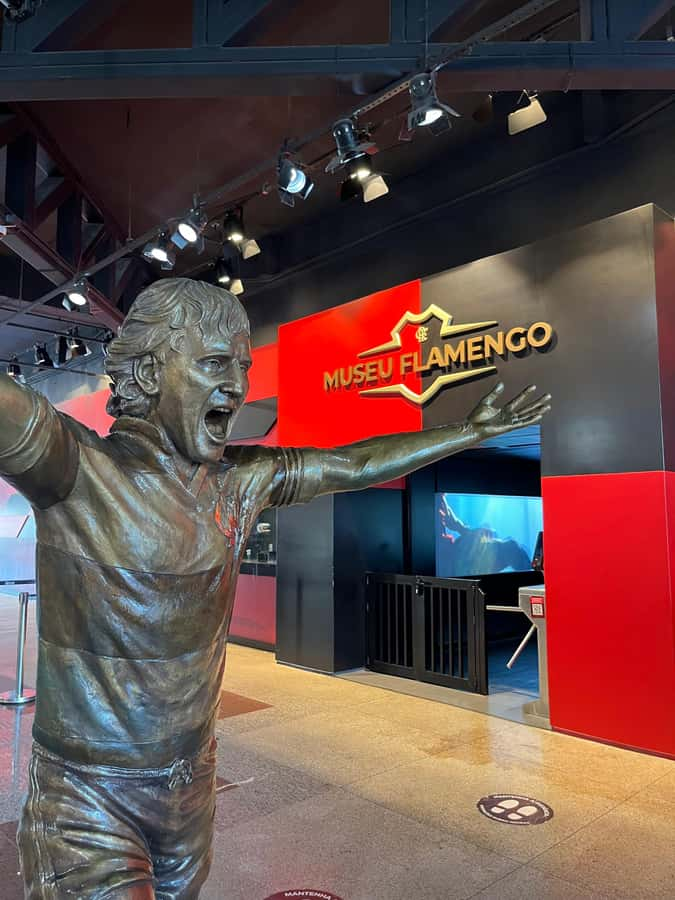
The most useful way to approach this museum is to remember that Flamengo did not begin as a football club. Its story reaches back to 1895, when it was founded as a rowing club. That opening chapter gives the visit more shape than a simple display of football shirts and cups.
You can follow the change from water sports to football and see how Flamengo became one of Brazil’s most important sporting institutions. For a first-time visitor, this context matters. The club’s identity is not built around one team alone, even if football is now its most famous face.
The museum uses 14 themed sections to break up that story. Rather than moving through one long corridor of dates, you pass through separate areas focused on different parts of the club’s past. The format should help you keep track of names, symbols, key moments, and sports.
I would give the opening history proper attention instead of rushing toward the biggest trophies. It explains why the club presents itself as a broad sporting institution and why objects from rowing and other sports belong in the same museum as football memorabilia.
A few more museum visits around the world worth comparing
- Vatican: Museums & Sistine Chapel Entrance Ticket
★ 4.5 · 144,003 reviews - Paris: Louvre Museum Timed-Entrance Ticket
★ 4.6 · 71,977 reviews - Amsterdam: Van Gogh Museum Ticket
★ 4.7 · 52,054 reviews
Four floors built around Flamengo’s trophies
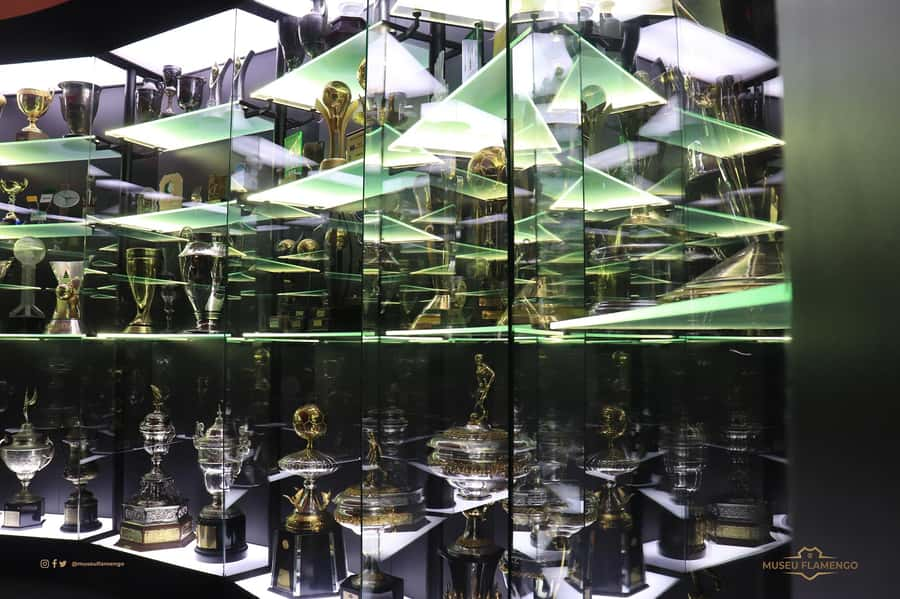
The trophy room is the museum’s biggest physical feature, spread across four floors. That makes the visit feel substantial for a ticket priced at $18, especially if you have a real interest in football or Brazilian sport.
You should not expect to absorb every cup in a quick glance. The number of floors gives you room to look closely, compare periods, and pause over the achievements that mean the most to you. The layout also helps make the trophy collection feel like part of a timeline rather than a single crowded cabinet.
Trophies are powerful objects because they give shape to otherwise abstract success. A date on a wall tells you when something happened. A cup shows you what the achievement looked like and places the club’s wins in front of you.
The museum also preserves historic objects connected to the club. These may be more revealing than a trophy alone because they show the everyday side of Flamengo’s story. Together, the objects and awards connect sporting results with the people, symbols, and traditions behind them.
If your interest is mainly football, the trophy floors will likely be the strongest part of your visit. If you prefer social or cultural history, do not skip the earlier sections. The museum works best when you see the cups as one part of a longer story.
Giant screens and hands-on displays
This is not a quiet museum made only of glass cases and printed labels. The displays use giant screens, sensory rooms, and interactive features to place you closer to the club’s major moments.
I like this approach for a football museum because the sport is about sound, timing, crowds, and emotion. A static object can explain what happened, but a visual or sensory display can show why a moment mattered to supporters.
The club describes these areas as designed to make you feel part of its huge fan base. That is an emotional approach, and it will suit some people more than others. Flamengo supporters will probably get the most from the atmosphere and memory-driven presentation. Neutral visitors may prefer the sections that explain the club’s development and sporting achievements.
The technology also gives children and younger visitors something to do beyond reading. Families should note, though, that unaccompanied minors are not allowed. The available information does not give a minimum age or explain family arrangements, so an adult should plan to remain with any child throughout the visit.
Keep your phone on silent or airplane mode while inside. The museum also does not allow filming or flash photography. That can disappoint anyone hoping to record the displays, but it helps keep attention on the exhibits and protects sensitive objects from harsh light.
Idols from several sports, not only football
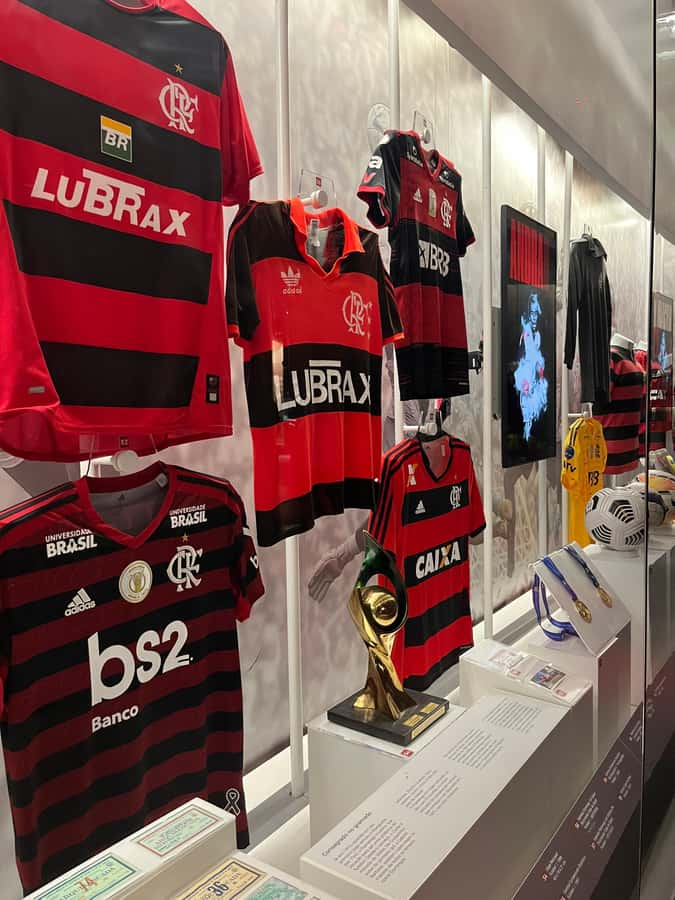
Flamengo’s public image is closely tied to football, but the museum includes idols from several sports. This is one of the more important details for visitors who may not already know the club.
You can use these displays to understand Flamengo as a sports organization rather than only a football brand. The rowing origins make more sense in this wider setting, as do the club’s connections to athletes outside the football team.
For a football specialist, these sections may feel like a change of pace. For everyone else, they prevent the visit from becoming a narrow celebration of match results. You get a fuller view of the people who shaped the club and the range of activities linked to its name.
The collection is described as carefully preserved, with historic objects and material connected to different eras. I would pay attention to how the museum places personal stories, sporting objects, and club symbols together. That combination helps explain how a large organization builds a shared identity over time.
The strongest emotional moments will depend on what you already know. A lifelong Flamengo fan may recognize names and scenes at once. If you are new to the club, the digital guide becomes especially useful.
Same city, a completely different collection:
- Vatican Museums, Sistine Chapel & St. Peter’s Basilica Tour
★ 4.3 · 73,970 reviews - Vatican Museums, Sistine Chapel & St Peter’s Basilica Guided Tour
★ 4.5 · 39,149 reviews - NYC: 9/11 Memorial & Museum Timed-Entry Ticket
★ 4.8 · 31,428 reviews - London: Tower of London and Crown Jewels Exhibition Ticket
★ 4.6 · 28,769 reviews
Using the digital guide in Gávea
The digital guide is available in Portuguese, English, and Spanish. That is a real advantage for international visitors because the museum’s subject matter includes names, dates, rivalries, and symbols that can be hard to understand from short labels alone.
You are not given a named personal guide for this activity. Instead, the digital guide supports your visit as you move through the museum. The listed activity languages are Portuguese, English, and Spanish, so choose the language that lets you follow the story most comfortably.
I would use the guide as a companion rather than trying to read every piece of text independently. Start with the broad story, then spend more time on displays that catch your attention. The four floors and 14 sections offer enough material to make a slower visit worthwhile.
The guide also makes this a more flexible experience than a fixed walking tour. You can pause, look again, and move at your own pace. On the other hand, there is no promise of a live expert explaining every display, so visitors who prefer a personal guide should set their expectations accordingly.
What the Gávea setting means for your plans
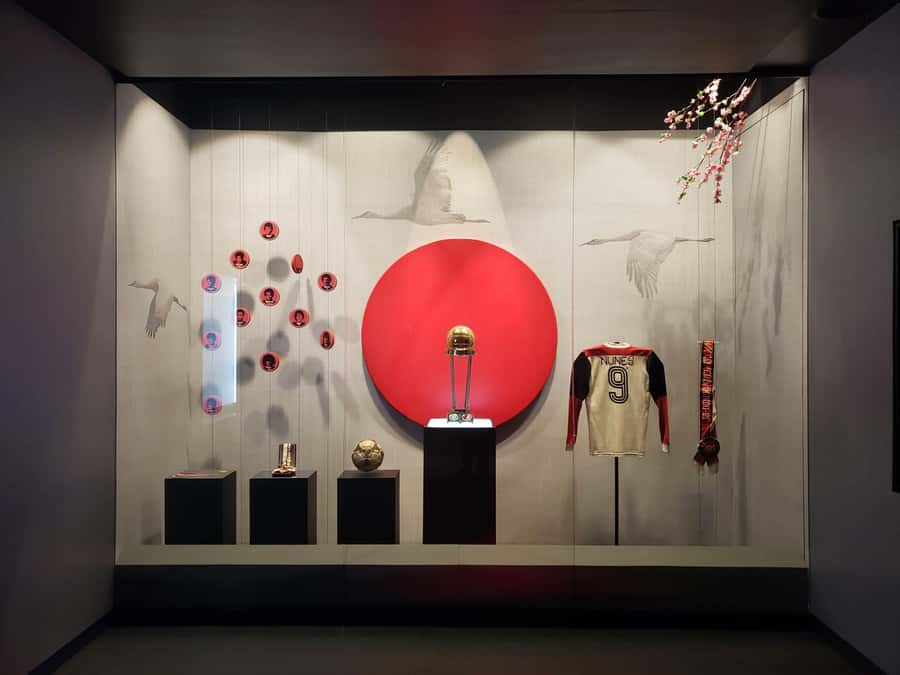
The museum is at Clube de Regatas do Flamengo’s headquarters in the Gávea neighborhood, south of Rio de Janeiro. That gives the visit a direct connection to the club itself instead of placing the collection in a separate city museum.
The ticket covers entry to the museum, not a tour of Gávea. This distinction matters. If you picture a behind-the-scenes walk through the headquarters, grounds, or sporting facilities, you will need to adjust your plans. The museum is the main event.
Because the ticket is valid for one day, you should check the available starting times before booking. The information does not specify a fixed visit length, so you will need to use the time shown for your selected date. Do not assume that one-day validity means you can enter at any hour or return on several days.
The location works well as part of a day in Rio’s south zone, but the museum should be treated as a planned stop. It is not an open-ended neighborhood walk or a guided tour through several parts of the city.
Price, value, and who will enjoy it most
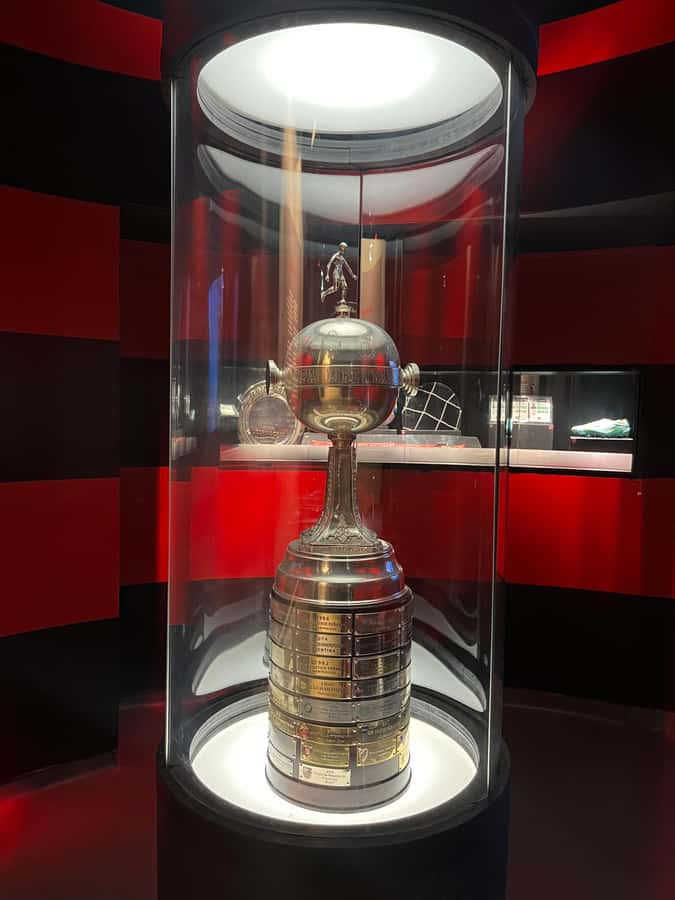
At $18 per person, the museum is fairly priced for a dedicated sports attraction with four floors of trophies, 14 themed sections, and multilingual digital support. I see the best value if you care about Flamengo, Brazilian football, sports history, or interactive museum design.
The price is less compelling if you are only mildly curious about the club and expect a short photo opportunity. This is not just a single trophy case. You are paying for a full museum visit with several sections and a collection that reaches across more than a century.
For dedicated supporters, the emotional value will likely be high. The museum brings together club symbols, historic objects, idols, and major moments in one place. One visitor specifically highlighted the club’s symbols and history, while another praised the Rubro-Negro experience and the chance to look for Flamengo products. Those details point to a visit that works as both a history stop and a club-focused cultural experience.
International football fans should also find the price easier to justify because of the three-language digital guide. You do not need to understand Portuguese to follow the main story, though Portuguese speakers may get the smoothest experience with local names and references.
I would recommend it most to:
- Flamengo supporters and Brazilian football fans
- Visitors interested in sports museums
- Families with an adult accompanying children
- Anyone curious about the club’s rowing beginnings and wider sporting identity
- International visitors who want English or Spanish support
I would be more cautious if you dislike sports, interactive displays, or emotionally charged club storytelling. The museum is designed to express pride in Flamengo. It is not a neutral survey of Rio’s football culture.
Practical rules for a smoother visit
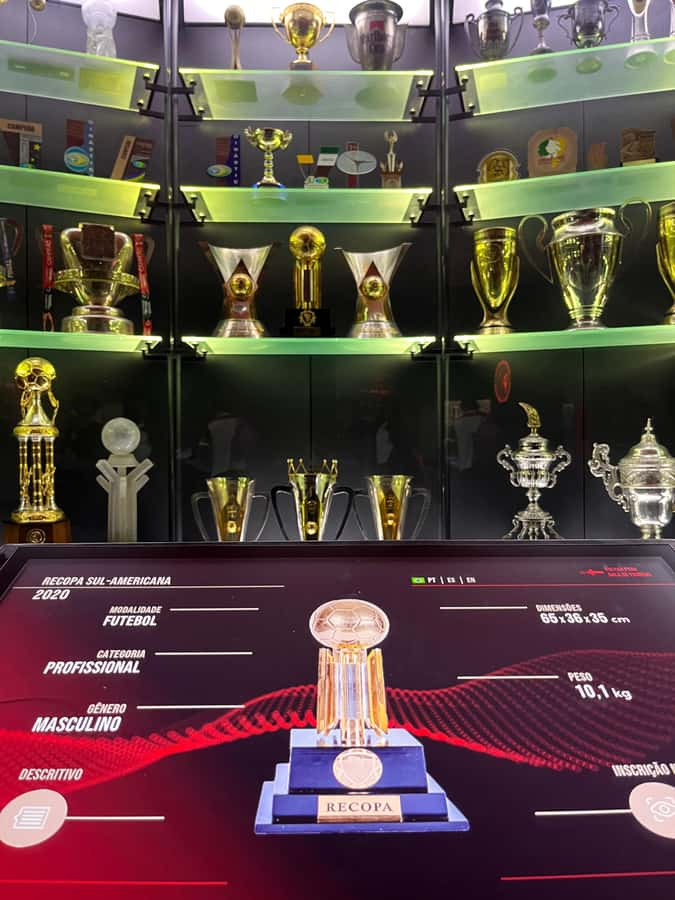
Plan to arrive ready for a museum setting. Food and drinks are not allowed inside, and there is no food or drink included with the ticket. Smoking and vaping are also forbidden on the museum premises.
The prohibited items and activities include pets, except assistance dogs, alcohol, drugs, weapons, sharp objects, plastic bags, glass objects, scooters, and fire. Sportswear is also listed as not allowed, which is an unusual rule for a sports museum and worth noting before you leave your accommodation.
Your phone should be on silent or airplane mode. Flash photography and filming are not permitted. If taking pictures is a major reason for your visit, this restriction may affect your enjoyment.
Unaccompanied minors are not allowed. The supplied information does not provide details about stroller use, lockers, wheelchair access, or storage, so do not assume those services are available. If any of those points matter to you, confirm them before purchase.
Free cancellation is available up to 24 hours in advance, and you can reserve now and pay later. Those options help if your Rio schedule is still changing, but you should still check the chosen date and starting time carefully.
Should you book the Flamengo Museum?
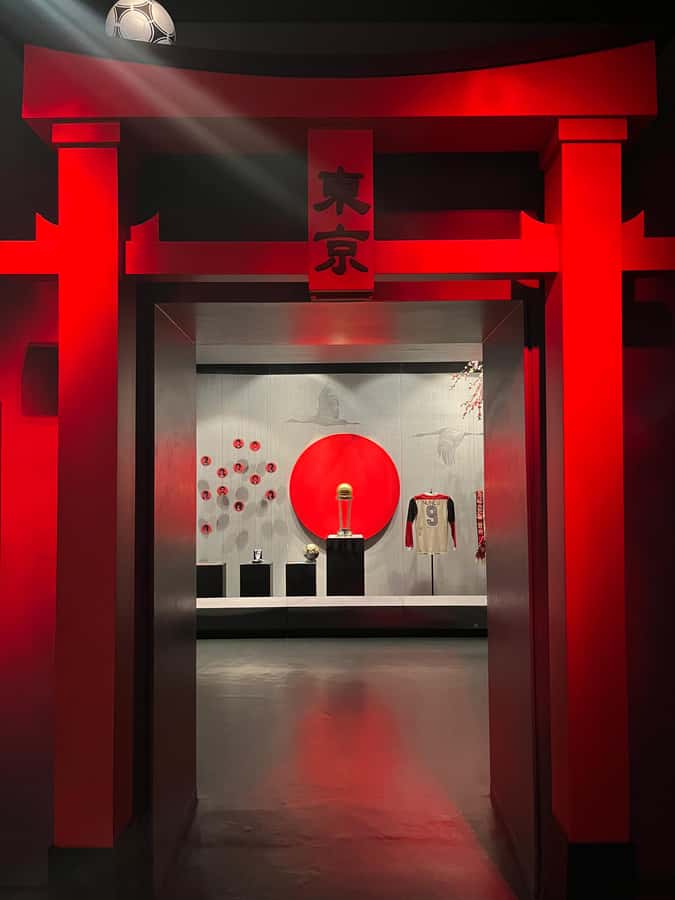
Book it if Flamengo means something to you, or if you want a focused look at one of Brazil’s major sporting institutions. The four-floor trophy room, 14 themed sections, objects from several sports, and digital guide give the visit more substance than a quick club display.
I would also book it if you want a museum stop that feels modern and active. Giant screens and sensory spaces make the history easier to feel, while the displays about rowing and other sports add useful context.
Skip it if you are looking for a tour of Gávea, a general Rio football tour, or a quiet museum with unrestricted photography. The $18 ticket buys a dedicated Flamengo experience, not a broad introduction to every club in the city.
For the right visitor, this is an engaging way to understand why Flamengo inspires such strong loyalty. Go with enough time to move through all four trophy floors, use the guide in your preferred language, and look past the famous football moments to the club’s beginnings in 1895.
FAQ
Where is the Flamengo Museum located?
The museum is at the headquarters of Clube de Regatas do Flamengo in the Gávea neighborhood, in the south of Rio de Janeiro.
What does the ticket include?
The ticket includes entry to the Flamengo Museum and a digital guide available in Portuguese, English, and Spanish.
Does the ticket include a tour of Gávea?
No. A tour of Gávea is not included. The ticket is for museum entry.
How long is the ticket valid?
The ticket is valid for one day. You should check availability for the starting times offered on your chosen date.
What languages are available?
The digital guide is available in Portuguese, English, and Spanish. The activity also lists Portuguese, English, and Spanish as its available languages.
Can I take photos or film inside?
Filming and taking pictures with flash are not allowed. Your phone should be set to silent or airplane mode.
What can I not bring into the museum?
Food, drinks, pets except assistance dogs, alcohol, drugs, weapons, sharp objects, plastic bags, glass objects, scooters, and smoking or vaping are not allowed. Sportswear is also listed as prohibited, and unaccompanied minors cannot enter.
Just added around the world
- Girona, Figueres, Dalí Museum and Cadaqués Tour from Barcelona★ 4.5 · 36 reviews
- Erotic Museum Admission Ticket with Audioguide★ 5.0 · 527 reviews
- Dali Museum and Costa Brava Small Group Day Trip from Barcelona★ 5.0 · 77 reviews
- Football Club Barcelona Museum Immersive Tour Guided Visit★ 3.5 · 52 reviews
- Madrid by High-Speed Train with Prado Museum Private Tour★ 4.0 · 33 reviews
- Guitar Legends Hall: Entrance to the Immersive Rock Museum★ 5.0 · 25 reviews
- White Rabbit Museum: The Best Immersive Experience in Catalonia★ 5.0 · 538 reviews
- Private Dali Museum, Besalú & Girona Tour from Barcelona★ 5.0 · 15 reviews
Museum Tours in Brazil, compared.

Petrópolis Day Trip from Rio de Janeiro including Imperial Museum and Crystal Palace
Read our review →
7-Hour Shared Group Santos Tour : Mont Serrat, Coffee Museum and Sightseeing
Read our review →
Olympic Boulevard, Museum of Tomorrow & Historical Rio
Read our review →
Rio: Olympic Boulevard, AquaRio and Museum of Tomorrow Tour
Read our review →
Rio: Olympic Boulevard, Museum of Tomorrow & History Tour
Read our review →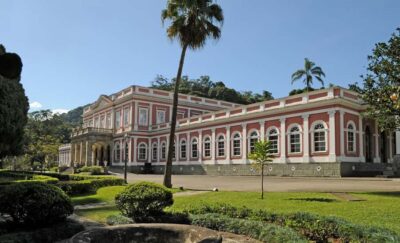
Rio: Petrópolis Trip with Palace, Imperial Museum & Brewery
Read our review →
Manaus: MUSA and INPA Museums with Observation Tower Tour
Read our review →Browse the lists this tour appears in