
Review · NORWAY
Maihaugen Museum/The Norwegian Olympic Museum, Lillehammer.
Maihaugen gives you eight centuries of Norway in one place, from a 1200s stave church to ordinary 20th-century homes. You can walk among old farms, see how Norwegian families lived, and then step indoors for exhibitions that explain the country’s culture in a clear, approachable way.
I especially like Garmo stave church, with its dark timber and medieval setting, and the way the 1900s houses make recent history feel personal. The Norwegian Olympic Museum adds a lively change of pace, with films, original objects, and interactive displays focused on Oslo 1952 and Lillehammer 1994.
The main thing to consider is time and season. Maihaugen is large, and in winter many open-air buildings may be closed, leaving you to look through windows or rely on indoor exhibits. Allow a full day in summer, but expect a more limited outdoor visit outside the main season.
Key Points
- Garmo stave church dates from the 1200s, offering one of Maihaugen’s most memorable views into medieval Norway.
- More than 200 buildings cover eight centuries, including farms, town homes, and houses from the 20th century.
- The Norwegian Olympic Museum is included, with special attention to Oslo 1952 and Lillehammer 1994.
- The summer ticket includes the Norwegian Postal Museum, including an old train with a postal carriage.
- Indoor exhibitions such as Impulses and We Won the Land help connect the buildings to wider Norwegian history and culture.
- A full-day ticket costs about $19 per person, making it good value if you use the indoor and outdoor sections.
Maihaugen Begins With Norway’s Oldest Wooden Traditions
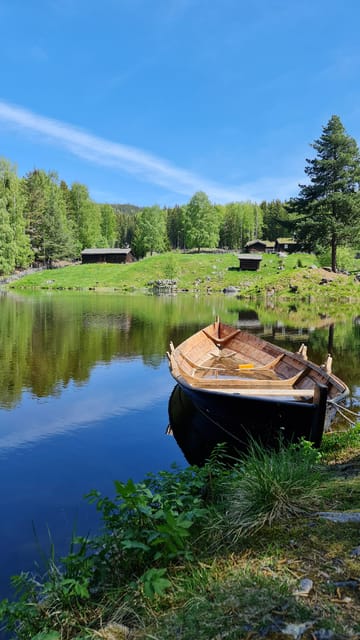
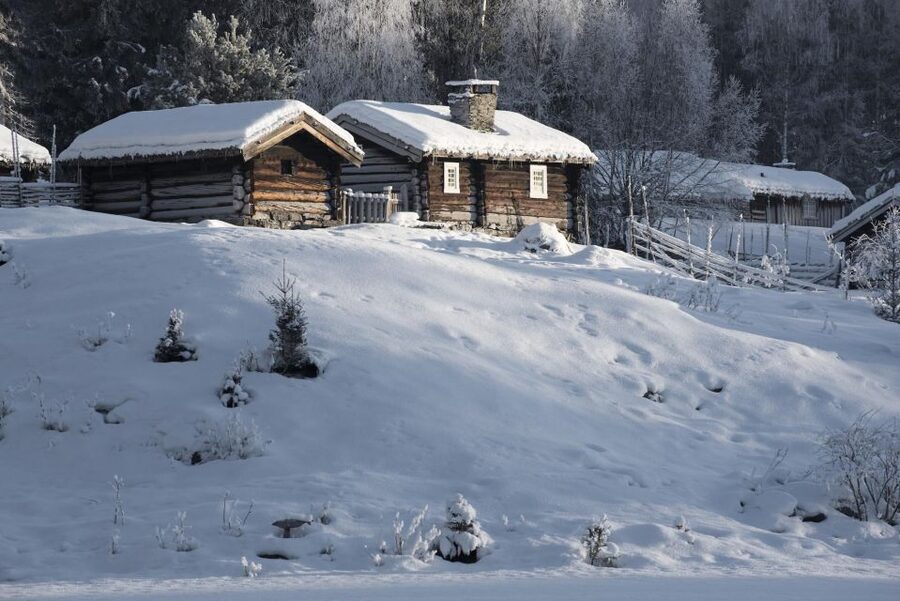
Maihaugen is not a single building with a few display cases. It is a large open-air museum spread across a historic site in Lillehammer, with more than 200 buildings brought together to show how people lived in Norway across eight centuries.
You begin at the Visitor Center, where the counter and English-speaking hosts can help you get oriented. From there, you can move between outdoor building groups and indoor exhibitions. Since the grounds are extensive, I recommend looking at the map before setting off and deciding what matters most to you.
The museum’s strength is its scale. A single old house can tell you about furniture, cooking, building methods, and family life. A whole cluster of farms shows how homes, barns, storage buildings, and working spaces fitted together. You are not just looking at fine objects in glass cases. You are seeing the setting in which daily life took place.
The site presents Norway in broad historical layers. The oldest section reaches back to medieval traditions, while later farm buildings show life in the 16th, 17th, and 18th centuries. The newer houses then carry you through the 1900s, when Norwegian homes changed quickly with electricity, modern furniture, new appliances, and different ideas about family life.
A few more museum visits around Norway worth comparing
- Kon-Tiki Museum Entrance Ticket
★ 4.5 · 1,096 reviews - Oslo: Paradox Museum Entry Ticket
★ 4.3 · 799 reviews - The Fram Museum Admission Ticket
★ 4.5 · 490 reviews
Garmo Stave Church Is the Essential First Stop
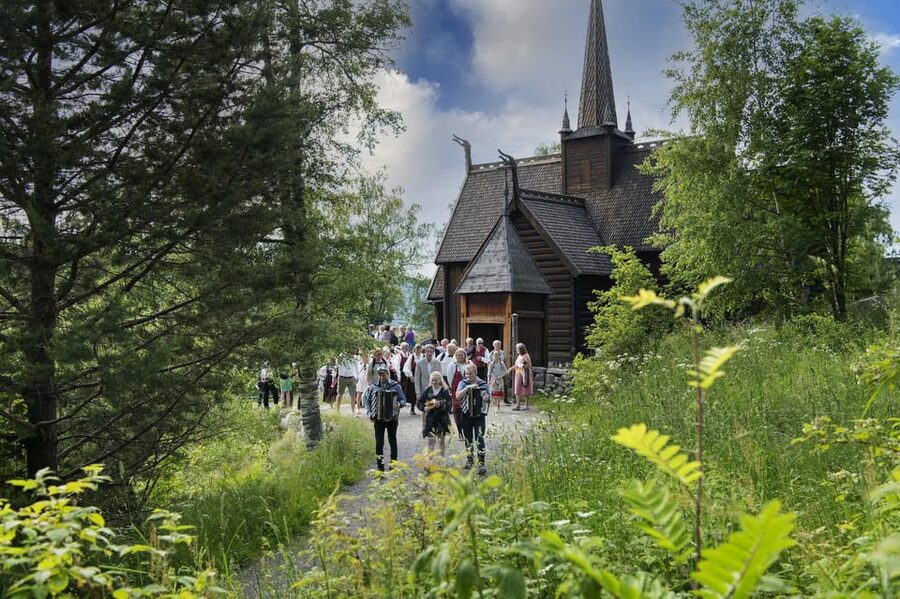
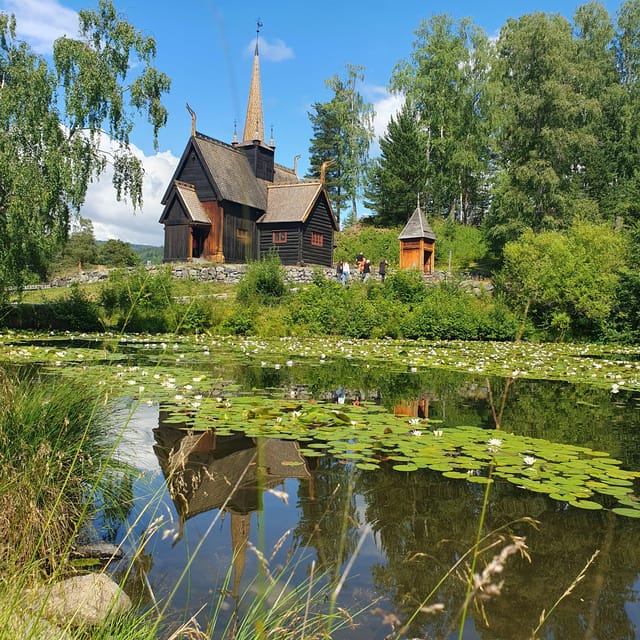
If you see only one outdoor building, make it Garmo stave church. Dating from the 1200s, it gives Maihaugen its strongest medieval focus and is one of the clearest reminders that Norway’s wooden architecture is not limited to simple farmhouses.
The church’s dark timber construction and steep form are visually striking, but its importance goes beyond appearance. Stave churches were built with sophisticated wooden techniques, and Garmo helps you understand the craftsmanship that made these structures last.
I would make this one of your first stops while you are fresh. It is also an excellent place to pause and get a sense of the museum’s oldest period before moving forward through the farm areas.
Do not expect a large church interior filled with extensive displays. The value is in the building itself, its age, and the way it represents Norway’s medieval religious and architectural traditions. The church is often the outdoor highlight for people who have limited time.
Old Farms Show How Norwegian Life Worked
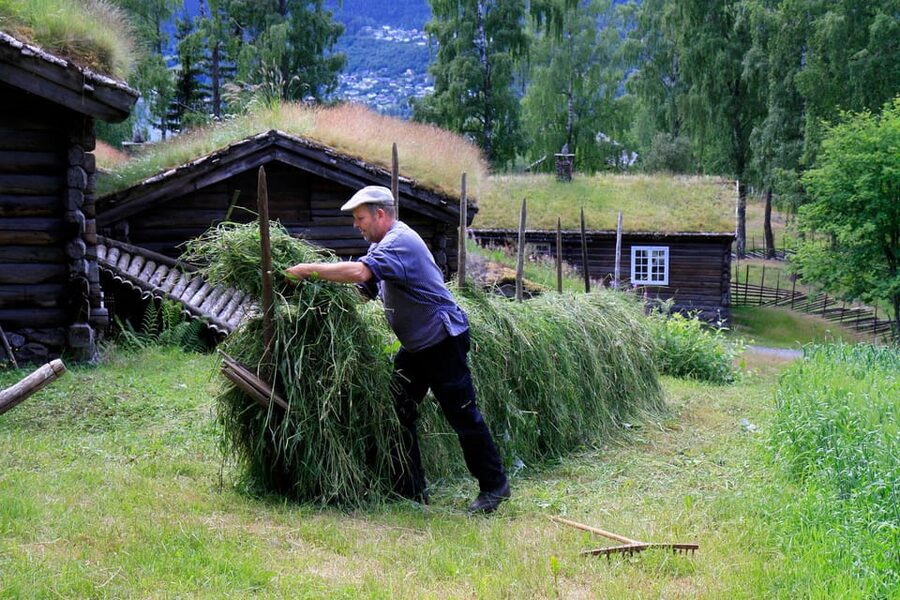
The farm sections from the 16th through 18th centuries are where Maihaugen becomes most practical. You can see the different buildings needed to support a household, rather than viewing a single isolated home and guessing how the rest of life worked.
The old farms help you picture a Norway organized around seasonal work, animals, storage, cooking, and handcrafts. During summer, hosts and actors may be present in historic houses, and traditional crafts are demonstrated in some areas. Animals graze among the old sun-browned buildings, adding movement and helping the setting feel like a working cultural site rather than a row of empty structures.
That summer activity matters. An open house with a person explaining a tool, a craft, or a household routine gives you a much clearer idea of how the building was used. The open-air museum is at its best when the houses are open and the period settings are active.
The tradeoff is that the experience changes sharply with the calendar. In winter, most of the outdoor area remains something you can walk through, but many houses may be closed. You might end up looking through windows and reading about the buildings online or on available signs. If the old farms are your main reason for coming, summer is the safer choice.
The 1900s Houses Make Recent History Feel Familiar

The houses from the 20th century are easy to underestimate. Medieval churches and old farm buildings naturally attract attention, but the newer homes may tell you more about the changes that shaped modern Norway.
Moving through houses from different decades lets you compare interiors, domestic technology, and styles of living. The point is not simply that furniture looks different from one decade to the next. The houses show how quickly everyday life changed during the last century.
You can also use these homes as a bridge between the old farm sections and present-day Norway. The museum does not stop with a romantic view of the past. It shows a country moving from traditional rural life toward modern homes and urban habits.
For families, this section can be easier to discuss than medieval history. Children often recognize the objects and room layouts, then notice how unfamiliar the earlier homes feel. Adults may find the 20th-century houses especially useful because the period is close enough to connect with family memories.
Same city, a completely different collection:
- Oslo: Oslo Discovery Tour with 2 Museums Included
★ 4.7 · 376 reviews - Oslo: Munch Museum Admission Ticket
★ 4.5 · 193 reviews - Bergen: Troll Museum Entry Ticket + audio guide
★ 4.3 · 88 reviews - Ålesund-Aksla-Alnes-Giske-Sunnmøre museum 100 % Highlights 4.5 H
★ 5.0 · 84 reviews
Indoor Exhibitions Give the Visit Its Structure
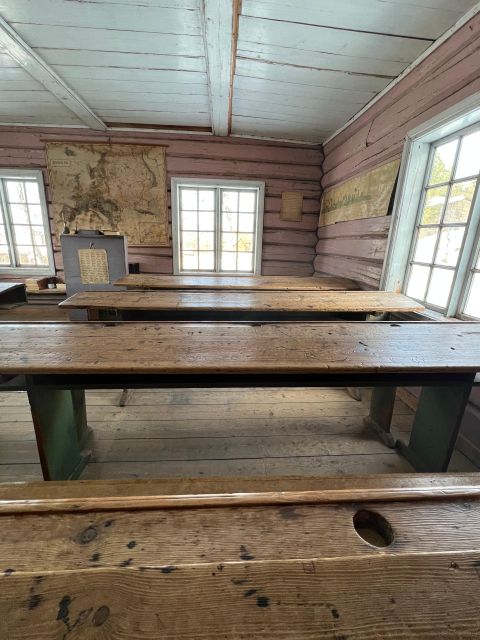
Maihaugen’s outdoor buildings are the main draw, but the indoor exhibitions provide the clearest explanations. If the weather is poor, or if you visit when the houses are closed, begin inside rather than treating the indoor museum as an afterthought.
The exhibitions Impulses and We Won the Land help place Norwegian culture and history into a larger setting. They give you more context than you can usually get from walking through individual houses. I found this balance important: the outdoor section shows how people lived, while the indoor displays help explain the forces, ideas, and traditions behind that way of life.
This is also the part of Maihaugen that works best for a short visit. If you have only two or three hours, spend some time with the indoor exhibitions, see Garmo stave church, and then choose one or two outdoor areas rather than trying to cover everything.
The indoor museum is particularly useful in winter. An outdoor museum can feel frustrating when doors are shut and there is no clear route through the grounds. The indoor displays remain the most dependable way to understand Norwegian history and culture throughout the year.
Olympic History Brings Lillehammer Into Focus
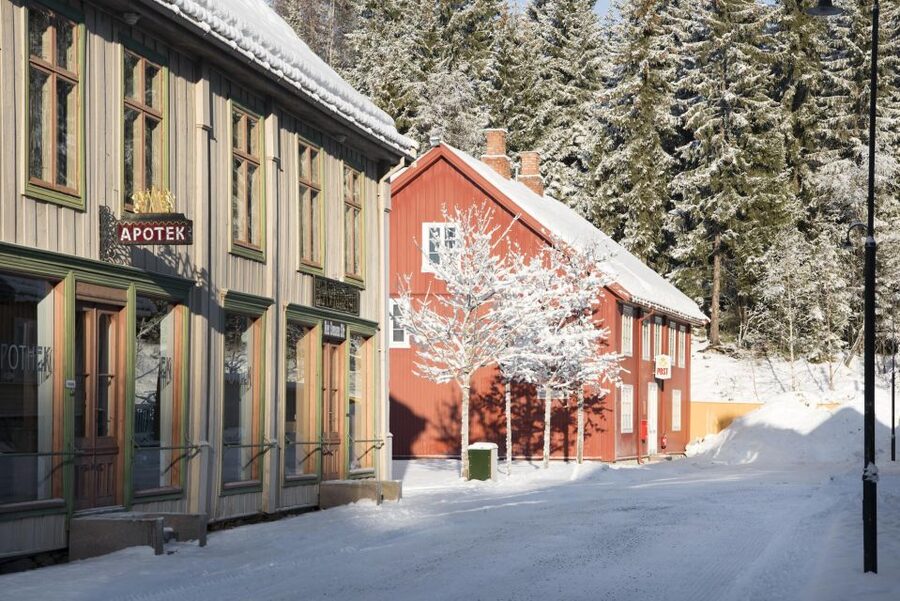
The Norwegian Olympic Museum is on the same site and included in your admission. It covers the Olympic Games from ancient times to the present, but its strongest focus is Norway’s own Olympic story.
The exhibitions pay special attention to Oslo 1952 and Lillehammer 1994. Original objects, interactive installations, and films show the sporting events and the national excitement around them. This gives the museum a different mood from Maihaugen’s old farms and churches.
I like the contrast. You can spend the morning looking at medieval timber construction and rural work, then move into a modern museum about international sport, media, national identity, and major public events. The Lillehammer material also gives you a better sense of why the city remains closely linked to Olympic history.
The Olympic Museum is a strong choice for anyone who is not especially interested in old buildings. It has a more direct, visual presentation, and the films help break up a day of reading signs and examining architecture. It is also a useful indoor stop during cold or wet weather.
The Postal Museum Adds a Summer-Only Detour
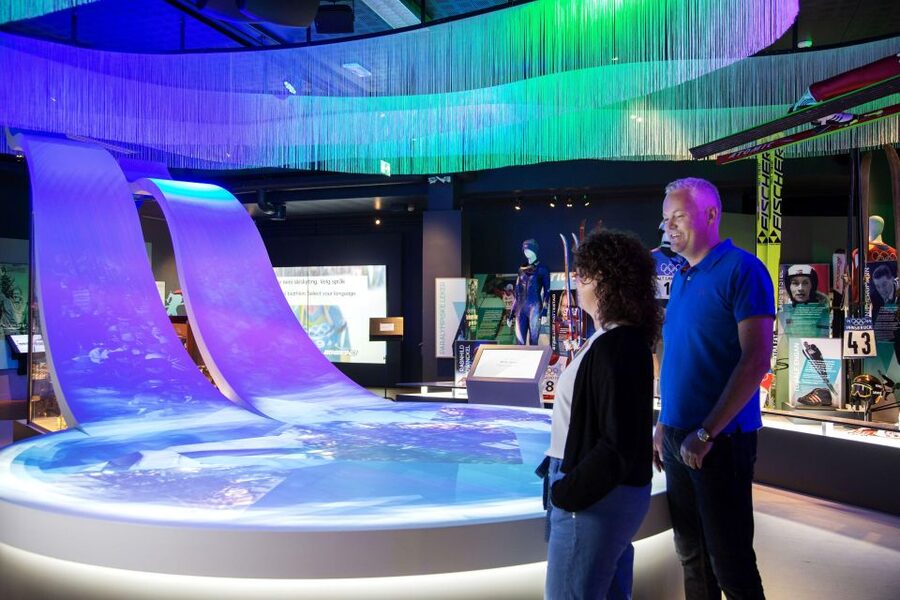
The Norwegian Postal Museum is included with the summer ticket. It has preserved and presented Norwegian postal history since 1947, with exhibitions that include an old train and postal carriage.
This is not the largest part of the visit, but it is a worthwhile extra if you enjoy transport, communication, or ordinary systems that shaped national life. Mail is one of those subjects that can sound dry until you see the equipment and vehicles that made it possible.
Plan around its seasonal opening. The Postal Museum is not part of the year-round experience in the same way as the main indoor areas and the Olympic Museum. In summer, it gives you another indoor stop among the open-air buildings. Outside summer, focus on the main museum and Olympic sections instead.
Plan a Full Day, But Choose Your Priorities
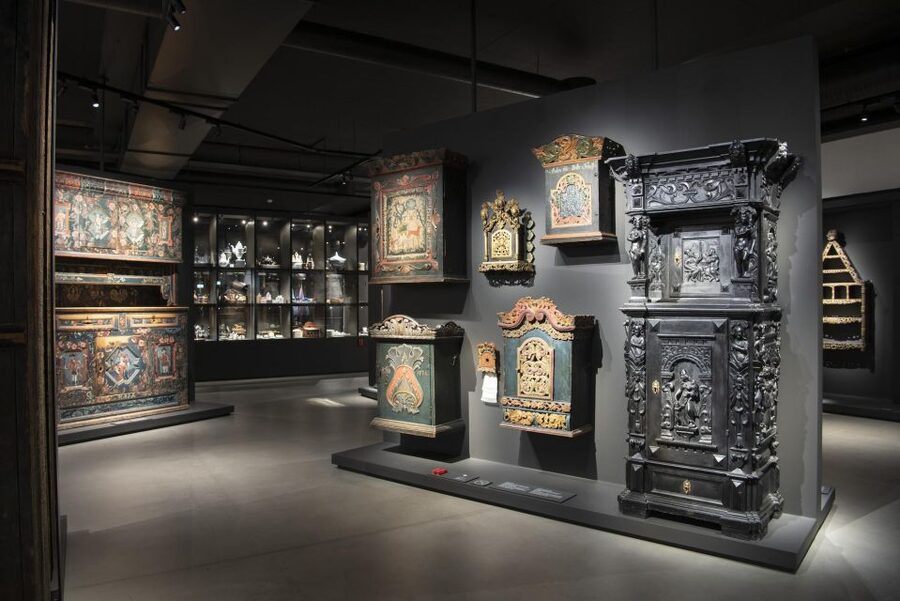
The stated duration is one day, and that is realistic if you want to see Maihaugen properly. The museum covers a large area, and you will spend time walking between building groups, reading displays, and stopping inside homes and exhibitions.
I would plan the day in three parts:
- Start with the indoor exhibitions and Visitor Center orientation.
- See Garmo stave church and the oldest farm areas.
- Finish with the 20th-century houses, the Olympic Museum, and the summer Postal Museum if it is open.
That order is not mandatory, but it gives your visit a useful progression. You begin with context, move into older rural Norway, then finish with modern homes and Olympic history.
A short visit is possible, but you will need to be selective. Do not try to inspect every building. Choose the church, one old farm group, the 20th-century homes, and at least one indoor museum. If you have children or anyone who walks slowly, allow extra time and use the café as a real break rather than racing from section to section.
The museum is wheelchair accessible, though the outdoor grounds and historic buildings can naturally vary in ease of access. The available information does not specify access details for every individual building, so ask at the Visitor Center if a particular house or route matters to you.
Food, Shopping, and Practical Comfort
The main building has a cafeteria open all year. During summer, additional places to eat operate around the open-air museum. Food and drinks are not included in the admission, so budget separately for lunch, coffee, or snacks.
The museum shop sells quality design products. It is a better place for a Norwegian-themed gift than a generic souvenir stall, especially if you are looking for design items, handmade goods, or something connected to local culture.
Maihaugen also hosts a Christmas Market on the first weekend of Advent. The event includes decorated historic houses, Norwegian crafts, handmade products, local food, and Christmas decorations. It is a special seasonal event, but it should not be confused with the normal year-round museum visit.
Is the $19 Admission Good Value?
At about $19 per person, the ticket is good value if you plan to spend most of the day on site. You receive access to the open-air museum, indoor exhibitions, outdoor displays, the Norwegian Olympic Museum, and the Norwegian Postal Museum during summer.
The value is strongest in summer because more historic houses are open, hosts and actors may be working in the buildings, traditional crafts may be demonstrated, animals may be grazing in the farm areas, and the Postal Museum is available.
Winter value depends on your priorities. The indoor museum and Olympic Museum can still make the admission worthwhile, especially for a history-focused visit. But if you are paying mainly to enter the old houses, you may be disappointed when many are closed.
Transportation to Maihaugen is not included, and food is extra. The ticket is valid for one day, so I would not buy it for a quick stop unless you already know you want the indoor exhibitions and Olympic Museum.
You can cancel up to 24 hours ahead for a full refund, and the reserve-now, pay-later option keeps your plans flexible. Starting times should be checked for your chosen date.
Who Should Visit Maihaugen?
I would recommend Maihaugen to families, architecture fans, history lovers, and anyone beginning a Norway road trip who wants useful context before seeing more of the country.
It is particularly good for you if you enjoy seeing ordinary homes and working spaces rather than only grand monuments. The museum explains Norway through farms, houses, tools, customs, sport, and communication. That makes the country’s past easier to understand when you continue through other parts of Norway.
The visit is less suitable if you want a short, tightly guided tour. The grounds are broad, the route is not always obvious, and the experience asks you to set your own pace. In winter, you must also accept that the open-air section can feel reduced.
There is an English-speaking host or greeter, but the supplied information does not name a specific guide or promise a continuous English guided tour. Go expecting a self-directed museum visit with English assistance available, not a private tour led from start to finish.
Should You Book Maihaugen?
Book it if you can give it most of a day, especially from late spring through summer. Garmo stave church, the old farms, the 20th-century homes, the Olympic Museum, and the indoor exhibitions provide enough variety to justify the time and the $19 price.
For a winter visit, book with more modest expectations. Focus on the indoor exhibitions and Norwegian Olympic Museum, and treat the outdoor buildings as a bonus rather than the whole reason for coming.
My practical choice would be simple: summer for the complete Maihaugen experience, winter for the indoor history and Olympic displays. If that matches your schedule, this is one of Lillehammer’s most useful cultural stops.
FAQ
Where is Maihaugen Museum located?
Maihaugen is located in Lillehammer, in Innlandet County, Norway.
How much does admission cost?
The stated price is $19 per person.
How long is the visit?
The ticket is valid for one day, and a full day is recommended because the museum includes more than 200 buildings, indoor exhibitions, outdoor displays, and the Norwegian Olympic Museum.
What is included in the admission?
Admission includes Maihaugen’s open-air museum, indoor exhibitions, outdoor exhibitions that vary by season, the Norwegian Olympic Museum, and the Norwegian Postal Museum during summer.
Is the Norwegian Postal Museum open all year?
No. The Norwegian Postal Museum is open during the summer season.
Is the Norwegian Olympic Museum included?
Yes. Entry to the Norwegian Olympic Museum is included in the Maihaugen admission.
Is Maihaugen open all year?
Yes. Maihaugen is open throughout the year, although most outdoor activities take place during summer.
Where do I go when I arrive?
Go to the Visitor Center, where the counter and hosts are located.
Is the museum wheelchair accessible?
Yes. The activity is listed as wheelchair accessible.
Can I cancel my booking?
Yes. You can cancel up to 24 hours in advance for a full refund. A reserve-now, pay-later option is also available.
Just added around Norway
- Ålesund-Aksla-Alnes-Giske-Sunnmøre museum 100 % Highlights 4.5 H★ 5.0 · 84 reviews
- Stavanger: Norwegian Petroleum Museum – Entrance Ticket★ 4.8 · 78 reviews
- Oslo: Munch Museum Admission Ticket★ 4.5 · 193 reviews
- Oslo: Kon-Tiki Museum Entry Ticket★ 4.6 · 18 reviews
- Narvik: Narvik War Museum★ 4.8 · 21 reviews
- Tromso: Full Steam Museum Entrance★ 4.1 · 43 reviews
- Kristiansand: Highlights Tour w/ Kristiansand Museum Ticket★ 4.4 · 17 reviews
- Bergen: Troll Museum Entry Ticket + audio guide★ 4.3 · 88 reviews
Museum Tours in Norway, compared.
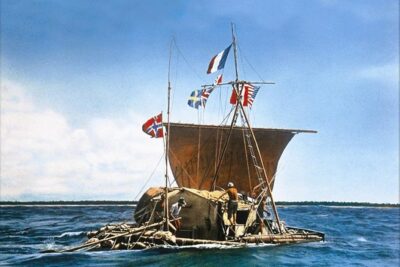



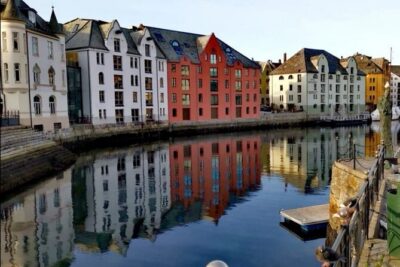
Ålesund-Aksla-Alnes-Giske-Sunnmøre museum 100 % Highlights 4.5 H
Read our review →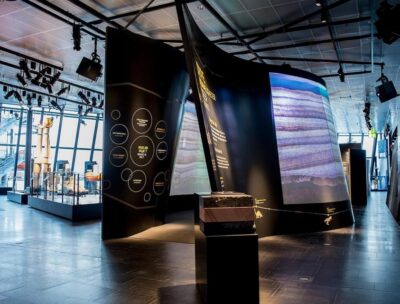
Stavanger: Norwegian Petroleum Museum – Entrance Ticket
Read our review →Browse the lists this tour appears in