
Review · ATHENS
Athens: Acropolis, Parthenon & Acropolis Museum Guided Tour
The best part of this Athens tour is the way it connects the hilltop ruins with the objects that explain them. You walk past the Theater of Dionysus, Odeon of Herodes Atticus, Propylaea, Temple of Athena Nike, Parthenon, and Erechtheion, then see the sculpture and daily-life remains inside the Acropolis Museum. An archaeologist guide turns a pile of marble into a place with purpose.
I like the route up the south slope, which lets you see more than just the Parthenon. I also like the wireless hearing devices, especially when the group reaches a crowded viewpoint. Guides such as Petros, Demos, Anna, Artemis, Lisa, and Aphrodite have earned praise for mixing clear facts with mythology, humor, and time for photographs.
The main drawback is physical: this is a walking tour over uneven ground, uphill paths, and stone surfaces. You get less free time than on a self-guided visit, and the museum can feel like a lot after the Acropolis. Still, for $41 per person, the combination is strong value if you want context rather than a quick photo stop.
Key points to know before booking
- The south-slope route adds real context: You see the Theater of Dionysus and ancient healing area before reaching the famous monuments.
- The guide is the main value: Licensed archaeologists explain construction, myths, excavations, and later damage in a way labels cannot.
- The museum completes the picture: The Caryatids, everyday objects, and glass-floor excavation help explain what you saw outdoors.
- Expect a serious walk: Comfortable shoes, a sun hat, and steady footing matter more than fancy clothes.
- Ticket choice affects convenience: Choose the option with Acropolis entrance tickets if you want the simplest arrival.
- Early timing helps: The Acropolis can be crowded even early in the day, so an early start is worth considering.
Starting at Porinou 5 in Makrygianni
You meet at the Athens Walks office on Porinou 5, on the ground floor, near the Acropolis pedestrian area. There is no hotel pickup, so you need to reach the meeting point on your own and arrive ready to walk.
The tour begins in Makrygianni, a useful location because it puts you close to the south entrance of the Acropolis. The group then follows Dionysiou Areopagitou and heads toward the archaeological site. Depending on the weather and the guide’s judgment, the order may shift. One group began in the museum during heavy rain and went up to the Acropolis after the skies cleared, a sensible adjustment that made the day more comfortable.
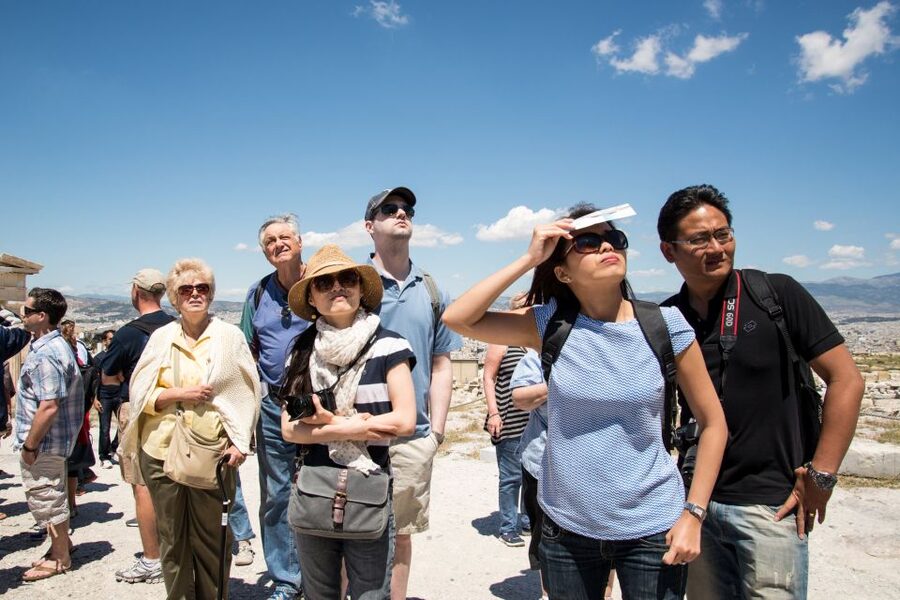
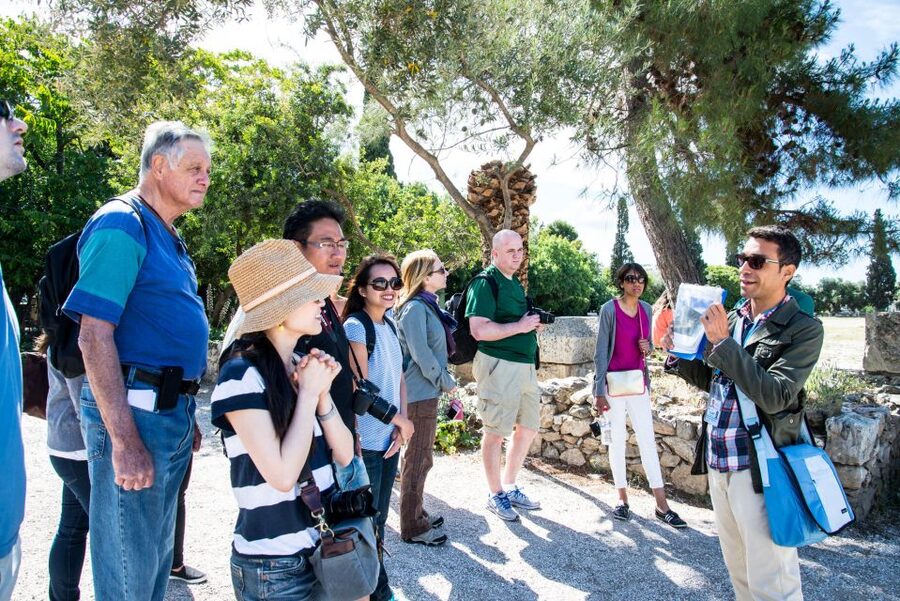
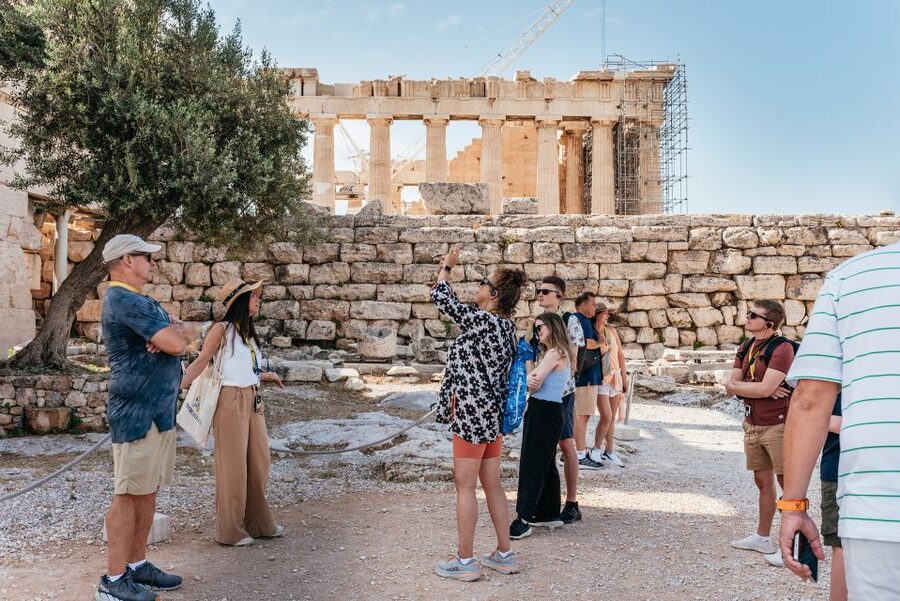
Group size can vary. Some groups have been about 15 people, while others have reached around 20. The wireless hearing devices help keep the guide audible when other groups, school visits, and general crowds gather around the monuments.
If you book the option without entrance tickets, you must arrange the Acropolis tickets online before arriving. The ticketed option is simpler and can save you from dealing with that step at the meeting point. Museum entry is included with the tour.
More Museum Tours in Athens
- Athens: Acropolis, Parthenon & Acropolis Museum Guided Tour
★ 4.8 · 9,316 reviews - The Acropolis, Parthenon & Acropolis Museum Guided Tour
★ 4.7 · 8,493 reviews - Athens: Mythology of Delphi, Museum and Arachova Guided Tour
★ 4.7 · 5,102 reviews
The Theater of Dionysus and the beginning of Greek drama
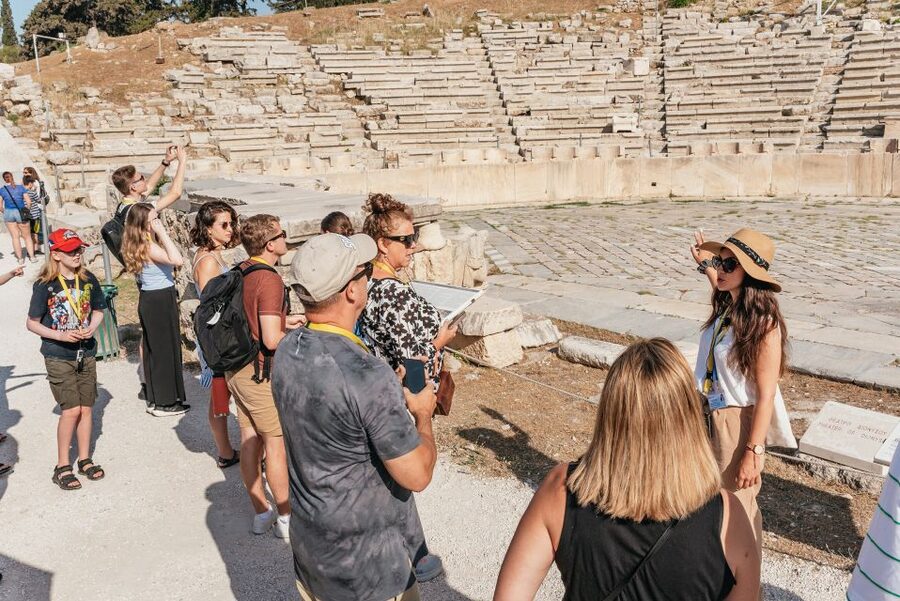
The first major stop is the Theater of Dionysus, an amphitheater cut into the south slope of the Acropolis. Your guide explains its role in the development of Greek theater and points out the seating area where ancient audiences watched works by Aeschylus, Sophocles, and Euripides.
This is a good opening stop because it makes clear that the Acropolis was not only a religious center. It was tied to public performance, civic life, contests, worship, and shared stories. You can sit or perch on a stone seat while the guide explains what the theater meant to its audience.
The stop is scheduled for about 15 minutes, so it is an introduction rather than a full theater study. If you have a strong interest in ancient drama, you may want extra time here after the tour. For most people, the short visit provides just enough background without slowing the climb.
The Odeon of Herodes Atticus and the living Acropolis
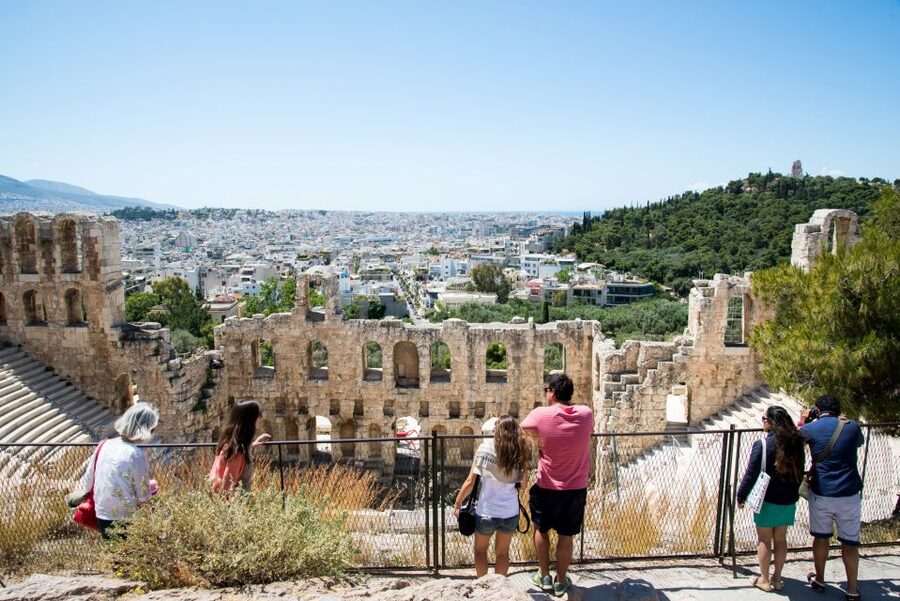
The route continues past the Odeon of Herodes Atticus, a large ancient theater that is still used during the Athens Festival from May through October. Its continued use gives the Acropolis a direct link to modern Athens. You are not looking only at a ruin. You are looking at a performance space that still has a job.
The guide covers the building’s purpose and history, then keeps the group moving uphill. This part of the walk helps you see the Acropolis as a whole complex rather than a single temple. The Parthenon gets the attention, but the theater, gateways, shrines, and hillside spaces explain how people actually used the area.
The ground can be uneven, and the ascent becomes more noticeable here. Listen for warnings about slippery sections and keep your eyes on the path. The guide is responsible for keeping the group together, but you still need to manage your own footing.
The Asclepius area and ancient healing
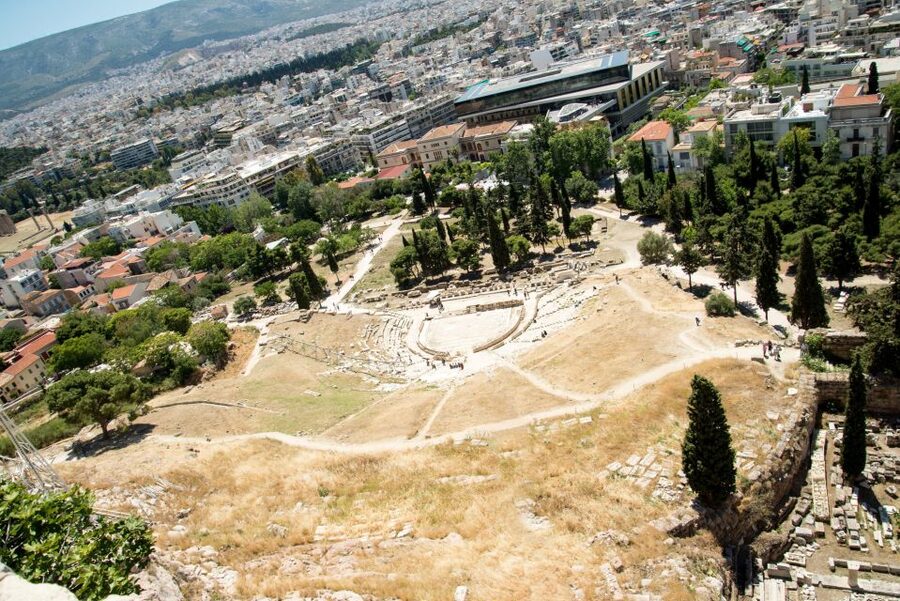
Near the route is an Asclepius, a healing temple dedicated to the god Asclepius. It is a quieter stop than the theaters and the monuments above. Your guide explains how this space served people seeking health and relief.
I like this part because it widens the story beyond marble temples and powerful gods. Ancient Athenians had places connected with illness, treatment, hope, and daily concerns. The stop also offers a calmer pause before the final climb through the entrance buildings.
The tour does not treat the Acropolis as a parade of famous names. It gives you smaller pieces of life and belief, which make the better-known monuments easier to understand.
More Acropolis Museum visits:
- Acropolis monuments & Parthenon Walking Tour with Optional Acropolis Museum
★ 5.0 · 2,678 reviews - Athens All Included: Acropolis and Museum Guided Tour with Ticket
★ 4.5 · 2,673 reviews - Athens: Acropolis Museum Ticket with optional Audio Guide
★ 4.4 · 2,652 reviews - Athens: Acropolis, Parthenon and Acropolis Museum Guided Tour
★ 5.0 · 1,778 reviews
Entering through the Propylaea
The Propylaea is the monumental gateway to the upper Acropolis. You stop here for photographs and an explanation of how visitors entered the sacred hilltop area.
The scale and design prepare you for the Parthenon, but the gateway deserves attention in its own right. Your guide points out its architecture and the practical challenge of moving people through such an important entrance. The views begin to open here, and the city spreads below you.
The Propylaea is also one of the places where crowds can slow the group. The separate entrance and ticket arrangement may help with access, but it does not make the hilltop empty. Keep close enough to hear your guide and use the audio equipment properly.
The Temple of Athena Nike
The small Temple of Athena Nike sits beside the entrance and is easy to miss if you are focused only on the Parthenon. The guide gives it a short explanation, covering its connection with Athena and the role of victory in Athenian identity.
This five-minute stop is brief, but that is appropriate. The temple is compact, and the tour needs to balance many monuments in a limited time. You get the key idea and a chance to see its position at the gateway before moving onward.
If you enjoy architectural detail, take note of how the smaller temple relates to the much larger buildings nearby. The Acropolis works best when you compare its monuments rather than treating each one as an isolated photo subject.
The Parthenon, the reason most people come
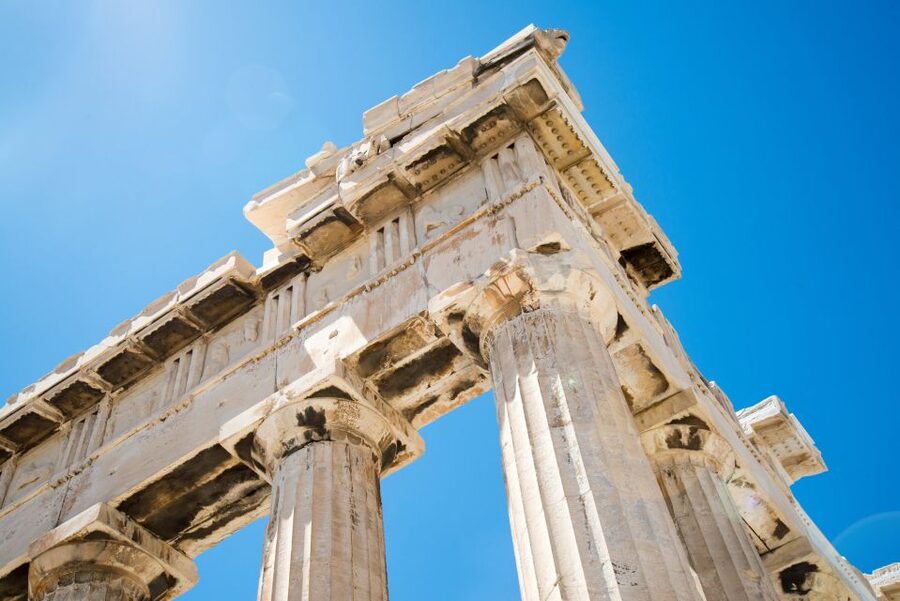
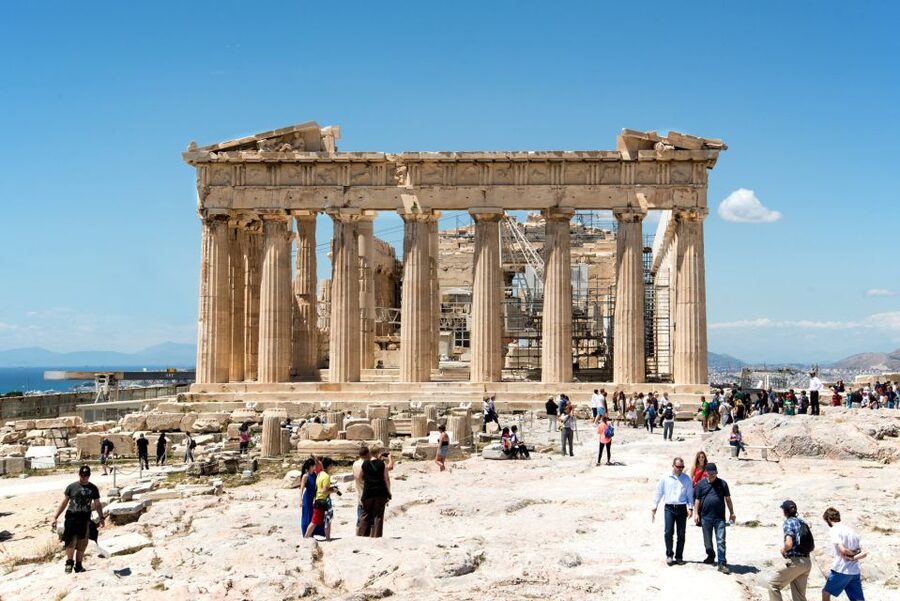
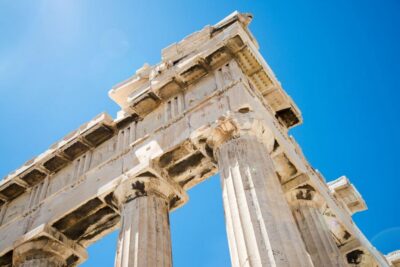
At the Parthenon, the guide explains how the temple was built for Athena and describes its classical architecture. You spend about 30 minutes here, with time for photographs and an explanation of the building’s history, construction, and later changes.
The tour does not pretend that the Parthenon is untouched. Your guide discusses the damage and alterations that shaped the monument you see today, including the long story behind its present appearance. This context matters. Without it, you may see only scaffolding, missing sculpture, and weathered stone. With it, the building becomes a record of religious change, conflict, repair, and removal.
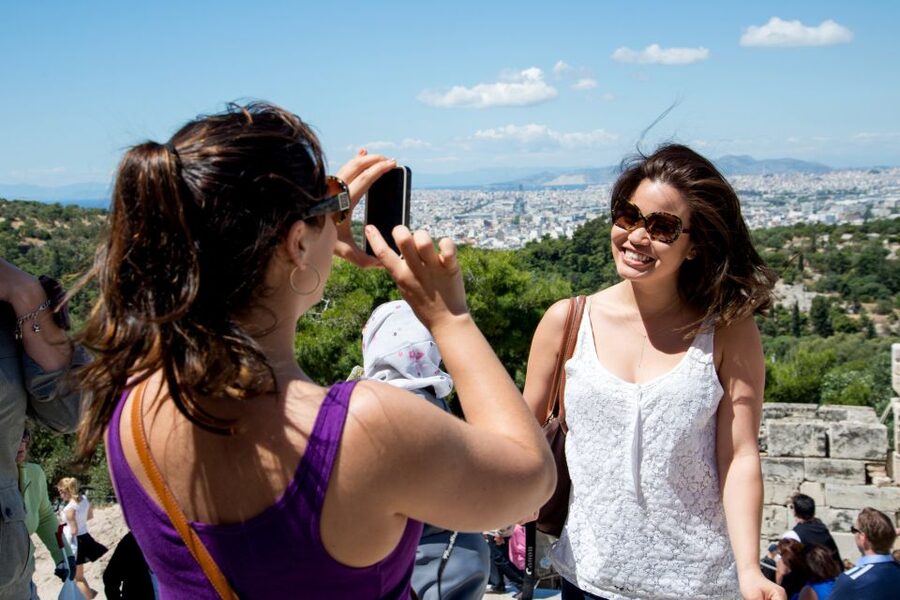
The view from the Acropolis is one of the tour’s rewards. You can see across Athens from the high ground, and the city’s scale becomes much clearer. The guide leaves some time for you to look and take photographs, but this is not unlimited independent exploration.
Bring a hat and water in a suitable container, but pay attention to the restrictions. Large bags, oversize luggage, glass bottles, baby strollers, pets, and smoking are not allowed in the activity area. The rules are practical but can catch you off guard if you arrive carrying travel gear.
The Erechtheion and the Caryatids

The Erechtheion offers a different lesson from the Parthenon. Its design is less symmetrical, and its connected myths and sacred associations make it an important part of the Acropolis story. The guide explains the building and points out the Caryatid figures, the famous sculpted women who support the porch.
The outdoor view prepares you for the museum, where you can examine the sculptures and related objects more closely. That connection is one of the best reasons to do both parts together. You see the monument in place, then encounter the art in a setting designed for careful viewing.
The Erechtheion stop is scheduled for about 10 minutes. That is enough for a clear explanation, but not enough for every architectural question. If you want a slower look, use the 15-minute free period on the Acropolis, though the exact amount of free time can vary with the group and site conditions.
The museum brings the fragments together
After the hilltop visit, the group heads down toward the Acropolis Museum. The museum tour lasts about an hour and a half, making it a major part of the experience rather than a quick add-on.
Inside, the galleries hold statues, architectural pieces, and objects linked to everyday life. The guide explains what the remains tell us about the people who lived around the Acropolis, not only the rulers, gods, and famous artists. This is where the tour moves from grand monuments to ordinary routines, religious practice, craft, and civic life.
The Gallery of the Slopes includes a glass floor that can reveal archaeological excavation below. It is an effective feature because you can see that the modern museum sits above layers of earlier activity. The building itself becomes part of the lesson.
The Parthenon temple glass gallery is another major highlight. Here, the structure and sculpture can be studied with more care than is possible outdoors. Your guide may use the museum displays to explain the evolution of the statues, the original setting of the decoration, and the difference between seeing a fragment in a case and seeing the whole temple from the hill.
A guided museum visit is especially helpful if you do not already know the collection. The museum has enough material to fill far more than one visit, and an organized route keeps you from spending all your time on the first gallery. The tradeoff is that you may want to linger at pieces the group must leave behind.
There is a cafe where you can take a short break and buy refreshments at your own expense. Food and drinks are not included, so plan on paying separately if you need a snack or coffee.
Guide quality and the value of an archaeologist
The guide makes the biggest difference here. The tour is conducted in English by a licensed guide, with archaeologists leading many departures. Names praised in the feedback include Petros, Demos, Anna, Artemis, Lisa, Aphrodite, Selina, Helena, and George.
The strongest guides do more than recite dates. They connect mythology with archaeology, explain why a building was placed where it was, and answer questions without losing the group. Petros was described as warm and attentive, Demos as lively and full of anecdotes, and Anna as thorough and engaging. Artemis was especially good at combining a large amount of information with humor and personal warmth.
That does not mean every guide will have the same style. Some speak at length, and one museum visit felt too full by the end for a participant who preferred a shorter experience. If you prefer to wander silently and set your own pace, this format may feel directed.
The hearing devices are a practical plus. You can stand a little away from the guide for a photograph and still follow the explanation. They also help when the site is crowded, though one person suggested bringing wired headphones because the shared equipment is disposed of afterward. Follow the tour company’s current instructions on this point.
Is $41 a fair price?
At $41, this tour is not the cheapest way to enter the Acropolis. You could visit independently and spend less on guiding, particularly if you already have strong background knowledge and are happy reading signs.
The value improves when you count what is bundled: a guide for the Acropolis monuments, a substantial museum tour, museum entry, skip-the-line museum access, and wireless audio equipment. If you select the ticketed option, skip-the-line Acropolis entrance is included as well. The exact ticket option matters, so read it carefully before paying.
For a first visit, I think the price is reasonable. The Acropolis contains more than the Parthenon, and the museum is large enough to overwhelm a visitor without a plan. A good guide helps you spend your limited Athens time on the parts that explain the site best.
Who should book this walk?
This tour suits first-time visitors, families who want structure, and anyone who enjoys history but does not want to study a guidebook while walking. The guide can also hold children’s attention by mixing myths, theater, construction, and stories of daily life. One family with four children found the guide able to engage even a seven-year-old.
It is less suited to people with mobility impairments or wheelchair users. The route includes an uphill walk, uneven ancient surfaces, stairs or sloping paths, and a long museum visit. It is also a poor fit if you need generous time alone at every monument.
Wear comfortable shoes. Bring a sun hat, identification, and only a small bag. Leave large luggage and strollers elsewhere, and allow extra time to reach Porinou 5.
Should you book it?
Book this tour if you want the Acropolis to make sense, not simply appear in your camera roll. The south-slope route, strong archaeological storytelling, and museum connection give you a fuller visit than a quick Parthenon stop.
Choose it with tickets included if you value a simpler arrival. Choose an early departure if available, since the site can be crowded even in the morning. Skip it only if you strongly prefer exploring alone, need a wheelchair-accessible route, or already know the Acropolis and museum well.
FAQ
Where does the Acropolis and museum tour meet?
You meet at the Athens Walks tour office on the ground floor at Porinou 5 in Athens.
How long does the experience last?
The advertised duration is about two to four hours, with the museum portion lasting about one and a half hours. The exact length depends on the departure and conditions at the site.
Is the Acropolis entrance ticket included?
It is included only if you select the ticketed option. If you choose the option without entrance tickets, you need to order your Acropolis tickets online before reaching the meeting point.
Is entry to the Acropolis Museum included?
Yes. The experience includes entry to the Acropolis Museum and a guided museum visit.
What language is the tour conducted in?
The live tour guide conducts the experience in English.
Does the tour include hotel pickup?
No. Pickup and drop-off are not included. You must reach the Porinou 5 meeting point on your own.
What should I bring?
Bring your passport or ID card, comfortable shoes, and a sun hat. You should carry only a small bag because large bags and oversize luggage are not allowed.
Is the tour suitable for wheelchair users?
No. The experience is not suitable for wheelchair users or people with mobility impairments.
Can I cancel or pay later?
You can cancel up to 24 hours in advance for a full refund. The reserve-now, pay-later option lets you hold a place without paying at the time of booking.
Just added around Athens
- Ancient Athens tour: Acropolis, Parthenon and Acropolis Museum★ 5.0 · 256 reviews
- The Acropolis, Athens Walking City Tour and Acropolis Museum★ 5.0 · 442 reviews
- Athens: Acropolis Museum Ticket with Self-Guided Audio tour App★ 3.5 · 40 reviews
- Family Acropolis & Acropolis Museum Tour inspiredby Percy Jackson★ 4.5 · 40 reviews
- Acropolis of Athens, Parthenon and Acropolis Museum private tour with dinner★ 5.0 · 77 reviews
- Athens National Archaeological Museum E-Ticket with Audio Guide★ 3.0 · 57 reviews
- Private Tour: Half day Athens Sightseeing and Acropolis Museum★ 4.5 · 28 reviews
- Shore Excursion: Acropolis, Athens City tour and The New Acropolis Museum★ 4.5 · 30 reviews
Museum Tours in Athens, compared.
Acropolis, Parthenon & Acropolis Museum Guided Tour
Read our review →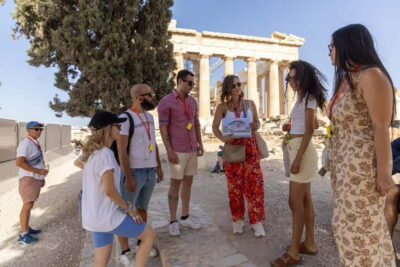
The Acropolis, Parthenon & Acropolis Museum Guided Tour
Read our review →
Acropolis monuments & Parthenon Walking Tour with Optional Acropolis Museum
Read our review →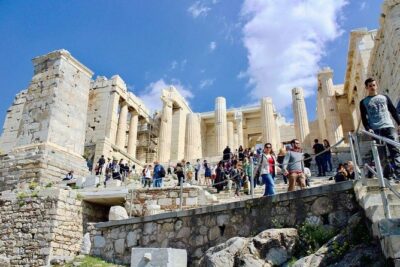
Athens All Included: Acropolis and Museum Guided Tour with Ticket
Read our review →
Acropolis Museum Ticket with optional Audio Guide
Read our review →
Small-Group Delphi, Museum & Arachova Day Trip
Read our review →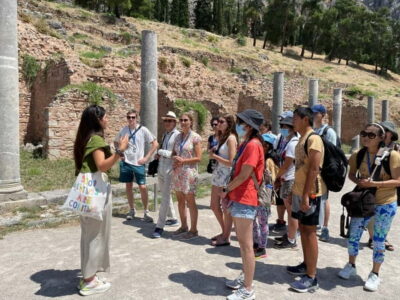
Delphi Oracle & Museum Tour with a Licensed Guide
Read our review →
Acropolis, Parthenon and Acropolis Museum Guided Tour
Read our review →Browse the lists this tour appears in