
Review · MADRID
Madrid: Private Tour of the Prado Museum
The Prado is not a museum you simply walk through and understand. Its rooms hold centuries of European painting, and a private guide helps you make sense of the procession, from medieval religious art to Renaissance masters, Baroque drama, and Goya’s sharp view of Spain. Javier and Anne are named guides who bring a clear, story-led approach in German.
I like the private format, since you can ask questions without waiting for a large group to catch up. I also like that the guide chooses representative works rather than trying to march you past every room. The main catch is simple: the advertised $171 price is for the guide and does not include museum admission, so you need to add the entry fee at the door.
Key points
- Two hours with your own guide: No other participants join your private group.
- German-language explanations: Javier and Anne have led tours that balance art knowledge with humor and clear storytelling.
- A broad artistic timeline: The route covers the Middle Ages, Renaissance, Baroque, and early 20th century.
- Major Prado names: Expect works connected with Van der Weyden, Rafael, Titian, El Greco, Velázquez, Rubens, Tintoretto, and Goya.
- Time to continue alone: After the guided visit, you can stay and see rooms that caught your interest.
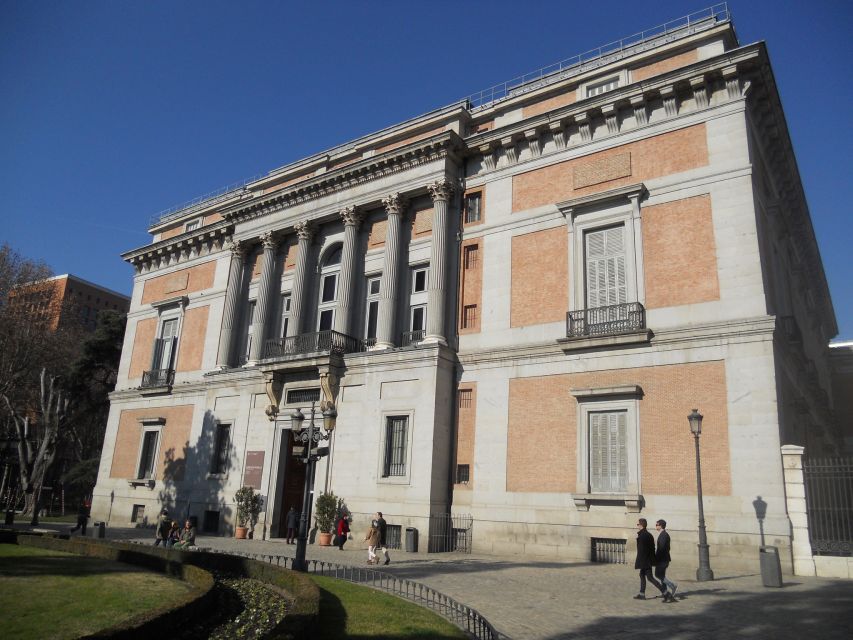
- Practical meeting point: Meet at the Goya statue in front of the Prado’s main entrance on Paseo del Prado.
Why a Private Prado Tour Helps
The Prado can feel like several museums joined together. One room may hold a solemn medieval altarpiece, while the next presents the polished confidence of the Renaissance or the theatrical force of the Baroque. Without a plan, it is easy to admire individual pictures while missing the larger story.
This tour gives you that structure. Over two hours, your guide traces changes in style, subject, and technique. You are not just told that one painting is older than another. You learn how artists handled religious subjects, royal portraits, mythology, movement, light, and emotion in different periods.
That matters most if you have limited time in Madrid. You do not need a full art-history background to follow the tour. A good explanation can point out why an artist placed a figure in a certain position, how a painter creates the illusion of space, or why a picture mattered to the court or church that commissioned it.
The private setting makes the visit more personal. You can ask why a particular painting is famous, request more time with a favorite artist, or tell the guide that your children need a livelier explanation. Anne, in particular, has been praised for adapting her approach to children aged 11 and 9. That is useful if your family wants substance without two hours of dry lecture.
More Museum Tours in Madrid
- Madrid: Prado Museum Entry Ticket
★ 4.6 · 20,699 reviews - Madrid: Reina Sofía Museum Entrance Ticket
★ 4.5 · 8,788 reviews - Madrid: Small Group of Prado Museum Tour & Optional Tapas
★ 4.6 · 2,437 reviews
Meeting Goya Before Entering the Prado
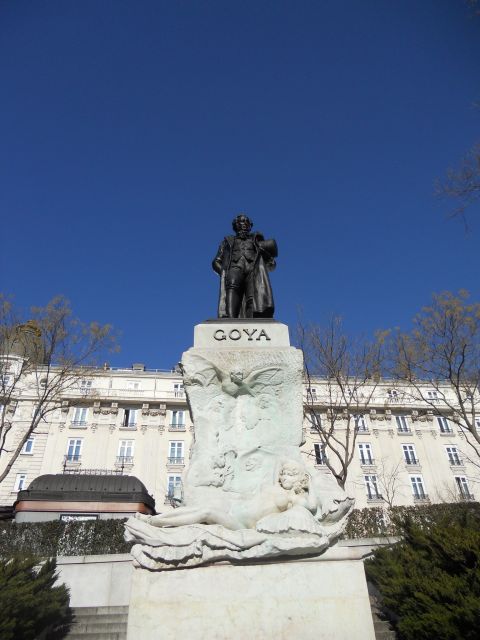
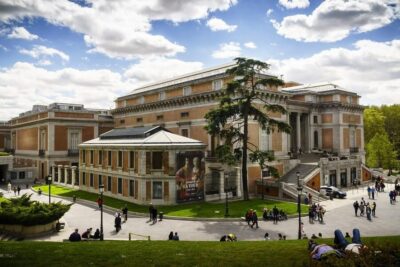
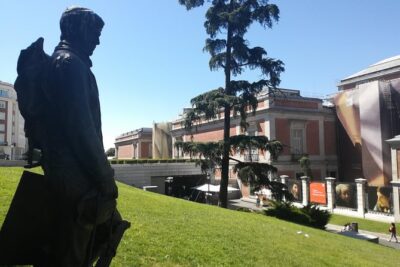
The meeting point is the Goya statue in front of the main entrance, on Paseo del Prado. This is a sensible place to meet, but give yourself enough time to identify the statue and arrive before the start. The Prado is large, and a private guide cannot spend the first part of your appointment searching the forecourt.
The location also gives the tour an appropriate beginning. Francisco Goya is one of the museum’s central figures, and his work is part of the route through Spanish art. Once you meet your guide, you enter the museum together and begin the two-hour visit.
Your museum ticket is separate. For a group of one to six people, adults pay EUR 15, seniors over 64 pay EUR 7.50, and students up to age 25 enter free. The ticket is paid at the venue. That extra cost is not difficult to manage, but you should include it when comparing the total price with a standard museum visit.
The private tour costs $171 per group of up to two people. For two adults, that is a substantial addition to the admission fee. I see the value most clearly if you care about art, prefer German explanations, or want to make good use of a short visit. If you are happy reading labels and wandering without a plan, the price may be harder to justify.
The Middle Ages: Where the Story Begins
The tour starts with art from the earlier periods represented at the Prado, including medieval works. These paintings may seem more formal than the later masterpieces, but they provide an important starting point. Figures, symbols, and religious scenes follow conventions that change as European painters gain new tools and new interests.
Your guide can help you read what first looks stiff or unfamiliar. You may find that a medieval picture is less about naturalistic space and more about conveying a sacred story through gesture, color, and carefully placed symbols. That shift in purpose helps you understand why later Renaissance painters were considered so revolutionary.
The route is not meant to cover every medieval room in detail. Instead, the guide uses selected works to show how painting develops. This is one of the tour’s strongest features: you get a clear sample of each period rather than a blur of names and dates.
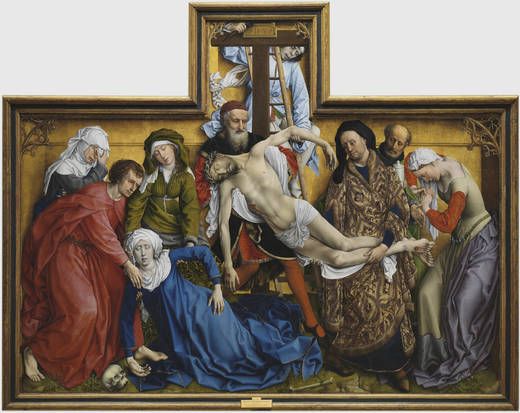
One artist singled out in the tour is Rogier van der Weyden. His work offers a useful bridge between intense religious feeling and precise observation. Pay attention to faces, fabric, and the treatment of grief. A guide can show you how such details make a devotional image feel immediate rather than remote.
Renaissance Skill: Rafael and Titian
The Renaissance section changes the mood. Artists become increasingly interested in the human body, natural space, balance, and the visual language of classical antiquity. Rafael represents an ideal of harmony and control, while Titian shows how color and brushwork can carry as much force as line.
This is a good point to ask your guide about technique. Two paintings may depict similar subjects but feel completely different because of the artist’s handling of color, light, and surface. The tour promises attention to the secrets and skills behind the pictures, so you should use the private format to ask how the effect was achieved.
Rafael’s work can reward close attention to composition. Figures often appear arranged with deliberate balance, and the result feels calm even when the subject is serious. Titian, by contrast, is a useful lesson in expressive color and painterly confidence. The pairing helps you see that the Renaissance was not one fixed style.
The guide’s job here is not just to identify famous names. It is to explain why those names matter. That makes the visit more useful for a first-time museum visitor, and it gives an experienced art lover a chance to ask focused questions.
More Prado tours and tickets:
- Madrid: Prado Museum Guided Tour with Skip-the-Line Ticket
★ 4.5 · 2,018 reviews - Madrid: Prado Museum Guided Tour With Fast Access
★ 4.8 · 1,785 reviews - Prado Museum Small Group Tour with Skip the Line Ticket
★ 5.0 · 1,738 reviews - Royal Palace & Prado Museum Skip the Line Guided Tour
★ 4.5 · 1,347 reviews
El Greco and the Spanish Turn
El Greco brings a different kind of energy. His figures and compositions can feel elongated, dramatic, and spiritual, making his work easy to recognize once your guide has pointed out the key traits. He also marks an important step toward the distinctive Spanish painting tradition that the Prado presents so well.
This is where a private guide can save you from treating the museum as a parade of famous names. El Greco is not simply another painter to tick off. His work invites questions about mood, distortion, faith, and the expressive power of an unusual style.
You may also notice how the tour moves between international and Spanish artists. That wider frame matters. The Prado is not only a collection of Spanish painting, even though Spain’s royal and artistic traditions are central to it. The museum places Spanish masters beside major European figures, allowing you to compare their approaches directly.
If you have a particular interest in El Greco, tell your guide at the start. The itinerary is flexible enough for individual questions and requests, though the two-hour limit means your guide still needs to keep the route moving.
Velázquez, Rubens, and Tintoretto
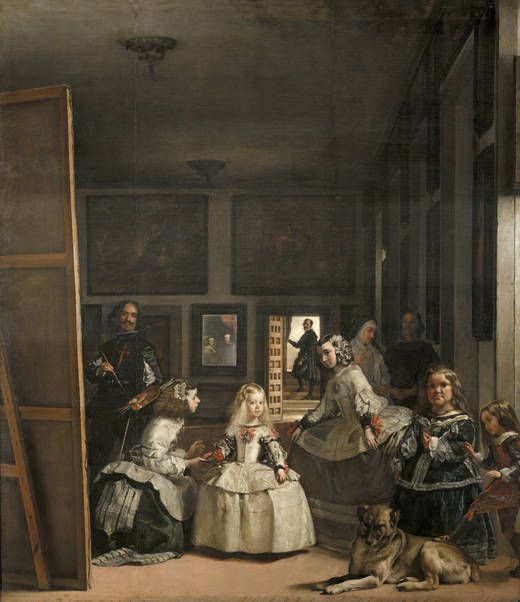
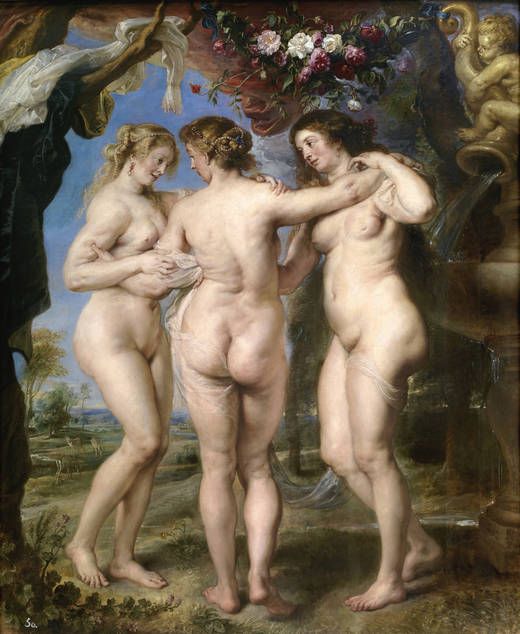
The Baroque rooms bring stronger contrasts in movement, light, and emotion. Painters such as Rubens and Tintoretto help explain how artists created drama, while Velázquez gives you a close look at the power of observation and royal portraiture.
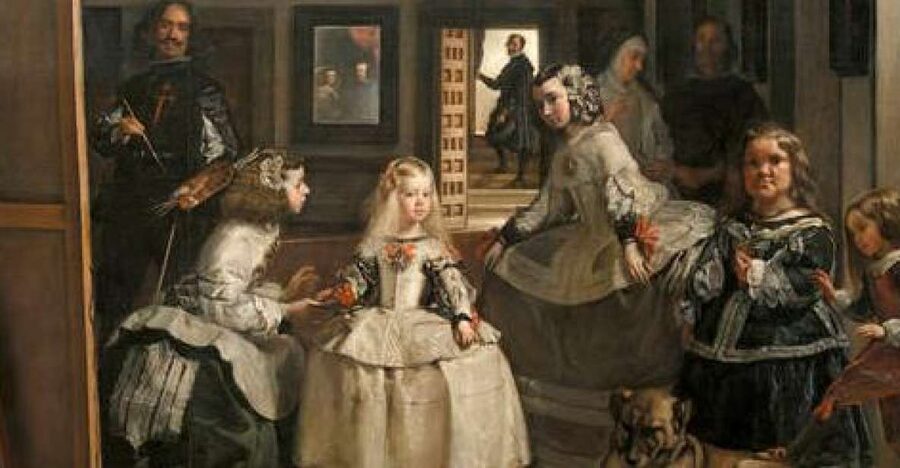
Velázquez is one of the main reasons many people come to the Prado. His paintings reward more than a quick glance. A guide can direct your attention to the placement of figures, the relationship between the subject and viewer, and the way paint can suggest texture without spelling out every detail.
Rubens offers another kind of lesson. His work is energetic, full-bodied, and designed to command attention. Tintoretto brings a different sense of motion and theatrical space. Seeing these artists within one visit helps you compare how Baroque painters made a scene feel active and urgent.
This is also the point at which the private format earns its keep for many art lovers. You can slow down when a picture catches your eye, then move on when a room does less for you. In a large group, the guide must serve the average interest. Here, the route can respond to yours.
Goya and the Prado’s Modern Edge
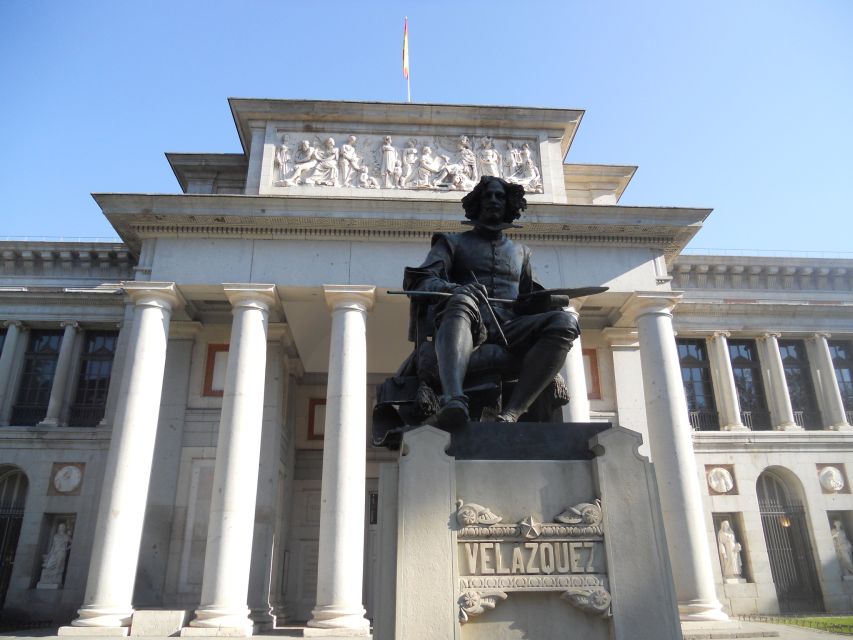
Goya gives the tour a powerful later chapter. His work connects the traditions of court painting and portraiture with a more questioning, personal view of society and human behavior. He is also a natural figure to return to, since you meet beneath his statue.
A strong explanation of Goya should help you see more than technique. His paintings can be elegant, unsettling, satirical, or direct. The contrast with earlier court artists shows how the role of the painter was changing as well as how the style of painting was changing.
The tour continues toward the beginning of the 20th century, giving you a sense of where the Prado’s historical arc ends. You should not expect a complete survey of modern art in two hours. Instead, the guide provides a route through the museum’s main periods and helps you understand the transition from medieval religious painting to later, more individual forms of expression.
This broad span is ideal for a first visit. It gives you a mental map. If you return to the Prado later, you will know which rooms deserve more time and which artists you want to investigate further.
How Javier and Anne Shape the Visit
The named guides, Javier and Anne, have different strengths reflected in the tour feedback. Javier is described as funny and informative, with a talent for turning each painting into a story. That approach is useful when a subject feels academic or technical. A story gives you a reason to care before the guide explains the formal details.
Anne has been praised for clear German explanations and for adapting well to a family with children. Another description of her work highlights a well-organized route through the periods and the most important pictures. If you are traveling with younger visitors, ask for Anne if guide assignment allows, though the available guide is not guaranteed in the supplied details.
The tour language is German. That point deserves attention because the activity is not presented as a multilingual option. If you need English, Spanish, or another language, confirm before booking rather than assuming a change will be possible.
The guide is also expected to answer questions and respond to requests. That does not mean you can see every major room in depth. It means the visit can be shaped around your interests instead of following a fixed speech for a large crowd.
What the Two Hours Really Cover
Two hours is enough for a well-chosen introduction, not enough for the entire Prado. You will move through major periods and see representative works, but you should expect the guide to make choices.
That is a benefit if you are visiting for the first time. The museum’s size can make self-guided visits tiring, and a selective route prevents you from spending too long on early rooms before reaching artists you hoped to see. The guide keeps the story moving and provides context along the way.
The tradeoff is that your personal list may not fit. If you want a long session focused only on Goya, Velázquez, or Renaissance painting, tell the guide early. The private format gives you room to adjust, but the tour still has a planned historical arc.
After the guided portion, you can stay and visit other paintings and rooms at your own pace. This is an important part of the value. The guide gives you orientation, and the remaining time lets you follow your own curiosity. You may want to revisit a picture, find an artist not included in the main route, or simply look without listening for a while.
Price, Admission, and Group Size
At $171 for up to two people, the guide fee is not a budget add-on. It becomes easier to justify when shared by two people who want a focused visit in German. For one person, the same group price feels less economical.
Museum admission is extra. Adults in groups of one to six pay EUR 15, seniors over 64 pay EUR 7.50, and students up to 25 enter free. Groups of seven to 15 pay EUR 15.50 per person, plus EUR 1 for headphones. The museum requires headphones for those larger groups, and the museum does not offer discounts to groups of eight including the guide.
Those larger-group rules matter mainly if your private party grows. The activity is described as a private group, with no other participants, and the headline price covers up to two people. If you are planning for more than six, check the final group cost carefully.
The guide fee can be good value for an art-focused couple, a German-speaking family, or anyone with just one museum visit in Madrid. It is less compelling for a visitor who likes to wander independently and has plenty of time.
Small Details That Make the Visit Easier
The tour is wheelchair accessible, which makes it a practical option for visitors who need an accessible museum experience. The meeting point is outdoors at the Goya statue, so plan to arrive ready to identify the exact spot.
The activity lasts two hours, and starting times depend on availability. You can cancel up to 24 hours in advance for a full refund, and reserve now while paying later. Those policies help if your Madrid schedule is still shifting.
Bring questions. Ask about a painter’s technique, a period you find confusing, or a work you want to see after the tour. Since the guide is working only with your private group, you have a better chance of getting a useful answer than you would during a crowded group talk.
Who Should Book This Prado Visit?
I would choose this tour if you want German-language guidance, dislike wandering through major museums without a plan, or have a family member who needs explanations tailored to their interests. It also suits couples who want a more personal visit than a standard group tour provides.
Javier may be a strong match if you enjoy humor and story-based explanations. Anne may suit families and visitors who prefer a well-structured route through the artistic periods. You cannot assume which guide you will receive, but both names are associated with the tour.
I would skip it if you are already comfortable reading art on your own, plan to spend many hours in the Prado, or want to focus on one narrow subject without paying for a broad overview. In those cases, admission alone may be enough, and you can move at your own speed.
Should You Book the Private Prado Tour?
Book it if the German-language guide and private attention matter to you. The guide helps turn a huge collection into a readable story, and the chance to continue alone afterward gives you both structure and freedom.
Before booking, budget for the separate museum ticket and accept that two hours will cover selected masterpieces rather than every important room. For a first Prado visit with limited time, the focused route, flexible questions, and strong guides such as Javier or Anne make the cost easier to defend.
FAQ
What does the private Prado tour include?
It includes a two-hour private tour with a personal guide. No other participants join your group.
Is the Prado Museum admission fee included?
No. Museum entry is paid separately at the venue.
How much is museum admission for one to six people?
Adults pay EUR 15, seniors over 64 pay EUR 7.50, and students up to age 25 enter free.
What languages are available?
The tour is offered in German.
Where do I meet the guide?
Meet at the Goya statue in front of the Prado Museum’s main entrance at Paseo del Prado, s/n, 28014 Madrid.
How long does the tour last?
The guided visit lasts two hours. Afterward, you can continue viewing other paintings and rooms on your own.
Which artists are included in the tour?
The tour can cover artists including Van der Weyden, Rafael, Titian, El Greco, Velázquez, Rubens, Tintoretto, and Goya.
Is the tour wheelchair accessible?
Yes, the activity is listed as wheelchair accessible.
Can I cancel the booking?
Yes. You can cancel up to 24 hours in advance for a full refund. You can also reserve now and pay later.
Just added around Madrid
- Madrid: Afternoon Prado Museum Tour with Skip-the-Line Entry★ 4.4 · 491 reviews
- Small Group Prado Museum Guided Tour with Skip the Line★ 4.2 · 106 reviews
- Madrid: Reina Sofía Museum Guided Tour, Small Group★ 4.9 · 67 reviews
- Reina Sofía Museum – Guided tour IN ITALIAN with family discount.★ 4.8 · 19 reviews
- Prado Museum Tour with ticket, small group & expert guide★ 5.0 · 13 reviews
- Madrid: Prado Museum Skip-the-Line Guided Tour★ 4.3 · 254 reviews
- Prado Museum for kids & families: Private fun tour★ 5.0 · 32 reviews
- Madrid: Prado Museum guided tour optional Reina Sofía Museum★ 4.8 · 38 reviews
Museum Tours in Madrid, compared.
Prado Museum Guided Tour with Skip-the-Line Ticket
Read our review →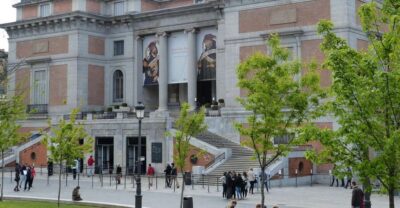
Prado Museum Small Group Tour with Skip the Line Ticket
Read our review →
Royal Palace & Prado Museum Skip the Line Guided Tour
Read our review →
Browse the lists this tour appears in