Review · ITALY
Milan: Pinacoteca Ambrosiana & da Vinci Codex Exhibition
Leonardo da Vinci’s working mind is the main event here. In the Ambrosiana’s historic rooms, you can see original pages from the Codex Atlanticus, filled with sketches, machines, diagrams, and questions from more than 40 years of his life. Then the museum widens the view with Raphael, Botticelli, Titian, and Caravaggio.
I like the compact scale and the excellent mix of art, books, and architecture. I also like that the museum usually lets you set your own pace, rather than pushing you through with a fixed group. The main thing to consider is that this is a ticketed museum visit, not a conventional guided tour, and the building can be confusing to navigate at first.
Key points to know before you go
- Leonardo’s original Codex Atlanticus drawings show his engineering ideas, observations, and working methods up close.
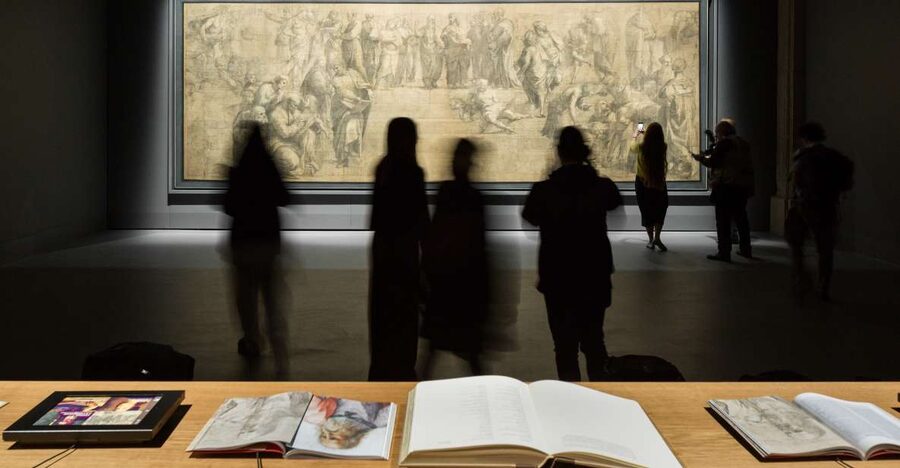
- Raphael’s cartoon for the School of Athens is one of the museum’s major highlights and deserves time of its own.
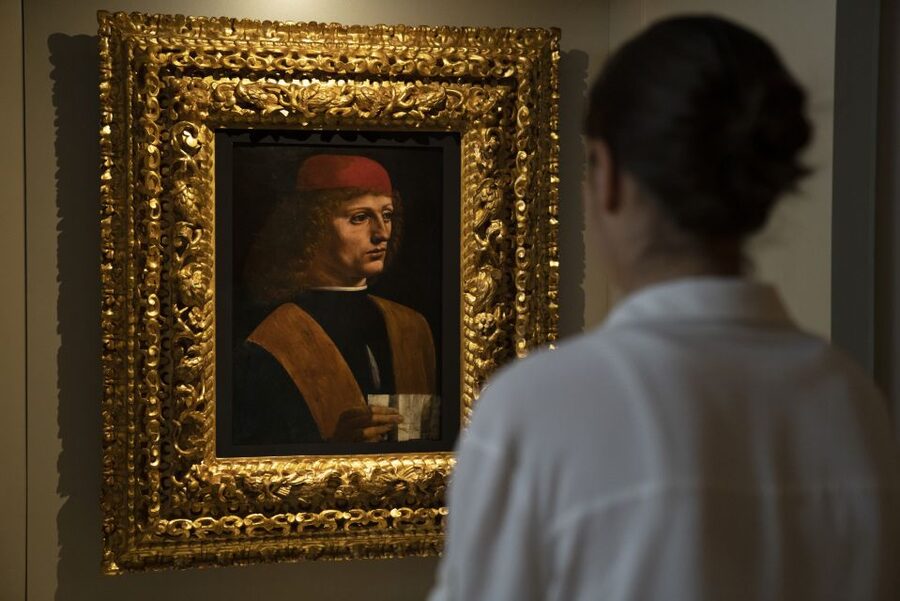
- Caravaggio, Botticelli, Titian, and other masters give the Leonardo display a wider Renaissance setting.
- The Ambrosiana Library is part of the experience, not merely a doorway to the gallery.
- Plan on 1.5 to 3 hours, depending on how closely you study the art and use the audio guide.
- The €21 admission is good value for a central Milan collection with this range of original works.
Why the Ambrosiana feels different from Milan’s larger museums
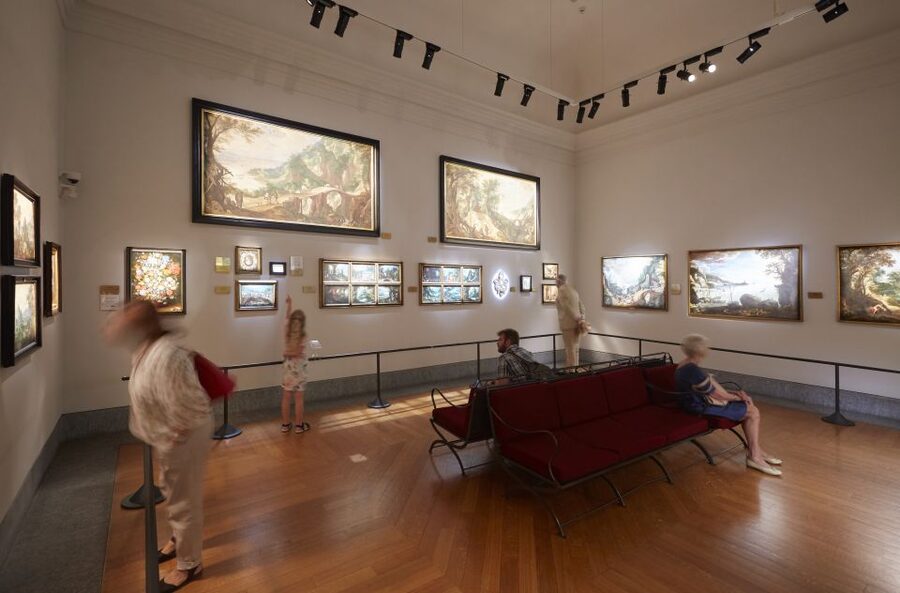
The Pinacoteca Ambrosiana is not simply a room full of famous paintings. It is part art museum, part historic library, and part document archive. That combination gives the visit a quieter, more thoughtful character than a large palace museum.
You move through rooms connected with the Ambrosiana collections, then reach the Leonardo material and the library displays. The old building itself becomes part of what you are seeing. Its rooms, shelves, lighting, and architectural details help explain why this institution was created: to preserve art, books, ideas, and the work of great Italian thinkers in one place.
The museum is smaller than Milan’s Brera gallery, which is useful if you want a focused cultural stop rather than a long march through endless rooms. You can see the main collection in a couple of hours, yet there is enough detail to reward a slower visit.
I would not treat this as a quick Leonardo photo stop. The paintings and historic setting deserve equal attention.
A few more museum visits around Italy worth comparing
- Vatican: Museums & Sistine Chapel Entrance Ticket
★ 4.5 · 144,003 reviews - Vatican Museums, Sistine Chapel & St. Peter’s Basilica Tour
★ 4.3 · 73,970 reviews - Vatican Museums, Sistine Chapel & St Peter’s Basilica Guided Tour
★ 4.5 · 39,149 reviews
Start with the paintings, not just Leonardo
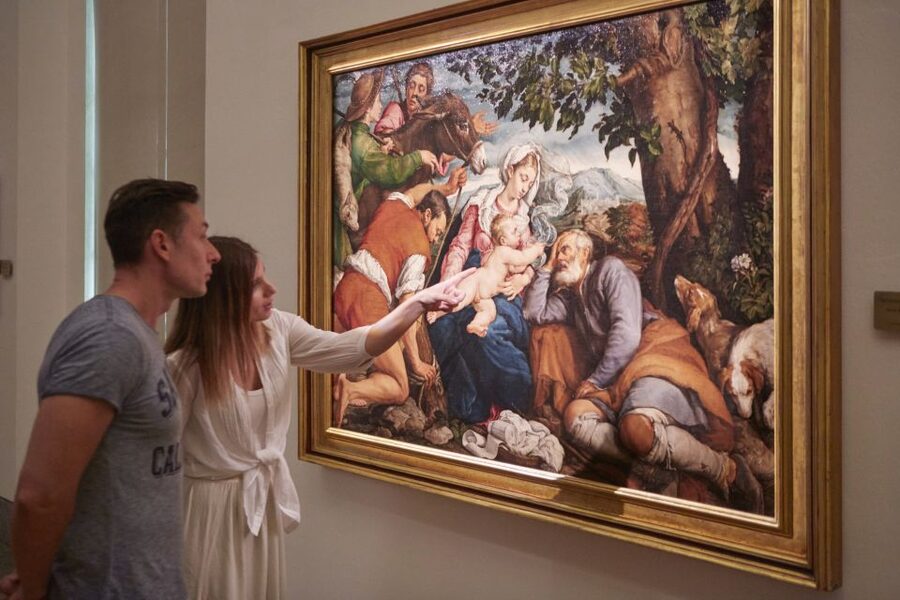
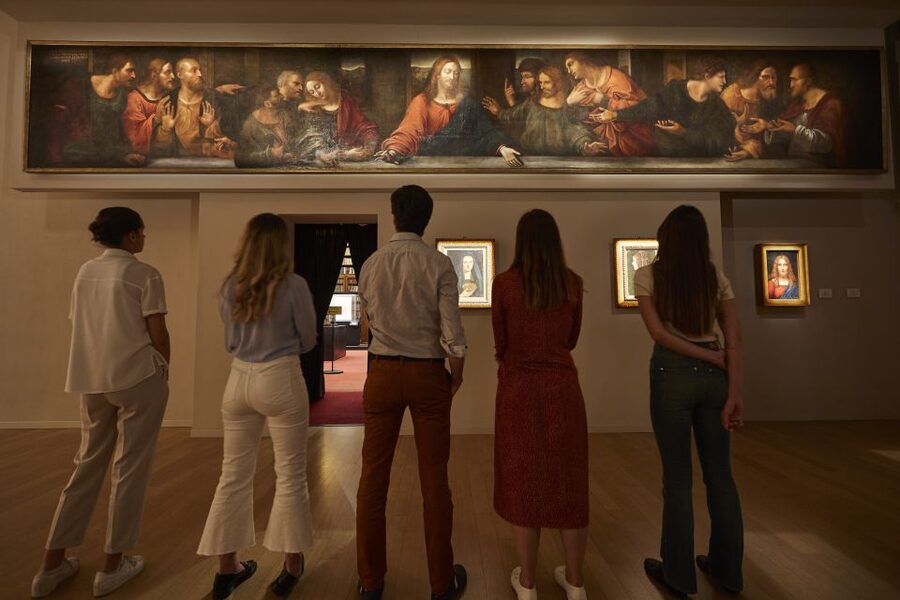
The Ambrosiana’s art collection gives you a useful introduction to Italian painting before you reach the Codex Atlanticus. You will encounter works associated with Botticelli, Raphael, Titian, Caravaggio, and other major artists.
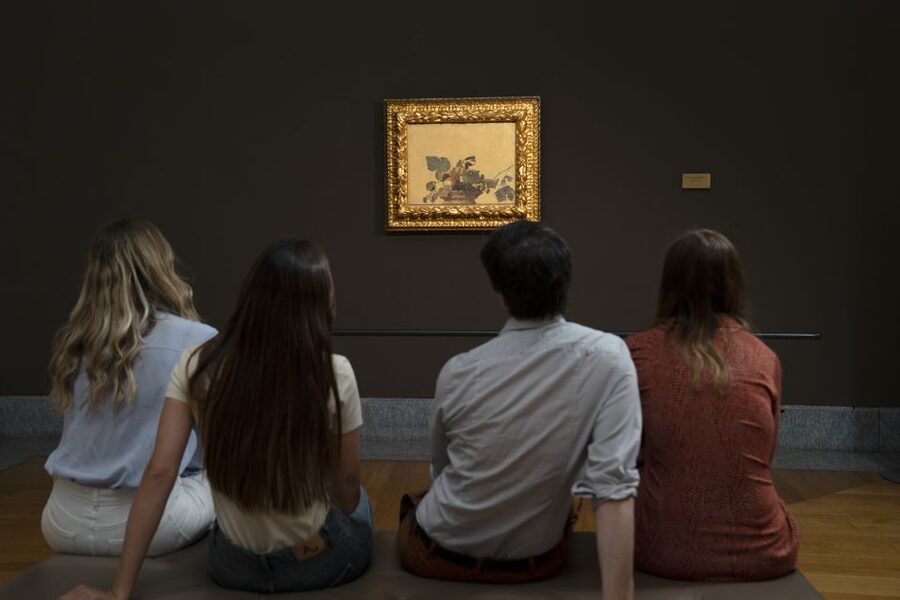
Caravaggio’s still-life paintings are especially valuable because they show his eye for ordinary objects. Fruit, leaves, and vessels become studies in light, texture, and decay. These are not grand religious scenes, but they reveal why Caravaggio changed the feel of European painting.
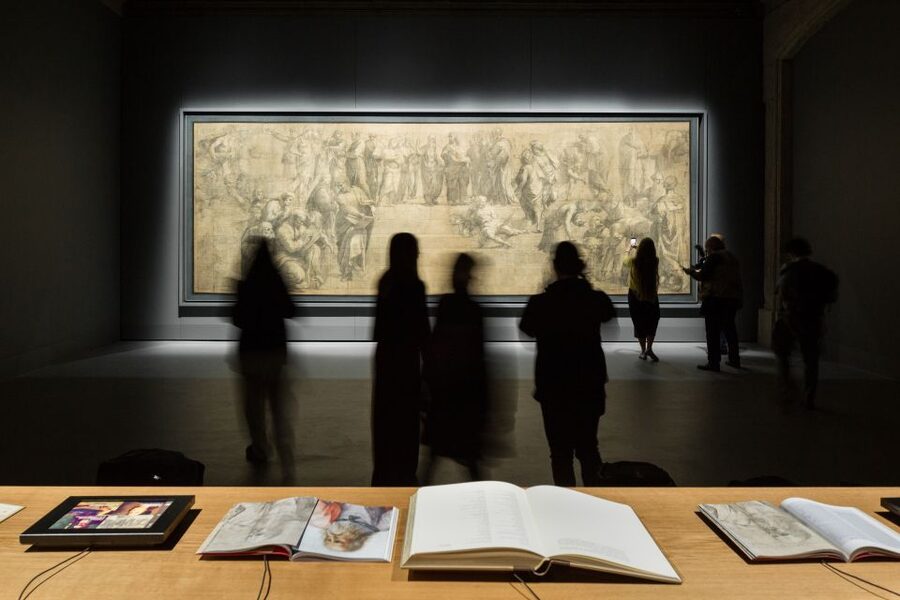
The Raphael material is another major reason to come. The cartoon for the School of Athens is not a small preparatory doodle. It is a full-scale working design used in the creation of the Vatican fresco. Seeing it lets you study Raphael’s composition, figures, and corrections before the final image was transferred to a wall.
Give the cartoon more time than you might expect. A film and explanation about how the design was created and transferred can make the work much easier to understand. Without that context, you may see a large drawing. With it, you see the construction plan for one of the Renaissance’s best-known paintings.
Some paintings are displayed very well, with enough space to get close and examine the brushwork. A few information panels can be hard to read because of low lighting, so do not rely on every label being easy to scan. The dim rooms protect sensitive works and create a calm mood, but they can make text frustrating.
Leonardo’s Codex Atlanticus in close view
The Codex Atlanticus is the heart of the visit. This large body of Leonardo’s original drawings covers engineering, architecture, mechanics, flight, water, weapons, geometry, and many other subjects. The pages show a mind moving freely between art and science.
You may see designs for machines alongside notes and studies. The value is not only in the finished idea. It is in the working process: Leonardo testing, changing, measuring, and returning to a problem from a new angle.
The drawings also make Leonardo feel more human. Instead of seeing only the polished image of the universal genius, you see unfinished thoughts and practical experiments. Some pages are tightly packed, while others give a sense of an idea still taking shape.
The exhibition presents more than a collection of famous sketches. It offers a view of Leonardo’s thoughts and feelings across more than 40 years of work. That longer time span matters. It helps you understand that his inventions were part of an ongoing habit of observation, not a series of isolated flashes of inspiration.
Do not rush this section. You do not need to understand every machine to enjoy it. Look for repeated themes: movement, balance, water, flight, buildings, and the close study of the natural world.
The display is also a good fit for visitors who prefer original documents to grand paintings. You are looking at working sheets handled and studied over centuries, rather than a later reproduction.
The Federiciana Room and the library setting
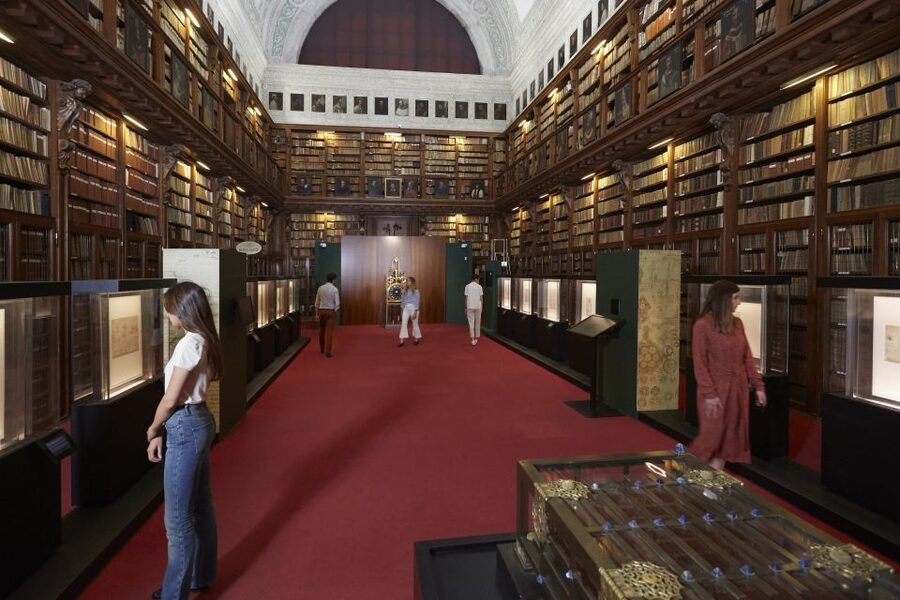
The Federiciana Room adds another layer to the visit. It helps place the art and manuscripts within the Ambrosiana’s wider intellectual purpose. You are not simply looking at individual masterpieces. You are seeing how a major collection gathered, protected, and presented the ideas of its time.
The library displays are among the most memorable parts of the building. A three-story library space has an impressive visual effect, even for someone who is more interested in painting than books. The shelves and old rooms provide a strong contrast with Leonardo’s diagrams and the polished galleries.
This is also where the visit can feel less predictable. You may come expecting a Leonardo exhibition and find sculptures, pottery, historical objects, books, and other works. That variety is a strength, though it means you should follow the museum map instead of assuming the route is obvious.
Pay attention at the entrance and keep the map with you. Some rooms are easy to miss, and the layout is not always self-explanatory. If you cannot find the Codex section, ask staff directly for its location. One reported problem was being directed away from the correct area, so clear questions are worthwhile.
Same city, a completely different collection:
- Florence: Skip-The-Line Uffizi Gallery Timed Entry Ticket
★ 4.5 · 27,832 reviews - Rome: Vatican Museums, Sistine Chapel and Basilica Tour
★ 4.3 · 16,039 reviews - Vatican Museums & Sistine Chapel Skip-the-Line Entry Ticket
★ 4.4 · 13,838 reviews - Rome: Vatican Museums, Sistine Chapel & Basilica Tour
★ 4.7 · 13,217 reviews
How long should you allow?
The official activity is valid for one day, but that does not mean you need an entire day inside. Most people should allow at least 1.5 hours. Two to three hours is a better target if you want to read labels, study the paintings, and use the audio guide.
A quick visit can cover the major highlights:
- The main Renaissance paintings
- Raphael’s cartoon for the School of Athens
- The Leonardo drawings
- The historic library rooms
- The Federiciana Room
A slower visit gives you time to compare the artists and notice smaller works that are easy to overlook. The museum is manageable in scale, and there are places to sit, which helps if you want to study a painting instead of simply passing through.
The audio guide can extend your visit. Its default setting may be designed for about one hour, while a longer-visit mode is available. If you plan to stay for several hours, check the setting early so you do not miss explanations of works you care about.
Is the €21 admission good value?
At $21 per person, admission is reasonable for central Milan, especially because it includes the Ambrosiana collections and the Leonardo exhibition. You are paying for several experiences in one: major Renaissance paintings, original Leonardo drawings, library rooms, and the building itself.
The value is strongest if you care about art, architecture, manuscripts, or Leonardo’s engineering work. If you only want a large number of famous paintings, a bigger gallery may feel more satisfying. The Ambrosiana’s appeal comes from the variety and the quality of individual highlights, not from sheer size.
The optional audio guide costs €4 and is available in six languages through the booking service or at the ticket office. I consider it worthwhile if you want background on the paintings and Leonardo’s drawings. It can be cumbersome to use, and its shorter default route may not match your plans, but the extra information helps turn a quiet museum visit into a more connected experience.
You can also download the app to your device and continue listening after the visit. That is useful if you want to revisit the explanations later rather than trying to remember every detail in the gallery.
Getting to Piazza Pio XI 2
The entrance is at Piazza Pio XI 2, in central Milan. The closest metro options are Cordusio on the red line and Duomo on the red or yellow line. Duomo is also served by the yellow line.
Tram options include lines 12, 14, and 16 at Orefici Cantù, plus lines 2 and 3 at Duomo. Since the museum is near Milan’s central sights, it fits easily into a day focused on the Duomo area.
The experience is self-guided. Your admission covers entry, but the audio guide costs extra. Booking language can sometimes make it sound as if a personal guide will meet you, so read the details carefully if you want a guided tour. For most people, the ticket-only arrangement is an advantage because you can pause at Leonardo’s drawings or Raphael’s cartoon without holding up a group.
Practical points inside the museum
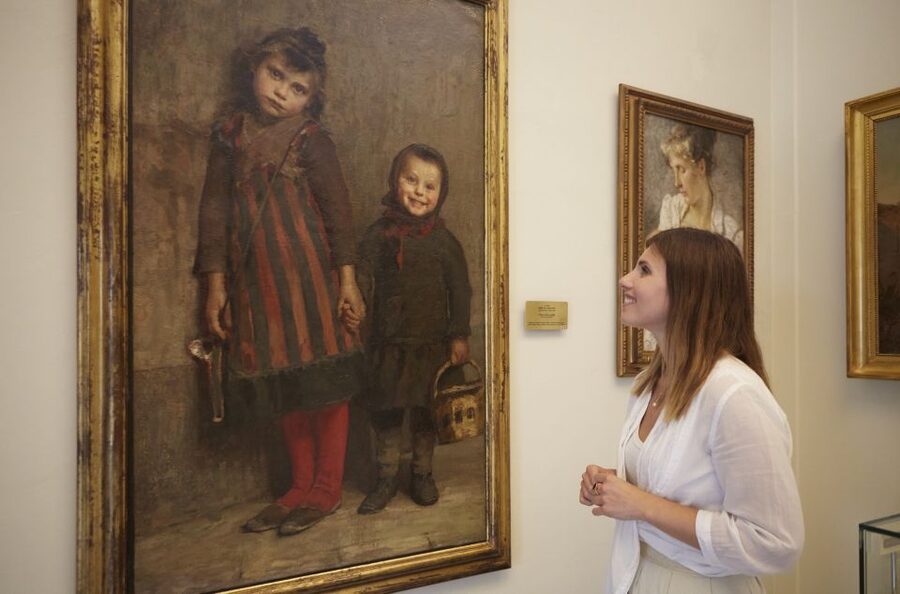
The building is well organized overall, but the route can feel unclear in places. Follow the map and ask staff when needed. The staff are generally described as welcoming and helpful, but you should not assume every important room will be obvious from the first corridor.
Lighting is a mixed experience. Paintings are often shown beautifully, and the darker rooms can make the art feel concentrated and atmospheric. On the other hand, some labels are difficult to read, especially if you are trying to gather background quickly.
Families with a stroller should plan ahead. Some areas do not allow baby buggies on the gallery floors, so you may need to leave one at the entrance and carry a small child through certain sections. The available information does not give a full accessibility plan, so contact the museum directly if mobility access is important to your visit.
The museum can also provide a cool indoor break in Milan’s hot summer months. That is a practical bonus, but give yourself enough time to enjoy the collection rather than treating it only as an air-conditioned stop.
Who should book this experience?
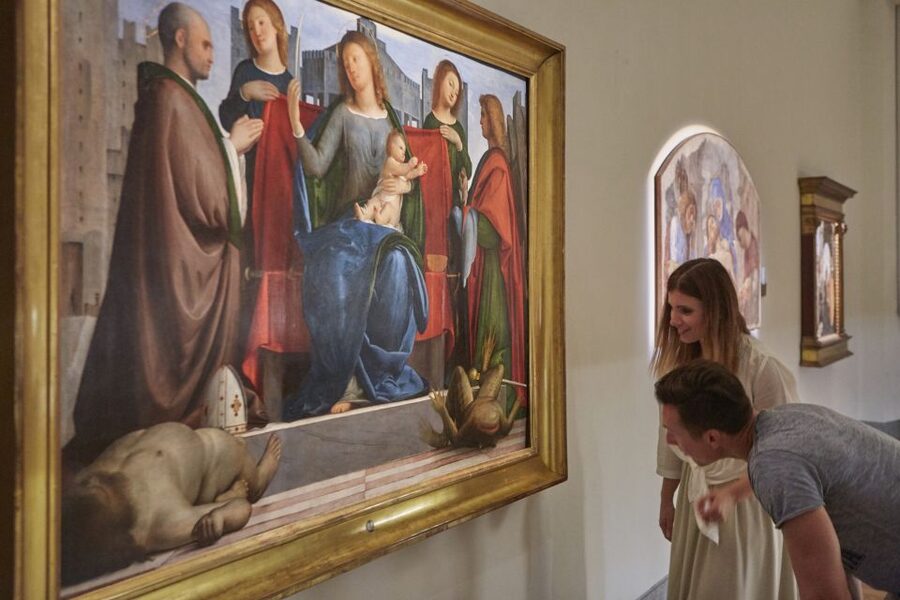
I would choose this visit if you have any interest in Leonardo, Renaissance painting, old libraries, or the way art and science overlap. It works particularly well for an afternoon when you want something central, quiet, and intellectually rewarding.
It is also a good choice for repeat visitors to Milan. The Duomo and Brera receive more attention, while the Ambrosiana offers a different scale and a less crowded feel. You can see celebrated names without committing to a huge museum complex.
Families can enjoy the visual variety, though young children may not have the patience for the drawings and labels. The audio guide helps older children and adults understand what they are seeing.
I would be less likely to recommend it to someone who wants a formal guide, a clear one-way route, or a large collection that takes most of the day. The Ambrosiana rewards curiosity and a little patience with the map.
Should you book the Pinacoteca Ambrosiana?
Yes, if you want Leonardo’s original drawings paired with first-rate Renaissance art in a historic Milan setting. The strongest reasons are the Codex Atlanticus, Raphael’s School of Athens cartoon, Caravaggio’s still lifes, and the library rooms.
Book it with at least two hours available, and add the €4 audio guide if you want more context. Keep the map in hand, expect a self-guided visit rather than a tour, and allow extra time if you plan to use the longer audio route. For $21, this is a well-priced cultural stop with enough variety to surprise you.
FAQ
What does the Pinacoteca Ambrosiana ticket include?
The ticket includes admission to the Ambrosiana collections and the exhibition of Leonardo da Vinci’s original drawings from the Codex Atlanticus.
Is an audio guide included?
No. The audio guide is optional and costs €4. It is available in six languages through the booking service or at the ticket office.
Can I use the audio guide after leaving?
Yes. The activity information says you can download the app to your device and listen to it after the visit.
How long should I spend at the museum?
Allow at least 1.5 hours for the main highlights. Two to three hours is a better plan if you want to read the information, study the artwork, and use the audio guide.
Where is the meeting point?
The entrance is at the Ambrosiana, Piazza Pio XI 2, Milan.
Which public transport stops are closest?
The nearest metro stops are Cordusio on the red line and Duomo on the red or yellow line. Nearby tram stops are served by lines 12, 14, and 16 at Orefici Cantù, or lines 2 and 3 at Duomo.
Can I cancel the booking?
You can cancel up to 24 hours in advance for a full refund. You can also reserve now and pay later, subject to availability.
Just added around Italy
- Oil museum and oil mill in Tuscany: tour and tasting★ 5.0 · 16 reviews
- Enchanted Castle of Sciacca – Museum Tickets★ 3.5 · 63 reviews
- Torino: FIAT Historic Museum and Lingotto District Tour★ 4.9 · 14 reviews
- Torino: The Car Museum Skip-The-Line Tour★ 4.7 · 22 reviews
- Timed Entry Ticket to the Uffizi Gallery★ 4.5 · 498 reviews
- Florence: Accademia Gallery Entry Ticket with Audio Guide★ 4.1 · 88 reviews
- Vatican City: Sistine Chapel, Museums, Basilica Private Tour★ 4.8 · 158 reviews
- Rome: Capitoline Museums and Centrale Montemartini Tickets★ 4.4 · 328 reviews
Museum Tours in Italy, compared.
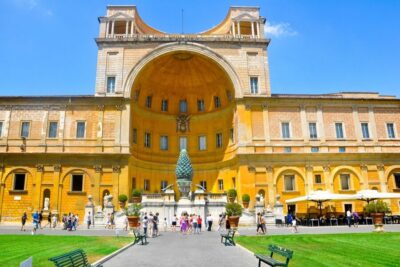
Vatican: Museums & Sistine Chapel Entrance Ticket
Read our review →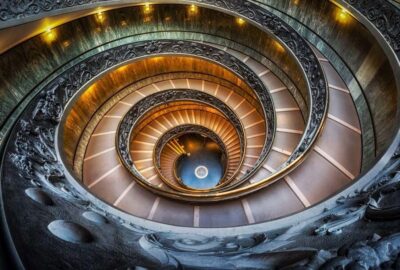
Vatican Museums, Sistine Chapel & St. Peter’s Basilica Tour
Read our review →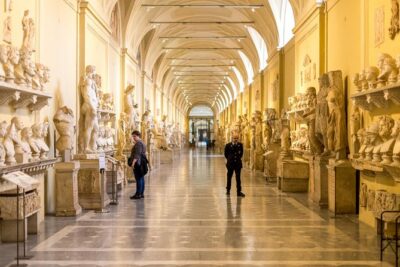
Vatican Museums, Sistine Chapel & St Peter’s Basilica Guided Tour
Read our review →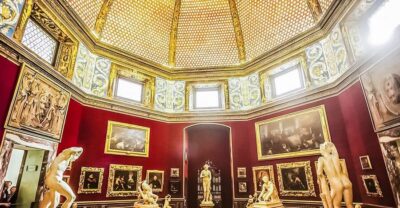
Skip-The-Line Uffizi Gallery Timed Entry Ticket
Read our review →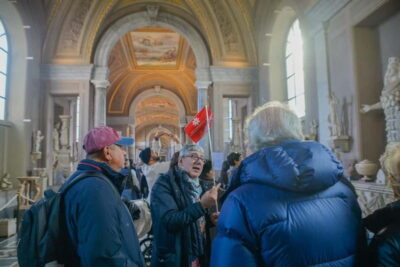
Vatican Museums, Sistine Chapel and Basilica Tour
Read our review →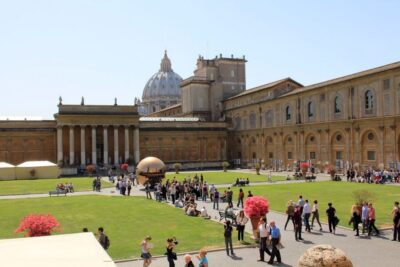
Vatican Museums & Sistine Chapel Skip-the-Line Entry Ticket
Read our review →
Vatican Museums, Sistine Chapel & Basilica Tour
Read our review →