
Review · VIETNAM
Hanoi: War Site Museums Tour
Hanoi’s war sites make the city’s past feel close and physical. You walk through the cells of Hoa Lo Prison, study aircraft and weapons at the Military History Museum, then look at the remains of a B-52 bomber beside Huu Tiep Lake. The stories are heavy, but the route gives you a useful way to understand Vietnam beyond its food and old streets.
I like two things here. First, the guide adds the political and human context that museum labels cannot provide. Guides such as Minh, Mark, Nathan, Tee, and Nam have been praised for clear English, patience, and thoughtful answers. Second, the tour links several different viewpoints, from colonial prison history to Ho Chi Minh’s independence movement and the bombing campaign.
The main drawback is the schedule. The museums can be closed on Mondays and Fridays, so the route may become an outside visit on those days. Hoa Lo Prison also has a modern hotel occupying much of the former site, which can make the visit feel less complete than expected.
Key points to know before booking
- Hoa Lo Prison brings the past indoors: Corridors, cells, and surviving sections give the tour its most immediate and emotional stop.
- The Military History Museum needs time: Its large collection is easier to understand with a guide who can explain what matters and what you can skip.
- Huu Tiep Lake has the tour’s strongest visual symbol: A B-52 wreck rests by the water, linking a quiet neighborhood to the air war.
- Museum opening days affect the route: The Ho Chi Minh Museum, B52 Victory Museum, and Vietnam Military History Museum are closed on Mondays and Fridays.
- The guide is the real value: Minh, Mark, Nathan, Tee, and Nam are among the guides associated with especially clear, patient explanations.
- The duration can vary widely: The experience may take about 210 minutes or as long as eight hours, depending on your selected option and added sites.
Why Hanoi’s war sites are worth your time
If you spend only a day or two in Hanoi, it is tempting to focus on street food, the Old Quarter, and lakeside walks. Those are good choices, but they leave out the forces that shaped modern Vietnam. This tour gives you a focused look at independence, wartime survival, political leadership, and the cost of conflict.
You will not get one tidy version of the past. Hoa Lo Prison began under French colonial rule and later became famous in American accounts as the Hanoi Hilton. The Ho Chi Minh Museum presents the life and work of the country’s most important modern political figure. The military museums explain the Vietnamese view of war, including the campaigns that brought the country together under one government.
That mixture matters. You are not simply looking at old equipment. You are being asked to connect buildings, people, military decisions, and national memory. A good guide can also explain where the official museum story leaves room for questions, which is why the guided format is more useful than visiting every site alone.
The price is $30 per person. That includes the guide, entry tickets, transport by taxi or car, and a coffee or drink. For a small group, that is a reasonable package, especially if you want several museums in one outing and prefer not to work out the transport between them. If you only want to visit Hoa Lo Prison, buying a ticket and walking there yourself will cost less.
A few more museum visits around the world worth comparing
- Vatican: Museums & Sistine Chapel Entrance Ticket
★ 4.5 · 144,003 reviews - Vatican Museums, Sistine Chapel & St. Peter’s Basilica Tour
★ 4.3 · 73,970 reviews - Paris: Louvre Museum Timed-Entrance Ticket
★ 4.6 · 71,977 reviews
Walking through Hoa Lo Prison
Hoa Lo is the emotional center of the route. You move through corridors and cell areas while hearing about the prisoners who lived there, the harsh conditions, and the different periods of the site’s history. The setting does much of the work. A label can tell you what happened, but walking through the same doors and narrow spaces gives the subject a physical weight.
The prison is especially useful for first-time visitors who know little about Vietnam’s colonial period or wartime history. Your guide can help separate the French colonial era from the later period when American prisoners were held there. That distinction is important because the name Hanoi Hilton is familiar to many English-speaking visitors, but it describes only part of the site’s story.
Expect serious subject matter. This is not a light sightseeing stop, and you should allow time to read, listen, and think. Comfortable shoes help because the day includes walking through museum spaces and Hanoi streets.
One practical warning is worth noting. A hotel now occupies much of the original prison area. That reduces the sense of a fully preserved complex and may leave you wishing more of the old site had survived. The remaining sections still matter, but you should arrive with realistic expectations rather than expecting an intact fortress-sized prison.
A guide makes a clear difference here. Mark has been especially good at adding local culture and food to the historical explanation, while Minh has been praised for patient answers and strong English. The guide’s role is not just to point at a cell. It is to explain how the place fits into Vietnam’s long struggle with foreign rule and military conflict.
Meeting Ho Chi Minh at his museum
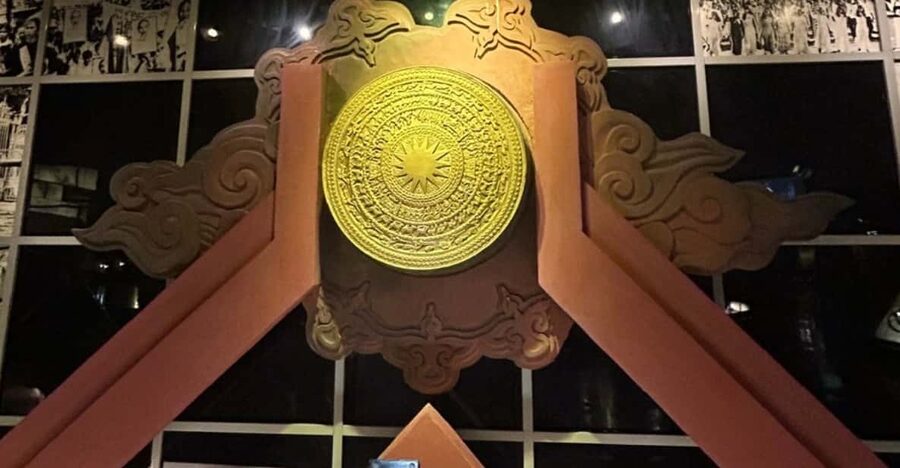
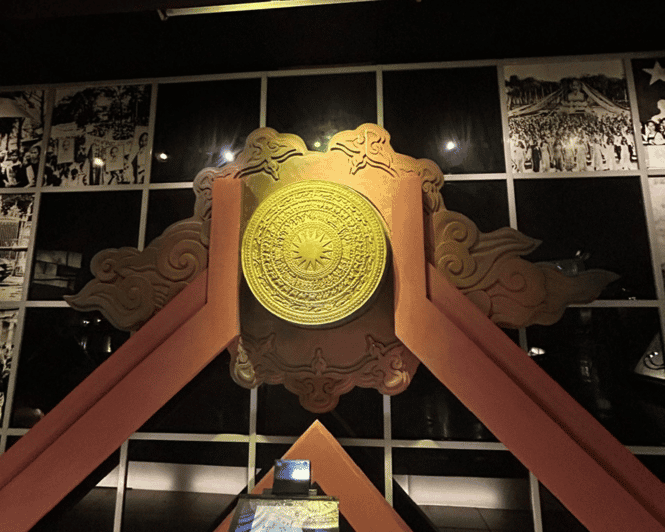
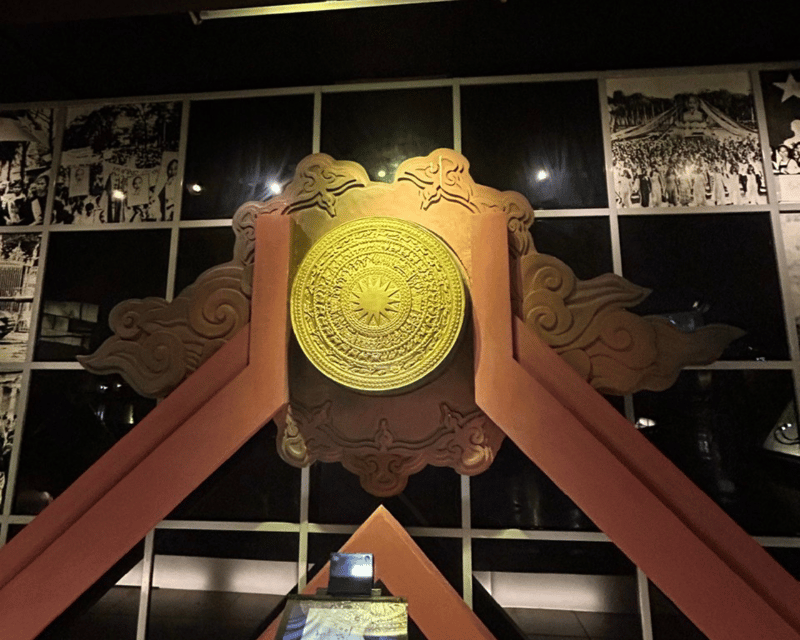
The Ho Chi Minh Museum shifts the focus from buildings and weapons to one person’s political legacy. The visit helps you understand how Ho Chi Minh is presented in Vietnam and why his ideas remain central to the country’s account of independence and unity.
You will find a more deliberate, commemorative setting here than at Hoa Lo. The museum is not simply a collection of personal objects. It presents a story about a leader, a movement, and Vietnam’s search for self-rule. If you already know the broad outline of Ho Chi Minh’s life, a guide can help connect the displays to the wider political events of the twentieth century.
This is also where questions are useful. The strongest guides do not rush you past the exhibits. Minh, for example, has been praised for offering a nuanced account and answering a large number of questions without losing patience. That is valuable when the subject carries such importance in Vietnam and can be presented differently from the version taught in Western schools.
Crowds can affect the experience. One guide had to adapt when a large Chinese group filled part of the Ho Chi Minh Museum. That is a reminder that the tour is taking place in active public museums, not private galleries. Your guide can help adjust the pace, but you may not have every room to yourself.
The museum is closed on Mondays and Fridays according to the tour information. If you book for one of those days, the group will go outside the campus rather than enter the museum. Check the selected date carefully if this stop matters to you.
Making sense of the Military History Museum
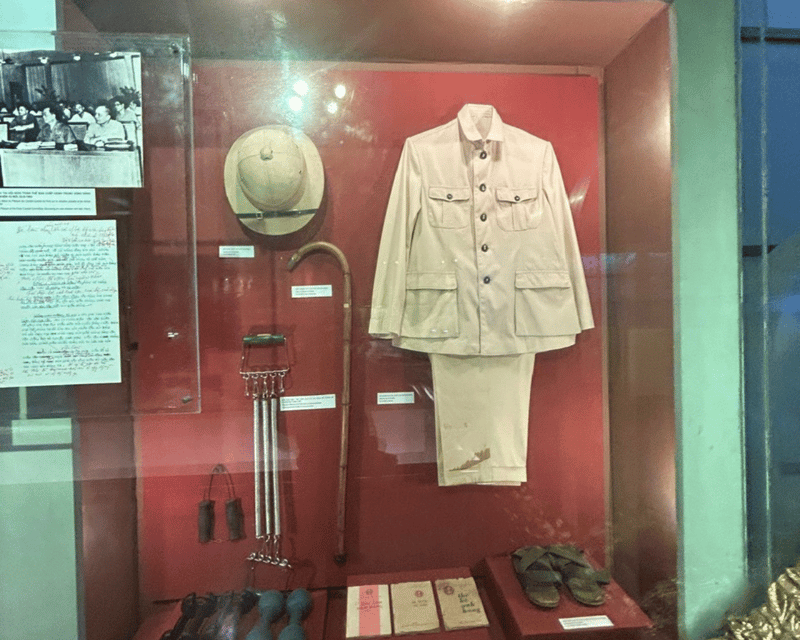
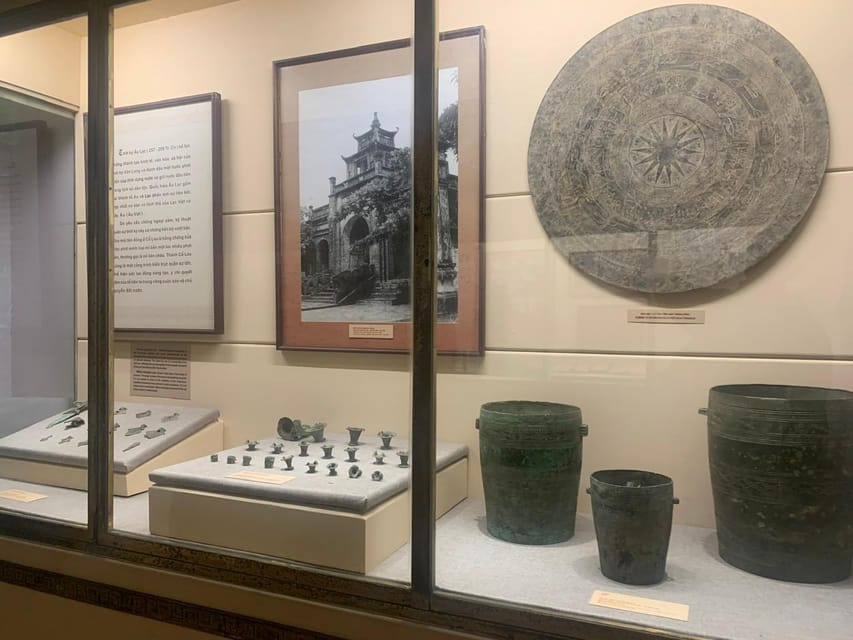
The Vietnam Military History Museum is the broadest stop and can also be the most confusing without help. Its collection covers the equipment, people, and campaigns that shaped Vietnam’s modern military story. You may see aircraft, weapons, and other objects that mean little at first glance. A guide gives each item a place in the larger story.
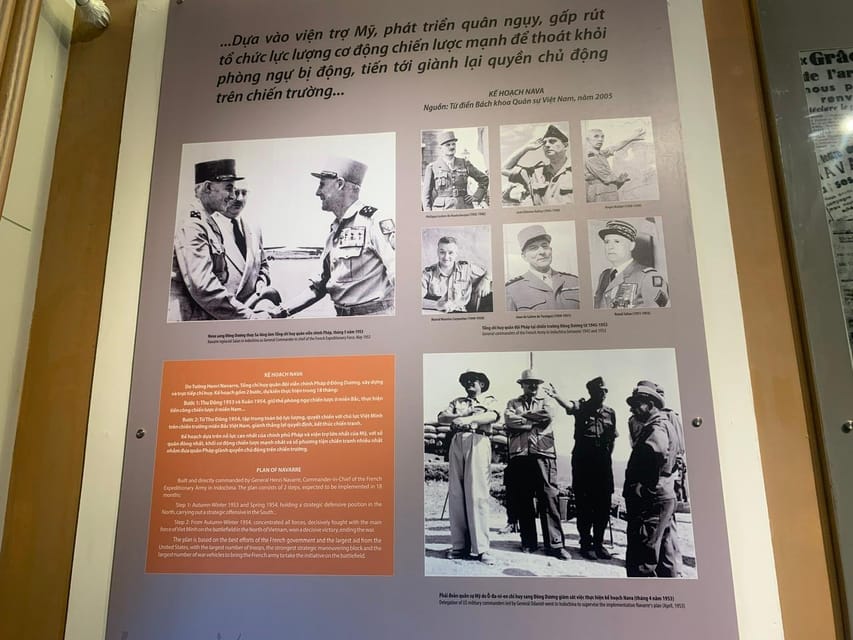
I like this stop for readers who want more than a quick look at one famous site. It helps connect the colonial period, the wars for independence, and the later conflict with the United States. You can ask about the role of particular aircraft, how military tactics changed, and why certain campaigns are remembered so strongly in Vietnam.
The size of the collection creates a trade-off. More objects mean more context, but they also mean more walking and a greater chance of information overload. The tour may last from roughly three and a half hours to eight hours, depending on the option selected and whether additional sites are included. If you prefer a short, focused outing, confirm the exact route before booking.
The museum closes on Mondays and Fridays, along with the Ho Chi Minh Museum and B52 Victory Museum. On those days, the guide can take you around the outside of the campus, but you should not expect the full indoor collection.
This is one of the places where a guide is worth paying for. The displays may be understandable at a basic level, but an English-speaking guide can explain the Vietnamese perspective and answer questions about the objects. Nam, Minh, Mark, Nathan, and Tee have each been associated with the kind of clear explanation that makes a military collection approachable even if you are not an enthusiast.
Same city, a completely different collection:
- Amsterdam: Van Gogh Museum Ticket
★ 4.7 · 52,054 reviews - Vatican Museums, Sistine Chapel & St Peter’s Basilica Guided Tour
★ 4.5 · 39,149 reviews - NYC: 9/11 Memorial & Museum Timed-Entry Ticket
★ 4.8 · 31,428 reviews - London: Tower of London and Crown Jewels Exhibition Ticket
★ 4.6 · 28,769 reviews
The B52 wreck at Huu Tiep Lake
The visit to Huu Tiep Lake gives the tour its most memorable image. A section of a B-52 bomber remains beside the water, surrounded by an ordinary Hanoi neighborhood. The contrast is striking: a quiet local setting, a coffee stop, and the wreckage of a machine connected to a major bombing campaign.
The B52 Victory Museum provides the wider military context. You can learn about the aircraft, the pilots, and the role of aviation in the wartime effort. The museum also presents the bombing campaign as a period of danger and national endurance. Your guide can explain why the wreck is more than an aircraft fragment. It is a symbol of conflict, survival, and the hope that such destruction will not be repeated.
A coffee or drink is included, and the stop near the B-52 site can be a welcome pause. One useful tip is to try egg coffee if it is available at your stop. It gives you a taste of Hanoi’s café culture while you consider one of the most difficult chapters in the city’s past.
Do not expect a vast museum complex at the lake. The power of the place comes from the setting and the surviving wreckage, not from a huge number of rooms. If you want a strictly military presentation, the Military History Museum will offer more material. If you want one clear image that stays with you after the tour, Huu Tiep Lake may be the stronger stop.
The B52 Victory Museum is closed on Mondays and Fridays. On those days, the route is adjusted to an outdoor visit around the campus. Again, check the day before booking if this stop is a priority.
Guides, group size, and the human side of the tour
The experience is sold with a live English-speaking guide, and a small group is available. That matters because the subjects can be complicated and personal. A guide can slow down when you have questions, explain a term, or change the order when a museum is crowded.
The strongest names connected with this experience are Minh, Mark, Nathan, Tee, and Nam. Minh has repeatedly been praised for excellent English, detailed answers, and a friendly manner. Mark is noted for explaining the Vietnam War in simple, clear language and for adding a good coffee stop. Nathan has been described as passionate about Vietnamese history and culture, while Tee has been praised for making the war sites easy to understand. Nam has been particularly effective for visitors with a personal Vietnamese or Vietnamese American connection.
That does not mean you can request a particular guide with certainty. It does mean you should expect the guide to be central to the quality of the day. The displays are useful, but the explanation between them is what turns separate stops into one coherent visit.
Pickup from your hotel is optional. If you choose it, wait in the lobby five minutes before the agreed time. If you meet the group elsewhere, look for a guide holding a red flag of Vietnam. The tour can finish in Hanoi or near Hanoi Train Street, which may work well if you want to continue sightseeing afterward.
Transport is by taxi or car. That is helpful because the sites are spread across the city and Hanoi traffic can make independent connections awkward. Still, no city transport can remove traffic delays entirely, so avoid planning a tight appointment immediately afterward.
How the $30 price holds up
At $30 per person, this is best judged as a guided multi-site experience rather than a single museum ticket. You receive entry tickets, transport, a guide, and a drink. If the route includes several museums and lasts close to a full day, the price offers good value for people who want the background explained rather than simply collected in photographs.
The value drops if you are only interested in one site or prefer to read at your own pace. Independent visits will give you more control and may cost less, especially if you already know how to move around Hanoi. The tour earns its fee through organization and interpretation.
There is also a small holiday surcharge of $10 on New Year and Tet holidays, Liberation Day or Reunification Day on April 30, International Workers’ Day on May 1, and National Day on September 2. Factor that into the price if your visit falls on one of those dates.
You can cancel up to 24 hours ahead for a full refund, and you can reserve now and pay later. Those terms are useful when your Hanoi schedule is still changing.
Who will get the most from this experience
I would choose this tour if you want to understand Hanoi’s wartime past but do not want to spend hours building your own route. It suits first-time visitors, history fans, families with older children, and anyone who wants an explanation of the Vietnamese viewpoint.
It can also work well for people with a personal connection to Vietnam. One visitor of Vietnamese American background found the guided explanation added context that the exhibits alone could not provide. That kind of connection can make the day especially meaningful.
The tour is less suitable if you want a relaxed, scenic outing. The material is serious, the walking can be substantial, and the schedule may stretch to eight hours. It is also not suitable for people over 95 according to the activity information.
Bring comfortable shoes. Avoid alcohol and drugs, which are not allowed. Since some museums close on Mondays and Fridays, choose another day if you want the complete indoor route.
Should you book the Hanoi War Site Museums Tour?
Book it if you want the history explained in plain English and you value a connected route over independent wandering. The combination of Hoa Lo Prison, Ho Chi Minh’s museum, military collections, and the B-52 wreck gives you a broad look at Vietnam’s modern past for $30.
I would be cautious if your schedule falls on a Monday or Friday, since several main museums will be closed. I would also ask which sites are included in your chosen option, because the duration ranges from 210 minutes to eight hours.
For most first-time visitors interested in history, this is a strong choice. Just remember that it is not a general introduction to all of Vietnam. It moves quickly into war, independence, and political memory. If those subjects interest you, a clear guide such as Minh, Mark, Nathan, Tee, or Nam can make the day far more useful than a solo museum visit.
FAQ
How much does the Hanoi War Site Museums Tour cost?
The tour costs $30 per person. A $10 surcharge applies on New Year, Tet, Liberation Day or Reunification Day on April 30, International Workers’ Day on May 1, and National Day on September 2.
How long does the tour last?
The duration ranges from 210 minutes to eight hours, depending on the selected option and added sites. Check the available start times and route when booking.
Which museums are included?
The route can include Hoa Lo Prison, the Ho Chi Minh Museum, the Vietnam Military History Museum, and the B52 Victory Museum. Additional sites can be added depending on the selected option.
Are the museums open every day?
The Ho Chi Minh Museum, B52 Victory Museum, and Vietnam Military History Museum are closed on Mondays and Fridays. On those days, the tour only goes outside the campus for those locations. Some museums may also close on Mondays.
Is hotel pickup available?
Yes. Pickup is optional, and you should wait in your hotel lobby five minutes before the agreed pickup time.
How will I recognize the guide?
The guide will be holding the red flag of Vietnam at the meeting point.
Is transportation included?
Yes. Transportation by taxi or car is included, along with the guide, entry tickets, and a coffee or drink.
Is the tour available in English?
Yes. The live tour guide language is English.
Can I cancel the booking?
Yes. You can cancel up to 24 hours in advance for a full refund. Reserve now and pay later is also available.
Just added around the world
- Girona, Figueres, Dalí Museum and Cadaqués Tour from Barcelona★ 4.5 · 36 reviews
- Erotic Museum Admission Ticket with Audioguide★ 5.0 · 527 reviews
- Dali Museum and Costa Brava Small Group Day Trip from Barcelona★ 5.0 · 77 reviews
- Football Club Barcelona Museum Immersive Tour Guided Visit★ 3.5 · 52 reviews
- Madrid by High-Speed Train with Prado Museum Private Tour★ 4.0 · 33 reviews
- Guitar Legends Hall: Entrance to the Immersive Rock Museum★ 5.0 · 25 reviews
- White Rabbit Museum: The Best Immersive Experience in Catalonia★ 5.0 · 538 reviews
- Private Dali Museum, Besalú & Girona Tour from Barcelona★ 5.0 · 15 reviews
Museum Tours in Vietnam, compared.

HCM: War Remnants Museum & Independence Palace Walking Tour
Read our review →
War Remnant Museum – Charity Tours to Orphanage Handicapped Children
Read our review →
War Remnants Museum – Ho Chi Minh City Half Day Tours
Read our review →
Free E-Sim War Remnants Museum & Independence Palace Tour
Read our review →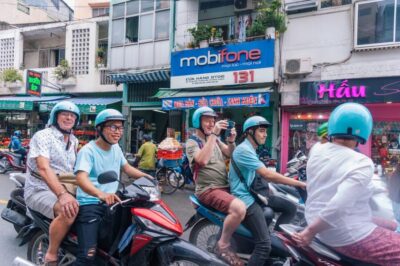
City Tour By Motorbike w/ War Museum & Reunification Palace
Read our review →
HCMC: English or German War History Tour: Tunnels & Museums
Read our review →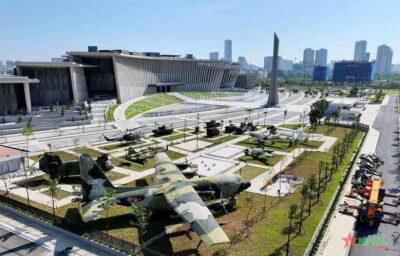
Vietnam Military History Museum & Landmarks Tour
Read our review →Browse the lists this tour appears in